
Quick Take
- The joint pain from chikungunya doesn't always end when the fever does, and the share of patients still suffering months or years later is far higher than most people would guess. See the lasting effects →
- The fever chikungunya triggers won't respond to the medication you'd instinctively reach for, and grabbing the wrong one first could actually make things worse. Check the treatment cautions →
- The virus's name is a direct description of what it does to your body, and once you know it, you'll never forget it. Discover the name's meaning →
- One mosquito can be carrying more than one disease at a time, so a single bite can leave you fighting more than just chikungunya. See how diseases overlap →
For most people, a mosquito bite is mostly an itchy annoyance—one that disappears in a few days. But get bitten by the wrong mosquito – one that is carrying a virus – and that seemingly insignificant bite can lead to unexpected health problems.
From malaria to dengue fever to Zika, mosquito-borne illnesses are very common in tropical and subtropical environments. While all can be serious, there’s one virus that can lead to a lifetime of pain.
Meet chikungunya.
What Is Chikungunya?
Most people haven’t even heard of this mosquito-borne illness, yet the virus has infected millions of people worldwide. The name comes from a Tanzanian language that roughly means “that which bends up.” The name is a nod to the way an infected person’s body curls up from the pain.
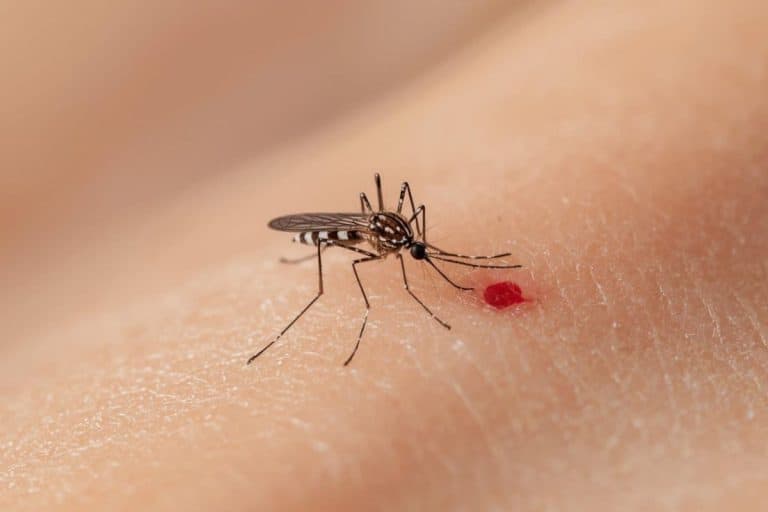
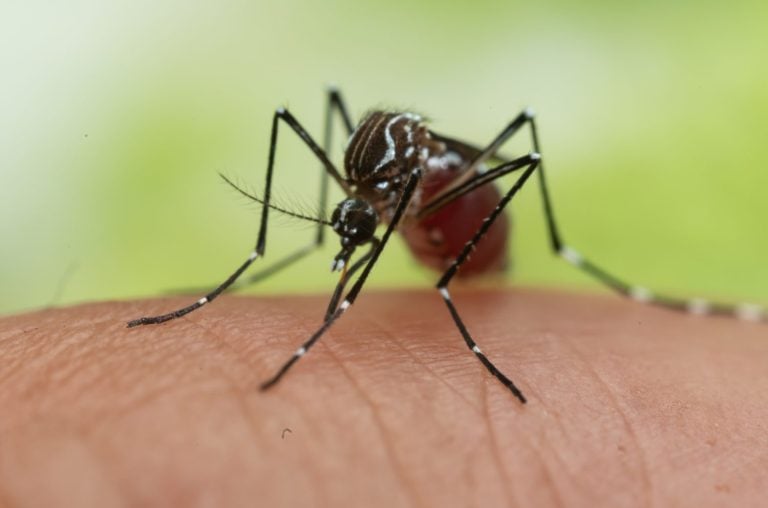
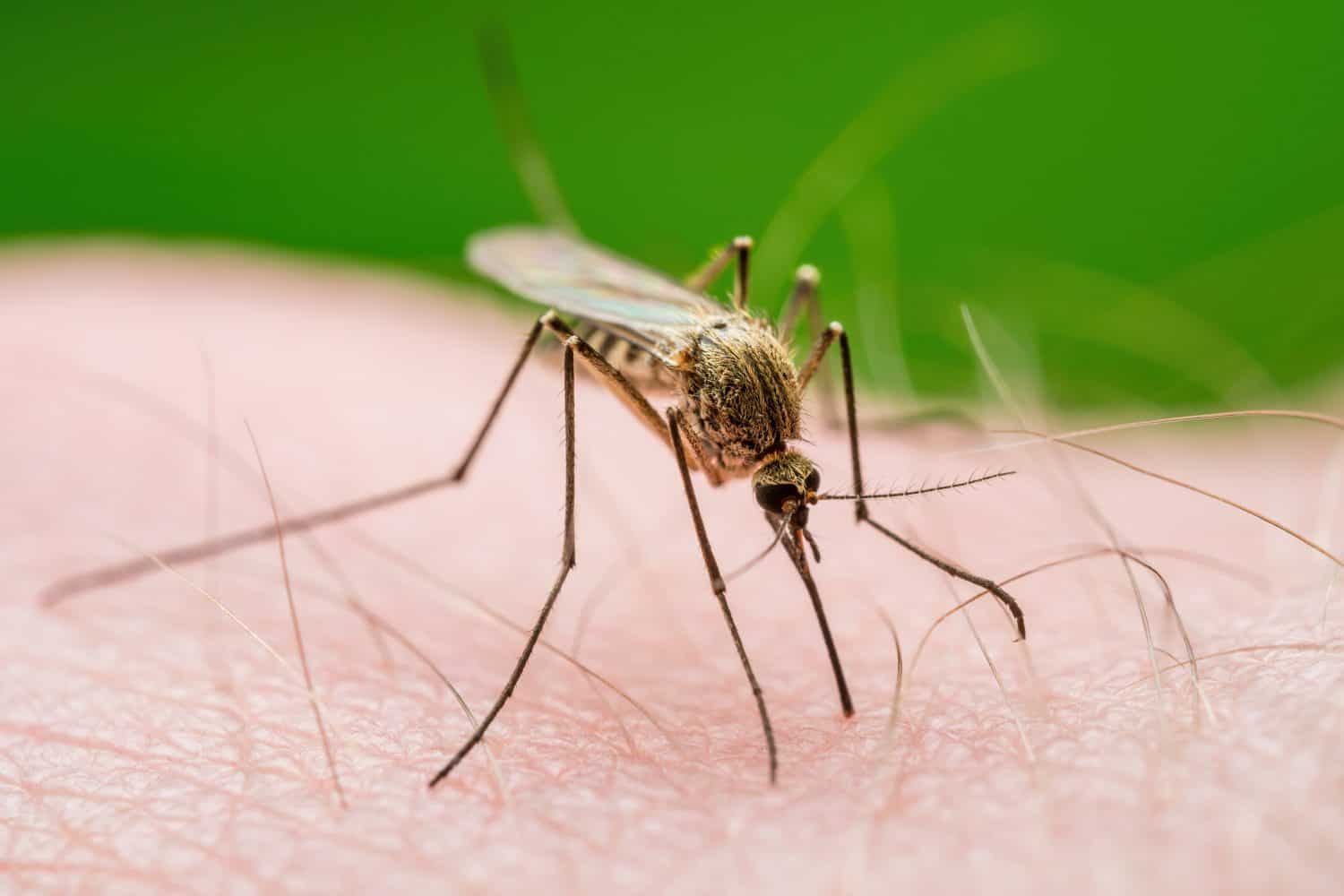
Chikungunya is a viral disease spread by the bite of two female mosquito species, Aedes aegypti and Aedes albopictus. Why females? They’re the only mosquitoes that can actually bite. They are constantly looking for blood so they can extract the protein they need to develop their eggs. Male mosquitoes don’t bite at all. They focus their time and energy on enjoying nectar and plant juices.
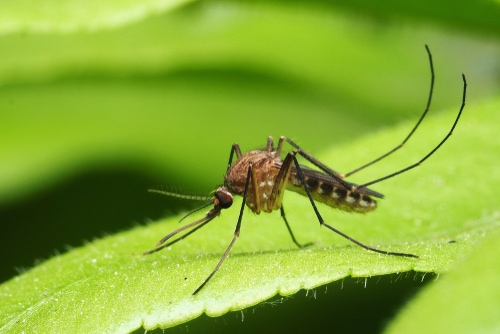
Only female mosquitoes bite.
©jiade/Shutterstock.com
The disease is transmitted when a female mosquito bites a person already infected with chikungunya. It can take as few as two days for the virus to spread to the mosquito’s salivary glands, with transmission typically beginning within three to seven days after infection. Once that happens, every person the infected mosquito bites is at risk of the virus.
One important thing to know: Chikungunya is not transmissible through casual human-to-human contact. While there are some ways the virus can move from one person to another, like with mothers and newborns or laboratory exposure, it is very uncommon.
Is Chikungunya New?
=While it isn’t one of the most common mosquito-borne illnesses, it is far from being something new. The virus has been identified in more than 100 countries, with outbreaks noted in Africa, Asia, Europe, the Americas, and even some Indian and Pacific Ocean islands.
The CDC tracks chikungunya infections in the U.S. states and territories. It hasn’t detected a local spread of the virus anywhere since 2019.
Signs of a Chikungunya Infection
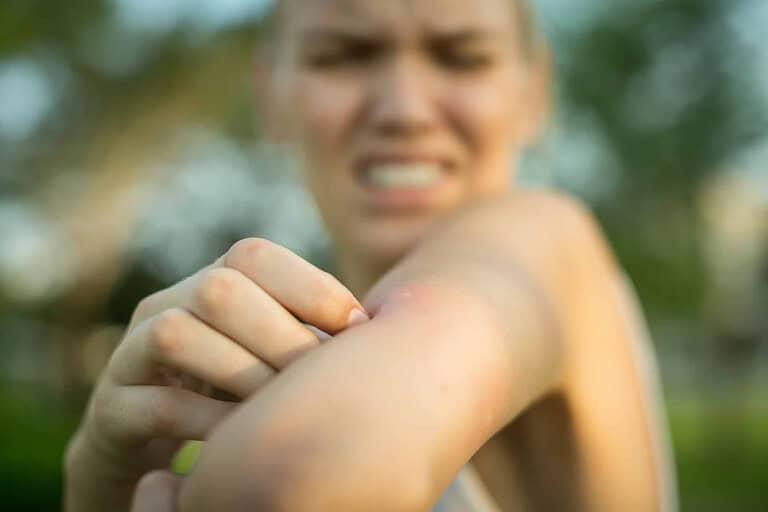
Symptoms usually start between three and seven days after you’re bitten by an infected mosquito. The symptoms seem to come out of nowhere and include a high fever paired with joint pain. Headaches, rash, and muscle pain may also be present. Joints may also swell.
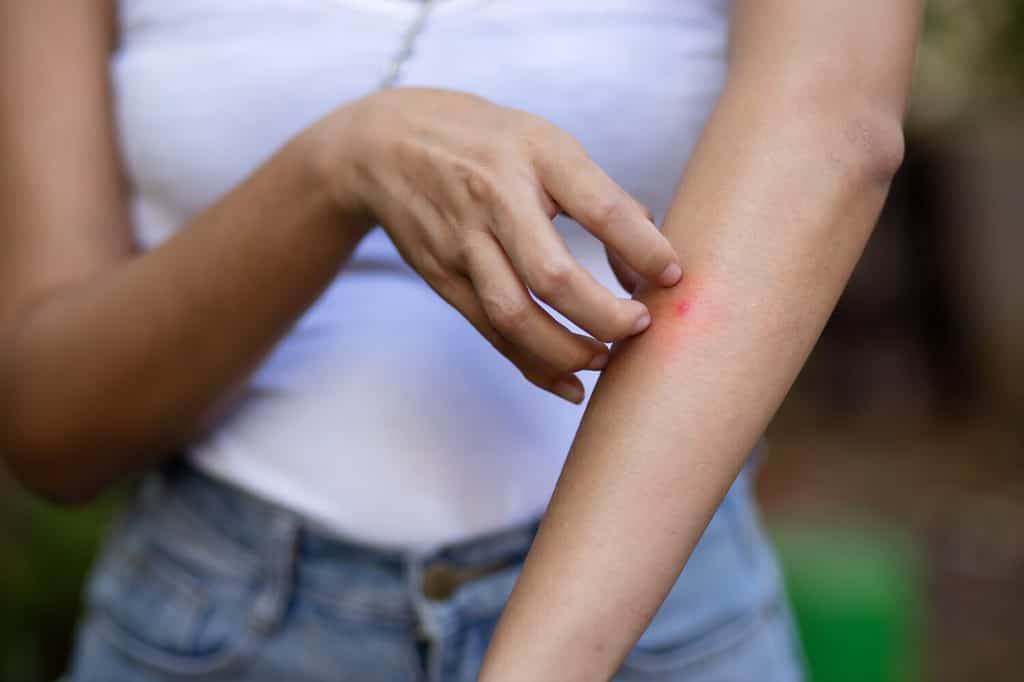
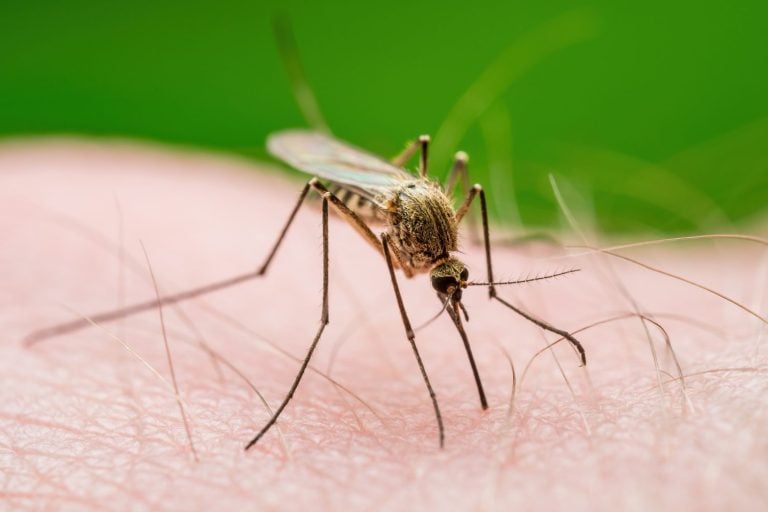
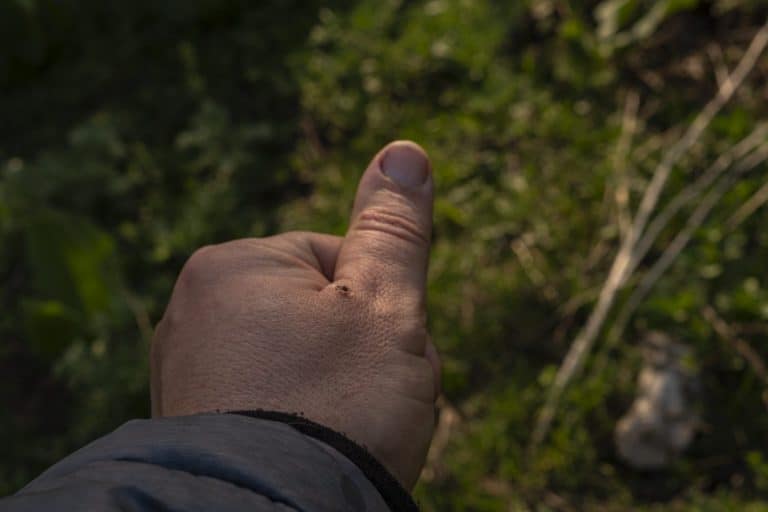
Mosquito bites are a source of chikungunya infections.
©9nong/Shutterstock.com
Some patients continue to experience high fevers despite treatment with acetaminophen, as observed during a recent chikungunya outbreak in Cuba. Most people recover from the illness within ten days. But not all.
When Chikungunya Becomes a Long-Term Problem
For some, the joint pain doesn’t end when the fever and other symptoms subside. Many patients, between 30 and 60 percent, still experience joint pain for months to years after their original chikungunya infection. Some even have the infection evolve into chronic inflammatory rheumatism.
That joint pain isn’t just a minor inconvenience, either. One study shows that 87 percent of patients with chronic joint pain find it affects their daily physical tasks, and 71 percent report a negative impact on their emotional and social state.
Then there are the patients who develop joint pain that mimics rheumatoid arthritis. They may need arthritis drugs to manage their symptoms.
It’s Often Confused With Dengue or Zika
All three of these diseases are transmitted the same way – from the bite of an infected mosquito. A single mosquito can also carry the virus for more than one disease, meaning a person could be infected with chikungunya plus dengue and/or Zika at the same time. The symptoms are similar, too.
Typically, when a person suspects they’ve been infected by a mosquito bite, they’ll need blood tests to determine which infection(s) they actually have. That’s the only way to know exactly what you’re dealing with.
When all three viruses rampaged through the Caribbean island where I lived in 2016, a majority of the island became infected, including me. So many people were sick that our small local clinic ran out of the agents needed to test blood and determine which virus it was. The neighboring island also ran out, so eventually nobody could be certain which virus they had.
How to Treat Chikungunya
There is no medicine that can treat chikungunya. Doctors will recommend pain medication, rest, and staying hydrated. However, before blood test results confirm chikungunya, patients should avoid aspirin or NSAIDs, as these can have an adverse impact on dengue infections. Once dengue is ruled out, chikungunya patients can take acetaminophen.
How to Avoid Chikungunya
Not getting bitten is the best preventive measure. Using mosquito repellent and wearing long sleeves, long pants, and socks are all ways to minimize exposure to mosquito bites. You can also minimize your time outdoors during peak mosquito activity times, typically in the morning and late afternoon. Removing all sources of standing water is also important, since mosquitoes breed in stagnant water.

Stagnant water is a mosquito breeding ground.
©Giovanni Seabra Baylao/Shutterstock.com
There is one vaccine available for travelers planning to go to known outbreak areas for short periods. The vaccine is called VIMKUNYA and is manufactured by Bavarian Nordic. It is FDA-licensed and recommended for anyone planning to travel to countries where chikungunya outbreaks are likely.