
Quick Take
- The Loa loa worm has a biological trick that perfectly times its own spread, and this trick depends entirely on a person's daily routine. See the life cycle →
- When the worm crosses the eye, the pain drives some people to an extreme and alarming DIY remedy. See the eye migration →
- Despite affecting over 20 million people, loiasis is trapped in a bureaucratic blind spot that keeps most sufferers without treatment. See the treatment gap →
- Some people carry this parasite for years and never know it, yet they are still part of the cycle. Meet the asymptomatic carriers →
Can you imagine looking in the mirror and seeing a tiny worm slowly moving across the surface of your eye? As disturbing as that sounds, it can be a real symptom of the parasitic disease loiasis. Loiasis is an infection caused by the Loa loa worm and transmitted by a bite from an infected Chrysops deer fly. However, you are only at risk of contracting loiasis in certain parts of the world, including the rainforest and swamps of Central and West Africa.
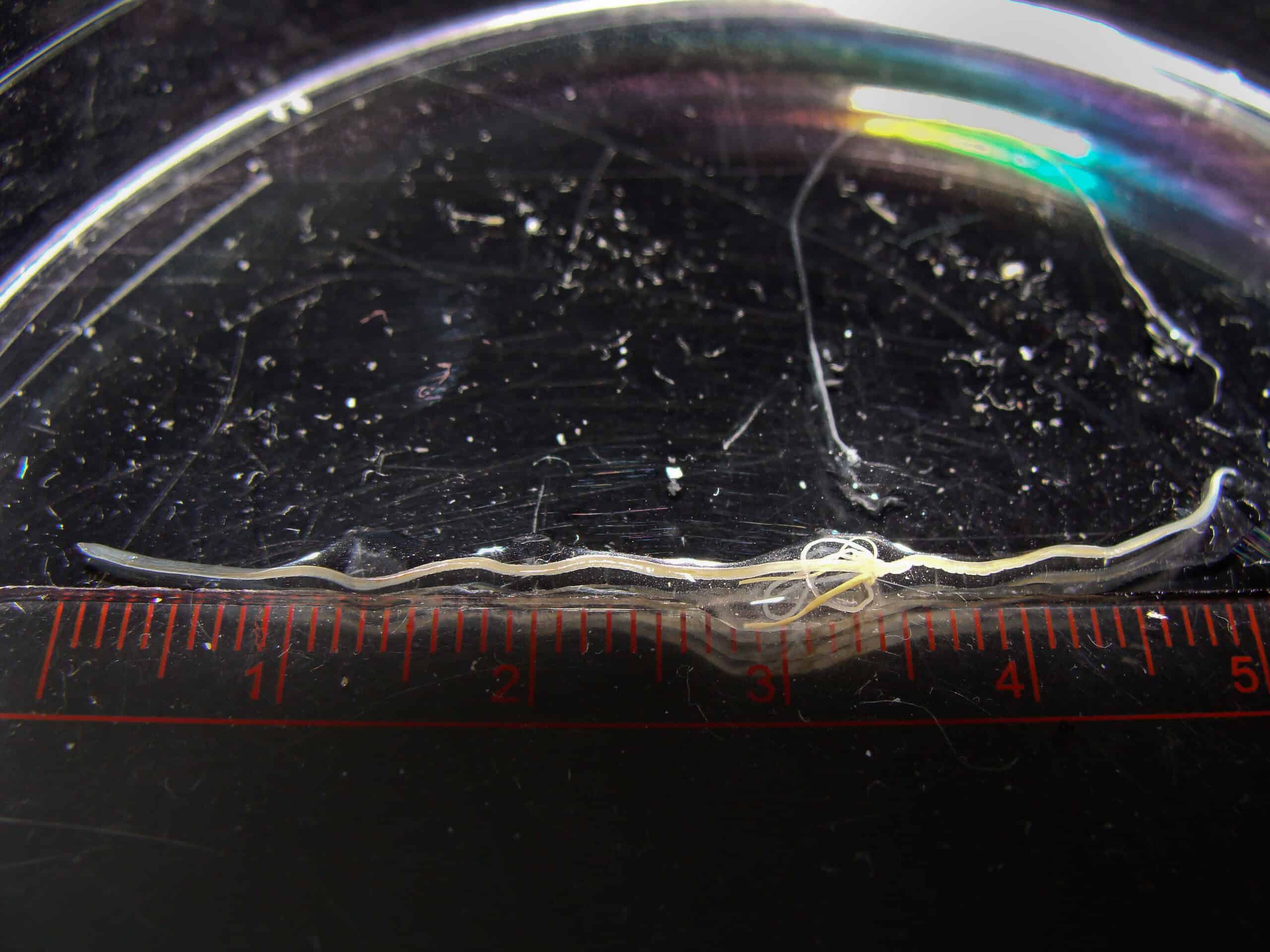
The Loa loa worm is a parasite that lives under an infected person’s skin, sometimes passing across their eye.
©Nathan Reading from Halesowen, UK, CC BY 2.0, via Wikimedia Commons – Original / License
What Is Loiasis?
Also known as the African eye worm disease, loiasis is caused by a roundworm that lives in tropical regions in Africa. It is a type of filariasis, a group of infectious diseases caused by tropical parasitic worms. The most common type of filariasis is lymphatic filariasis, also known as elephantiasis.
Thankfully, loiasis is not easy to catch, and typically a person must be bitten multiple times over several months by an infected deer fly to contract the disease. Loiasis is treated with antiparasitic medications, but these treatments can require medical supervision or be long-term. Additionally, some treatments may cause severe allergic reactions, which can be difficult for small, rural clinics to manage. According to the World Health Organization (WHO), of the over 20 million people affected by the disease, many go untreated due to lack of access to healthcare.
Where Is the African Eye Worm Found?

The Congo rainforest is a high-risk area for contracting loiasis.
©Alexandra Tyukavina/Shutterstock.com
The Loa loa parasite is endemic to Central and West Africa, mainly near rainforests and swamps where day-biting deer flies from the genus Chrysops are common. Many of these regions are rural and economically disadvantaged, making medical care for the disease difficult to obtain.
Loiasis is present in 11 African countries. The Democratic Republic of the Congo and Cameroon account for around 80% of the estimated population living in high-risk areas. The few cases diagnosed outside Africa have been people who have traveled from one of the 11 countries where infected deer flies are found.
Meet the Parasite: Size, Life Cycle, and Behavior
The Loa loa roundworm is a tiny, thread-like filarial nematode that relies on a two-host life cycle. The adults grow to about 1.2 to 2.8 inches long and are pale white or translucent in color. They live and move around in the tissue beneath the skin, often in the subcutaneous (deepest) layer. They can survive for years in the human body, living on fluids in the tissues.
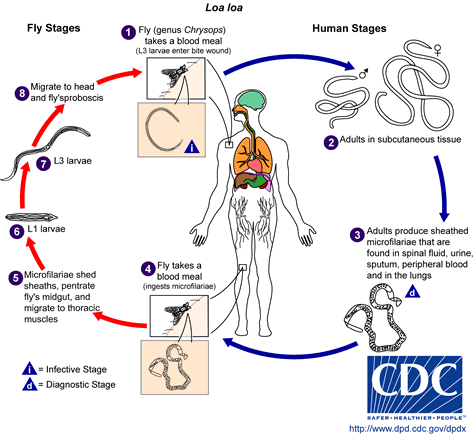
The Loa loa worm has a two-host life cycle, which includes a person and a deer fly.
©Centers for Disease Control and Prevention / Public Domain – Original
The steps of its life cycle are below:
- An infected day-biting deer fly bites a human and deposits the microscopic larvae under the person’s skin through the bite. (This does not happen with one bite, but usually requires many bites over time.)
- The larvae live under the skin and grow into adult roundworms.
- The adults reproduce in the tissues, resulting in more microscopic larvae. These larvae, called microfilariae, move into the bloodstream during the day, when deerflies are most likely to bite.
- An uninfected deerfly bites the infected human, and the microfilariae in the bloodstream of the person are transmitted to the fly.
- The microfilariae live in the fly and mature into infective larvae when they move to the now infected deerfly’s mouthparts.
- The fly bites another person, causing a new infection. The cycle begins again.
Why Is It Called the Eye Worm?
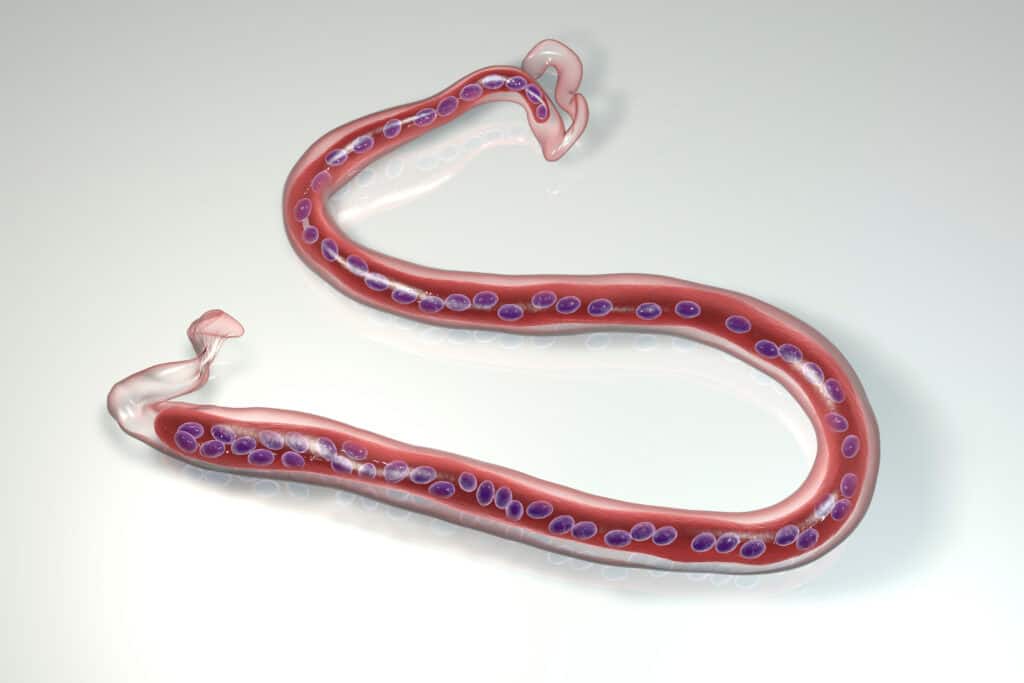
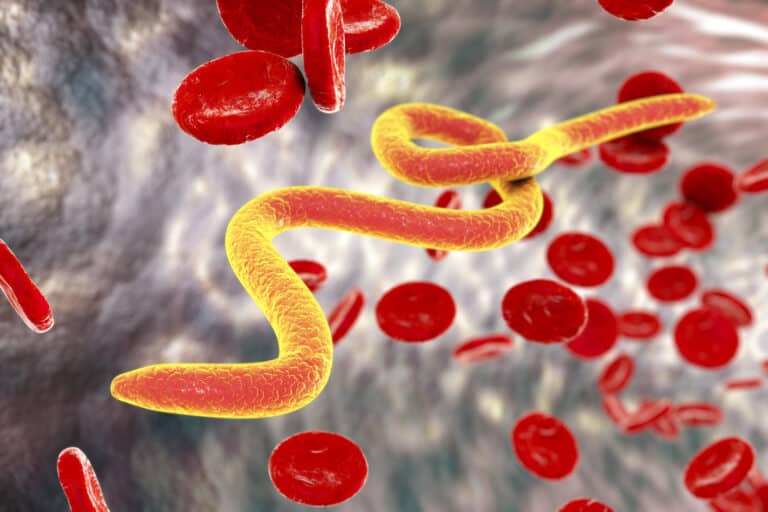
Loa loa nematodes are also known as African eye worms and cause loiasis, which can result in symptoms such as fatigue, joint pain, and swelling.
©Kateryna Kon/Shutterstock.com
The most commonly known symptom of loiasis is when the thread-like worm moves across the eye. The worm doesn’t live inside the eyeball itself, but moves just beneath the surface of the eye. It’s not known to cause lasting damage to the eye, but people report pain when the worm moves across their eye.
Dr. Rella Zoleko-Manego, a doctor and clinical researcher who treats patients with loiasis in a small research station in Sindara, Gabon, told the Lancet, “We might have never experienced an eye worm migration, but it is very painful. Some people rub chilli in their eye because it is so painful and they want to kill the worm.”
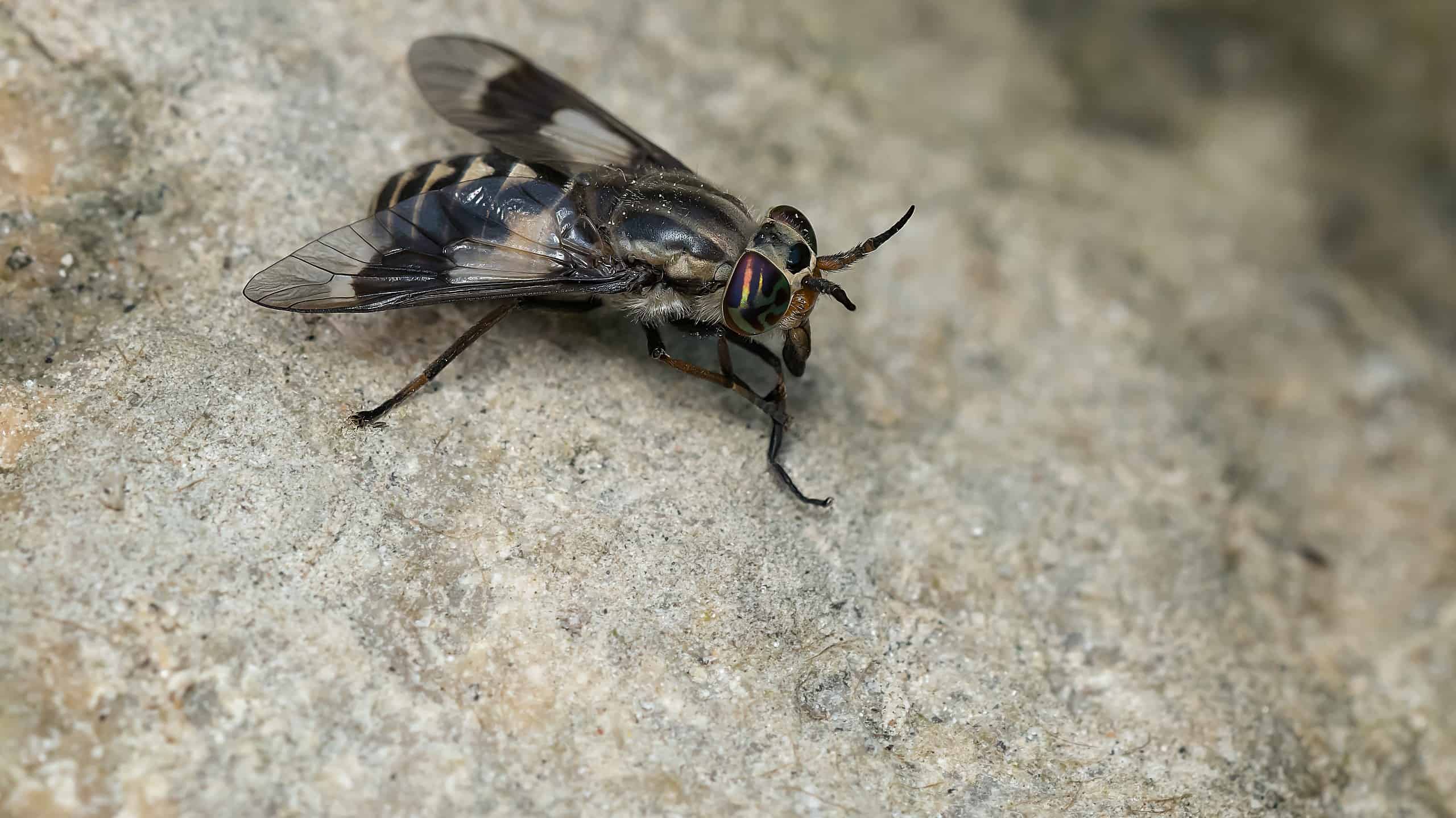
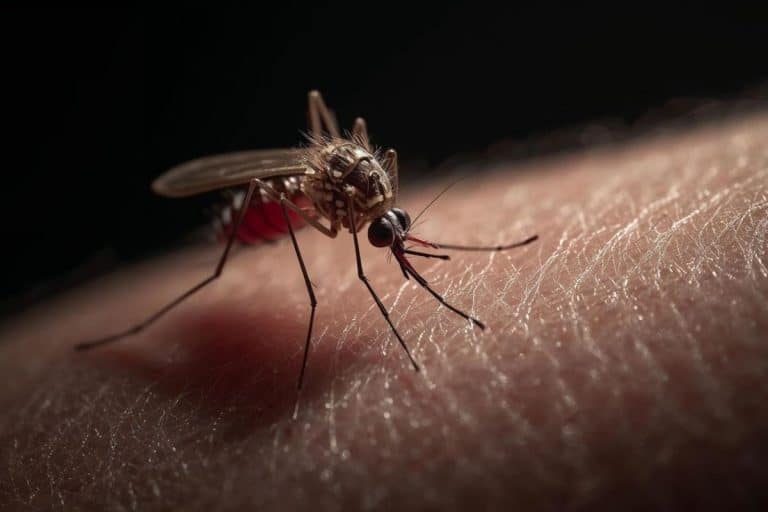
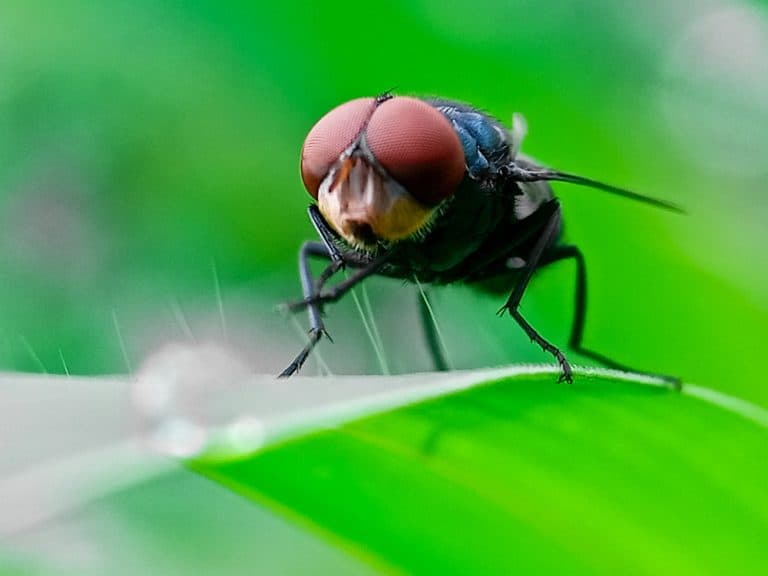
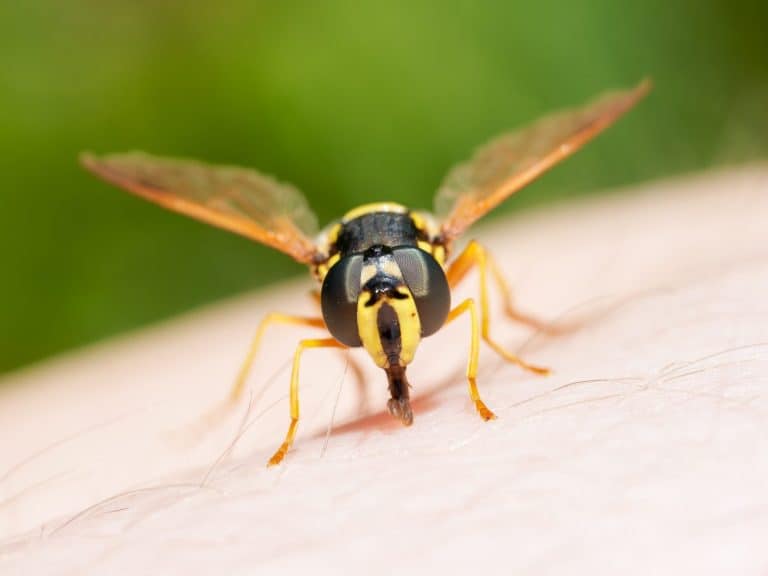
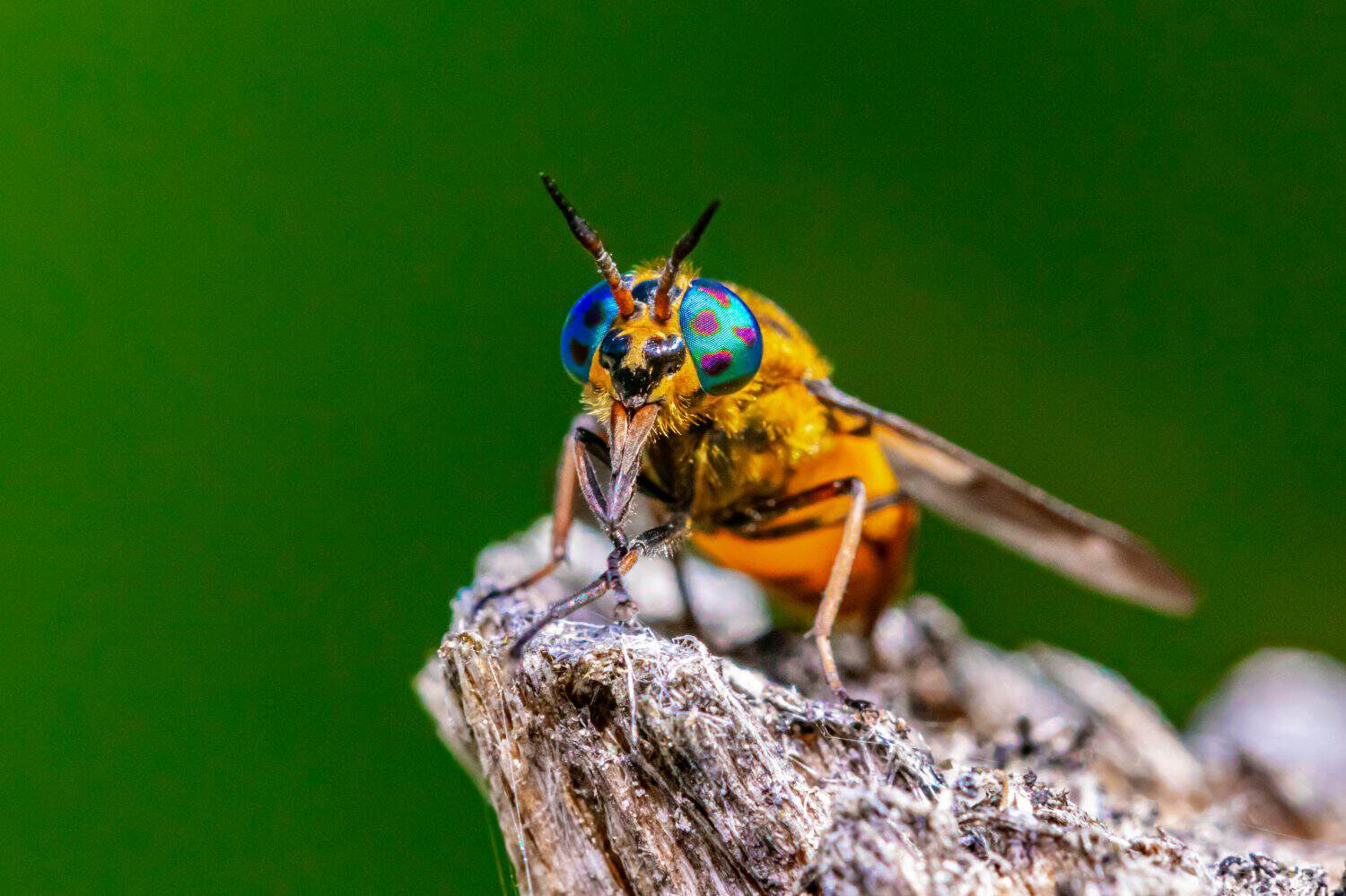
Equipped with razor-sharp mouthparts, deer flies inflict a painful bite on unsuspecting victims.
©Paul Reeves Photography/Shutterstock.com
Because loiasis is not one of the 21 conditions listed by WHO as neglected tropical diseases (NTDs), funding for research and treatment is lacking. This leaves millions of people suffering with the disease for years without treatment.
Symptoms Can Go Far Beyond the Eye
Not everyone infected with loiasis will have the experience of worms moving across their eye. The most common symptoms are itchy and swollen areas around the body as the worms move under the skin. Pain and swelling also occur in joints, such as the knees, wrists, and elbows. People also suffer from itching, fatigue, headaches, and muscle and joint pain.
Some people infected with the larvae have no symptoms at all, but can still transmit the disease when bitten by a deer fly, allowing the cycle to continue.