
Quick Take
- Monarch butterflies need their wings to fly to get food (nectar) and to escape predators.
- An injured monarch butterfly was taken to Sweetbriar Nature Center in Smithtown, Long Island, when it had lost its wing.
- The experts there used cement, corn starch, and a small wire to attach another wing from a dead butterfly.
- Soon after the procedure, the monarch butterfly flew off.
A daring surgical procedure has given a doomed monarch butterfly a new lease of life. The delicate operation was captured on film, and you can see it for yourself in this extraordinary Instagram post. As you can see in the video clip, the patient made a swift recovery and could continue its migration. Monarch butterfly populations have declined significantly and remain at historic lows, with the 2026 Western Monarch Count recording just over 12,000 individuals, making every saved butterfly especially important.
Where Did the Butterfly Wing Transplant Take Place?
The procedure took place at the Sweetbriar Nature Center in Smithtown, Long Island, and was reported by multiple media outlets in early October 2025. Wildlife rehabilitator Janine Bendicksen led the project. The team used the wing of a dead butterfly in the first-ever reported wing transplant. The entire procedure took around five minutes, according to media reports, and was accomplished using contact cement, corn starch, and a small wire.
The experts trimmed the edges of the broken wing and then attached the donor wing. Within a few minutes, the butterfly was able to flap its new wing. When it was carried outside, it flew away.
About Monarch Butterflies
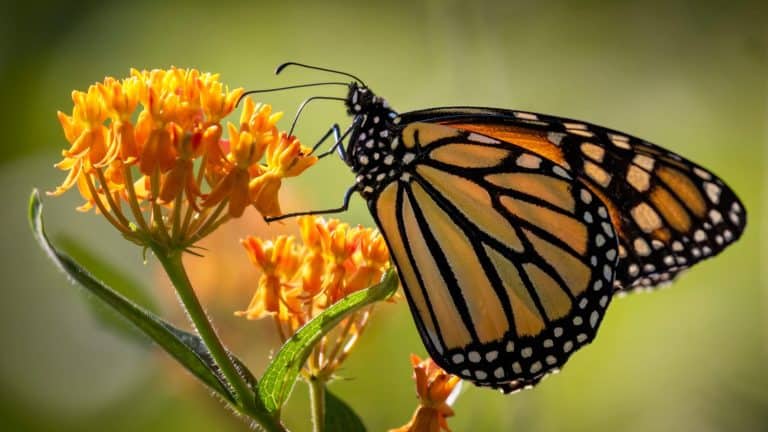
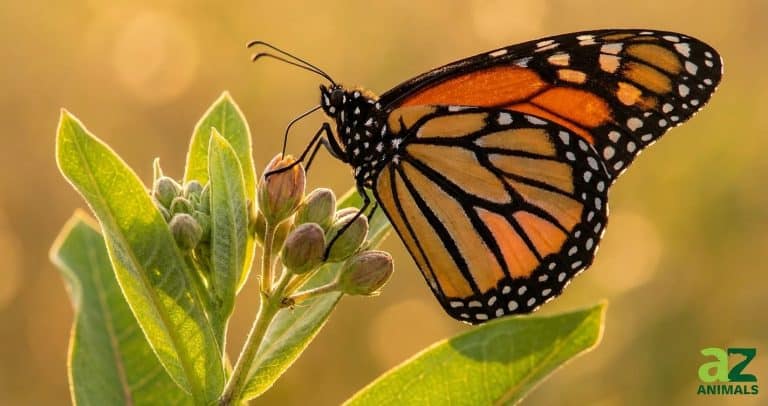
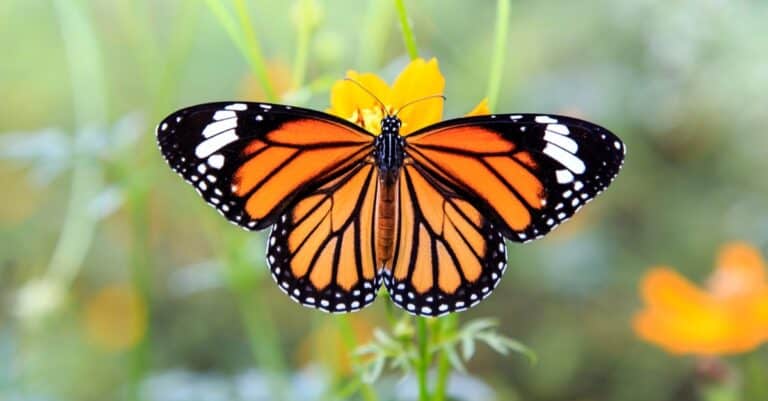
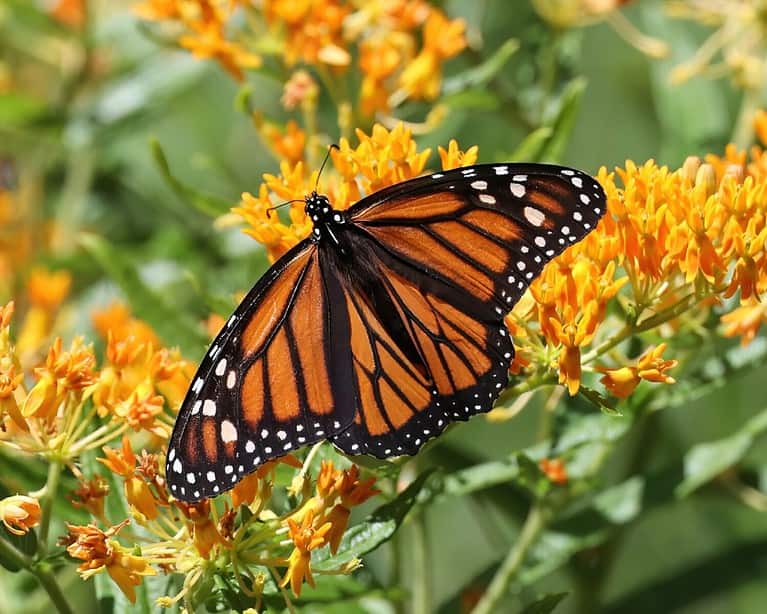
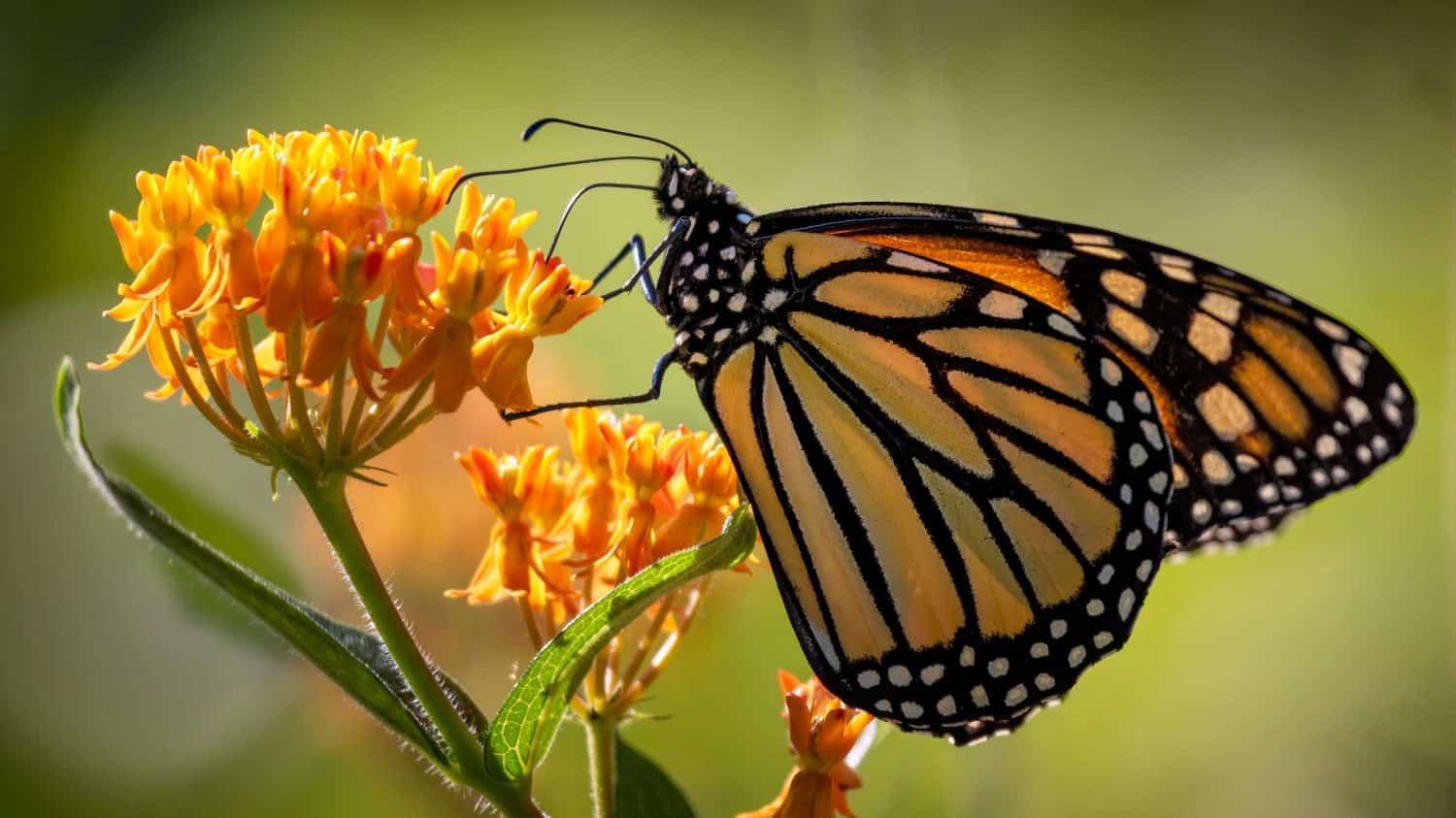
Monarch butterflies (Danaus plexippus) are insects found in a range of North American habitats, including wetlands, grasslands, mountains, and urban landscapes. They are large and brightly colored butterflies with a wingspan of up to 4 inches. The eastern North American migratory population tends to have larger, elongated wings.

Adult monarch butterflies feed on nectar.
©Candy_Plus/Shutterstock.com
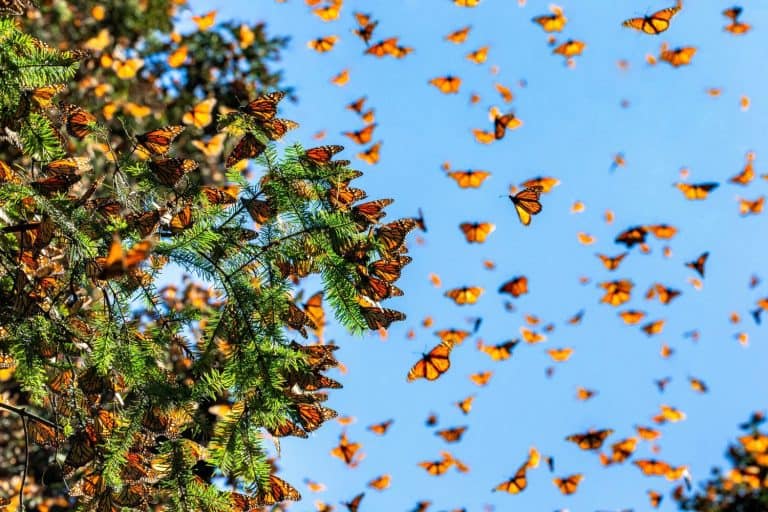
They migrate to warmer climates to survive the winter. With a broken wing, this would not have been possible, and the butterfly in this clip would have perished.
The Wonderful Structure of Butterfly Wings
Monarch butterfly wings are as complex as they are beautiful. Their distinctive color pattern warns off potential predators. The wing structure consists of a membrane covered with two types of delicate scales arranged in alternating orientations.
Sadly, butterflies that cannot fly do not survive long because they are unable to search for food (adults feed on nectar from flowers) or escape predators.