
Quick Take
- The eastern population of monarch butterflies is migrating during the month of March, heading north from Mexico.
- Planting native milkweed is one way to help migrating monarchs, as they rely on this plant to lay their eggs and feed their young.
- Tropical milkweed causes a dangerous parasite buildup that compromises the health of emerging monarch caterpillars.
- Warm spring temperatures can push monarchs too far north too early, while cold snaps threaten to kill monarchs that are attempting to establish themselves.
- Texas typically has female monarch butterflies by the 2nd week of March in order to initiate the population rebuilding process.
Monarch season starts in earnest in the United States during the month of March, even though the whole migration doesn’t necessarily appear all at once. However, butterflies arriving from Mexico find the first milkweed they can in certain states during this month, kicking off a celebrated, annual cycle. If their timing works out well, monarchs can turn their first push north into the next generation of butterflies. But if heat, drought, cold snaps, or badly timed plant growth occur, the next generation may suffer for it.
This migrating eastern population is technically a multigenerational migration. As the esteemed Monarch Watch explains in its overview of seasonal populations, any adults that survive winter in Mexico move north first to lay eggs in Texas and nearby states, and most die not long after that. The monarchs that continue the journey even further are their offspring, destined to complete their own migration someday, if they’re lucky.
Scientists and conservation groups are focused on ensuring that there are good conditions for the next batch of monarch butterflies. What can you do to support your local migrating butterfly population, and why is March such an important month for this impressive species? Let’s dive into the details of monarch butterfly migration, as well as what these creatures need to successfully complete their journey.
Why March Is a Vital Month For Monarch Butterflies
For the eastern monarch population, spring migration begins with butterflies leaving central Mexico in late winter, pushing into Texas and the southern United States as the month of March progresses. However, monarchs must move into a landscape that is ready for them, which means plants and fair weather are must-haves.

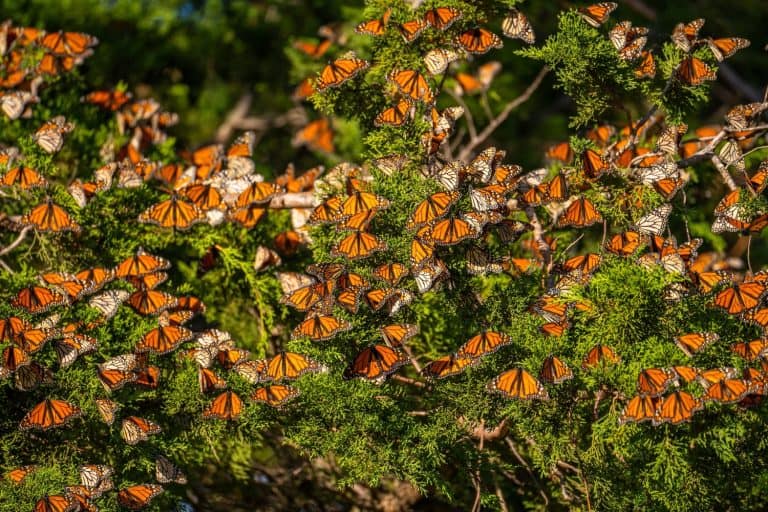
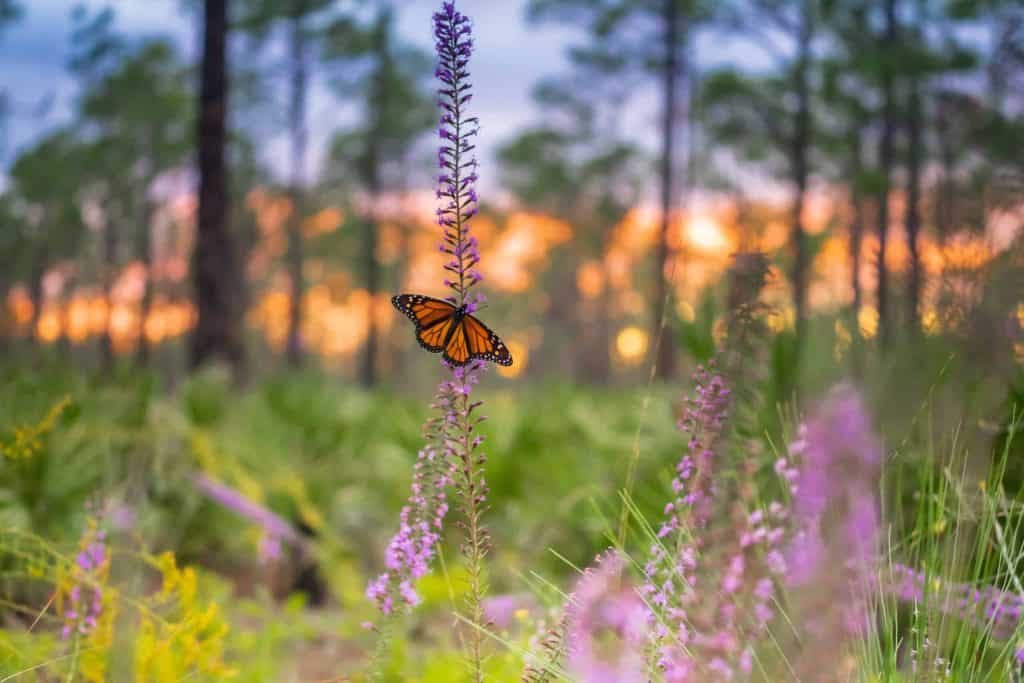
Monarch butterflies rely on the month of March to venture north from Mexico, seeking safe breeding grounds.
©Tom Koerner, U.S. Fish and Wildlife Service
That readiness starts in Texas, where monarch butterflies typically begin arriving in March to initiate the population rebuilding process. However, the exact timing can vary each year depending on weather conditions. The returning females lay eggs on native milkweeds through both March and April, and most of those returning adults begin to die by the start of May. The offspring of those butterflies then emerge in late April and continue the northward colonization of the breeding range, as every generation before them has done.
March is much more than just the month when monarchs are first sighted; it marks the annual rebuilding of the entire species’ population. If these butterflies arrive and find good food sources and safe temperatures, they can lay eggs and set up the next generation. However, if they arrive in a drought or an area experiencing weaker plant growth, the species often struggles to breed as efficiently as it needs to.
What the First Monarchs Represent
Everyone loves the first monarch sightings of spring because it feels like the migration has returned, as has springtime. However, it’s more important than that; when monarchs begin appearing farther north, they are signs that a new generation is on the wing. The butterfly seen in Texas, Oklahoma, Kansas, or farther north later in spring is usually not the same individual that left Mexico weeks earlier. It is part of the next generation produced after the first spring breeders laid eggs in the South.
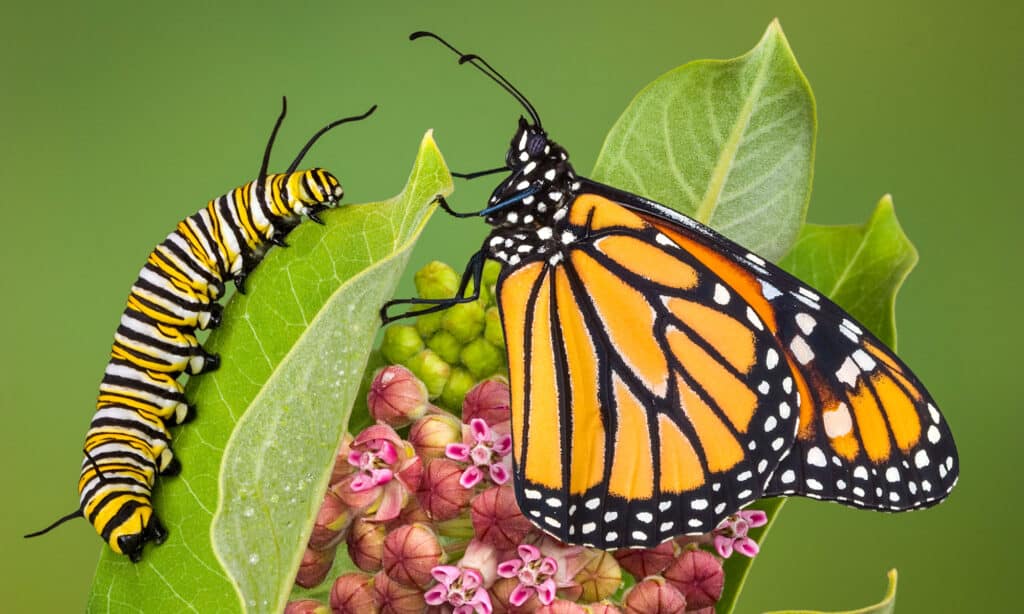
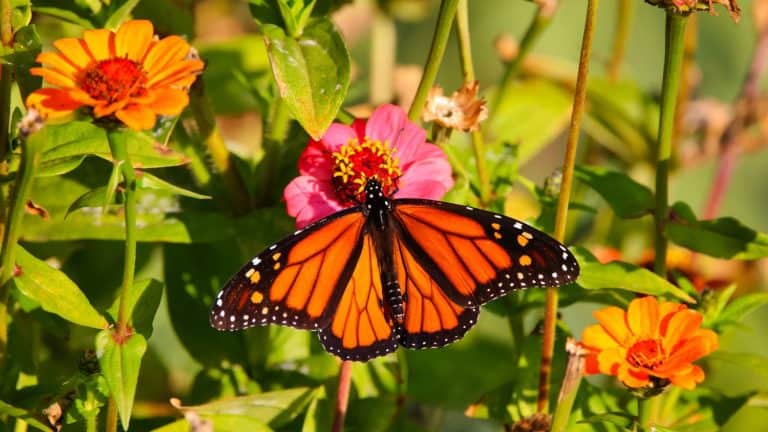
The first monarchs of March are actually butterflies from a previous generation, not this year’s.
©iStock.com/CathyKeifer
As Journey North has also explained in its migration teaching materials, each sighting represents many more monarchs than were actually reported, along with the eggs those adults likely laid nearby. That is why new, young butterflies later in spring are such an important signal; they prove to both scientists and watchers that reproduction is happening successfully.
Why Fresh Milkweed Is So Important to Monarch Butterflies
Monarchs seek nectar from many different types of flowers, but they cannot lay eggs or raise caterpillars on any type of plant. Female monarchs need milkweed to lay eggs, and caterpillars need milkweed to survive. The Xerces Society’s milkweed FAQ states that milkweeds are the required host plants for monarch caterpillars, and planting locally native species is the top, most recommended approach across the continental United States if you’re interested in helping monarchs thrive.
However, growing milkweed in March can be a tricky thing. Monarchs need milkweed that has already emerged and is tender enough for egg-laying and early larval feeding. If warm conditions pull monarchs north before a suitable supply of milkweed is widely available, they can overshoot the best breeding zone. And, if cold weather stalls milkweed growth, butterflies may arrive in a landscape that isn’t ready in the way monarchs specifically need.
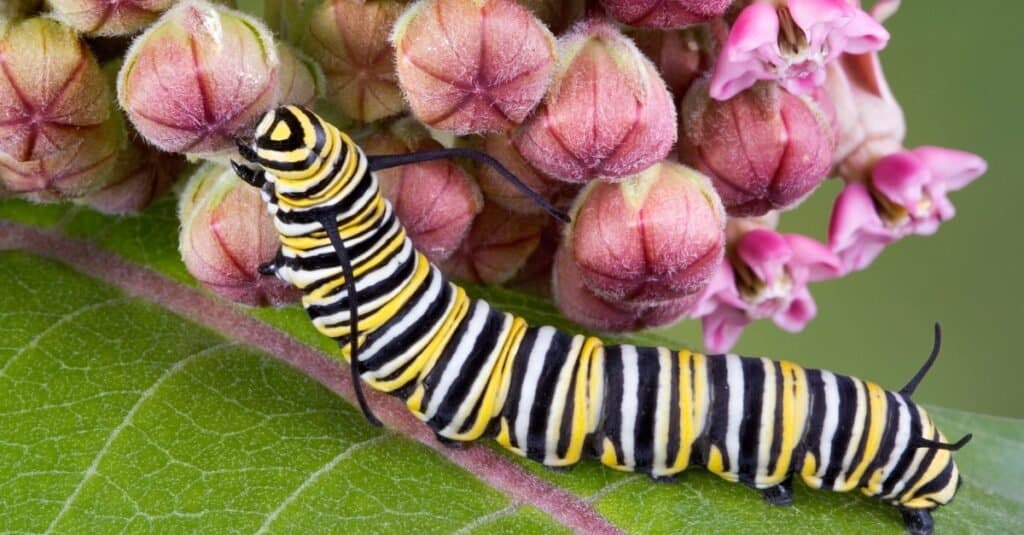
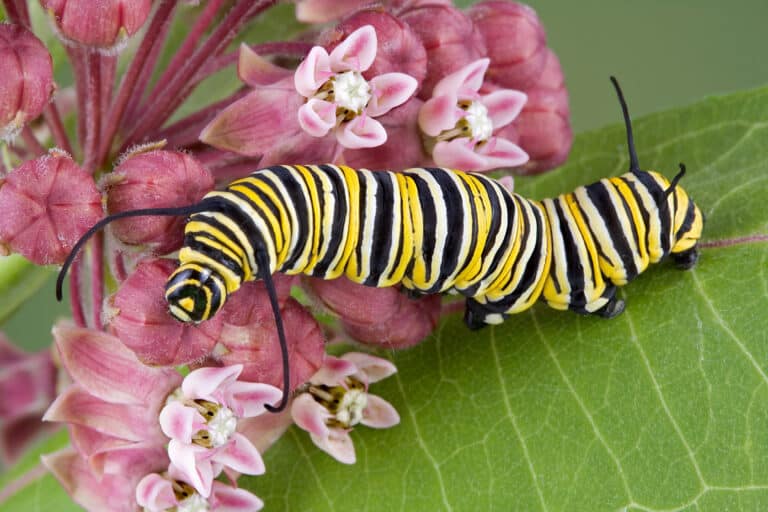
The monarch butterfly caterpillar feeds on milkweed, making it a vital plant for this migrating species.
©iStock.com/CathyKeifer
March and April conditions in Texas and Oklahoma greatly shape the monarch breeding season. Recent years have shown that increasingly warm March and April temperatures in Texas and Oklahoma can cause monarchs to move too far north too soon, sometimes reaching areas where early breeding conditions are not optimal.
Fresh milkweed isn’t the only resource monarchs need. They also rely on other early-blooming plants such as yaupon holly, dewberry, ragwort, clovers, and willows for nectar to feed and survive. A good March for monarchs must involve reliable nectar plants other than milkweed so that they can maintain their strength and lay healthy eggs.
The Ways Weather Shapes Monarch Butterfly Migrations
Weather is key to this migration, as it affects how quickly monarchs leave Mexico, how fast they move through Texas, when reliable milkweed emerges, how long nectar plants last, and whether females remain in the South long enough to lay where they should. Monarch movement is entirely driven by seasonal change, especially day length and temperature, which is why climate change threatens to alter their species in many distinct ways.
For example, in spring, warmth can be helpful up to a point, especially if it supports nectar production and milkweed growth. However, increasingly warm March and April conditions in the southern region of the United States can push monarchs too far north too soon, weakening the population buildup that normally happens in Texas and nearby locations.
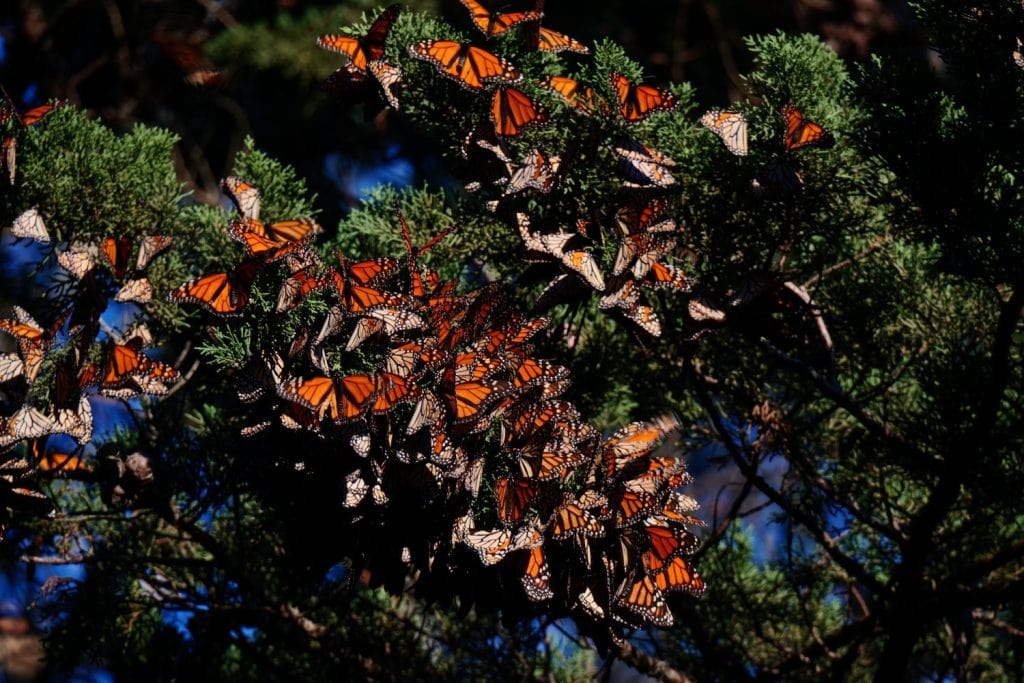
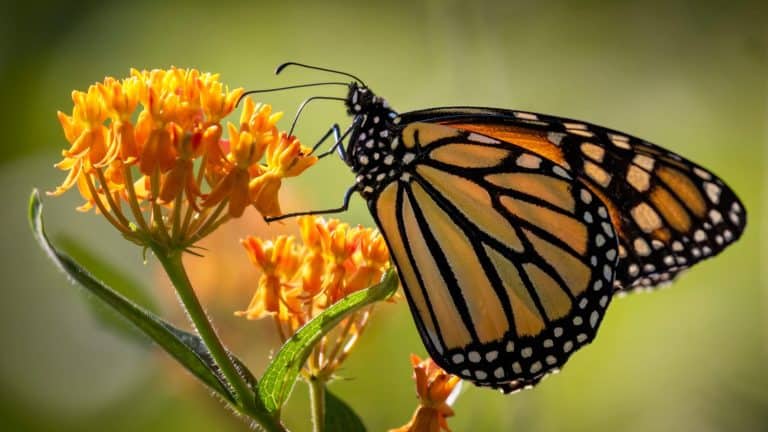
Weather and plant availability greatly affect monarch butterfly populations.
©Michael Barajas/Shutterstock.com
March rains in northern Mexico and southern Texas are incredibly important because they produce abundant flowers for northbound monarchs, aiding their migration. However, in the spring of 2026, drought and a lack of rain in these regions have resulted in fewer blooms for migrating butterflies. Any butterfly arriving in a bloom-rich habitat has a better shot at surviving long enough to reproduce compared to one that arrives in dry, flower-poor conditions.
Cold snaps can be just as disruptive as heat waves as well, and monarchs are trying to navigate a season that can still turn on them in an instant. A stretch of warm weather may bring migrants into a region, only for a freeze or severe storm to knock back both flowers and milkweed, and therefore their population. March is a true turning point for these creatures because it is dynamic, but that same instability is part of what makes it so risky.
How to Help Migrating Monarch Butterflies at Home
Did you know that not all milkweed plants are created equal? The Xerces Society recommends planting only locally native milkweed species, ideally from regionally appropriate seed or plant sources. Tropical milkweed, which is often sold in garden centers, creates real problems in parts of the southern U.S., locations where winters are mild enough for it to stay green. What’s the problem with that?

Tropical milkweed isn’t something you should plant for monarch butterflies.
©Jarun Tedjaem/Shutterstock.com
According to the same Xerces FAQ mentioned above, evergreen tropical milkweed can encourage monarchs to lay eggs outside their regular breeding season, and is also associated with a higher prevalence of the protozoan parasite Ophryocystis elektroscirrha, usually shortened to OE. Tropical milkweed allows OE to build up on foliage over time, exposing successive generations of caterpillars.
This plant can also interfere with migration and reproduction by encouraging monarchs to breed when they should be migrating or overwintering. This is why you should always plant native milkweed for your area, adding nectar plants that bloom across the entire migration season. Avoid pesticides, and let some patches of your yard stay a bit more natural than others, creating a safe habitat for monarchs.
How Scientists Judge the Year’s Monarch Butterfly Outlook
Scientists are ultimately paying attention to a chain of indicators to determine how the monarch butterfly population is faring, and March is when several of the most important factors start coming together. One of the biggest tells is the winter colony size in Mexico for the eastern population. The Monarch Butterfly Fund’s summary of the 2024–2025 winter numbers reported 1.79 hectares occupied, up from 0.9 hectares the previous winter.
While this is a substantial increase, it is still below the past decade’s average. In reality, it meant the spring monarch migration began with better numbers than the year before, but not with the kind of cushion that makes the rest of the season easy and abundant.
The weather in Texas needs to remain reliable in order for monarchs to properly breed and migrate further north.
©AlejandroCarnicero/Shutterstock.com
Scientists also watch spring weather closely in Texas and the southern Plains during the month of March; even though they can’t change the weather, it provides valuable predictions and data. Community science maps, such as Journey North’s spring maps, are another major tool. These guides track the first sightings of adult monarchs, eggs, larvae or chrysalides, and even the first milkweed appearances. Tracking all of these factors together provides a clearer picture of whether the next generation is actually becoming established.
Finally, researchers pay attention to overall nectar availability as well as later-season egg and larval densities during the monarch’s core summer breeding range. However, for the month of March and the early season, watching just how many leave Mexico is key, as well as understanding how prepared their desired habitats are.
Enjoy the Monarch Butterfly Migration This March
While March does not usually bring the broadest monarch abundance across the country, it’s a month of new beginnings for this species. Butterflies from Mexico reach the southern U.S., find nectar, look for fresh milkweed, and begin laying the eggs that will produce the next wave north, the more abundant wave we can’t wait to see.

Should all go well this month, we may be seeing plenty of monarch butterflies this spring.
©iStock.com/JHVEPhoto
This month feels so important to people who follow monarchs closely, as it is the birthday month for an entirely new population. Helping monarchs is all about giving the right generations the right habitat at the right time, which is why it’s time to get your milkweed planted if you haven’t already!