
Quick Take
- Blanket protections were supposed to save threatened species, but one argument says they actually made recovery harder for landowners who could have helped. History of blanket protections →
- Dozens of species are ready for protection right now, monarch butterflies among them, but a new bureaucratic gauntlet could leave them exposed for years. Species awaiting protection →
- There's now only one legal line protecting critical animal habitats from commercial development, and critics say it's far thinner than it sounds. Critics on habitat rules →
For the first time in decades, species in jeopardy will require specialized protection plans once they are added to the threatened species list. Previously, these protections were comprehensive. Now, species on the brink will have to fight for their survival through complex government procedures. Last week, the U.S. Department of the Interior canceled a rule protecting threatened plants and animals. This is the latest step in the Trump administration’s effort to revise key provisions of the Endangered Species Act to quicken federal reviews and incentivize economic growth.
As expected, this move has received mixed reactions. Some say it is about time that blanket protections are abandoned for species when they conflict with human growth and development. Others push back, saying that repealing this rule will only make it harder to save threatened wildlife awaiting federal protection. Either way, this move represents a fundamental shift in how the government deals with imperiled species. Let’s learn more about this latest initiative and what it means going forward for wildlife already on the path to extinction.
Blanket Protections
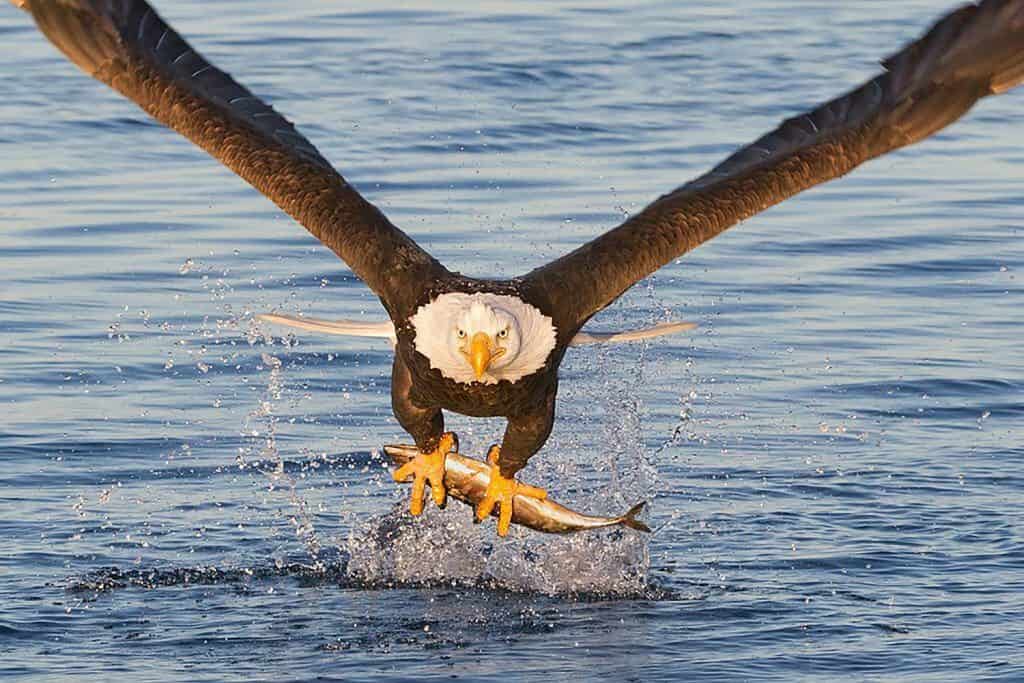
The Endangered Species Act helped restore species like bald eagles and the American alligator back to healthy distributions.
©KensCanning/Shutterstock.com
Appreciation for disappearing species in North America first manifested in legislation during the early to mid-1970s. It started with the Endangered Species Act of 1973. It provided a framework for the conservation and protection of endangered and threatened species, both domestically and abroad. Two years later, what are now considered blanket protections were put in place for wildlife species. Two years after that, plants earned the same widespread protections. The Trump administration made moves to dissolve these blanket protections, but they were reversed under the Biden administration.
The new attempt to prioritize industry and federal efficiency over comprehensive species protection came partly at the behest of two organizations. In 2024, the Rocky Mountain Elk Foundation and the Property and Environment Research Center sued the Biden administration after it restored blanket protections. They argued that these protections were too static. They said that the protections unfairly restricted landowners even when a species improved from endangered status to threatened status.
As a result, landowners would lose the incentive to participate in species recovery if they did not see their land’s status change once a species became less imperiled. Put simply, the blanket protection only punished landowners and failed to reward them, even when they contributed to improving an animal’s survival status.
Threatened Species
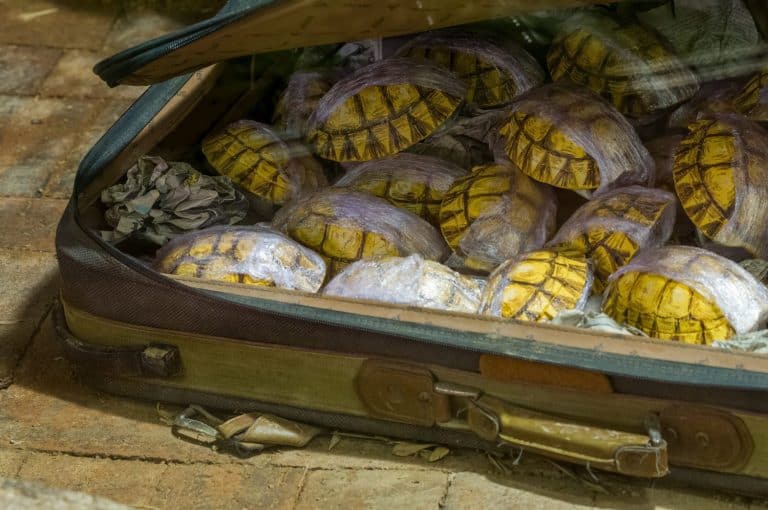
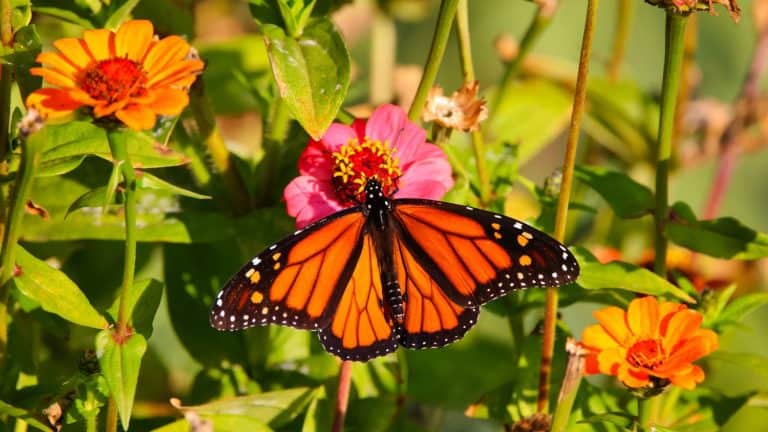
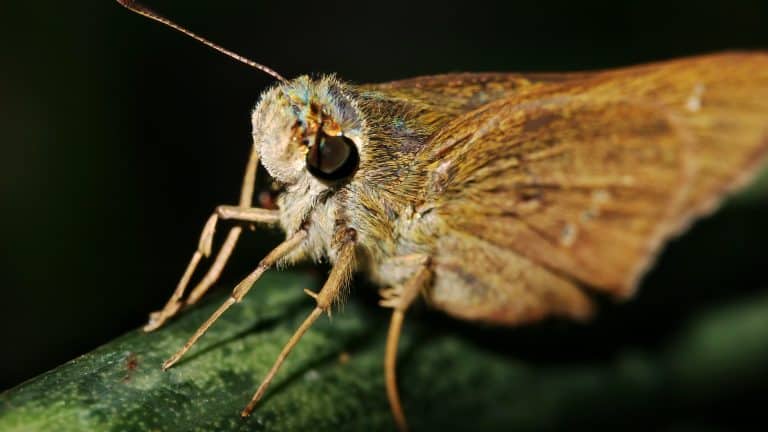
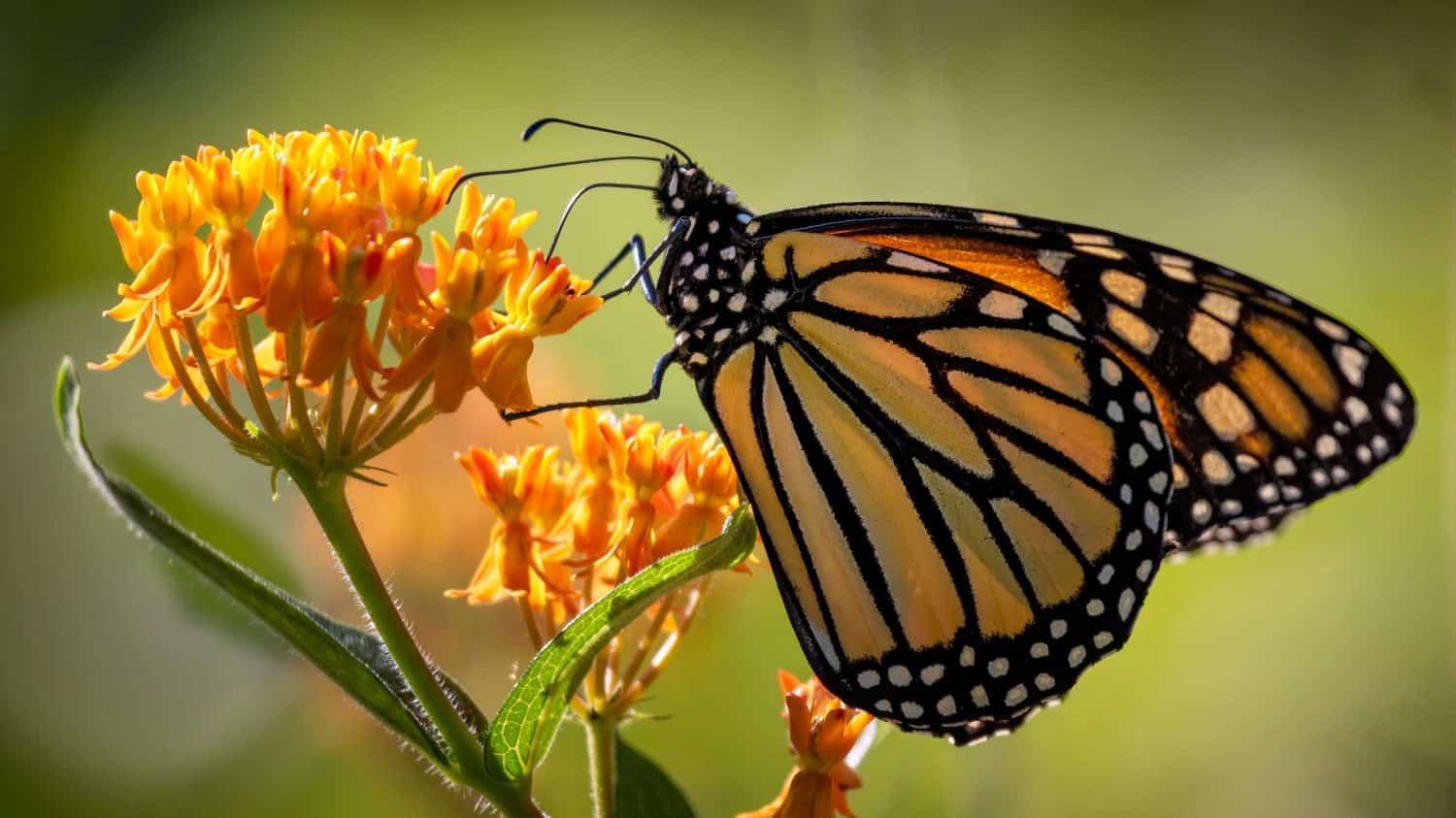
However, the pattern of threatened species being added to the list is clear. Around 22 species were added during Trump’s first term, followed by around 60 during Biden’s administration. No species have been added during Trump’s second term. Yet, 30 or so species sit ready for proposed protection. These include monarch butterflies, alligator snapping turtles, California spotted owls, and a host of other snakes, clams, fish, and insects.
In the previous political climate, these species would have received immediate protection. Now, a lengthy administrative process is required, involving species-specific protection rules authored by federal regulators. Such processes can take several years before being signed into law. This could leave species on the brink without interim protections. Federal regulators can now also write explicit exemptions into specialized species protection plans. Critics say these will favor commercial activities and industries over wildlife.
This business-oriented approach extends to the second major policy update regarding threatened species. It mandates that officials must conduct economic analyses and national security assessments before deciding whether to designate an area as a critical habitat. This means that even habitats once protected can have specific tracts removed from protection if economic benefits are deemed to outweigh biological considerations. The only safeguard is that these tracts cannot be removed if doing so would directly cause a species’ extinction. One such move has already hit the headlines. In March, the administration exempted oil and gas drilling in the Gulf of Mexico from the Endangered Species Act.
Differing Opinions
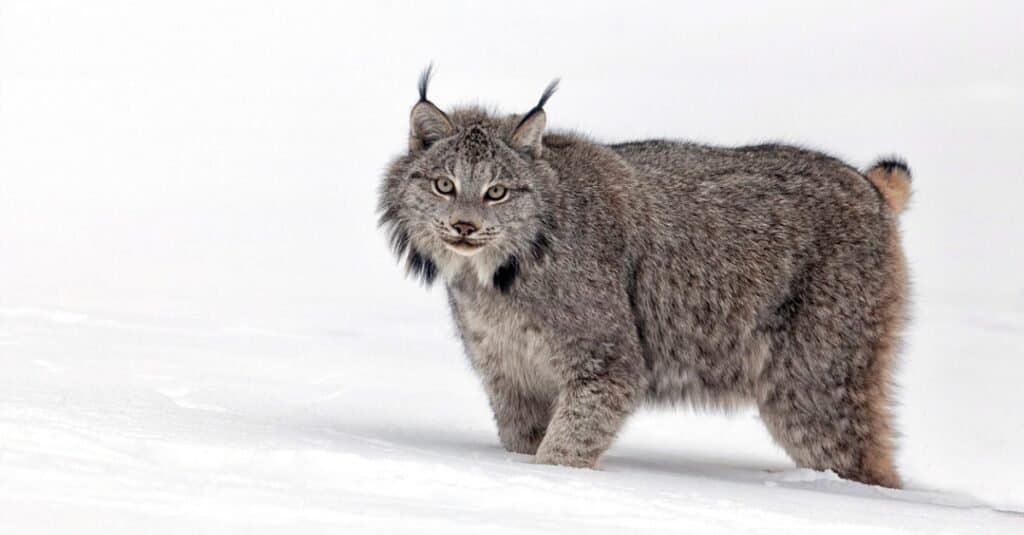
The ruling has already restricted the critical habitat space previously designated for Canadian lynx in the Rocky Mountains.
©iStock.com/Lynn_Bystrom
When announcing these updates to the Endangered Species Act, Interior Secretary Doug Burgum emphasized success through deregulation and prioritizing freedom over restriction. In a statement, he said the Act has been used “to stop almost any new project in America, driving up costs for families, weakening our competitiveness, and undermining our national security. Success should be measured by species recovery and delisting, not by adding more species to the list.”
However, this strategy also narrows the definitions of harm done to species. For example, development on critical habitats now gets the green light unless it immediately injures or kills animals living there. This has already affected the Rocky Mountain Range. Although the area was designated for the Canadian lynx, officials have significantly reduced the amount of critical habitat available to the species. The Department of the Interior stated that 97% of species previously given protections will retain them. However, this is not enough for some lawmakers who wish to see more species delisted.
Still, critics argue that these rulings put already imperiled species even closer to extinction. Furthermore, they believe that prioritizing industry over the environment will only encourage further destruction in the long run. As Noah Greenwald with the Center for Biological Diversity told the Associated Press, “If you’re exempting certain industries that cause habitat destruction, in many instances you’ll be exempting the main threat to those species.”