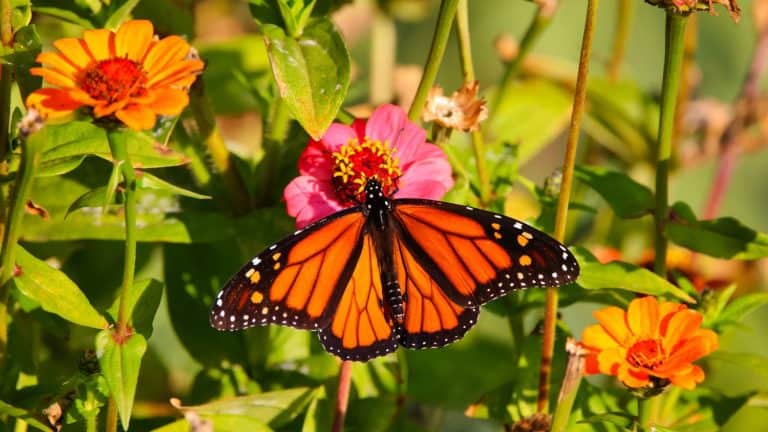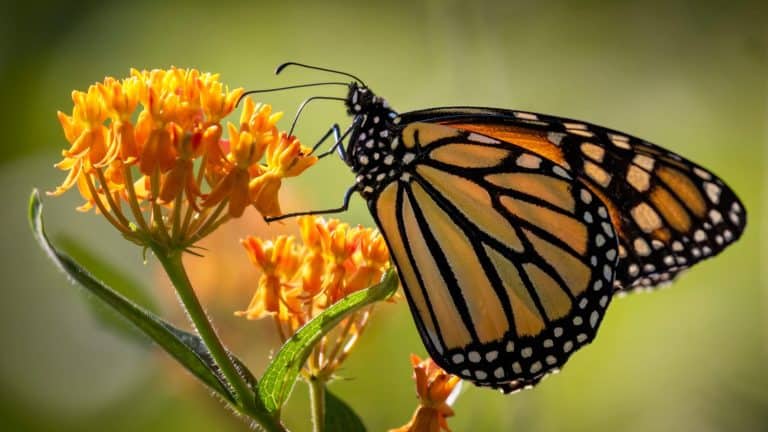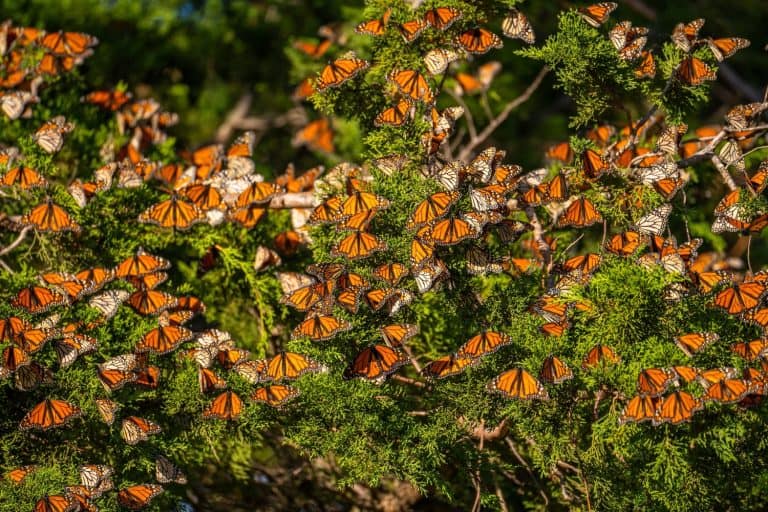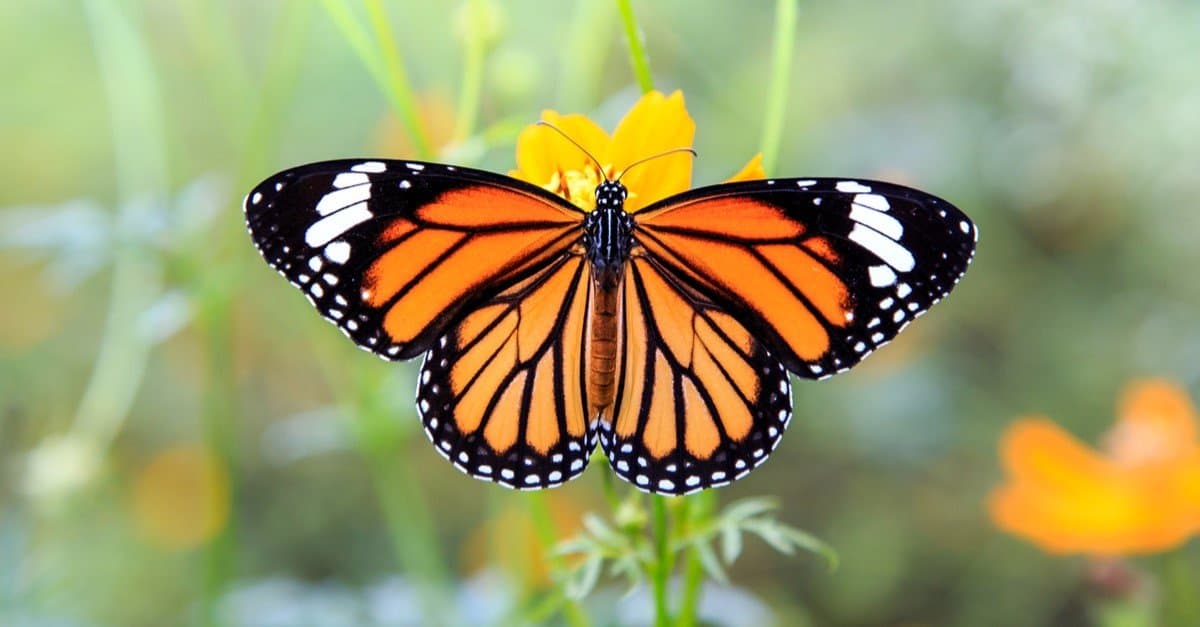

Perhaps the most easily recognizable butterfly in the world is the beautiful monarch with its bright orange and black wings rimmed with white dots. Equally famous is the incredibly long migration this delicate butterfly undertakes each year. Monarchs travel nearly 2,500 miles to reach their wintering grounds in Mexico.
Unfortunately, monarch butterflies have experienced severe declines in population over the past several decades. Conservationists are working to restore monarchs’ breeding grounds, and one of the pathways for doing so involves calling upon help from cities. That’s where the National Wildlife Federation’s Mayors’ Monarch Pledge (MMP) comes in. This initiative is helping to increase monarch habitats by planting milkweed and other pollinator-friendly plants across the country.
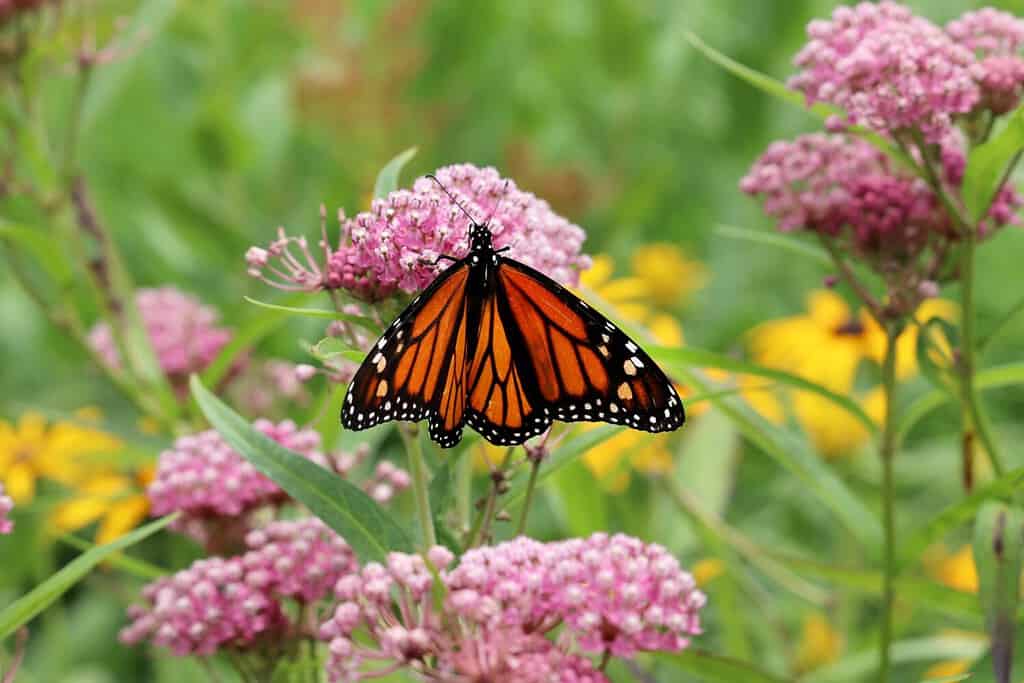
The showy milkweed plant, a host plant for the monarch butterfly, is native to the western United States.
©Nancy J. Ondra/Shutterstock.com
The Decline of the Monarch Butterfly
According to the NWF, “The Eastern monarch population has decreased by 84% and the Western monarch population by more than 95% in some years—clear signs that monarchs need our help.” The Xerces Society identifies the following threats facing monarchs: climate change, pesticides, loss of overwintering sites, and the reduction of milkweed breeding habitat.
Why Milkweed Is Critical for Monarch Survival
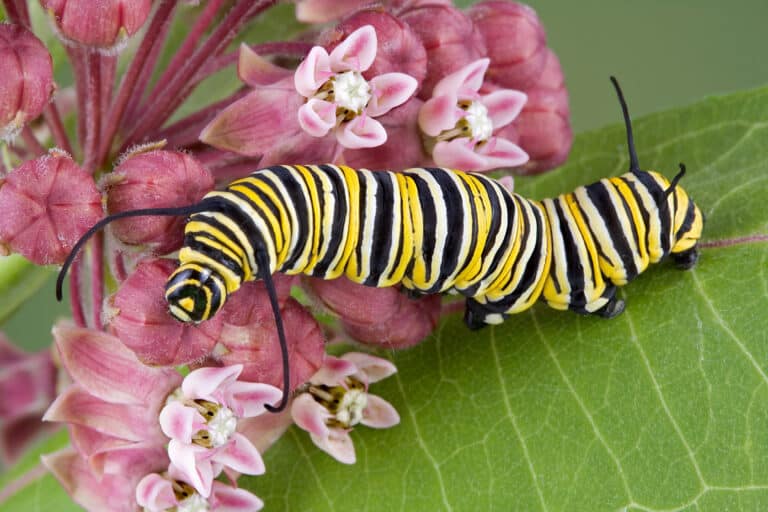
Milkweed is the only plant on which adult monarchs will lay their eggs. It’s also the only plant that monarch caterpillars feed on. However, pesticides that kill off native milkweed plants, along with urban development and agricultural expansion, have limited the number of milkweed plants available for the monarch butterfly’s life cycle.
What is the Mayors’ Monarch Pledge?
In 2015, the National Wildlife Federation (NWF) began a program to encourage cities to create habitats for monarch butterflies and other beneficial pollinators. The NWF Mayors’ Monarch Pledge aims to increase breeding habitats by encouraging citizens across the U.S. to plant milkweed. In the past 10 years, the program has seen over 2,300 individual pledges from community leaders committed to restoring and/or creating monarch habitats in their towns.
Patrick Fitzgerald, senior director of community habitat, said in a press release, “What started as a one-time initiative has now turned into a nationwide, annual movement engaging millions of people and creating thousands of acres of habitat. We know that when our local leaders speak up, communities listen. For 10 years these leaders have been speaking up to create positive change for monarch butterflies and we are proud of all we’ve achieved together.”
Mayors Must Commit to At Least 3 Actions
Mayors or community leaders who take the pledge must commit to carrying out at least three of the 30 available actions listed within one year. The actions include raising community awareness about the need for monarch habitats, planting a pollinator-friendly garden at City Hall, and converting vacant lots into monarch habitats.
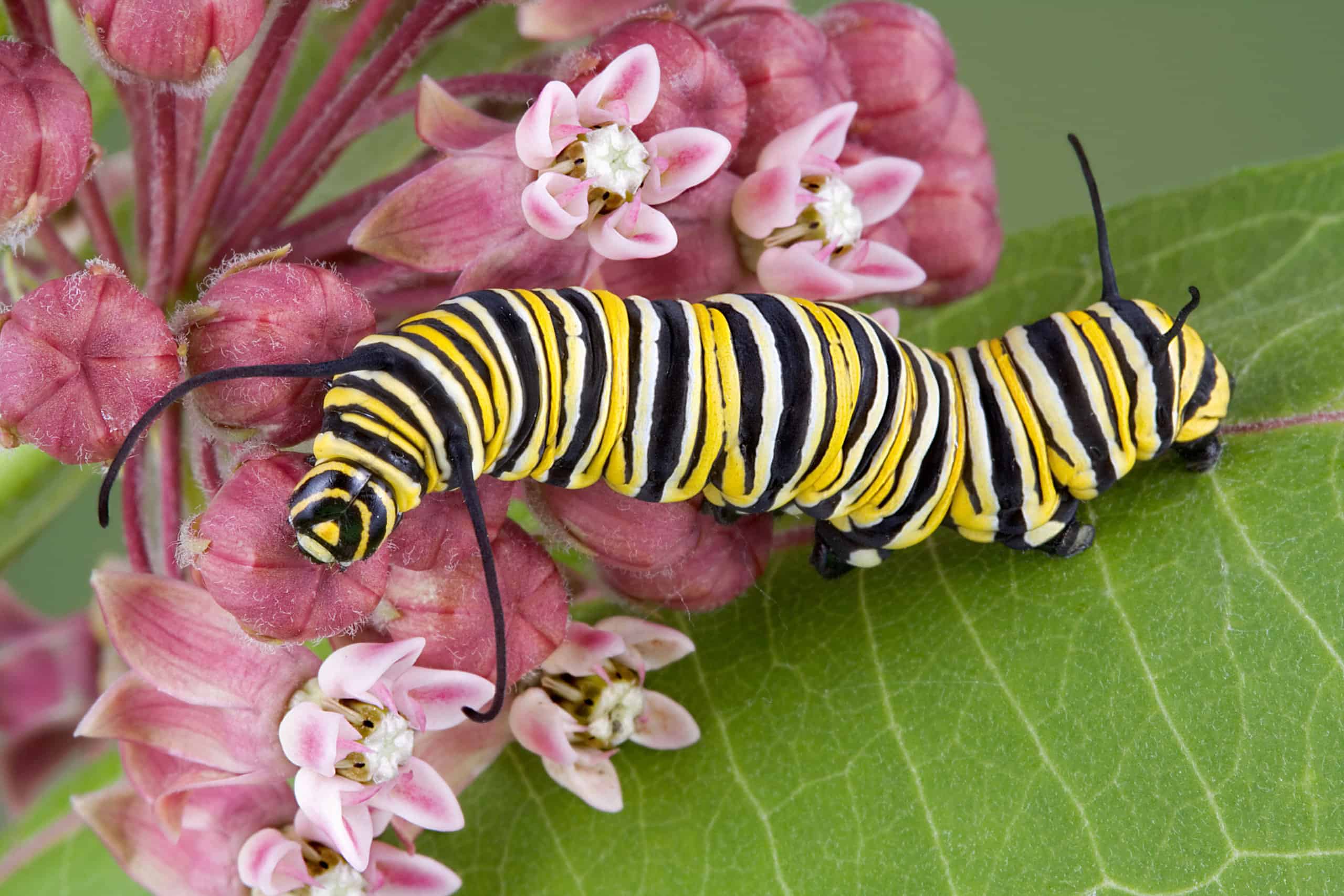
Monarch caterpillars only feed on milkweed plants.
©Cathy Keifer/Shutterstock.com
Mayor Jane Hughson of San Marcos, Texas, took the pledge and said in the press statement, “Monarch conservation provides a myriad of benefits to wildlife in general. Since the City of San Marcos is along a major migratory path for monarchs and other wildlife species, we can have a direct impact on their populations. It is important for everyone to do what they can and encourage others to make a difference.”
Who Has Taken Part This Year?
In 2025, communities from 39 states and Canada all committed to signing the pledge. The top five states with the most Mayors’ Pledges include:
- Illinois (57 communities)
- Texas (38 communities)
- New York (28 communities)
- California (23 communities)
- New Jersey (18 communities)
How You Can Encourage Your Mayor to Take the Pledge
You can write to your mayor and request that they take part in the pledge. That’s exactly what school children around the country have done to help monarch butterflies in their communities. From third graders at Pine Springs Preparatory Academy in Holly Springs, North Carolina, to second graders in Terra Centre Elementary School in Fairfax County, Virginia, children have written to community leaders requesting they take the pledge.
If your city hasn’t made the pledge, the NWF has a template you can use to send to your mayor. Now is the time. The MMP for next year opens on December 1st, 2025 and will remain open until March 31, 2026.
What Kind of Milkweed Should I Plant?
If you’d like to create your own waystation for monarch butterflies in your backyard, planting native milkweed is easy. However, the type of milkweed you should plant depends on where you live.. The World Wildlife Fund (WWF) has a monarch milkweed finder that can help you determine the right type of milkweed for your region. Beyond that, planting nectar-rich plants in your garden helps adult monarchs that need to fuel up on nectar for their long journey.