
Quick Take
- This toad hasn't been recorded in Las Vegas for over six decades, and nobody invited it back. See where it appeared →
- The Springs Preserve is actively rewilding Las Vegas, though the species it's targeting isn't the toad. Explore the rewilding site →
- Woodhouse's Toads hunt scorpions, and that is not even the strangest thing about them. Discover their wild diet →
A Las Vegas nature preserve has just had a very exciting visitor. According to local news reports, images of a lone Woodhouse’s Toad have been captured by a wildlife camera. We found out more about this amphibian and the preserve where it was seen.
What Are Woodhouse’s Toads?
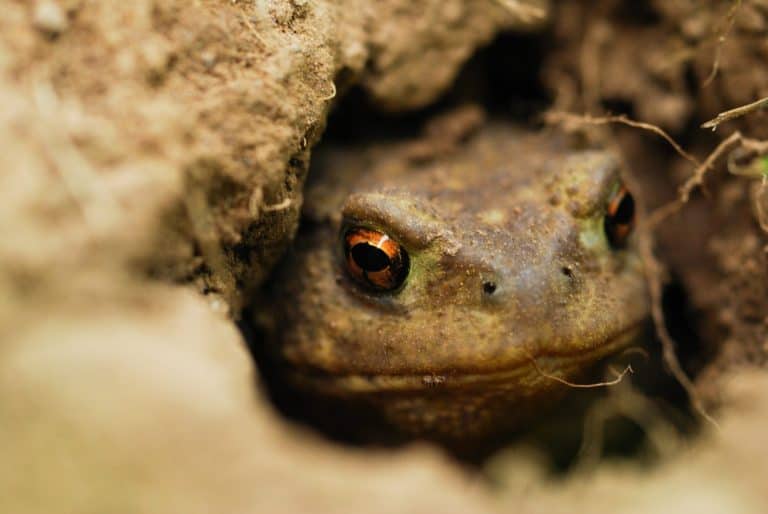
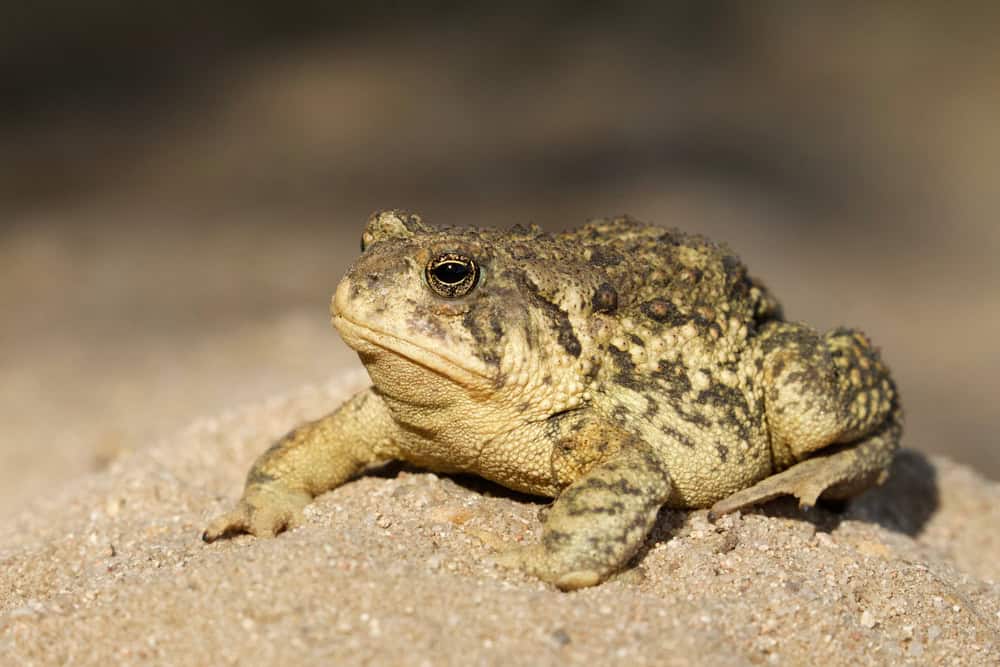
Woodhouse’s Toads (Anaxyrus woodhousii) are widespread in the central and southwestern U.S. Isolated populations occur in southeastern Washington, southeastern Oregon, and southwestern Idaho. They get their name from surgeon and naturalist Samuel Washington Woodhouse. The adults can reach up to 4 inches in length, and the females are larger than the males. Their skin has a background color of gray, brown, olive, or yellow, but it is speckled with numerous small dark spots that usually contain 1-2 warts.
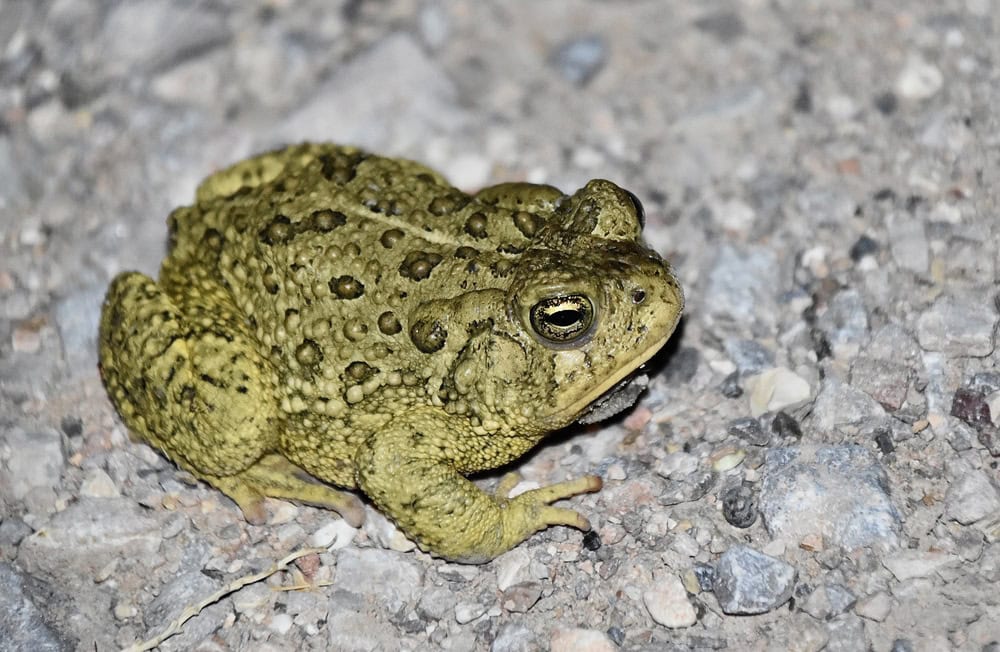
Woodhouse’s Toads are mainly nocturnal.
©B. Kao/Shutterstock.com
These toads like to live in grasslands, deserts, and semi-desert shrublands, woods, floodplains, and agricultural areas. They are mainly nocturnal, and during the day, they hide away in burrows underground or under rocks. You may spot them on roads at night in hot, humid weather or when it rains. Alternatively, you may hear the call of the males during the mating season, which sounds like a drawn-out “waaaaah.”
These are opportunistic predators who eat a range of invertebrates such as insects, spiders, scorpions, and earthworms.
Where Was the Woodhouse’s Toad Spotted?
This particular Woodhouse’s Toad was found at The Springs Preserve. The preserve has recreated a wetland system along the historic Las Vegas Creek Channel. Wildlife is being actively introduced into this habitat through a process called rewilding, while some species are returning on their own. Woodhouse’s toads have not been recorded here for at least 60 years. This individual caught by the cameras was a lone male.
The preserve is focusing its efforts on creating a habitat for relict leopard frogs, which are a state-protected and vulnerable species. The plan is for these frogs to replace their relative, the Vegas Valley Leopard Frog, which was once native to the area but went extinct as local water sources dried up. Cottonwood Grove is also home to the endangered Pahrump Poolfish. Excitingly, a Woodhouse’s Toad has now been spotted here as well!