
Quick Take
- The EPA has already weighed in on this pesticide, and its prediction for dozens of species is far grimmer than most farmers or consumers realize. Check the EPA's assessment →
- A pesticide dose low enough to seem harmless may be doing something alarming inside a bumblebee's body, and whatever it is doing has nothing to do with killing the bee outright. See what sulfoxaflor does →
- Modern agriculture's biggest pollinator problem is not simply that bees are dying. The tool designed to save crops may be quietly dismantling the next generation of bees. Consider the path forward →
It has become alarmingly clear from numerous headlines that bees, especially honey bees, have experienced significant losses in recent years. Experts point to different reasons for this decline. Some blame pesticides or disease, while others point to the effects of monoculture agriculture and climate change. Whatever the reason, the fact remains that the Earth’s most important pollinators are facing mounting threats. A new study makes this warning clear, as it found that even low doses of a common pesticide can radically alter bumblebee gene expression.
Industrial agriculture relies on pesticides to prevent pests from destroying crops. One such pesticide, sulfoxaflor, prevents sap-feeding insects like aphids from reducing the yields of soybeans and corn. However, researchers found that this very pesticide may have a radical effect on the reproductive capabilities of bumblebees. They believe that the continued use of this pesticide could, over time, reduce the number of bumblebee offspring produced and contribute to an already considerable decline in bee populations. Let’s learn more about this study, how researchers studied the effects of sulfoxaflor on bumblebees, and why it is only one of the reasons bees face ongoing threats.
Pesticides
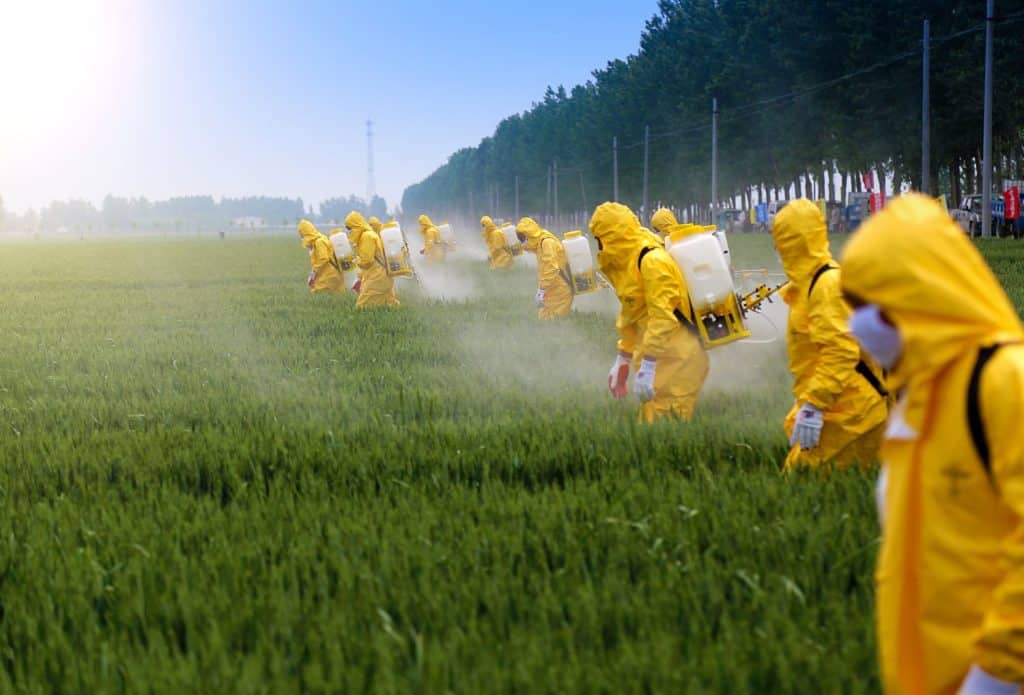
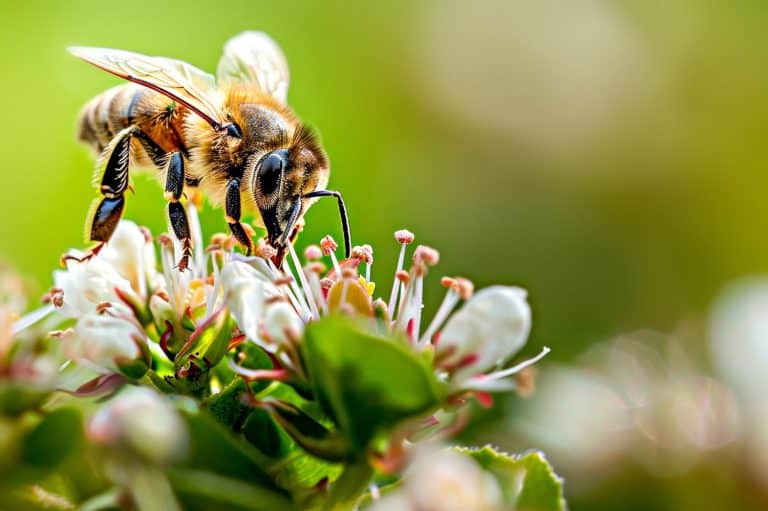
Pesticides may improve crop yields by reducing pests, but they can have disastrous effects on the health of other creatures like bumblebees.
©Jinning Li/Shutterstock.com
Newton’s Third Law states that every action has an equal and opposite reaction. While this principle originates in physics, it also illustrates how human attempts to control the environment can lead to serious consequences. Pesticides illustrate how agricultural practices can unintentionally affect wildlife and ecosystems. Pesticides are designed to disrupt the biological functions of organisms considered pests, thereby reducing crop loss and improving yields. However, when pesticides affect organisms beyond their intended targets, they can cause serious side effects.
Pesticides such as neonicotinoids have long been studied due to their effects on honey bees. As systemic chemicals, neonicotinoids spread through all tissues. While they do not affect vertebrates, they can have slow and steady negative effects on invertebrates such as honey bees. Studies have found that bees pick up trace amounts of this pesticide from pollen grains. By bringing the pollen back to their hives, the pesticide seeps into beeswax and can eventually reach critical levels. Other studies have shown that such chemicals alter honey bee foraging behavior, as well as the chemical and physical signals bees use to communicate.
The latest study examining the relationship between pesticides and bumblebees reinforces this idea, though in a different but equally dangerous way. Researchers at the Georgia Institute of Technology found that a commonly used pesticide, sulfoxaflor, can have negative effects on the gene expression of bumblebees.
Insidious Sulfoxaflor
Introduced in 2013 to eliminate sap-feeding insects such as aphids, sulfoxaflor has become a widely used pesticide among large-scale agricultural companies. It has a profound effect on pests and helps improve yields of crops like corn and soybeans. Since its appearance on the market, however, various scientists, conservation groups, and even government agencies have pointed to the danger it poses to other creatures. Three years ago, the EPA released its final biological evaluation of sulfoxaflor, predicting that continued use of the pesticide could put 63 endangered plants and animals at risk of extinction, with hundreds more likely to be adversely affected.
The latest research on this pesticide’s effects on bumblebees further reinforces this point. In the U.S. Department of Agriculture-funded study, recently published in the journal Ecotoxicology and Environmental Safety, researchers flash-froze bee tissues and analyzed RNA from these samples to assess how gene activity was affected by pesticide exposure. They also used computational models to determine which biological systems exhibited the most significant responses.
Researchers observed the most significant changes in bumblebee ovarian tissue, suggesting that continued use of sulfoxaflor could reduce the number of offspring produced and, in turn, contribute to further declines in bumblebee populations. In a statement given to Science Daily regarding the study, contributor and professor in the School of Biological Sciences, Michael Goodisman, explained the relationship. He said, “What makes this study exciting is that it connects molecular changes in gene expression to real-world consequences for individual bees and their colonies. That type of connection is rare and gives us a much clearer picture of how pesticides affect bees.”
Looking Forward
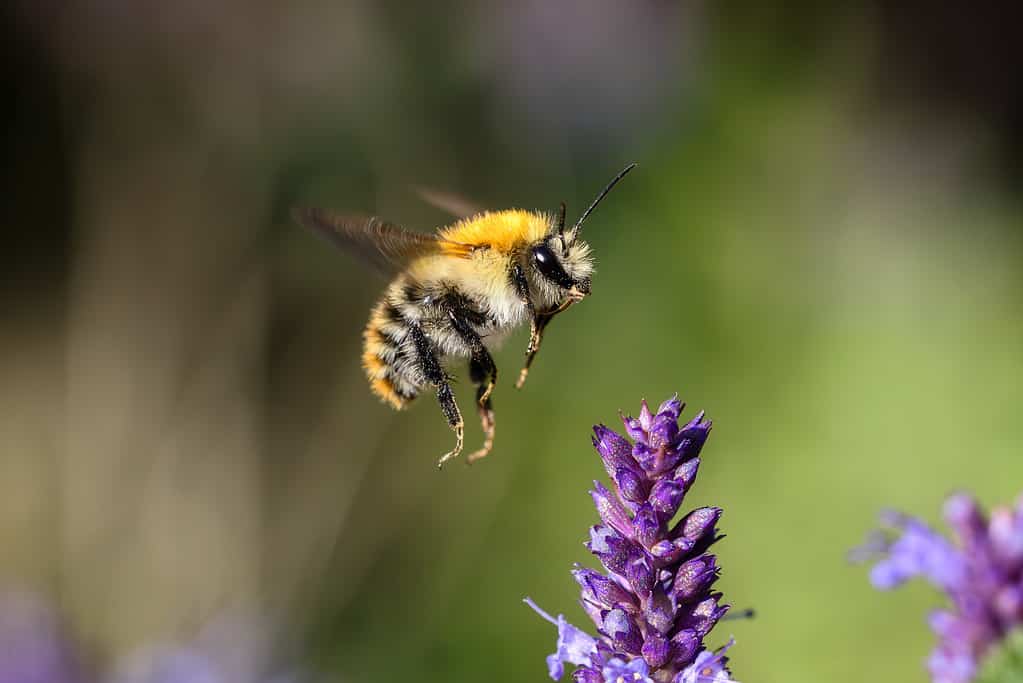
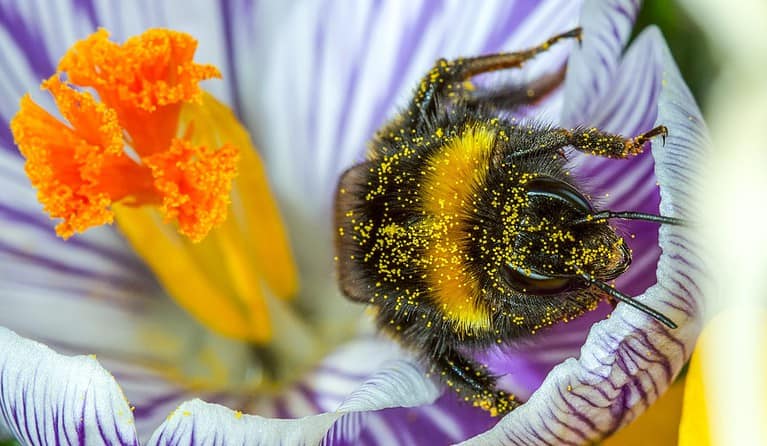
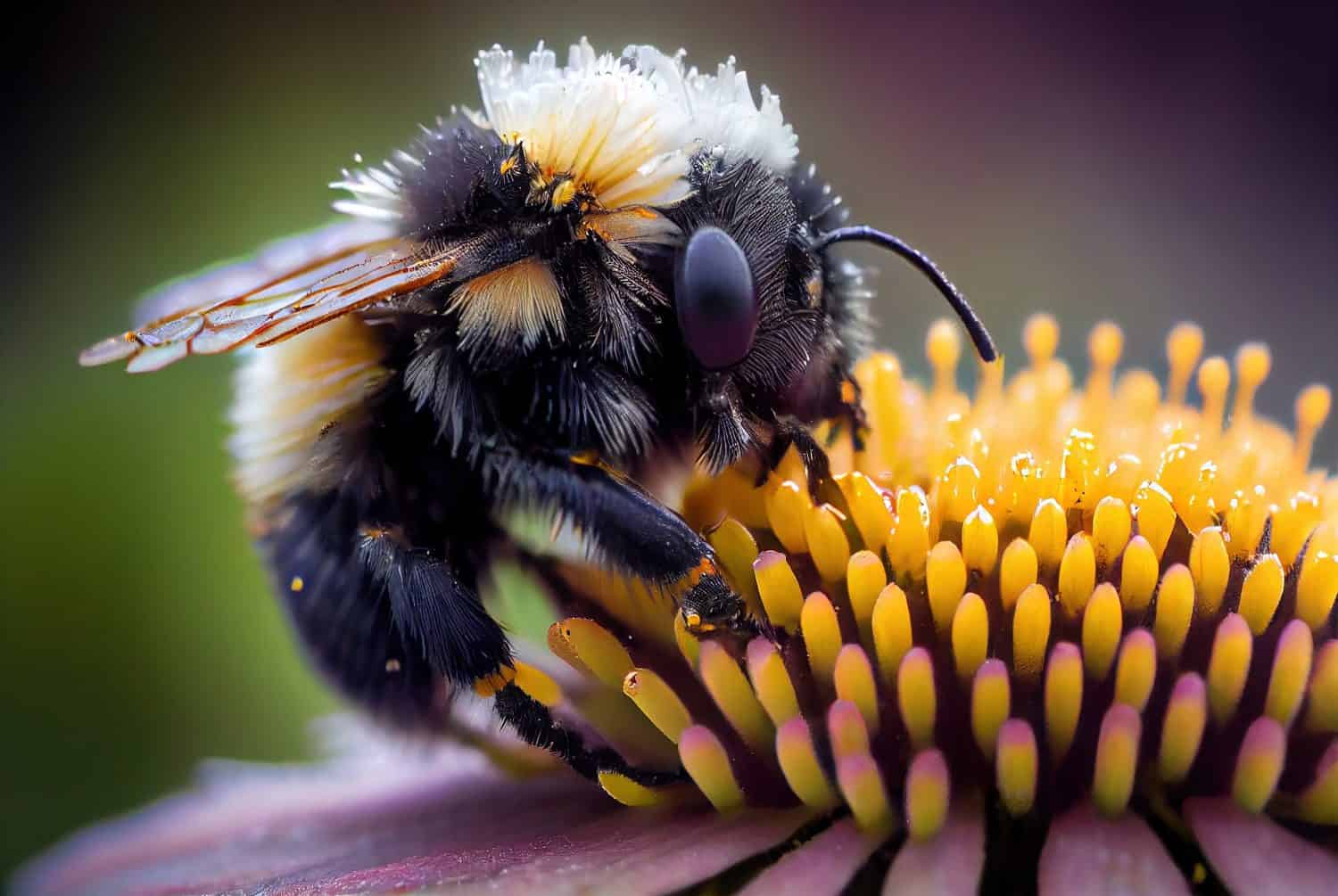
Research like this aims to help protect crops while also ensuring the health of pollinators.
©chris-mueller/iStock via Getty Images
The 20th century produced incredible innovations and techniques for bending nature to our will. But there is no free lunch, and that becomes increasingly clear in the use of pesticides and their effect on the environment. This study also emphasizes the growing challenge of modern agriculture: protecting crops from pests without causing collateral harm to other species. Bees are easily the most important pollinators on Earth.
Without them, the consequences for our environment and food supply could be severe. Other factors also threaten bumblebees, including rising temperatures. Studies like this aim to inspire innovations in agriculture that protect crops while also safeguarding pollinator health.
Another author of the study, Sarah Orr, who led the research as a postdoctoral fellow at Georgia Tech, put it succinctly. She said, “We need pesticides to control crop pests, but they can also harm essential non-target insects like bumblebees. As a scientist, my goal is to identify practical solutions that support pest management while also protecting beneficial insects and the food systems that depend on them.”