
Quick Take
- Releasing hatchlings one by one would actually put them in greater danger, so the release strategy used here is a calculated survival tactic worth understanding. See the survival strategy →
- Sea turtles face a gauntlet of predators most people never consider, and the threats on land are just as deadly as those lurking in the water. Meet the predators →
- The Bali Sea Turtle Society's conservation scale goes far beyond a beach cleanup, and the numbers behind their operation are staggering. Explore the Bali operation →
- Watching children release sea turtles looks like pure fun, though each child's small container serves a precise biological purpose. Watch the kids release turtles →
There are few things more joyful than watching life through the eyes of a child. They have a wonderful sense of amazement with everything they do, from successfully tying their own shoes to taking a trip to Disney World. Their happiness is contagious. In the video posted above, not only do we witness the pure joy of these children, but we also see the incredible instinct and energy of baby sea turtles as they begin their journey to the ocean.
Sea Turtles Released in Indonesia
The short TikTok video takes us to Indonesia, where baby sea turtles are being released back into the wild. This footage was shared by a follower of Bali Sea Turtle Society (BSTS), a conservation organization that works to protect sea turtle nests and safely release naturally hatched turtles into the sea.
Kids Help Release Turtles
As the video begins, we see members of the BSTS with buckets full of hatchlings on the beach. While this event takes place in Indonesia, the importance of sea turtle conservation is global. According to the National Oceanic and Atmospheric Administration (NOAA), “Six species of sea turtles are found in U.S. waters, all of which are listed and protected under the Endangered Species Act.” Because sea turtles face threats throughout their lives, protecting nests and helping hatchlings reach the ocean safely can improve their chances during one of their most vulnerable stages.
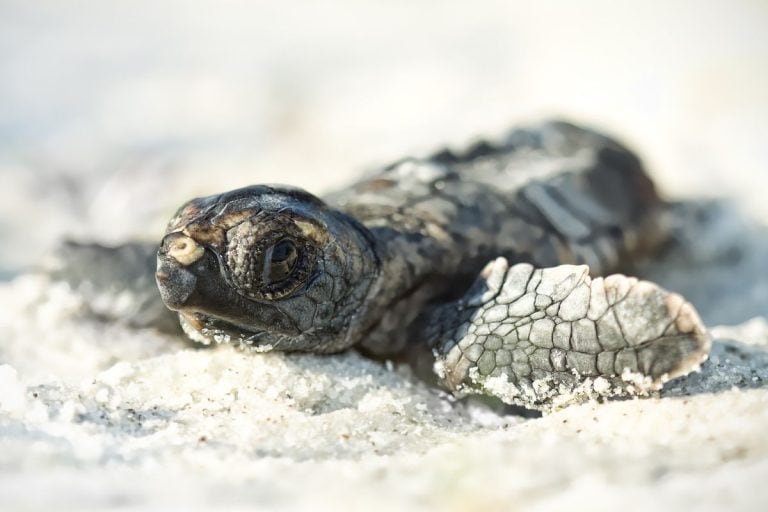
A single sea turtle nest can contain around 100 eggs, although the exact number varies by species. Bali Sea Turtle Society works to protect vulnerable nests by relocating eggs to a central hatchery, where they are allowed to develop and hatch naturally. Once the hatchlings emerge, they are released into the sea. In the video, the team is gathered to release a large group of hatchlings at once.
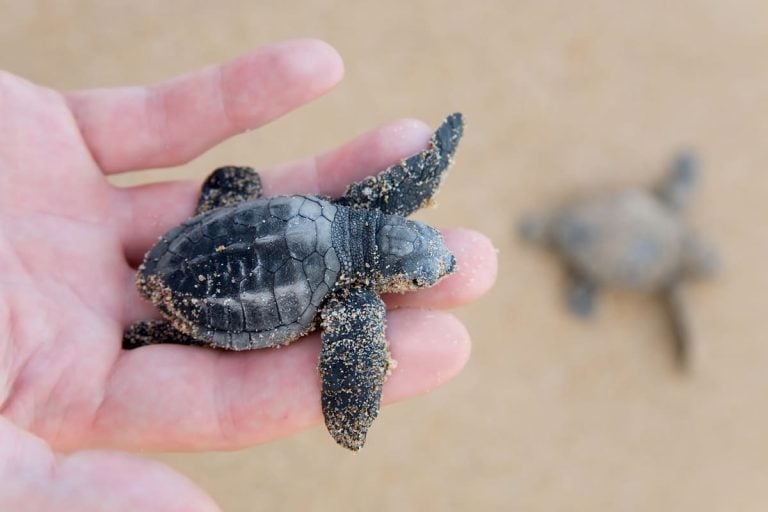
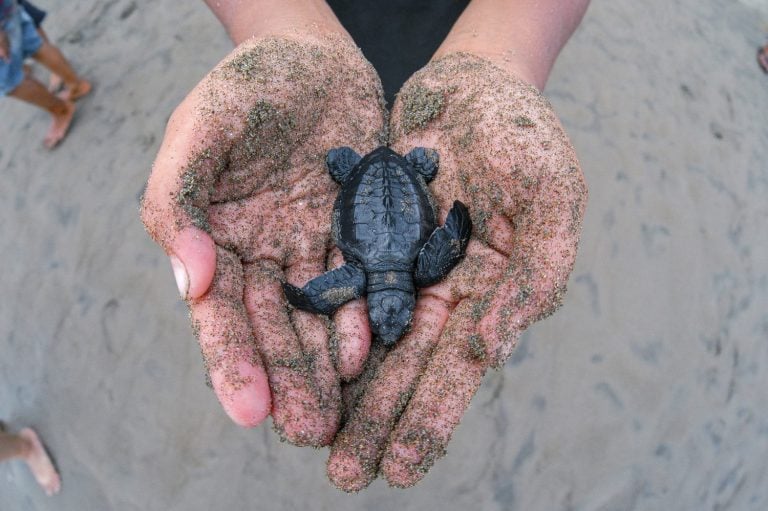
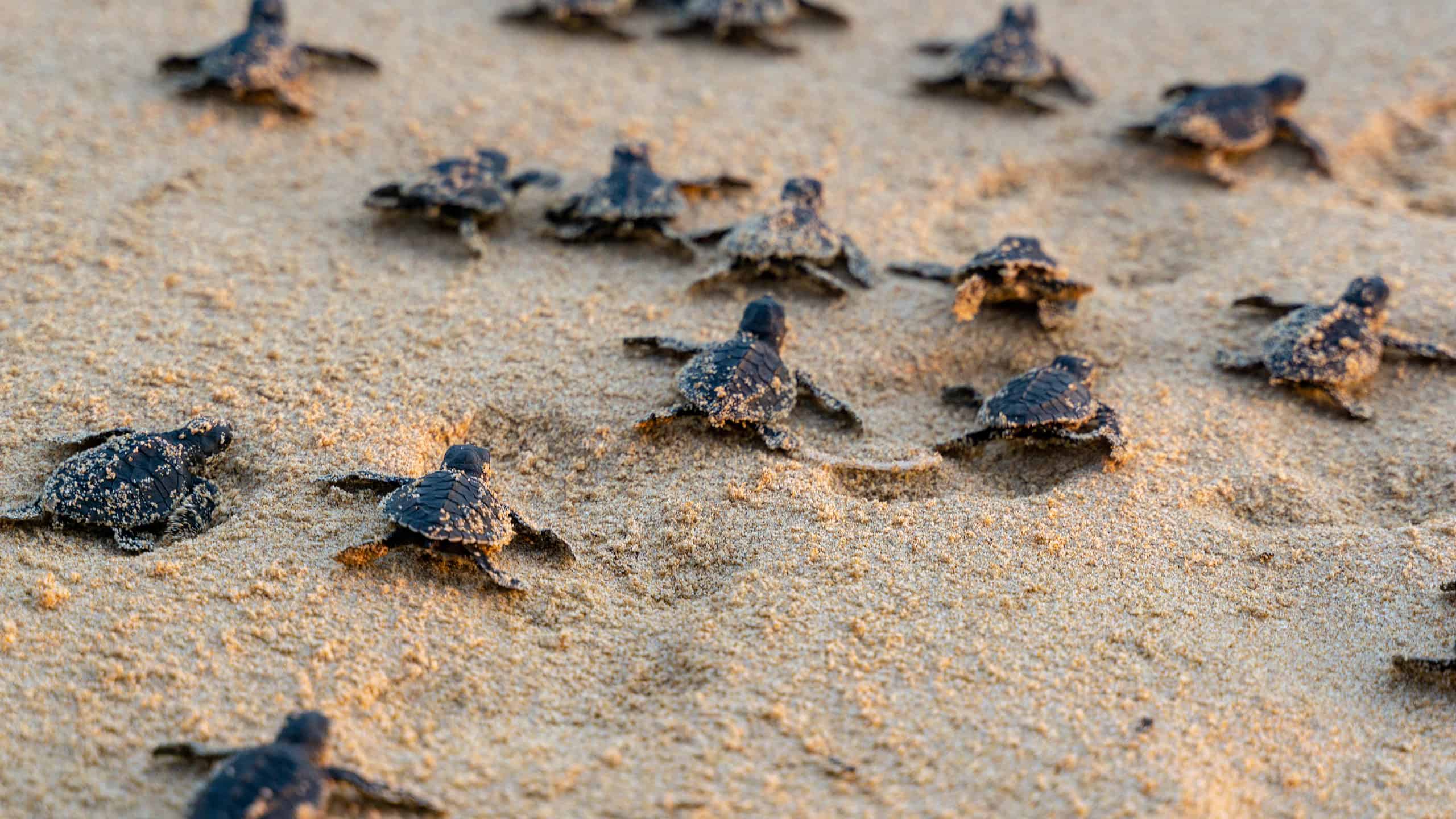
We see children gleefully lined up to assist in this great adventure. They each receive a small container filled with a little water and one sea turtle. At the edge of the shoreline, the turtles are released together. Sea turtle hatchlings naturally emerge and move toward the ocean in groups, which can help overwhelm waiting predators and improve the odds that at least some make it safely into the water.
What Predators Hunt Sea Turtles?
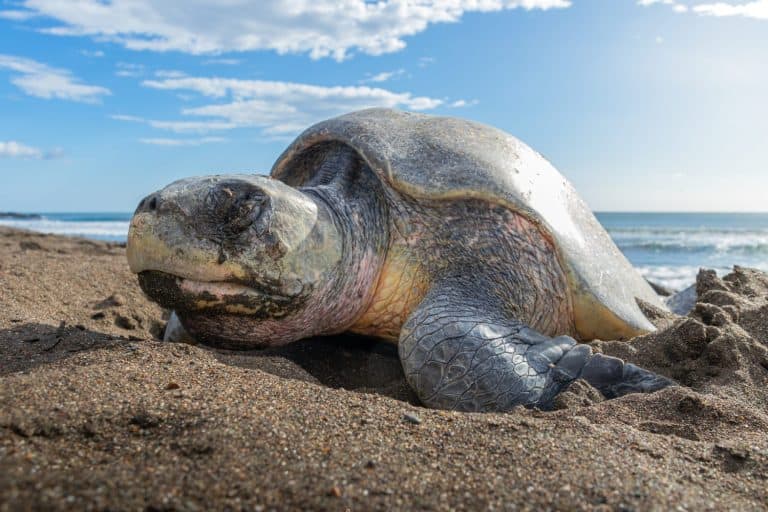
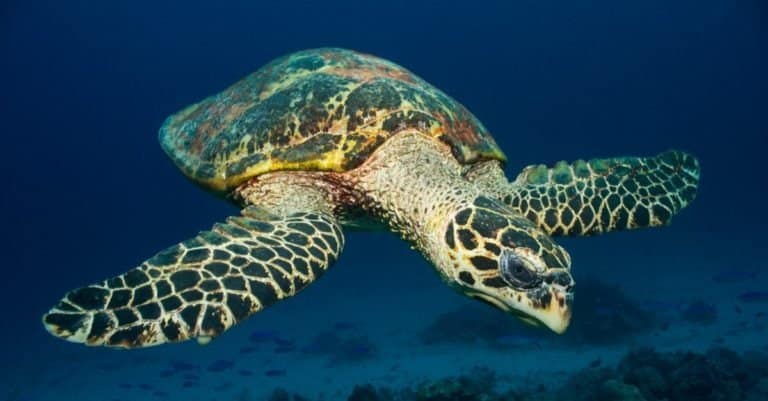
Mature sea turtles (Chelonioidea) vary greatly in size depending on the species. The Kemp’s ridley, the world’s smallest sea turtle species, generally weighs about 70 to 100 pounds as an adult. At the other end of the spectrum, the leatherback (Dermochelys coriacea) can weigh up to about 2,000 pounds and reach roughly six feet in length.
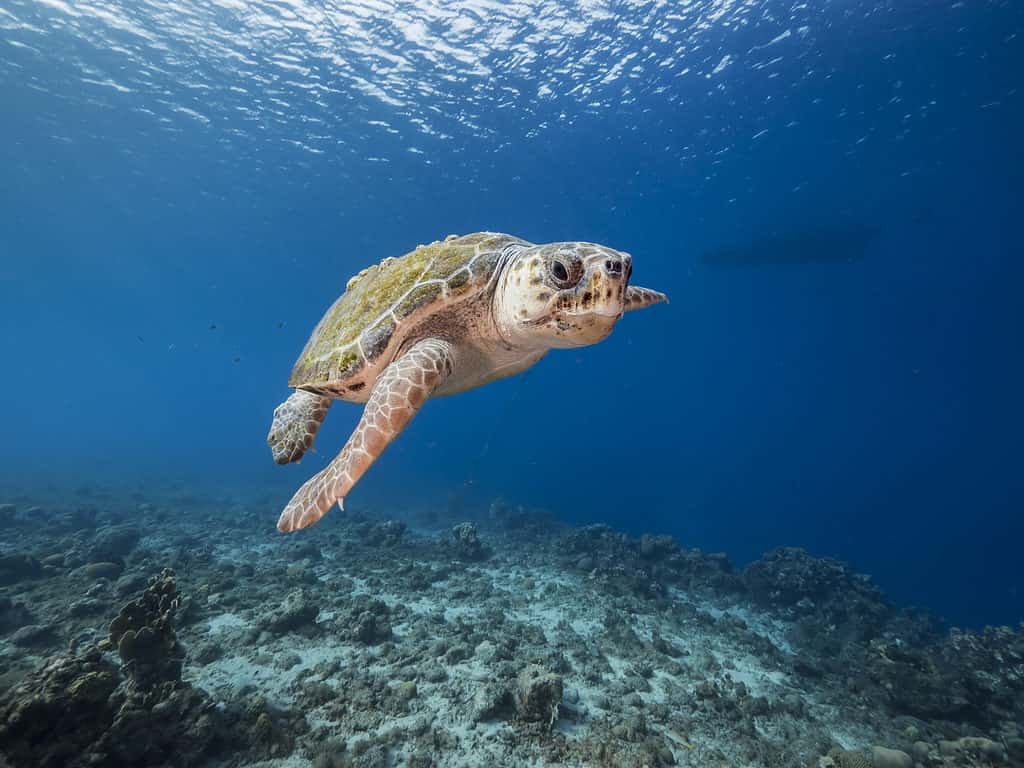
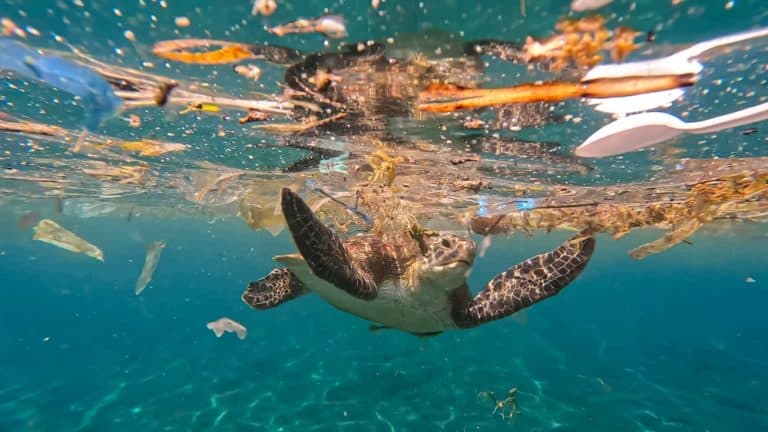
Sea turtles face threats throughout every stage of their lives.
©iStock.com/naturepics_li
Regardless of their size, sea turtles face threats throughout their lives. Large sharks, including tiger sharks, are known to prey on adult turtles, and killer whales have also occasionally been documented hunting them. Eggs and young hatchlings are especially vulnerable to predators such as seabirds, raccoons, wild and domestic dogs, crabs, and fish once they enter the water.
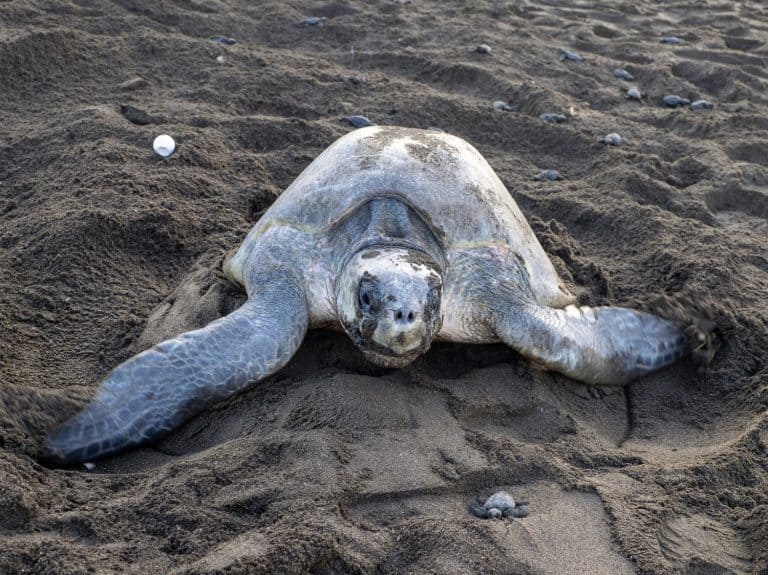
These threats exist both in the water and on land. Male sea turtles generally remain at sea throughout their lives, while adult females return to beaches to lay their eggs. There are exceptions, including some green turtles that come ashore to bask. For newly hatched turtles, moving toward the ocean together can improve their odds during the dangerous trip across the beach. In this video, the hatchlings get a little extra help beginning that journey, with plenty of excited young volunteers there to see them off.