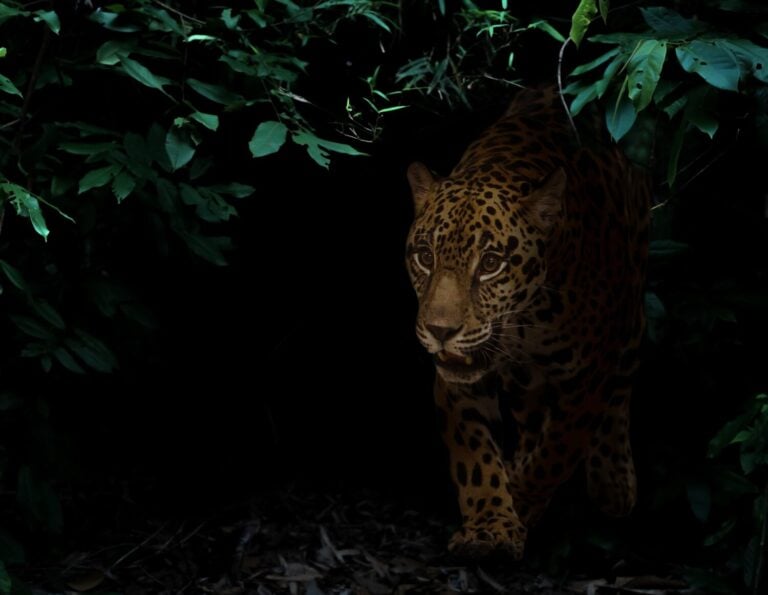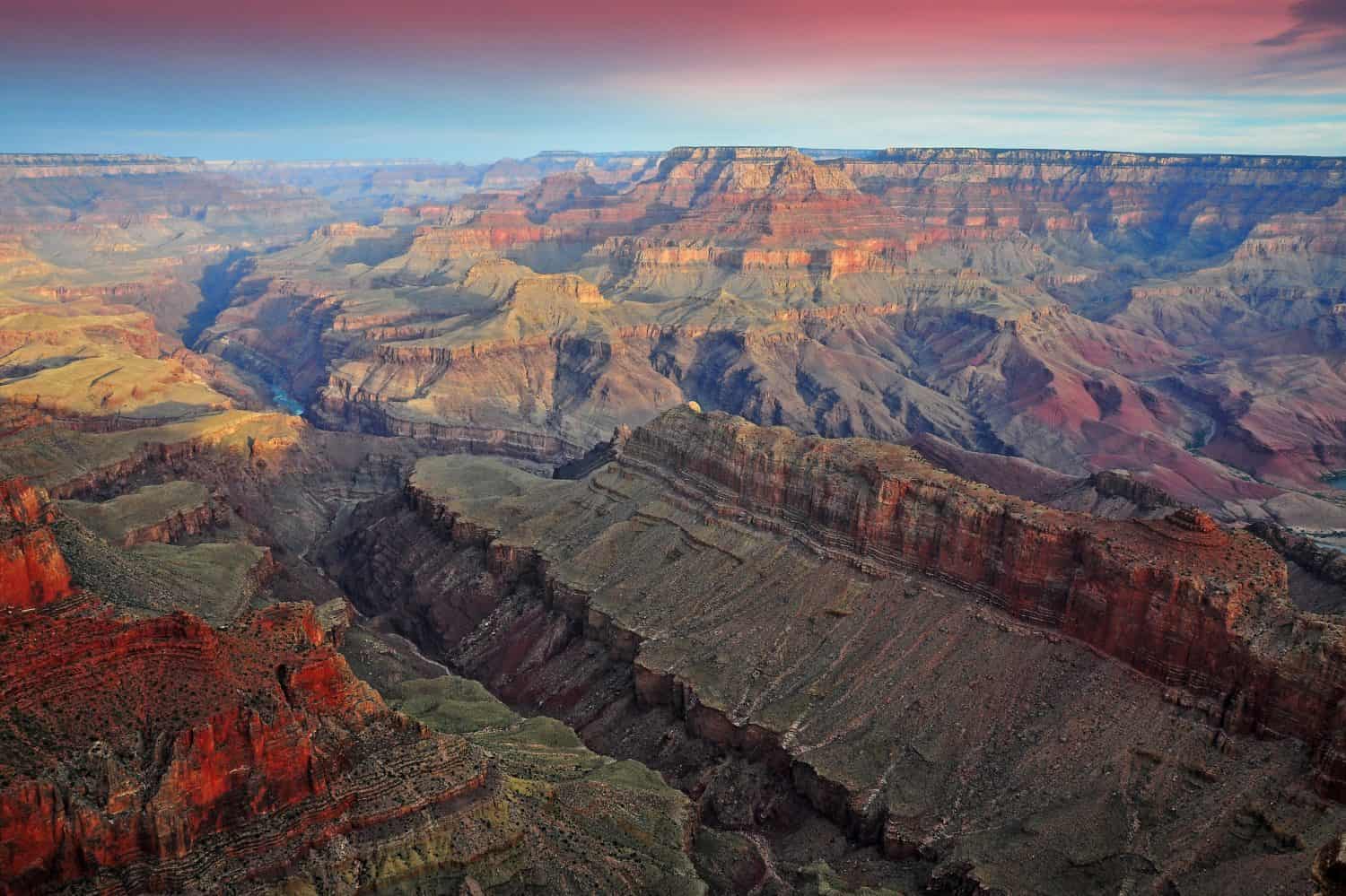

In 2024, Grand Canyon National Park saw nearly 5 million visitors, making it the third-most visited national park in the country. As one of the seven natural wonders of the world, it attracts hikers, extreme sport enthusiasts, and avid rock climbers. The Grand Canyon’s unique environment is home to five of the seven life zones in North America.
This means the park is home to diverse wildlife, with each species uniquely native to one of these zones. The park’s temperature can vary by nearly 30 degrees Fahrenheit at times, creating conditions that support distinct wildlife species, some of which are found only in Grand Canyon National Park. So, while this rocky, geo-diverse landscape draws many sightseers, it also attracts many wildlife watchers—and for good reason! Here are the incredible animals you might see on your Grand Canyon National Park excursion.
Bighorn Sheep
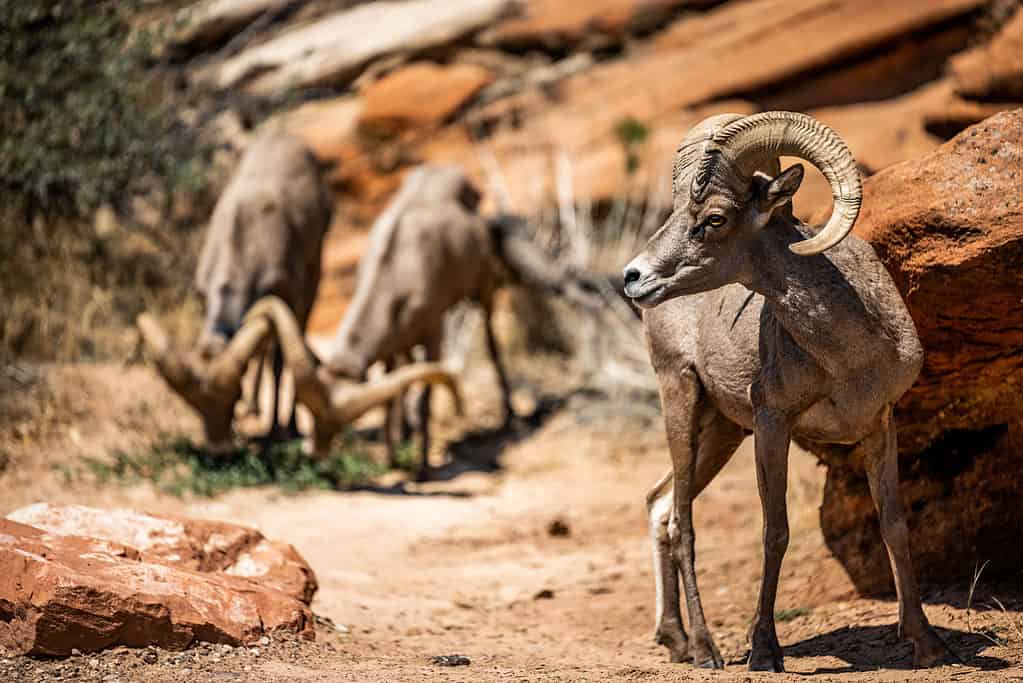
Bighorn sheep are the largest native mammals in Grand Canyon National Park.
©Wirestock/iStock via Getty Images
The Grand Canyon’s largest native animal is the bighorn sheep, which is quite a sight to behold. Their large, curved horns make them easy to spot, and they love the craggy rock formations along the canyon. While typically seen in alpine regions and higher mountain elevations, their presence at Grand Canyon National Park is unique. Also known as desert bighorn, these sheep are often spotted grazing in the canyon’s grasslands. Few natural predators would venture to take down these 300-pound sheep, but coyotes and mountain lions sometimes hunt them.
Bison
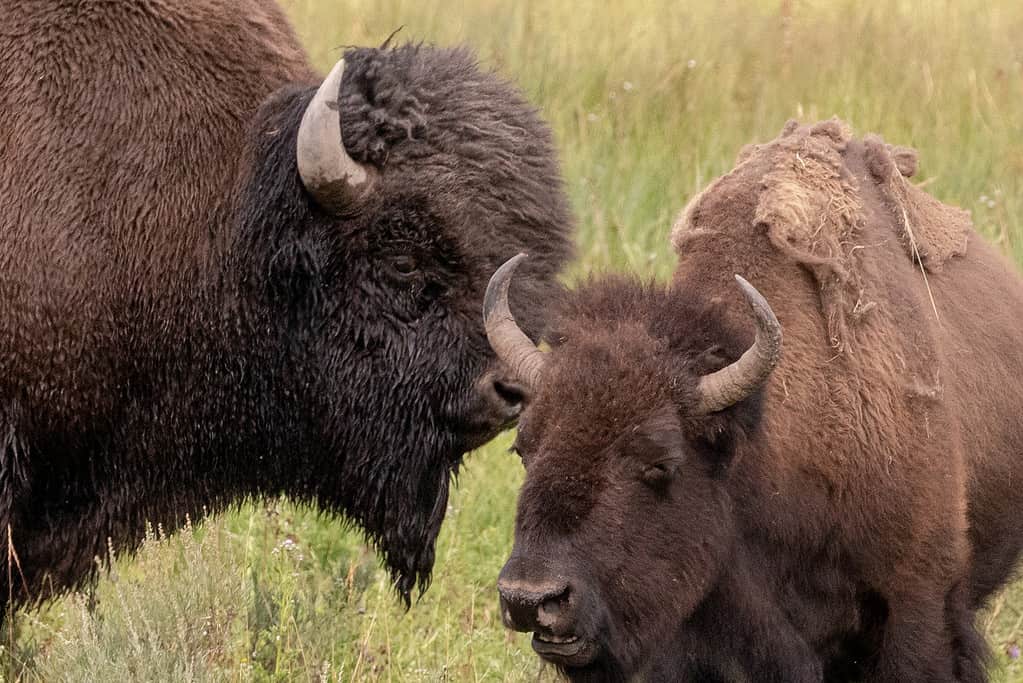
Many bison have been successfully relocated to South Dakota because their presence in the Grand Canyon is invasive.
©iStock.com/htrnr
The Grand Canyon’s bison population has changed significantly in recent years. While typically nonnative to the canyon’s North Rim, the National Park Service relocated 58 bison in September of 2025. They were moved to their new home in South Dakota after efforts for population reduction had been ongoing since 2018. The sheer size of the bison herds in the park was disrupting the ecosystem, which prompted the years-long removal of many. Visitors can still observe rare bison at the Grand Canyon’s North Rim, but they are encouraged to exercise caution when doing so. They are some of the park’s largest mammals and are prone to charging when they feel threatened.
Elk
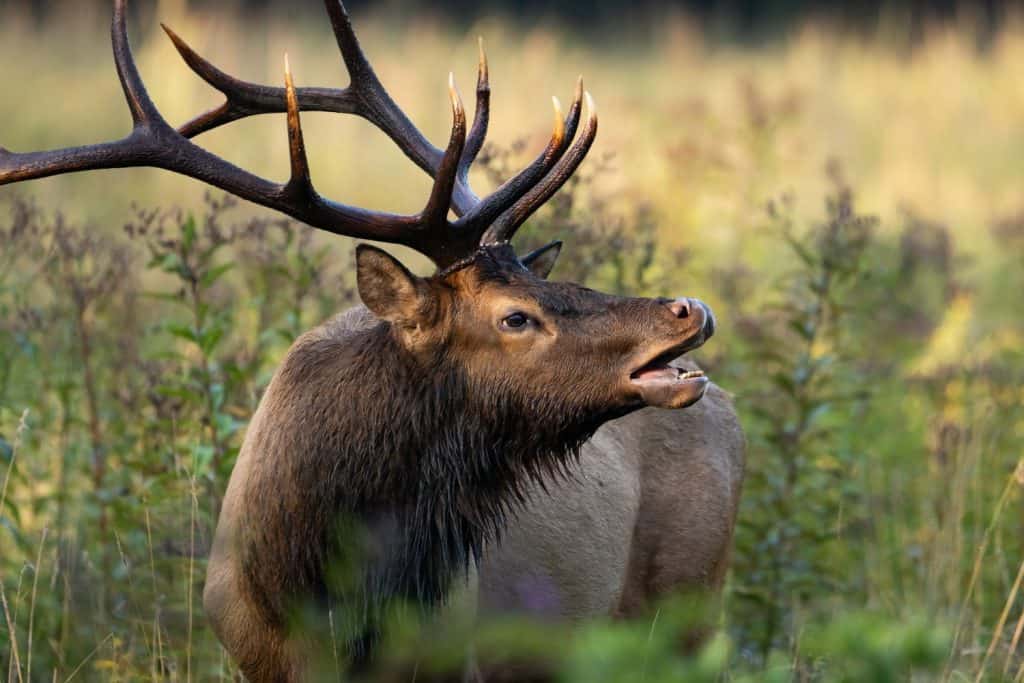
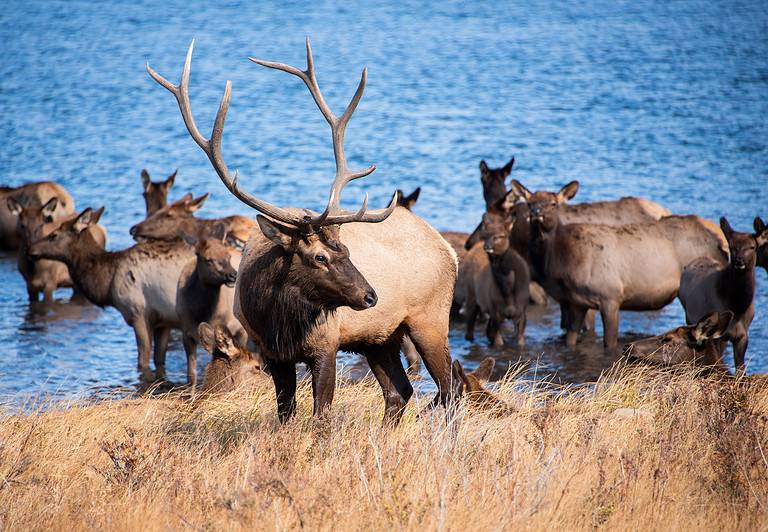
Elk are one of the most iconic mammals in the Grand Canyon, specifically because of their majestic forms and large antlers.
©Cavan-Images/Shutterstock.com
Rocky Mountain elk are the Grand Canyon’s most majestic animals. They’re frequently seen around the Bright Angel Lodge, typically during the hours of dawn and dusk. Elk often descend from the Bright Angel Trail region in search of food and remain in these lower areas throughout the winter. It’s magical to observe these animals in the wild, but visitors should use caution when getting too close. Elk are usually docile but can become aggressive during mating season.
Mountain Lion
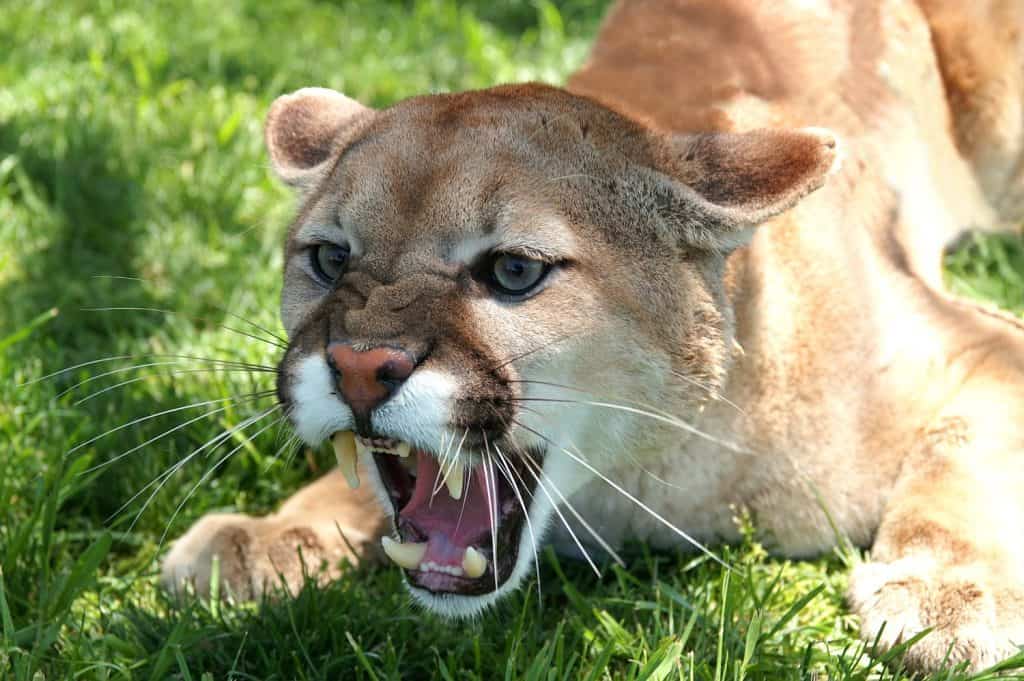
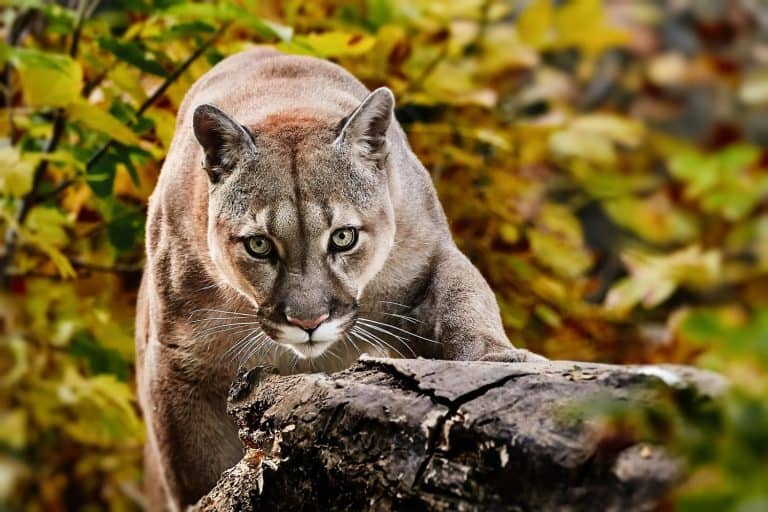
Also known as a puma, cougar, or catamount, the mountain lion is the top predator in Grand Canyon National Park.
©Melanie DeFazio/Shutterstock.com
Mountain lions are at the top of the food chain at the Grand Canyon, but they rarely disturb humans. In fact, they opt to steer clear of humans whenever possible. Sadly, the most common cause of their death at Grand Canyon National Park is being hit by cars. On the trail, hikers are unlikely to see them, as they’re most active during dawn and dusk. They also avoid open spaces, instead choosing to remain hidden along rocky cliffs or dense underbrush.
Mule Deer

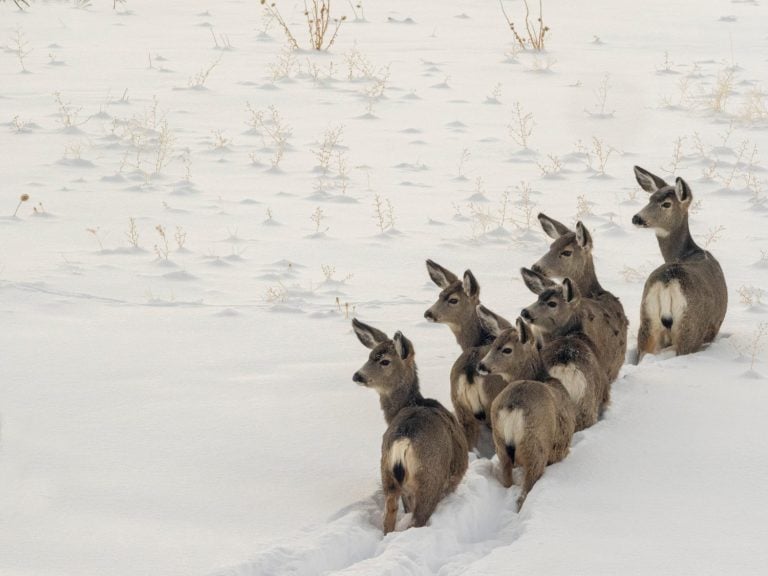
Mule deer are the only deer species that live in the Grand Canyon.
©Christopher M Hall/Shutterstock.com
Grand Canyon National Park is home to a healthy population of mule deer. In contrast to white-tailed deer, mule deer are more likely to defend their territory and charge if they feel threatened. Aside from that, these graceful animals are a delight to watch throughout the park, especially in the grasslands. There are no other deer species that inhabit the park, but even so, mule deer are easily identified by their large, oversized ears.
Hog-Nosed Skunk
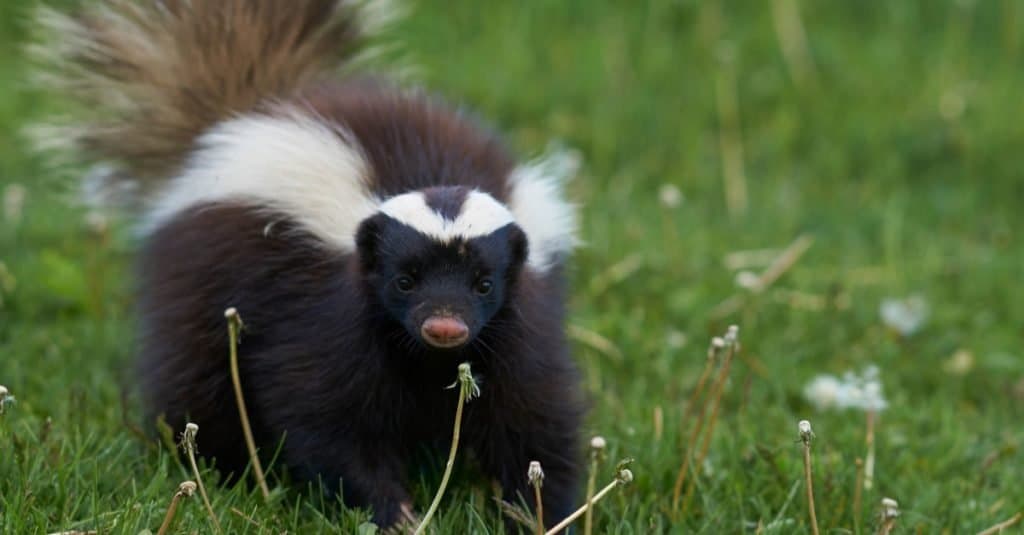
The hog-nosed skunk is larger than the average skunk in your backyard.
©Jeremy Richards/Shutterstock.com
The hog-nosed skunk is one of the largest species of skunk in the world. Sightings of this animal are relatively recent, and Grand Canyon National Park biologists are currently researching whether the hog-nosed skunk is establishing a permanent population in the park. The hog-nosed skunk typically inhabits land north of the Grand Canyon, and their migration could mean it’s slowly making a home within the park.
Ringtail
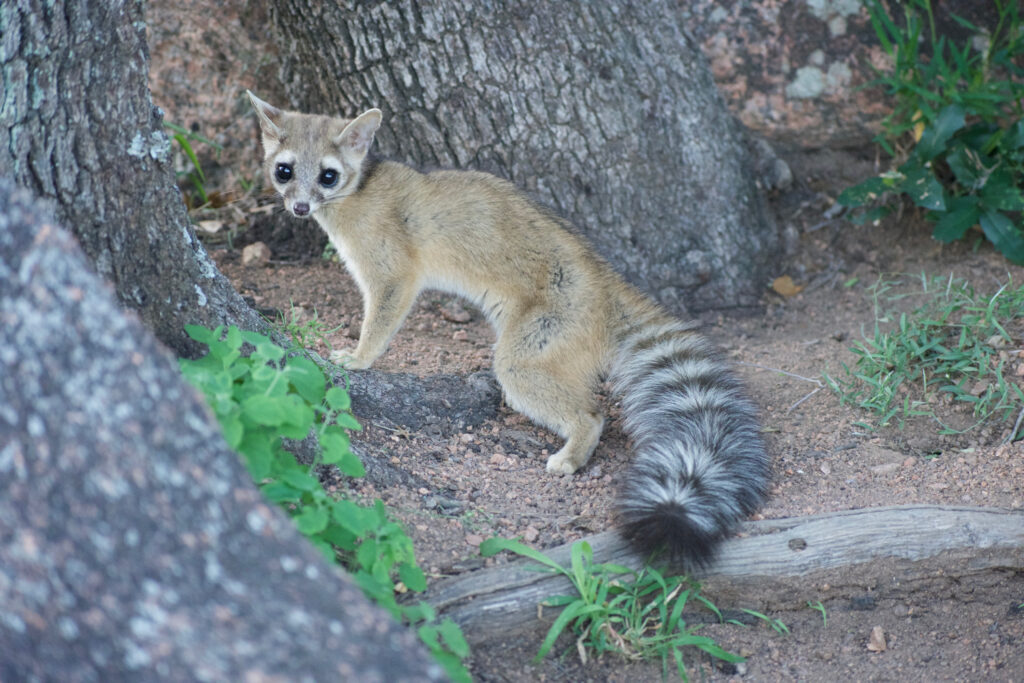
Also known as the ringtail cat, these animals are small but strong climbers when it comes to scaling trees.
©Carlos R Cedillo/Shutterstock.com
The ringtail cat is an iconic species in Arizona, where it is recognized as the state mammal. These small, furry mammals are identifiable by their black-and-white ringed tails and typically spend time in the park’s trees. While rarely seen, hikers traversing the park’s flatter territory may see them moving through underbrush. If they aren’t seen, they might be smelled—they give off a distinctly musky scent that deters predators.
Javelina
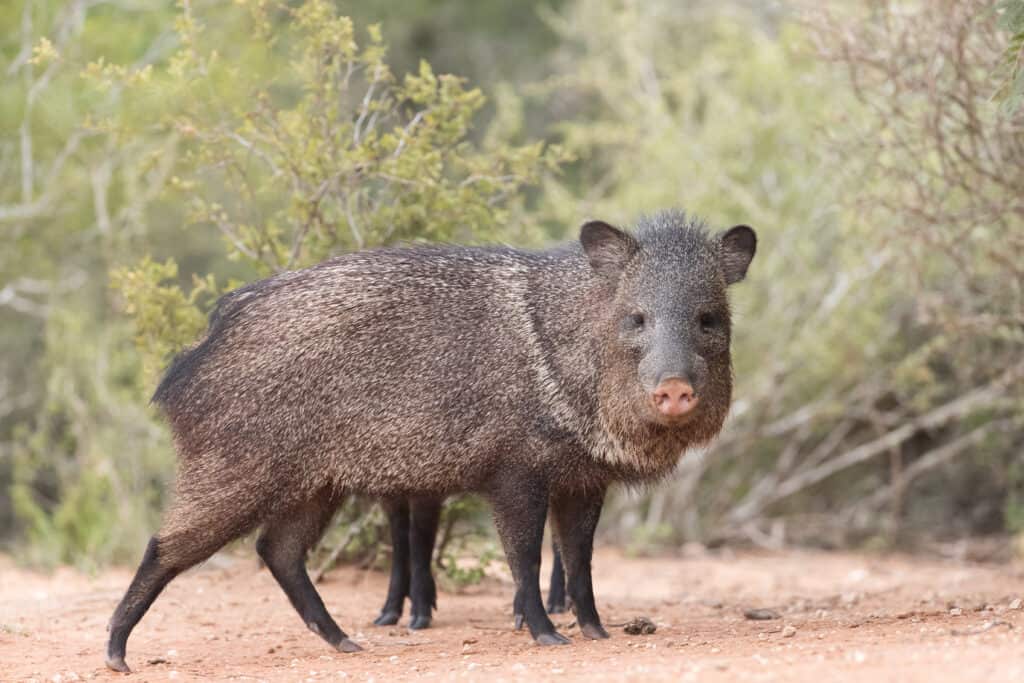
Often mistaken for a hog, the javelina is not related to them or any pig species.
©Dennis W Donohue/Shutterstock.com
The javelina looks just like a hog; however, it is not a pig. This mammal is a species all its own and is part of the peccary family. Javelinas are also known as New World pigs and are often mistaken for feral hogs. It’s believed they migrated during the era of the Bering land bridge, which is how they inhabited the Grand Canyon. Today, visitors can find them near the South Rim.
Coyote
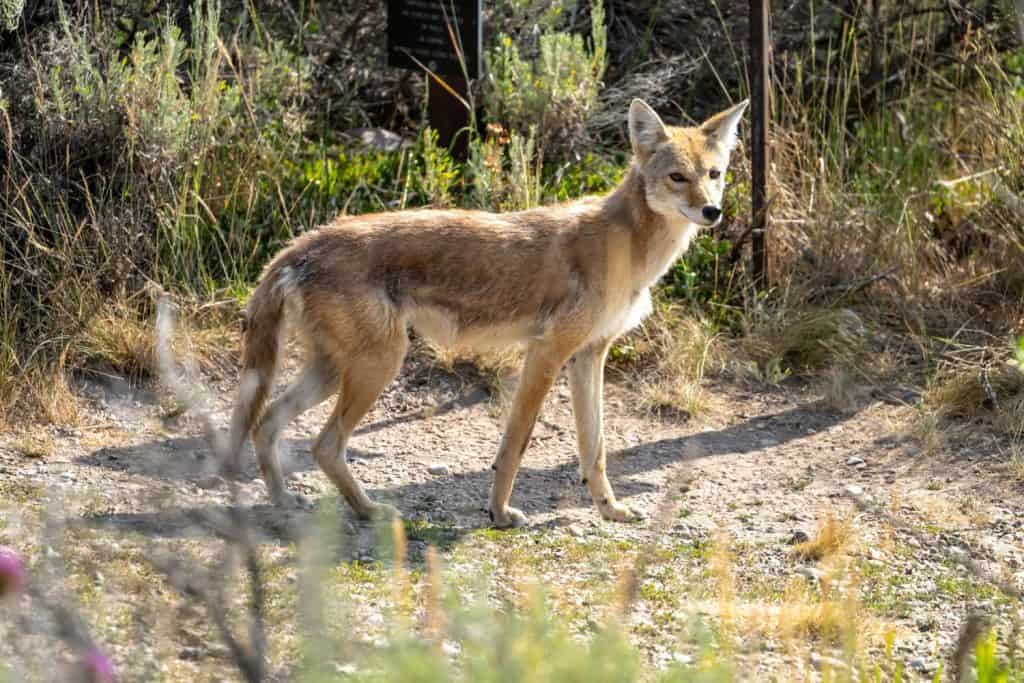
Coyotes are predators in Grand Canyon National Park, but typically avoid humans.
©Kelly vanDellen/Shutterstock.com
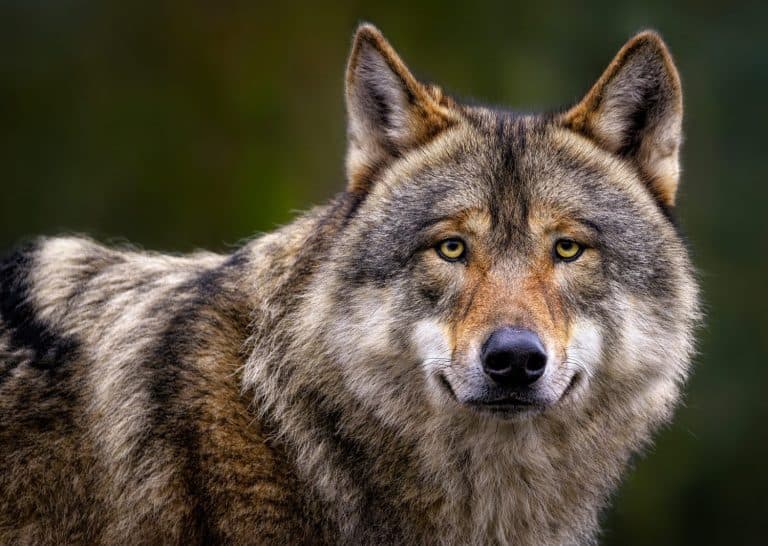
Despite efforts to eradicate them in the 1900s, coyotes still inhabit Grand Canyon National Park. While their larger counterpart, the Mexican gray wolf, was effectively removed from the park, coyotes can be found wandering nearly every area of the Grand Canyon. They’re typically active at dusk and dawn, and are more commonly sighted by those camping in the park. However, you can sometimes hear them howling after the sun sets, a sign that a pack is not far behind.
Rock Squirrel

Rock squirrels easily camouflage with the rocky terrain of the Grand Canyon.
©Angel DiBilio/Shutterstock.com
These squirrels are well-adapted to the canyon life and are frequently found near picnic and camping areas. They have no qualms when it comes to being around humans, and the National Park Service routinely reminds visitors to avoid feeding them. With bushy tails and gray fur, rock squirrels look just like the eastern gray squirrel but are far better at rock climbing.
Birds

California condors were successfully reintroduced to the Grand Canyon National Park region.
©James DeBoer/Shutterstock.com
Mather Point is a well-known destination in Grand Canyon National Park for birdwatchers. Here, birders can observe raptors such as red-tailed hawks, peregrine falcons, California condors, and turkey vultures. Songbirds, such as the mountain bluebird, western bluebird, and lazuli bunting, also do frequent fly-bys. This high point in the park offers visitors an excellent vantage point to watch birds swoop for prey—a thrilling sight.
Reptiles
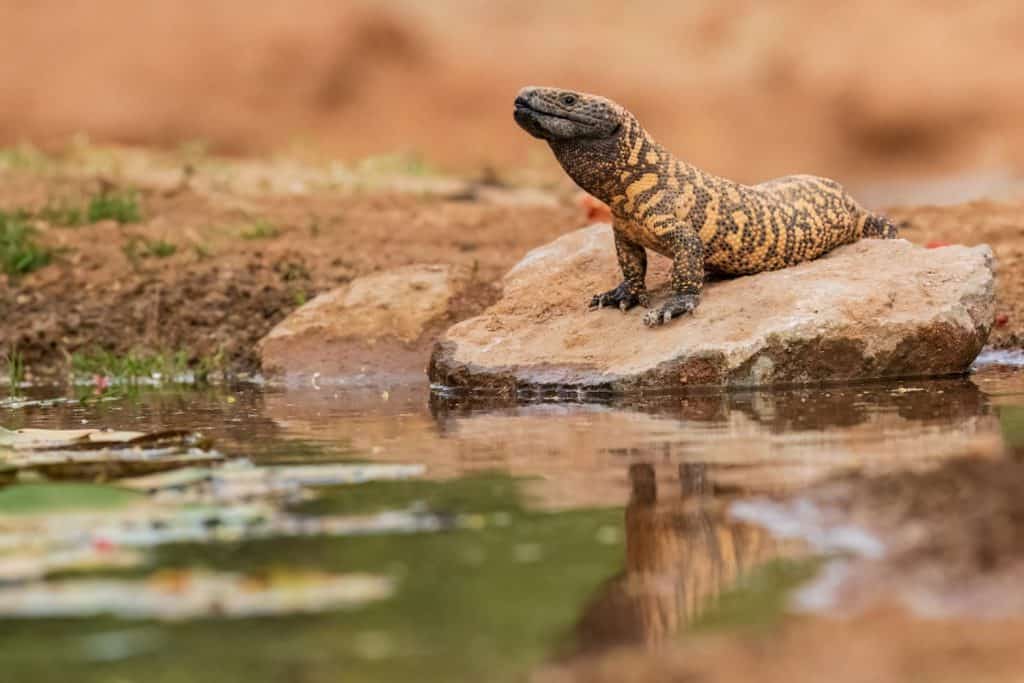
Gila monsters are one of two venomous lizards in North America.
©Danita Delimont/Shutterstock.com
Grand Canyon National Park is home to 41 species of reptiles. These desert-loving animals include rattlesnakes, gopher snakes, yellow-backed spiny lizards, gila monsters, and greater short-horned lizards. The park is also home to one species of desert tortoise, and it’s the only one of its kind in the Grand Canyon. Visitors are likely to see lizards and snakes along canyon rims, except for the yellow-backed spiny lizard, which prefers crevices within the canyon. These reptiles are often seen sunbathing on dry rocks or hiding beneath them during extremely hot days. The gila monster and six species of rattlesnakes are venomous and should be avoided when possible. Two other snake species, the Sonoran lyre and the desert nightsnake, are mildly venomous.
Amphibians
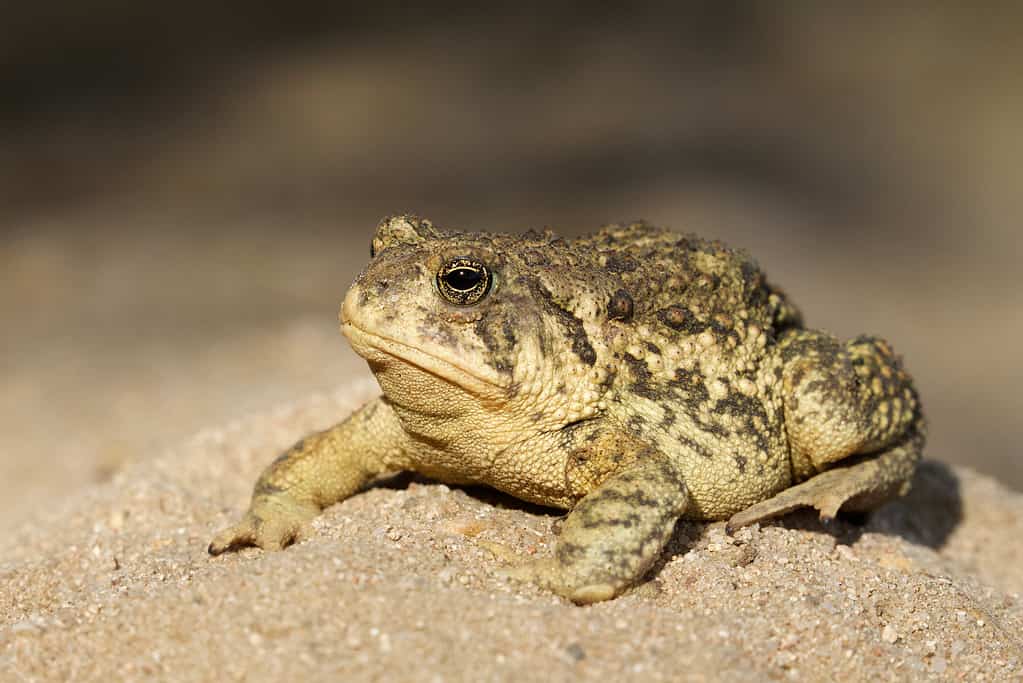
Woodhouse toads breed in shallow pools and streams during the summer monsoon season.
©Tom Reichner/Shutterstock.com
Despite the Grand Canyon’s typically dry conditions, the river in its basin is home to many amphibians. These include the northern leopard frog, canyon tree frog, red-spotted toad, woodhouse toad, and tiger salamander. They are all skittish and will jump into the water to evade human interaction, but patient and quiet visitors may be rewarded with a sighting. The best places to observe them are near Havasupai Gardens and the Phantom Ranch Campground.