
Veterinarians are now banned from declawing cats in California except in cases where it is medically necessary. This October, Gov. Gavin Newsom signed Assembly Bill 867, which prohibits cat declawing. California joins New York, Maryland, Massachusetts, and Rhode Island in banning cat declawing.
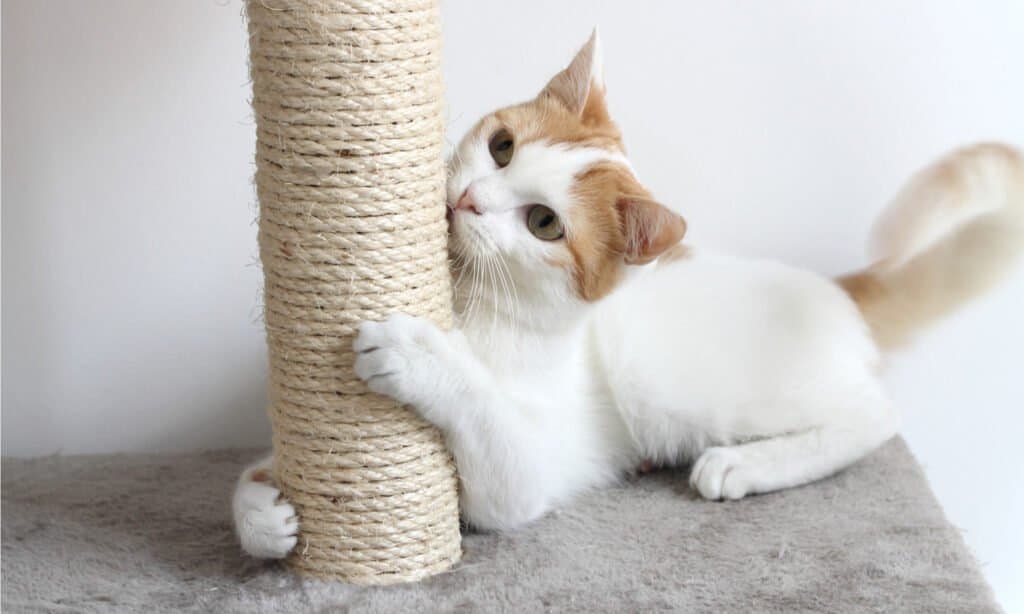
Cat scratching posts help cats relieve stress and take care of their nails.
©rossella/Shutterstock.com
What Is Cat Declawing?
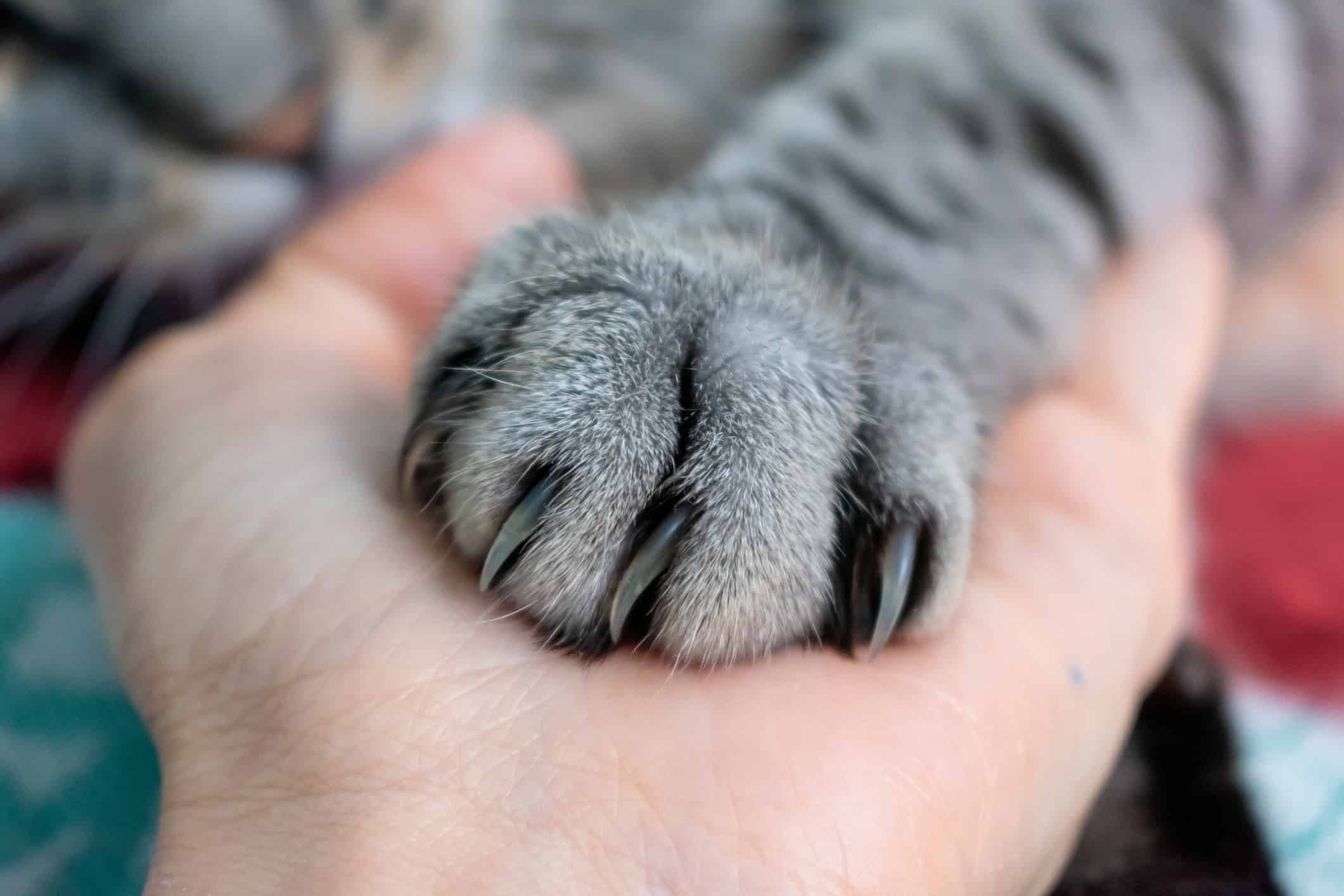
Cat declawing is done to prevent cats from scratching people or furniture. Although the term “declaw” sounds as if the cat is only having its claws removed, the actual surgery to declaw a cat involves amputation. When veterinarians perform declawing, a procedure known as an onychectomy, they either remove the cat’s toe bones or sever the tendon that controls the movement of their paws. According to the San Francisco Society for the Prevention of Cruelty to Animals (SFSPCA), “Many cat guardians are not fully aware or informed as to what declaw surgery entails. Often, the surgery is misrepresented as ‘just removing the claws’ or as some variation of nail trimming. In actuality, declawing is the cutting and amputation of the first joint (the toes) of a cat’s paw.”
In a press release, Jennifer Hauge, Senior Legislative Affairs Manager at Animal Legal Defense Fund, explains, “Declawing isn’t a manicure – it’s an amputation that needlessly harms cats to spare sofas. We are so excited that California now joins a growing number of states and other jurisdictions in affirming that the only time a cat should ever purposely lose part of a toe is when a veterinarian determines it’s medically necessary for the animal’s health, not human convenience.”
About California’s Ban
According to the press release, “AB 867 prohibits the declawing of a cat unless a veterinarian performs the procedure for a medically necessary purpose that benefits the cat’s health.” California marks the fifth state to ban declawing cats. Multiple cities around the country have bans, as do more than 40 countries.
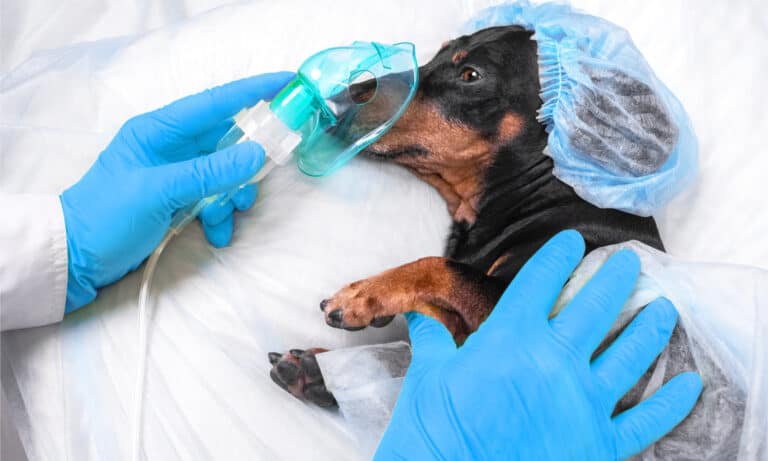
The press release states, “Declawing involves amputating cats’ toe bones or severing the tendon controlling their paws, a surgical procedure that can lead to debilitating health effects. Surgical complications include hemorrhage, infection, pain, and anesthetic complications.”
Furthermore, the press release explains that there are other negative outcomes that may result from declawing surgery. “Removing cats’ claws also increases the likelihood of behaviors like biting, aggression, and litter box avoidance. Overgrooming, chronic back pain, residual bone fragments, and mobility issues are among other long-term effects of declawing.”
What Do Vets Say?
The majority of veterinarians oppose the practice. According to a poll from the Animal Legal Defense Legislative Fund, 70% of veterinary professionals are against performing cat declaw surgery.
How to Redirect Cat Scratching
The American Veterinary Medical Association (AVMA) is opposed to cat declawing and offers the following suggestions for alternatives to the surgery:
- Provide scratching surfaces for cats, such as cat posts and boards.
- Give your cat frequent nail trims (every one or two weeks).
- Discourage scratching on furniture or other surfaces by applying tinfoil or sticky tape.
- Train your kittens with positive reinforcement for scratching on posts and boards.
- Try scenting surfaces you want them to scratch with catnip or pheromone spray.
Why Do Cats Need to Scratch?

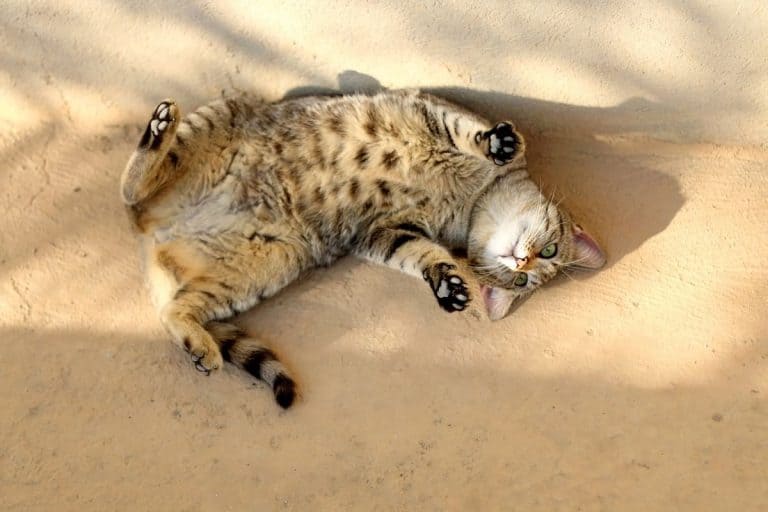
Cats enjoy kneading their paws on soft surfaces when they are feeling content.
©Not Listed/Shutterstock.com
Experts tell us that scratching is normal behavior for cats. Rather than preventing a cat from scratching, owners can provide safe surfaces for them to scratch. Cats may scratch for a variety of reasons, including exercise, stretching, play, stress relief, defense, hunting, and marking territory.
Cats are also likely to “knead,” which is moving their paws rhythmically on a soft surface, like people, bedding, a couch, or clothing. Kneading indicates that a cat is experiencing pleasure or contentment. Additionally, regular scratching is beneficial for cats because it helps them shed and trim their nails.
According to the SFSPCA, using declawing as a method to reduce aggression can backfire. If the underlying cause of aggression is not addressed, a declawed cat may resort to biting more often to compensate for the loss of one of its primary defense mechanisms.
Is There Opposition to the Ban?
The California Veterinary Medical Association (CVMA) wrote a statement in opposition, saying the bill is “fundamentally unnecessary inasmuch as the veterinary medical profession has appropriately regulated itself regarding this procedure over the years, and continues to do so in a thoughtful and compassionate manner.”
According to the statement, “The CVMA discourages the declawing (onychectomy) of cats as an elective procedure and supports non-surgical alternatives to the procedure.” But rather than support a ban, the CVMA states, “The decision to declaw a cat should be made by the owner(s) in consultation with their veterinarian on a case-by-case basis and only for a medical reason or when scratching presents a health risk to the owner(s).”