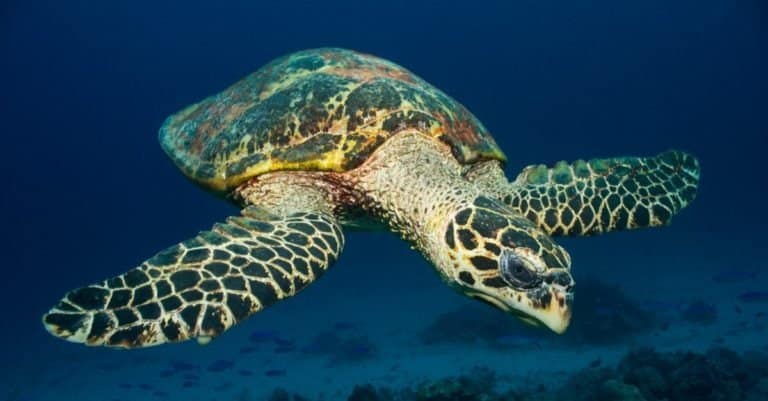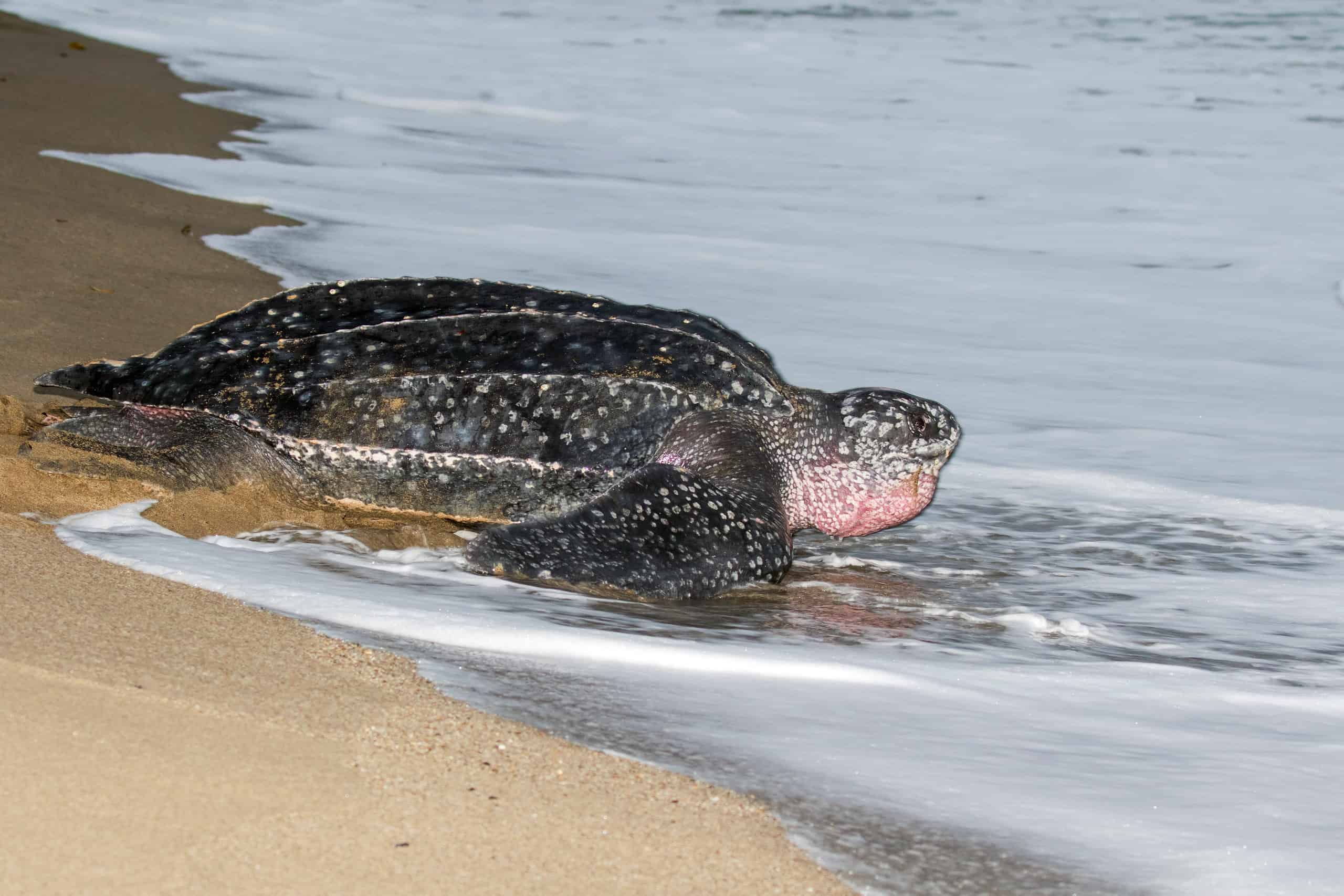

The leatherback sea turtle (Dermochelys coriacea) is the largest living sea turtle in the world — and also one of the most threatened. According to the IUCN Red List of Threatened Species, the global population of leatherback sea turtles is listed as Vulnerable, though some regional subpopulations, such as those in the East Pacific, are considered Critically Endangered. These massive sea turtles are found throughout every ocean — and have even been recorded in Alaska and the tip of South Africa — but a variety of factors have put them at risk.
All About Leatherbacks

Leatherback sea turtles aren’t cold-blooded, so they can regulate their body temperature even deep underwater.
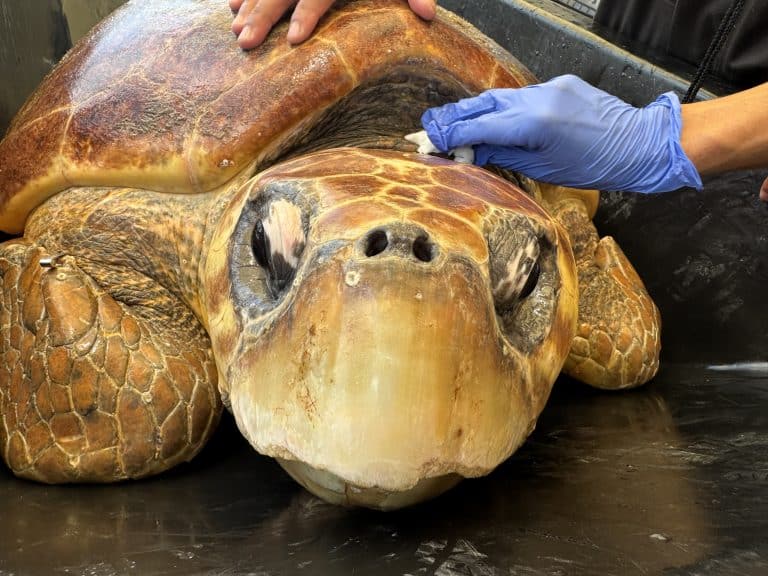
In perfect conditions, leatherback turtles can live up to 50 years and grow anywhere from 500 pounds to over 1 ton, with a length of 7-8 feet. They are reminiscent of real dinosaurs, especially because they lack the scales and hard shells found in all other turtle species. (Leatherbacks are actually the only turtle species without scales!) Instead, they have tough, rubbery skin that, according to NOAA Fisheries, has remained unchanged since the age of dinosaurs.
These sea turtles are primarily black, with rubbery skin that has pinkish coloring on their undersides. Their front flippers are proportionally longer than those of other sea turtles, and their back flippers are paddle-shaped. This adaptation allows them to swim long distances more efficiently.
Leatherbacks can swim over 10,000 miles a year as they migrate from nesting to foraging grounds, and they typically return to the same nesting grounds every year. Some estimates have recorded leatherbacks diving nearly 4,000 feet deep. This species has the widest global distribution of any reptile, no doubt helped by the fact that they are not cold-blooded like other reptiles and can regulate their own body temperature even thousands of feet below sea level.
Unique Challenges Faced By Leatherbacks
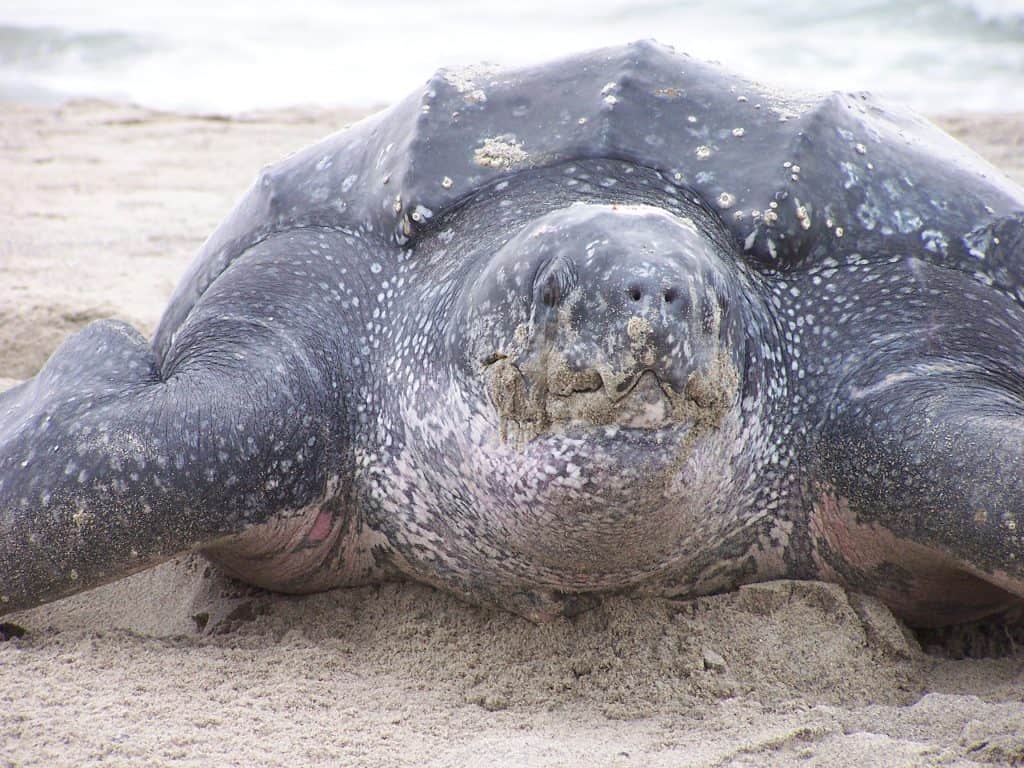
Leatherback turtles are threatened by habitat loss, accidental capture, and more.
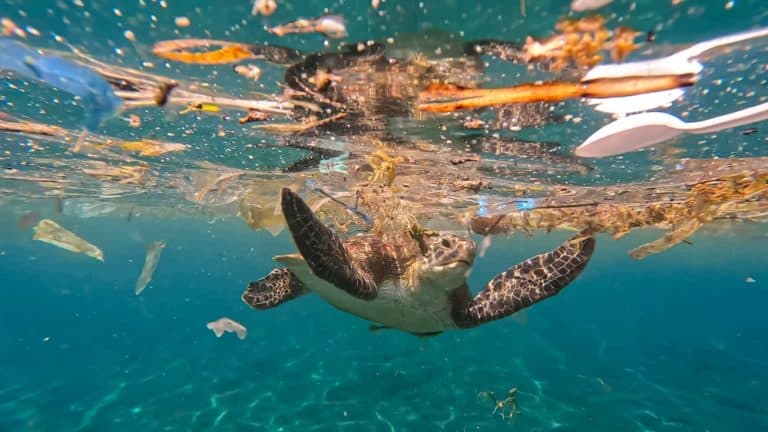
According to the IUCN, these incredible turtles are at risk from loss of nesting habitats due to climate change, accidental capture and injury in fishing lines and nets, collisions with boats, egg collection for human consumption, and ingestion of discarded plastic bags, which the turtles mistakenly consume because they mistake them for jellyfish.
Additionally, the migratory habits of leatherbacks put them at risk. Because this species crosses the territorial waters of many nations, international collaboration is necessary to protect these valuable creatures and increase their chances of survival.
The World Wildlife Fund (WWF) says over-harvesting and interactions with fisheries are responsible for the population decline of leatherbacks. Additionally, in Southeast Asia, it is legal to collect turtle eggs, and tens of thousands of eggs are removed from nesting sites each year. In Indonesia, leatherbacks are killed and robbed of their eggs, further reducing their population in the region.
“Worldwide, hundreds of thousands [recent estimates say more than 250,000] sea turtles a year are accidentally caught in shrimp trawl nets, on longline hooks and in fishing gillnets,” stated the WWF’s website. Sea turtles need to reach the surface to breathe; if they are caught in fishing gear and cannot surface, they will drown — a phenomenon known as a bycatch.
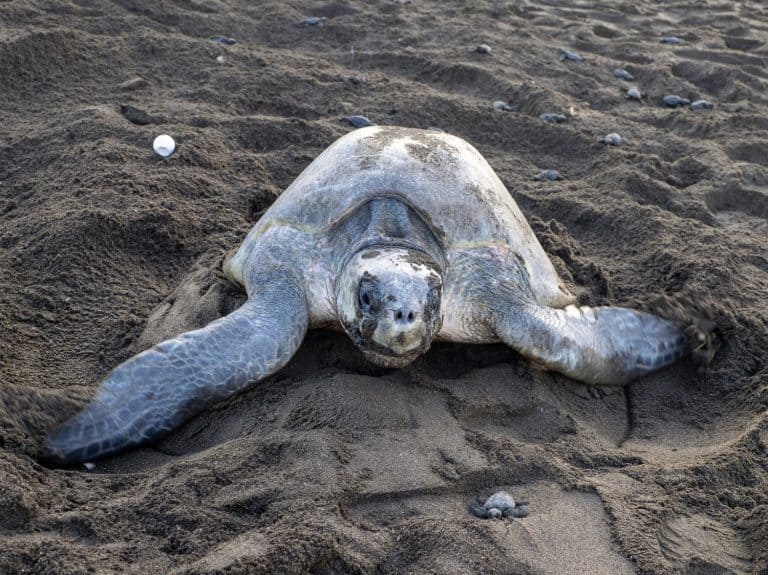
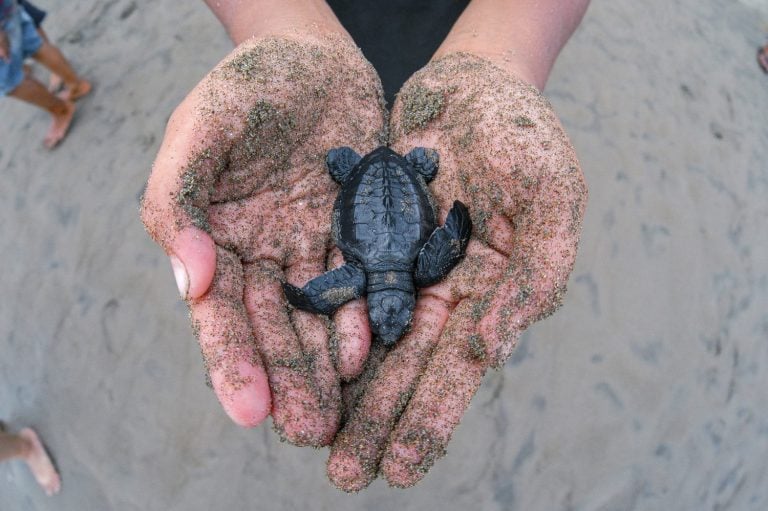
Not to mention, leatherbacks don’t lay eggs every year; instead, female leatherbacks will come to shore after mating every two to four years to lay a clutch of about 100 eggs. She will do this four to seven times per season. After two months of incubation, the eggs hatch, and the hatchlings make their way to the sea, exposing themselves to predators and poachers throughout the journey.
Emerging Conservation Strategies
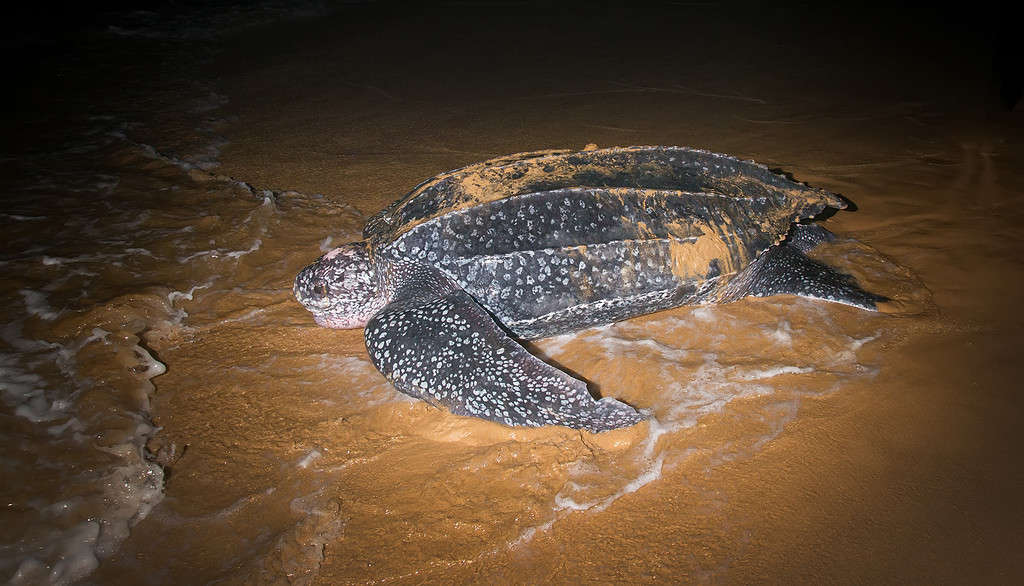
Leatherback sea turtles don’t lay eggs every year, likely contributing to their decline as well.
©irin717/iStock via Getty Images
WWF is working to help save the leatherbacks through various conservation efforts. For example, they are aiming to reduce turtle bycatch by working with fisheries to use more turtle-friendly fishing hooks and advocate for the use of devices that exclude turtles from nets. Their international competition called Smart Gear encourages people to come up with creative ways to solve bycatch problems, with winning devices being used to help protect leatherbacks. The organization also works with fishermen to save turtles caught in their gear.
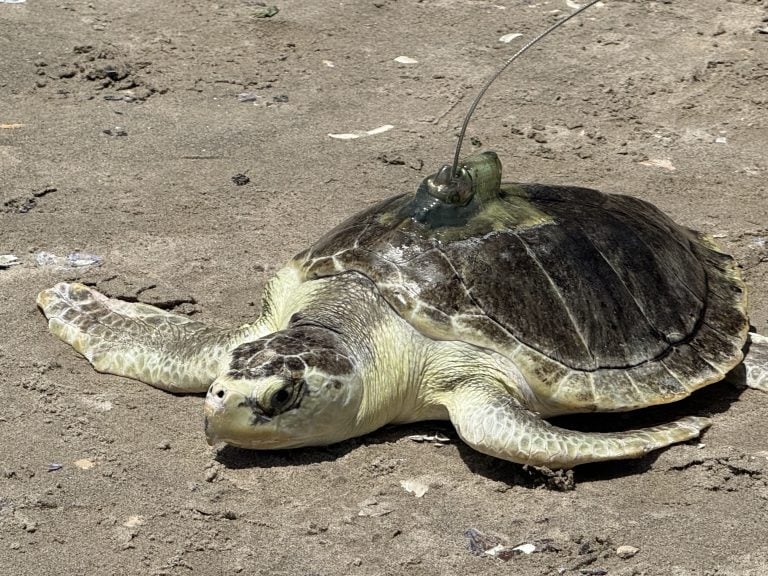
Safe satellite devices are used by WWF to monitor turtle movements and, when possible, prevent future harmful interactions between turtles and fisheries. The data collected from these satellite tags reveal important feeding areas, provide more details on migration patterns, and offer additional insights into their behavior.
The organization is also working with local communities to reduce the consumption of leatherback turtles and their eggs. They also train and equip local rangers to protect turtles from poaching.
Finally, WWF works to establish marine protected areas (MPAs) to ensure leatherbacks have safe places to nest, feed, and migrate, and to support local turtle conservationists.