
Quick Take
- Colorado supports a large black bear population across forests, foothills, canyons, and mountains, with seasonal food and elevation shifts driving movement statewide.
- Bears are highly adaptable and often enter towns using corridors and neighborhoods where garbage, fruit, and human food create repeat conflicts.
- Activity peaks in late summer and fall as they feed heavily, with sightings common in foothills resorts and Western Slope habitats.
- Awareness and proper food storage reduce encounters.
Colorado is one of the best places in the country to see bears, and encounters are becoming more common. From foothill neighborhoods to high mountain trails, bears move through the same landscapes people use for hiking, camping, and living. That overlap makes it important to understand where they are most active and what draws them into certain areas. By learning how habitat, food sources, and seasons shape these animals’ movement, visitors and residents can explore Colorado with confidence.
The Environment for Bears in Colorado
Colorado provides ideal conditions for black bears due to its varied terrain and relatively large stretches of connected habitat. Forested mountains, oak-covered foothills, and river corridors create a network of environments that supply food and shelter throughout the year. Many areas remain lightly developed, allowing animals to move between feeding grounds without constant human pressure. Seasonal food sources shift from spring vegetation to summer insects and fall mast crops, keeping bears active across elevations.
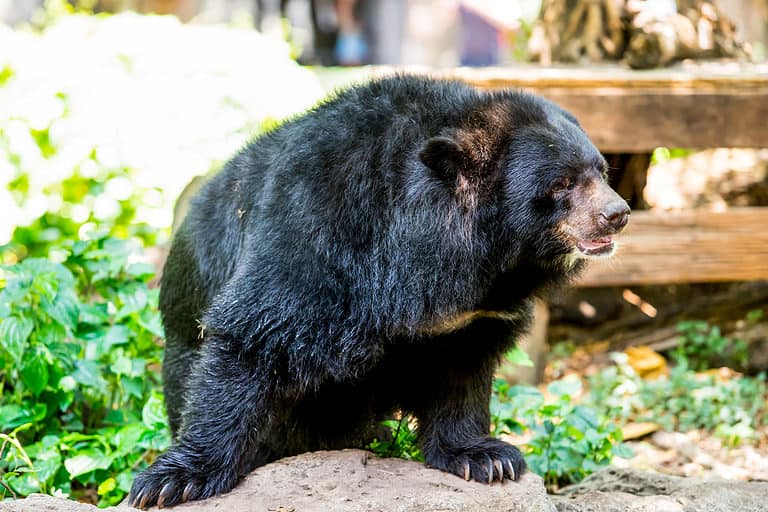
Bears move between highlands and lowlands at different times of the year.
©Supratim Samanta/Shutterstock.com
These conditions also allow bears to move long distances in response to food availability. Elevation changes play a major role in this movement, as they often follow plant growth upward through the year. Lower elevations provide early-season food, while higher terrain becomes important later. This constant movement helps distribute animals across the landscape rather than concentrating them in one place. The result is a statewide pattern where bears may appear in a wide variety of locations depending on the time of year.
Colorado’s Bear Basics
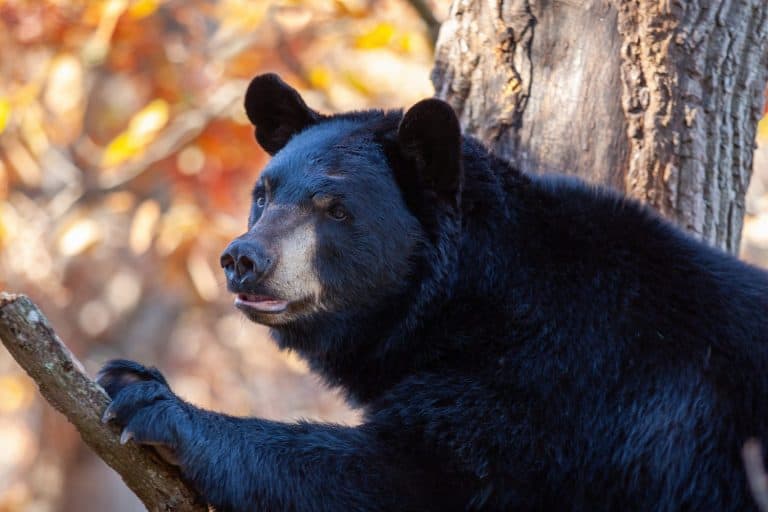
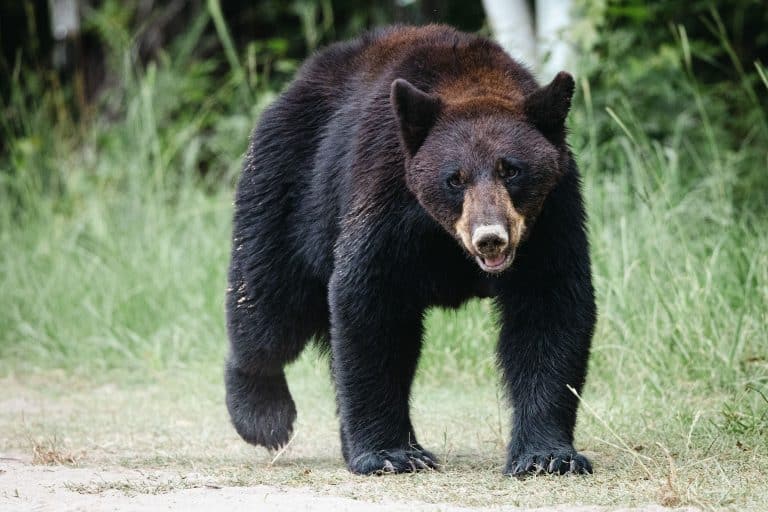
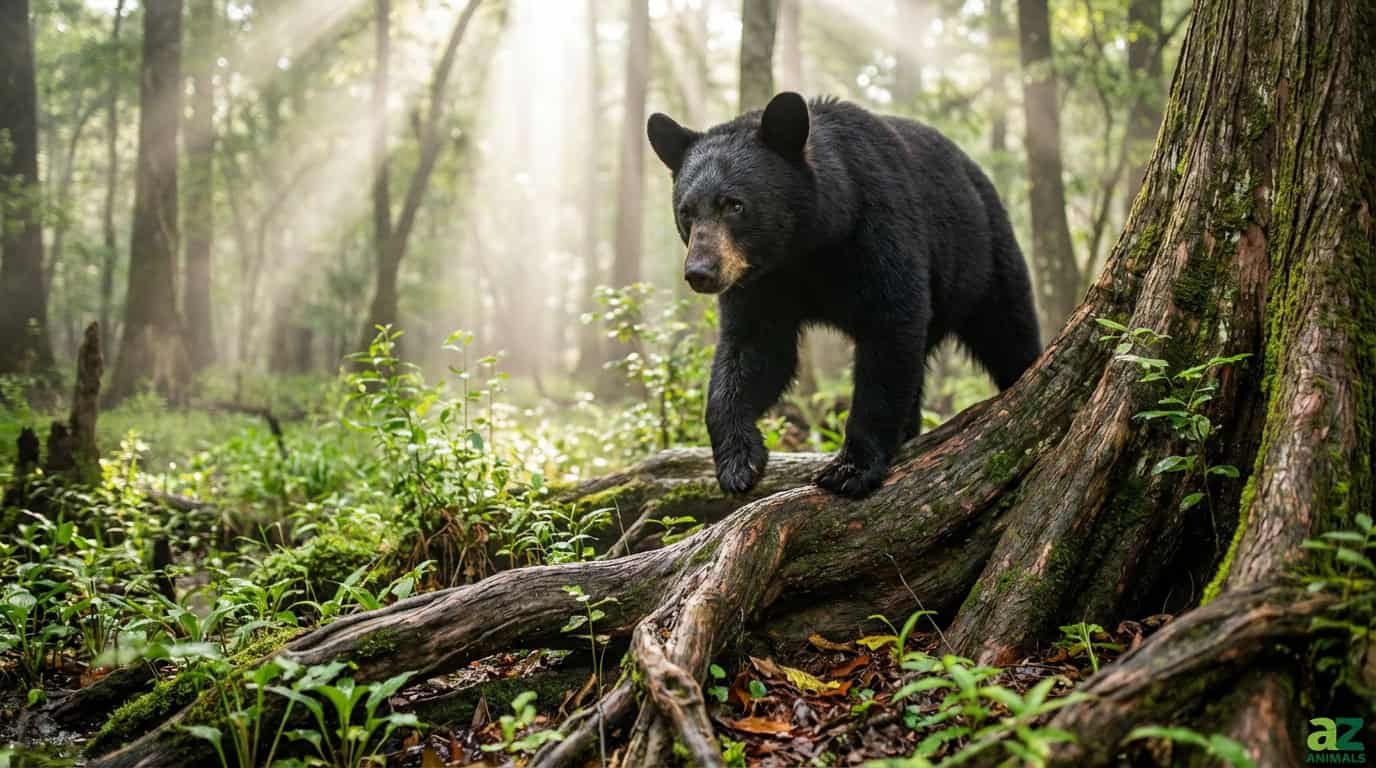
Black bears are the only confirmed bear species in Colorado today. Wildlife officials estimate the population at roughly 18,500 individuals. Despite their name, many are not black, but brown, cinnamon, or blond, which often leads to confusion with grizzlies. Grizzlies once lived in Colorado but were eliminated by the mid-1900s, and no verified populations remain.
Black bears are highly adaptable and can live in a range of habitats. Their diet includes grasses, berries, insects, nuts, and occasionally carrion. This flexibility allows them to survive in environments that change from season to season. This species also has a strong memory and can quickly learn where food is easy to find, which is why it sometimes returns to the same locations year after year if attractants are available.
Front Range Foothills and Bear Belt Towns
The foothills along the Front Range support some of the most visible bear activity in Colorado. Areas from Colorado Springs through Evergreen and Boulder contain dense vegetation, including oak brush and berry-producing shrubs. These habitats provide reliable food in late summer and fall, especially during years when acorn production is strong.
Bears often move along greenbelts and drainage corridors that lead into residential areas. These natural pathways connect wild habitat to developed land, making it easier for bears to travel unnoticed. Once they enter neighborhoods, they may search for garbage, fruit, or other easy food sources. Even a single unsecured trash can can encourage repeated visits.
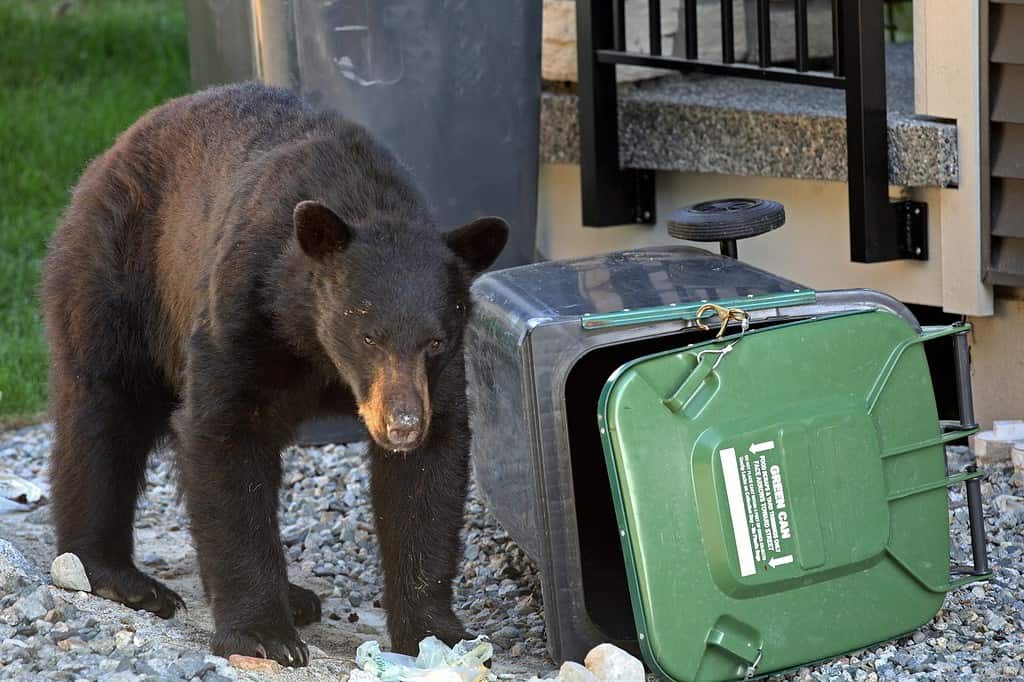
Unsecured garbage is one of the main attractants for wildlife in suburban areas.
©Tom Middleton/Shutterstock.com
Communities in these areas promote secure trash storage and other practices to reduce conflicts. Visitors and residents should treat these foothills as active bear habitat at all times, not just during peak seasons. Awareness and consistency make a significant difference in reducing encounters.
High-Country Resorts and Mountain Towns
Resort towns such as Aspen, Vail, and Breckenridge sit within prime bear habitat. Elevations in these areas support a mix of aspen groves, conifer forests, and open meadows that provide seasonal food sources. Bears move through these zones regularly, often passing near homes, trails, and recreational areas.
In spring, they feed on grasses and insects in open areas. As fall approaches, they move into oak brush and berry patches to build fat reserves. This seasonal shift often brings them closer to developed areas where food sources are more concentrated. Vacation properties and short-term rentals can unintentionally provide access to food if precautions are not taken.
Improperly stored trash, outdoor grills, and open windows can attract all sorts of wildlife. Many Colorado mountain towns and counties now require bear-resistant trash containers and encourage careful food storage, though regulations vary by locality. Visitors play an important role in preventing conflicts by following these guidelines consistently.
Western Slope Canyons and Oakbrush Habitat
The Western Slope contains extensive oakbrush and piñon-juniper landscapes that support large numbers of bears. Areas near Grand Junction, Glenwood Springs, and Durango provide abundant food during mast years, when acorns and berries are widely available.
Bears in these regions rely heavily on these food sources in late summer and fall. They may travel across hillsides and through canyons in search of productive feeding areas. River corridors add another layer of habitat, offering water and vegetation that support additional food sources.
These environments may appear open compared to dense forests, but they still support high bear activity. People using trails, rivers, or campsites should remain alert and follow local safety recommendations. Awareness is especially important during fall, when the animals are more focused on feeding.
San Juan Mountains and Remote Backcountry
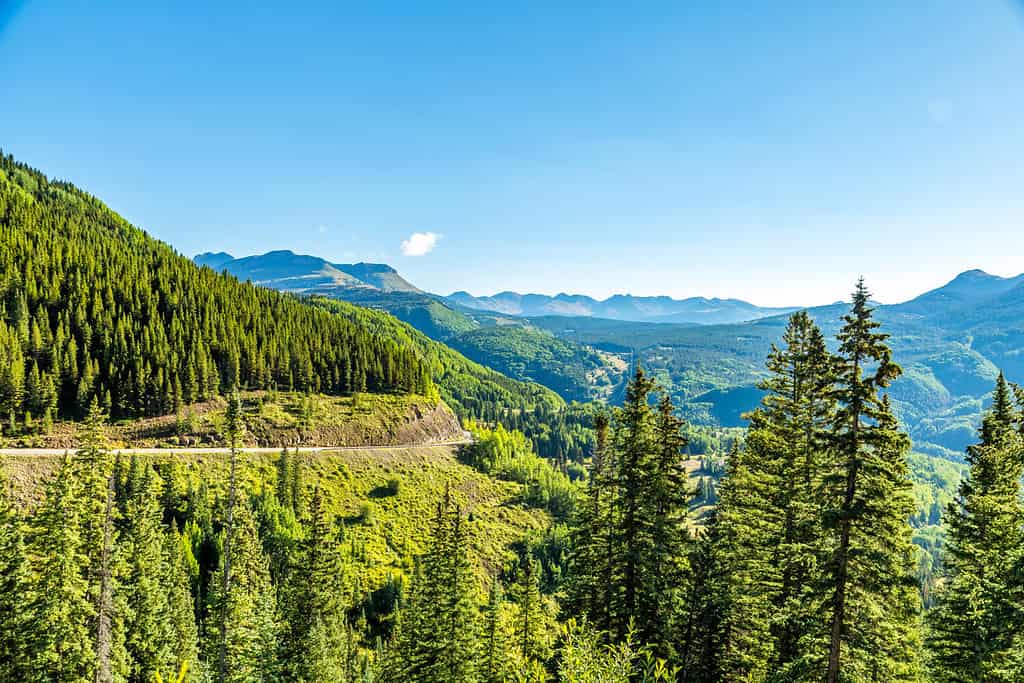
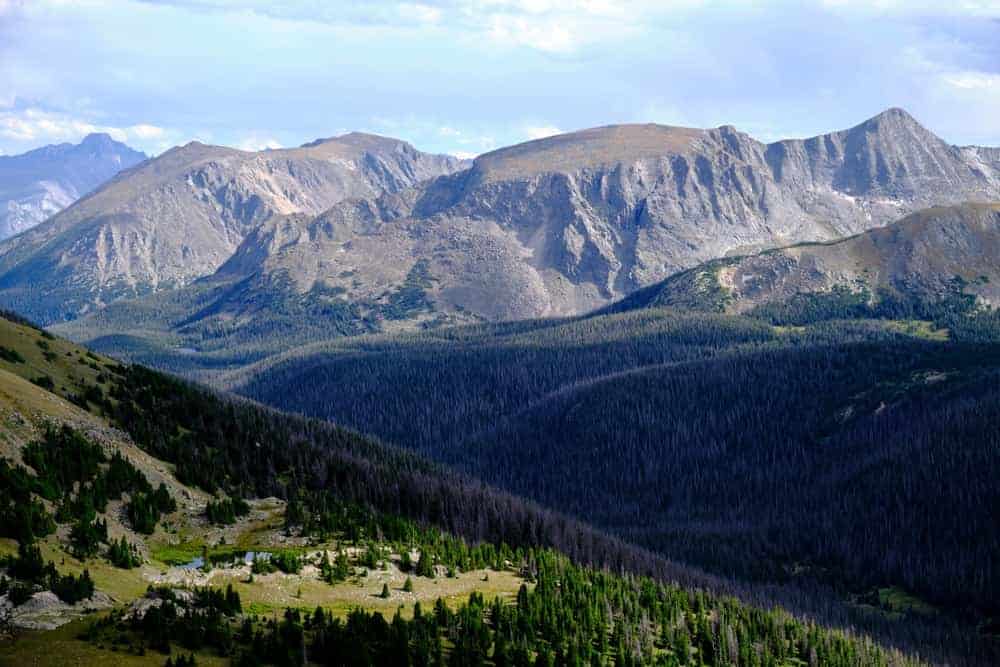
The San Juan Mountains are prime bear habitat.
©Gestalt Imagery/Shutterstock.com
The San Juan Mountains offer extensive habitat for black bears, with a mix of forests, alpine terrain, and lower-elevation shrublands. Bears move between these zones depending on the season and available food. This vertical movement allows them to take advantage of changing conditions throughout the year.
In spring, they often feed on new vegetation at lower elevations. During summer and fall, they spread into higher terrain and concentrate in areas with abundant berries. The remoteness of this region allows bears to behave naturally with less human influence, which can make encounters less predictable.
Backcountry visitors should take extra precautions, as encounters may occur far from assistance. Carrying proper equipment and staying aware of your surroundings are critical. In these areas, preparation matters more than convenience.
Northern Mountains and Park Regions
Northern Colorado, including areas near Rocky Mountain National Park, supports dense bear populations. Aspen forests, willow-lined streams, and mixed conifer habitats provide food and cover throughout the year. These environments support consistent bear activity across multiple seasons.
High visitor numbers increase the chance of encounters in these regions. Bears may be seen near trails, campgrounds, and parking areas, especially when food is accessible. Even small mistakes, such as leaving food unattended, can attract bears.
Rocky Mountain National Park requires all food and scented items to be stored in approved, commercially-made bear-resistant containers from April 1 to October 31; hanging food is not permitted during this period. Visitors should follow these rules carefully and remain aware of their surroundings. Paying attention to signs of bear activity can help prevent close encounters.
Plains and Occasional Bear Movement
While the eastern plains are not a primary habitat, bears occasionally move into these areas. Young males often travel long distances in search of new territory, sometimes following river corridors that provide cover and food.
These movements are usually temporary, but they can bring bears into contact with farms and small communities. Even in these less common areas, basic precautions still apply. Securing food sources helps prevent bears from lingering in places where they do not belong.
Travelers in these regions should remain aware of their surroundings, especially near wooded areas and water sources. While sightings are less frequent, they are not impossible.
Seasonal Behavior and Encounter Patterns
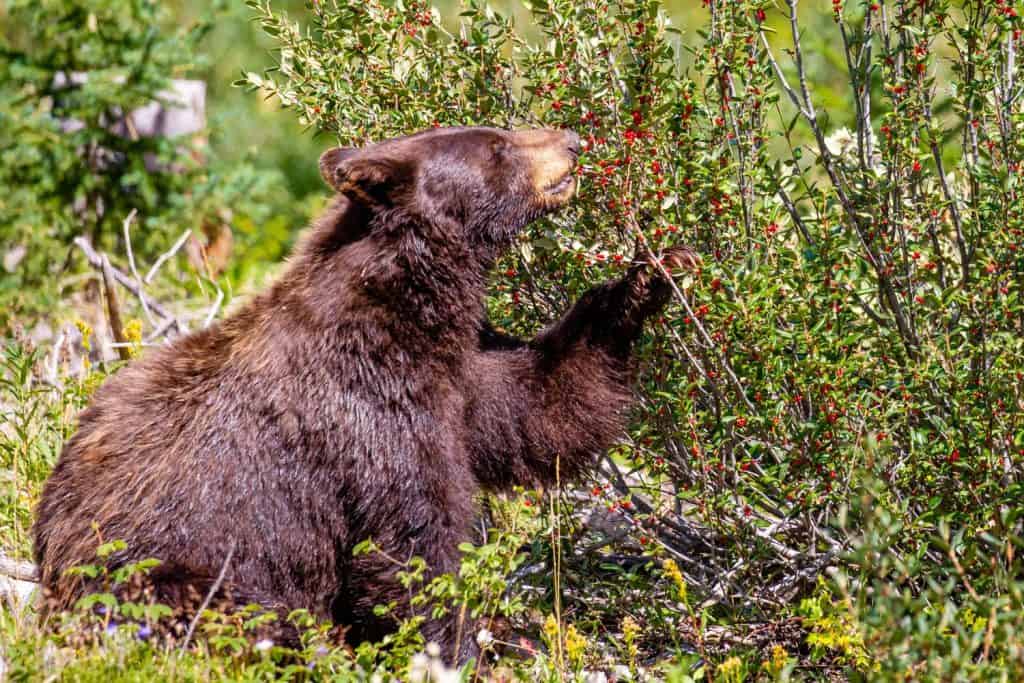
Berries are one of the main food sources of bears.
©Michael Tatman/Shutterstock.com
Bear activity changes throughout the year. In spring, bears emerge from dens and feed at lower elevations where food becomes available first. This period often leads to close encounters, especially in brushy areas with limited visibility.
During summer, bears spread across wider areas as food sources increase. They move between elevations and habitats depending on where food is most available. In late summer and fall, they enter a feeding phase where they consume large amounts of food to prepare for winter.
This period brings bears into areas with abundant food, including those near human activity. Understanding these patterns helps people anticipate where and when encounters are more likely.
Where and How to See Bears in Colorado
Colorado offers several opportunities to observe bears, especially in areas with strong populations. The Front Range foothills and Western Slope regions provide consistent sightings, particularly in late summer and fall when bears are actively feeding. Open areas such as meadows and river corridors allow safer viewing distances. Early morning and evening are often the most active times for bears, increasing the chances of seeing one in natural conditions.
Safe Bear Viewing Practices
Watching bears in the wild requires careful behavior. Binoculars or spotting scopes allow observation without disturbing animals. Getting too close can lead to dangerous situations and may cause the bear to react defensively.
Staying on established trails reduces the chance of surprising a bear. Making noise in dense areas gives animals time to move away. Keeping campsites clean prevents attracting bears and reduces the chance of repeated visits.
In the event of an encounter, make yourself look big by raising your arms and slowly back away. Don’t turn away or run, as that will signal the bear to pursue. In the unlikely event you are attacked, the rule of thumb is to fight back with black bears (which are relatively small) and play dead with brown bears (which are large). And if you have to fight a bear, strike its nose and face, their most sensitive and vulnerable areas.
Navigating Bear Country with Confidence
Understanding bear behavior helps people navigate Colorado’s landscapes with confidence. As bear populations continue to expand, encounters may occur in new areas where they were once uncommon. Recognizing key habitats and seasonal patterns allows people to adjust their behavior. This reduces conflict and supports long-term wildlife management efforts. A bear sighting can be memorable, but it should always be handled with care and respect for the animal and its environment.