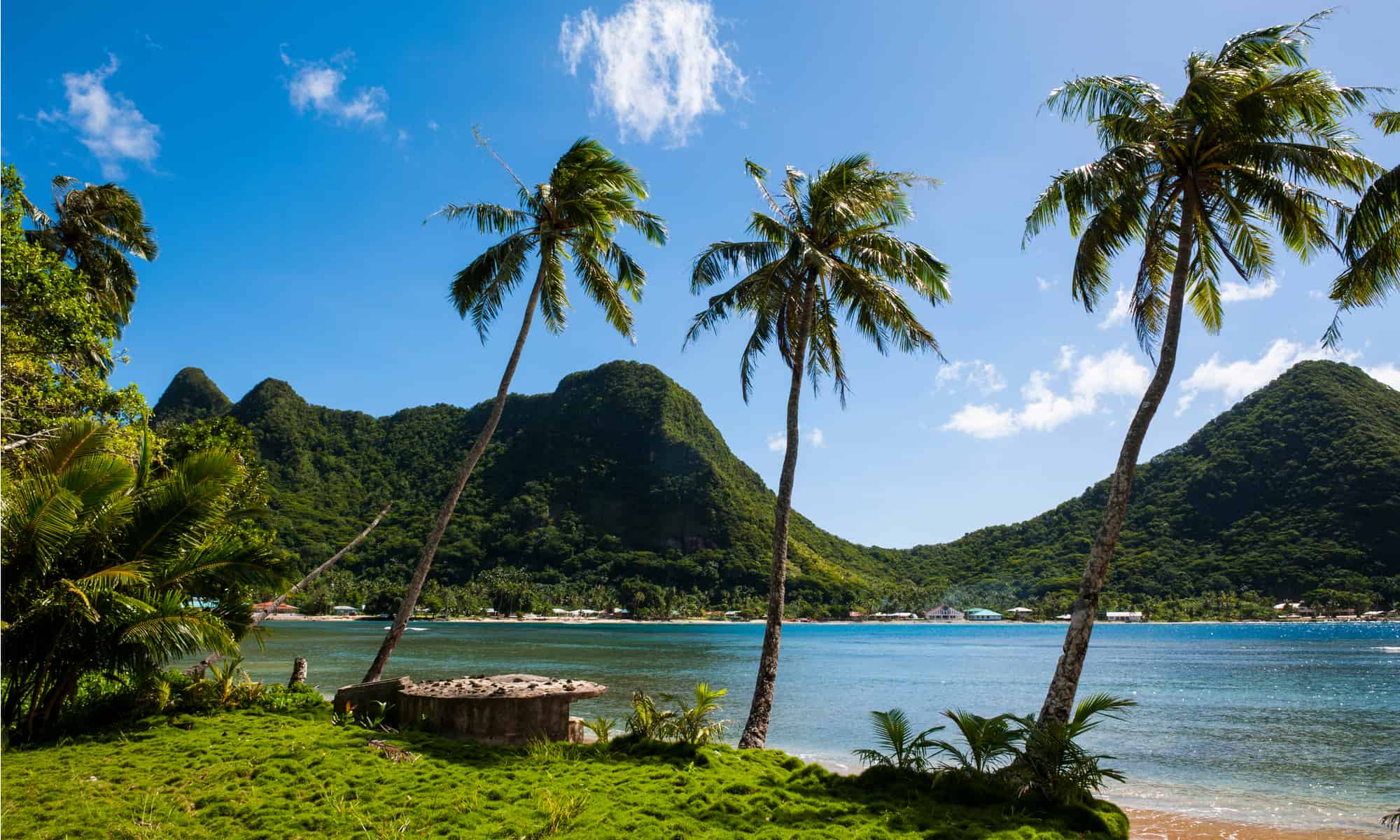

The American Samoa National Park is a unique tropical park located in the South Pacific, about 2,600 miles southwest of Hawaii. Located in the U.S. territory of American Samoa, the park comprises three volcanic islands and 4,000 acres of underwater ocean habitat. This incredible and very remote park is only accessible through flights to Pago Pago International Airport on the island of Tutuila. From that island, visitors can take small flights to the other two islands of the park: Ta’ū and Ofu.
Tropical rainforests cover most of the islands. The park protects the wildlife living on land and those swimming in the oceans. Interestingly, the islands are not home to many native mammals. In fact, the only land mammals that are native to American Samoa are three species of bats. Other mammals, such as pigs and rodents, were introduced at some point to the islands. We can’t cover them all, but let’s take a look at some of the many fascinating creatures you may spot roaming the islands or swimming in the seas.
Bats
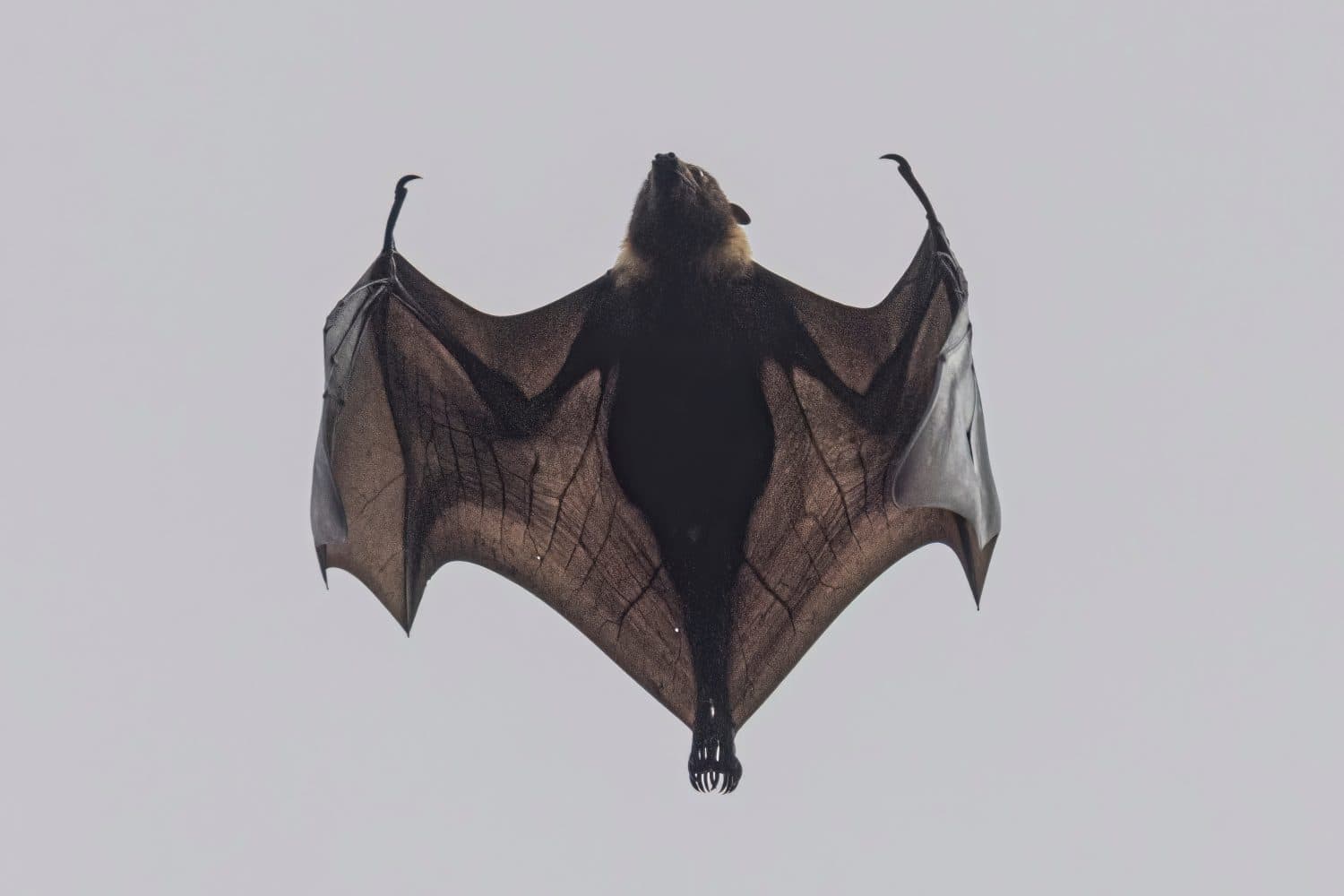
The Samoan fruit bat eats a diet of seeds, fruit, and nectar.
©BlueBarronPhoto/Shutterstock.com
The only mammals native to American Samoa are bats. There are three species of bats on the islands:
- Samoan Fruit Bat/Flying Fox (Pteropus samoensis)
- White-naped Fruit Bat (Pteropus tonganus)
- Sheath-tailed Bat (Emballonura semicaudata)
The Samoan fruit bat (also known as pe’a vao) and the white-naped fruit bat (also known as pe’a fanua) are large fruit bats that fly across the sky both day and night. The fruit bats have wing spans of nearly 3 feet, while the sheath-tailed bat is a small brown bat that eats insects.
Skinks
![Emoia is a genus of skinks, lizards in the subfamily Eugongylinae.[1] The genus Emoia belongs to a group of genera mainly from the southwestern Pacific-Australian region.](https://a-z-animals.com/media/2025/10/shutterstock-2567242657-huge-licensed-scaled.jpg)
There are several different species of skink on the American Samoa islands in the genus Emoia.
©afrisal25/Shutterstock.com
According to a wildlife checklist from the National Park Service, eight different species of skinks live in the American Samoa National Park. Several of them are native to the islands, and the others were introduced through Polynesian settlers around 1000 BCE. Skinks are a type of lizard that typically have smooth scales, short legs, and a streamlined body. Skinks are able to disconnect their tails as a defense to distract predators. Amazingly, they can grow a new tail back in just a few weeks.
Geckos
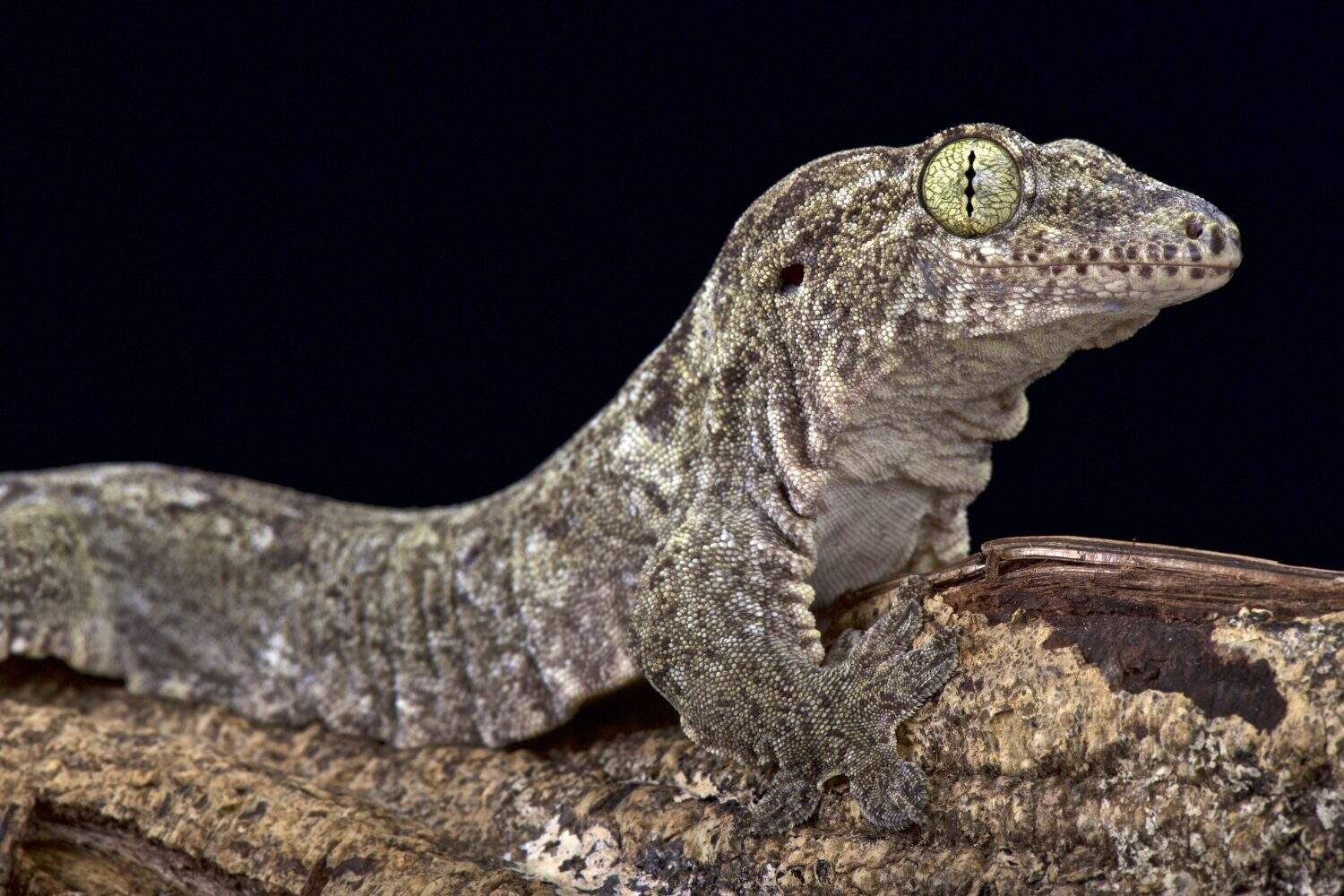
The Oceanic gecko lives in trees and hunts insects.
©reptiles4all/Shutterstock.com
There are five species of geckos in the American Samoa National Park: Pacific slender-toed gecko (Nactus pelagicus), Oceanic gecko (Gehyra oceanica), Mourning gecko (Lepidodactylus lugubris), Stump-toed gecko (Gehyra mutilatus), and the house gecko (Hemidactylus frenatus). However, only the Oceanic gecko is native to the islands.
Like skinks, geckos are small lizards that can shed their tail when chased by a predator. Geckos tend to be nocturnal and are excellent climbers. In the American Samoa National Park, you may find them hiding out on tree trunks during the day.
Feral Pigs

Wild boars, or feral pigs, are considered an invasive species in the American Samoa islands.
©Piotr Krzeslak/Shutterstock.com
Feral pigs (Sus scrofa), also known as wild boars, are not native to the islands. They were introduced by the Polynesian settlers thousands of years ago. Unfortunately, the feral pigs are a danger to the ecosystem, threatening native plants and small animals. They are also a nuisance to farmers, causing damage to crops. Feral pigs are very intelligent and adaptive to their environments, with few natural predators.
Snakes
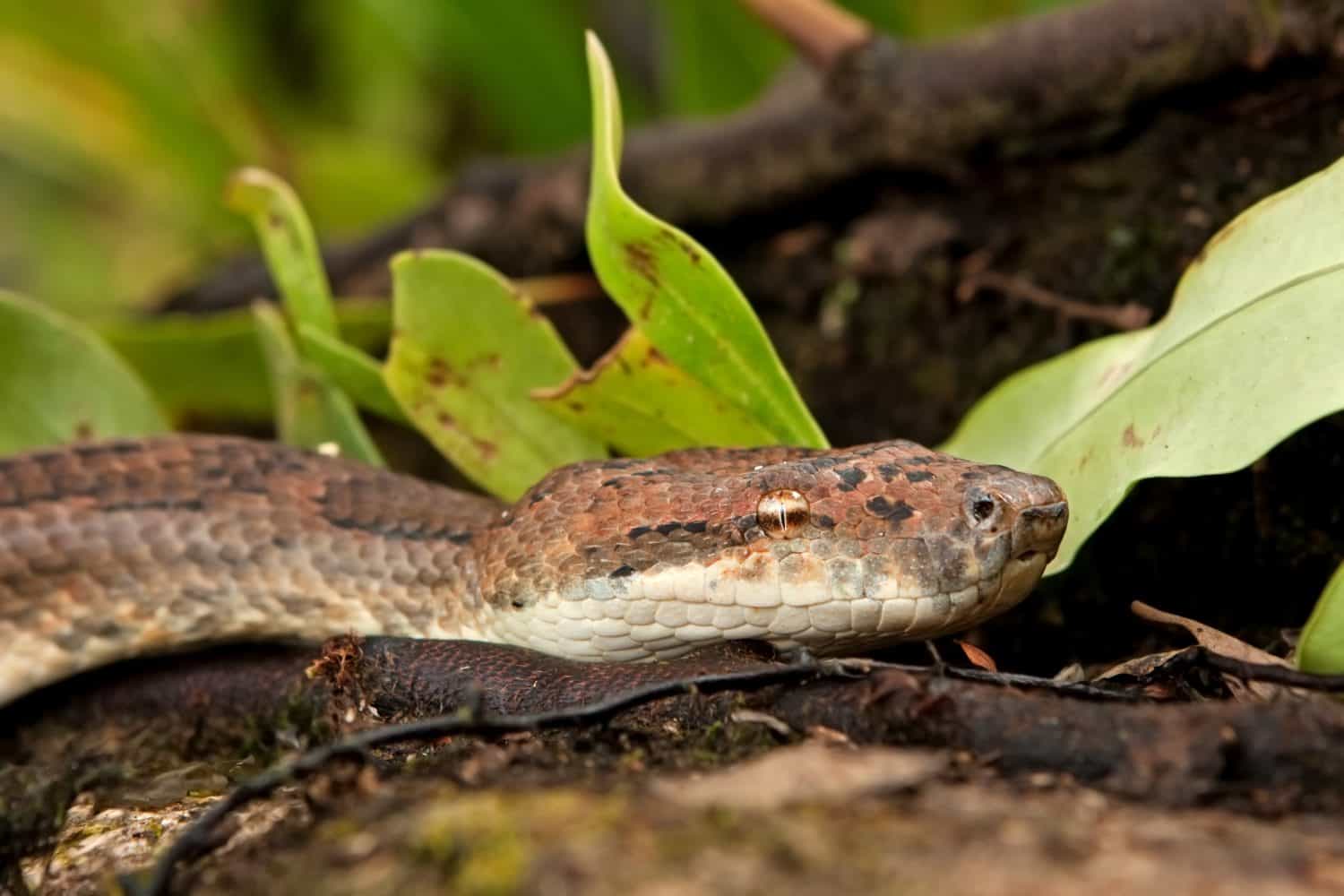
The Pacific boa is a shy snake and is not dangerous to humans.
©Martin Prochazkacz/Shutterstock.com
There are just two species of land snakes living in the American Samoa National Park: The Australoasian blind snake (Ramphotyphlops braminus) and the Pacific boa (Candoia bibroni). The banded sea snake (Laticauda sp.) makes its home in the ocean. Neither of the two land snake species is venomous, although the banded sea snake is.
The blind snake is a small, 6-inch reptile that looks more like an earthworm than a snake. It burrows in the ground and has very small eyes. The Pacific boa is nocturnal and tends to shy away from people. It can grow around 3 to 6 feet long and feeds on birds and lizards. And finally, the banded sea snake is semi-aquatic and preys on fish, eels, and crustaceans.
Cane Toad
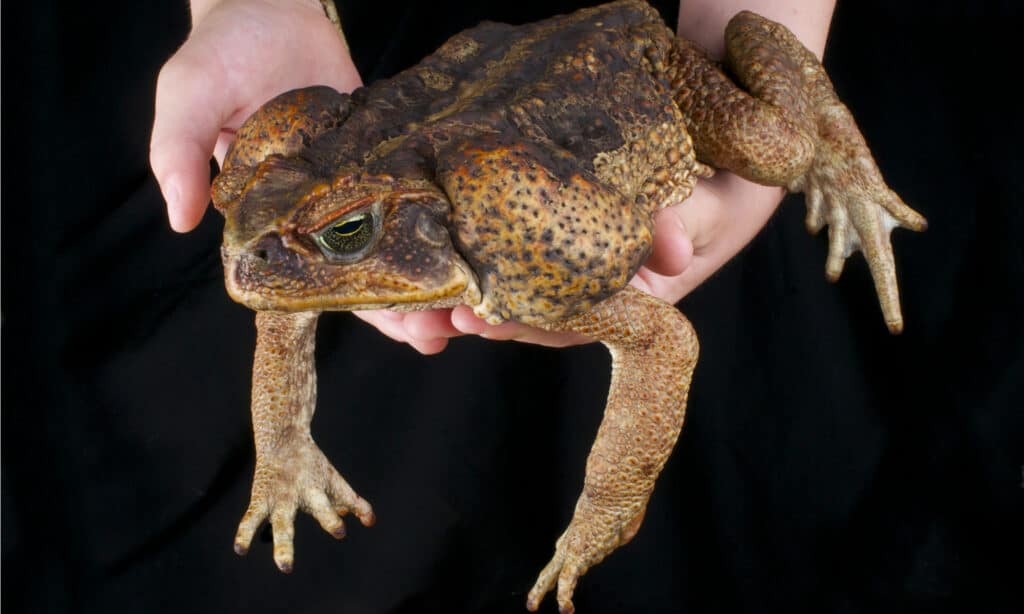
The cane toad is the largest species of toad in the world.
©reptiles4all/Shutterstock.com
There is only one amphibian that lives in the American Samoa National Park. The cane toad (Rhinella marina), or the marine toad, is the largest species of toad in the world and can weigh up to 3 pounds. Cane toads, like other toads, have poison glands filled with toxins that they release when threatened. Cane toads are not native to the islands but were introduced in the 1950s to control mosquitoes and other pests. However, today they are considered an invasive species, and the full impact of their presence on the ecosystem remains unknown.
Birds
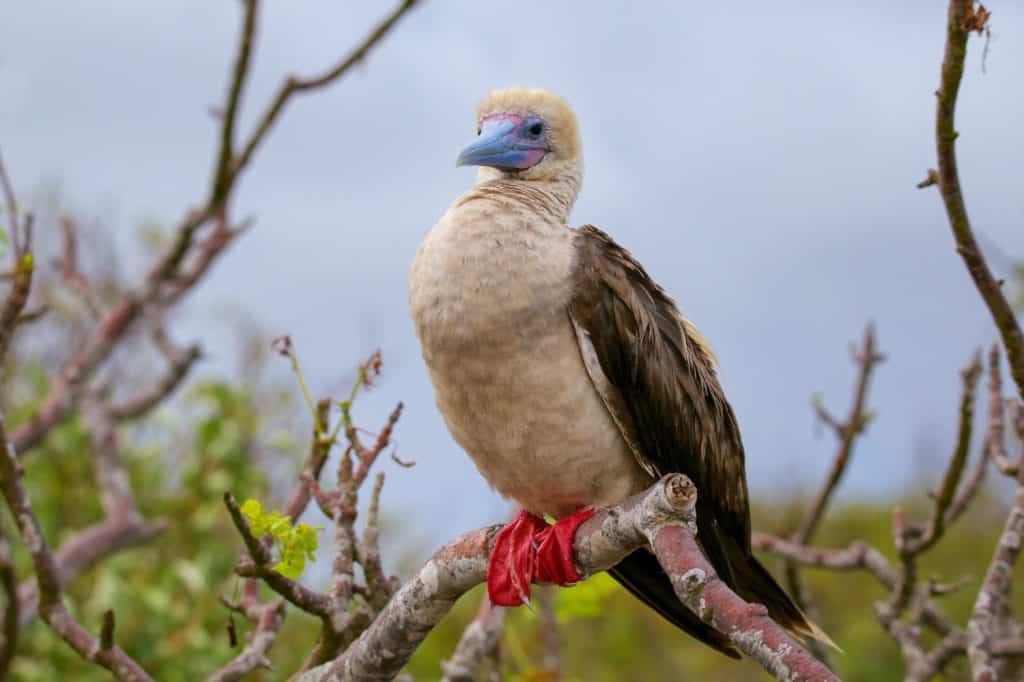
Red-footed boobies are large seabirds named for their bright red feet.
©Don Mammoser/Shutterstock.com
Many of the trails on the islands are prime spots for birdwatching. There are 35 species of native birds living in the American Samoa National Park. Many of those species do not live anywhere else in the world. Some notable birds you may see on the islands are the blue-crowned lory (Vini australis), the cardinal honeyeater (Cardinal myzomela), and the Samoan starling (Aplonis atrifusca). There are also seabirds, such as the red-footed booby (Sula sula), and freshwater birds such as the Pacific Reef heron (Egretta sacra) and Pacific black duck (Anas superciliosa).
Humpback Whales
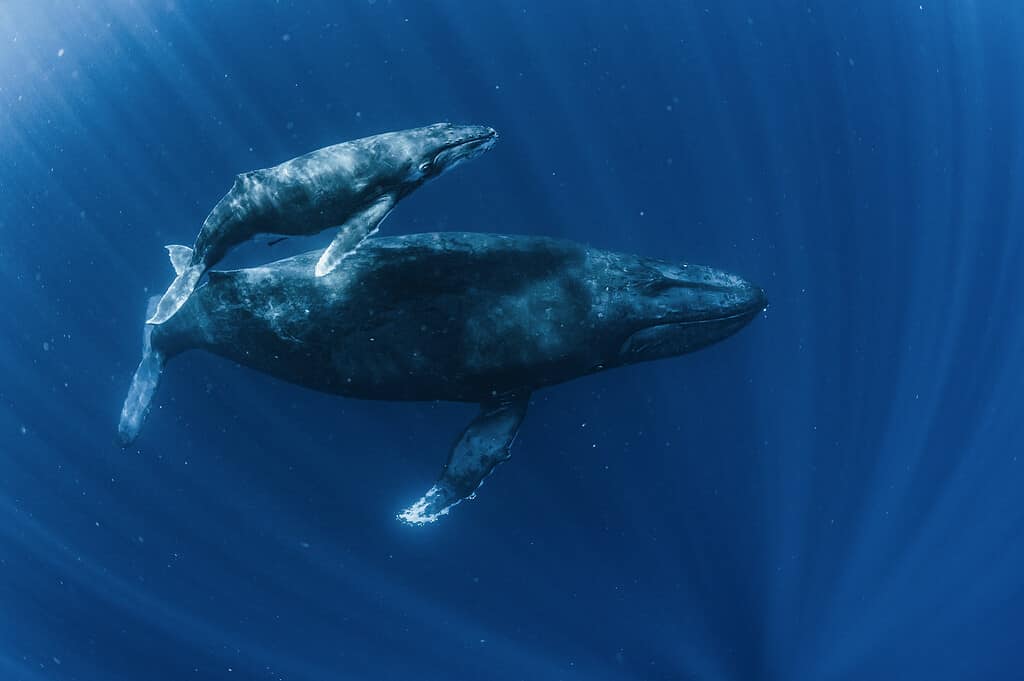
Humpback whales give birth in the waters around the islands of the American Samoa National Park.
©iStock.com/inusuke
The American Samoa National Park is not only on land, but also in the sea. About 4,000 acres of the park are located underwater. There are eight species of whales found in the park, and one of those is the massive humpback whale (Megaptera novaeangliae), which is seen most often in September and October. The majestic humpback can grow 50 feet long and weigh 45 tons. You may also spot a baby humpback whale swimming in the waters, but it’s important to keep a safe distance of at least 100 yards for their safety and yours.
Spinner Dolphins
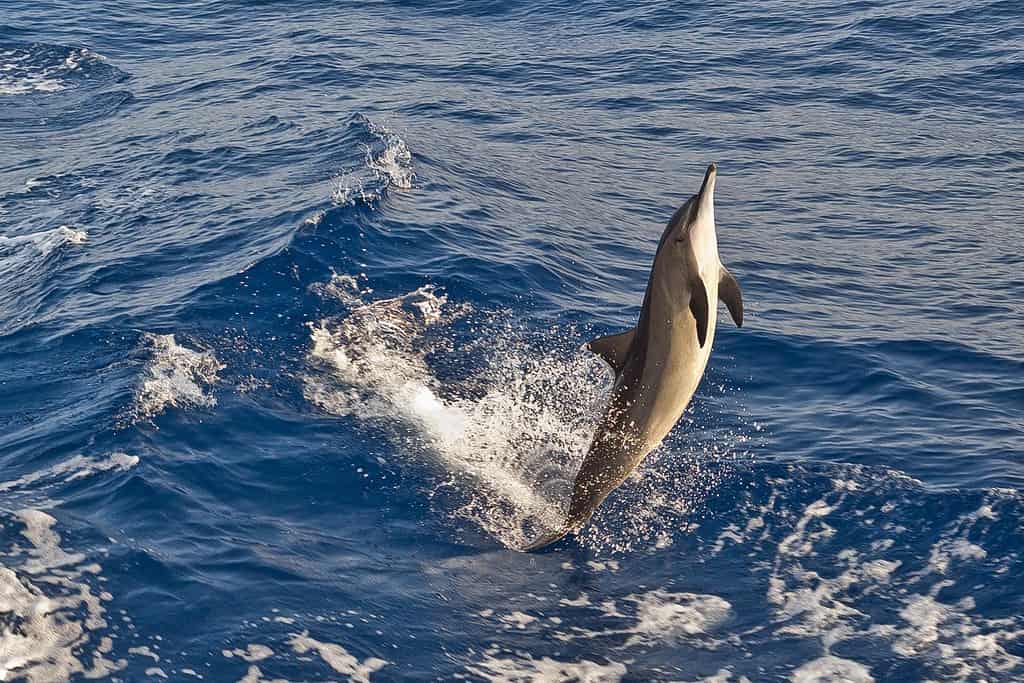
Spinner dolphins can spin their bodies in the air, making multiple rotations at a time.
©Gonzalo Jara/Shutterstock.com
There are five species of dolphins living in the waters of the park. One commonly seen just offshore is the spinner dolphin (Stenella longirostris), which is a small dolphin known for its acrobatic abilities. Known locally as the mumua, they are often spotted swimming around Tutuila Island. As their name suggests, spinner dolphins like to spin around in the water. Scientists believe they spin to communicate with each other, remove parasites, and also just because it is fun.
The other four dolphin species in the area include the rough-toothed dolphin (Steno bredanensis), bottlenose dolphin (Tursiops truncatus), pantropical spotted dolphin (Stenella attenuata), and the
striped dolphin (Stenella coeruleoalba).
Sea Turtles
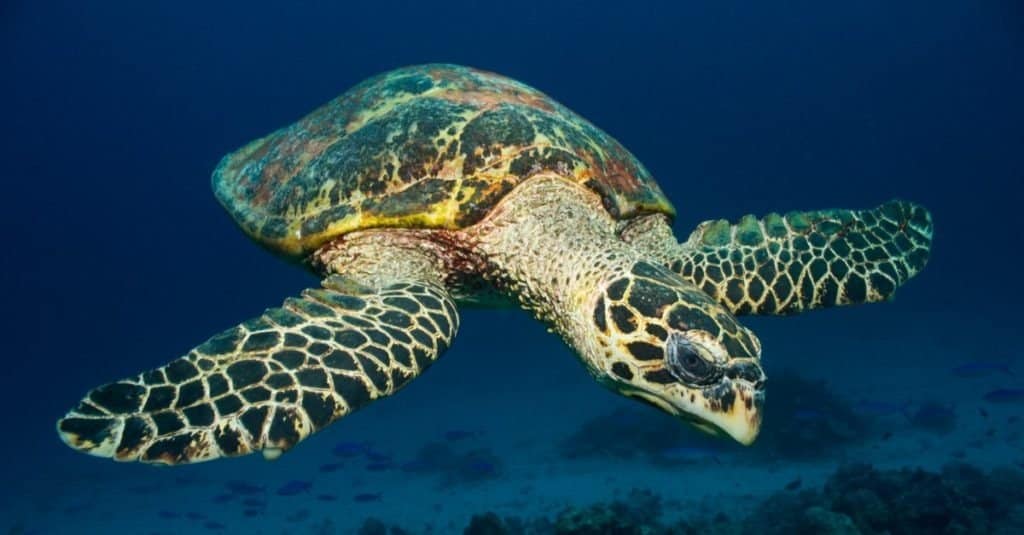
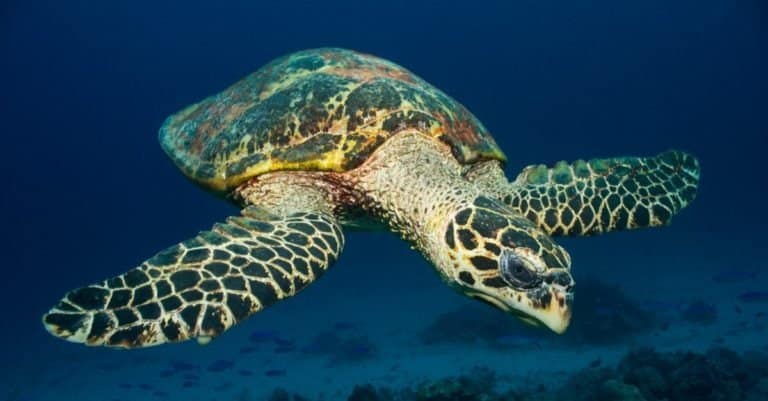
The hawksbill sea turtle is one of the four species of sea turtles living in the American Samoa National Park.
©John Back/Shutterstock.com
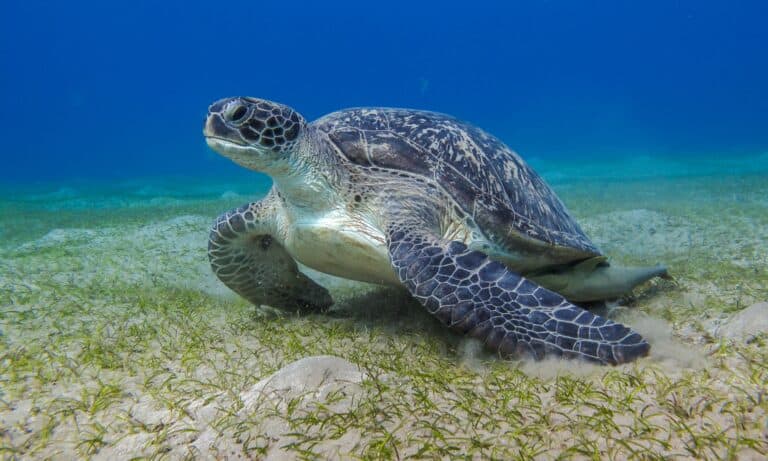
There are four species of sea turtles living in the park: hawksbill sea turtle (Eretmochelys imbricata), green sea turtle (Chelonia mydas), olive ridley sea turtle (Lepidochelys olivacea), and the leatherback sea turtle (Dermochelys coriacea). According to Fatbirder.com, you are most likely to find hawksbill sea turtles on Tutuila Island beaches. Head over to the Rose Atoll to find the green sea turtle. The olive ridley and leatherback sea turtles are rarely seen, with only a few recorded sightings.
The hawksbill sea turtle is classified as Critically Endangered on the Red List of endangered species from the IUCN (International Union for the Conservation of Nature). Hawksbill turtles have beautiful shells, which they are sometimes hunted for in different parts of the world. Thanks to conservation efforts, the green sea turtle has only recently been moved from Endangered to Least Concern on the IUCN Red List.