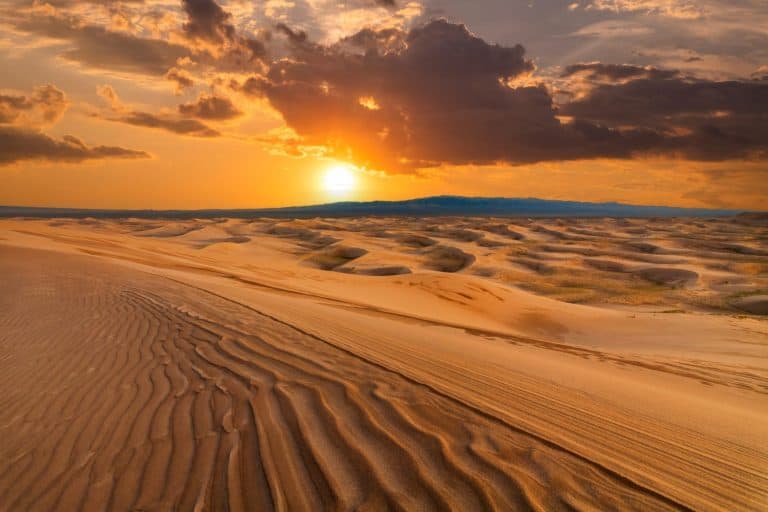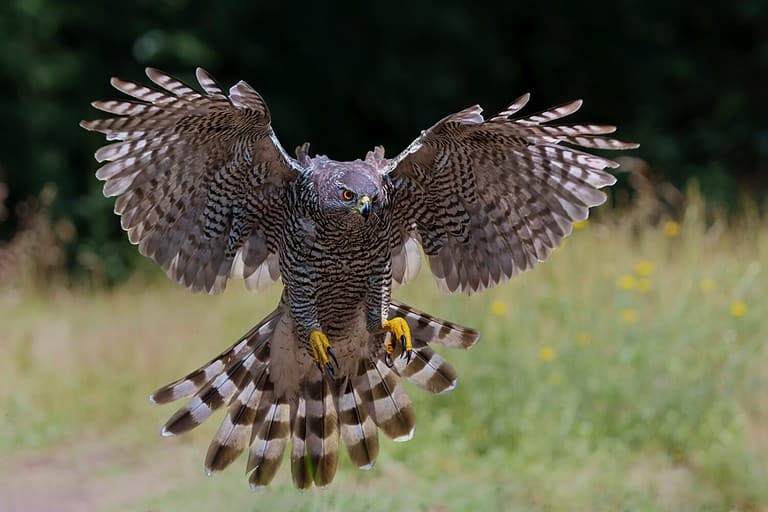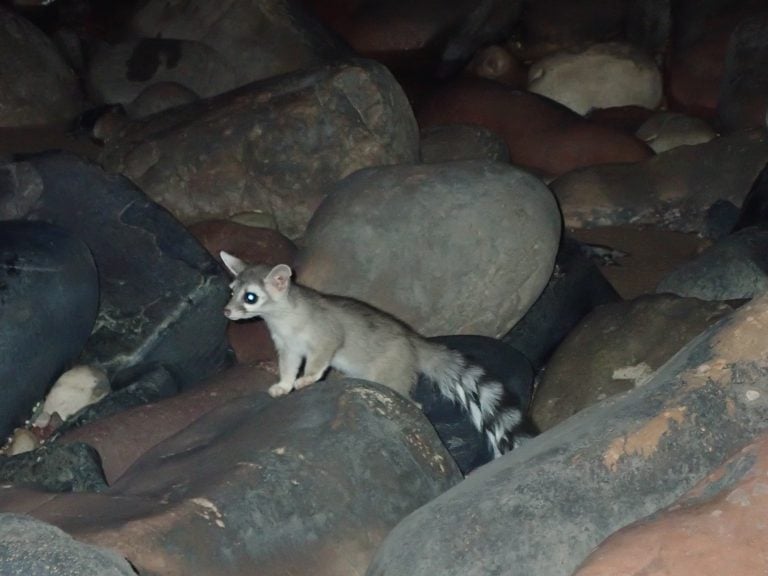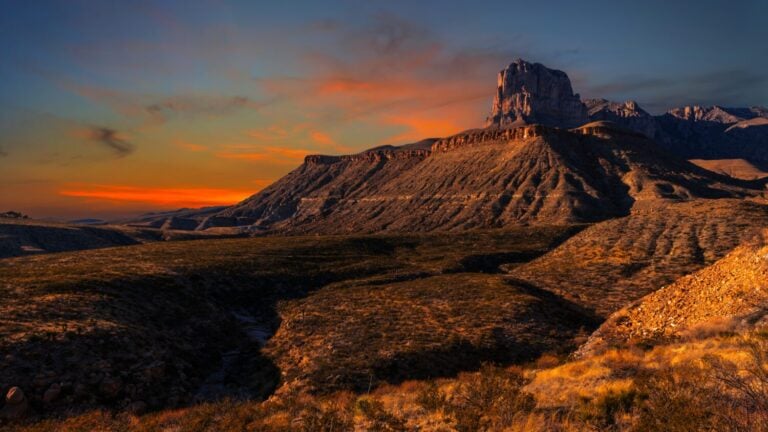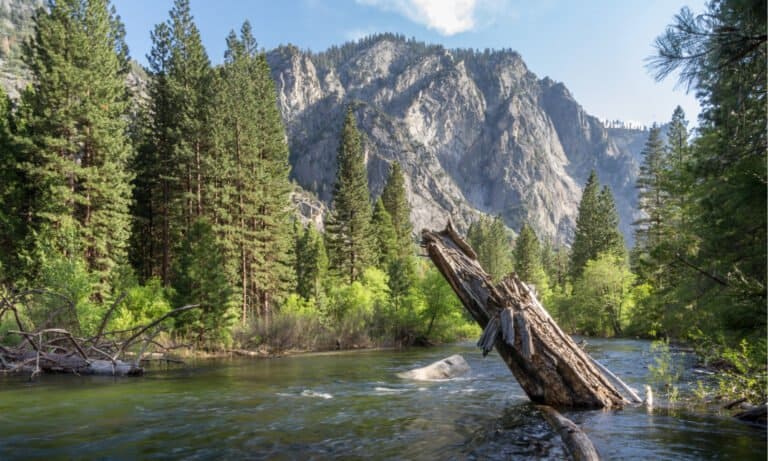

In southern Nevada’s Valley of Fire State Park sandstone arches and sweeping dunes glow under the sun like another world. It looks like no one should be able to survive in the heat and desolation of this park, but quietly, lizards, owls, snakes, and bighorn sheep endure and even thrive in the harsh landscape. These are some of the key species attentive visitors might spot in the park.
Desert Bighorn Sheep (Ovis canadensis nelsoni)
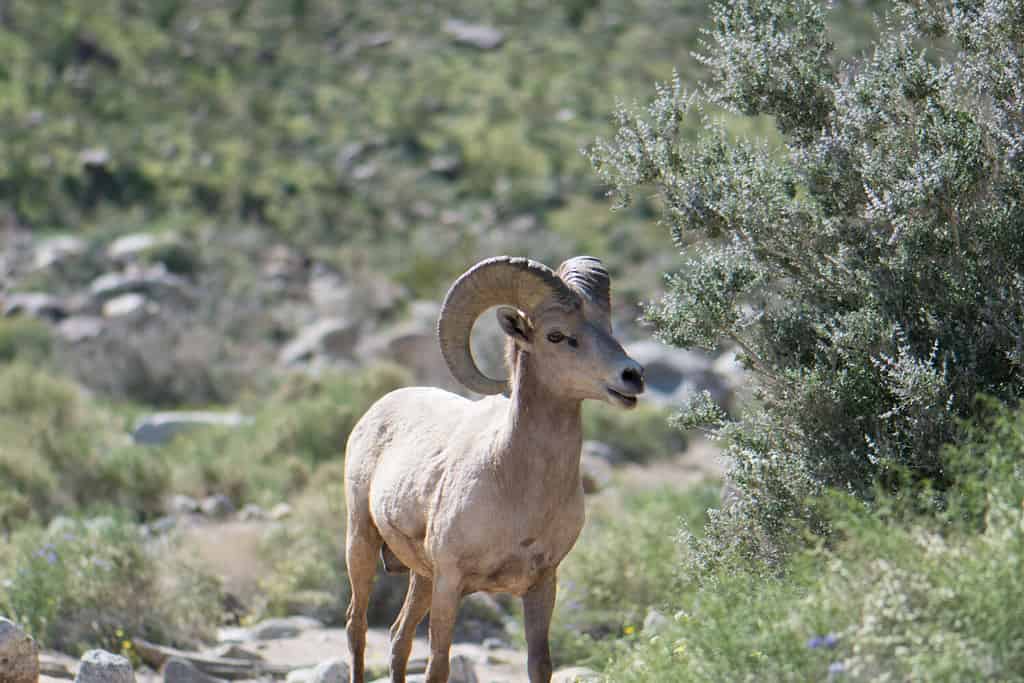
Desert Bighorn Sheep (Ovis canadensis nelsoni)
©Jilll Richardson/Shutterstock.com
The symbol of the Mojave, desert bighorn sheep embody strength and precision. These sure-footed grazers nimbly climb steep sandstone ridges and narrow canyons of the park with ease, using split hooves and muscular legs for balance. They feed on desert shrubs and grasses, often climbing high to catch cooler breezes. Rams grow impressive, curved horns used in dominance battles, while ewes lead small family groups. In early morning or late afternoon, they can sometimes be seen silhouetted against the red cliffs.
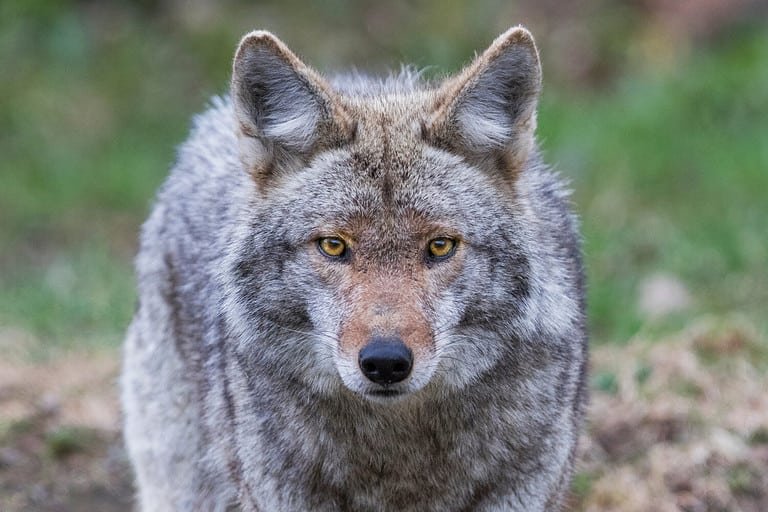
Coyote (Canis latrans)
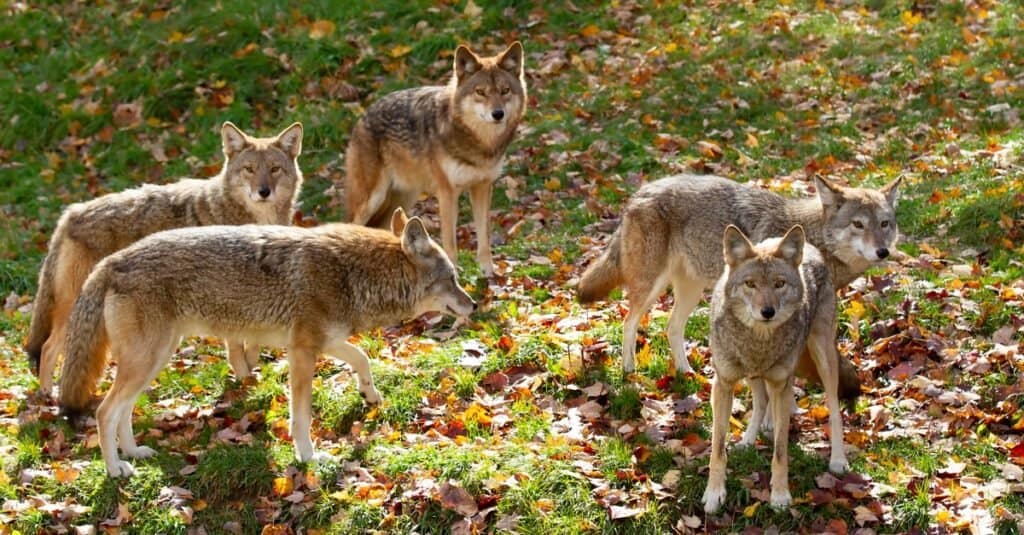
Coyote (Canis latrans)
©Jim Cumming/Shutterstock.com
Native American tradition depicts the coyote as a trickster, and in fact, it does seem they have endlessly inventive ways of thriving in almost any environment. In Valley of Fire, coyotes hunt rodents, rabbits, and reptiles, supplementing their diet with fruit or carrion when necessary. Coyotes roam alone or in small family packs, traveling the arroyos and open basins under cover of darkness. Their haunting calls at dusk are the soundtrack of the west.
Desert Kit Fox (Vulpes macrotis)
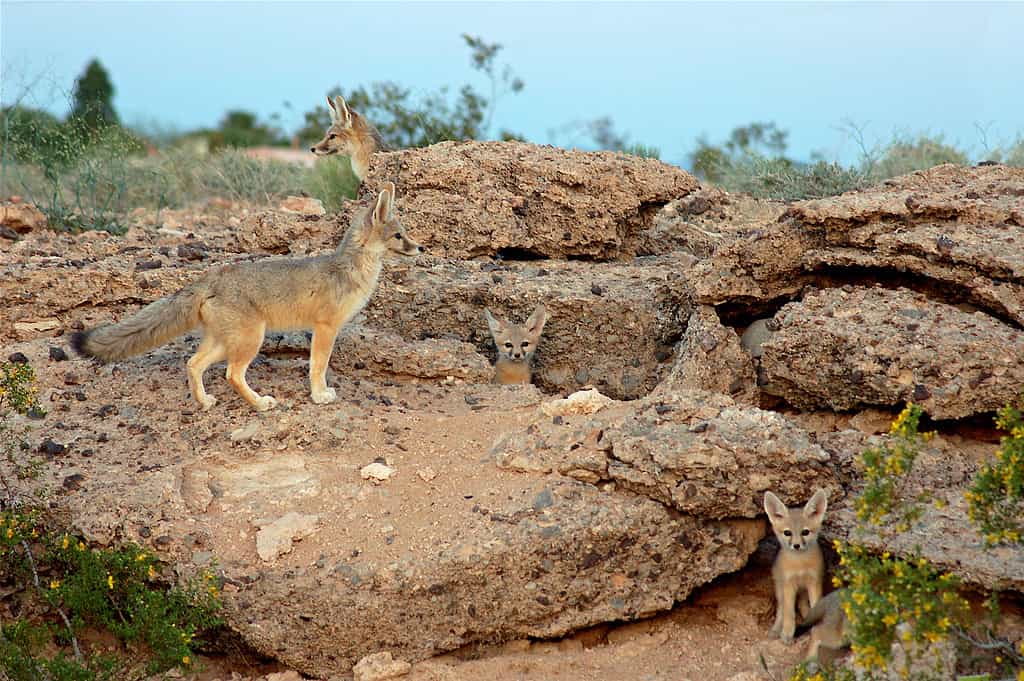
Desert Kit Fox (Vulpes macrotis)
©iStock.com/Sherri Cassel
Small, sleek, and built for stealth, the desert kit fox is a creature of twilight. With its enormous ears, it can hear insects moving beneath sand. These foxes are nocturnal hunters, preying on kangaroo rats, lizards, and insects. By day they rest in burrows dug deep into dunes or soft soil. Their pale coats reflect sunlight, and their bodies are so well adapted to conserve moisture that they rarely ever drink standing water.
Black-Tailed Jackrabbit (Lepus californicus)
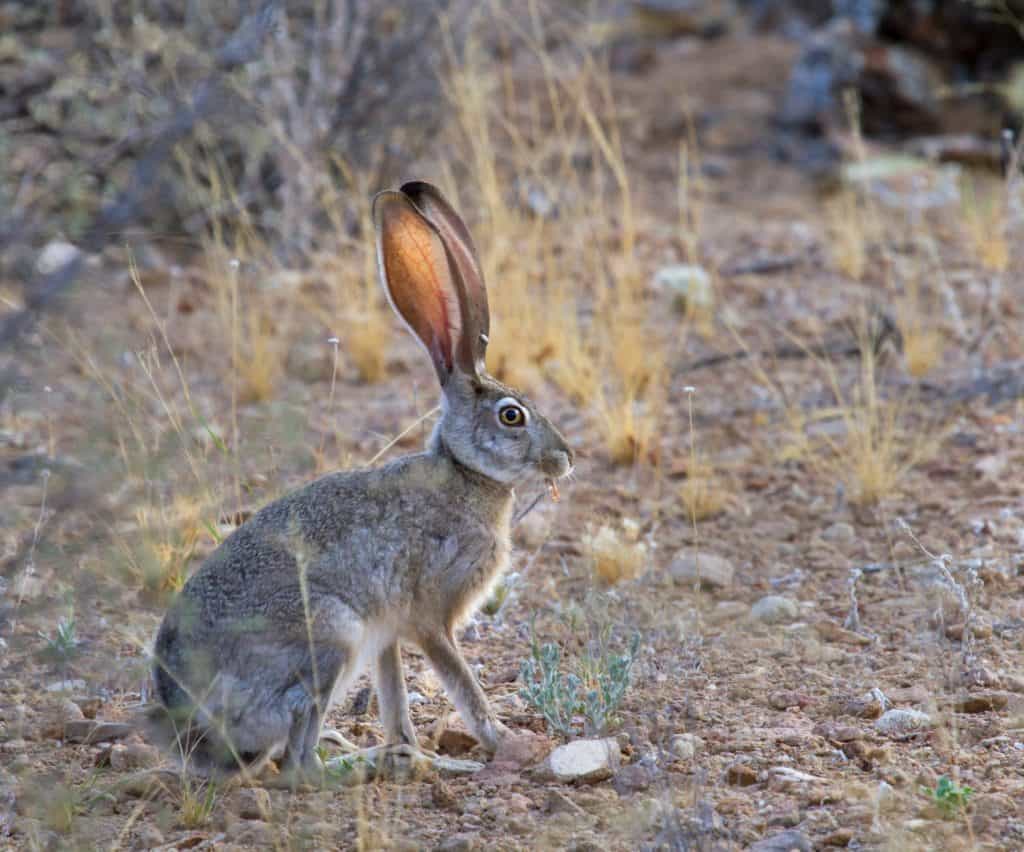
Black-Tailed Jackrabbit (Lepus californicus)
©Natalia Kuzmina/Shutterstock.com
The black-tailed jackrabbit is one of the park’s most easily spotted mammals. After picking up a suspicious sound with its antenna-like ears, it bounds explosively across rocky flats to outrun potential predators. However, those enormous ears aren’t just for hearing — they help radiate heat in the desert’s 110°F summers. Jackrabbits feed on shrubs, grasses, and cacti, and their alert, statuesque posture often catches the eye of hikers before they vanish into the brush.
Rock Squirrel (Otospermophilus variegatus)

Rock Squirrel (Otospermophilus variegatus)
©Angel DiBilio/Shutterstock.com
One of the few squirrels able to handle desert life, rock squirrels find shade among boulders and canyon crevices. They forage for seeds, nuts, and cactus fruit and are often seen sitting upright on rocks to survey their surroundings. When the temperature climbs too high, they take refuge underground. Rock squirrels frequently approach humans in picnic areas but feeding them endangers both the animal and the ecosystem balance that depends on natural foraging.
Merriam’s Kangaroo Rat (Dipodomys merriami)
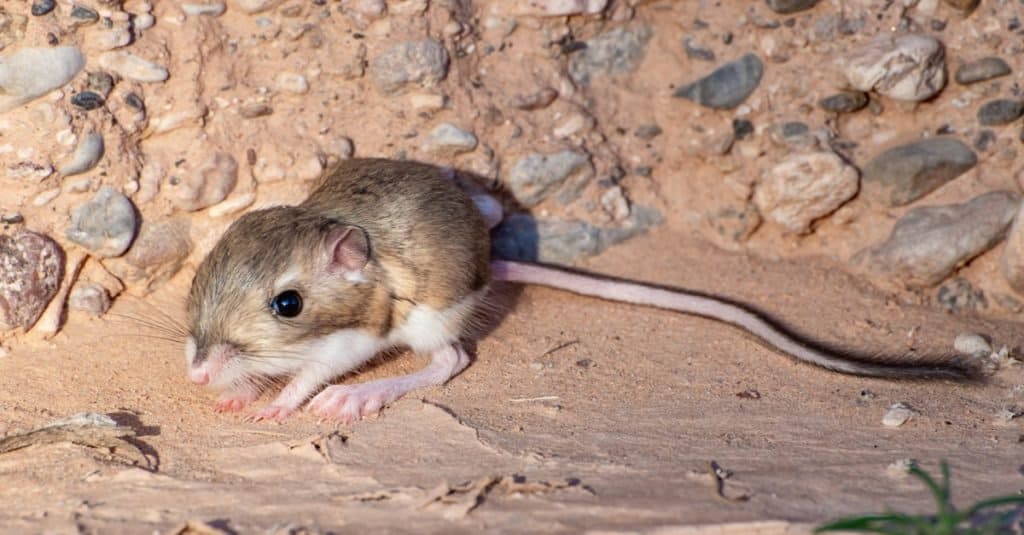
Merriam’s Kangaroo Rat (Dipodomys merriami)
©Dominic Gentilcore PhD/Shutterstock.com
A small but essential piece of the desert puzzle, the Merriam’s kangaroo rat is an engineer of survival. It never drinks water; instead, it draws all needed moisture from seeds. Its oversized hind legs allow it to hop like its namesake, conserving energy on the hot sand. At night, it emerges from its burrow to collect seeds, which it stores in cheek pouches for later. Its intricate tunnel systems also aerate the soil, allowing oxygen and the occasional moisture to penetrate deeper under the surface.
Greater Roadrunner (Geococcyx californianus)
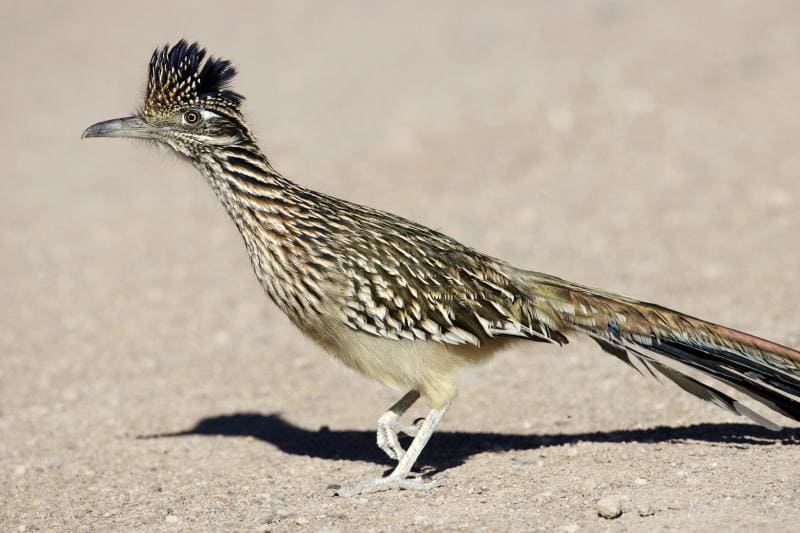
Greater Roadrunner (Geococcyx californianus)
The greater roadrunner is fast and fearless. It can sprint up to 20 miles per hour across sand and rock, chasing lizards, insects, and small snakes. Its long tail helps it steer as it runs, and its bold eyes scan constantly for movement. Roadrunners are often spotted along roadsides or darting between boulders, their crest feathers raised in alert curiosity. And in case you’re wondering, yes, coyotes eat roadrunners… if they can catch them. But in practice, it’s only the sick or wounded they frequently run down.
Turkey Vulture (Cathartes aura)
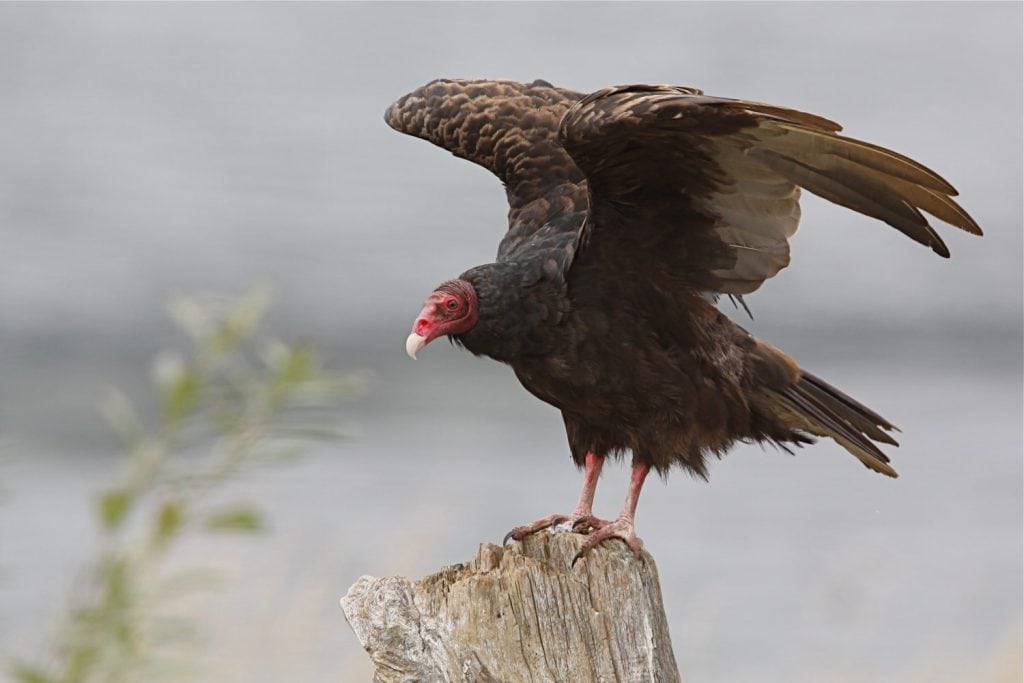
Turkey Vulture (Cathartes aura)
©Tom Reichner/Shutterstock.com
Soaring effortlessly above the fiery cliffs, turkey vultures ride thermals with wings outstretched, scanning for carrion. Their featherless red heads prevent bacteria from clinging while feeding, and their keen sense of smell allows them to detect decaying flesh from miles away. They are important scavengers that play a crucial role in keeping the desert clean, returning nutrients to the earth through a dirty but vital natural cycle.
Golden Eagle (Aquila chrysaetos)
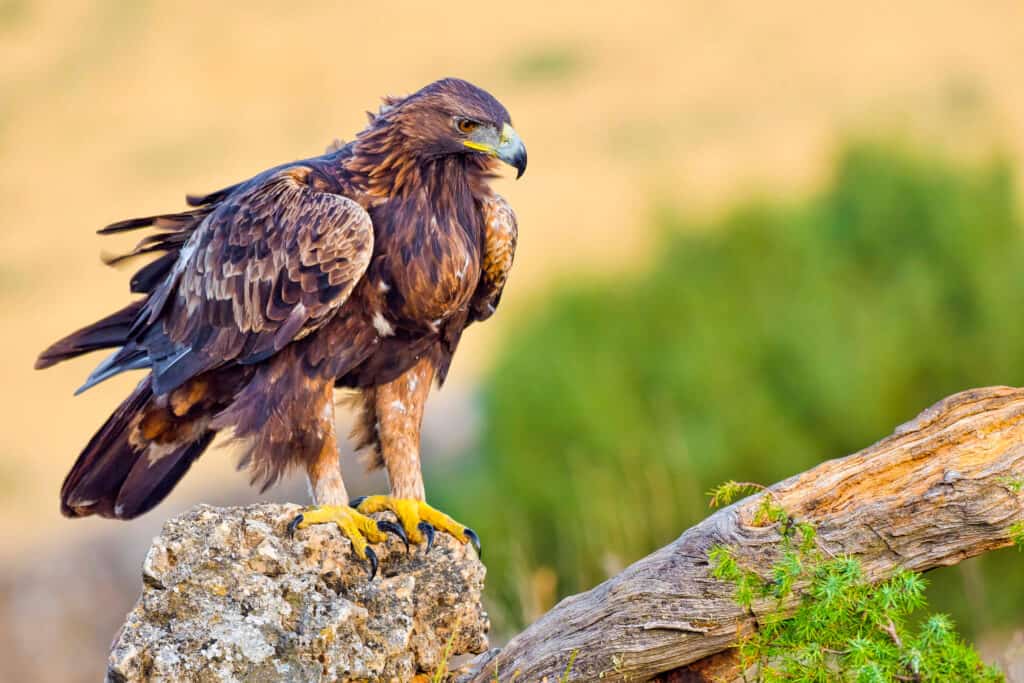
Golden Eagle (Aquila chrysaetos)
©Al Carrera/Shutterstock.com
The golden eagle rules the air over Valley of Fire, gliding on updrafts over the canyons. Its sharp eyesight helps it spot rabbits or ground squirrels from hundreds of feet above. Golden eagles nest on remote cliffs to keep their chicks safe from ground-based predators. You probably won’t see one up close, but you can follow their dark silhouettes against the sandstone ridges and zoom in with binoculars.
Red-Tailed Hawk (Buteo jamaicensis)
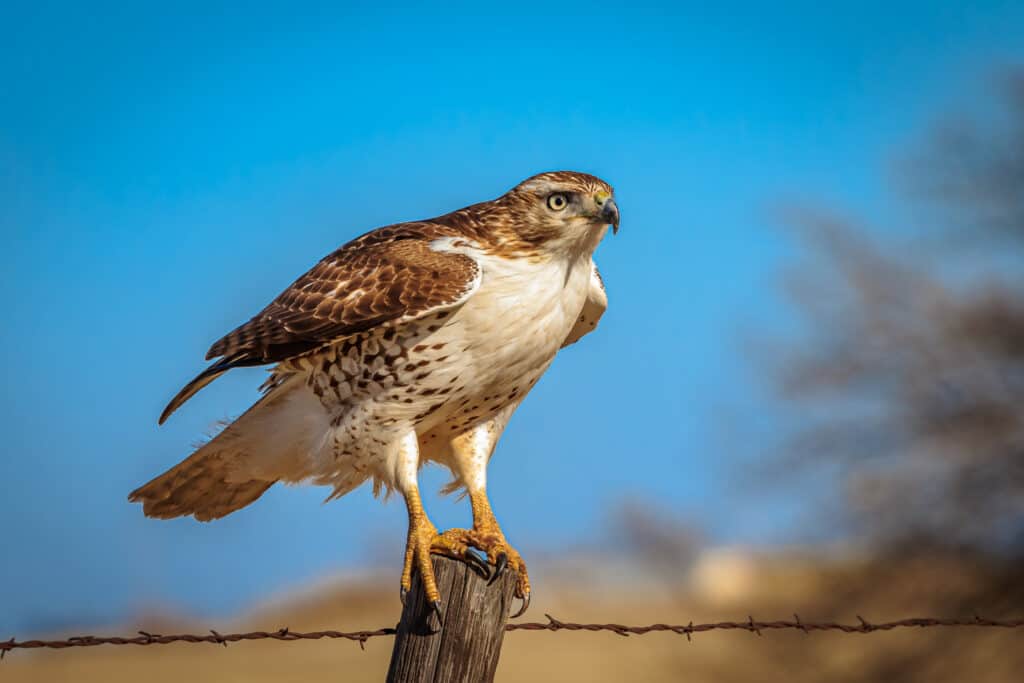
Red-Tailed Hawk (Buteo jamaicensis)
©Richard G Smith/Shutterstock.com
The red-tailed hawk, named for its copper tail feathers, is a common sentinel on cliff ledges and telephone poles along the park roads. Its raspy call echoing across the valleys will bring to mind countless western films. These raptors hunt by soaring or perching silently before striking. You might spot them maneuvering gracefully on the desert thermals.
Common Raven (Corvus corax)
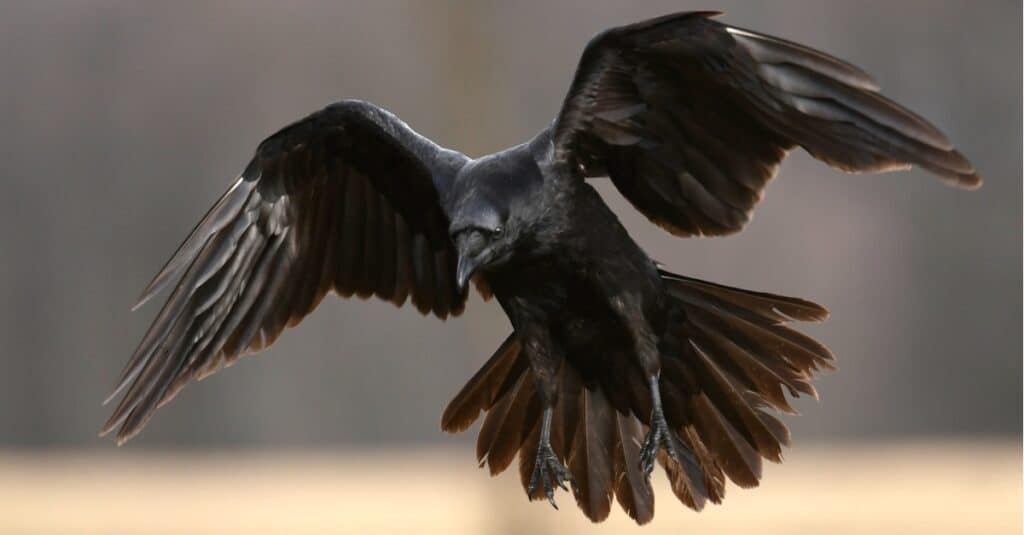
Common Raven (Corvus corax)
©iStock.com/Piotr Krzeslak
In Valley of Fire, ravens are everywhere — riding thermals, flipping midair, and scavenging near campsites. They are problem-solvers, capable of recognizing faces and using tools. Their intelligence makes them both admired and mischievous, as they often unzip packs or tip over containers in search of food. Yet their adaptability is key to their survival in a place so harsh and exposed.
Zebra-Tailed Lizard (Callisaurus draconoides)
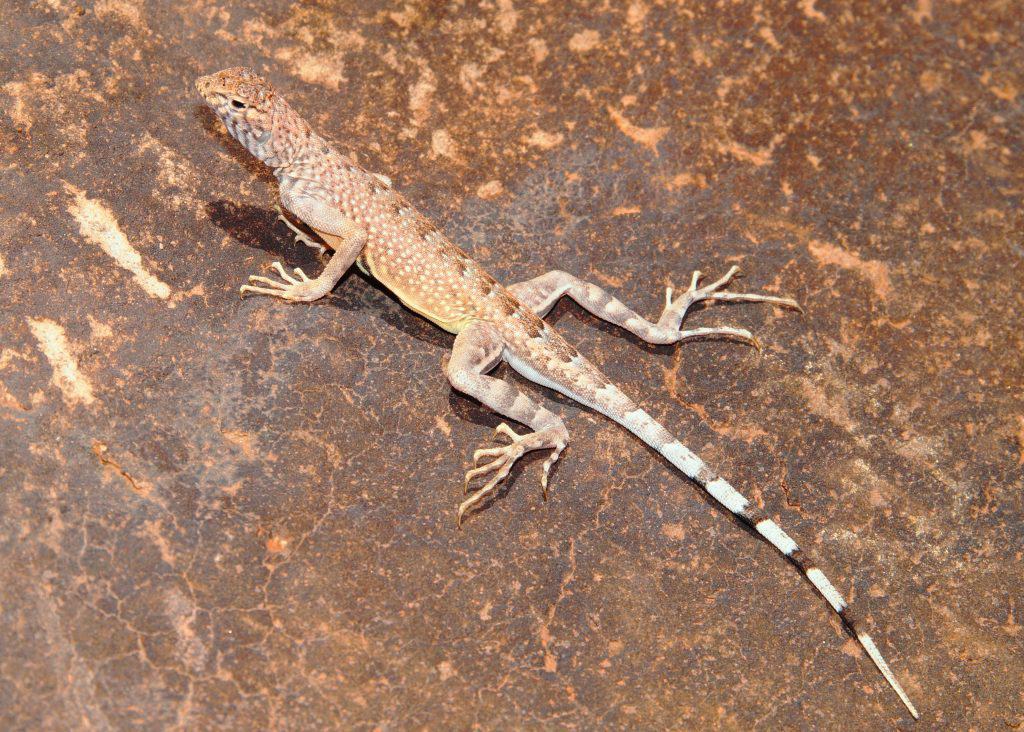
Zebra-Tailed Lizard (Callisaurus draconoides)
©Matt Jeppson/Shutterstock.com
The zebra-tailed lizard is a master of agility and showmanship. When startled, it raises and curls its striped tail, flashing it like a warning flag before sprinting away on its hind legs. These small lizards bask on open sand, feeding on insects and spiders. Their light coloration reflects heat, allowing them to survive surface temperatures that would bake most creatures.
Chuckwalla (Sauromalus ater)
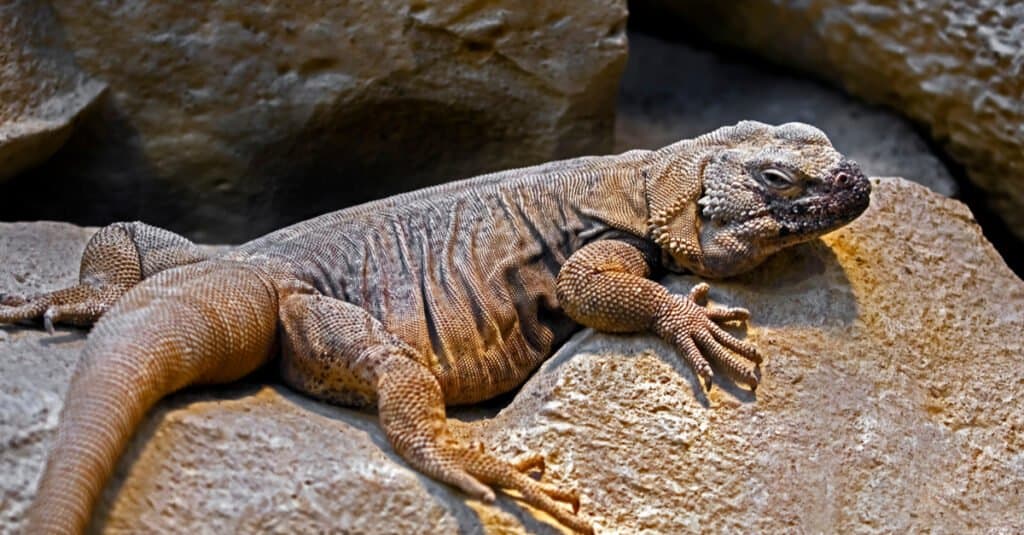
Chuckwalla (Sauromalus ater)
©Mikhail Blajenov/Shutterstock.com
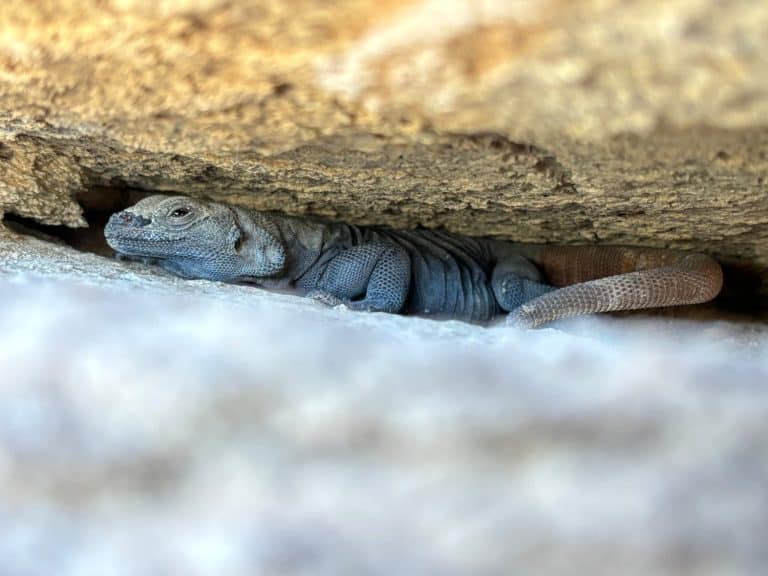
Heavy and prehistoric-looking, the chuckwalla is one of the desert’s most iconic reptiles. Found basking on rocks, it feeds on flowers, leaves, and fruit of desert plants. When threatened, it wedges itself into a crevice and inflates its body, locking itself in place against predators. Though they look like mini-Komodo dragons, chuckwallas are slow-moving, calm vegetarians that pose no danger to people.
Gila Monster (Heloderma suspectum)
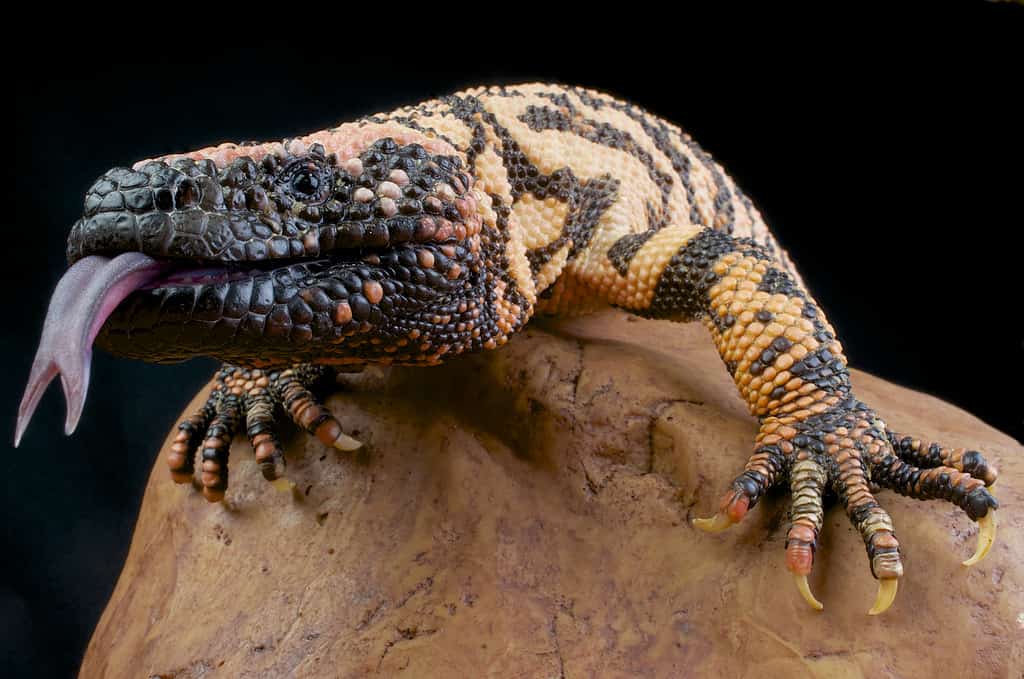
Gila Monster (Heloderma suspectum)
©reptiles4all/Shutterstock.com
The Gila monster is one of the world’s few venomous lizards, along with the Mexican beaded lizard and some species of monitor lizards. It lurks in the park’s quieter canyons. Thick-bodied and slow, with black and orange beaded skin, it spends most of its life underground, emerging only for brief hunts or mating. It feeds on eggs, small mammals, and carrion. Despite its fearsome reputation, it’s shy and rarely seen.
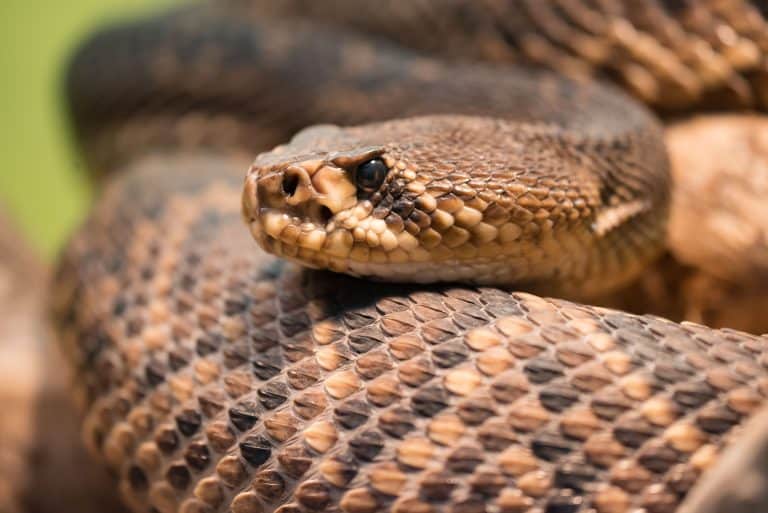
Mojave rattlesnake (Crotalus scutulatus)
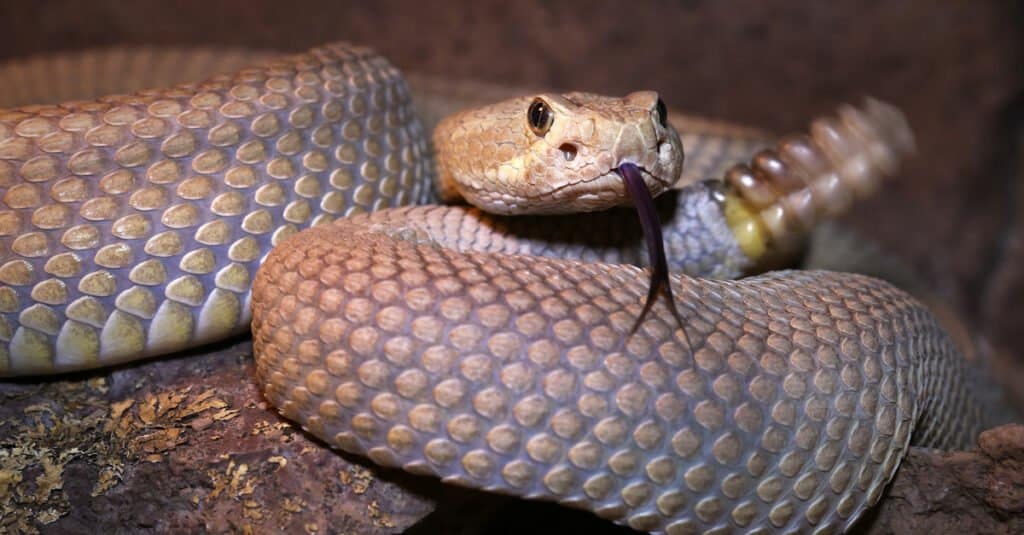
Mojave rattlesnake (Crotalus scutulatus)
©Ryan M. Bolton/Shutterstock.com
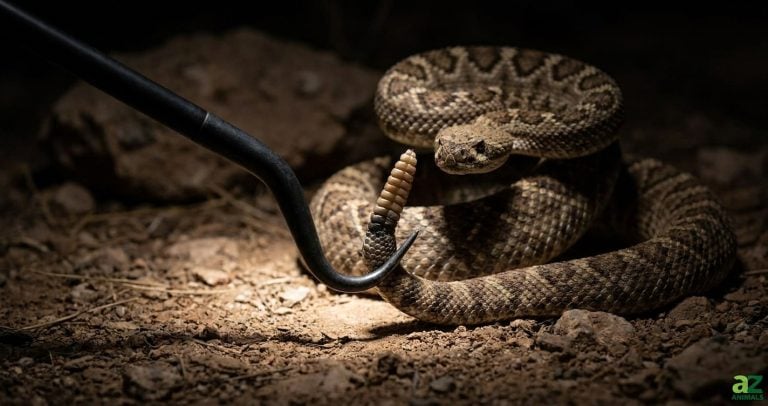
The Mojave rattlesnake is both feared and respected in Valley of Fire. Its diamond-shaped patterns blend with the sandstone, and its rattle warns before it strikes. This snake helps regulate rodent populations and prefers to avoid conflict. It often suns itself on warm rocks in the early morning and retreats to shaded crevices by midday. Visitors who tread carefully are more likely to hear its warning than to see the snake itself.
Desert Horned Lizard (Phrynosoma platyrhinos)
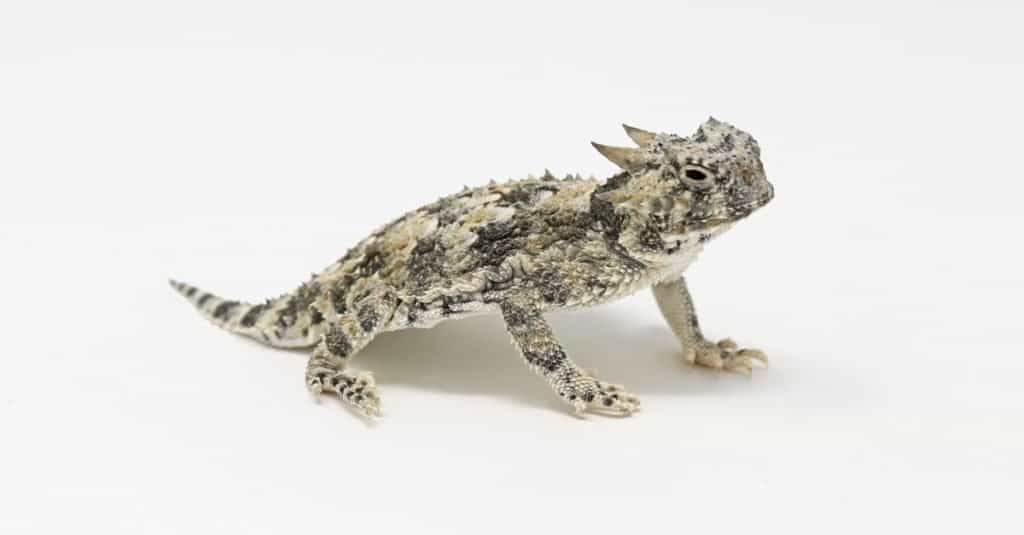
Desert Horned Lizard (Phrynosoma platyrhinos)
©Creeping Things/Shutterstock.com
Small, round, and spiny, the desert horned lizard is affectionately called the “horny toad,” though it’s no amphibian. It camouflages perfectly with the sand, remaining still until insects stray too close. When threatened, it may puff up its body or, in rare cases, can even squirt blood from its eyes to deter predators. Its diet of ants makes it an essential part of the desert’s natural pest control.
Desert Tortoise (Gopherus agassizii)
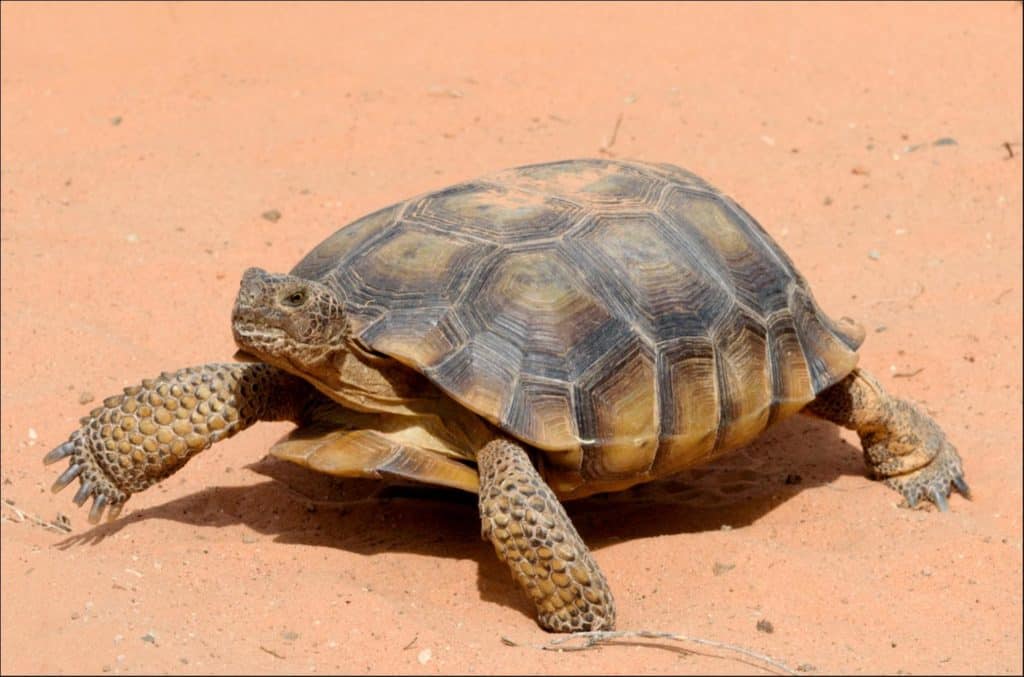
Desert Tortoise (Gopherus agassizii)
©John Andrus/Shutterstock.com
The desert tortoise, Nevada’s state reptile, is a true emblem of patience. Spending up to 95% of its life in burrows, it emerges mainly in spring and early summer to feed on grasses and wildflowers. Its domed shell shields it from heat and predators, while its slow metabolism helps it conserve energy through long dry spells. These tortoises are a threatened species, protected by law, and seeing one in the wild is a rare privilege.
Desert Tarantula (Aphonopelma chalcodes)
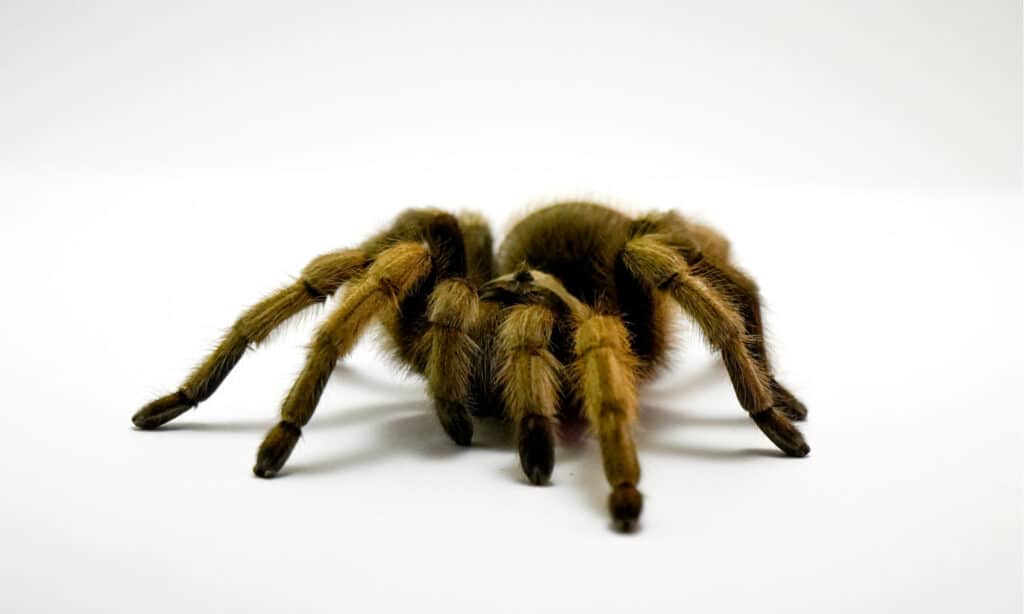
Desert Tarantula (Aphonopelma chalcodes)
©kenlai95/Shutterstock.com
Large, hairy, and gentle by nature, the desert tarantula prowls the park’s sandy washes at night during late summer and fall. Males wander in search of mates, while females remain in silk-lined burrows. They feed on insects and small vertebrates, striking swiftly but rarely biting humans. Their quiet patience and nocturnal habits make them one of the desert’s most misunderstood residents.
Pallid Bat (Antrozous pallidus)
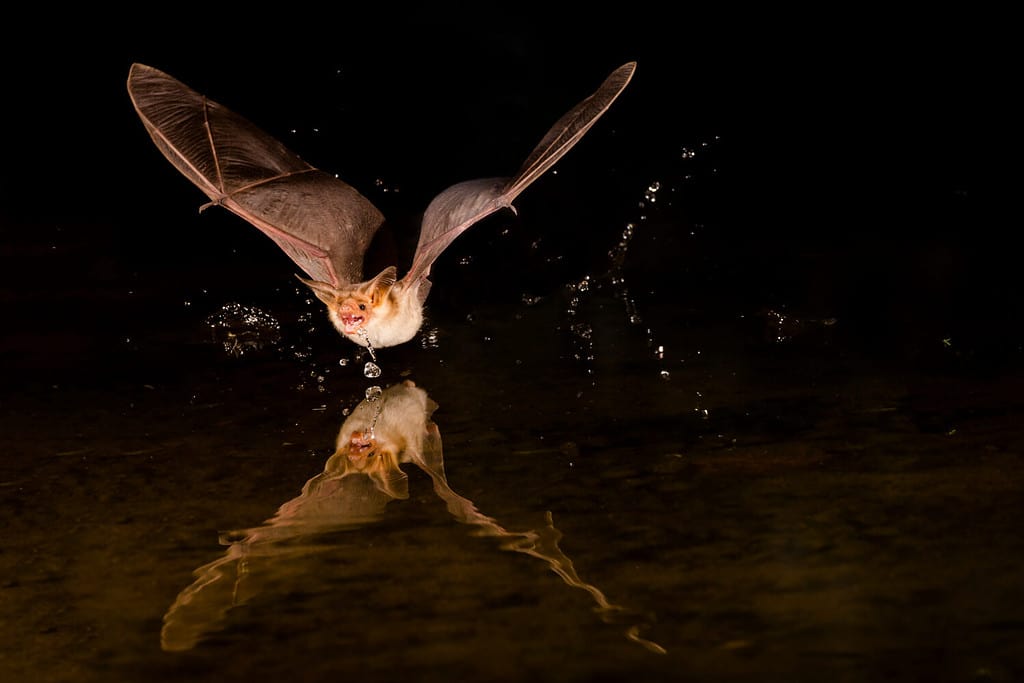
Pallid Bat (Antrozous pallidus)
©Danita Delimont/Shutterstock.com
The pallid bat rules the night skies over Valley of Fire. Unlike most bats, it often hunts on the ground, snatching beetles, crickets, and scorpions with remarkable accuracy. Using its large ears to detect movement, it swoops low over desert flats under starlight. Roosting in caves or rock crevices by day, this pale bat is a silent ally in keeping insect populations balanced.
Thousands of Years of Survival
As evening settles over the Valley of Fire, the desert shifts into motion. The heat drops, the light softens, and animals emerge to feed, hunt, and call into the cooling air. Every species here has found a way to live in a place that tests endurance daily. The landscape may look harsh, but it’s alive with quiet routines that have worked for thousands of years, and likely will for thousands more.