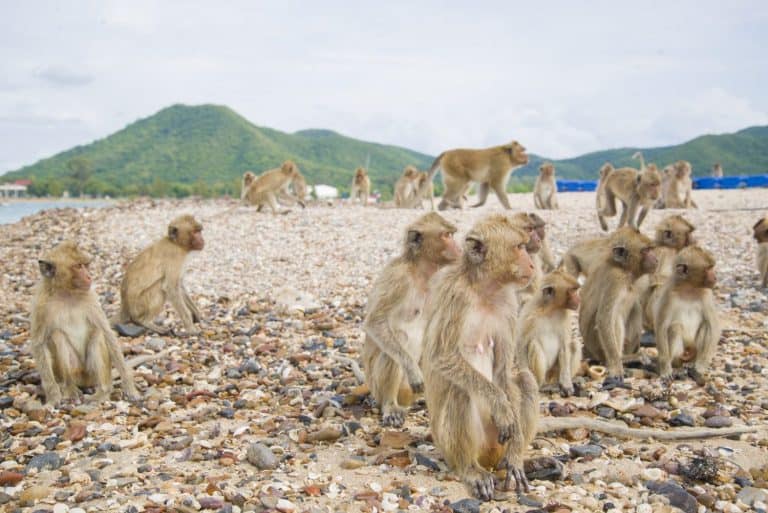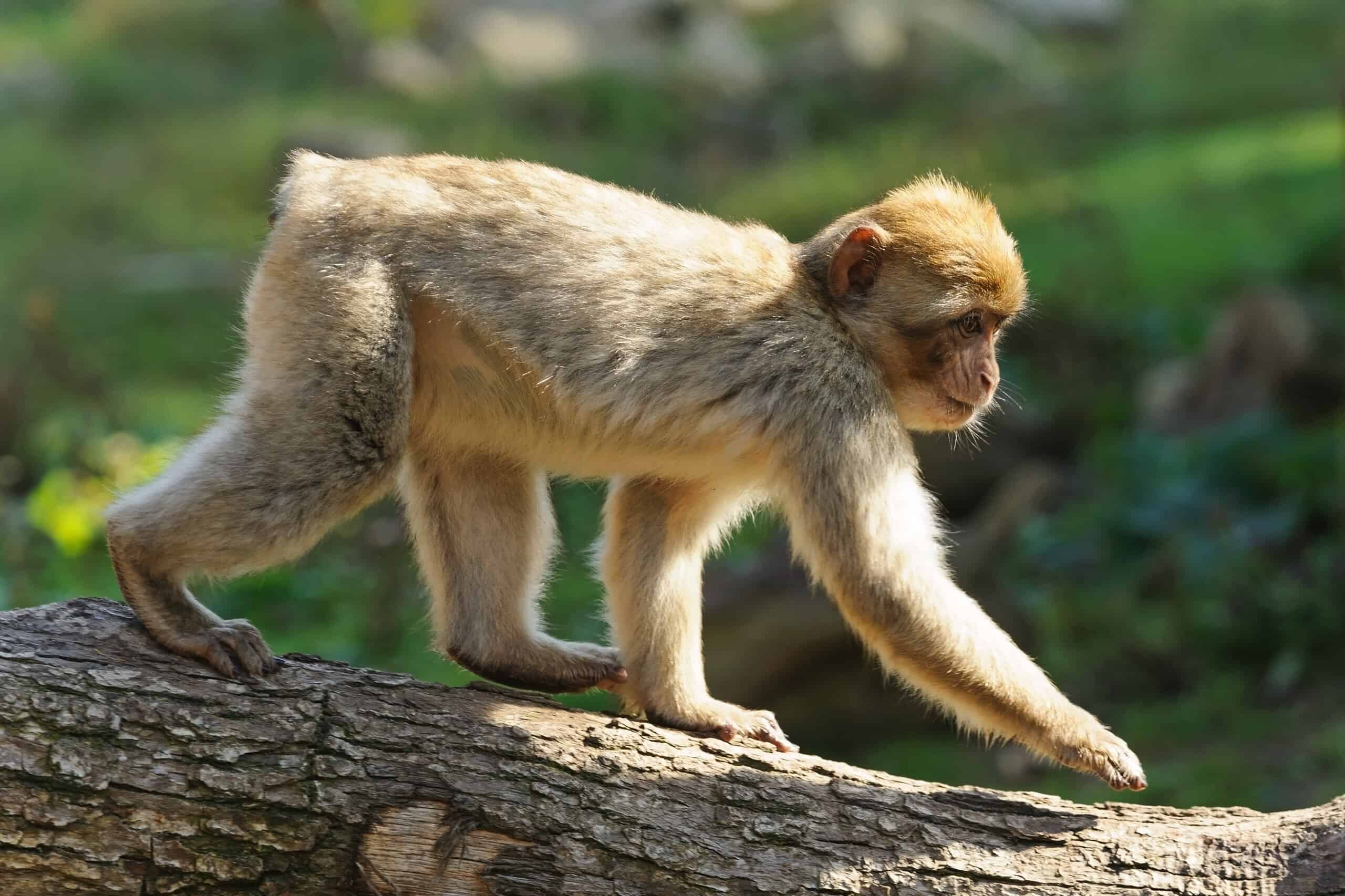

Most of the time, troops of macaque monkeys live together in harmony. However, in macaque societies, dominance and troop rank determine everything from access to food to mating rights. So, it’s actually fairly common for younger males to challenge one another to improve their status in the group. But losing a battle can have devastating consequences.
Recently, a film crew documented one of these intense battles, showcasing the intricacies of the fights and demonstrating the unique dynamics of macaque troops. While the monkeys didn’t end up in a physical altercation, the video offers a closer look at the small nuances of these battles, from body language to the role other monkeys play during these fights.
Discover why young male macaque monkeys are willing to risk everything for a chance to move up in the troop.
Why Do Some Male Monkeys Risk Everything for a Shot at Power?
For many monkey species, including macaques, a male’s rank directly affects his access to resources and potential mates. The higher the rank, the greater the influence the monkey has in the troop, with access to better food and more reproductive opportunities. However, attempting to climb the social order comes with severe risks.
For a young male monkey to move up, he’ll need to challenge a male above him. Sometimes, that means directly battling with the alpha. Since these fights can leave contenders with physical injuries or without a place in the troop, confrontations are extremely risky. Often, young males will wait for signs of weakness in the current leader before attempting to seize power.
Reading the Signs: Monkey Body Language Before a Battle
Even before a fight begins, there are usually clear warning signs from the challenger and the alpha that a battle is likely to happen. Macaques rely heavily on body language to communicate dominance and intent. Similar to the monkeys in the video, signals such as direct staring, tense posture, and a raised tail can all point toward a brewing conflict.
However, these behaviors don’t necessarily mean a fight will turn physical. Oftentimes, macaques use body language to test each other or as a warning. In some cases, posturing is enough to settle the matter between monkeys.
Understanding Macaque Social Structure
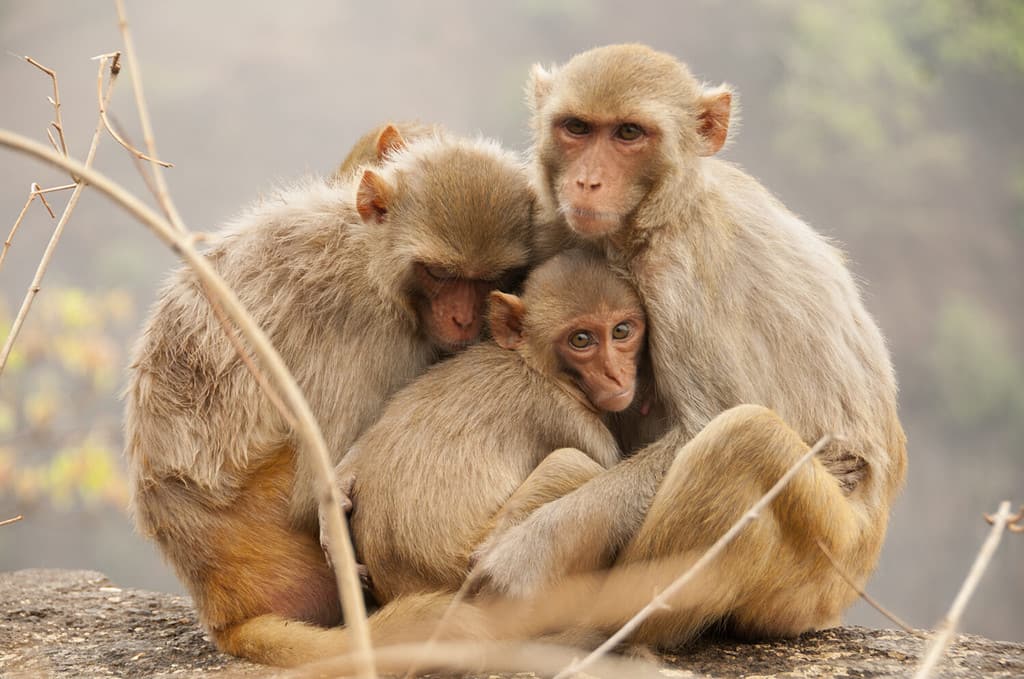
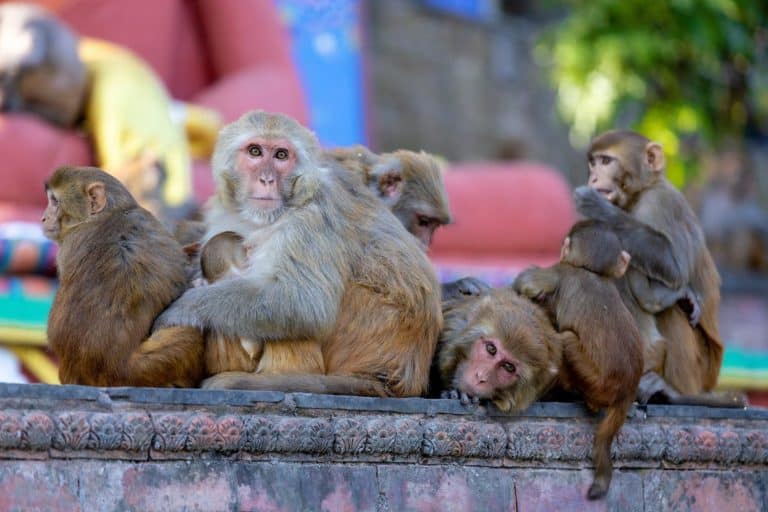
Macaque monkeys live in dynamic social structures called troops.
©CRS PHOTO/Shutterstock.com
While many species of primates live together, few have the same level of structure as macaque troops. Within macaque society, a strict dominance hierarchy exists that helps maintain peace within the group while reducing the need for constant fighting. Typically, at the top of the social ladder is the alpha male, followed by other males ranked by age, strength, and alliances.
Similar to male macaque monkeys, female macaques also have their own hierarchy. However, the structure isn’t based on dominance — instead, female rank is matrilineal, meaning daughters inherit their mother’s position.
High-ranking females tend to give birth to daughters who also rank high, whereas lower-ranking females tend to pass on a lower status.
The Alpha’s Role: Leader, Protector, and Decision-Maker
The alpha male plays a central role in the daily life of the troop. Beyond being on top of the social ladder, he leads group movements, breaks up fights, and offers protection when threats arise. His presence often brings a sense of order, helping to keep younger males in line and reducing tension among group members.
While the whole troop relies on the alpha, not everyone is a fan of the leader. In fact, holding onto the position is an ongoing challenge.
The alpha must constantly assert his status through demonstrations of strength and leadership. As he grows older or begins to falter, other males tend to take notice. Over time, small signs of weakness can open the door to a serious challenge from within the troop.
Do Other Monkeys Often Join the Fight?
Although most macaque battles typically begin in a one-on-one scenario, they often quickly transition into a group affair. It’s common for males to step in and support the alpha, especially if they benefit from his leadership. Similarly, a challenger may receive backup from peers whom he’s helped in the past. The group dynamics of these altercations can have lasting effects on the entire troop, shifting the balance of power within the group.
What Happens After a Monkey Fight?
Challenges and battles have a lasting impact on the troop, regardless of who wins the fight. If the alpha wins, his dominance is reaffirmed, and any lingering unrest may settle. Depending on the social dynamics of the group, the challenger may assume a lower rank or be forced from the troop altogether. However, if the challenger proves victorious, there is typically a significant shift in the group.
In these scenarios, tension builds for days or weeks as some monkeys realign their loyalties or even test the strength of the new leader. Ultimately, these power shifts are part of a healthy macaque social structure.