
Quick Take
- One monkey on this list is both the heaviest and arguably the most visually striking primate on Earth, and its remarkable appearance serves a very specific survival purpose. Mandrill's striking appearance →
- For these monkeys, size doesn't just determine who wins a fight. It directly controls who gets to reproduce at all. Size and reproduction in baboons →
- One of the largest monkeys in the world is also one of the most endangered, trapped in a shrinking corner of West African rainforest. Drill's endangered status →
- A monkey that weighs over 50 pounds regularly leaps between treetops at high Himalayan elevations, and its agility at that size will surprise you. Nepal grey langur's agility →
Monkeys come in an incredible range of sizes, from tiny species that can fit in your hand to intimidating primates weighing over 100 pounds. While many of these species are known for their agility and speed, a handful stand out for their surprising size and strength. These larger monkeys are found across Africa and Asia, where they live in a range of environments from dense forests to sprawling savannas. Their size often plays a role in their survival, social structure, and rank within groups.
This list takes a closer look at the largest monkey species in the world, focusing on their maximum weight, habitat, and behavior. While sizes can vary slightly, the species included here are consistently among the heaviest. A few are quite physically imposing! Many of them live in complex social groups, where size directly affects reproductive success. These are the world’s largest monkeys, from the gangly Nepal grey langur to the massive, vividly hued mandrill.
This post was updated on April 30, 2026.
Yellow Baboon
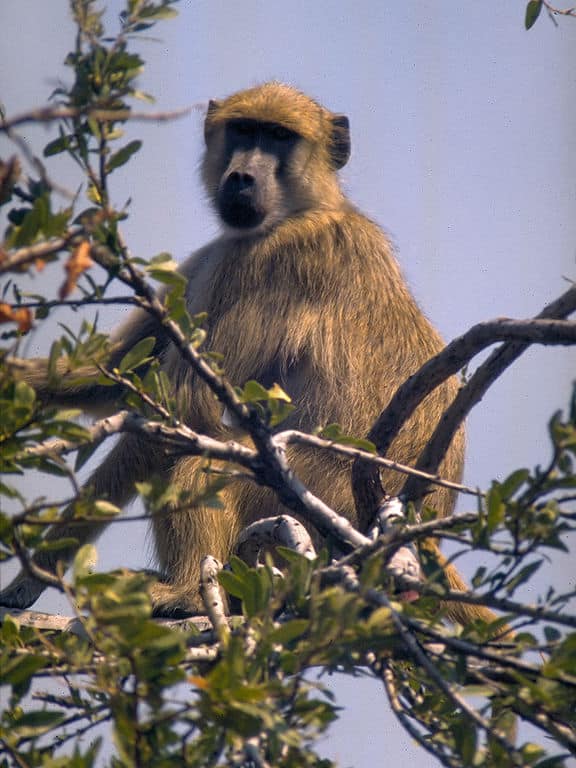
©Hans Hillewaert / CC BY-SA 3.0, from Wikimedia Commons, the free media repository - Original / License
Male yellow baboons can weigh up to about 55 pounds, though the majority are somewhat lighter. They are native to eastern Africa, including Kenya and Tanzania, and are typically found in savannas and open woodlands. Yellow baboons have complex social lives and live in groups that can range from a handful of baboons to over 100 individuals. Their social hierarchy plays a major role when it comes to resources and mating opportunities, with dominant males maintaining the highest status.
Nepal Grey Langur
©Rainbow_dazzle/Shutterstock.com
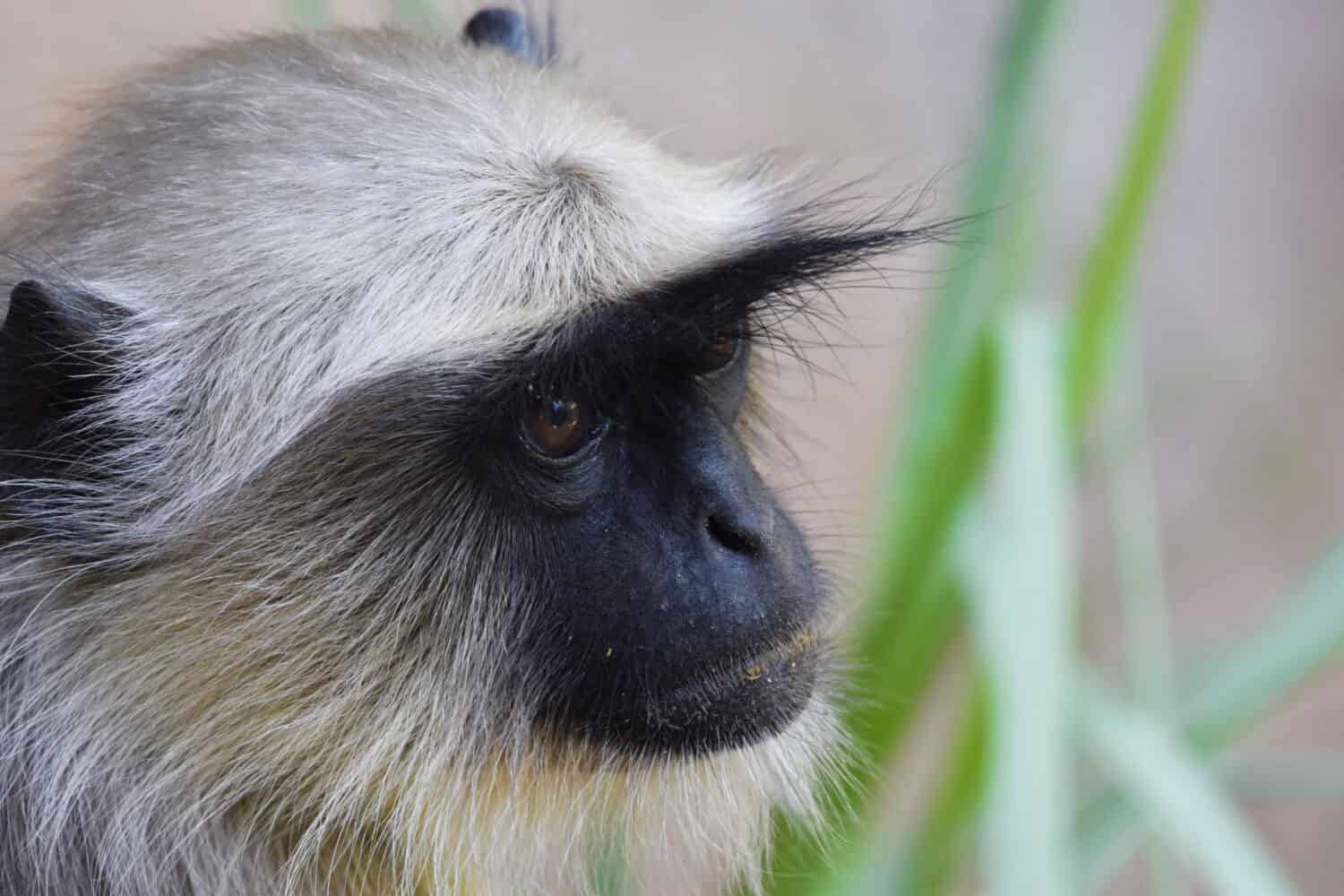
Nepal grey langurs are one of the larger monkey species, with males sometimes reaching up to 50–55 pounds. They live in the Himalayan regions of Nepal, India, and nearby areas, often at high elevations. These monkeys are both arboreal (tree-living) and terrestrial, moving easily between the canopy and the ground. They are known for their agility, long limbs, and ability to leap impressive distances.
Tibetan Macaque
©PhotoZeli/Shutterstock.com
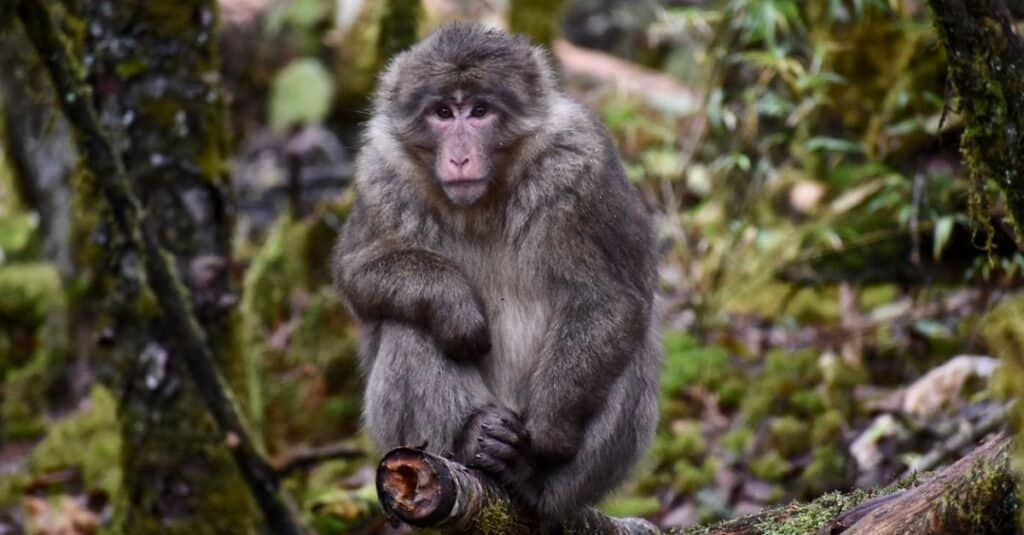
Tibetan macaques are one of the largest macaque species, with males typically weighing between 30 and 45 pounds. They live in mountainous forests in China and Tibet and are recognized for their thick fur, which helps them survive colder temperatures. Like yellow baboons, these monkeys live in structured social groups. They communicate using a wide range of vocalizations and facial expressions. Unfortunately, their current conservation status is listed as near threatened.
Proboscis Monkey
©kjorgen/ via Getty Images
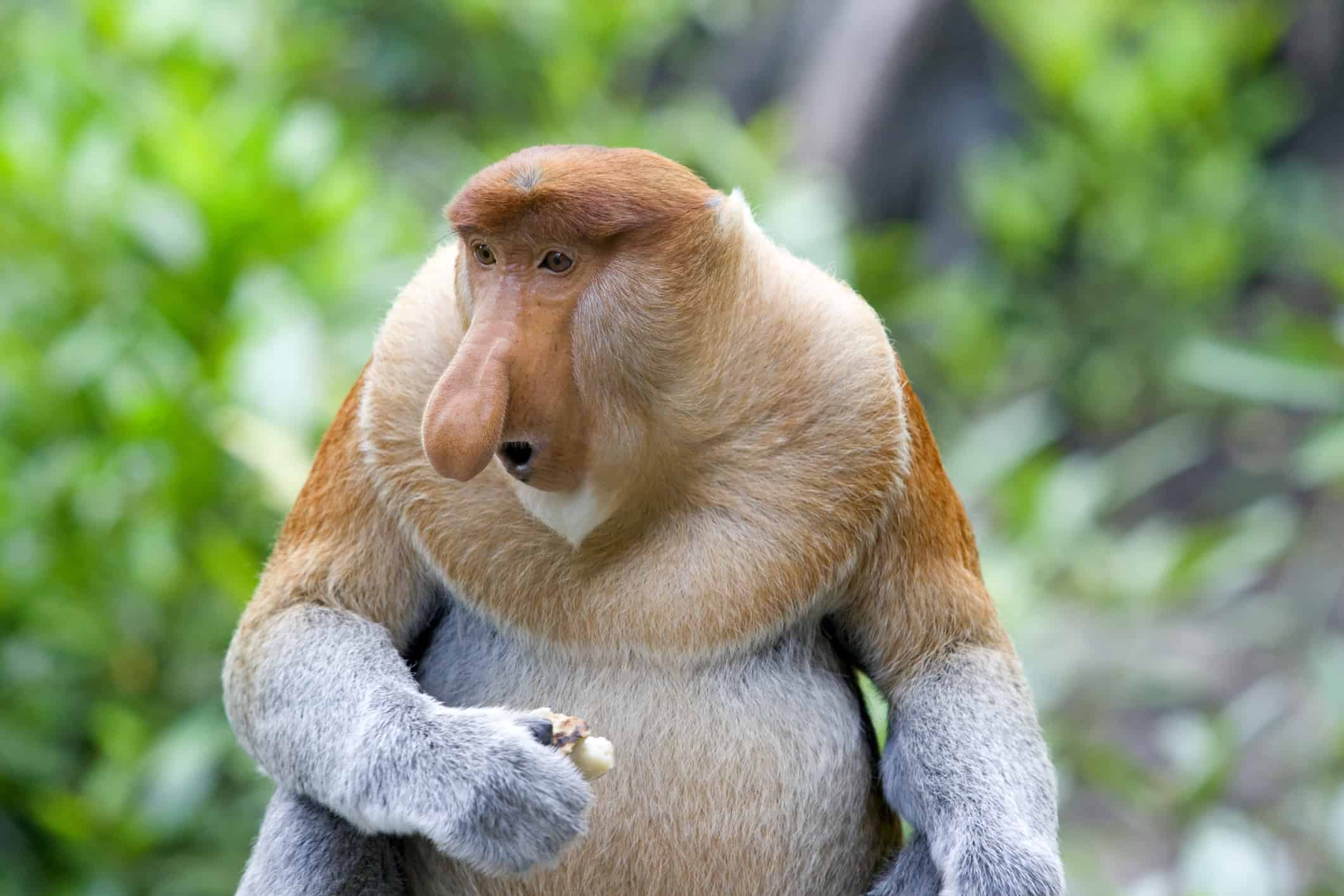
If you couldn’t guess by glancing at this odd-looking monkey, “proboscis” means nose. Male proboscis monkeys can weigh between 35 and 50 pounds, though some individuals grow larger. Native to Borneo, they are excellent swimmers and often live near rivers and mangroves. They are well known for their distinctively large, elongated noses that are thought to play a role in vocalization and mate attraction.
Hamadryas Baboon
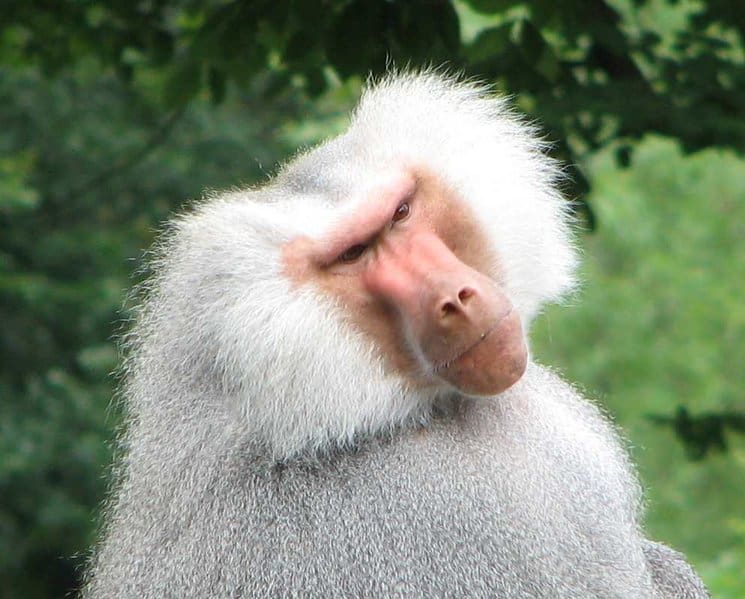
Male hamadryas baboons can weigh up to about 60–65 pounds. They are found in the Horn of Africa and parts of the Arabian Peninsula, usually inhabiting dry, rocky environments. Unlike many primates, their social structure is strongly male-dominated. One male often controls a group of females, leading to frequent competition between males.
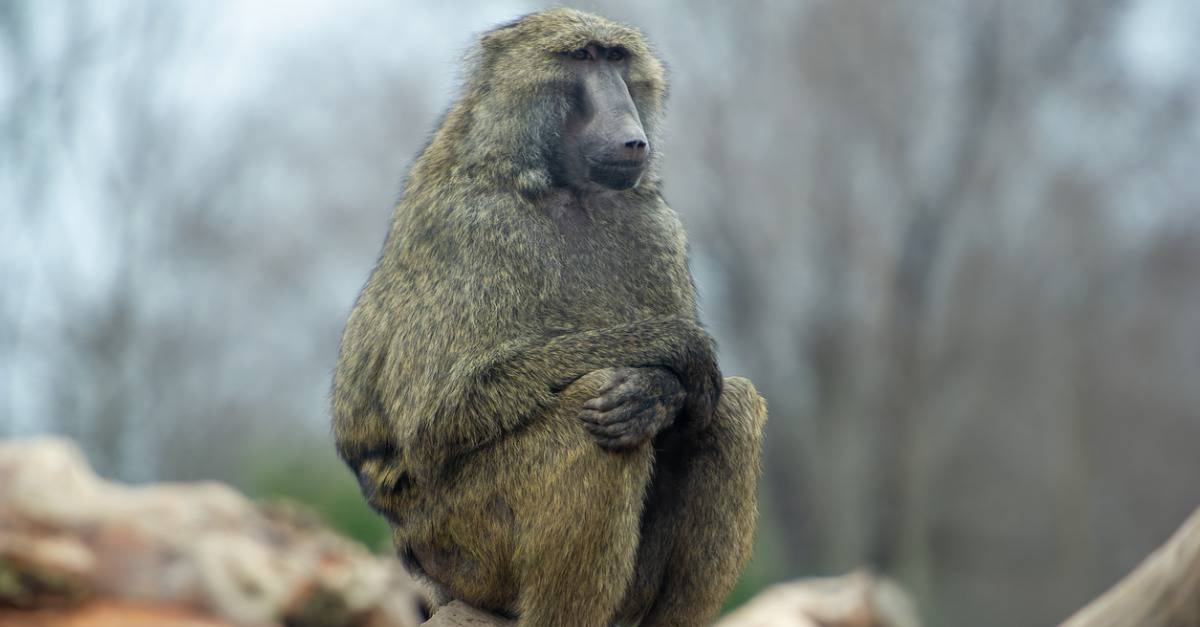
Olive Baboon
©iStock.com/flyzone
Olive baboons are one of the most widespread monkey species in Africa, living in a wide variety of environments like savannas, forests, and grasslands. As highly adaptable primates, they have a varied and flexible diet. These large monkeys can weigh up to around 80 pounds. They live and travel within sizable groups and are considered a species of least concern.
Chacma Baboon
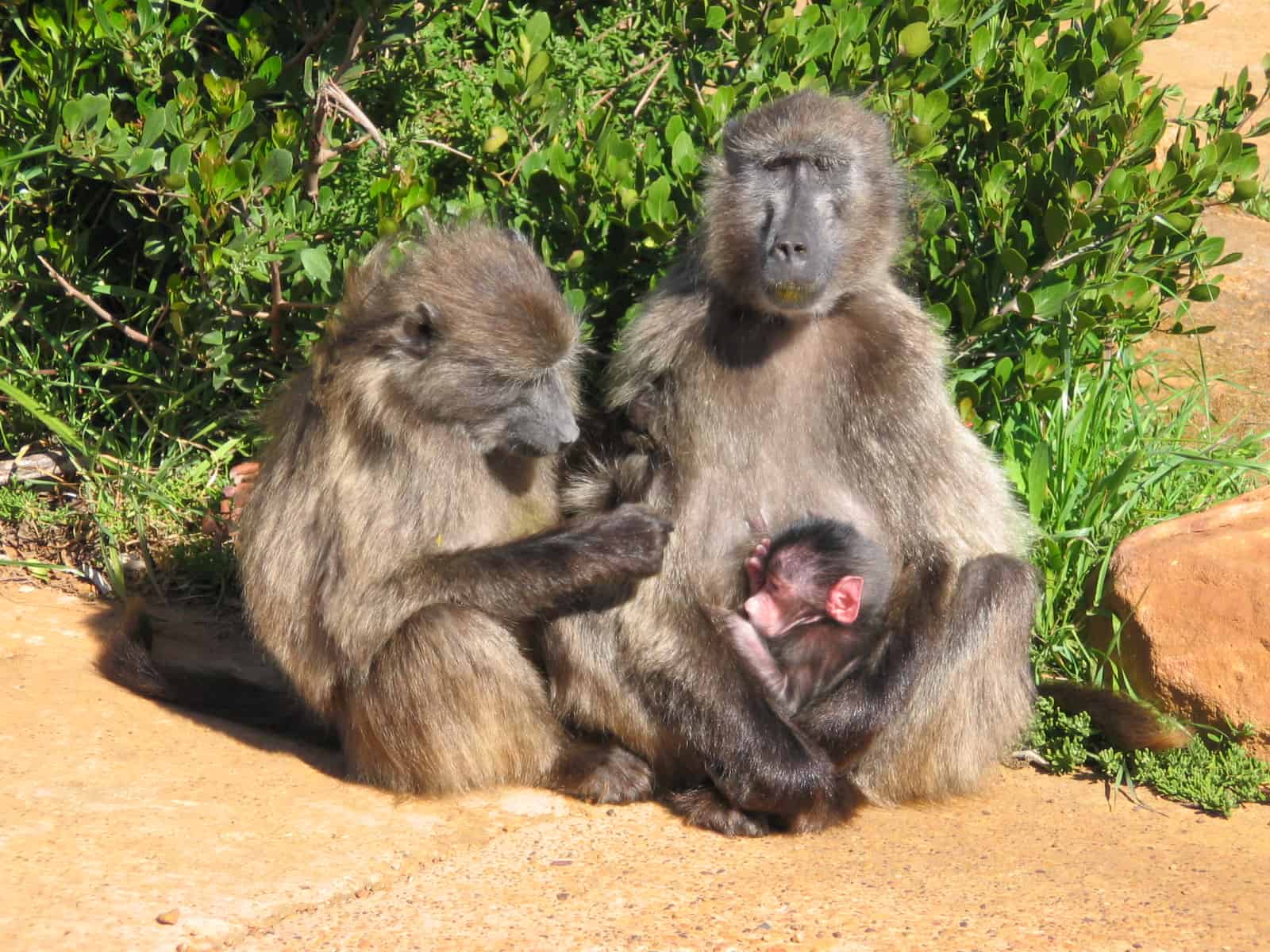
Native to southern Africa, chacma baboons are among the largest monkeys in the world, with males sometimes reaching up to 90–100 pounds. Despite their large size and strength, they are preyed upon by big predators such as leopards. Their adaptability allows them to survive in a wide range of habitats.
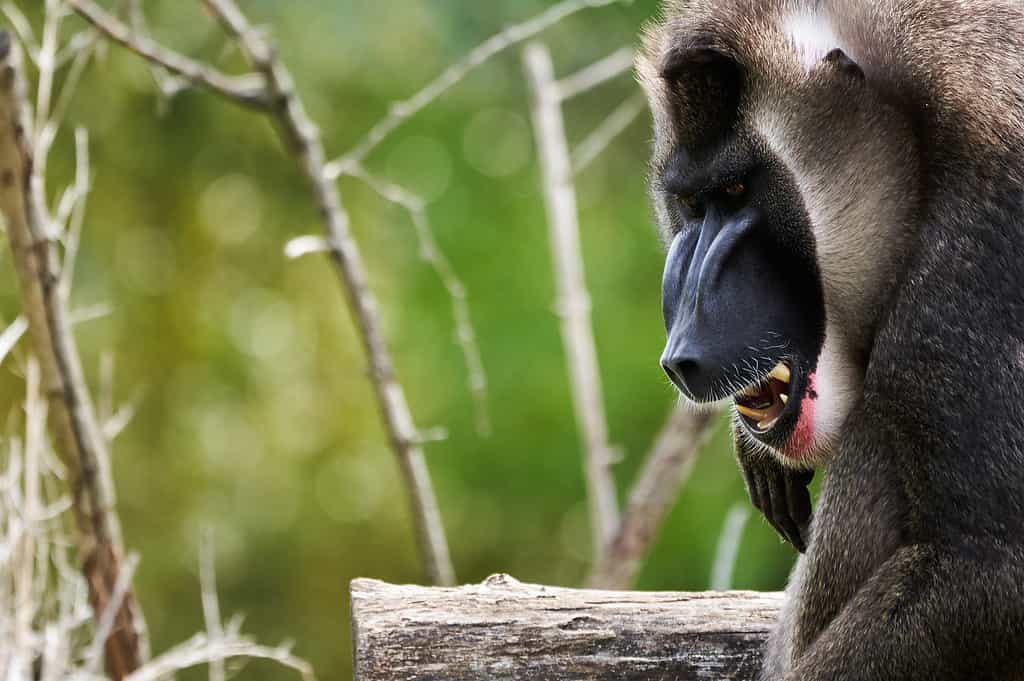
Drill
©Jens Otte/Shutterstock.com
Drills are one of the largest monkey species, with males reaching up to 100–110 pounds. Sadly, they are also one of the most endangered monkey species, with declining populations due to habitat loss and hunting. They are found in small regions of rainforest in West Africa, including Nigeria and Cameroon. Drills are closely related to their colorful cousins, mandrills.
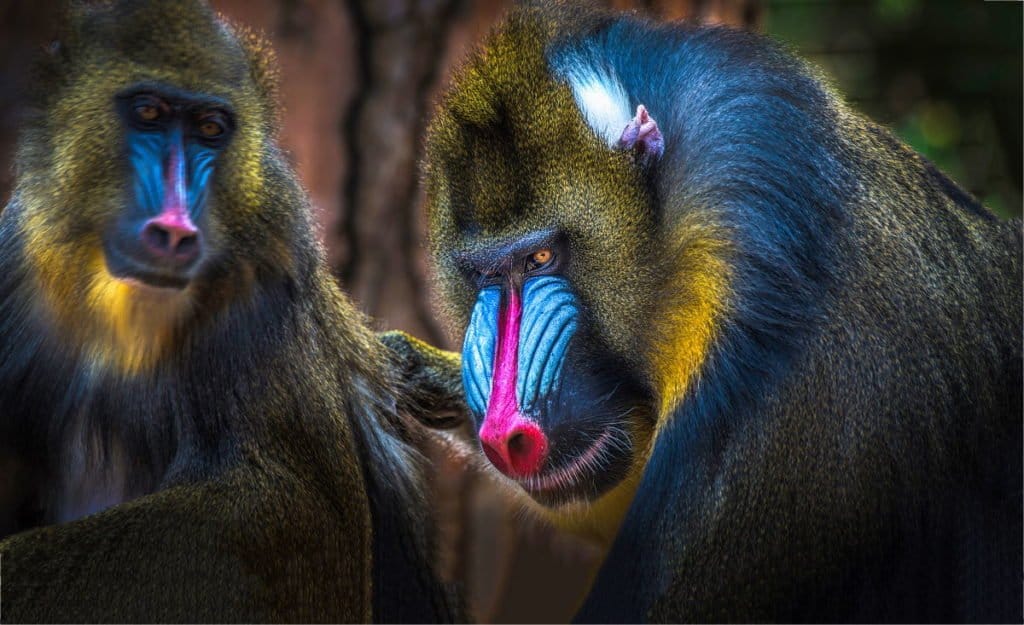
Mandrill
©Nikolay 007/Shutterstock.com
Mandrills are the largest monkeys in the world, with males reaching up to about 110–120 pounds. They may also be the most beautiful monkeys, featuring bright blue and pink faces. Found in the rainforests of central Africa, mandrills live in massive social groups called hordes. They are highly sexually dimorphic, with males being much larger and displaying more vivid coloration than females.