
Quick Take
- Primates include a remarkably diverse range of species, from lemurs and monkeys to apes, each adapted to different habitats and ecological roles.
- Many primates demonstrate impressive intelligence through tool use, problem-solving and social learning. See how knowledge spreads →
- Complex social relationships, communication and emotional behaviours are important parts of primate life. Explore grooming as currency →
- Habitat loss, hunting and human-wildlife conflict threaten many primate species, making conservation and responsible rehabilitation increasingly important. See the overlooked threats →
Every year on September 1, International Primate Day is held to educate people about primates. Primates such as bonobos and chimpanzees are among our closest living relatives, sharing approximately 98% of our DNA. However, primates are also known for their extraordinary intelligence, such as their ability to use tools, and their complex social behaviors. Unfortunately, many of these incredible species are also under threat, so International Primate Day also aims to raise awareness for the conservation and protection of primates around the world.
Continue reading
The Diversity of Primates
There are around 500 living species of primates today, and they are split into two major groups – the strepsirrhines and the haplorhines. Strepsirrhines include lemurs, lorises, pottos, and galagos, while haplorhines include monkeys and apes. Monkeys are then further divided into the New World and Old World monkeys, while apes include orangutans, gibbons, gorillas, chimpanzees, bonobos, and humans.
Although primates share some similar characteristics, there are significant differences in their size and shape. The largest living primate is the eastern gorilla, with fully grown males capable of weighing almost 500 pounds. In comparison, the smallest primate is Madame Berthe’s mouse lemur, which has an average body length of just 3.6 inches long and weighs only 1.1 ounces.
Primates have adapted to live in a wide range of habitats, including tropical rainforests and mountains. Excluding humans, primates primarily live in Africa, Asia, and Central and South America. The only exception is the Barbary macaque, which lives in Gibraltar and is the only Old World monkey found in Europe. Because primates vary so much, they are able to occupy many different ecological roles. Many species eat large amounts of fruit, which makes them important seed dispersers through their droppings. However, other species primarily eat leaves and flowers. This helps shape habitats by keeping vegetation in check, allowing other plant species room to grow.
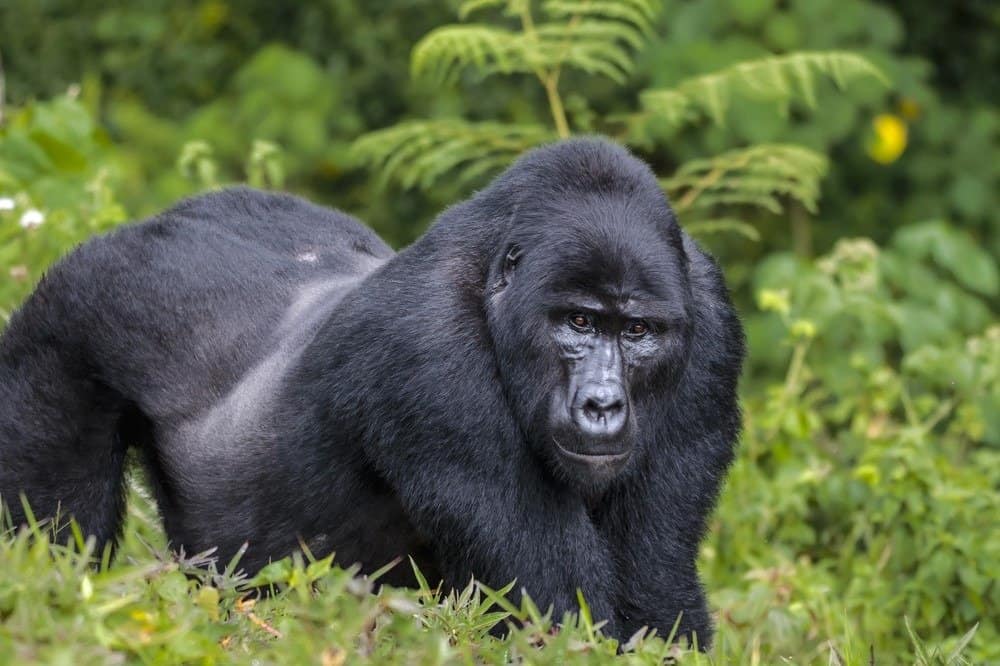
Eastern gorillas are the largest primates in the world.
©Krasnova Ekaterina/Shutterstock.com
Intelligence and Learning
Primates are among the most intelligent animals in the world and have large brains relative to their body size. One of the main examples of intelligence is their use of tools. Several species of primates are known to create tools from items in their environment and then use them for gathering food. Chimpanzees and orangutans are two of the species that are best known for using tools.
The use of sticks to help them obtain hard-to-reach food is one of the most common examples of tool use in primates. To do this, they use thin twigs or sticks and insert them into the holes in trees and then pull out insects, such as termites. This is known as termite fishing. However, primates are also known to use rocks to crack open hard nuts. Other examples of tool use include orangutans and bonobos using leaves as umbrellas to shelter them from the rain.
In most cases, primates learn this behavior simply by watching others use tools successfully, making it an example of social learning. Eventually, this learned behavior can become a known tradition in certain populations, while other populations of the same species don’t exhibit the same behavior. Primates also learn through problem solving, such as using rocks to break open shells, where they encounter a challenge and must develop a solution.
The Complex Social Lives of Primates
The intelligence of primates extends beyond tool use; they also have complex social lives. Not all primate species have the same dynamics, though. Some species lead solitary lives, such as orangutans, while others live in highly social groups, such as monkeys and gorillas. In solitary species, the closest bonds are between the female and her offspring. Other species rely on their social networks and live in deeply bonded groups that are often structured around social hierarchies.
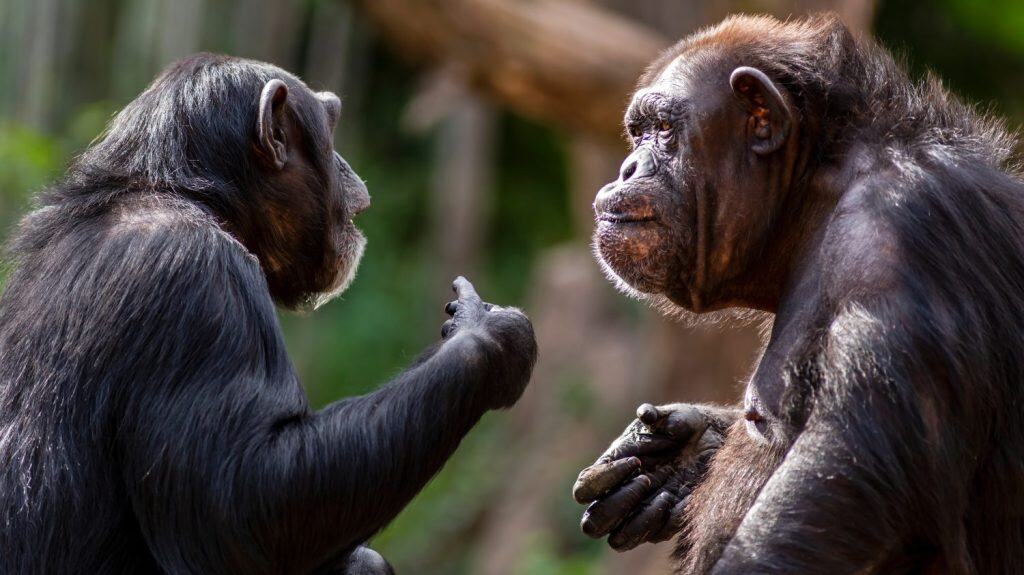
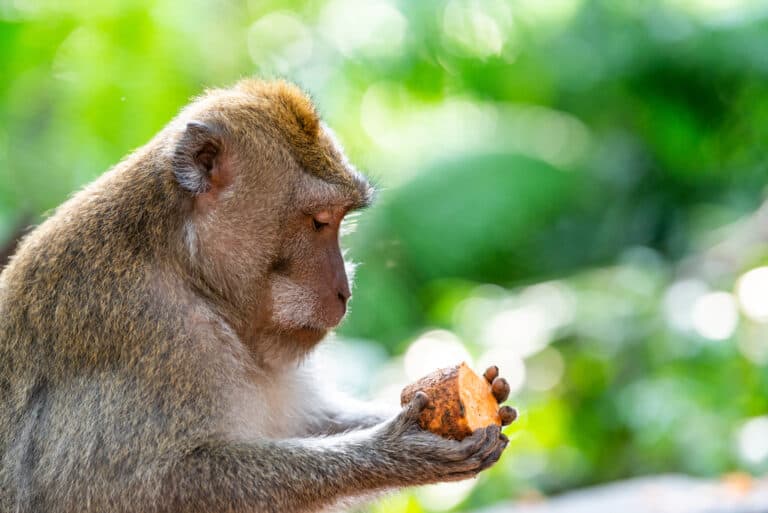
Primates use a combination of vocalizations, gestures, and body language to communicate.
©Patrick Rolands/Shutterstock.com
Within these groups, behaviors such as social grooming play an important role in maintaining relationships. Subordinate, or lower-ranking, members of the group often groom those of a higher status, such as higher-ranking females or the dominant male. In addition to removing parasites, grooming helps maintain peace within the group by relieving tensions. It also allows the lower-ranking animals access to food or protection.
Communication is also a vital part of the social lives of primates. Communication often involves a combination of vocalizations, facial expressions, gestures, and body language. These different methods can be used for things such as signaling danger, attracting a mate, defending territory, or general communication. Primates often use a variety of vocalizations, including alarm calls and aggressive barks.
Primates also display behaviors that suggest they have complex emotions. Primates are known to form strong bonds with some group members. They have also been observed showing comfort and grief. Some mothers have been observed carrying deceased infants for several days, while others have been observed caring for dying members of their group.
What Threats Do Primates Face?
Unfortunately, many species of primates are at risk of extinction. Habitat loss is the greatest threat to them. This is because large areas of forest are lost due to logging, agriculture, and expanding human settlements. When large areas of habitat are cleared, it forces animals into smaller areas, often leading to population fragmentation. This not only makes it harder for them to find food, but also often leads to a lack of genetic diversity among populations, as finding suitable mates becomes more difficult.
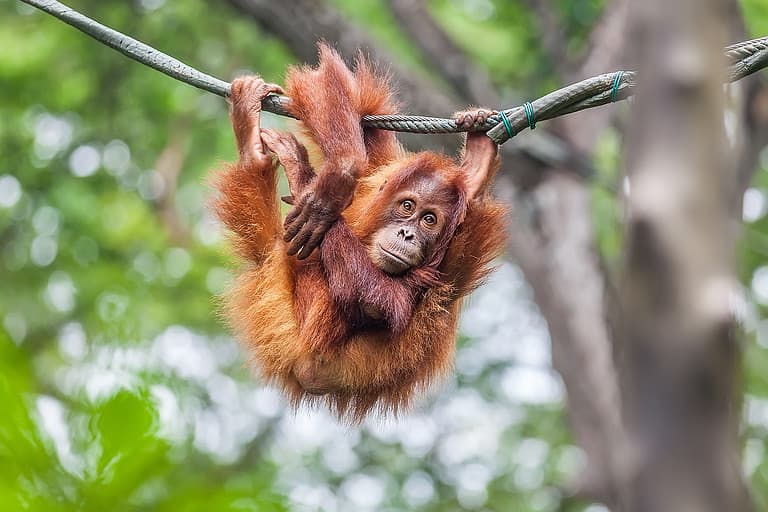
Hunting is another major threat to primates. In many regions, primates are hunted as a source of food, for traditional medicines, and in some cases for trophy hunting. However, many are also captured alive to be sold into the illegal wildlife trade. Often, it is juveniles that are captured and sold, while their mothers are killed.
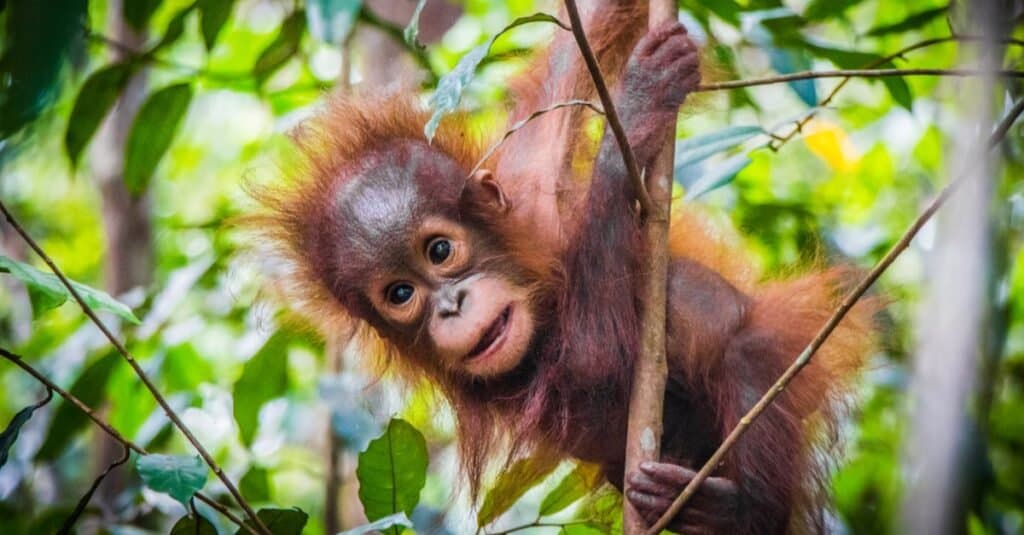
Young orangutans are often left orphaned after their mothers are killed.
©Alex East/Shutterstock.com
Human-wildlife conflict also threatens already vulnerable populations. Conflict arises when expanding human settlements and shrinking wildlife habitats force the animals into closer proximity with humans. In these cases, the animals stray onto agricultural land and raid crops. This often leads to them being killed in retaliation. Baboons and vervet monkeys are some of the leading foragers of crops such as maize.
How Can We Protect Primates?
It is estimated that 60 to 65% of all primate species are threatened with extinction, which is why it’s vitally important that we protect them. It’s also important because, as our closest living relatives, they can help us understand our evolutionary history, including the origins of human behavior.
Protecting primates is particularly challenging. However, one of the most important ways to protect them is by preserving their habitat. This involves creating more protected areas to safeguard remaining habitats from further destruction. Wildlife corridors can also be established to reconnect fragmented areas and allow isolated populations to move freely between them.
Conservation efforts also focus on reducing hunting and stopping the illegal trade of wildlife. This includes stronger laws and increased patrols in protected areas. Conservation organizations are also working with local communities to try and reduce the conflict between people and primates. This is achieved through the implementation of buffer zones and stronger fencing to protect crops.
However, another vital aspect of protection for the world’s primates is rescue and rehabilitation centers. Unfortunately, many young primates become orphaned after their mothers are killed. They are unable to survive on their own, so they are taken to rehabilitation centers. The juveniles often need to spend several years in these centers, where they are taught the vital skills needed to survive. Most of the youngsters are eventually able to be successfully released back into the wild. However, not every animal can be released, such as older or injured individuals or those rescued from the pet trade. In these cases, permanent sanctuaries provide care for them for the rest of their lives.