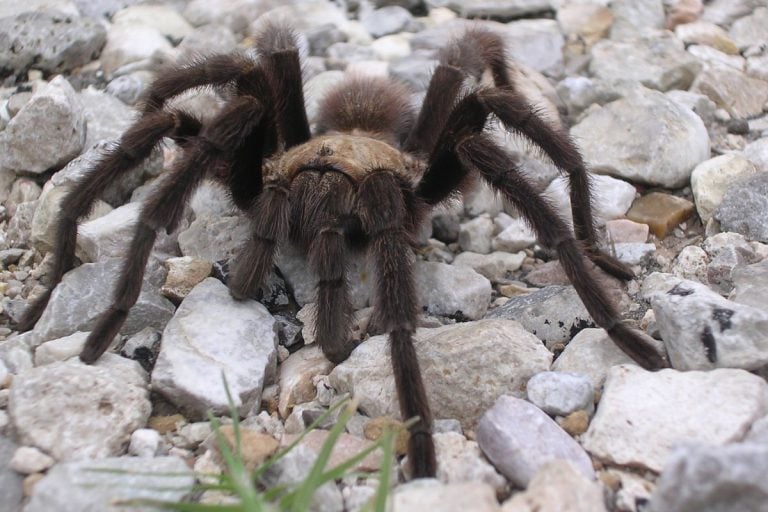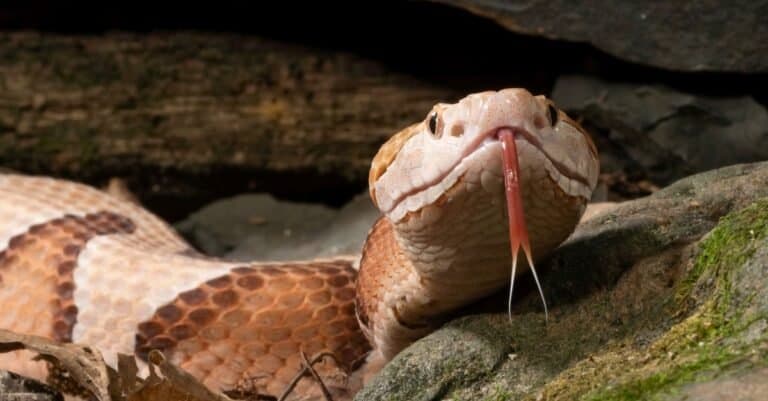

Minnesota is a haven for scenic views of Lake Superior and the surrounding landscape. Gooseberry Falls State Park is part of that haven, attracting more than 750,000 visitors annually. The park encompasses the majestic Gooseberry Falls, with upper, mid, and lower overlooks from which to take in the sights. Not far from that is Agate Beach and its overlook, which offers a breathtaking vantage point of Lake Superior. Its rocky shoreline is paradise for hikers to explore tide pools, go rock hunting, and observe wildlife along the coast of the Great Lakes. Whether visitors are trekking the scenic Glitchi Gummi Trail or taking a beat at Catwalk Bridge, there are plenty of animals to look out for.
White-Tailed Deer
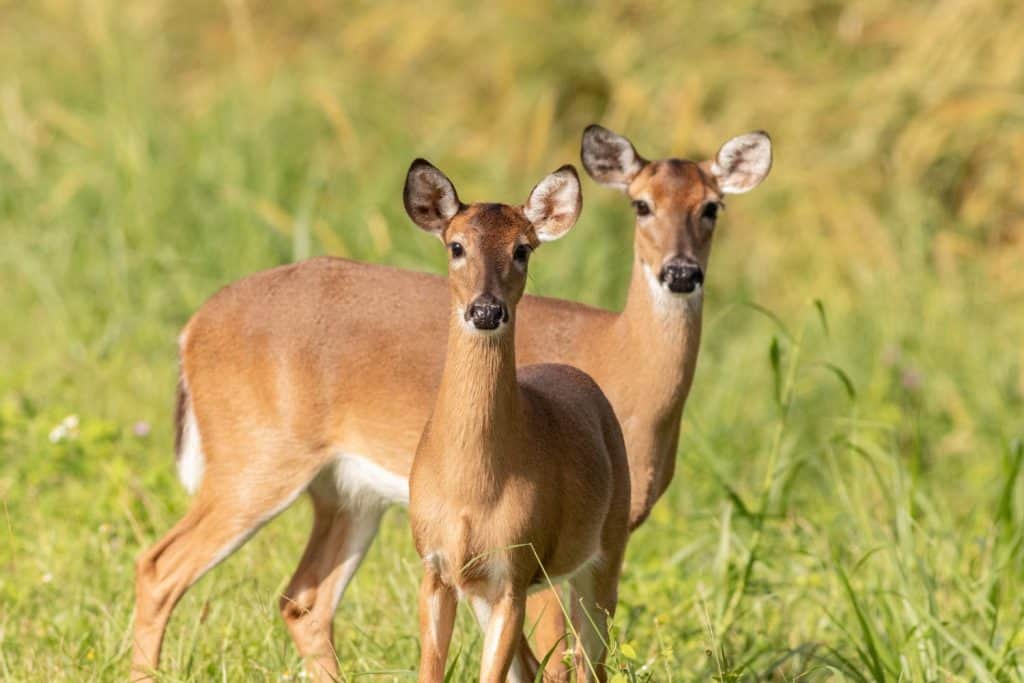
White-tailed deer are agile but skittish animals.
©Omar F Martinez/Shutterstock.com
The white-tailed deer (Odocoileus virginianus) is established throughout most of the United States and Minnesota. Its presence in Gooseberry Falls State Park remains an essential part of the park’s ecosystem. It’s identifiable by its distinctive white-tipped tail and its status as the most common native deer species in Minnesota. These deer are typically skittish and prefer to avoid humans. However, hikers and campers might see them during the hours of dawn and dusk when they’re most active.
Coyote
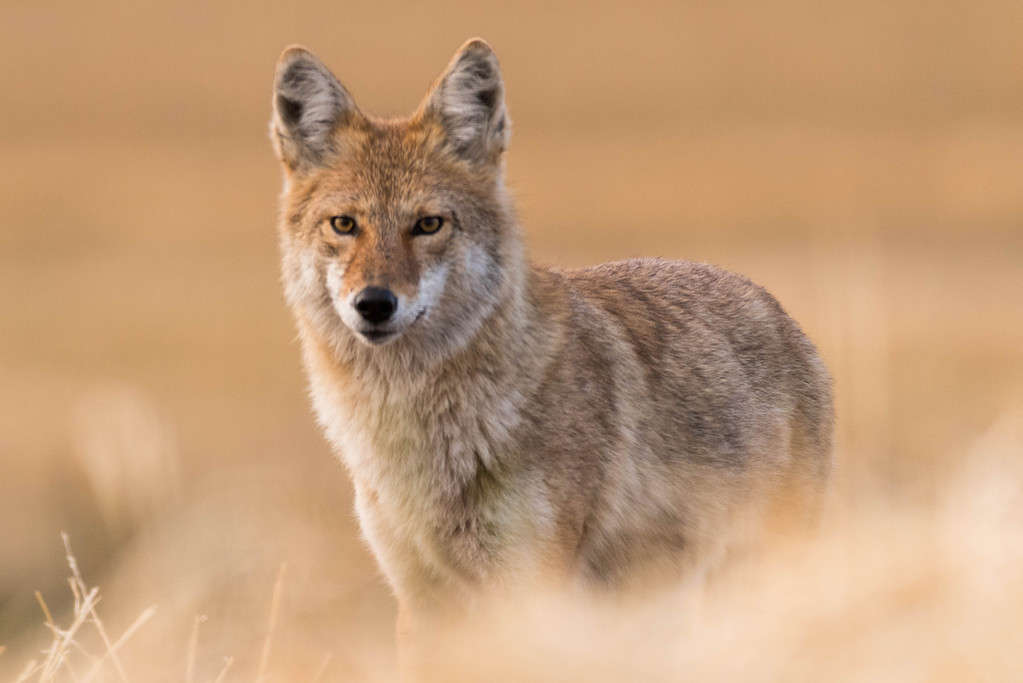
A wild coyote stands on the prairie in autumn.
©hartmanc10/iStock via Getty Images
Coyotes (Canis latrans) are established in much of Minnesota, but can be found established near the shore of Lake Superior. This makes Gooseberry Falls State Park a prime destination for these canines. The park offers enough protected woodlands, with easy access to the water’s edge. It’s also home to many prey of the coyote, including rodents and small mammals. Coyote sightings are rare but not unheard of. Although they are primarily active at dawn and dusk, they prefer to avoid humans during the day.
Fisher
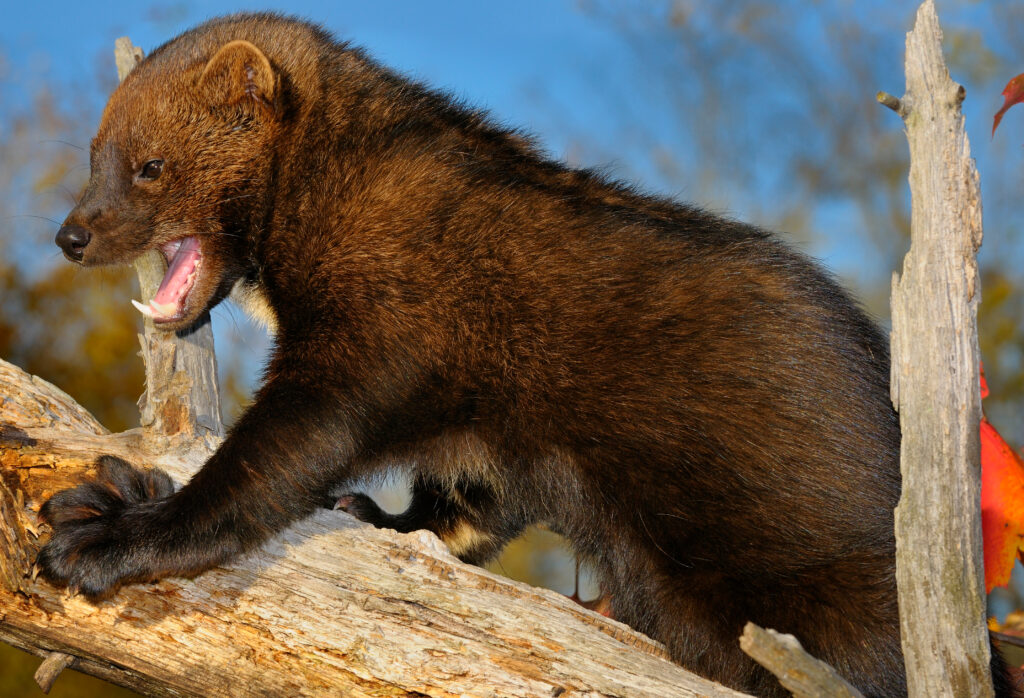
Fishers are adept at climbing trees.
©Reimar/Shutterstock.com
This carnivorous mammal is closely related to the weasel and American marten. Fishers (Martes pennanti) have brown and black fur, with long, slender bodies. They primarily inhabit woodlands with dense foliage. Fishers are solitary animals and can be elusive, but are mainly active at dawn and dusk. Visitors hiking through the woods may have the chance to glimpse one of these animals, as they’re known to climb and hide in trees.
Mountain Lion
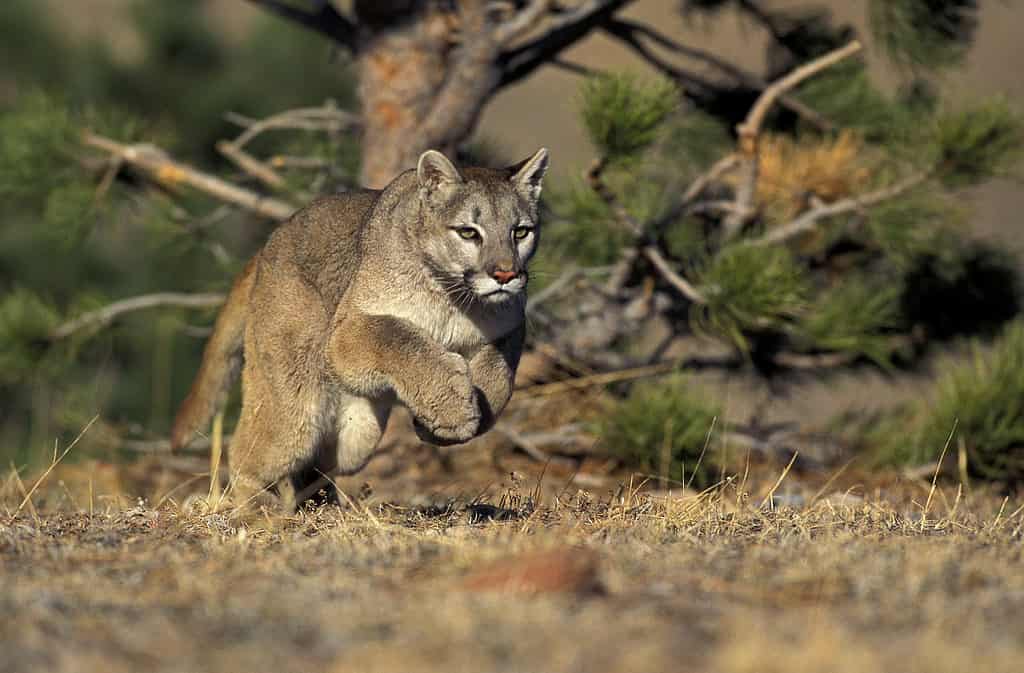
Mountain lions can reach 50 mph in short bursts.
©iStock.com/slowmotiongli
Also known as the puma or cougar (Puma concolor), mountain lions are exceptionally rare in Gooseberry Falls State Park. Sightings are infrequent, and hikers rarely encounter this big cat species. However, that doesn’t mean they don’t traverse the park’s terrain. Mountain lions prey on many of the park’s smaller mammal species; however, there is no evidence of a resident population or regular hunting activity within the park. Sightings are scarce and typically involve transient individuals passing through the region. They’re skilled apex predators, which means you’re not likely to hear or see a mountain lion. Thankfully, human-big cat encounters are rare.
Canada Lynx
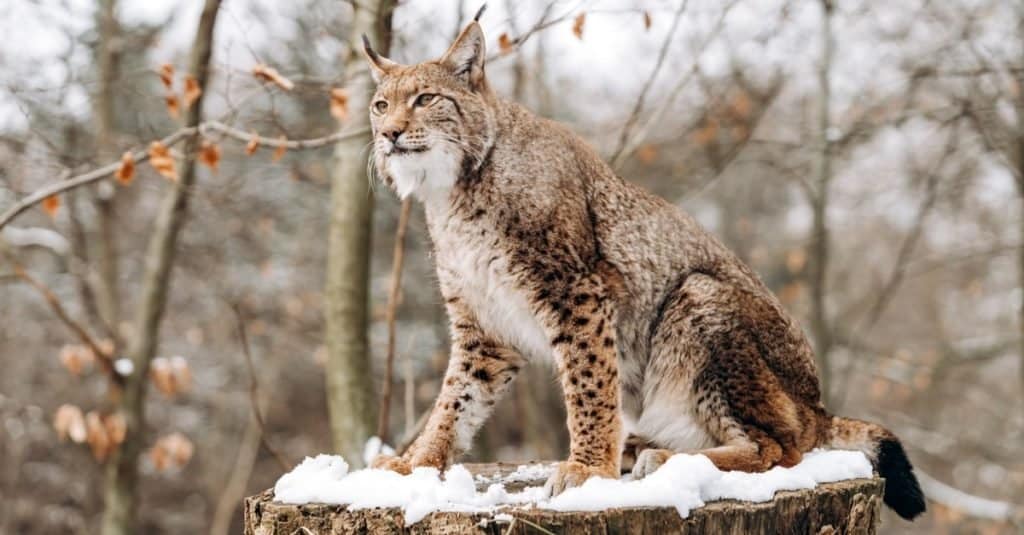
The Canada lynx is often mistaken for a bobcat.
©Ewa Studio/Shutterstock.com
Not to be confused with the bobcat, the Canada lynx (Lynx canadensis) is established throughout parts of Canada and the northern U.S. While it’s only 15-30 pounds, it’s still a formidable predator to small mammals in Gooseberry Falls State Park. This big cat is highly elusive and prowls primarily at night since it’s nocturnal. Occasionally, a Canada lynx will hunt during the day, especially during a harsh winter or if food is scarce. Therefore, only a lucky handful of visitors might see this animal if they time their visit correctly.
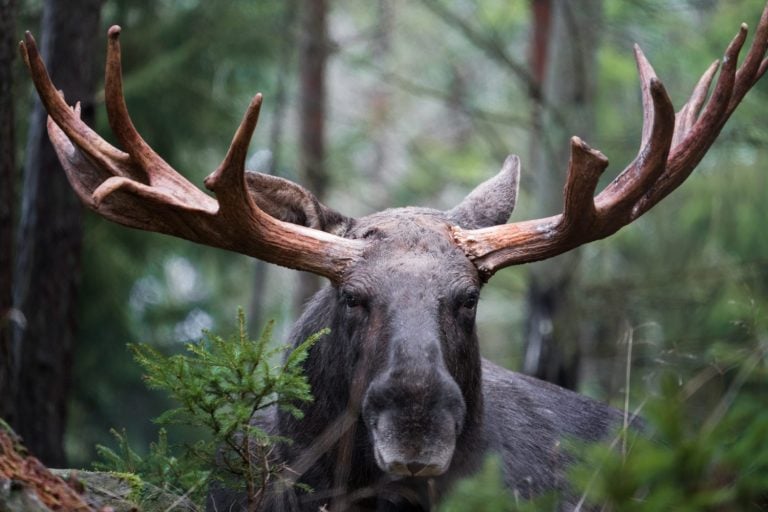
Moose
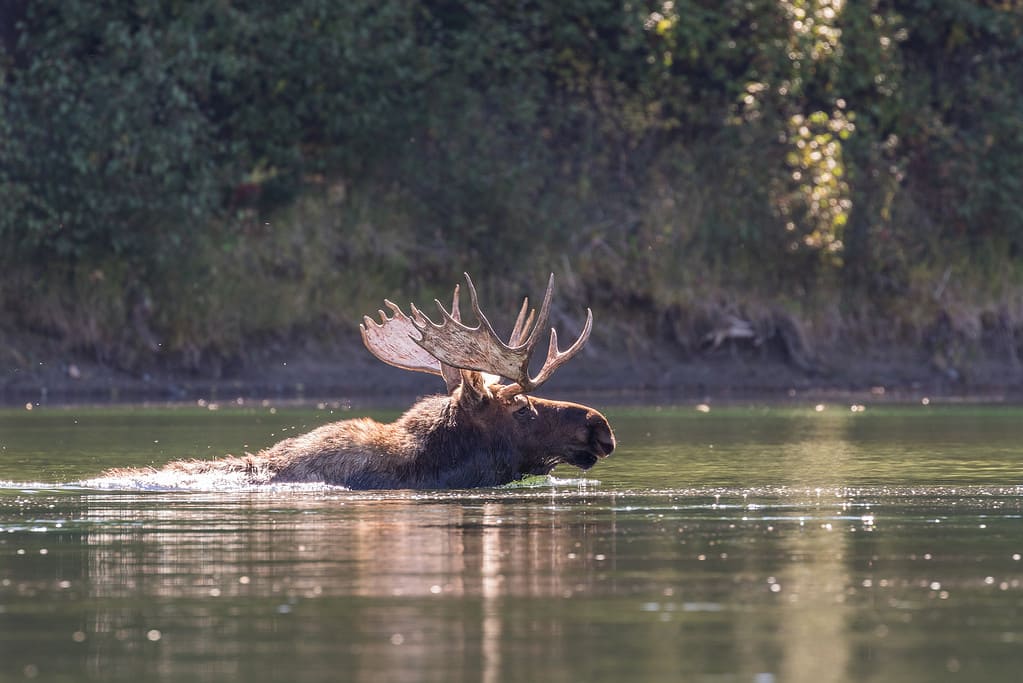
A moose can swim at speeds of up to 6 miles per hour over long distances.
©twildlife/iStock via Getty Images
Moose (Alces americanus) are well established throughout Minnesota. They’re no strangers to Gooseberry Falls State Park, where their primary diet of foliage and berries is abundant. While some would be delighted to see such a majestic animal in the wild, hikers and campers should exercise caution. Moose can be especially aggressive when they feel threatened, particularly if they feel cornered or during calving or rut season. They can weigh as much as 1,500 pounds, making them a force to be reckoned with.
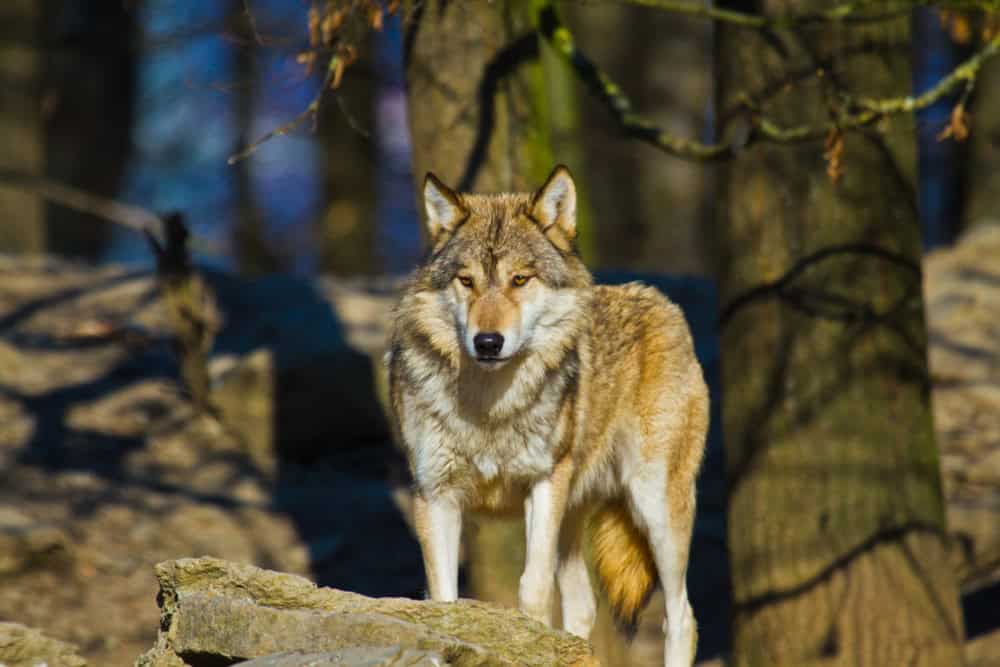
Gray Wolves
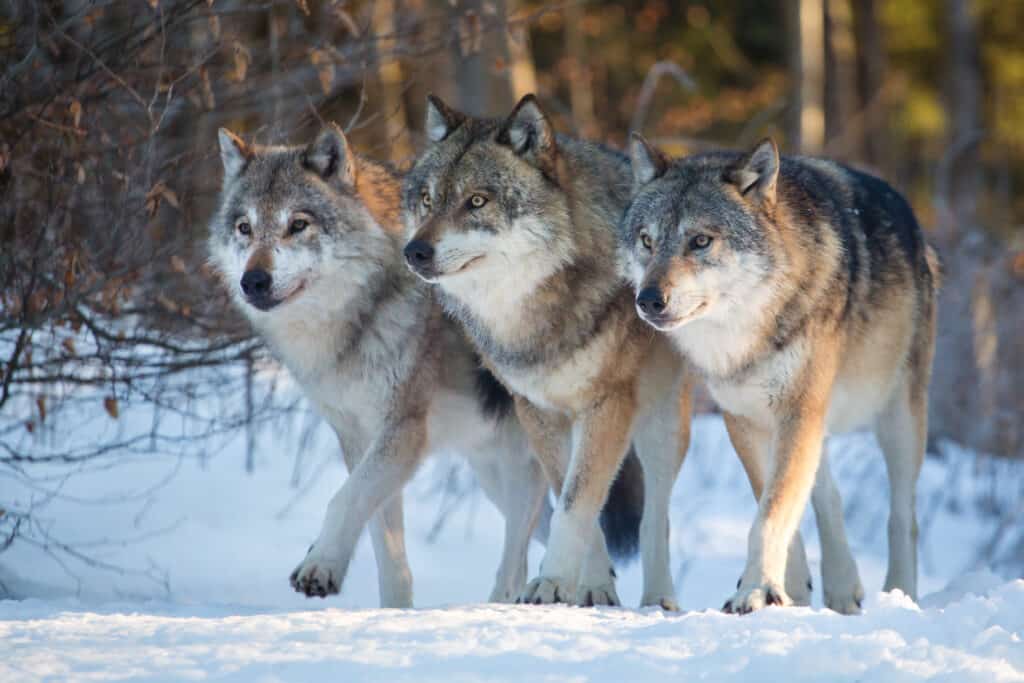
There are two species of wolves in the world: the red wolf and the gray wolf.
©David Dirga/Shutterstock.com
Grey wolves (Canis lupus) are occasionally sighted near the Great Lakes, particularly in the Gooseberry Falls region. These canines are the largest of their family, and large wolves can weigh nearly 100 pounds. Their gray, black, and white coats are designed for camouflage, helping them blend in easily with the snow-covered backdrop of a Minnesota winter. They tend to be more active during the day in colder weather, but are typically seen during the hours of dawn and dusk, hunting deer and small mammals.
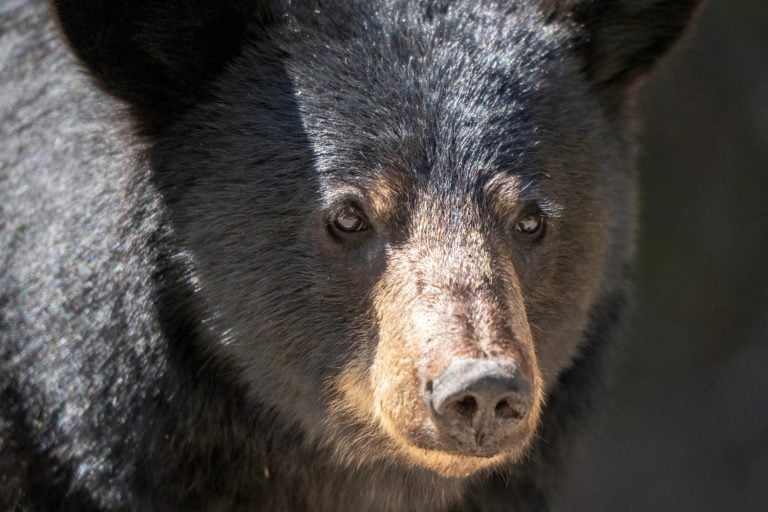
Black Bears
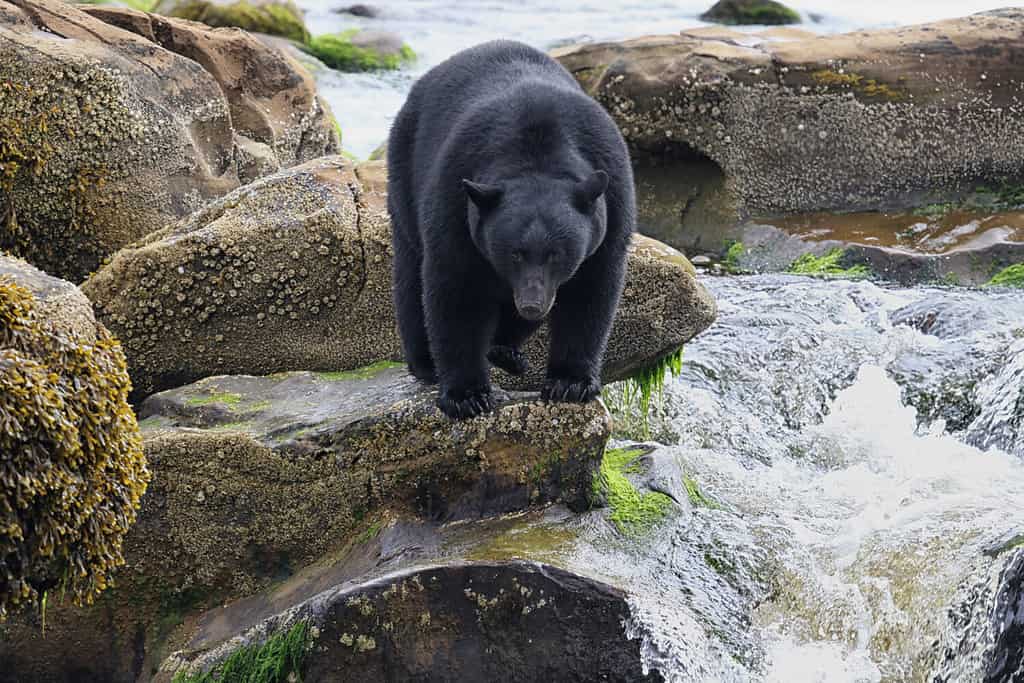
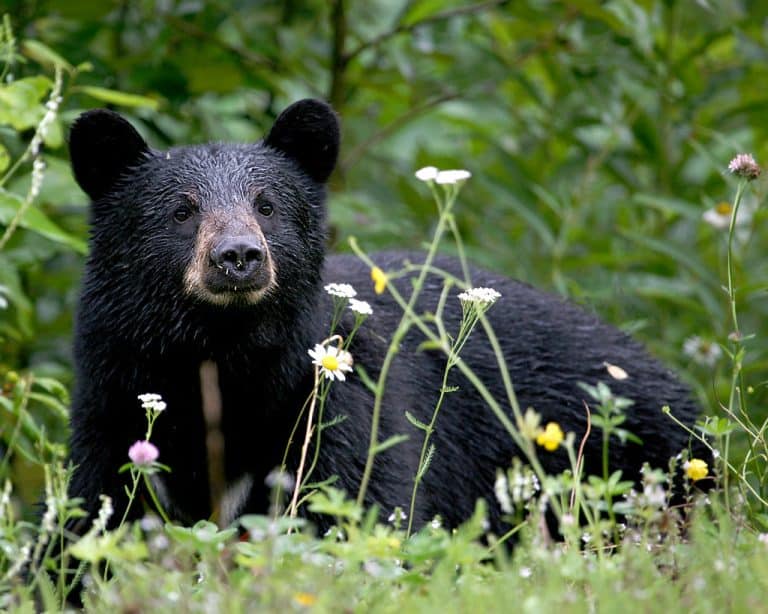
Most black bears have a thick, black coat, but it can look dark brown, grayish-blue, blond, or cinnamon.
©Mark Caunt/Shutterstock.com
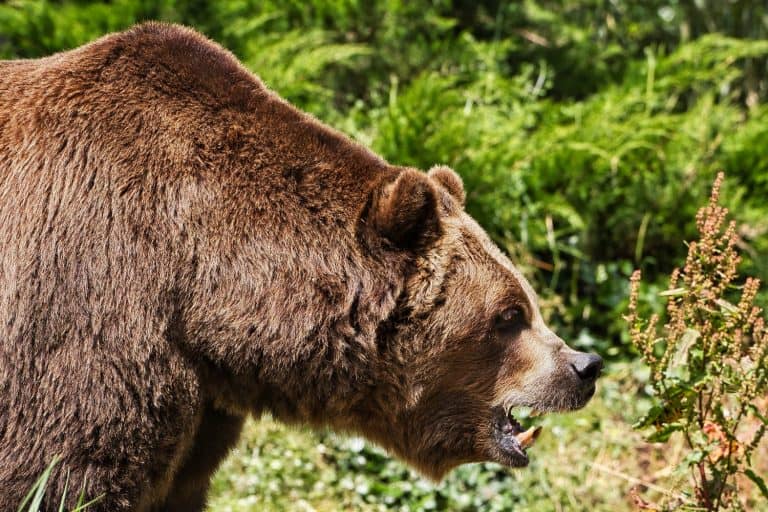
Access to the shoreline is what might be so attractive to a black bear (Ursus americanus) in Gooseberry Falls State Park. It provides access to fish and a place to forage, making it ideal for bears getting ready to enter torpor. While sightings are infrequent, hikers do occasionally come across a black bear searching for food or simply passing through. Most of the time, black bears are skittish and try to avoid humans, which means human-bear encounters are rare.
Red Fox

The red fox is a clever, skillful hunter and scavenger.
©Zdenek Machacek/Shutterstock.com
The red fox (Vulpes vulpes) is established in many parts of the world, including the United States. Its presence in Gooseberry Falls State Park is a testament to the health of the ecosystem. The red fox preys on small mammals and rodents, making the park a veritable hunting, foraging, and scavenging ground. Red foxes are primarily active at night, but do move around during the day. They tend to avoid areas with human activity, but visitors with a keen eye might spot them at dawn or dusk.
Bobcat
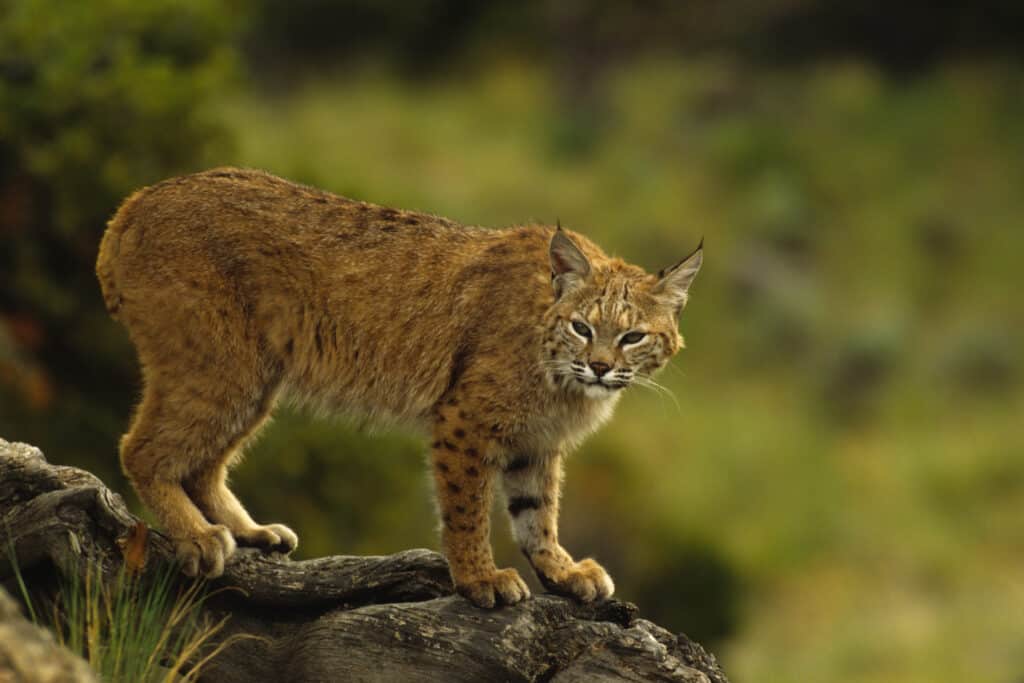
Bobcats have tails, but they aren’t very long.
©iStock.com/twildlife
Similar to the Canada lynx, bobcats (Lynx rufus) have been sighted in Gooseberry Falls State Park, but are pretty elusive. They can be found throughout the U.S., but prefer swamplands, forests, and the outskirts of woodlands. This is where hunting is most effective, as they prey on many of the park’s rodents and small mammals. Although bobcats are skilled hunters, they are a shy species that prefers to avoid humans whenever possible.
North American River Otter
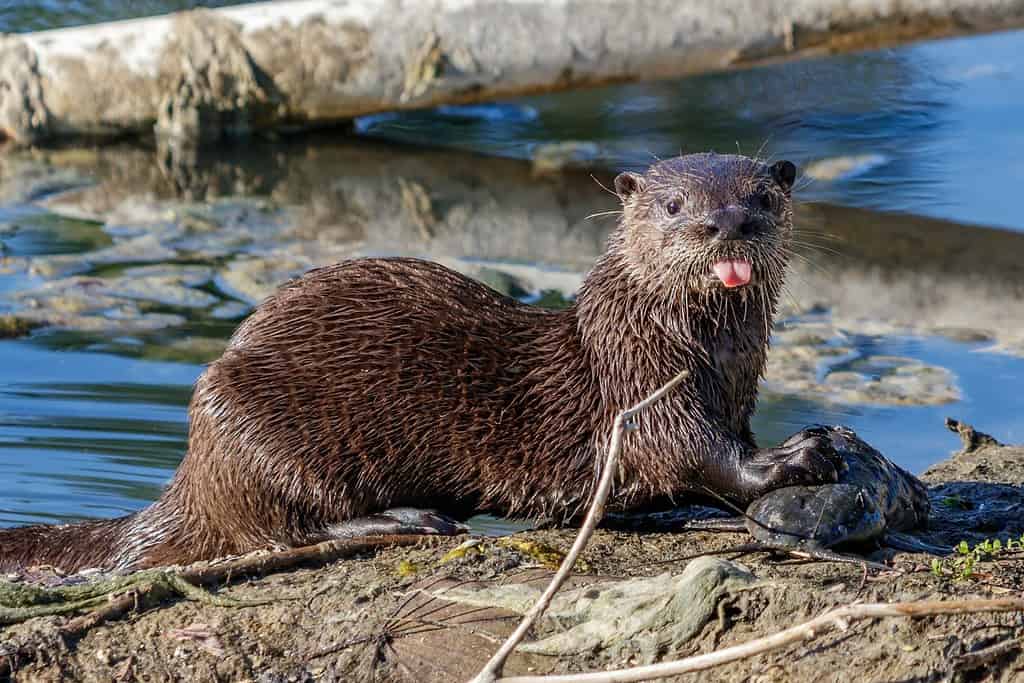
River otters are playful, but typically avoid human interaction.
©Microfile.org/Shutterstock.com
The North American river otter (Lontra canadensis) is endemic to North America, and can occasionally be found in Gooseberry Falls State Park. They live along waterways due to their semiaquatic nature, meaning they’re found in the park’s rivers and streams rather than at the shoreline. Their dark brown coats allow them to blend in with muddy riverbanks, so hikers will need to venture inward to find these clever animals.
American Marten
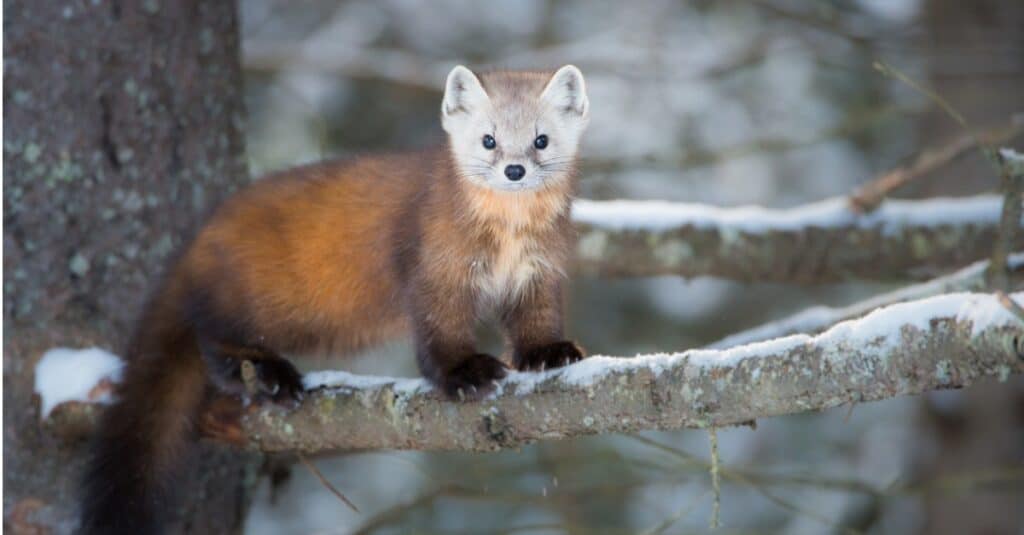
Martens often hide or escape by climbing up trees.
©iStock.com/Jillian Cooper
American martens (Martes americana) have adorable faces, but are skilled predators. At only three pounds, a full-grown adult can take down prey more than half their size. They inhabit Gooseberry Falls State Park, where they prey on birds, squirrels, mice, and even rabbits. While their hunting technique is unmatched, American martens are also skilled at climbing trees. This means that seeing them is a rarity, but with their aggressive nature, visitors are better off avoiding these animals.
Rodents
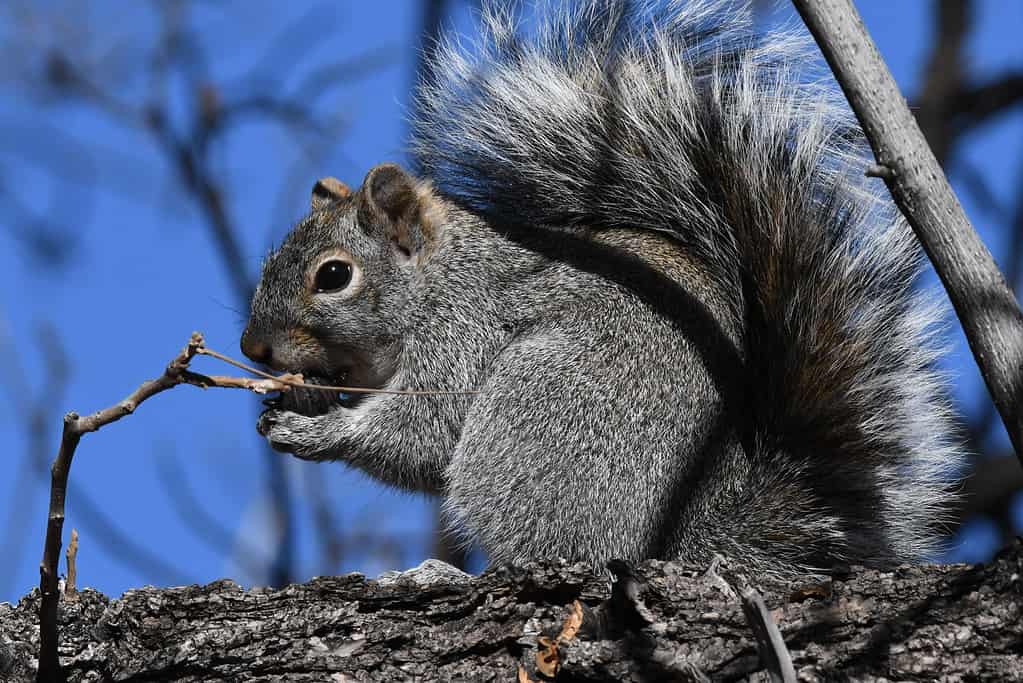
Squirrels are found throughout North America.
©Gilbert S. Grant/Shutterstock.com
Gooseberry Falls State Park is home to many rodents. Campers are likely to see one (or a few) of these during their trip. They serve as prey for large mammals, but are also a crucial part of the park’s ecosystem—many forage, but also prey on insects and other pests. These rodents include:
- Woodchuck (Groundhog) (Marmota monax)
- Eastern Chipmunk (Tamias striatus)
- Least Chipmunk (Eutamias minimus)
- Franklin’s Ground Squirrel (Poliocitellus franklinii)
- Gray Squirrel (Sciurus carolinensis)
- Red Squirrel (Tamiasciurus hudsonicus)
- Northern Flying Squirrel (Glaucomys sabrinus)
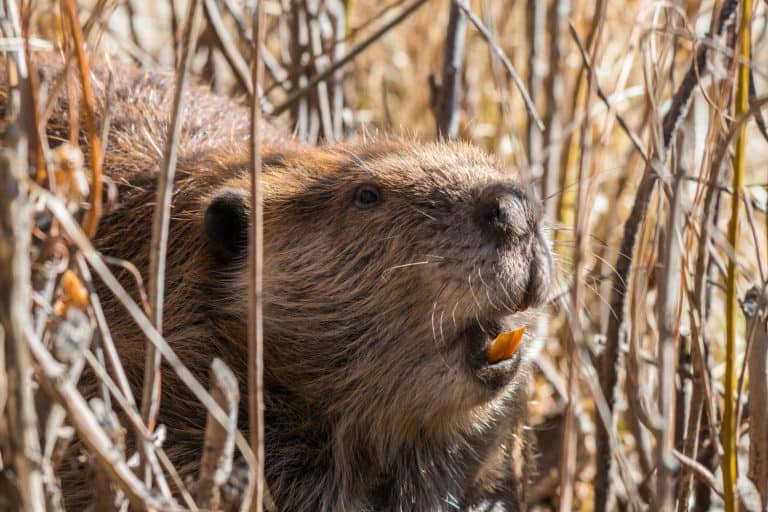
- Beaver (Castor canadensis)
- Deer Mouse (Peromyscus maniculatus)
- Southern Red-backed Vole (Clethrionomys gapperi)
- Meadow Vole (Microtus pennsylvanicus)
- Muskrat (Ondatra zibethica)
- Meadow Jumping Mouse (Zapus hudsonius)
- Woodland Jumping Mouse (Napaeozapus insignis)
- Porcupine (Erethizon dorsatum)
Bats
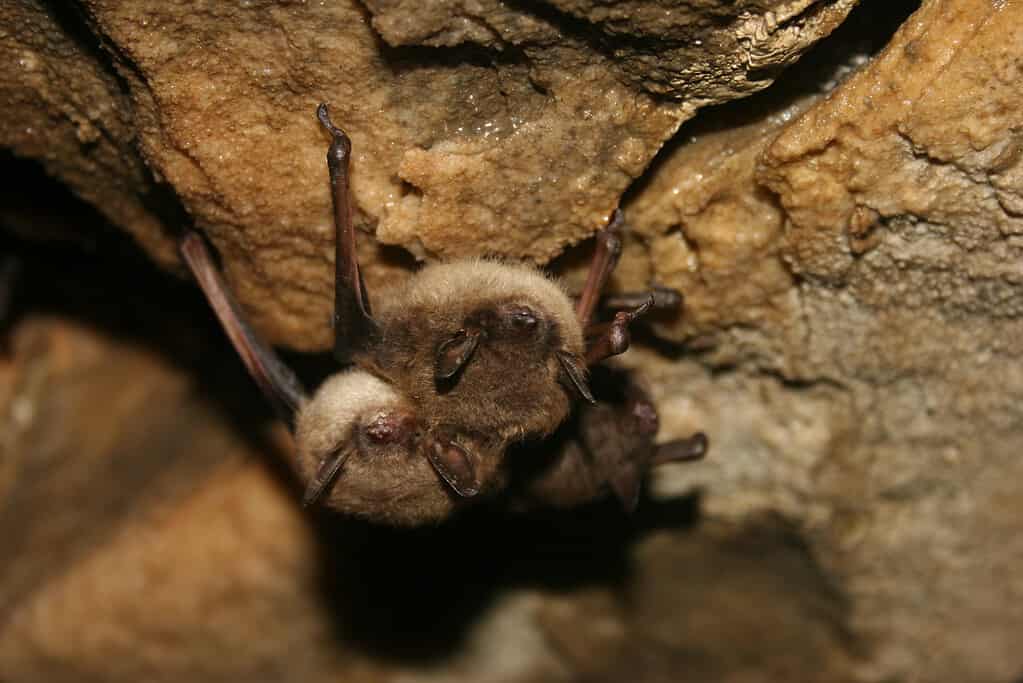
Little brown bats hang comfortably.
©U.S. Fish and Wildlife Service Headquarters / Public domain – Original / License
According to the Minnesota Department of Natural Resources, Gooseberry Falls State Park is home to a healthy population of bats. These include:
- Little Brown Bat (Myotis lucifugus)
- Northern Myotis (Myotis septentrionalis)
- Silver-haired Bat(Lasionycteris noctivagans)
- Big Brown Bat (Eptesicus fuscus)
- Eastern Red Bat (Lasiurus borealis)
- Hoary Bat (Lasiurus cinereus)
Bats are essential not just at Gooseberry Falls, but to every environment they inhabit. They prey on pests such as mosquitoes, flies, and gnats, helping to keep their populations under control. Contrary to popular myth, bats are relatively harmless to humans, excluding the risk of rabies or accidental bites.
Amphibians
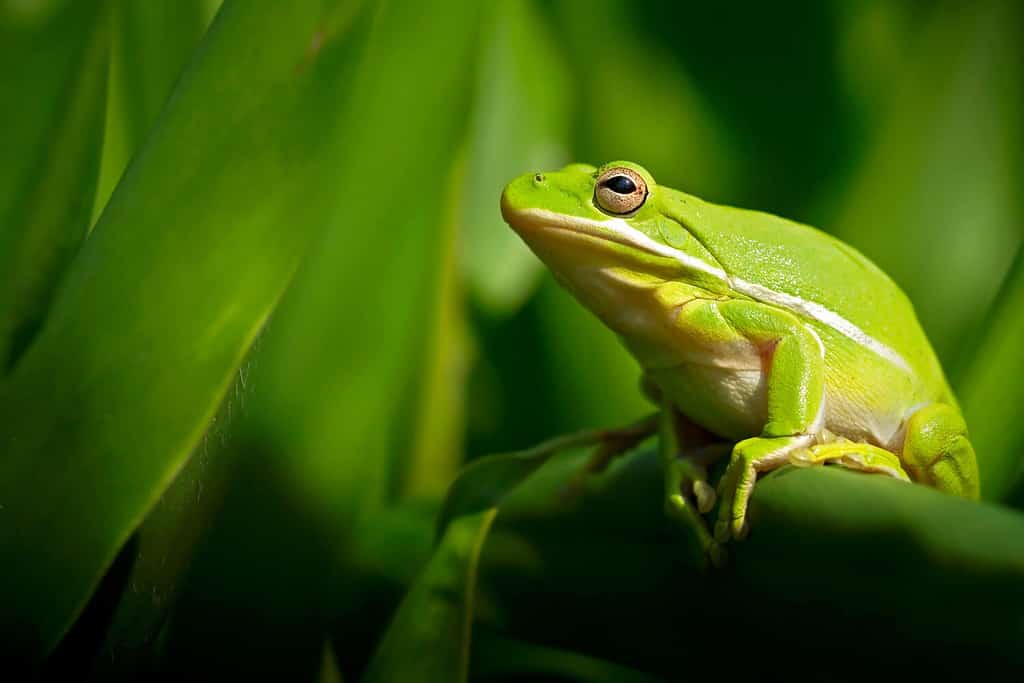
Frogs vocalize for mating purposes and often chirp in a chorus with others.
©LorraineHudgins/Shutterstock.com
Gooseberry Falls State Park is home to a variety of amphibians, many of which visitors will hear before they see them. This includes a chorus of toads and frogs, specifically:
- Wood Frog (Rana sylvatica)
- Spring Peeper (Pseudacris crucifer)
- Western Chorus Frog (Pseudacris triseriata)
- Northern Leopard Frog (Rana pipiens)
- American Toad (Bufo americanus)
- Gray Treefrog (Dryophytes versicolor, formerly Hyla versicolor)
- Mink Frog (Rana septentrionalis)
- Green Frog (Rana clamitans)
Those visiting in the spring will hear the wood frog and spring peeper, while visitors in the late summer might listen to the gray treefrog, mink frog, or green frog. The best chance of seeing these amphibians is to stay close to the water, particularly near swamps and low-lying marshes.
Reptiles

Common snapping turtles are widely distributed across the eastern U.S.
©Chuck Homler / FocusOnWildlife.Me / CC BY-SA 4.0 – Original / License
The most commonly seen reptiles that inhabit Gooseberry Falls State Park are turtles. These include:
- Painted Turtle (Chrysemys picta)
- Snapping Turtle (Chelydra serpentina)
While both are stunning turtle species, visitors should exercise caution around snapping turtles. Their speed and the power of their jaws are enough to break a human finger. Both can be found near the park’s waterways and in Lake Superior, making them a frequently-sighted animal on hikes.
Fishing
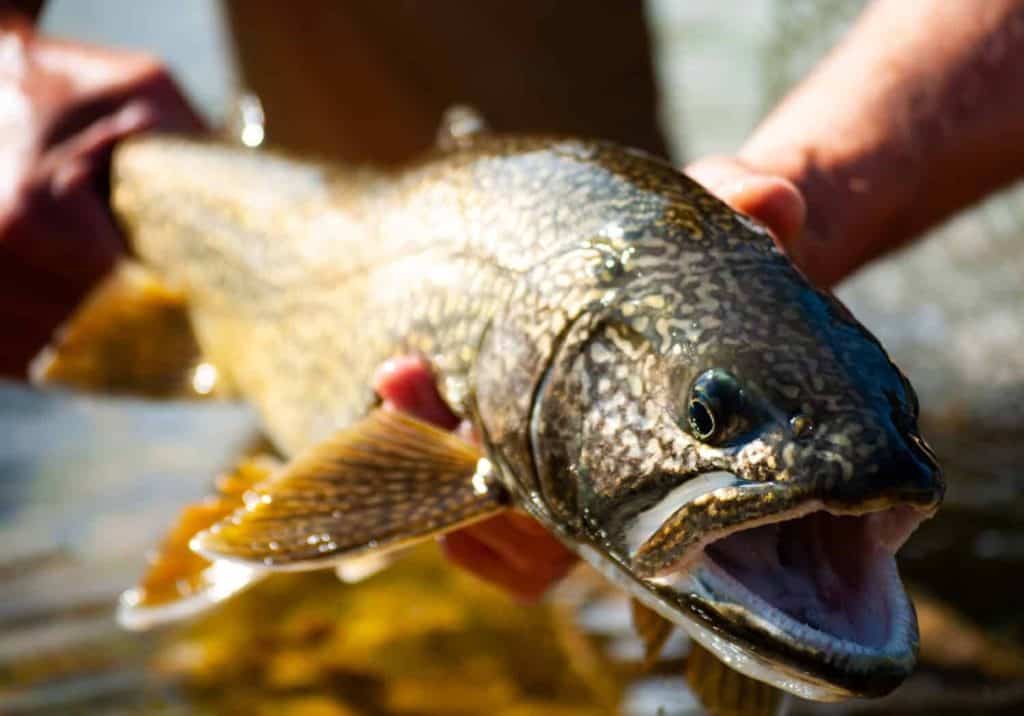
Minnesota is known for its native trout population.
©Jennifer de Graaf / Shutterstock.com
Fishing is a highly popular activity on the Great Lakes, particularly on Lake Superior. Access to the river is not far from Gooseberry Falls, and those visiting can see brook trout, rainbow trout, brown trout, and steelhead. While trout aren’t the only fish living in the park’s rivers, they are the most prevalent for fishermen. Agate Beach is also a popular fishing destination, where visitors often find a more varied selection of species at the mouth of the lake.
Birdwatching
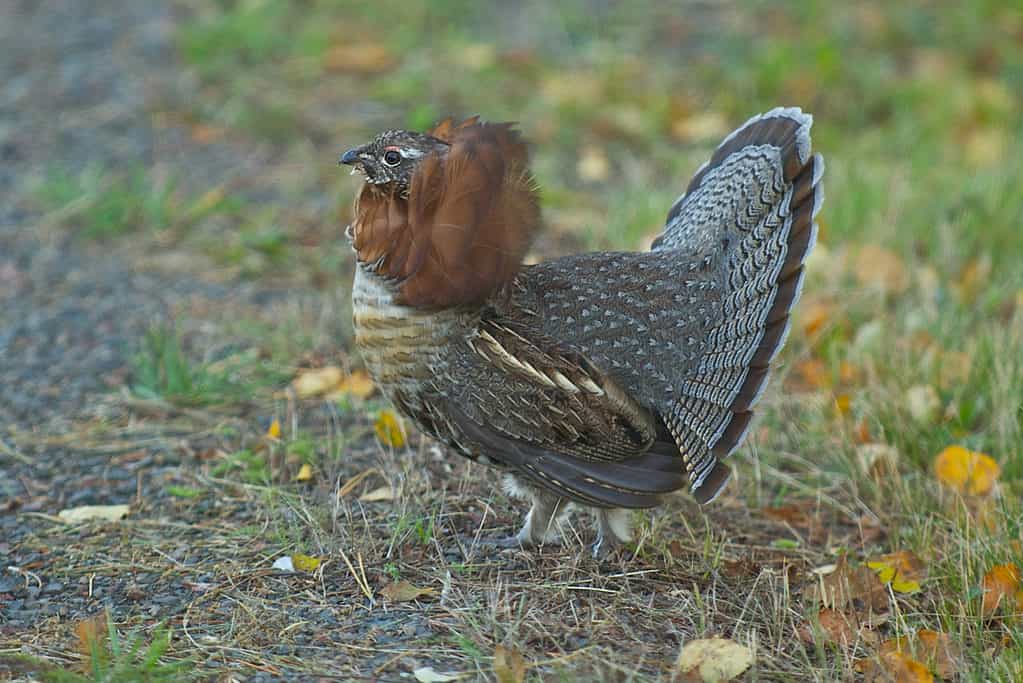
Ruffed grouse along the Gunflint Trail, Minnesota. This medium-sized game bird inhabits forested areas and is frequently hunted in the fall.
©iStock.com/tmarko
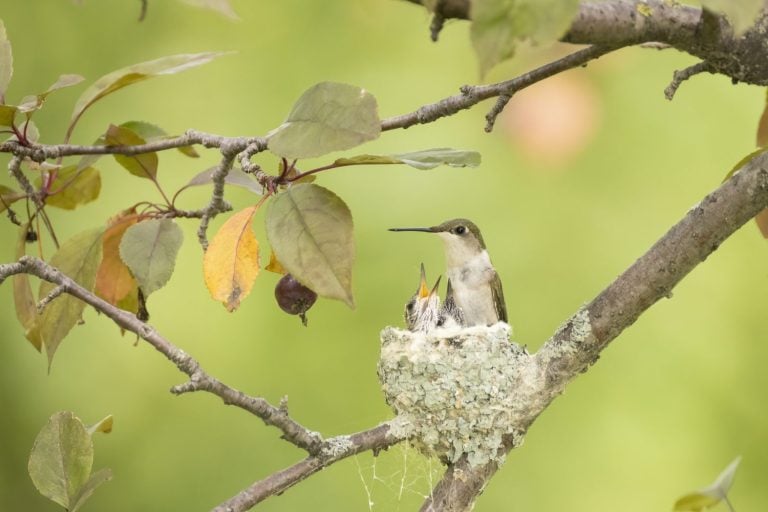
Birders visiting Gooseberry Falls State Park will be pleasantly surprised by its diverse range of bird life. Here, visitors can observe raptors, songbirds, and even seabirds. Some frequently sighted species include bald eagles, common redpolls, snowy owls, great gray owls, and pine grosbeaks. These birds are also frequent winter visitors, as they can withstand Minnesota’s harsh winter weather. Agate Beach, Split Rock Lighthouse, and the Superior Hiking Trail are all great places to spot these birds.
For those hoping to catch a glimpse of other bird species, the list is long. However, popular birds to watch out for include:
- Black-capped chickadees
- Downy woodpeckers
- Herring gulls
- American goldfinches
- Nuthatches
Bird watchers can also observe game fowl, such as the ruffed grouse. During migration season, visitors can also see common loons, vireos, flycatchers, thrushes, warblers, and sparrows. Some of these, such as the ruffed grouse and songbirds, can be spotted in the park woodlands. Others, like the common loon and herring gulls, can be observed near the shore of the water in places like Agate Beach.