Quick Take
- One tiny animal can survive radiation, the vacuum of space, and complete dehydration, and its secret protein might one day protect cancer patients during treatment. Discover Dsup protein →
- A venomous reptile already transformed diabetes care, and scientists think that was just the beginning. Explore Gila monster venom →
- Two very different animals are nearly immune to cancer, and the biological reasons behind each one couldn't be more unlike the other. See naked mole rat resistance →
- A sea creature's blood has protected every vaccine you've ever received, and researchers just found it might do something even more powerful. Uncover horseshoe crab blood →
Some of tomorrow’s biggest medical breakthroughs may begin in the animal kingdom. Science is studying a variety of animals whose biology may hold the secrets to treating cancer, pain, Alzheimer’s disease, infections, heart disease, and many more medical conditions that cause human suffering. While much of this research is still in its early stages, remarkable creatures are already helping researchers come up with new ideas for future medicines. Here are eight animals that could one day change the medical field.
1. Naked Mole Rat
©Neil Bromhall/Shutterstock.com
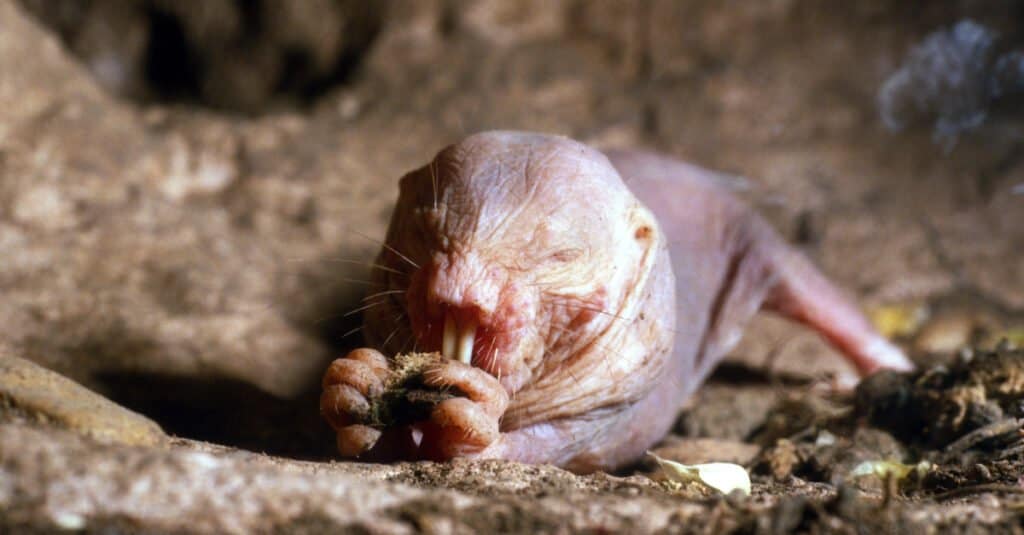
The naked mole rat has fascinated scientists because it rarely develops cancer, despite living longer than most rodents. Researchers believe this resistance is partly due to a form of hyaluronic acid that prevents cells from multiplying uncontrollably. The animals also have mechanisms that stop damaged cells before tumors can form. Scientists hope that understanding these natural defenses could lead to new ways of preventing or treating cancer in humans.
2. Axolotl
©axolotlowner/Shutterstock.com
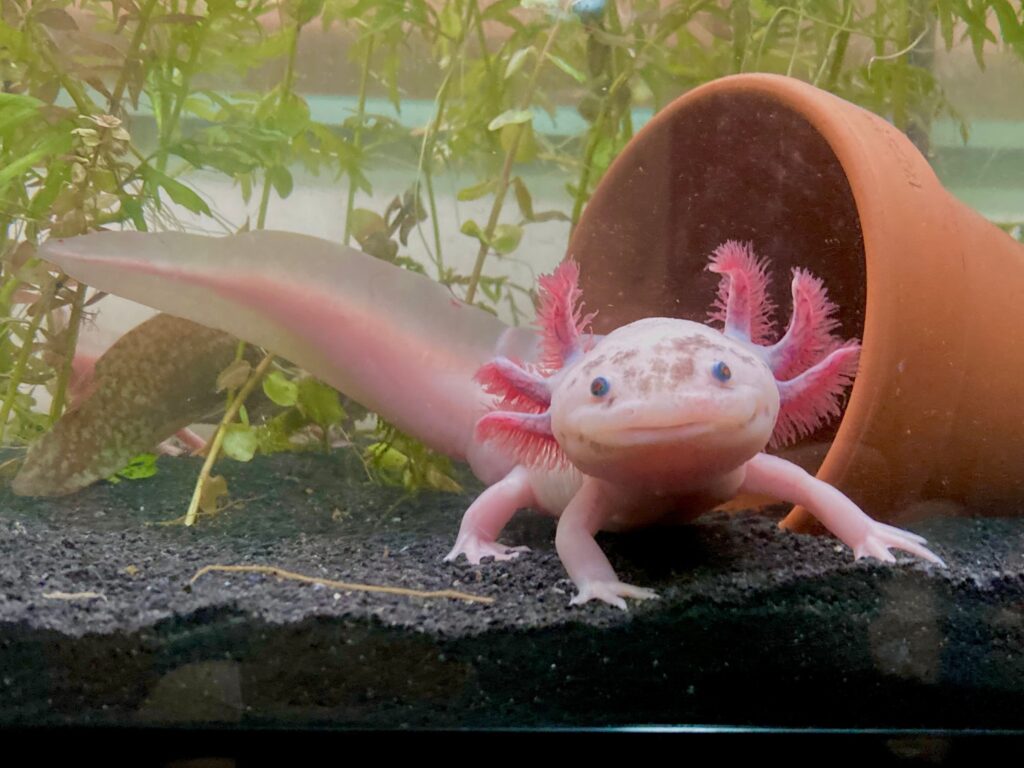
The axolotl has one of the greatest healing abilities in the animal kingdom. It can regenerate limbs, sections of its spinal cord, parts of its heart, and portions of its brain, all without forming scar tissue. Researchers are studying how its cells know what tissue to rebuild and when to stop growing. These discoveries could one day improve treatments for spinal cord injuries, severe burns, and damaged organs.
3. Elephant
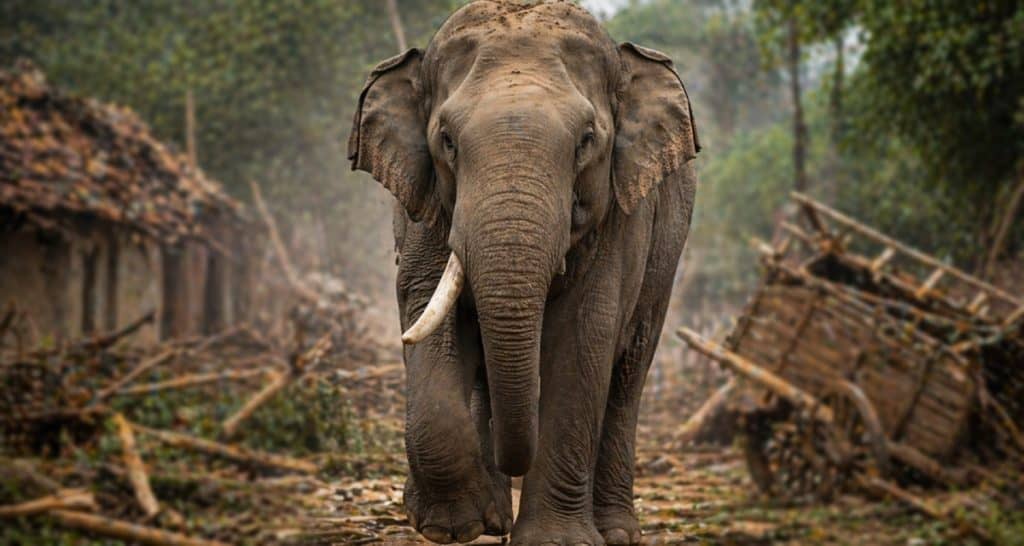
Elephants are surprisingly resistant to cancer, even though their enormous bodies contain many more cells than humans. Scientists discovered that elephants carry numerous extra copies of a tumor-suppressing gene called TP53, allowing damaged cells to destroy themselves before they turn cancerous. Researchers hope these natural defenses eventually lead to new forms of cancer prevention and treatment. Elephant biology has become an active area of cancer research.
4. Shark
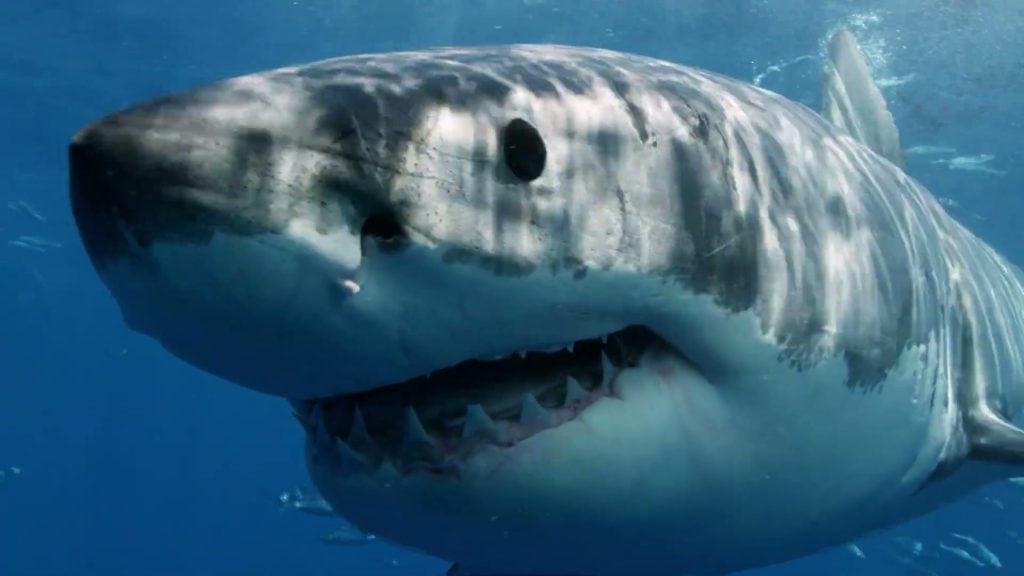
©Andy Casagrande – Shark Dreams via YouTube — used under fair use – Original / License
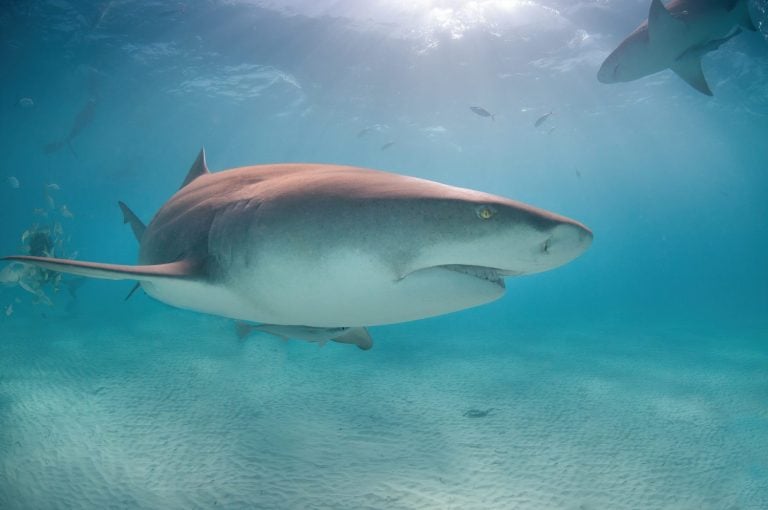
Sharks have highly efficient immune systems. Their wounds heal with surprisingly few issues, even in their harsh marine environment. Scientists continue to study compounds found in shark tissues and immune molecules. They might have antibacterial and antiviral properties. While some previous claims about shark cartilage curing cancer have been debunked, legitimate research is underway. The study of shark biology is uncovering molecules that may be medically valuable. Researchers emphasize that protecting shark populations is essential to this work.
5. Cone Snail
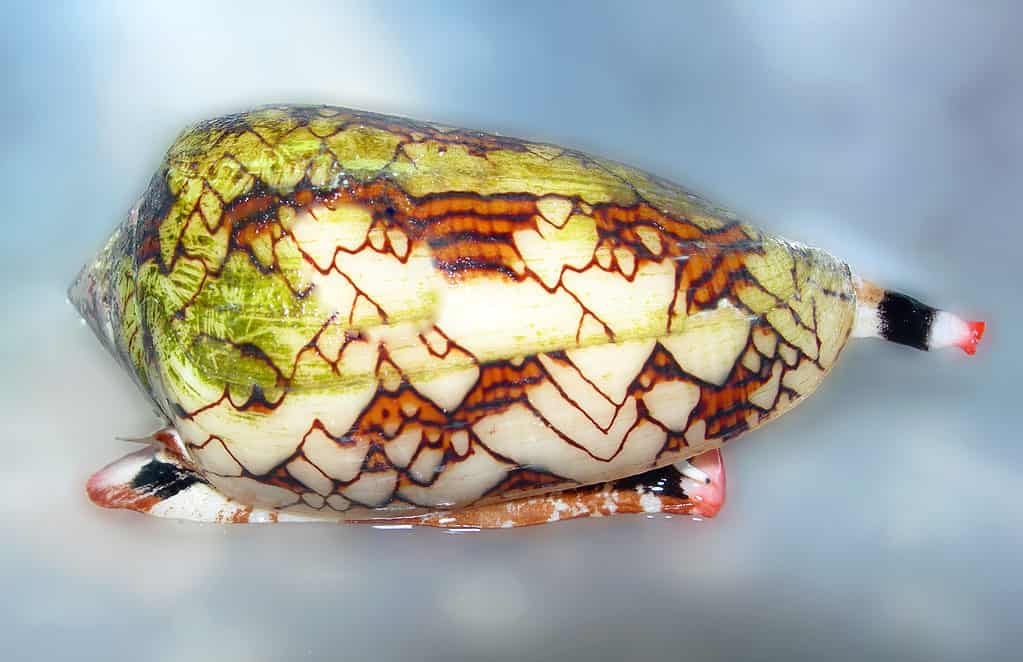
©O'KHAEN/Shutterstock.com
The cone snail‘s venom has hundreds of tiny proteins that precisely target nerves. Only one has so far become an approved medication, but researchers have barely begun exploring the rest of this vast collection of chemicals. Scientists are flagging these compounds as possible treatments for chronic pain, epilepsy, Parkinson’s disease, and other neurological disorders. Each cone snail species makes its own unique blend of molecules, offering thousands of potential drug candidates.
6. Tardigrade
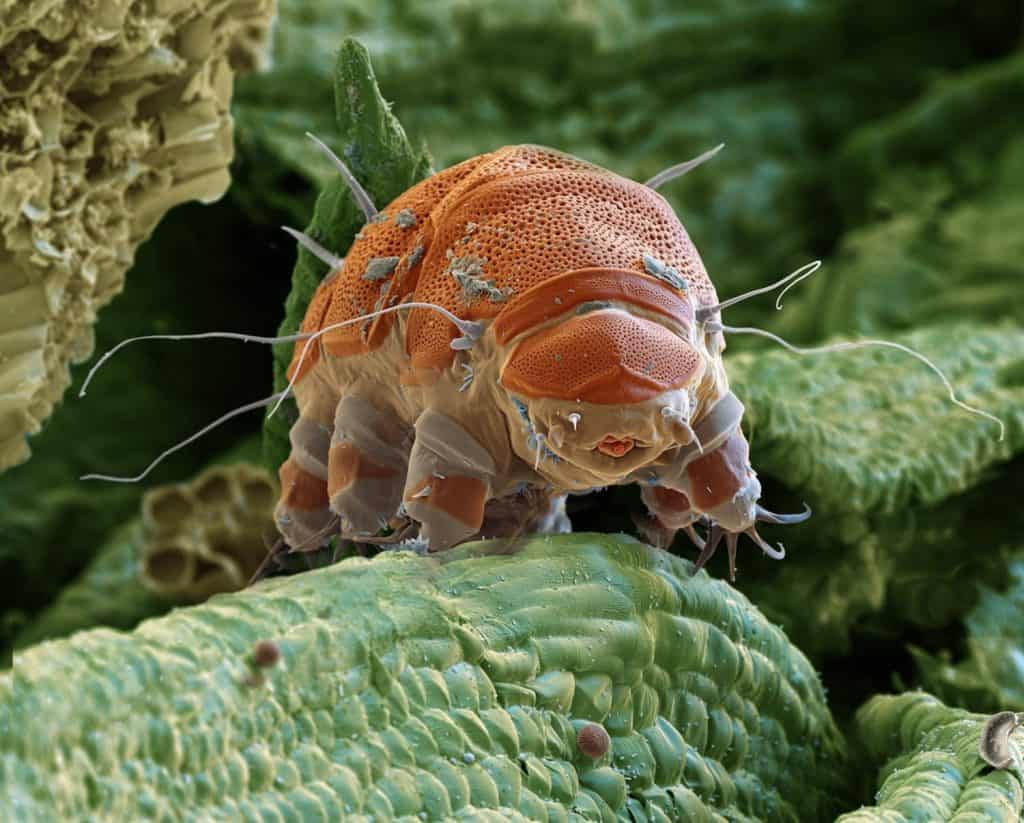
©TajdidProtik/Shutterstock.com
Tiny tardigrades can survive several extremes, including radiation levels, dehydration, freezing temperatures, and even the emptiness of space. One reason is a protein known as Dsup, which helps protect their DNA from damage. Researchers are trying to figure out if similar protective mechanisms could reduce radiation damage that occurs during cancer treatment. They are also investigating whether they could help shield healthy tissues from radiation exposure. Although still experimental, this research has generated tons of interest.
7. Gila Monster
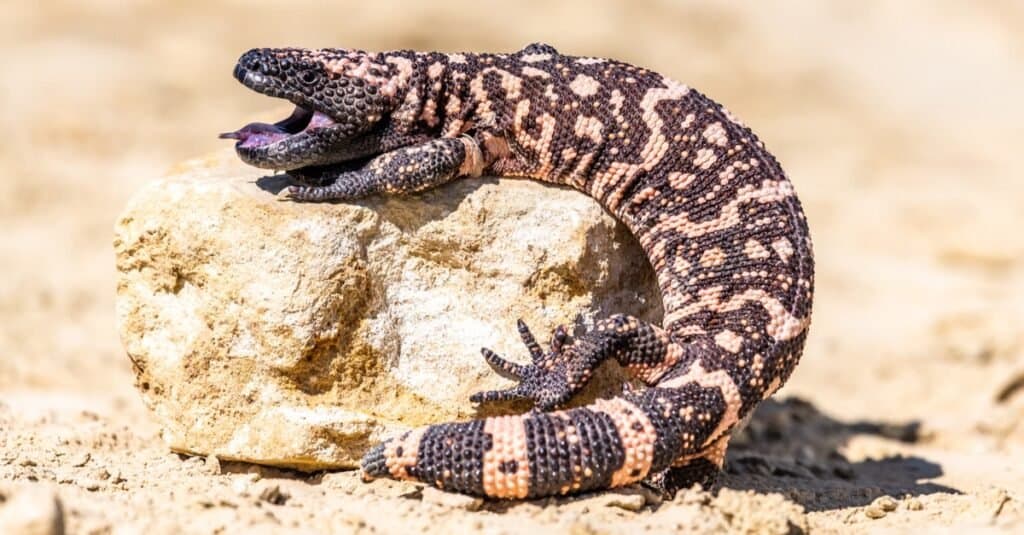
©Vaclav Sebek/Shutterstock.com
The Gila monster has already changed diabetes treatment, but scientists think its limits have not been reached. Researchers continue studying compounds in its venom that affect metabolism, inflammation, and the nervous system. These molecules may help with treatments for obesity, Alzheimer’s disease, and other neurological conditions. The reptile continues to offer pharmaceutical inspiration.
8. Horseshoe Crab

©SandraG/Shutterstock.com
For decades, horseshoe crab blood has been used to detect dangerous bacterial contamination in vaccines and medical equipment. Now scientists are learning more about the animal’s immune system itself. Researchers are checking into antimicrobial compounds in horseshoe crab blood. These just might help fight antibiotic-resistant bacteria, which is one of the world’s biggest public health issues. These naturally occurring defenses could help humans greatly in the future.