
There are animals alive today that have quietly witnessed the rise and fall of nations, surviving centuries longer than most countries have existed. Their exceptional longevity comes from slow metabolism, unique environments, and biological systems built for endurance. In this article, we’ll count down to the oldest living creatures on Earth. For comparison, humans live on average to age 73, and the oldest verified human lived to 122. Yet, compared to some of the animals on our list, even that would make her seem like a teenager!
12. Chihuahua (Canis lupus familiaris)

Chihuahua (Canis lupus familiaris)
©Maria Sbytova/Shutterstock.com
Among dog breeds, the Chihuahua has the others beat. These little time-lords live 15-20 years or more, which is among the longest lifespans for small dog breeds. Their small size gives them an advantage: smaller dogs burn energy more slowly, putting less strain on their organs. They often retain a feisty, puppy-like personality even as their muzzles turn gray. If you have a senior Chihuahua, it might just be older than the world’s youngest country: South Sudan. After decades of civil war, it declared independence from Sudan in 2011, 14 years ago.
11. African Elephant (Loxodonta africana)
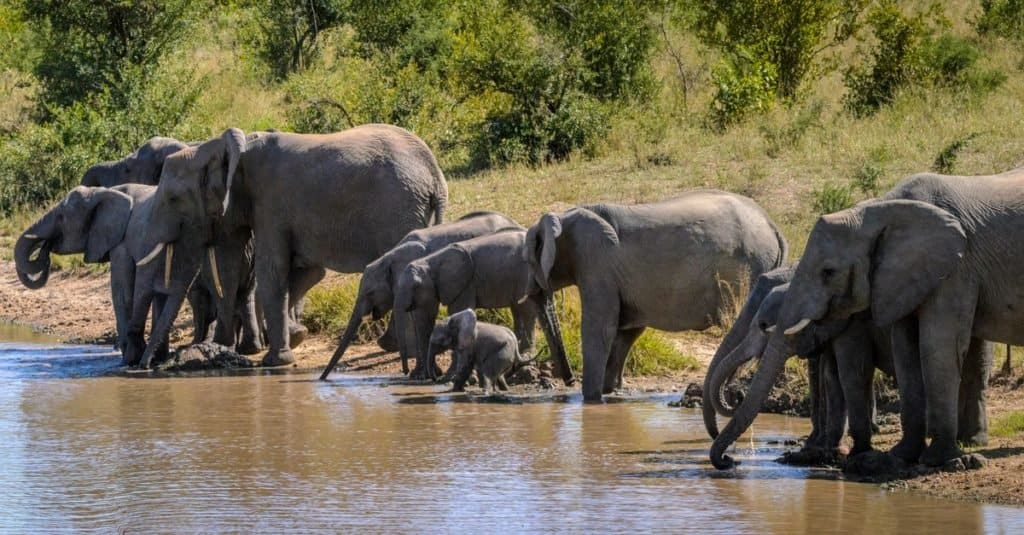
African Elephant (Loxodonta africana)
©Roger de la Harpe/Shutterstock.com
An African elephant can live up to 70 years in the wild, rivaling or exceeding the average human lifespan of 73 years. Their long lives come from intelligence, memory, and strong family ties. Elephant herds are led by matriarchs who remember water sources and migration routes for decades, guiding younger generations through droughts and danger. Their enormous size deters predators, and their slow, deliberate pace of life prevents exhaustion and injury. Some elephants alive today were born before Morocco gained independence from France in 1956.
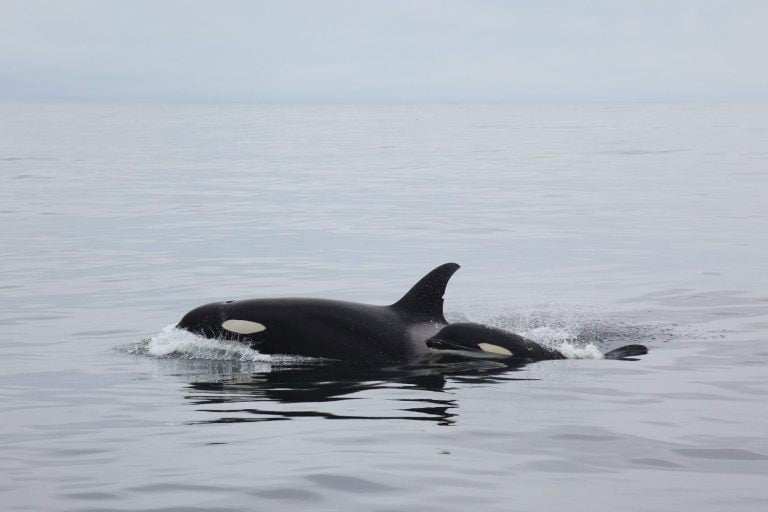
10. Killer Whale (Orcinus orca)
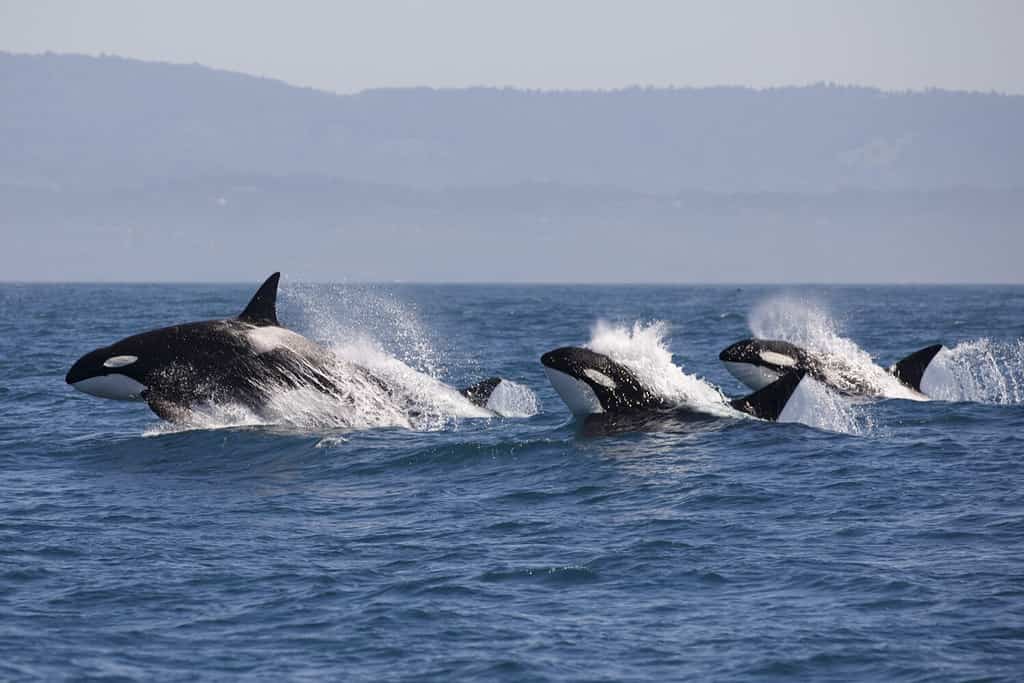
Killer Whale (Orcinus orca)
©Tory Kallman/Shutterstock.com
Female orcas, or killer whales, can live up to 90 years, with females usually outliving males by decades. Their longevity is supported by complex social systems, strong communication, and matriarch-led pods that pass on knowledge through generations. Orcas cooperate in hunting and care for one another well into old age. Researchers have documented grandmothers helping to raise calves, showing that experience is a survival tool. Some orcas alive today were born before Iraq was founded as an independent country in 1932, having previously been a British protectorate.
9. Macaws (Psittacidae)
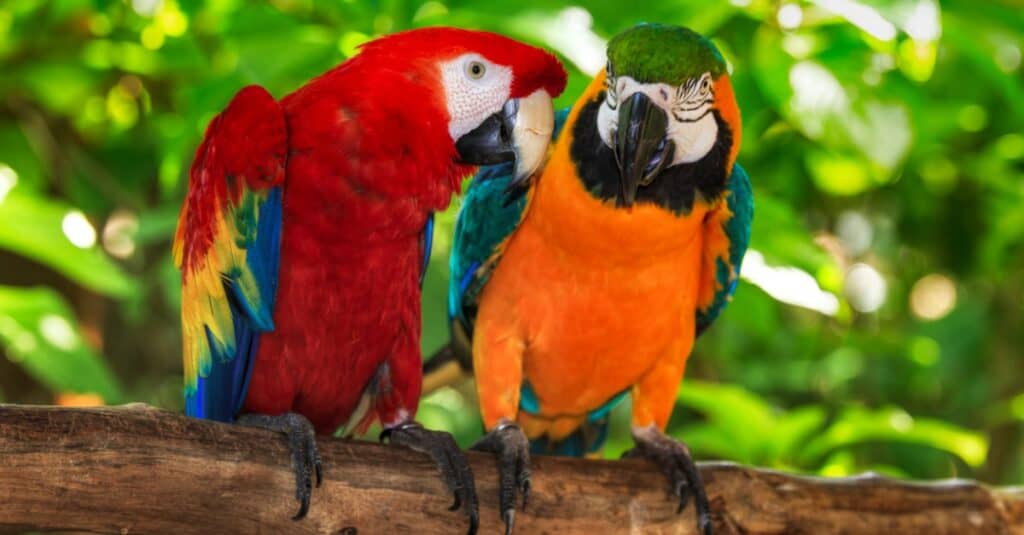
Macaws (Family Psittacidae)
©iStock.com/dmodlin01
Indigenous to Central and South America, some macaws in captivity have reached 80 to 100 years, making them among the longest-lived birds. Living in social flocks allows them to learn from one another, find food, and avoid predators. Their low metabolism and sharp minds keep them healthy and active for decades. A macaw born before 1949 is older than the People’s Republic of China, founded that year.
8. Tuatara (Sphenodon punctatus)
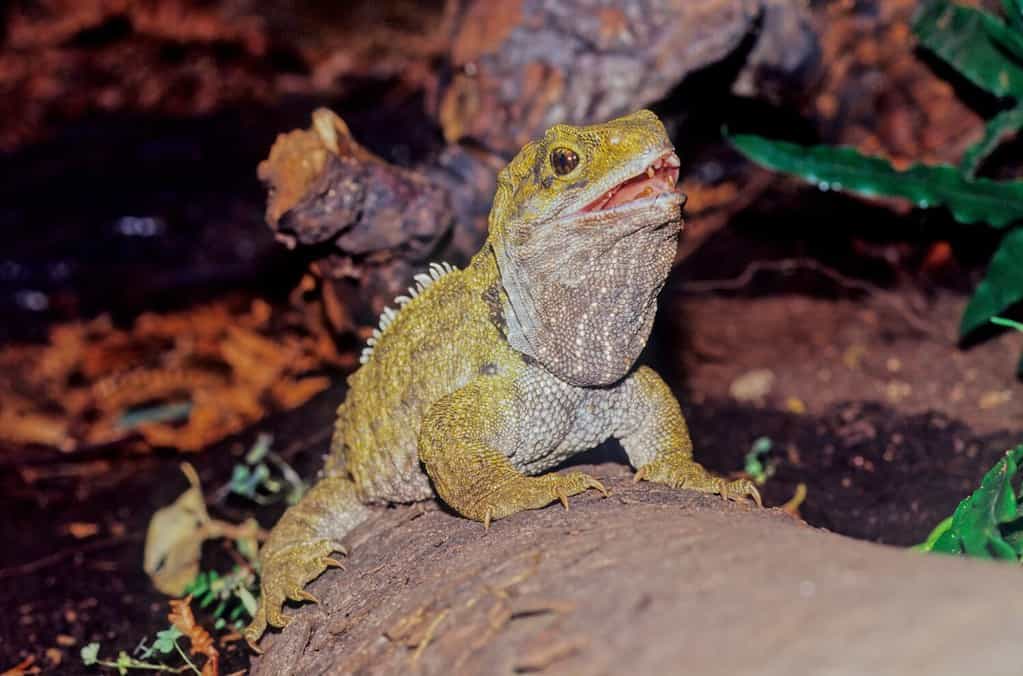
Tuatara (Sphenodon punctatus)
©Roberto Dani/Shutterstock.com
The tuatara of New Zealand looks like a lizard but is actually a cousin of lizards and snakes. It belongs to its own reptile order, which dates back to the dawn of the dinosaurs in the Triassic era. In modern times, a tuatara can live more than 100 years. Its slow metabolism, cool body temperature, and dormancy habits help it conserve energy and avoid disease. Tuataras thrive in quiet island habitats with few predators, which means less stress, and their bodies repair damage at an impressive rate. A senior tuatara today may have been born before 1918, when Hungary became an independent country after World War I.
7. Giant Tortoises (Chelonoidis nigra and Aldabrachelys gigantea)
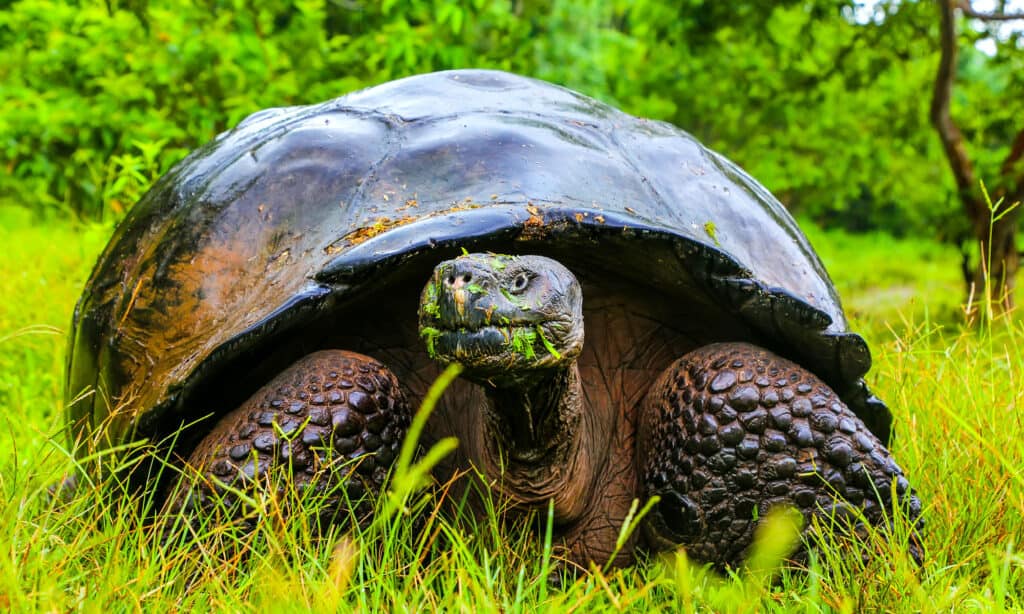
Giant Tortoises (Chelonoidis nigra and Aldabrachelys gigantea)
©iStock.com/Donyanedomam
Native to the Galápagos and Aldabra islands, giant tortoises have lived up to 150 years. How do they do it? Well, their steady lives, slow movement, and herbivorous diets reduce stress and prevent wear on their bodies. They also have hard protective shells that protect them from predators. Also, their cells repair damage efficiently, allowing them to resist many diseases. Some of these peaceful grazers are older than Liberia, founded in Africa by freed American slaves in 1847.
6. Bowhead Whale (Balaena mysticetus)
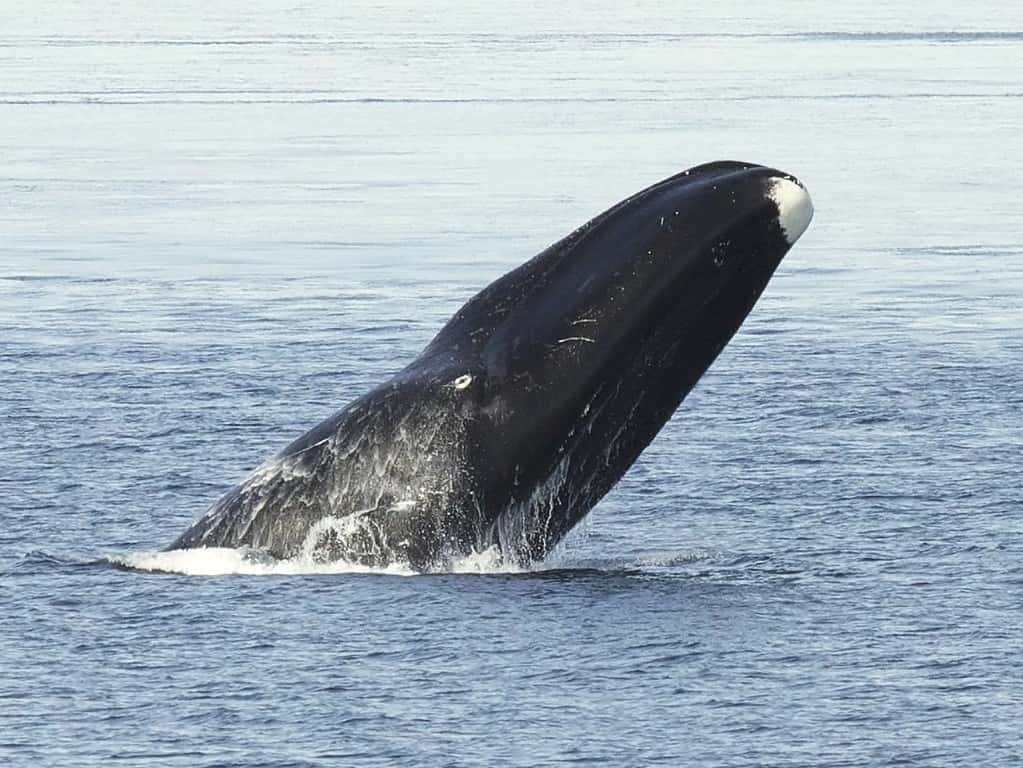
Bowhead Whale (Balaena mysticetus)
©Bering Land Bridge National Preserve, CC BY-SA 2.0, via Wikimedia Commons – Original / License
Marine biologists say that the bowhead whales of the Arctic can live more than 200 years. They thrive in icy waters, growing slowly and reproducing late. Scientists have found antique harpoon tips in their flesh, proving that some individuals alive today were born more than two centuries ago. Their cold habitat, low metabolism, and large size protect them from aging and illness. Some bowheads swimming under the ice today were around for the founding of modern Greece in 1830, freed from Ottoman Turkish rule.
5. Red Sea Urchin (Mesocentrotus franciscanus)
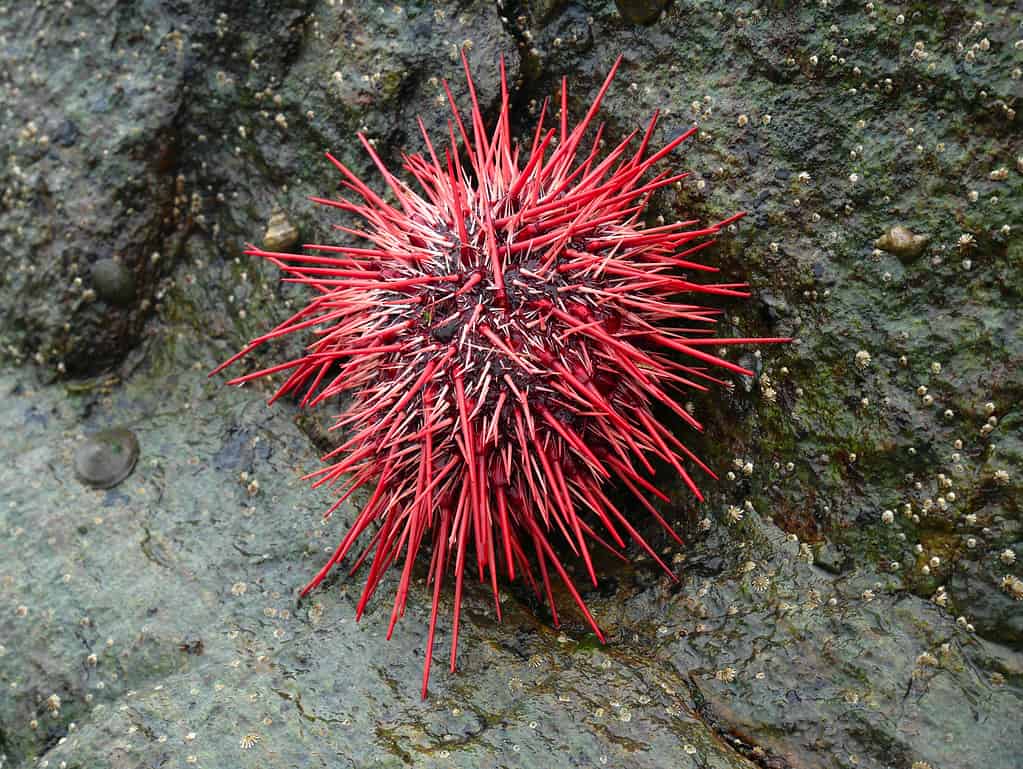
Red Sea Urchin (Mesocentrotus franciscanus)
©Extemporalist, CC0, via Wikimedia Commons – Original / License
The red sea urchin, found along the Pacific coast from Alaska to Baja California, can live up to 200 years. It grows slowly and avoids predators with its spines and low-energy lifestyle. Living in oxygen-rich, stable waters helps it avoid cellular damage. Scientists are fascinated by how urchins maintain their genetic stability into old age. Some sea urchins today were alive before Uruguay won its freedom from Brazil in 1828.
4. Rougheye Rockfish (Sebastes aleutianus)
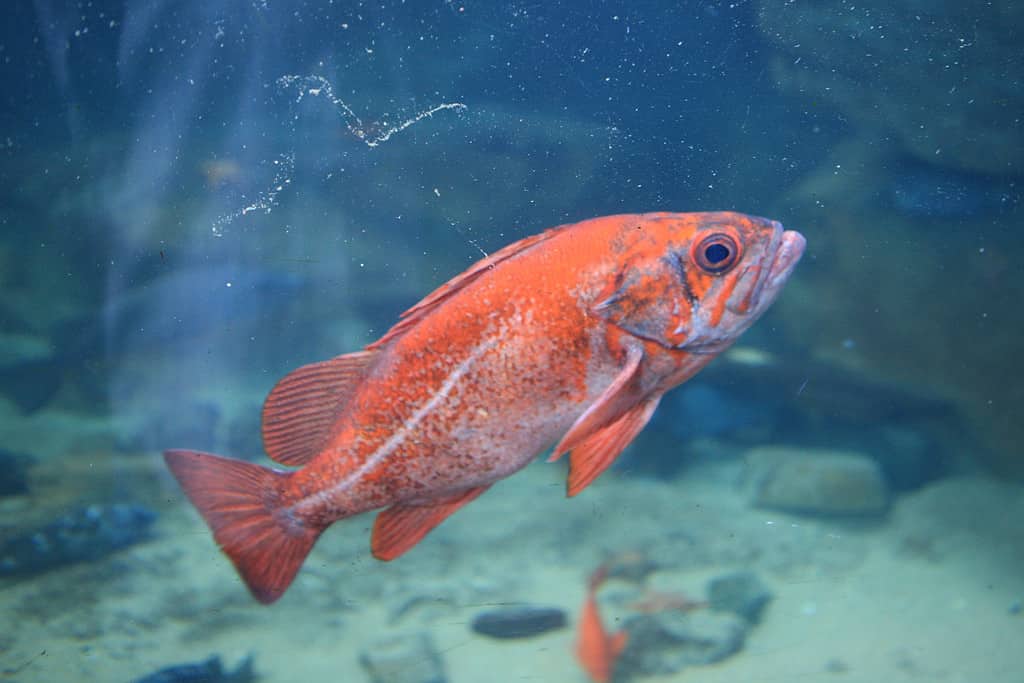
Rougheye Rockfish (Sebastes aleutianus)
©Cliff from Arlington, Virginia, USA, CC BY 2.0, via Wikimedia Commons – Original / License
The rougheye rockfish, a deepwater species of the North Pacific, can live more than 200 years. They grow slowly in the dark, cold depths, where energy demands are low. Even at advanced ages, they continue to reproduce and resist diseases that would end the lives of most vertebrates. Researchers studying their DNA believe it holds clues to slowing aging in humans. Some of these fish were born before Bolivia achieved independence from Spain in 1825.
3. Koi Fish (Cyprinus rubrofuscus)
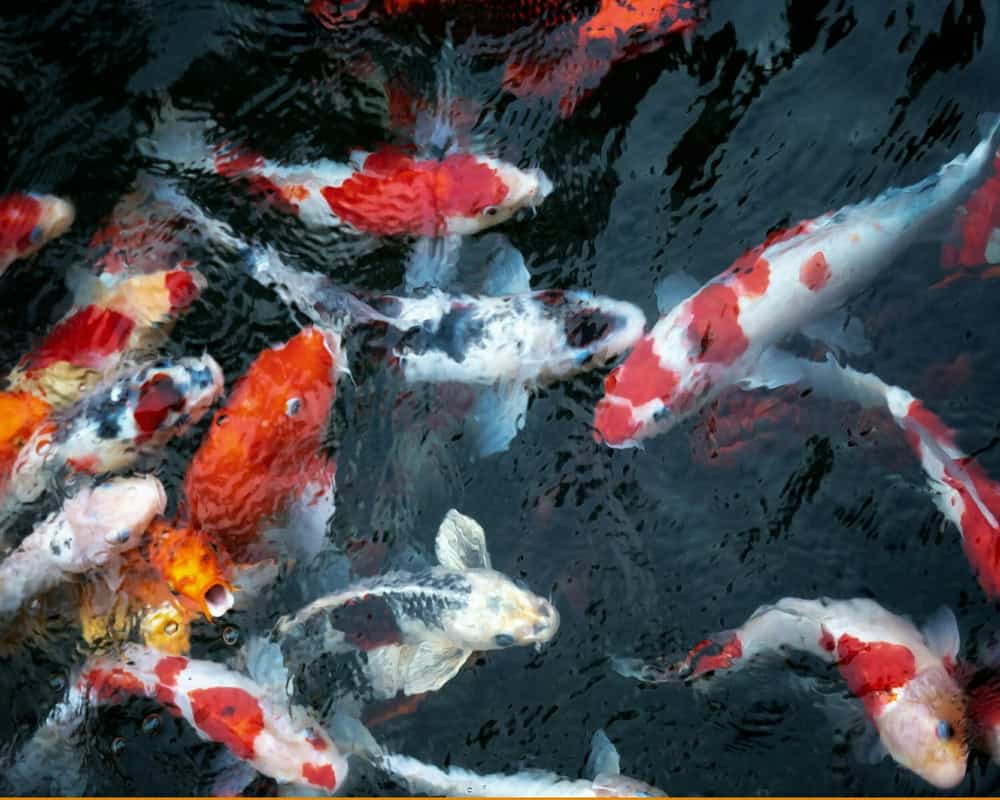
Koi Fish (Cyprinus rubrofuscus)
©Yuji Foto/Shutterstock.com
Well-known for their mesmerizing beauty and calm nature, Koi fish can live much longer than most people realize. While the average koi reaches about 40 years, a few have far surpassed that. The famous Japanese koi “Hanako” was claimed to have lived 226 years. Koi longevity is linked to clean water, steady temperatures, and low stress. Their slow metabolism helps them resist disease and aging. If Hanako’s age was accurate, she was alive when Haiti won its independence from Napoleonic France in 1804, 221 years ago.
2. Greenland Shark (Somniosus microcephalus)
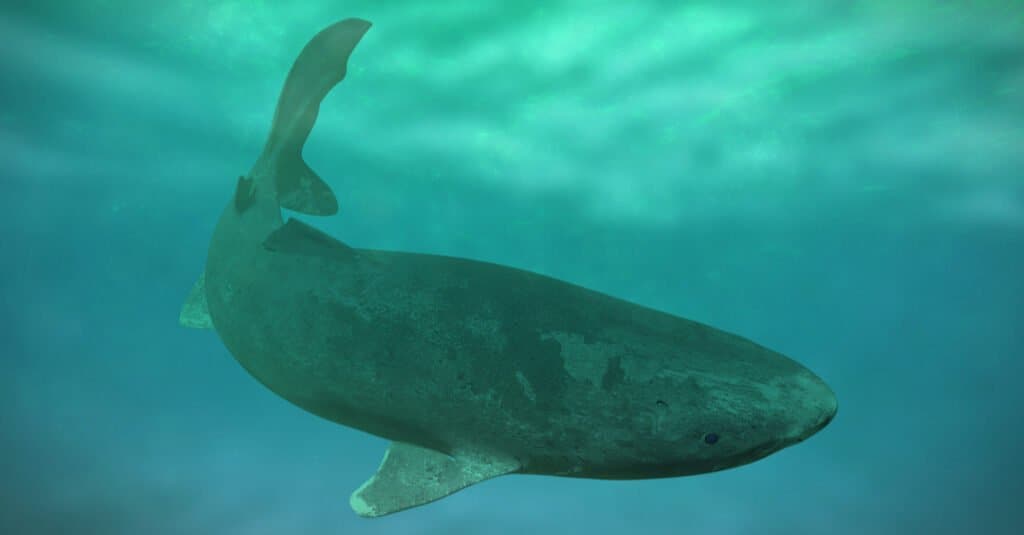
Greenland Shark (Somniosus microcephalus)
©Dotted Yeti/Shutterstock.com
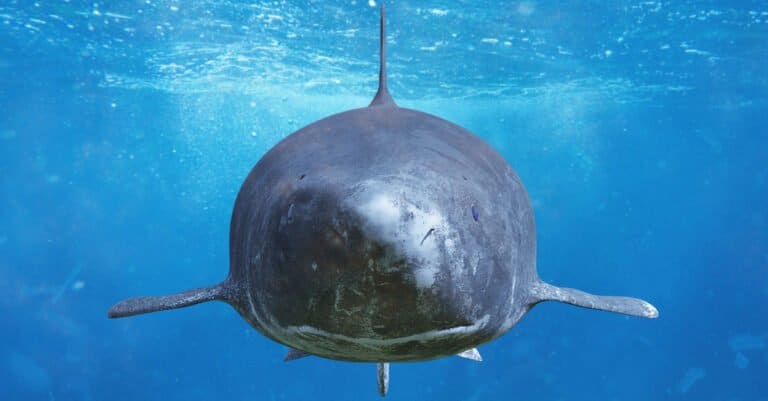
The Greenland shark holds the record for the longest-lived vertebrate, with maximum ages estimated at 400 years or more. Moving slowly through the Arctic and North Atlantic, these massive sharks grow less than a centimeter per year. Their cold environment, lack of predators, and slow metabolism nearly stop the biological clock. The oldest Greenland sharks alive today may have been born in 1625 when England had barely started colonizing North America. Since it can take 150 years for them to begin reproducing, that shark may have had its first offspring in 1776, when American independence was proclaimed.
1. Ocean Quahog Clam (Arctica islandica)
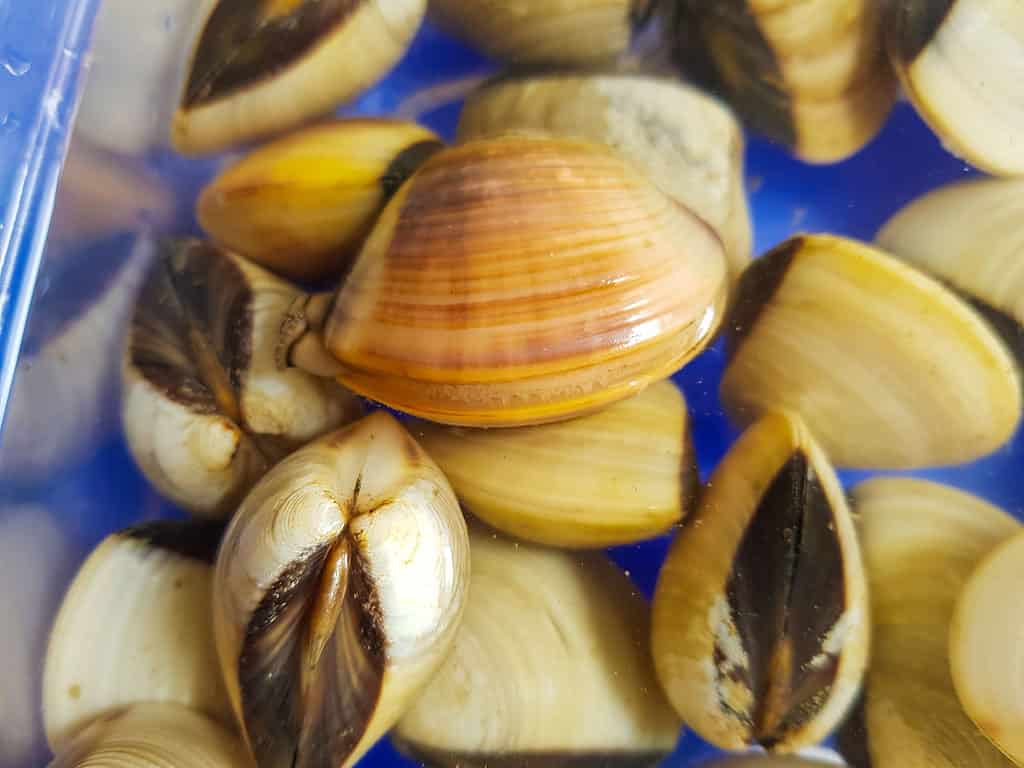
Ocean Quahog Clam (Arctica islandica)
©Lam Van Linh/Shutterstock.com
At the top of the list is the ocean quahog clam, the quiet elder of the sea. One individual, nicknamed “Ming,” was found to be 507 years old, born in 1499 during China’s Ming dynasty. These clams live buried in the cold, silty floor of the North Atlantic, where they conserve energy and avoid predators. Their slow metabolism and ability to pause growth help them escape the normal effects of aging. Their shells record centuries of ocean history in thin, yearly layers. Of the world’s modern countries, the Netherlands became independent of Spain in 1648, 377 years ago when Ming was already 130 years old.
Survival Is an Endurance Test
Across different species—birds, reptiles, mammals, invertebrates, and fish—one lesson repeats: survival is an endurance test. A long life depends not on power or speed, but on a measured, balanced pace. When life makes us anxious, there’s something reassuring about these animals that simply go about their business unbothered, quietly outlasting kingdoms, revolutions, and generation after generation of busy humankind.