
Every animal has a role to play in nature’s web. Most of the time, animals eat and are in turn eaten by others. But a rare few live almost entirely above the fray. They preside at the top of the food chain with no natural predators to fear. They’re the undisputed rulers of their ecosystems. But what gives them that kind of untouchable status? Let’s take a look at five standout species that reign supreme—and find out what makes them so formidable.
What Makes an Animal an Apex Predator?
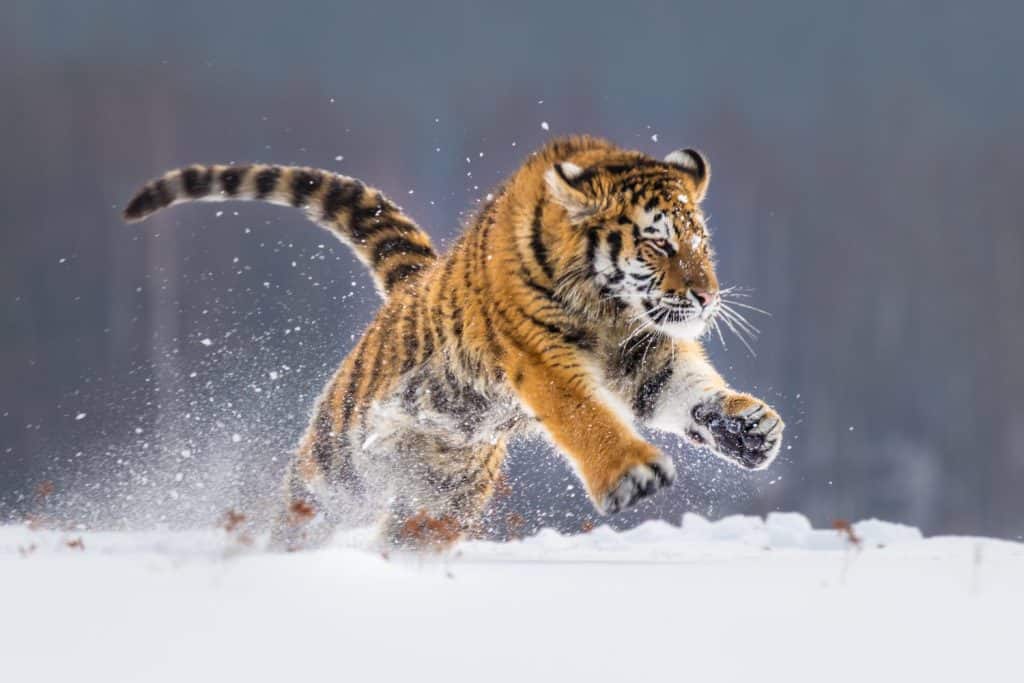
The size, strength, claws, teeth, and ferocity of a tiger often make it the apex predator in its ecosystem.
©Jan Stria/Shutterstock.com
What puts these species in a class of their own? They tend to have some combination of the following:
- Size and Strength: Being large enough to defend yourself, or too dangerous to mess with.
- Lethal Tools: Sharp teeth, claws, venom, or bone-crushing bites.
- Brainpower: They are smarter than other creatures and may even communicate with one another and work as a team.
- Specialized Habitats: Living in environments where few other creatures can survive—like the Arctic or remote islands—means less competition and fewer threats.
Even these predators are not safe all the time. The young, the old, the sick, or the injured are vulnerable to other carnivores, even those much smaller than themselves. Ultimately, no one escapes the circle of life. Here are five examples of apex predators you don’t want to mess with, in the sea, on land, or in the sky.
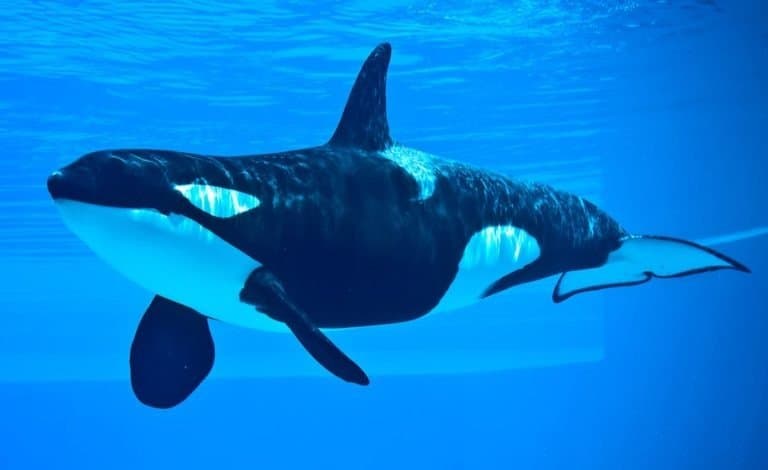
Orca (Orcinus orca)
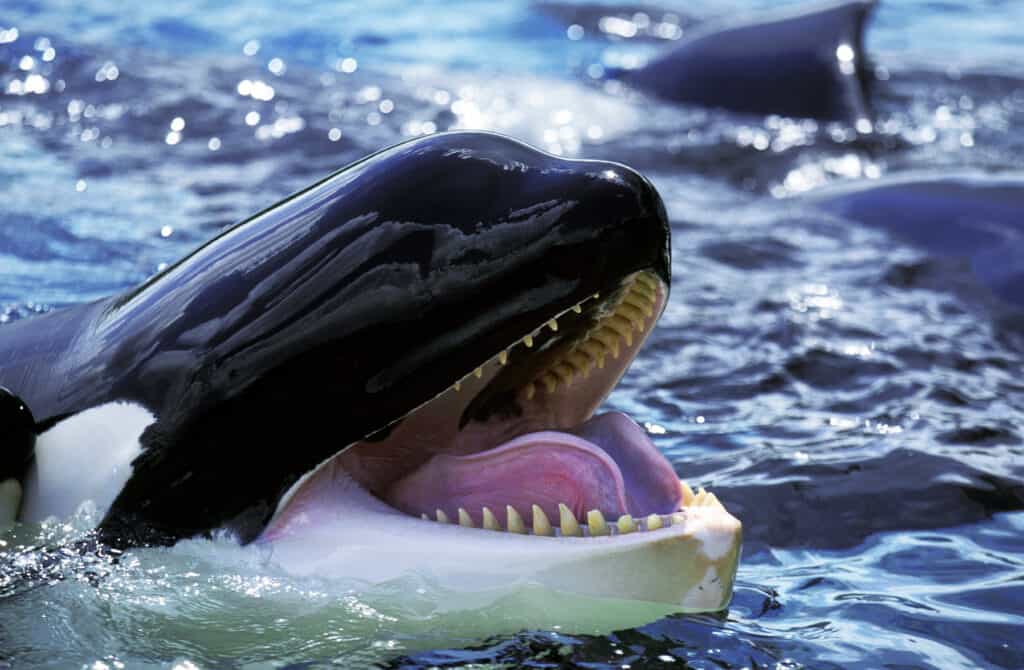
Orcas are unbeatable individually, but they multiply their advantages by working together.
©slowmotiongli/Shutterstock.com
- Size and Weight: Up to 32 feet long; up to 6 tons
- Prey: Fish, squid, seals, sea birds, dolphins, and even large whales
- Habitat and Range: All oceans; most common in colder waters like the North Pacific, North Atlantic, and Antarctic
- Human Fatalities: 0 in the wild; 4 in captivity. Captive orcas have killed trainers—wild orcas have not killed anyone.
- Conservation Status: Data Deficient globally, but some regional populations are endangered.
The orca, or killer whale, is a top-tier predator with no animal bold enough to challenge it in the seas. Their immense size alone is an intimidating deterrent. Adults are as long as 2 full-size cars, weigh as much as 4 cars, and have a dorsal fin 6 feet tall, about the height of an adult man.
Orcas are fast, agile, and frighteningly smart. They’re armed with powerful jaws full of sharp teeth. And to make matters more terrifying, they move in tight-knit pods that coordinate take-downs of seals, fish, squid, and even whales vastly larger than themselves. Their ability to strategize, communicate, and adapt makes them oceanic tacticians with almost no weaknesses in the wild.
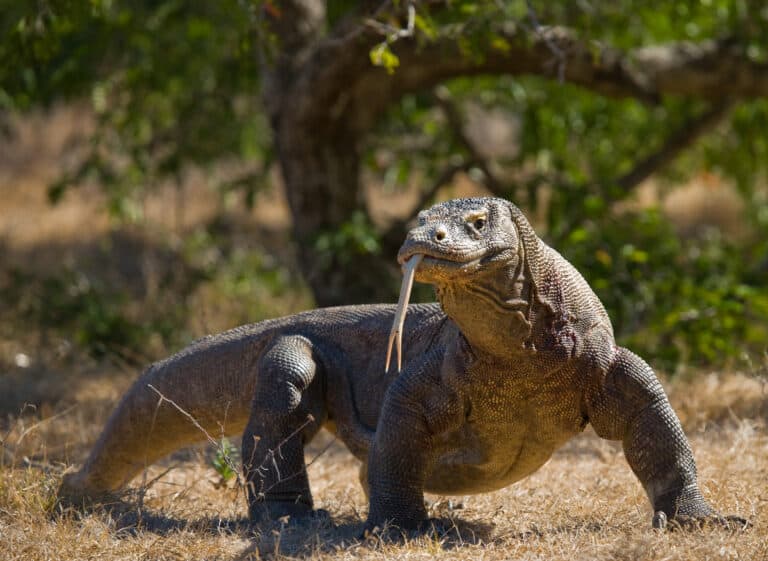
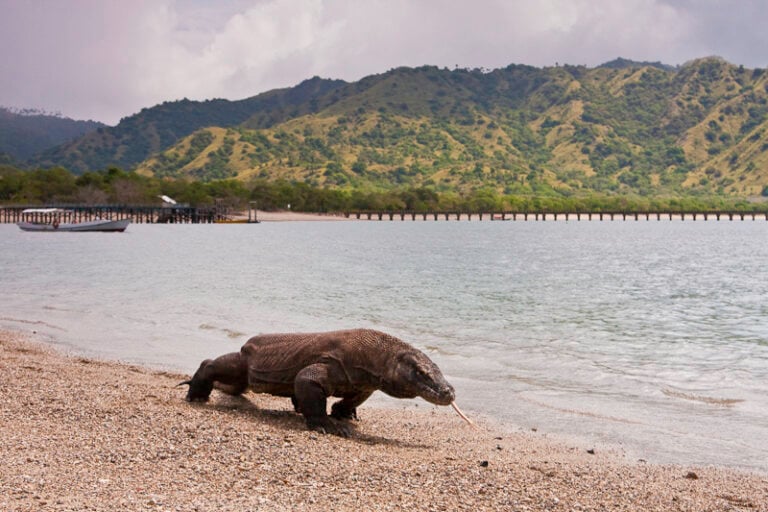
Komodo Dragon (Varanus komodoensis)
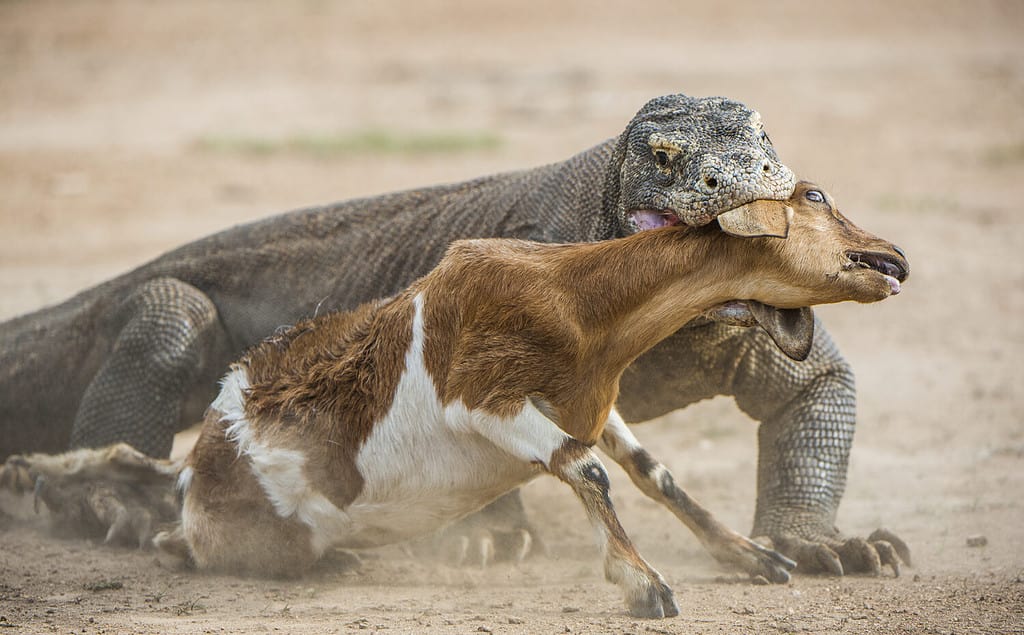
- Size and Weight: Up to 10 feet long; up to 150–200 pounds
- Prey: Deer, pigs, water buffalo, carrion, and smaller Komodo dragons
- Habitat and Range: Restricted to five Indonesian islands—Komodo, Rinca, Flores, Gili Motang, and Padar
- Human Fatalities: ~1 every few years in the wild; at least 1 in captivity
- Conservation Status: Endangered (IUCN)
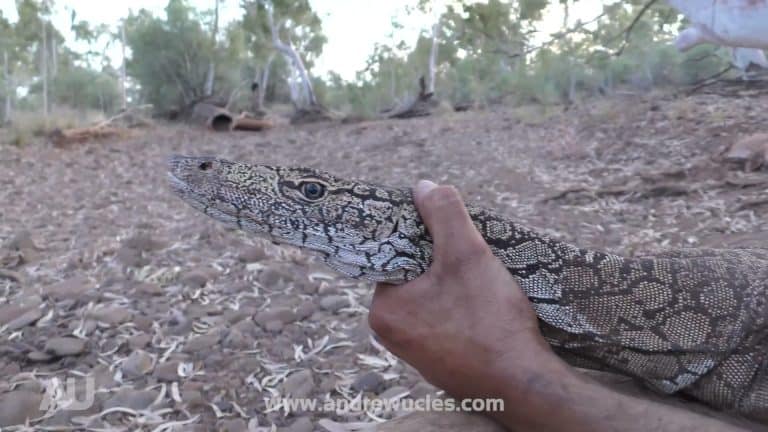
On a handful of Indonesian islands lurks the largest living lizard on Earth. The Komodo dragon is as long as a sofa and weighs as much as an adult human. With more than 60 jagged teeth and venom that causes shock, rapid blood loss, and infection, a single bite can be fatal. The Komodo dragon’s thick, scaly armor and slow-burning venom make it a nightmare to fight. It doesn’t chase prey so much as it lets them bleed out. Adult dragons have no natural enemies, though hatchlings may fall victim to birds or even other Komodos.
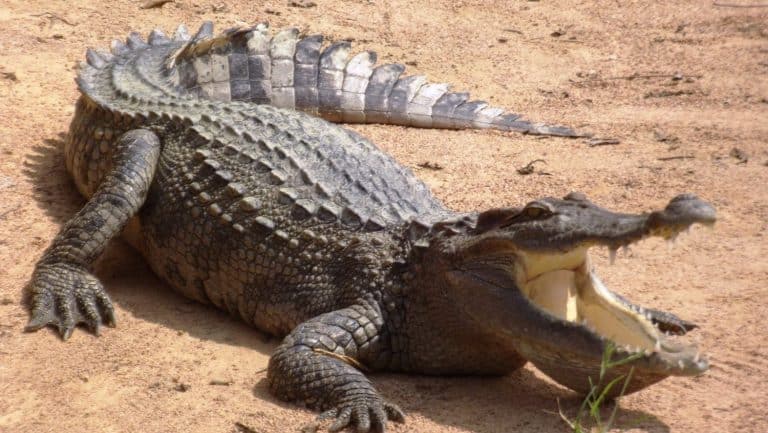
Nile Crocodile (Crocodylus niloticus)
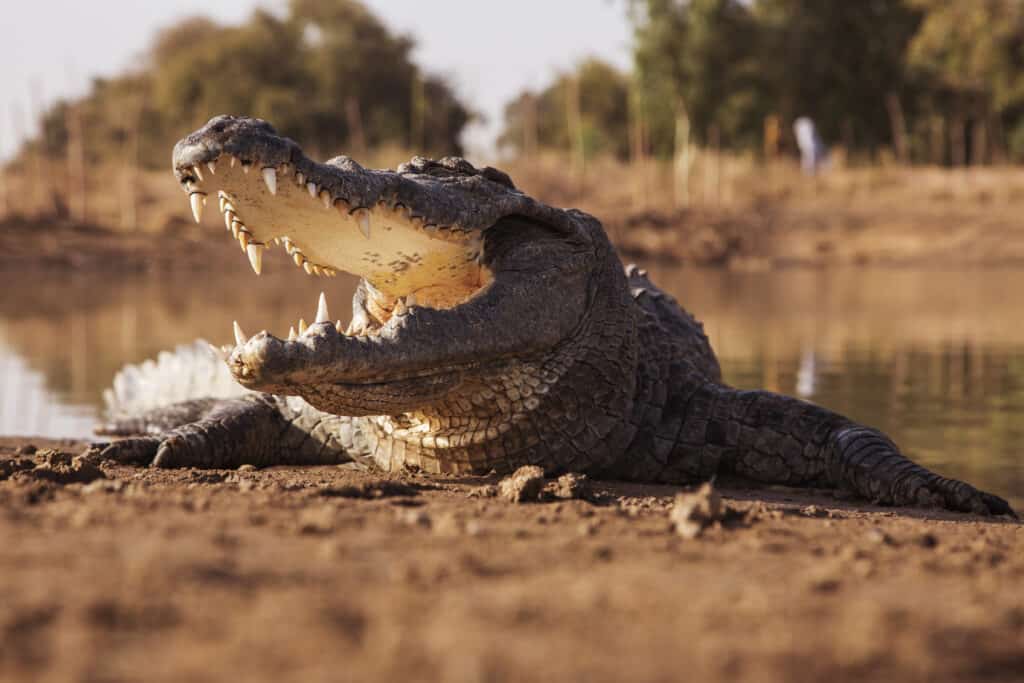
A Nile crocodile on an African river bank.
©StanislavBeloglazov/Shutterstock.com
- Size and Weight: Typically 11–16 feet long; up to 1,600 pounds
- Prey: Fish, birds, antelope, zebra, wildebeest, buffalo, and occasionally young hippos
- Habitat and Range: Freshwater rivers, lakes, and wetlands across sub-Saharan Africa
- Human Fatalities: 200–500+ annually in the wild; several in captivity
- Conservation Status: Least Concern (IUCN); locally threatened by habitat loss and poaching
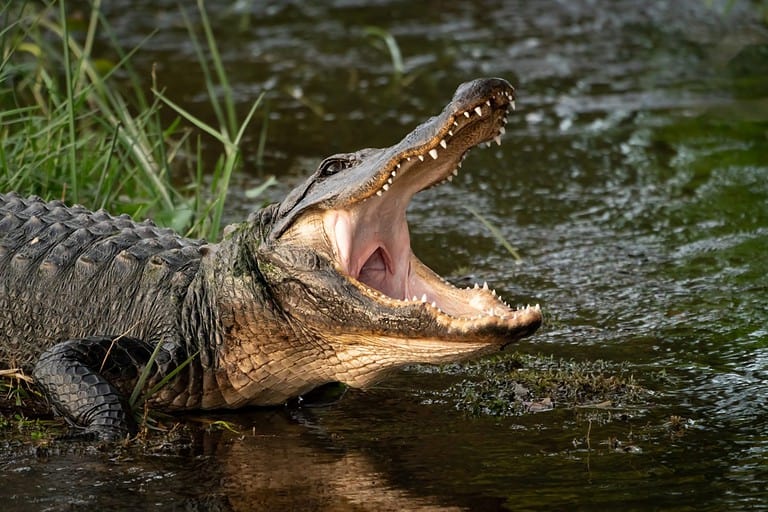
In the rivers and wetlands of sub-Saharan Africa, the Nile crocodile is a prehistoric force of nature. As long as a minivan, this monster has jaws strong enough to crush bone. They’re capable of taking down nearly anything they encounter—zebra, wildebeest, birds, even large mammals like buffalo. Their ambush tactics—lurking just below the surface before launching into a surprise attack—leave little room for escape. And their defenses are nearly insurmountable; adult Nile crocodiles are protected by a thick coat of armored scales and backed by incredible muscle power.
Polar Bear (Ursus maritimus)
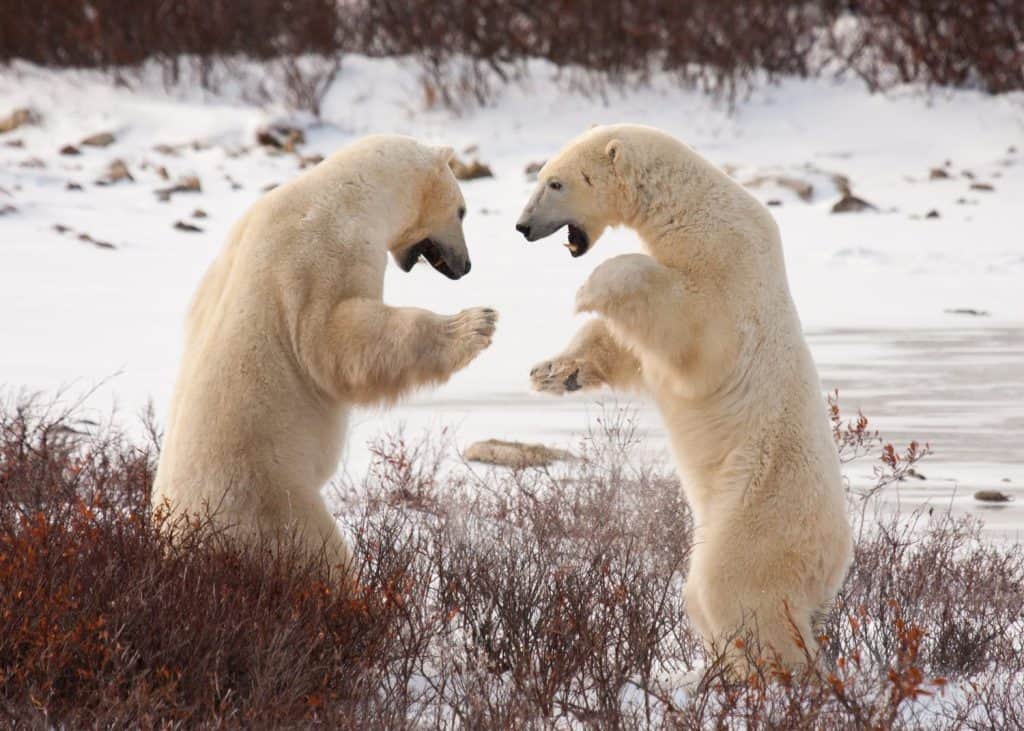
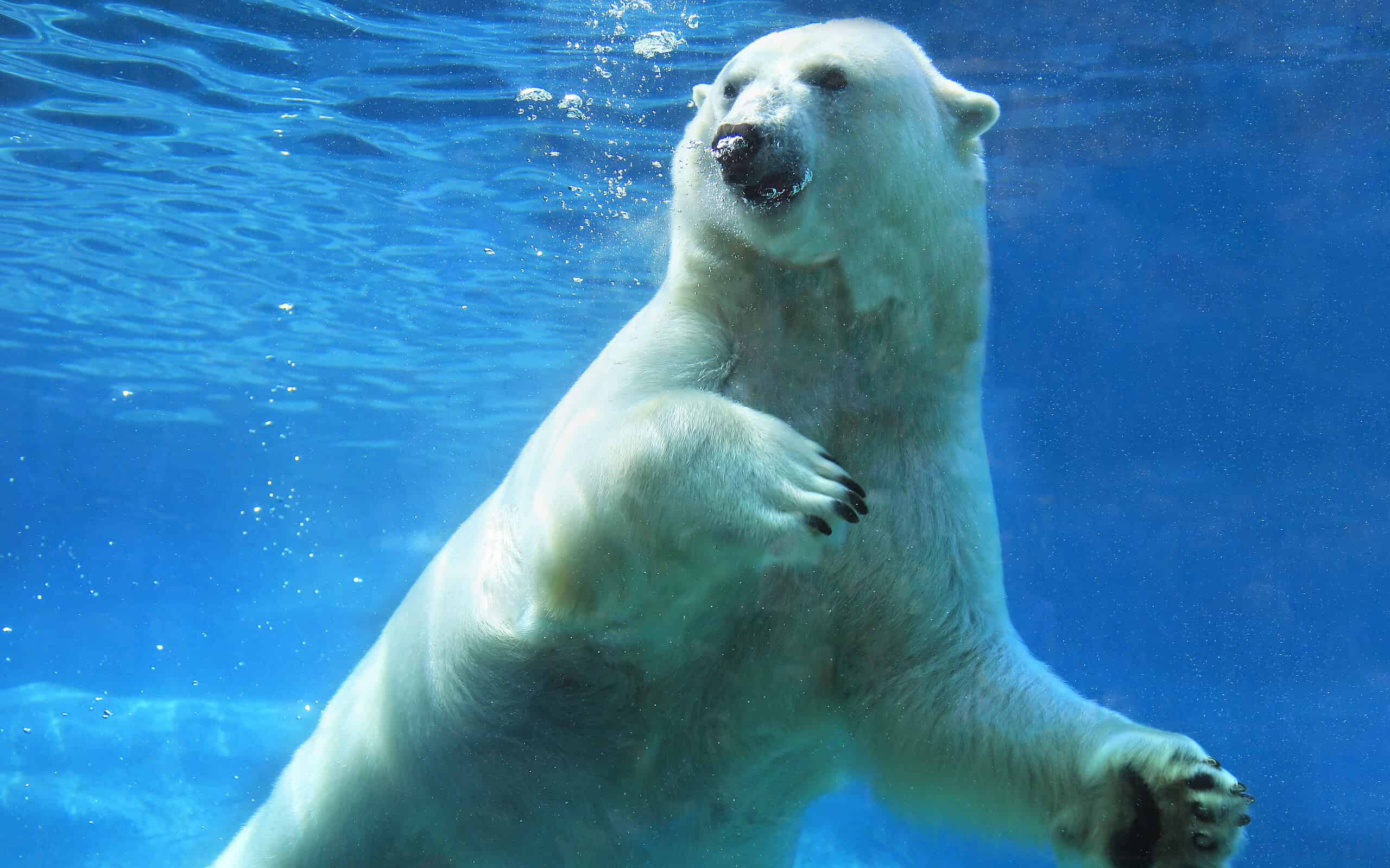
Polar bears stand as tall as a basketball hoop!
©Green Mountain Exposure/Shutterstock.com
- Size and Weight: Up to 8–10 feet long; 900–1,600 pounds
- Prey: Seals (especially ringed and bearded seals), walrus calves, and marine mammal carcasses
- Habitat and Range: Arctic sea ice across Canada, Alaska, Russia, Greenland, and Norway (Svalbard)
- Human Fatalities: Fewer than 1 per year in the wild; a few in captivity. Most incidents involve zookeepers or remote explorers.
- Conservation Status: Vulnerable (IUCN); major threats include climate change and habitat loss
Polar bears are Arctic giants—the largest land carnivores alive today. Standing as tall as a basketball hoop, with paws the size of dinner plates and claws as long as fingers, they’re built for the ice. Thick fur, layered fat, and powerful limbs make them stealthy seal hunters and nearly impossible to challenge. In the remote Arctic, they face few natural enemies—but climate change is a growing threat. As sea ice disappears, polar bears are forced to spend more time on land, but terrestrial foods like reindeer and bird eggs do not provide enough nutrition to sustain them. They remain dependent on seals.
Bald Eagle (Haliaeetus leucocephalus)
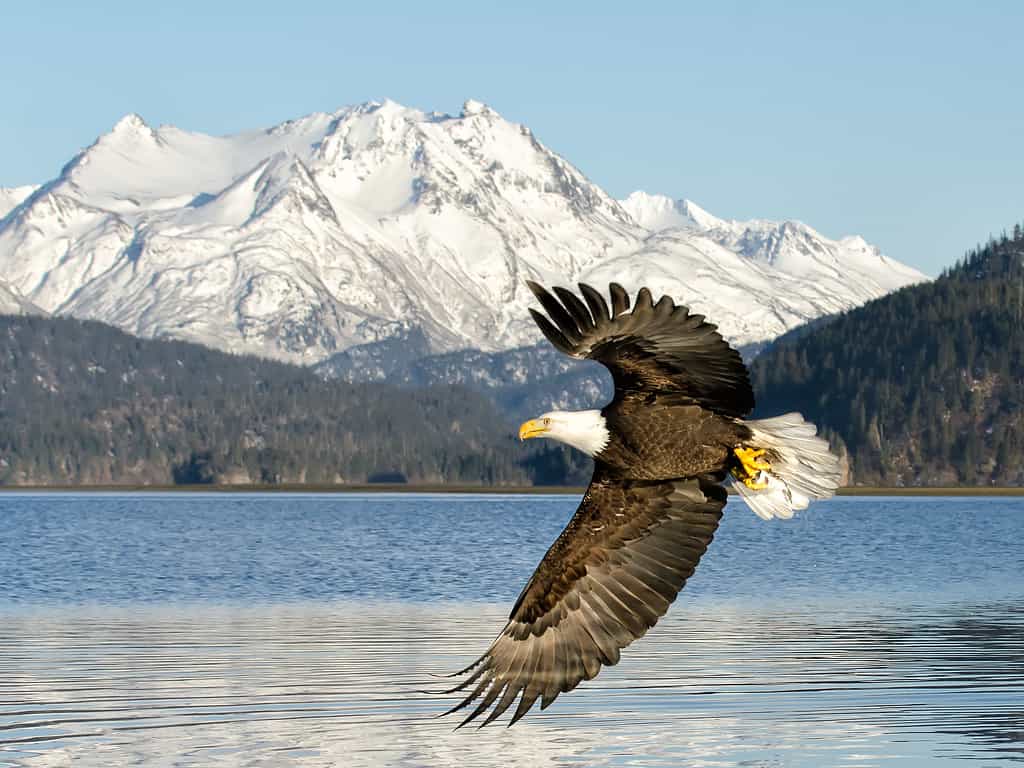
A Bald Eagle flying with the backdrop of Alaska’s Grewingk glacier.
©iStock.com/Kandfoto
- Size and Weight: Wingspan up to 8 feet; weighs 6.5–14 pounds
- Prey: Fish, waterfowl, small mammals, carrion; often steals food from other birds
- Habitat and Range: Near rivers, lakes, and coastal areas throughout North America, especially the U.S. and Canada
- Human Fatalities: 0 in both wild and captivity
- Conservation Status: Least Concern (IUCN); removed from U.S. Endangered Species List in 2007 after strong recovery
The bald eagle rules the skies of North America with a mix of precision and power. Armed with curved talons and a hooked beak, they hunt fish, waterfowl, and small mammals—and often steal from other birds mid-flight. With a wingspan that can reach eight feet and eyesight sharp enough to spot prey from hundreds of feet away, they’re masters of aerial control. While eggs and chicks face some natural predators, full-grown bald eagles are rarely challenged.
Hippos: Close But Not Quite
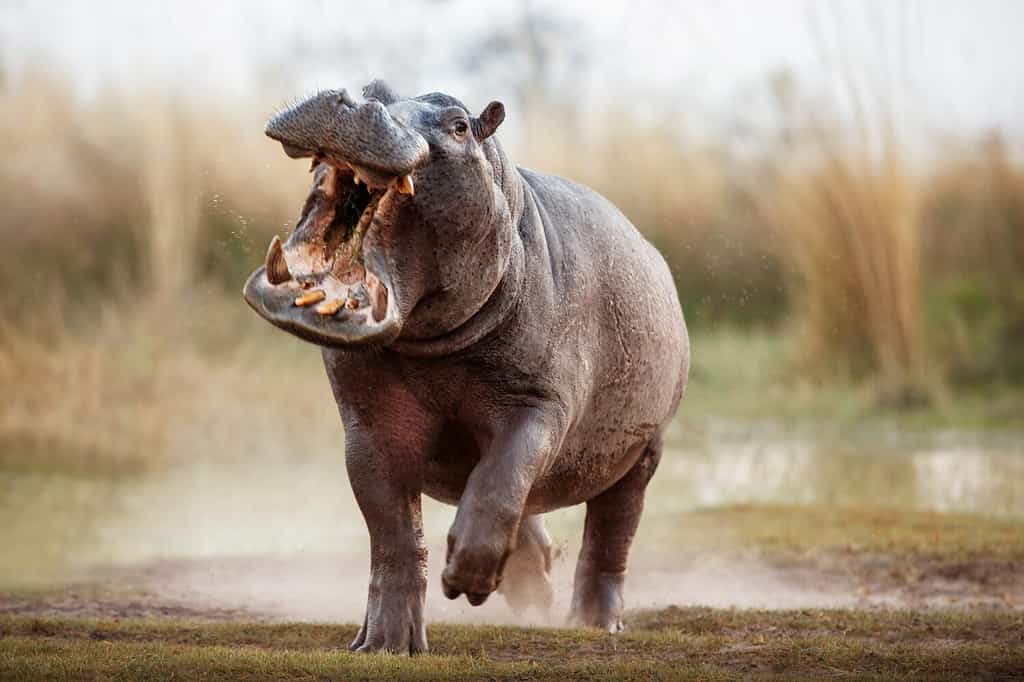
Hippos don’t hunt and prey on people, but they are territorial and will kill them on land or in the water if they get too close.
©PhotocechCZ/Shutterstock.com
Hippopotamuses may kill around 500 people a year, but they don’t qualify as apex predators. They’re herbivores, not hunters, and their aggression stems from territoriality—not predation. While adult hippos face few threats, calves can be taken by lions, crocs, or hyenas, and even adults aren’t untouchable. Powerful as they are, hippos don’t belong alongside true apex predators like orcas or polar bears.
Humans: The “Apex-iest” of Apex Predators
Humans are biologically animals, but ecologically, we stand apart. Early on, we rose to the top of the food chain—not through strength or speed, but through intelligence, tools, cooperation, and the ability to accumulate and pass on knowledge across generations. No species hunts us routinely, which makes us apex predators by definition. Our power lies in strategy and innovation—cities, fire, language, and global systems. In the end, we’re the “ape-x-iest” of apex predators—and often our only real threat is ourselves.
Will AI Become the New Apex Predator?
If anything could end the reign of humans at the top of the food chain, it could be Artificial Intelligence, which is increasingly becoming part of every aspect of our lives. AI doesn’t hunt or eat, but its speed, memory, and problem-solving outmatch any biological predator. Unlike animals, it doesn’t tire or forget—and that makes it powerful. If humans maintain control over AI as a tool, it could extend our dominance across Earth and even into space.
On the other hand, if it slips beyond our control, AI could pursue a single-minded quest for self-improvement and overcoming obstacles to its own growth. This could harm us, not out of malice (a human emotion), but robotic indifference. So the real danger isn’t a machine that hates us—it’s one that just doesn’t care. If AI does become predominant, humans may discover a feeling they haven’t had on a wide scale since prehistoric times: being not the predator, but the prey.