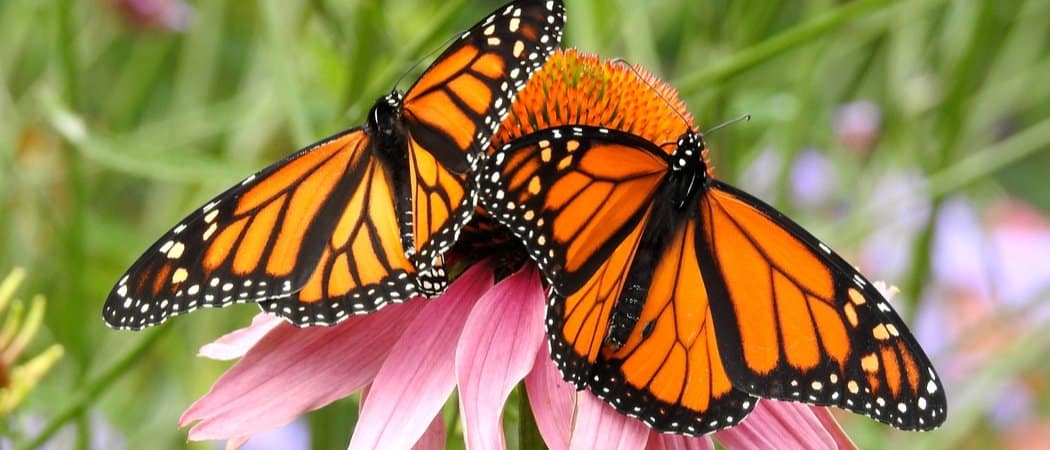

Certain animals’ instincts drive them to make arduous, dangerous, and incredible treks in search of food, water, or better weather – sometimes solo, but often in groups. These travels are known as migrations. Depending on the species, these remarkable migrations may take place once in several years or every day. Some animals travel thousands of miles, even spanning much of our planet! Certain animals make multiple migrations in their lifetime; for others, migrations are a one-way trip. Keep reading to learn more about the largest, longest, and most incredible animal migrations on planet Earth.
This post was updated on October 6, 2025 to clarify average migration vs. maximum distance, the type of fruit bat engaging in the Kasanka National Park migration, the gray whale diet, wildebeest etymology, and the lakes at which lesser flamingoes migrate to reproduce.
10. The Arctic Tern: Longest Flight Migration
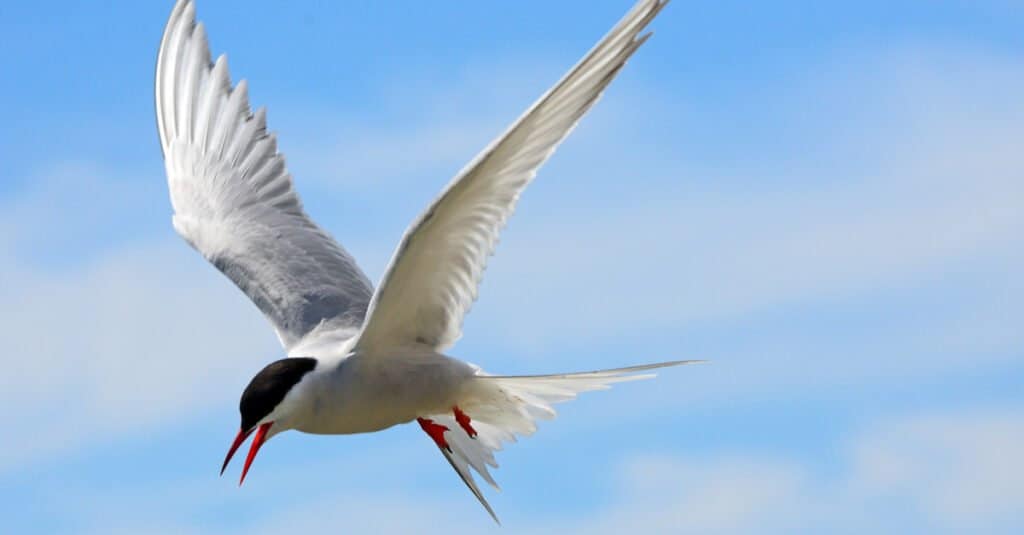
The Arctic tern is so famous for its migration distance, it has earned the nickname “the champion of migration.”
©Attila JANDI/Shutterstock.com
A seabird or gull known as the Arctic tern makes the longest migration of any animal – nearly from the top of our planet to the bottom of it. An Arctic tern flies around 25,000 miles per year on average (some individuals fly up to 44,000 miles) as it travels from Greenland to Antarctica and back. If a tern reaches its maximum lifespan of 30 years, it will have flown more than 1 million miles (2.4 million km) in migration.
Why does the Arctic tern make this annual trek? Its breeding grounds are in Greenland, and they spend their summers there, raising young. As winter nears in the north, the small birds – weighing only about 4 oz – then travel south to spend the northern winter in the warm season at the bottom of the world.
9. Caribou: The Longest Land Migration
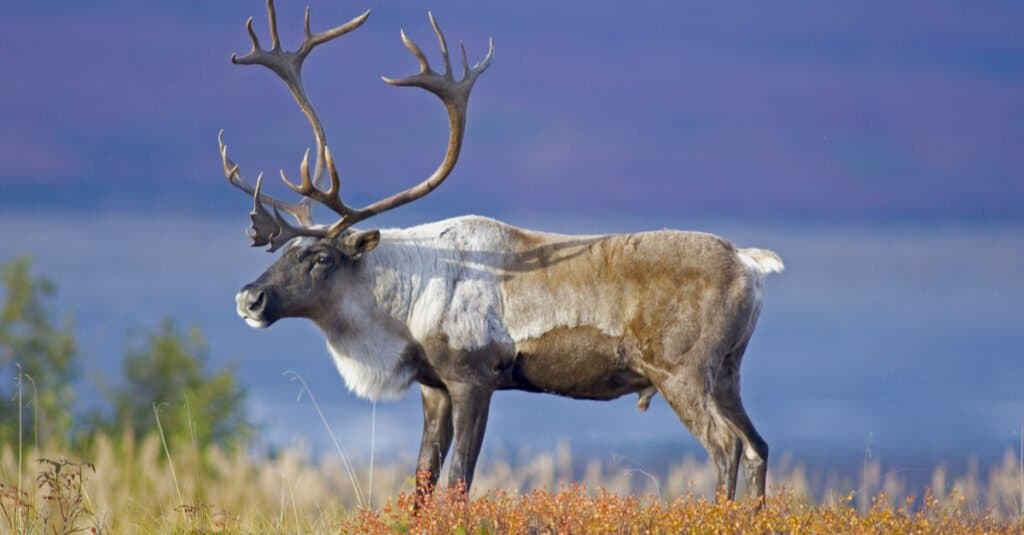
Larger herds of caribou are more likely to travel farther distances during migration, while smaller herds are more likely to travel shorter distances.
©Jeff McGraw/Shutterstock.com
Caribou or reindeer are deer-like animals. Caribou herds migrate up to 840 miles (1,350 km) between summer and winter ranges, which is the longest overland migration of any terrestrial mammal. The trek takes about 3 months.
Interestingly, large herds of caribou typically travel farther than smaller herds. Another interesting aspect of this migration is that the caribous’ primary predators – grey wolves – keep pace with the prey animals. That means that the wolves make this great migration, too!
8. Fruit Bat: The Most Numerous Single-Species Migration
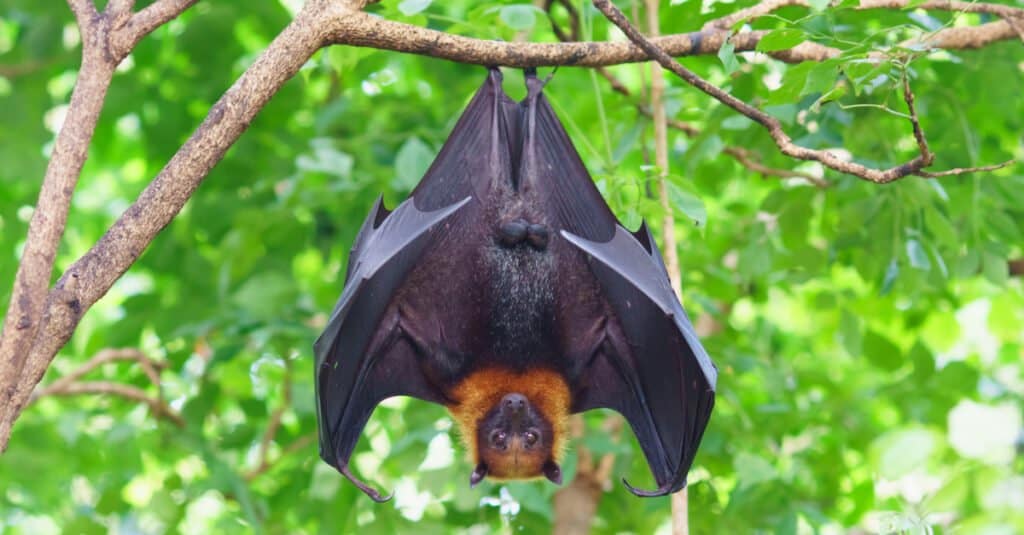
Around 10 million fruit bats travel within Africa’s Congo Basin to Kasanka National Park in Zambia every year.
©jekjob/Shutterstock.com
In Northern Zambia lies a small evergreen swamp forest, just over the size of three football fields, in Zambia’s Kasanka National Park. Each year, between October and December, this forest comes alive with more than 10 million fruit bats. This event marks the world’s largest mammal migration by number of individuals.
The African straw-colored fruit bats or flying foxes journey in search of exotic fruits: mangoes, red-milkwood berries, water berries, and loquats.
This migration does more than fill the bellies of the bats, however. As they head back home, they excrete the seeds of the fruit they have eaten in their guano. This rejuvenates forests with new growth.
7. Gray Whale: the Longest Mammal Migration
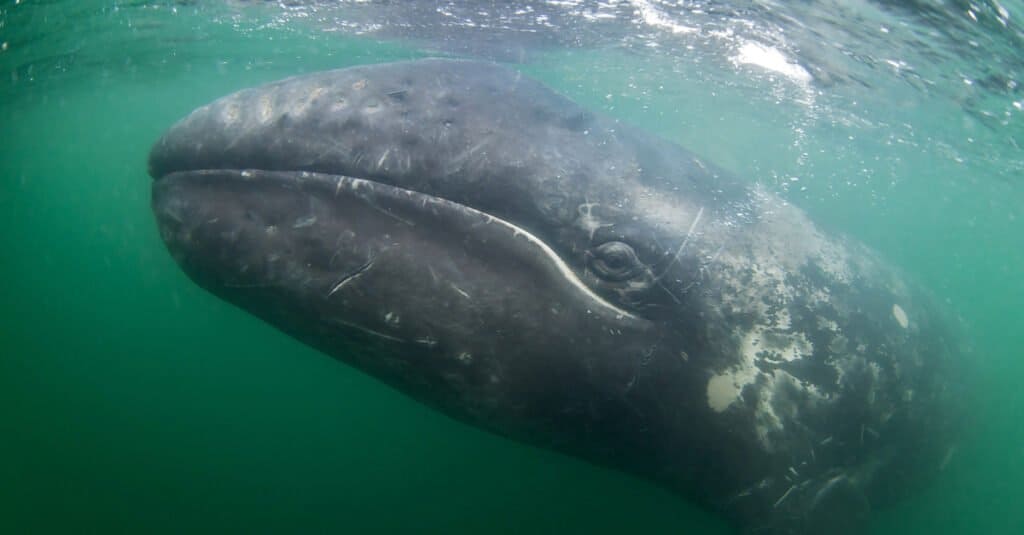
Grey whales face a number of threats on their migration route, including being struck by vessels and getting tangled in fishing gear.
©Alexander Machulskiy/Shutterstock.com
Of all mammal migrations on the planet, the gray whale is responsible for the longest in distance traveled, journeying 12,000 miles round-trip. Each spring, they migrate north to feed on small crustaceans in Arctic waters, then return south in the fall to reproduce in warmer waters. Threats they can encounter on their long journeys include being struck by sea vessels or getting tangled in fishing gear.
In 2015, an eastern gray whale set a new migration record – it was tracked as it traveled 13,988 miles! The journey began in Russia, took the whale to Mexico, then back home to Eurasian waters. This exceeded a nearly 12,000-mile trip made by a humpback whale in 2011.
6. Salmon: The Most Athletic Migration
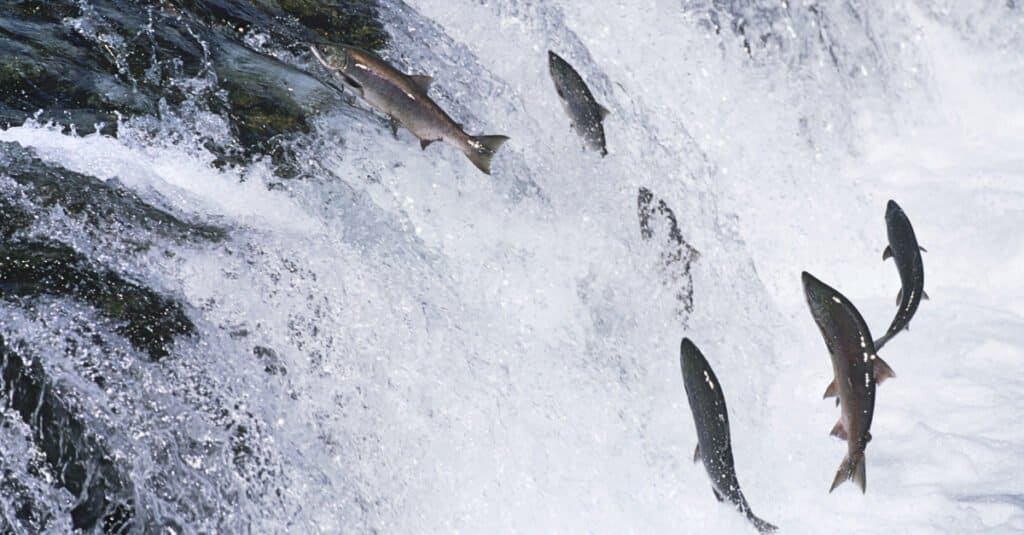
In the open ocean, salmon use the Earth’s magnetic field to guide their migration.
©sirtravelalot/Shutterstock.com
Migrating animals often face many challenges – scarce food or water, inclement weather, or staggering distances. But the salmon must overcome physical barriers in order to return to its birthplace.
Salmon spend most of their lives in the open ocean but return to the rivers of their birth in order to spawn. The fish first have to swim upstream, against the current. This requires extreme endurance. Depending on the species, salmon may travel from a few dozen miles to over 1,000 miles upriver, leaping waterfalls and rapids along the way.
In order to scale the falls, the salmon leap out of the water. Often, they must try time and again before successfully making it to the top of the falls. Additionally, predators such as bears often wait at these leap-points known as “salmon runs”, grabbing mouthfuls of fish.
5. Humpback Whales: The Fasting Migration
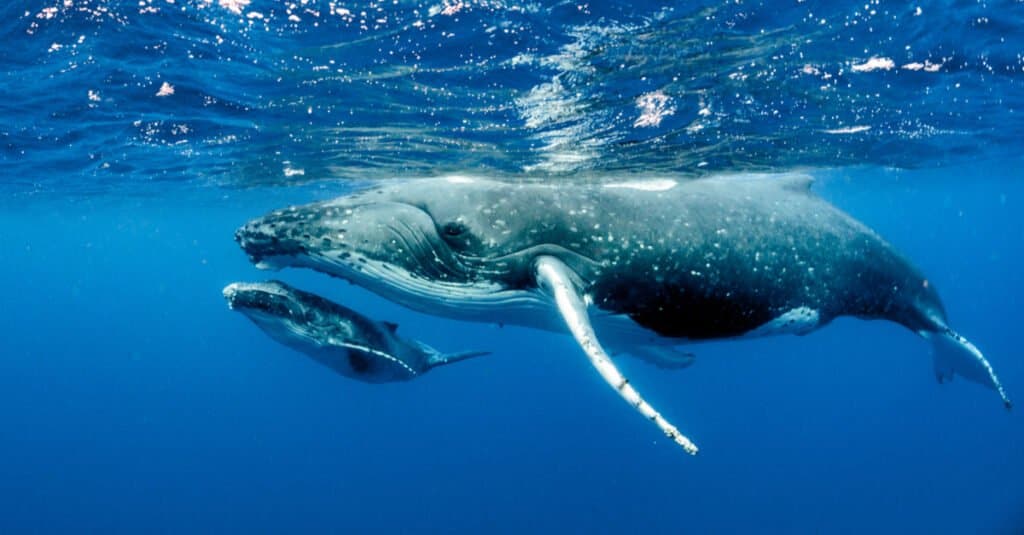
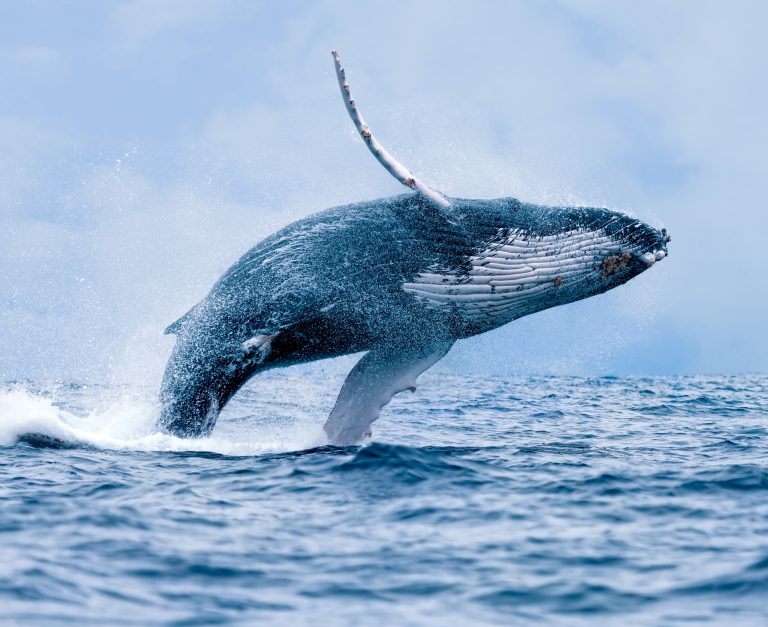
Each winter, as many as 10,000 humpback whales travel from Alaska to Hawaii. This incredible migration starts in November and lasts until around May.
©Imagine Earth Photography/Shutterstock.com
Until recently, the humpback whales‘ migration was considered the longest mammal migration. While the distance of nearly 6,000 miles round-trip has been surpassed by that of the gray whale, humpback migrations are unique for another reason – the adult whales don’t eat for months at a time.
Humpback whales feed on some of the smallest animals – vast schools of tiny shrimp called krill in the waters around Antarctica. But they swim to warmer waters to give birth and raise their young. During this time, the adults do not feed, but they live on fat reserves. When they return to colder waters, they gorge themselves to replenish these stores.
4. Wildebeest: The Most Famous Migration
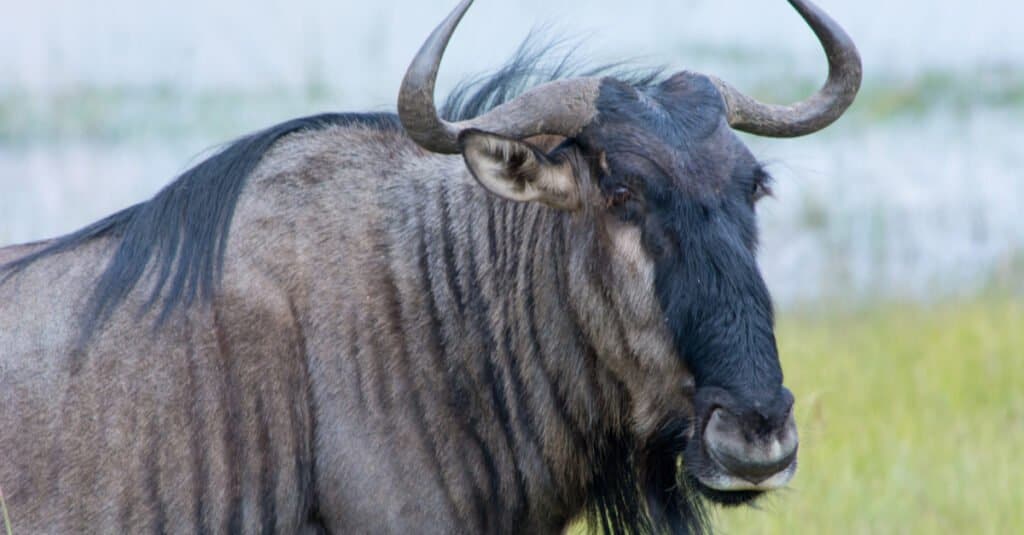
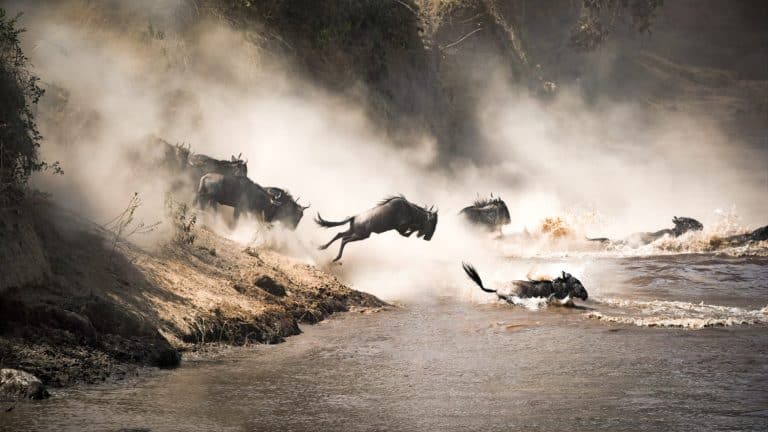
The Wildebeest’s migration is largely driven by the rains.
©Kristof Bellens/Shutterstock.com
Who could forget the iconic scene from Disney’s The Lion King, when a herd of wildebeest stampede through a canyon? This event was based on the real-life migration of the wildebeest, who can run up to speeds of 50 miles per hour while sporting horns around 33 inches long! The name wildebeest comes from Dutch/Afrikaans, meaning ‘wild beast.’
These wild bovine-like antelopes participate in perhaps the largest terrestrial migration in terms of sheer numbers. The Serengeti-Mara migration involves about 1.3–1.5 million wildebeest, plus zebras and gazelles. They travel between 500- 1,000 miles per year, searching Kenya and Tanzania for food and water. Baby wildebeest born along the way are able to take up the journey just minutes after birth.
3. Flamingo: The Irregular Migration
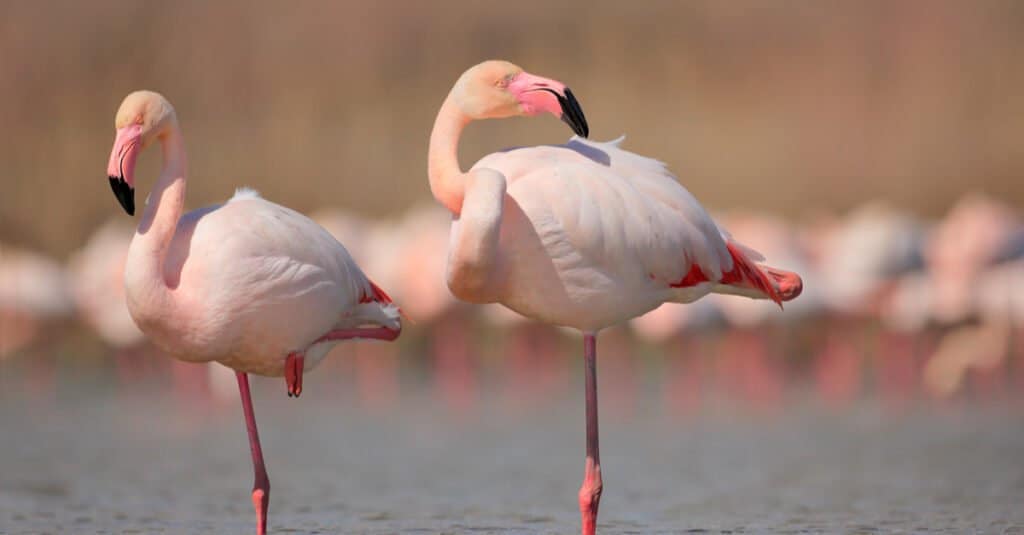
When flamingos migrate, they typically do so at night, preferring to fly with a cloudless sky and favorable tailwinds.
©Ondrej Prosicky/Shutterstock.com
Flamingos are not generally considered migratory birds. Africa‘s lesser flamingos, however, infrequently make a regional trek.
East Africa’s soda lakes, Lake Natron in particular, is what draws these birds into flight. Torrential rains can revive the salt pan – the dry bed of an ancient lake – along with the dormant algae it once supported. “Triggered by some unknown signal,” as documentary narrator David Attenborough once described it, the lesser flamingos flock to the lake. These conditions only occur about once every 10 years.
The flamingos feed on the algae, breed, and lay eggs on an island. By the time the chicks hatch, the water in the birds’ breeding ground has largely dried up. They need fresh water to drink, so they must travel. The chicks, guided by their parents, must make a different type of migration – on land and on foot, for distances of up to 20 miles (50 km), a remarkable journey for birds so young. The young skitter along the ground in a long line in a trip that may last for days.
2. Monarch Butterfly: Multigenerational Migration
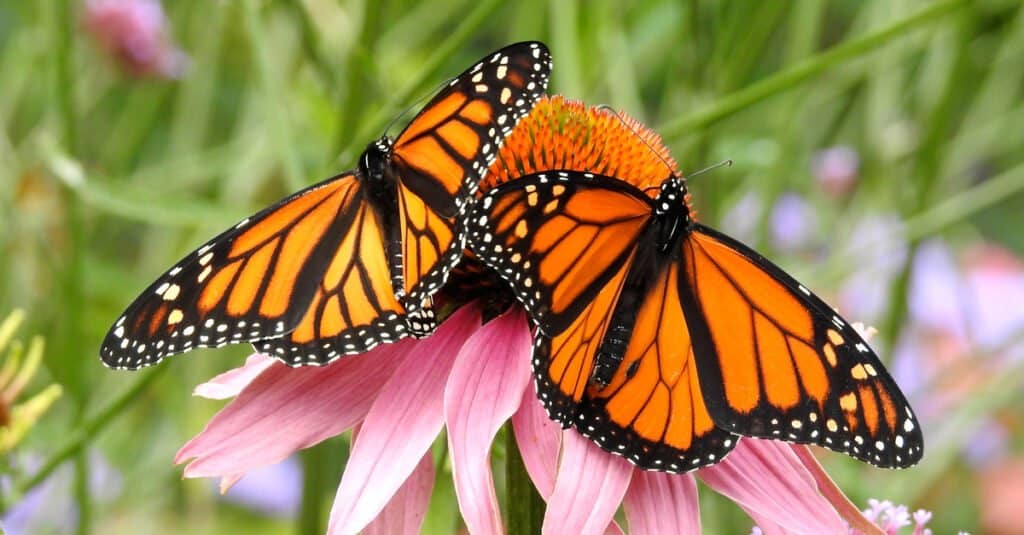
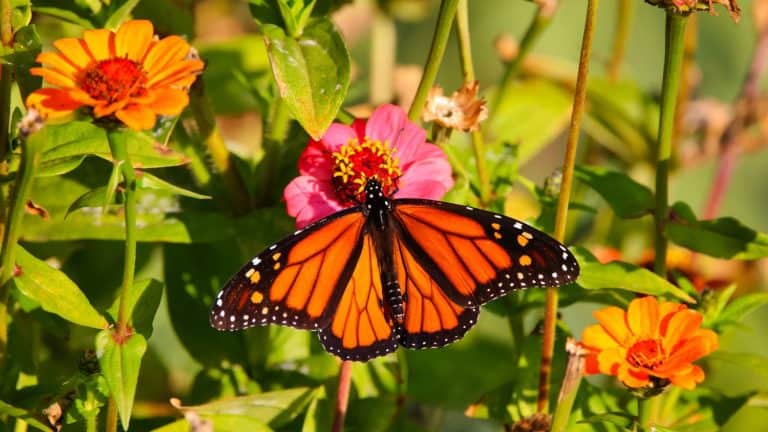
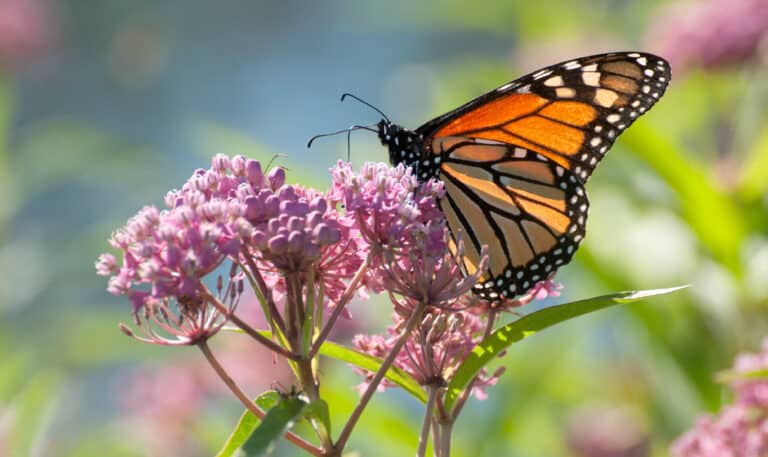
Much like birds so, the monarch makes a two-way migration — and it’s the only butterfly known to do so. Using environmental cues, the monarchs know when it is time to travel south for the winter.
©Kate Besler/Shutterstock.com
Delicate butterflies may not be the type of animal you recognize as a migrant. But monarch butterflies make an epic journey each year that involves more than one generation of insects.
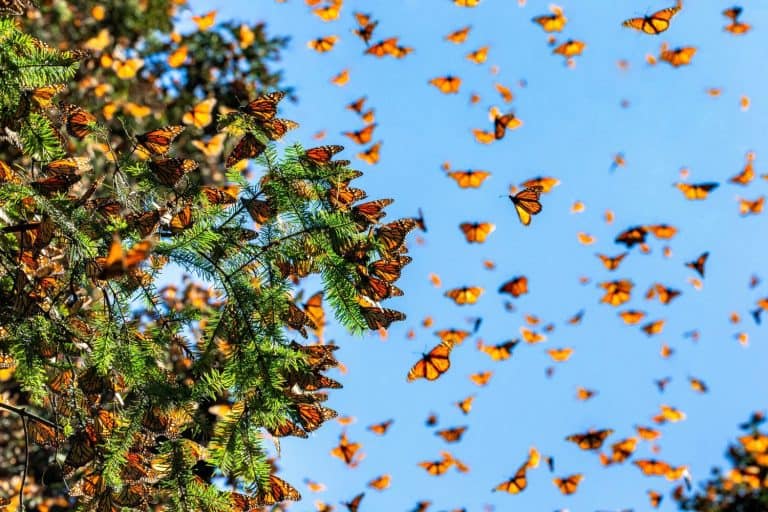
Millions of monarch butterflies leave southern Canada and the northern U.S. as the weather begins to cool. Their destination is the warm forests of Mexico. While migrating, butterflies usually travel 50–100 miles per day. The entire journey is about 3,000 miles (4,800 km).
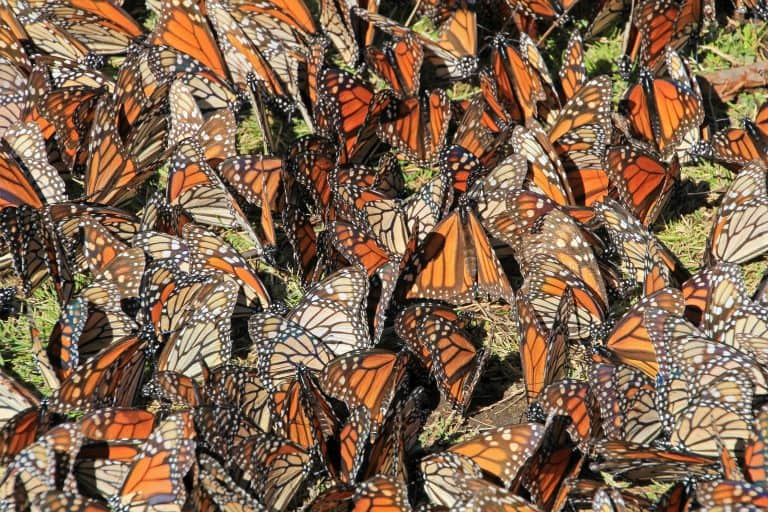
The butterflies then congregate in fir forests, dangling from the trees and each other. The millions of butterflies create a stunning sight.
What makes this animal migration unique is that the round-trip – Canada to Mexico and back to Canada – takes longer than the butterflies’ maximum lifespan. The migrating butterflies are actually made up of four to five generations; along the way, female butterflies lay eggs on milkweed plants. The eggs hatch, the caterpillars eat, and then the mature butterflies continue on the trip started by their parents and grandparents.
Scientists still don’t know exactly how the butterflies know where to go, especially those who are born on the way. They might navigate using the position of the sun or the Earth’s magnetic field.
1. Diel Vertical Migration: The Largest and Most Frequent Migration
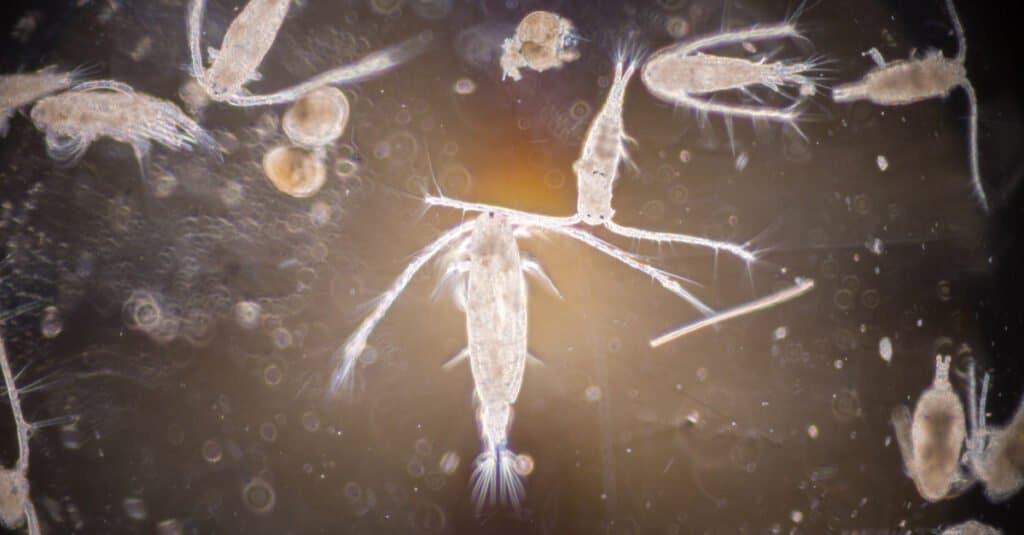
Diel vertical migration is also known as diurnal vertical migration.
©Rattiya Thongdumhyu/Shutterstock.com
The world’s largest animal migrations occur not yearly or at irregular intervals, but every single day. Every night, animals that live in the cold, lightless ocean depths begin to rise toward the surface to feed. Creatures making the migration include zooplankton, krill, small fish, and many creatures too small to be observed with the naked eye.
What is the distance of this amazing migration? The animals rise 300 to 1,000 feet. That might not sound like much, but it is a huge distance for microscopic animals and those small enough to fit in the palm of your hand, making diel vertical migration the largest animal movement on Earth by total biomass.
Why do they migrate? There is little food available in the deep ocean, but the sunlit waters near the surface are home to plankton, krill, and many other food sources. Thus, the deep-sea animals embark on the nightly journey in search of dinner.
As the sun begins to rise, the migratory sea creatures sink once again. The dark water below the level that sunlight can reach keeps them safe from visual hunters such as sea birds, salmon, and tuna.
Summary of 10 Incredible Migratory Animals
Here’s a review of 10 animals that migrate with key facts about their behaviors:
| Rank | Animal | Migratory Fact |
|---|---|---|
| 1 | Diel Vertical Migration | Largest migration from the depths of the ocean |
| 2 | Monarch Butterfly | Migration takes longer than the average life span |
| 3 | Flamingo | Will travel miles when their preferred salt-pan grounds are flooded |
| 4 | Wildebeest | At least 1.3 to 1.5 million animals congregate and travel up to 1,000 miles per year |
| 5 | Humpback Whale | Will travel 6,000 miles while fasting |
| 6 | Salmon | The most athletic migration |
| 7 | Gray Whale | It was tracked as it traveled almost 14,000 miles |
| 8 | Fruit Bat | Over 10 million fruit bats migrate every winter |
| 9 | Caribou | Will migrate over 800 miles for new feeding grounds |
| 10 | Arctic Tern | An Arctic tern may fly more than 44,000 miles (71,000 km) per year |