
Quick Take
- Scientists from Duke-NUS Medical School recently found that environmental testing at live poultry markets can more quickly detect some avian viruses.
- They tested markets in Cambodia between January 2022 and April 2023.
- They found that identifying many pathogens is faster when air, water, and cage samples are taken.
- However, they point out that some viruses are better detected via individual bird testing, and recommend a testing approach that incorporates both.
Scientists have discovered that testing the environment of live poultry markets is an effective way to identify avian pathogens like H5N1. In some cases, it is more effective than testing individual birds.
Viruses circulating among live poultry markets are nothing new. Neither is regular testing to quickly identify and contain highly pathogenic viruses like avian influenza.
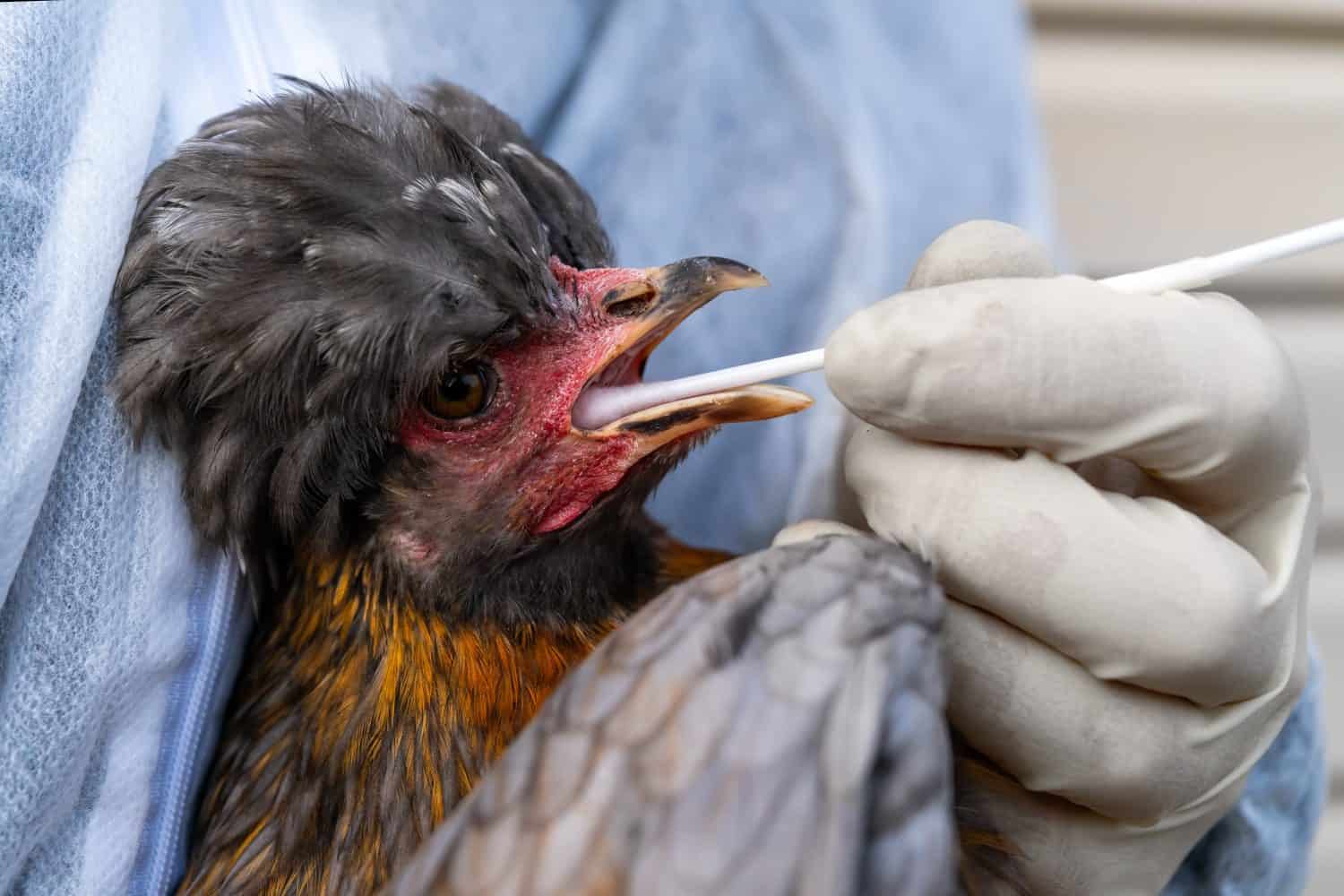
For years, testing individual birds has been the status quo for determining whether a virus is present. The procedure usually involves capturing birds and collecting a swab from their throat or digestive tract. The process is labor-intensive, may pose safety risks to humans, and often fails to detect viruses at all if the birds they select are infection-free.
However, a new study published in Nature Communications reveals that there is a more effective way to detect certain viruses circulating in these markets. It relies on testing the environment instead.
What the Study Found
Scientists at Duke-NUS Medical School, a collaboration between Duke University and the National University of Singapore, published their findings earlier this year. Between January 2022 and April 2023, the research team collected air samples, swabbed cages, and sampled water used in poultry processing at two Cambodian live poultry markets.
The team then used metagenomic sequencing to identify all viral genetic material present in a sample. The testing cast a wider net than testing for any specific virus.
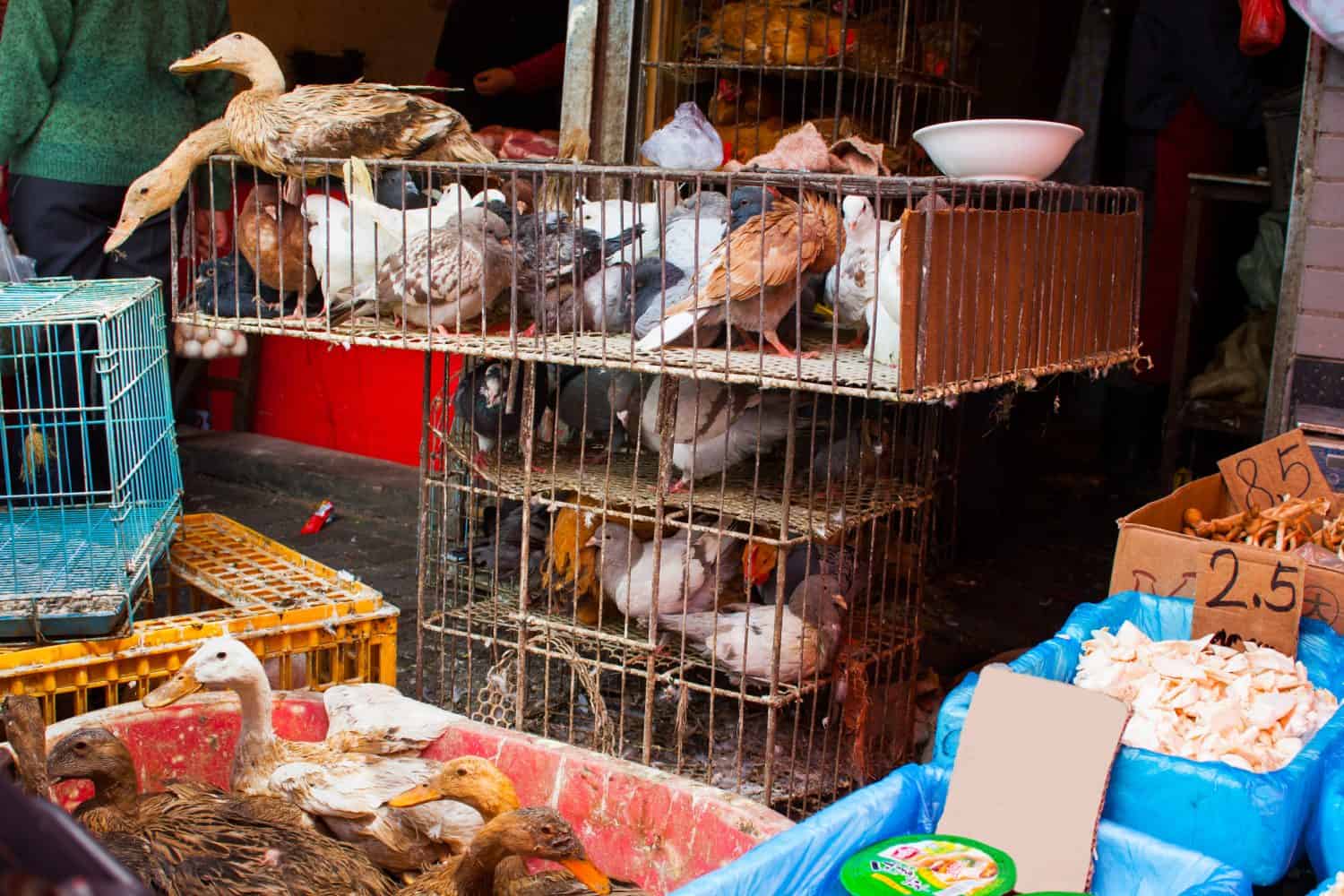
Live poultry markets are prevalent across Southeast Asia.
©Jess Gregg/Shutterstock.com
Dr. Peter Cronin, from Duke-NUS’ Emerging Infectious Diseases Signature Research Programme and first author of the study, described their findings in a press release about the study. “We showed that direct animal testing is not always necessary to detect pathogenic viruses in live-bird markets. Instead, sampling air, water, cages and surfaces can reveal a wide range of poultry viruses, including avian influenza, even when those same viruses are not detected in the birds at the time.”
How Does Environmental Testing Stack Up to Individual Bird Testing?
Cronin’s team compared the results from their environmental testing to traditional swabs taken from poultry at the same market. Across all the testing, they identified the presence of a wide variety of poultry viruses, including avian influenza and coronavirus. Between the two testing methodologies, the air samples found the widest range of viruses.
More notably, given the deadly global spread of H5N1 avian influenza, the environmental samples detected H5N1 even when the bird samples taken at the same time did not. The team also discovered that some of the viruses detected in the environmental samples were from the same genetic strains that pose significant risks not just to poultry but also to humans.
The Inherent Challenges of Live Bird Markets
Live poultry markets are common across Southeast Asia. They serve dual purposes–providing fresh food to consumers and providing jobs to workers at the facilities.
These markets are designed to bring birds, workers, and customers together in confined spaces. These markets also typically have holding areas for live poultry with slaughter facilities on site. The combination is a recipe for viral transmission, especially the possibility of animal-to-human cross-contamination.
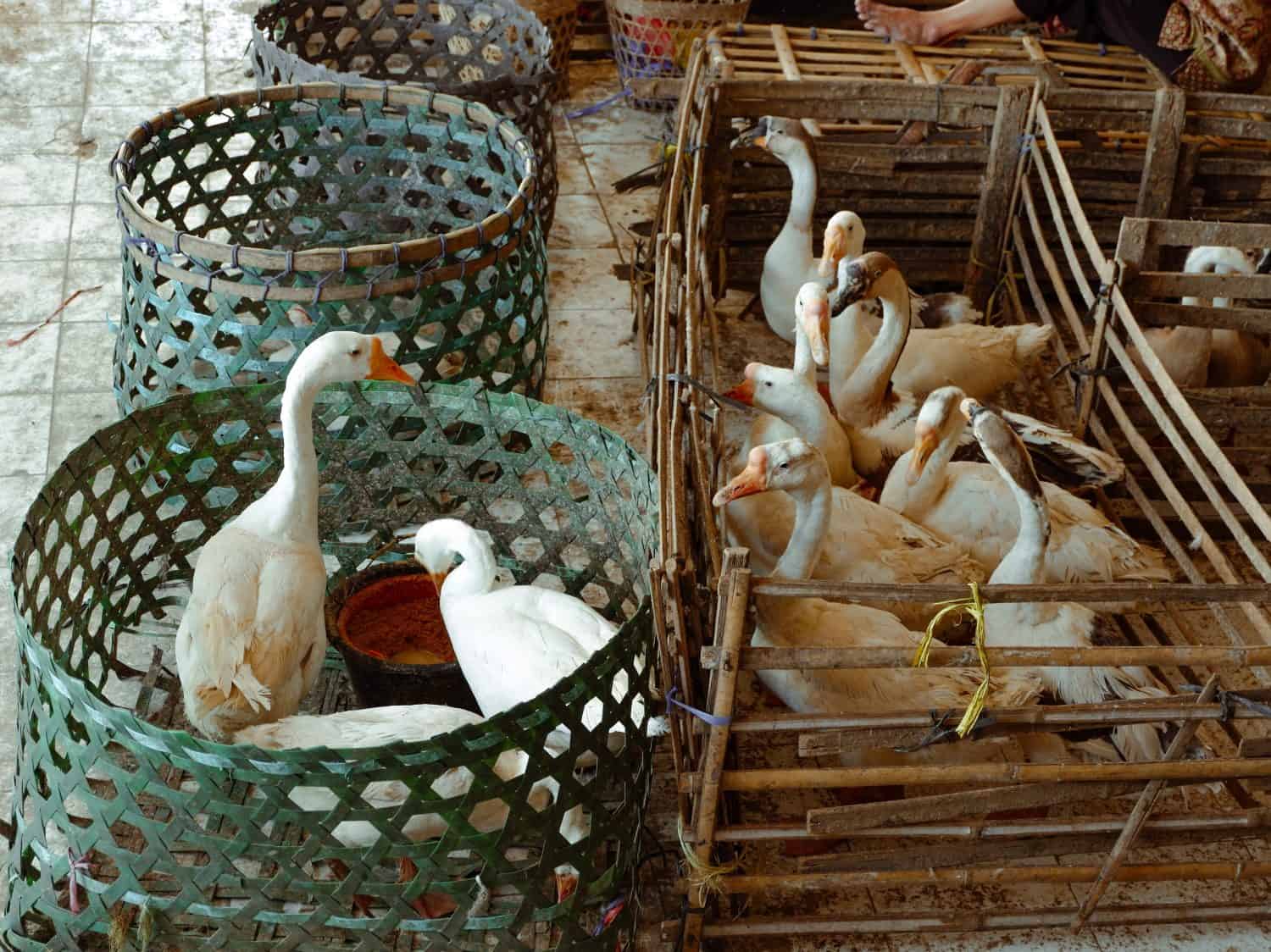
Live poultry markets bring together animals, workers, and customers where bird to human viral transmission is more likely.
©ParaGreat/Shutterstock.com
As part of their study, researchers collected air samples near the slaughter and holding areas. They discovered that these samples contained multiple poultry viruses that could infect humans. That means that workers and customers may be exposed simply by breathing the contaminated air.
Professor Gavin Smith, Director of the Duke-Emerging Infectious Diseases Signature Research Programme and co-senior author, said in the same press release, “This study provides a more comprehensive view of viral circulation in live poultry markets than is possible through single-animal testing alone. By applying unbiased metagenomic sequencing to environmental samples, we capture viral material shed across shared air and surfaces, enabling broader detection in a cost-effective and scalable manner while reducing the need for close animal contact.”
What Does the Future of Outbreak Detection Look Like?
The research team clarified that environmental testing is not a substitute for individual bird testing. Instead, it should be viewed as a complement to it. While environmental testing identified certain viruses more effectively than individual bird testing, that isn’t always the case. They pointed out that some viruses, especially those carried by ducks, were better detected via animal swabs.
The focus instead is on adding testing options, especially ones that reduce the risk of viral transmission to humans.
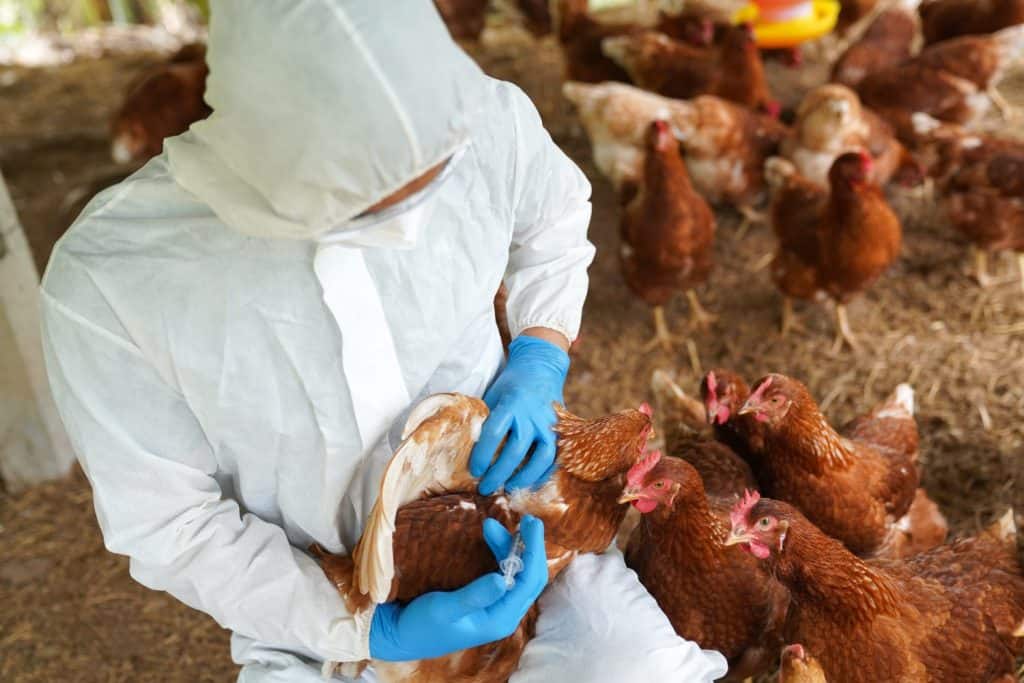
Individual bird testing is still an important component of poultry market virus detection.
©PPK_studio/Shutterstock.com
Professor Lok Sheemei, Interim Vice-Dean for Research at Duke-NUS Medical School, said, “These findings show that surveillance in high-risk animal-human interfaces can be strengthened through more efficient and safer approaches. Improving early detection ultimately supports stronger outbreak preparedness.”
Researchers are planning to see how this type of environmental testing can be applied to other instances, like wildlife habitats and other slaughterhouses. Their goal is to improve levels of preparedness and decrease response times for managing emerging infectious diseases. They hope their findings can be useful not just in Southeast Asia but across the globe.