
Quick Take
- H5N1 is reaching dairy farm workers through a route most people aren't thinking about. It's not just contact with infected animals. See how exposure happens →
- Milking parlors may be hiding a specific environmental hazard that puts every worker inside at elevated risk. Explore the air sampling →
- The virus doesn't stay on the farm. Researchers traced H5N1 moving through a water system in a way that could reach far beyond infected herds. Trace the wastewater findings →
- Standard hygiene on infected dairy farms may not be enough, according to a study that points to a critical step most operations are skipping. See the mitigation gaps →
Avian influenza A(H5N1) is a subtype of influenza virus that infects birds and mammals. Occasionally, humans are also infected. Understanding how the pathogen is transmitted across species and environments is critical to its control. New research suggests that dairy farms may transmit the virus through multiple routes. We explain how targeted interventions in dairy farms may be needed to protect farm workers and other animals.
What Is the H5N1 Virus?
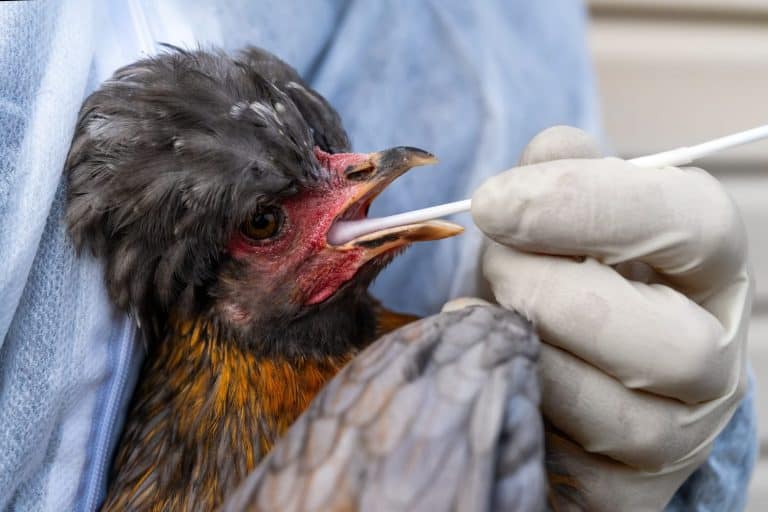
The goose/Guangdong-lineage of H5N1 avian influenza viruses first emerged in 1996 and has been causing outbreaks in birds since then. We now know that the virus is circulating among poultry, wild birds, cats, cows, and humans. Thousands of commercial and backyard flocks are affected, and poultry losses have surpassed 200 million birds.
What Is the Risk to Humans?
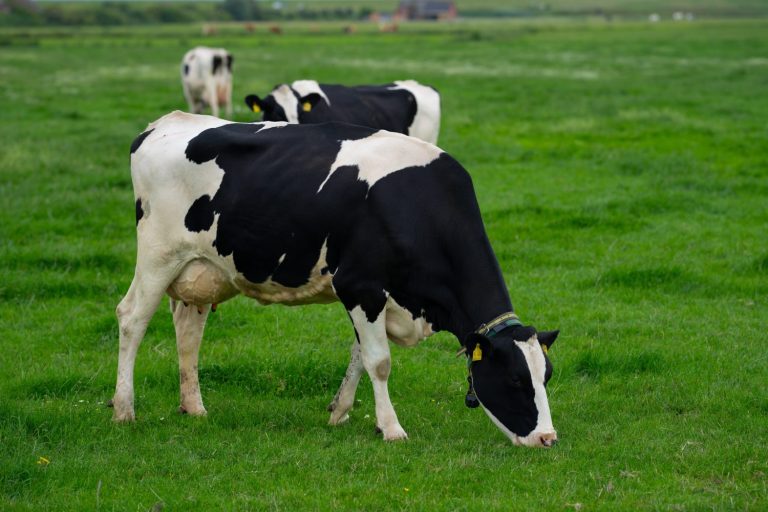
The US Centers for Disease Control and Prevention classifies the current public health risk as low. However, they highlight the need to monitor people with animal exposures. This would include dairy farm workers. A specific type of H5N1 was first detected in dairy cattle in March of 2024 and has since spread to 19 states.
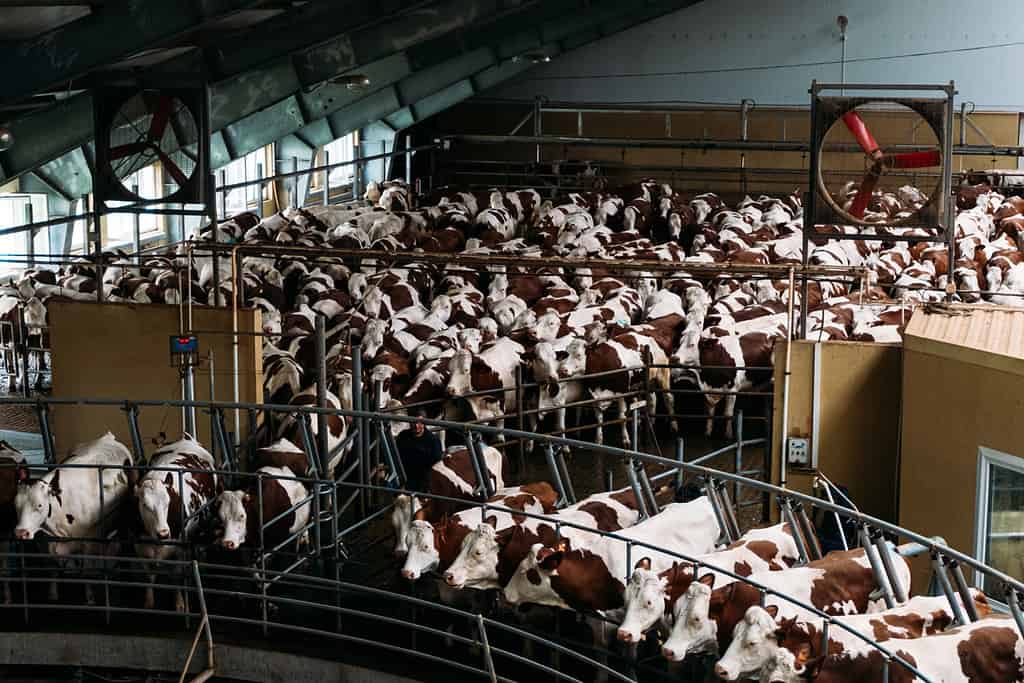
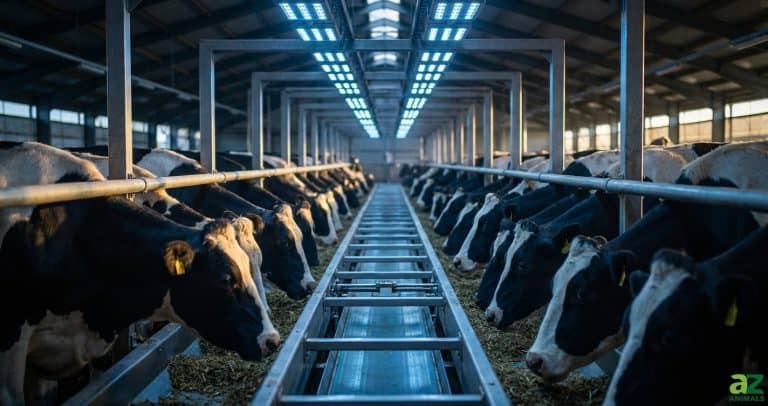
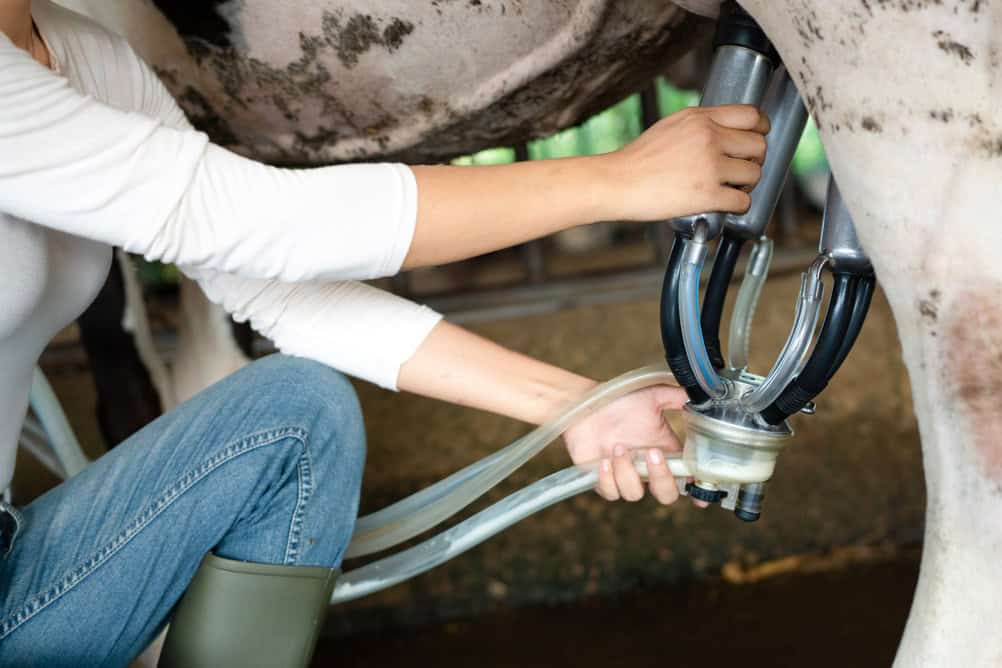
H5N1 can be spread in dairy parlors.
©Dobrovizcki/Shutterstock.com
We know that there can be high viral loads in milk from H5N1-infected cows and that it persists on milking equipment. There have been reports of infection in dairy workers following milk-based eye splashes.
How Was the Dairy Herd Study Carried Out?
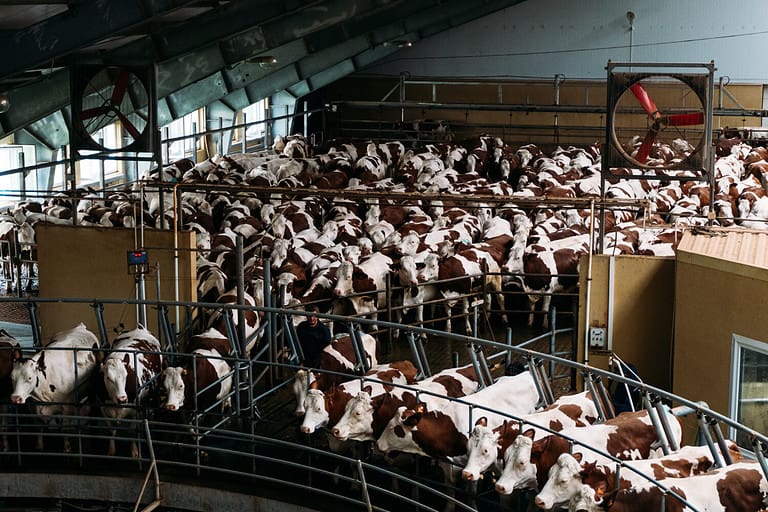
From October to December 2024, five dairy farms in California’s Central Valley with H5N1-positive cows were enrolled in an initial air sampling survey. Additionally, aggregated milk from cows, referred to as bulk tank milk, was tested frequently between late October 2024 and January 4, 2025. Aerosols and droplets were collected from the exhaled breath of individual cows or groups of cows, as well as from the air within milking parlors during milking and within housing areas.
Finally, the scientists collected multiple water samples along the reclaimed water stream, including water moving down the drain in the milking parlor, from the sump pump, from fields where captured water was used, and from manure lagoons where reclaimed water was stored.
Finding H5N1 on Dairy Farms
This study found the virus in the exhaled breath of infected cows and in the dairy parlor. It was also found in reclaimed farm wastewater on separate dairy farms on multiple days at multiple sites. These findings indicate extensive environmental contamination of H5N1 on affected dairy farms. Importantly, this contamination presents a potential source of infection for other cows, wildlife, and humans. Airborne viruses are particularly concerning in milking parlors because these areas are enclosed spaces.
The study findings suggest that mitigation strategies are needed to protect farm workers. This could include respiratory and ocular (eye) personal protective equipment (PPE). The researchers also suggest measures to reduce within-herd spread of the virus. These could include disinfecting milking equipment between milking each cow. To reduce wastewater contamination, it is recommended to treat milk from sick cows to inactivate H5N1 before disposal.