
Quick Take
- Alaska has one native spider labeled dangerous, although what that actually means might surprise you. Meet Alaska's wolf spider →
- One of the world's most feared venomous spiders can show up in Alaskan homes, though not in the way you'd expect. See how they arrive →
- The spider you've probably seen in your basement is the subject of a wildly persistent venom myth, and the truth turns out to be the opposite of what most people believe. Debunking the venom myth →
- One harmless Alaskan house spider shares a family with the black widow.. Discover the black widow relative →
Alaska is a splendid place to experience the great outdoors, and arachnophobes can rejoice in the knowledge that none of Alaska’s native spiders are medically significant to humans. Although all spiders are technically venomous, very few present a danger to humans. Most cases of spider bites that require medical attention occur in individuals with spider allergies or other underlying conditions. Continue reading to learn more about spiders in Alaska.
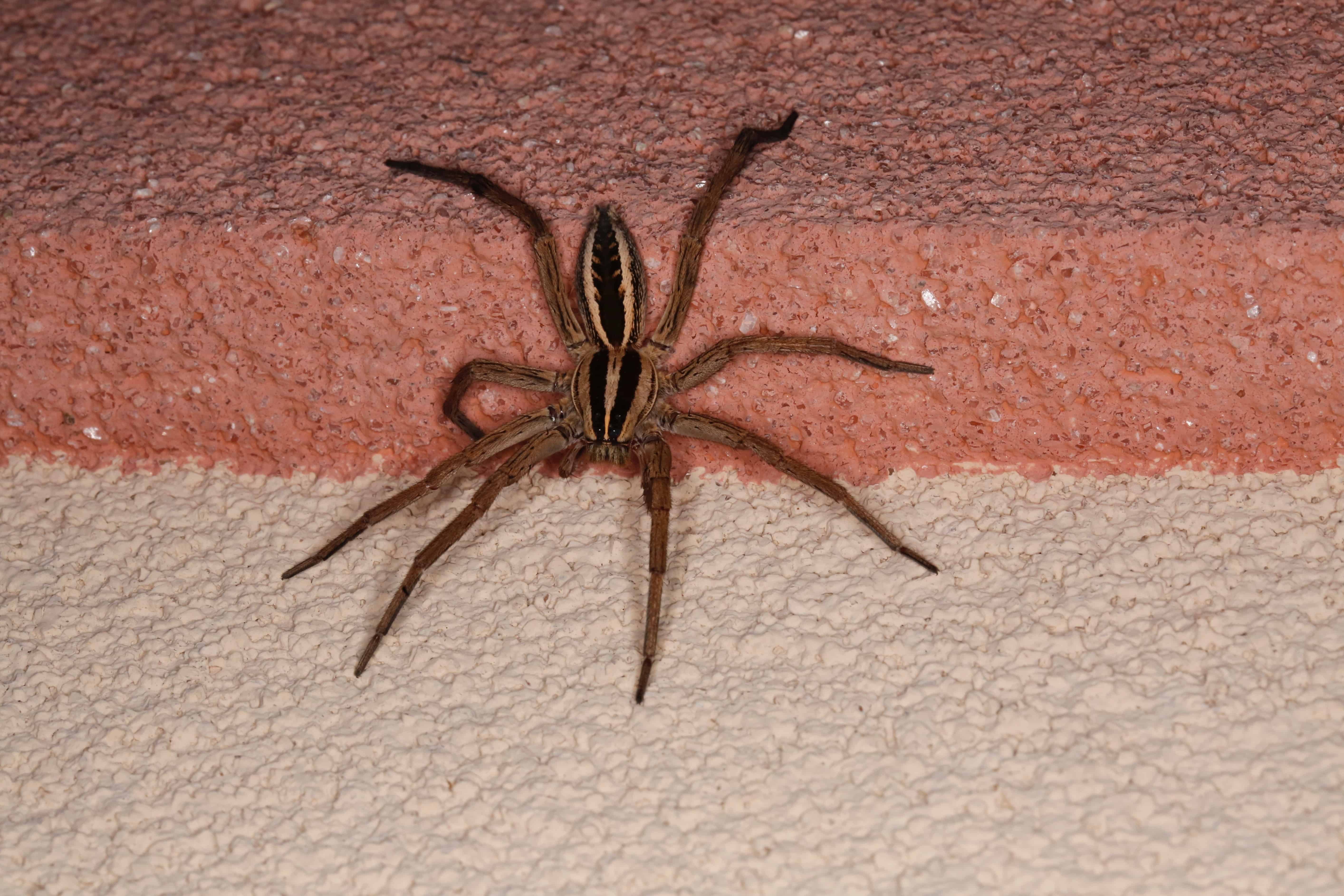
Wolf Spider: The Only Native Dangerous Spider in Alaska
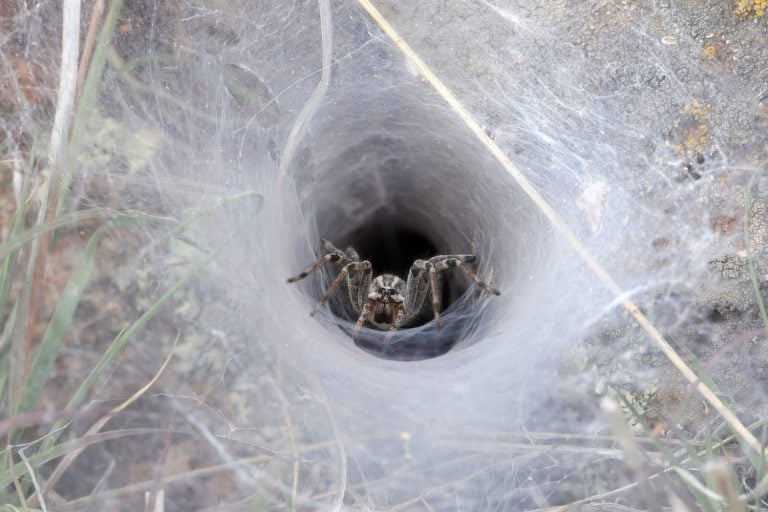
Numerous species of wolf spiders (Lycosidae) are found in Alaska, including the Arctic wolf spider (Pardosa glacialis), found in the northern part of the state, and the Glacier Bay wolf spider (Pardosa diuturna), which is endemic to Alaska.
The bite of a wolf spider causes immediate, mild to moderate pain, similar to that of a bee sting. Symptoms typically subside within a few hours to a few days.
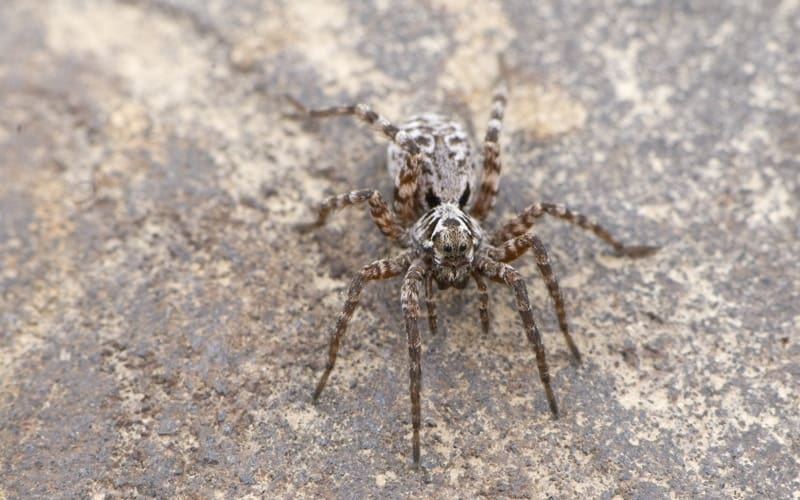
Arctic wolf spiders are a hardy species that can live for years in the wild.
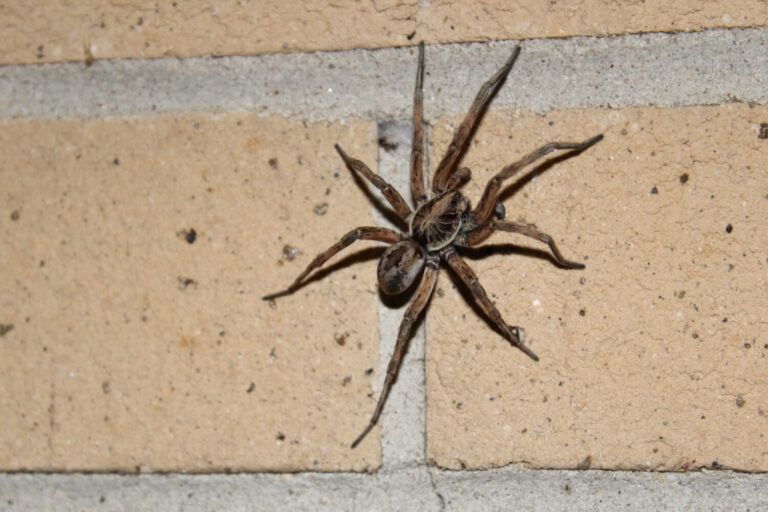
Wolf spiders are hairy and dark-colored, which helps them blend in with the northern environment.
Wolf spiders are hairy and dark-colored, which helps them blend in with the northern environment. In Alaska, wolf spiders have an average legspan of no more than 1.5 inches. They are ambush predators with excellent eyesight due to their unique eye arrangement.
Wolf spiders have three rows of eyes: four small eyes in the bottom row, two large forward-facing eyes in the middle that provide sharp depth perception, and two medium-sized eyes on top. They generally remain outdoors but may venture indoors as the weather cools.
Brown Recluse: Venomous, but Exceptionally Rare
Brown recluse spiders (Loxosceles reclusa) are not native to Alaska and are rarely seen there. Occasionally, they may arrive in moving boxes or luggage, but Alaska’s climate is too harsh for them to survive long-term.
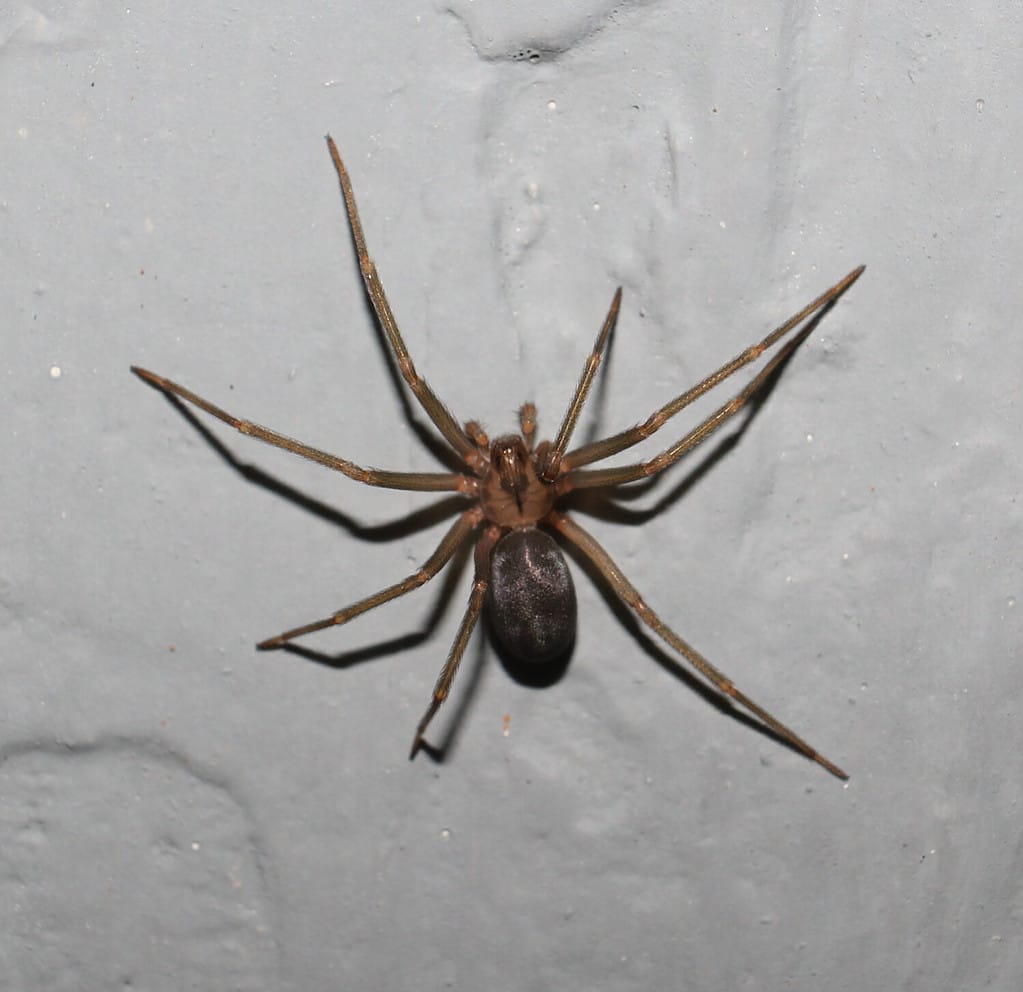
The brown recluse may occasionally arrive in Alaska via shipping containers or luggage.
©Keith Davis/Shutterstock.com
The brown recluse is a small spider with a legspan of about 1 inch. They are light to dark brown, with long, thin legs that are a solid color without any stripes or bands. Some, but not all, brown recluse spiders have a prominent, darker violin-shaped marking on their front body section (cephalothorax), with the neck of the violin pointing toward the rear.
Other Spiders Found in Alaska
Although none of the spiders in Alaska presents a danger to humans, the state is home to a variety of spider families that have adapted to Alaska’s challenging climate. Generally speaking, nearly all spiders actively avoid humans. To spiders, humans appear as massive, dangerous predators, so spider bites are almost always defensive reactions that occur when the spider is trapped or accidentally pressed against the skin.
Some of the more common spiders found in Alaska include:
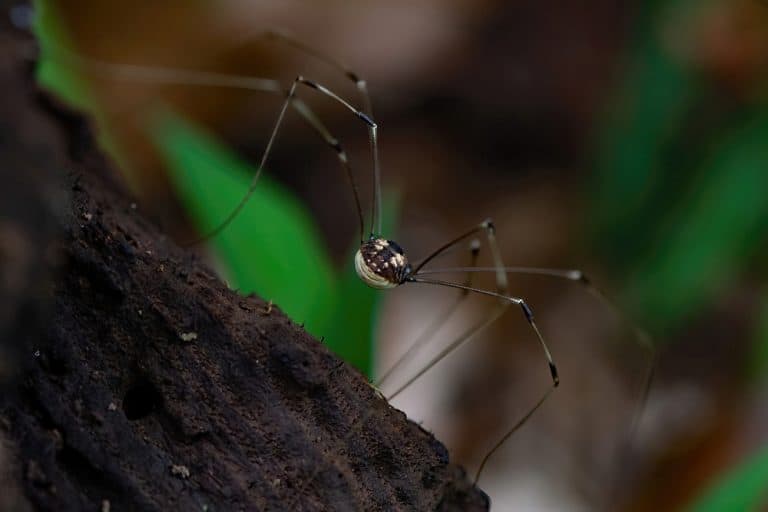
The Cellar Spider (Family Pholcidae)
Cellar spiders are the subject of the famous urban legend that claims they possess the world’s most toxic venom, but their fangs are too short to bite humans. This is entirely false. Cellar spiders do have venom (as most spiders do), but it is very mild and medically insignificant to humans.
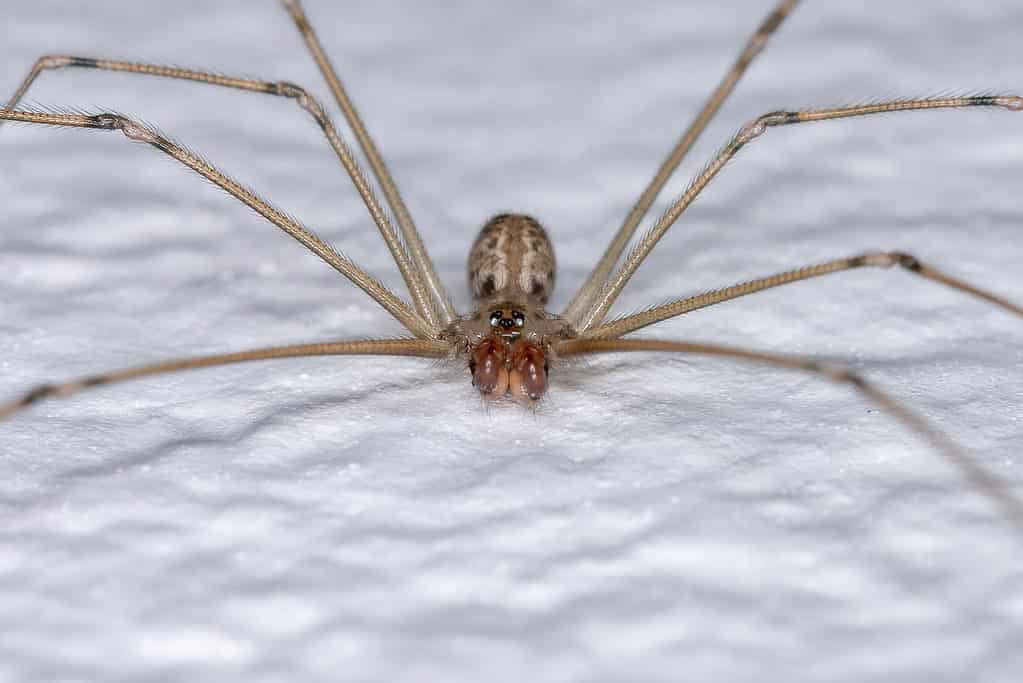
Close-up of a short-bodied cellar spider, Pholcus globosus.
©Vinicius R. Souza/Shutterstock.com
As their name suggests, these thin-legged spiders thrive in dark, humid indoor areas like basements and crawlspaces.
The Jumping Spider (Family Salticidae)
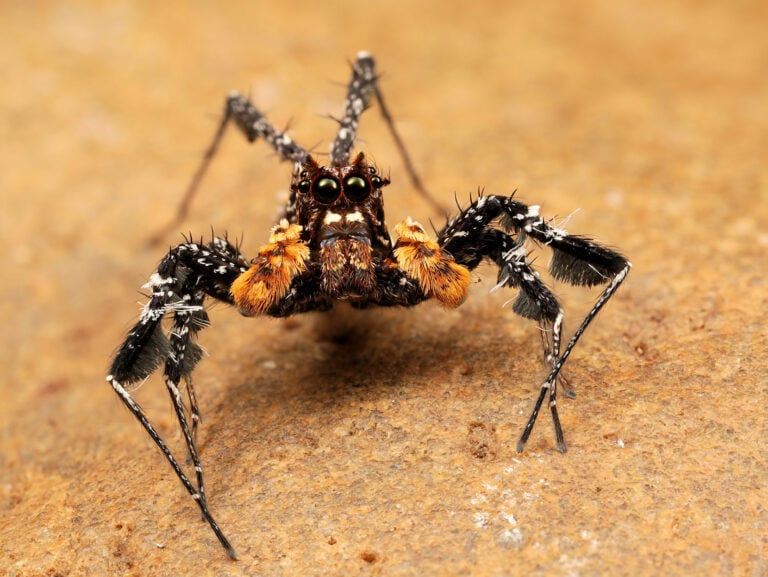
The largest and most visually advanced family of spiders, jumping spiders are known for their exceptional daytime hunting, fuzzy bodies, and complex mating dances. Jumping spiders in this family have the sharpest eyesight of all spiders.
Jumping spiders are considered small, and most species in Alaska have a legspan well under one inch.
In fact, the majority of jumping spiders in Alaska are even smaller, with bodies that typically measure less than 0.5 inches
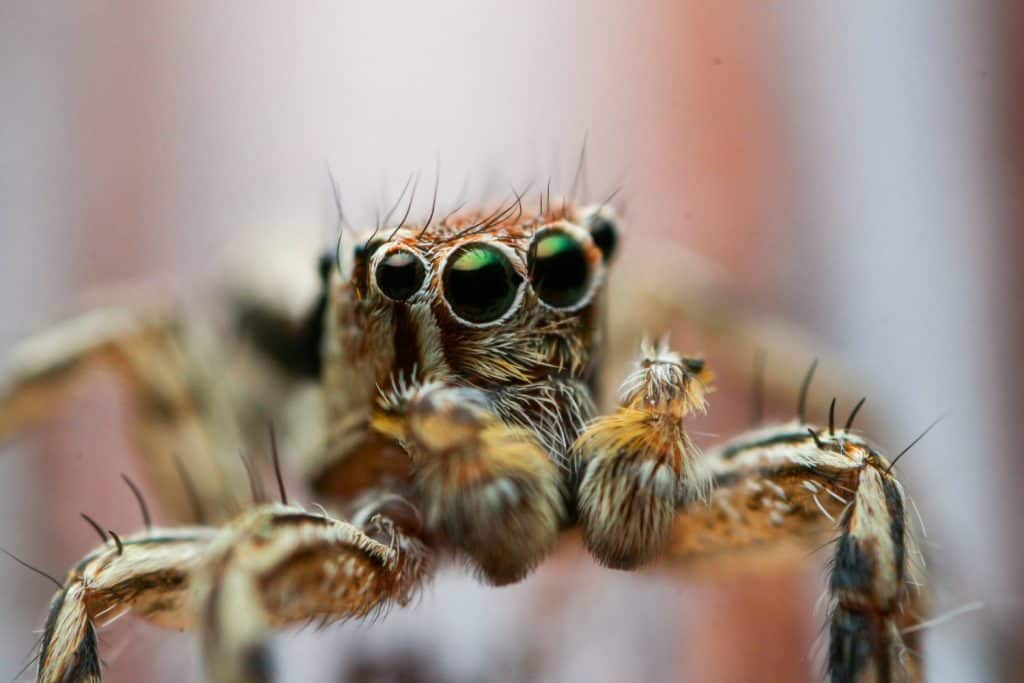
Jumping spiders are the largest family of spiders.
©Tegar Satria Wibawa/Shutterstock.com
Cobweb Spider (Family Theridiidae)
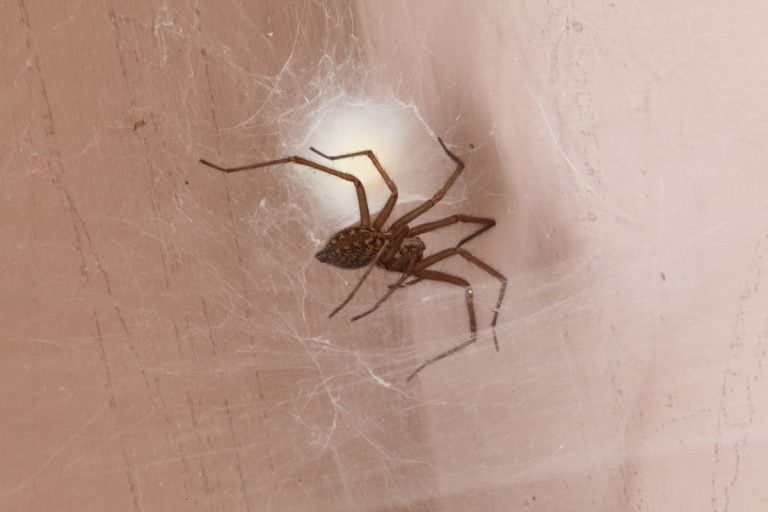
Cobweb spiders are small, brownish spiders that create messy, tangled webs in the upper corners of homes and garages. They are harmless and considered beneficial pest control. Interestingly, cobweb spiders belong to the same family as the black widows (genus Latrodectus).
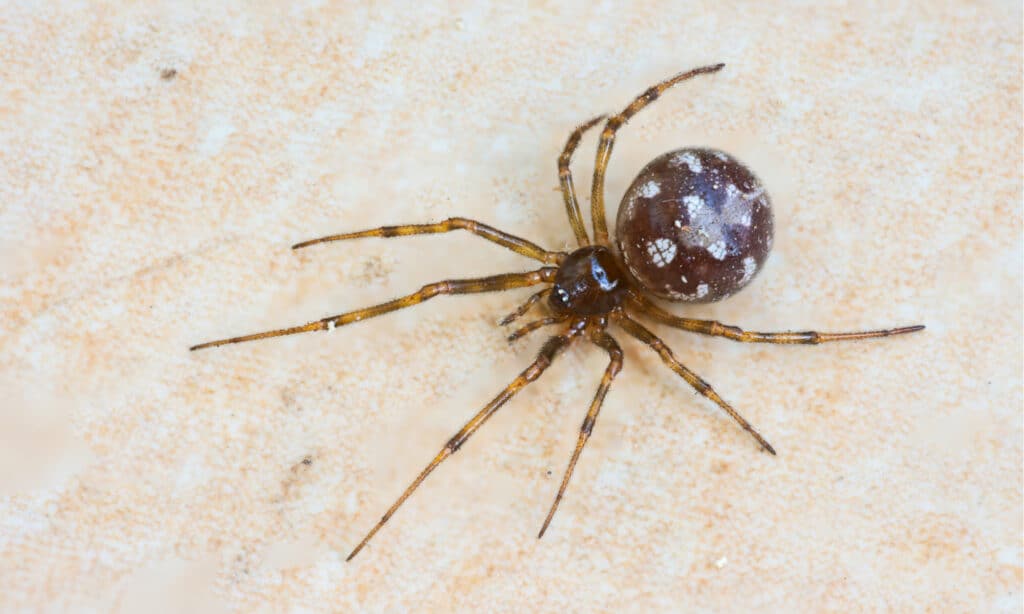
Because cobweb spiders share a similar body shape and build irregular, messy webs, they are often referred to as false widows.
©Timelynx/Shutterstock.com
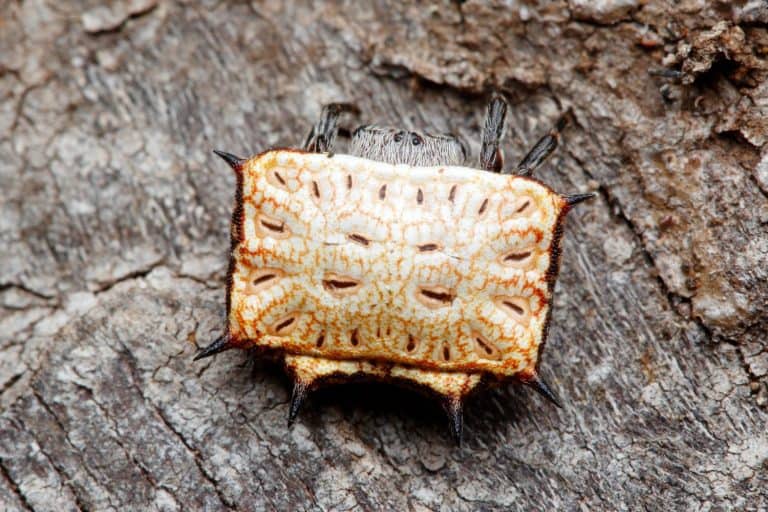
Orb-Weaver Spiders (Family Araneidae):
Seasonal visitors that create large, intricate, and classic circular webs outdoors. They are highly varied in coloration and are common in Alaskan yards and gardens during the warmer months.
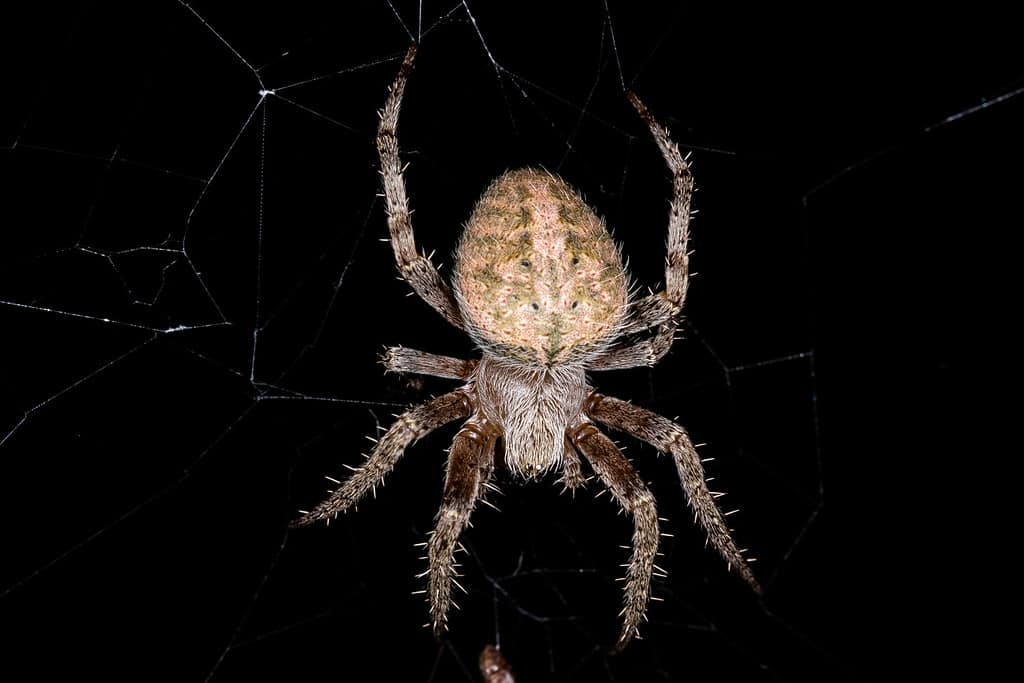
Orb-weaver spiders build classic, wheel-shaped spiral webs.
©crotonoil/Shutterstock.com