
Quick Take
- Most Arizona rattlesnake bite victims weren't doing anything risky, and the location where bites actually spike will surprise you. See where bites spike →
- By the time a rattlesnake rattles, it may already be too late. Here's why the warning system fails in the places you least expect. See why rattles fail →
- There's a specific yard habit that draws rattlesnakes onto your property, and most homeowners have no idea they're doing it. See the yard habits →
- After a rattlesnake bite, most people instinctively reach for one reaction that can actually make things worse, and Banner Health is emphatic about it. See Banner Health's advice →
Walter Martin was working on a project with his kids in Wickenburg, Arizona, when he stepped into his shop to grab a tool. He reached around a shelf, felt a sting, and only then heard the rattle. “The only thing that went through my mind was I yelled at my son, get me to the hospital,” Martin said. His family rushed him to a local hospital for antivenom before he was airlifted to Banner University Medical Center in Phoenix for further treatment, according to AZFamily.
Martin wasn’t hiking a desert trail when it happened. He was in his own shop. Banner Health’s toxicology team says that’s exactly where most of this year’s rattlesnake bite calls are coming from: not the trailhead, but home.
The Blind Spots Where Most Bites Happen
According to Banner Health, the leading bite scenario this year involves what the team calls blind spots, spaces where you can’t fully see what’s hiding until your hand is already there: shelves, brush piles, garden beds and storage areas. Children are at particular risk, since toddlers often reach into holes without a second thought.
The pattern shows up in the numbers, too. A 25-year analysis of more than 4,000 snakebite calls to Arizona’s poison centers found that 59% of bites happened on residential property, and 83% of people had no idea a snake was nearby before it struck, AZ Luminaria reported. Most victims weren’t doing anything risky. They were gardening, walking the dog, or cleaning up the yard.
Why the Rattle Often Comes Too Late
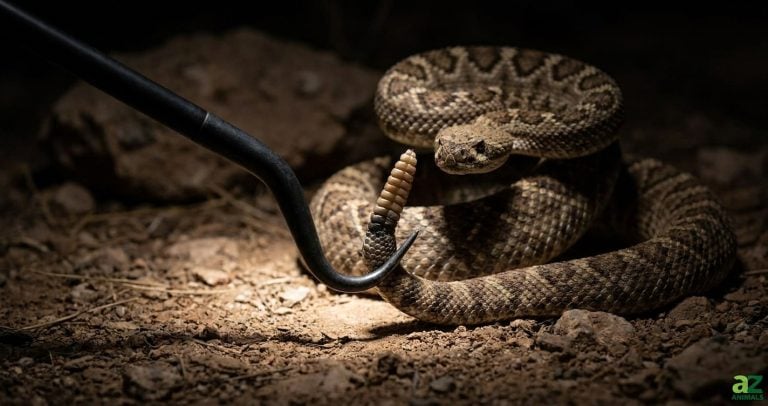
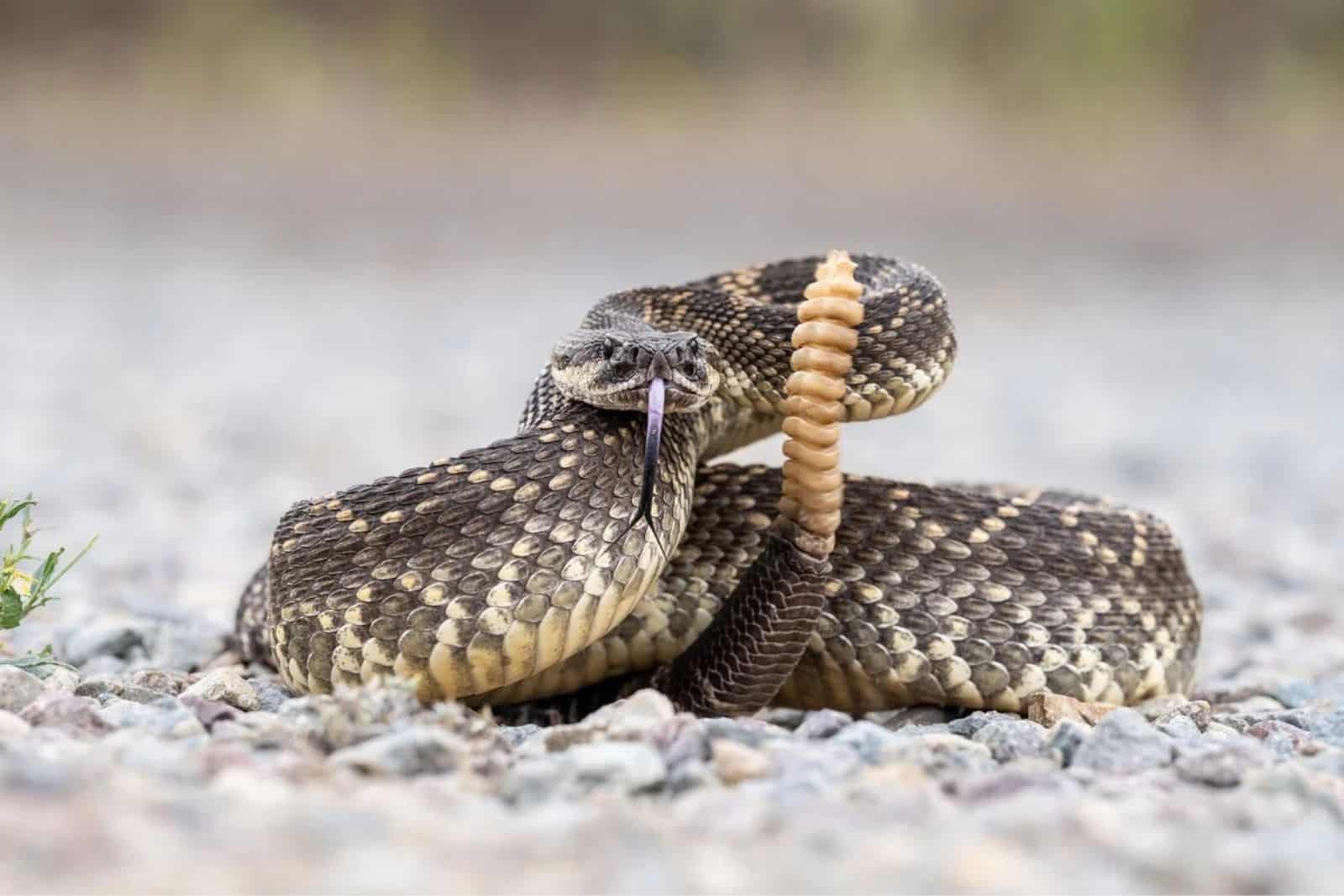
A rattlesnake’s warning only works if there’s room between you and the snake when you hear it. In a blind spot, there usually isn’t. By the time your hand is close enough to touch a shelf or reach into a brush pile, a coiled snake may already be within striking range, and the rattle can come at the same moment as the bite, or after it, as it did for Martin.
Clearing away the hiding spots in the first place cuts the risk more than reacting fast once you’re already too close. Experts recommend getting rid of brush, wood and junk piles, keeping rodents away since they draw snakes in looking for food, sealing off crawl spaces under sheds and porches, and avoiding standing water in the yard, especially during dry spells when it’s one of the few water sources around.
What To Do After A Bite
Banner Health’s advice if you or someone near you is bitten: call 911 immediately, and do not drive yourself to the hospital. Every bite needs evaluation at an emergency room, even though roughly a quarter turn out to be dry bites that inject no venom at all, because there’s no reliable way to tell a dry bite from a venomous one without medical care.
Don’t apply ice, use a tourniquet, cut the bite, or try to suck out the venom; none of that helps, and all of it wastes time. Don’t try to catch or kill the snake either, since that’s how a lot of second bites happen. And if the snake made it inside the house itself, Banner recommends calling a pest-control professional rather than attempting to remove it yourself.