
Quick Take
- The usual methods for aging a Greenland shark were not an option, so scientists tried something stranger and ended up rewriting the record books. See the dating method →
- A Greenland shark born today won't be ready to reproduce until long after everyone alive right now is gone, which has serious consequences for the species. Explore the slow maturity →
- Researchers just mapped this shark's genome, and the genes they found expanded in unusual ways suggest longevity works very differently than scientists assumed. See the genome findings →
- The oldest Greenland shark ever measured has an age range so wide it could reorder everything scientists thought they knew about vertebrate lifespans. Discover the age estimate →
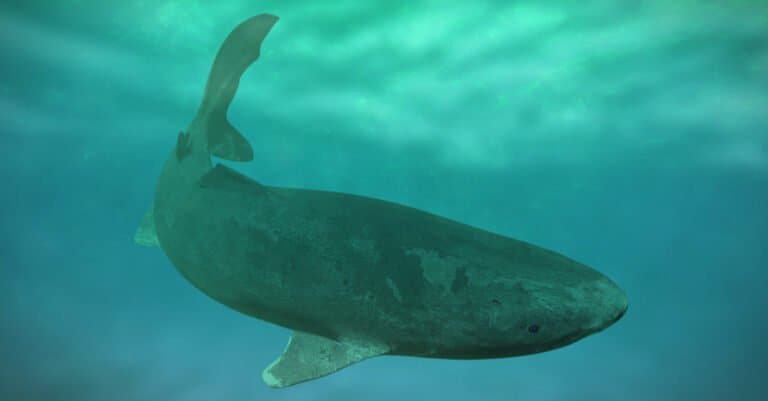
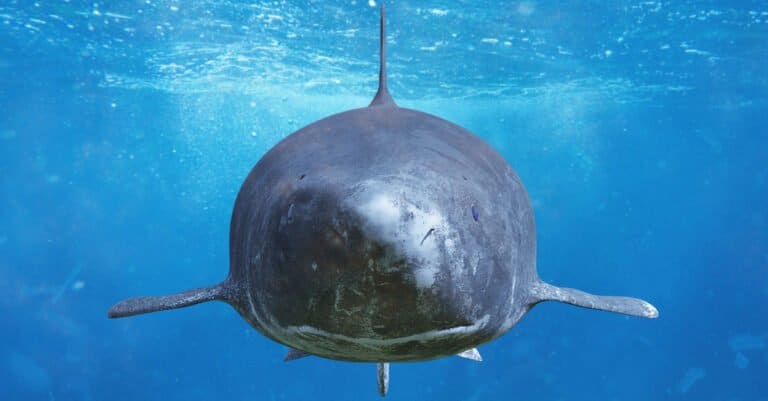
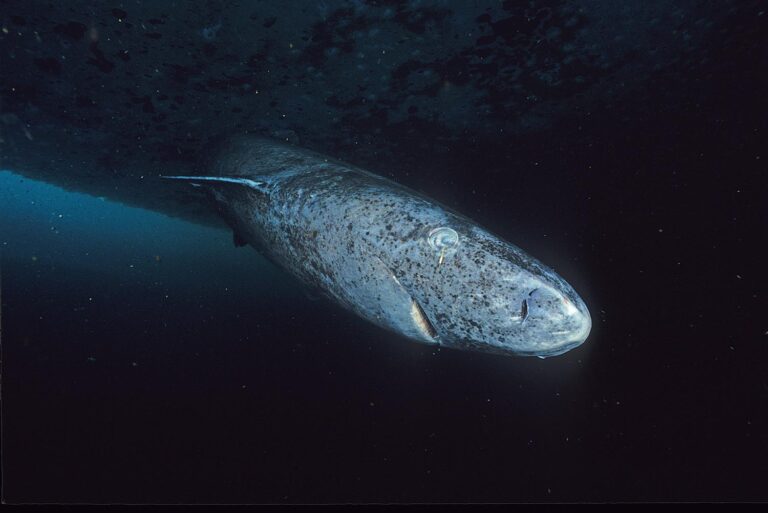
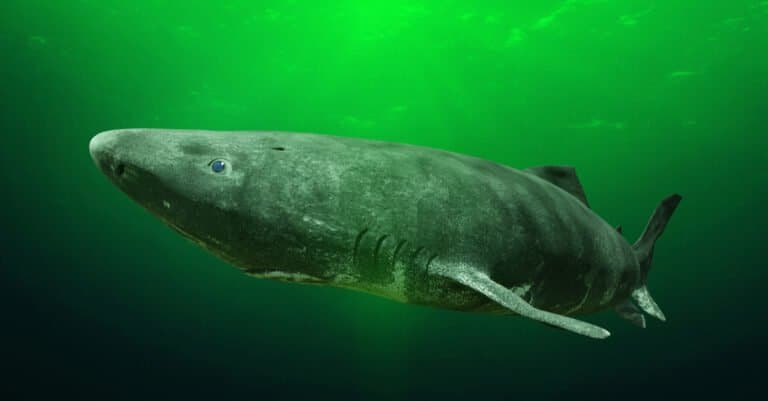
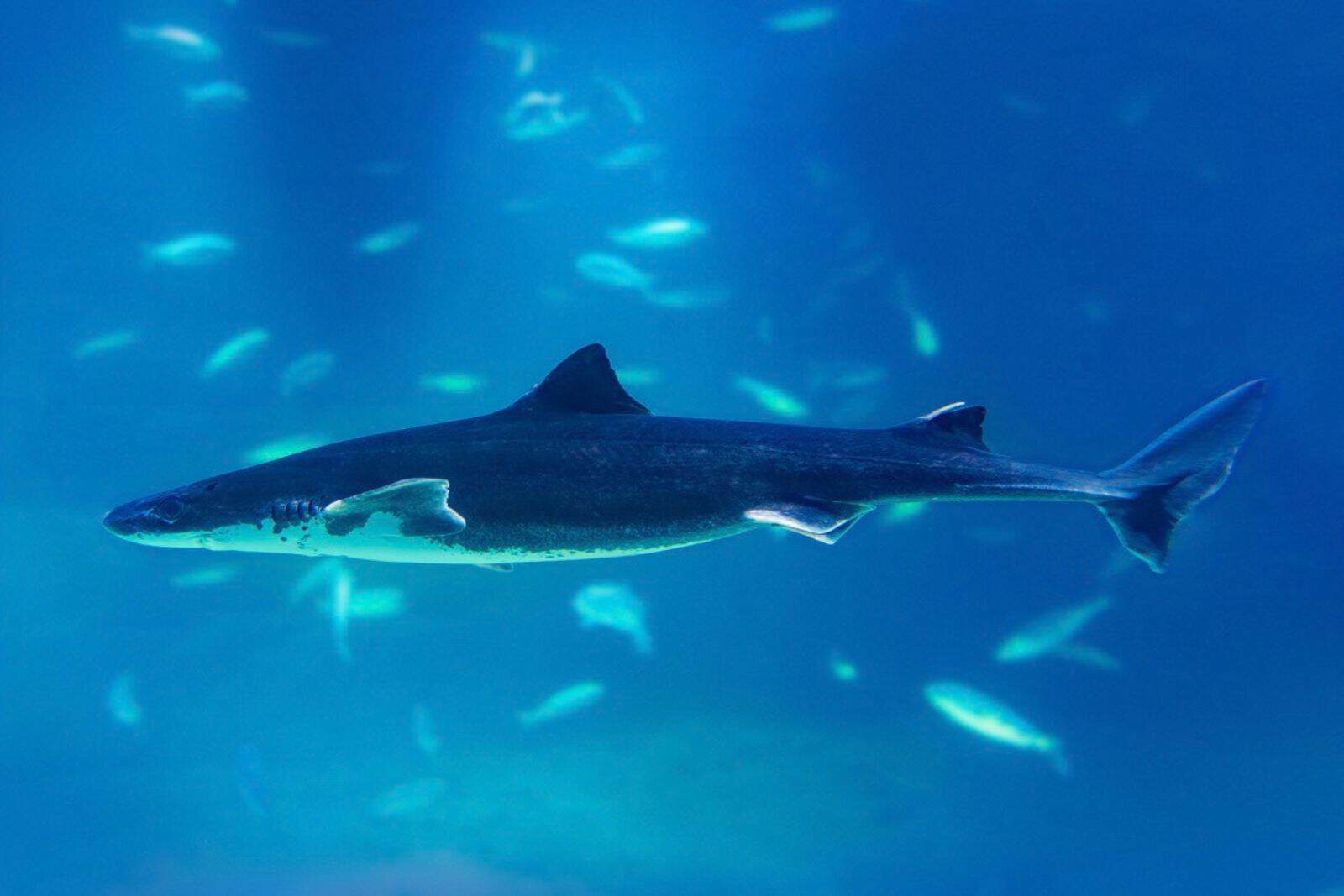
A Greenland shark grows about one centimeter a year, which means a six-foot animal has likely been alive for centuries. In 2016, a team led by biologist Julius Nielsen put a number on that mystery: the oldest shark in their sample was estimated at roughly 392 years old, with a margin of error wide enough to put the true age anywhere between 272 and 512 years, according to the study.
That made the Greenland shark the longest-lived vertebrate known to science, older than any whale, tortoise, or fish ever aged by other methods. A decade later, a different kind of study is picking up where that estimate left off, this time looking inside the shark’s DNA instead of its eyes.
How Scientists Estimated an Almost 400-Year Lifespan
Greenland sharks don’t have the hard, ring-marked structures that let scientists count age in most other shark species, so Nielsen’s team, at the University of Copenhagen, tried something different. They used radiocarbon dating on the nucleus of the eye lens, tissue that forms before a shark is born and barely changes afterward, in 28 female sharks caught accidentally in fishing nets.
The largest shark in the group, measuring just over 16 feet, came out to about 392 years old. Even the lower end of that estimate, 272 years, was enough to beat the previous record holder, a bowhead whale that lived around 211 years, Nielsen said at the time. Scientists still cannot pin down an exact maximum lifespan for the species: a 2025 Canadian assessment noted the method has never been independently confirmed, and uncertainty in ocean radiocarbon levels adds to the difficulty of nailing down a precise birth year, as a recent review of the research explains.
A Life That Takes 150 Years to Really Begin
The same 2016 study found something just as striking about Greenland shark biology: females likely don’t reach sexual maturity until they are around 150 years old, based on the size at which they’re known to start reproducing. A shark born today, in other words, could live through the entire history of email, two world wars, and the invention of the car, and still not be ready to have pups.
That slow pace shapes how researchers think about protecting the species. Nielsen has said it’s important for policymakers to remember this is an extremely long-lived, slow-maturing animal, since a population that takes a century and a half just to start breeding can’t recover quickly from losses.
What the 2026 Genome Study Is Looking For
This year, a separate team led by fisheries chemist Shigeharu Kinoshita at the University of Tokyo published the first nearly complete map of a Greenland shark’s genetic code in the journal PNAS, covering about 97% of its DNA, Live Science reported. Rather than estimating age from one shark’s eye, this study is hunting for the genes behind why the species ages so slowly in the first place.
The researchers found that gene families tied to immune defense and DNA repair were unusually expanded, along with a notable increase in genes involved in iron storage, all plausible pieces of the longevity puzzle. The findings don’t point to a single gene responsible for the shark’s long life, and the genome comes from just one animal, so the team is careful not to overstate the conclusions. But it gives scientists a new way to search for genetic clues that could eventually matter well beyond sharks, including for research into aging and age-related disease in other species.