
Meet Tim Friede, a man who spent nearly two decades deliberately exposing himself to snake venom. Enduring hundreds of bites and carefully measured injections allowed him to build an unusual immune response, something scientists have now copied to create an experimental antivenom. How did Friede endure this process, and why?
Raising hopes for faster, safer, more universal snakebite treatment, this man and the science behind the scenes mark a turning point for venom research. Here’s Tim Friede’s story, including the impact his dedication may have on the future of antivenom.
Who Is the Man Behind 200+ Snakebites?
©PURIPAT PENPUN/Shutterstock.com
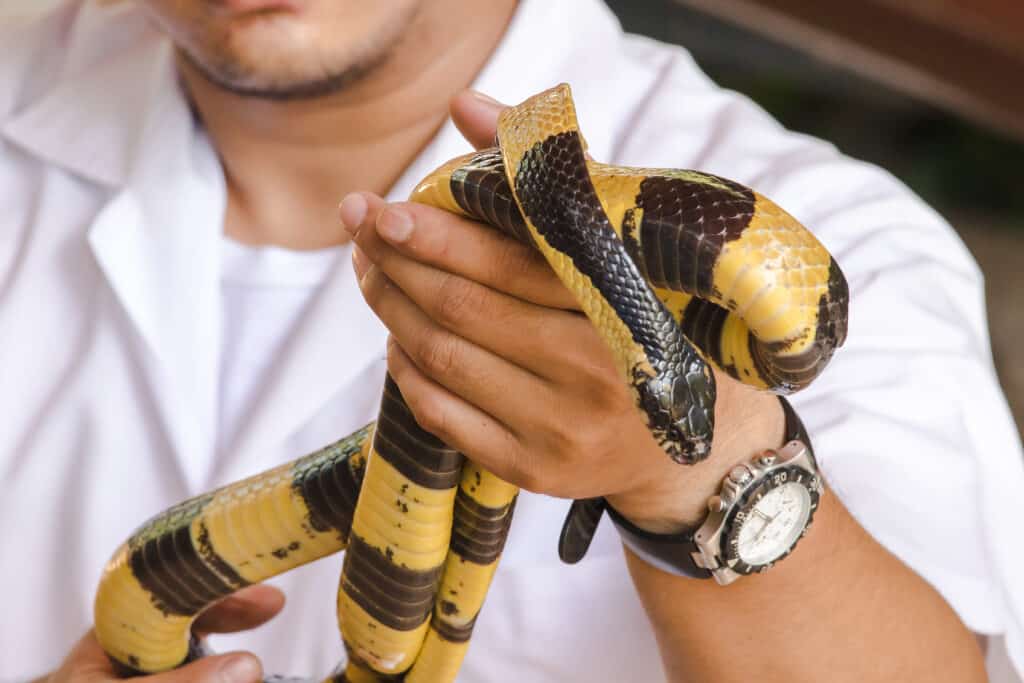
A Wisconsin-based snake enthusiast, Tim Friede methodically self-immunized over many years, documenting his types of exposure while tracking his health. He survived more than 200 bites and hundreds of controlled injections across multiple snake species, building a unique blend of antivenom antibodies in his blood.
Researchers later collected small samples from Friede, searching for potent antibodies that bind key venom toxins. The aim? To harness and reproduce a rare protection against snake venom that his immune system had developed.
What Makes His Blood Scientifically Valuable?
©Have a nice day Photo/Shutterstock.com
Scientists identified human antibodies in Friede’s blood that latch onto shared features of elapid neurotoxins, or the molecules that can shut down our breathing. Because those features are found across many snake species, lab-made copies of Friede’s antibodies can neutralize toxins from different cobras, mambas, kraits, and other related snakes.
That breadth is exactly what snakebite care has lacked up until this point: a single therapy designed to work across many species instead of one vial per species or region. Using Friede’s blood, scientists can make an antivenom capable of fighting against the majority of venomous snakebites.
How Does This Experimental Therapy Work?
©Ali _Cobanoglu/Shutterstock.com
The prototype developed by scientists currently combines two human antibodies (modeled on Friede’s) with varespladib, a type of small-molecule inhibitor found in venom enzymes. In mouse studies performed using the product, survival was possible after otherwise lethal doses from a broad panel of elapid species.
This means the mice had full protection against many snake species and partial protection against many more. Using fully human antibodies may also lower the risk of dangerous allergic reactions that sometimes occur with animal-derived antivenoms. The result? A faster, cleaner intervention that targets the toxins themselves, creating a more powerful antivenom for humans.
Is It Truly a Universal Cure?

©Mongkolchon Akesin/Shutterstock.com
Just like many revolutionary techniques in science and medicine, this antivenom is not yet truly universal. The current medicine in development targets elapid venoms, which primarily contain neurotoxins. However, many vipers deliver toxins that alter tissue and blood in different ways, so bites from these species are not curable using the same antivenom.
The long-term vision for this process? A universal solution that neutralizes both major venom families. However, that will require more antibody discovery, large-scale manufacturing, heat-stable formulations, and rigorous head-to-head tests against diverse venoms. It goes beyond Friede’s efforts, though we could’ve never made it this far without him.
Why Are Traditional Antivenoms Hard to Use?
©Kitsawet Saethao/Shutterstock.com
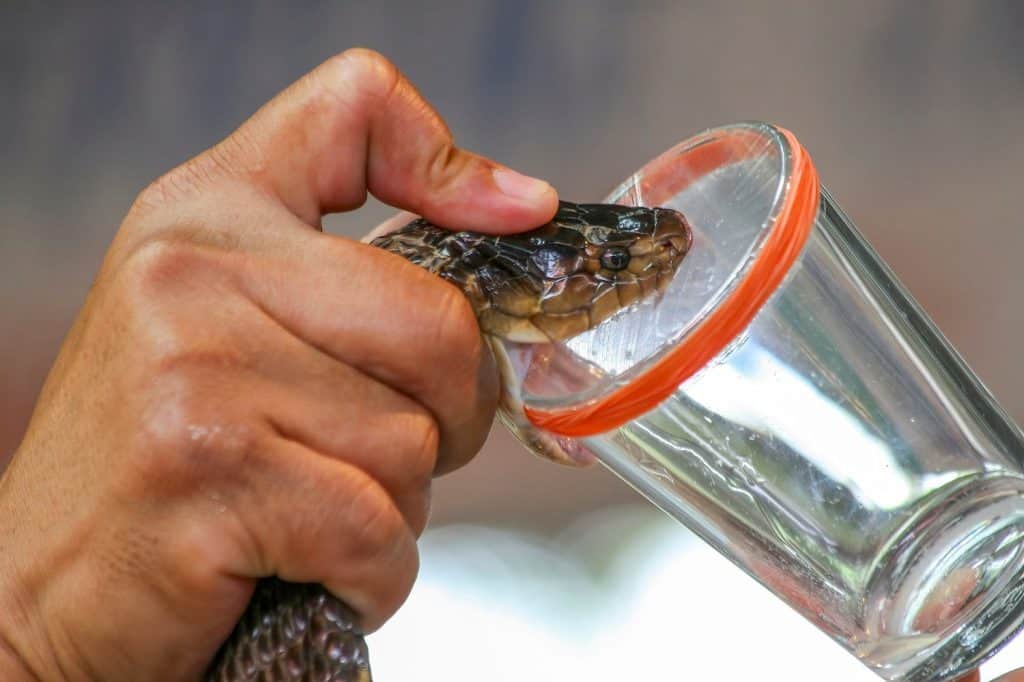
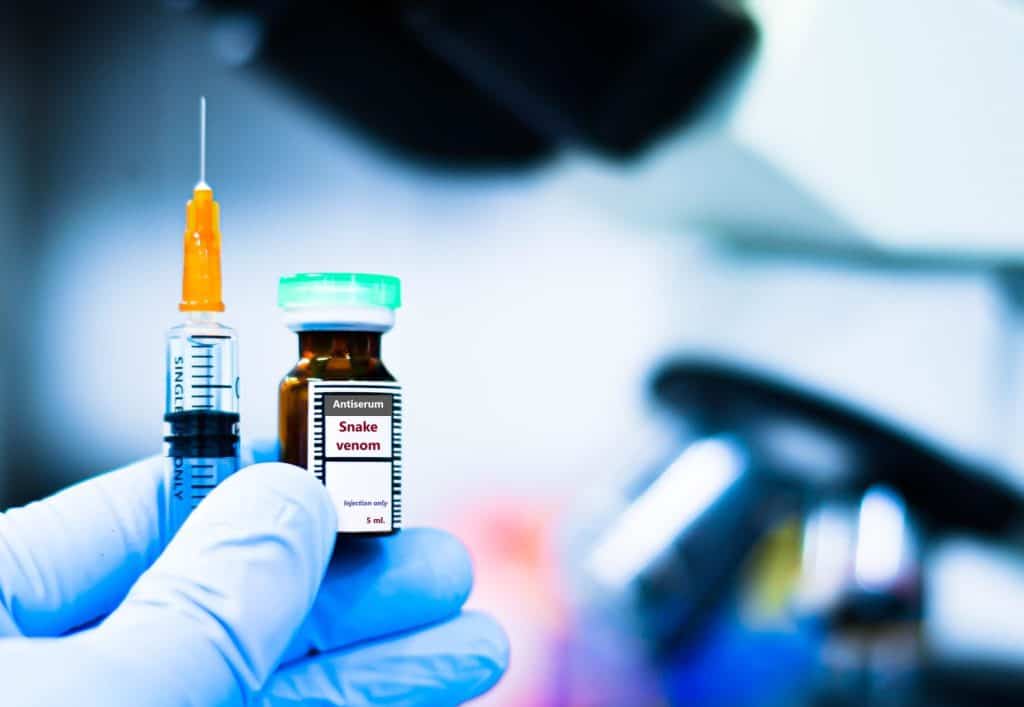
Conventional antivenoms are produced by immunizing large animals with specific venoms, then purifying the animals’ antibodies. Each product is designed to be used against certain snakes, often failing against others, which forces clinics to stock multiple vials and guess quickly under pressure. This pressure can be vital in the brief window of time doctors have to save a life, particularly in rural regions.
What Do the Results Actually Show?
©viper345/Shutterstock.com
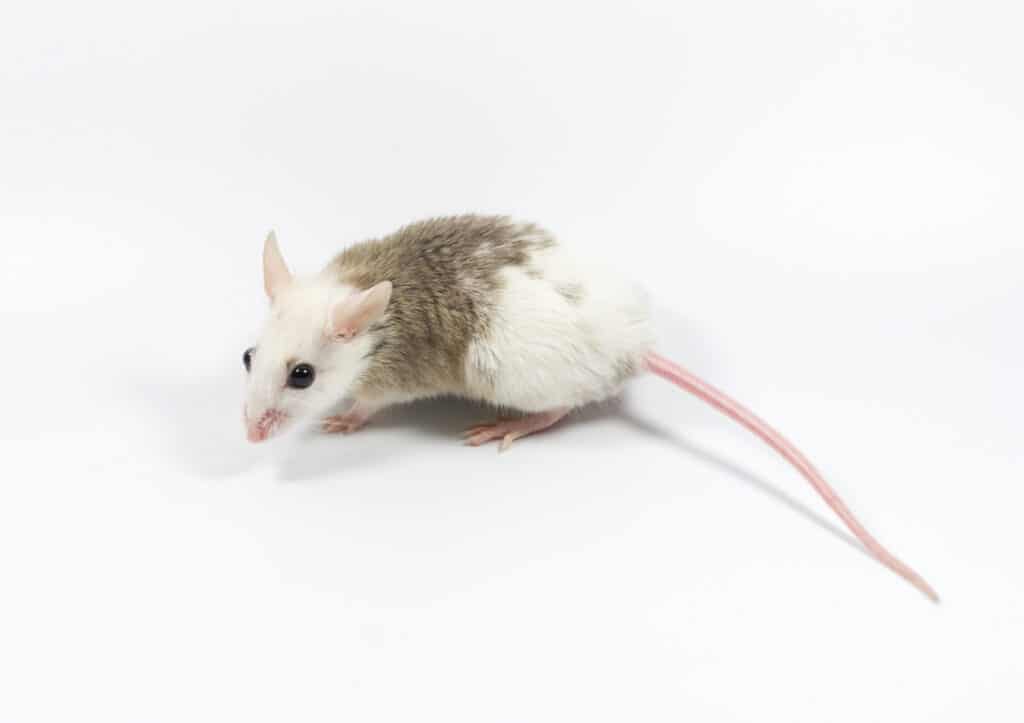
In controlled mouse experiments, Friede’s antivenom neutralized venoms from many of the world’s most dangerous venomous snake species. Mice survived doses of venom that would otherwise be fatal in the wild.
Even with positive test results, real-world snakebites involve variable venom amounts, delayed treatment, and complex injuries that animal studies can’t fully re-create. More testing needs to be done.
What Comes Next For Trials and Access?

©kzenon/iStock via Getty Images
Researchers have veterinary studies planned as a bridge to human trials while refining dosing and delivery for field use. Scaling up production, reducing cost, and ensuring shelf-stable formulations will matter more than we know, as most severe snakebites occur far from advanced hospitals.
Ethical Concerns Regarding the Development of This Antivenom
©Audrey Snider-Bell/Shutterstock.com
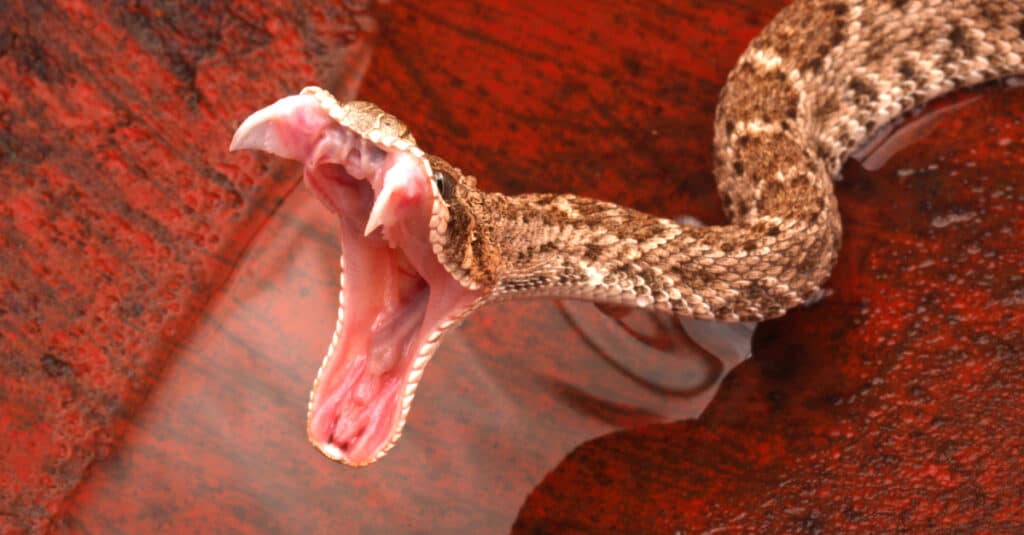
Experts across multiple scientific fields stress that Friede’s path was dangerous and should not be repeated in the future. The scientific community’s stance is clear: now that the molecular blueprints exist, future work should rely on lab-made antibody copies, not new rounds of human self-exposure. While extremely valuable, Friede’s route to knowledge could’ve cost him his life.
How Big Is the Global Need for Antivenom?

©Mark_Kostich/Shutterstock.com
Snakebites kill an estimated 60,000-80,000 people each year and injure many more. These injuries and deaths predominantly occur in rural parts of Africa, Asia, and Latin America, which is just another reason why a broadly effective, safer, and easier-to-stock therapy could transform lives. Speed to treatment remains the single most important variable in survival, with affordability a close second.
So, Is One Man Truly the Future Of Antivenom?

©PeopleImages.com – Yuri A/Shutterstock.com
In a way, Friede’s unusual immunity supplied the template for the future of antivenom. Modern biotech turned that template into the potential for broad protection, redefining snakebite treatment. Should this new antivenom work, there will be fewer delays in treatment, fewer serum reactions, and more reliable, affordable options for nations around the world. Tim Friede took on over 200 snakebites, but there’s no guessing the number of lives he’s potentially saved in the process.