
Quick Take
- Wildlife behavior, such as birds singing, frogs calling, and insects emerging, provides clearer signals of spring than the traditions of Groundhog Day.
- Animals respond to environmental cues like longer daylight, warmer temperatures, and thawing soil rather than calendar dates.
- Climate change is shifting the timing of migration, breeding, and seasonal behaviors across North America.
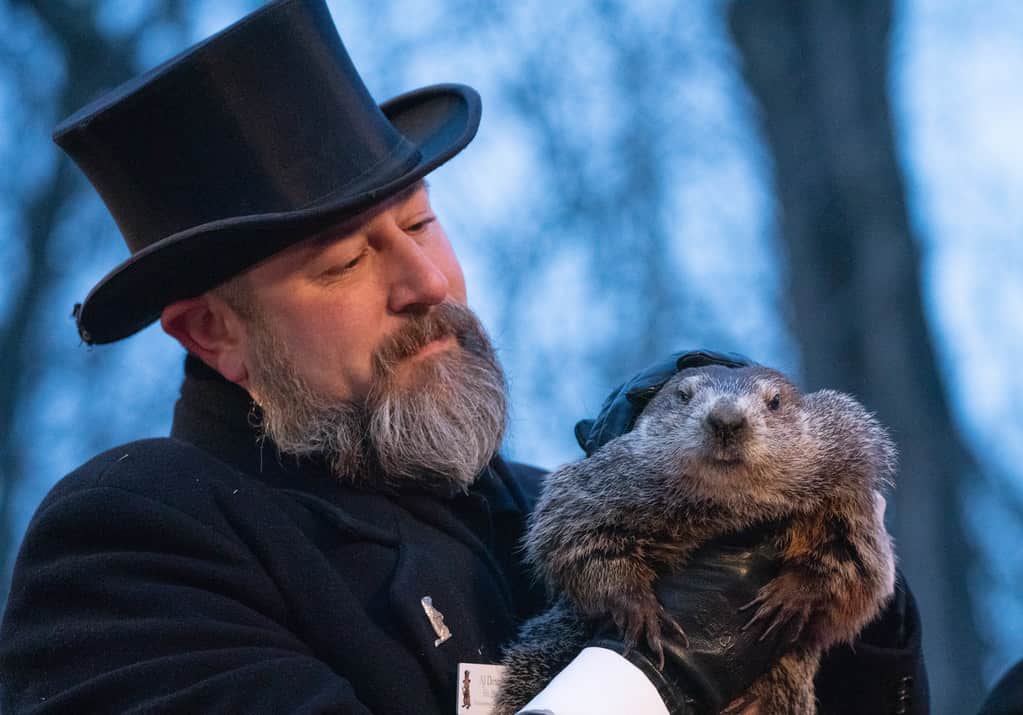
Each February, crowds gather at Gobbler’s Knob in Pennsylvania to watch Punxsutawney Phil predict the weather. In 2026, the famous groundhog saw his shadow, which tradition says means six more weeks of winter.
While the ceremony draws national attention, most people do not rely on a single animal for signs of the changing season. Instead, they notice birds singing earlier in the morning, frogs calling from roadside ponds, insects buzzing in gardens, and mammals shedding thick winter coats. Across the temperate regions of the United States and southern Canada, animals respond to shifts in daylight, temperature, and moisture. These changes provide a more reliable signal of spring than any single tradition. Here are some animals that provide more accurate signs that spring is on the way.
Groundhogs and the Limits of a Legend
Groundhog Day remains a popular tradition, yet the behavior of real groundhogs has little to do with forecasting weather. In the wild, groundhogs, also known as woodchucks, spend winter in true hibernation. Their body temperature drops, their heart rate slows, and they survive on stored fat. They emerge when soil temperatures rise, and the upper layers begin to thaw. In many northeastern states, this occurs in late February or March, depending on local conditions. Early plants must begin to grow before groundhogs can feed again.
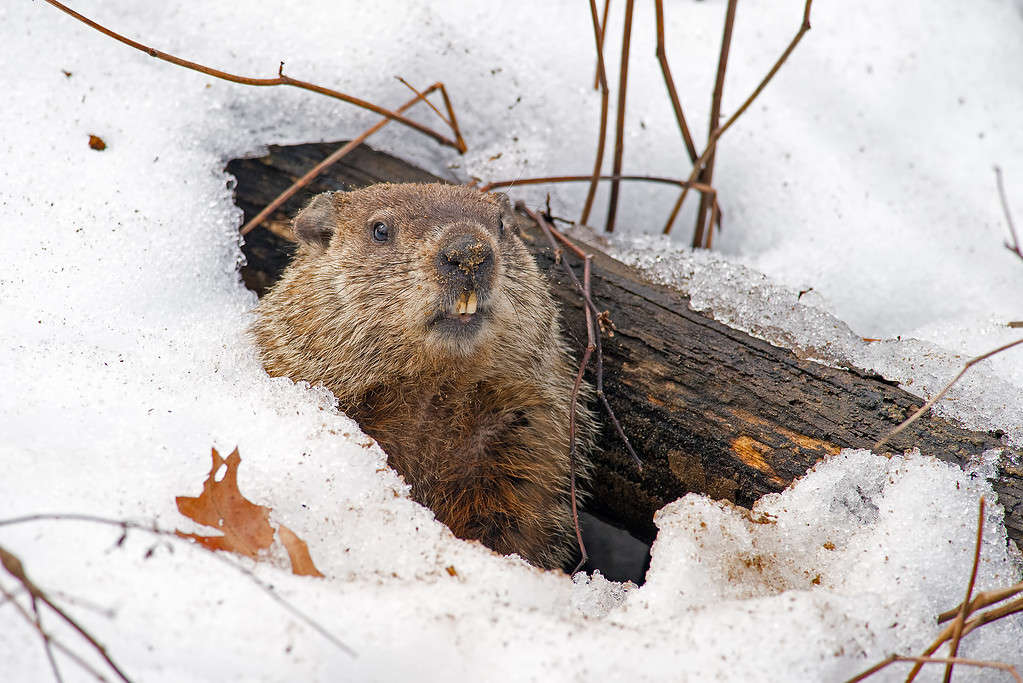
Daylight and soil warmth prompt groundhogs to emerge from hibernation.
©BrianEKushner/ via Getty Images
The timing of groundhog emergence depends more on soil warmth and daylight than on whether the animal sees its shadow. A groundhog leaving its burrow signals that winter is easing, but it does not predict the length of the season. The legend remains cultural entertainment. The timing of seasonal changes in nature depends on broader environmental cues shared by many species.
Songbirds Signal Longer Days
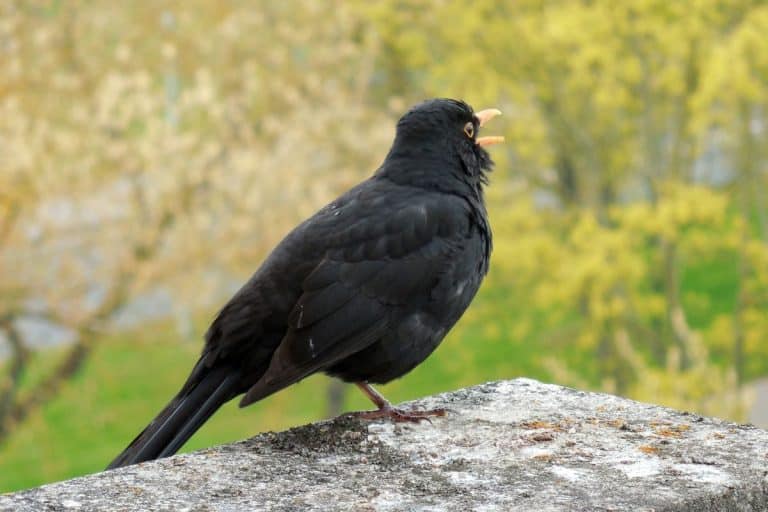
In many neighborhoods, the first strong sign of spring comes from sound rather than sight. Robins, chickadees, sparrows, and cardinals increase their singing as days lengthen. Longer daylight hours trigger hormonal changes that prepare birds for breeding. Males sing to defend territory and attract mates. Warmer temperatures also support rising insect activity, which provides food for nesting birds.
Long-term studies show that many songbird species now begin migration and breeding earlier than they did decades ago. In North America, some species have shifted arrival dates forward by several days per decade. However, not all species adjust at the same rate. If insects hatch earlier due to warming weather but birds arrive later, chicks may hatch after peak food availability. This mismatch can lower survival rates. Birdsong still marks the season’s change, but its timing increasingly reflects broader climate patterns.
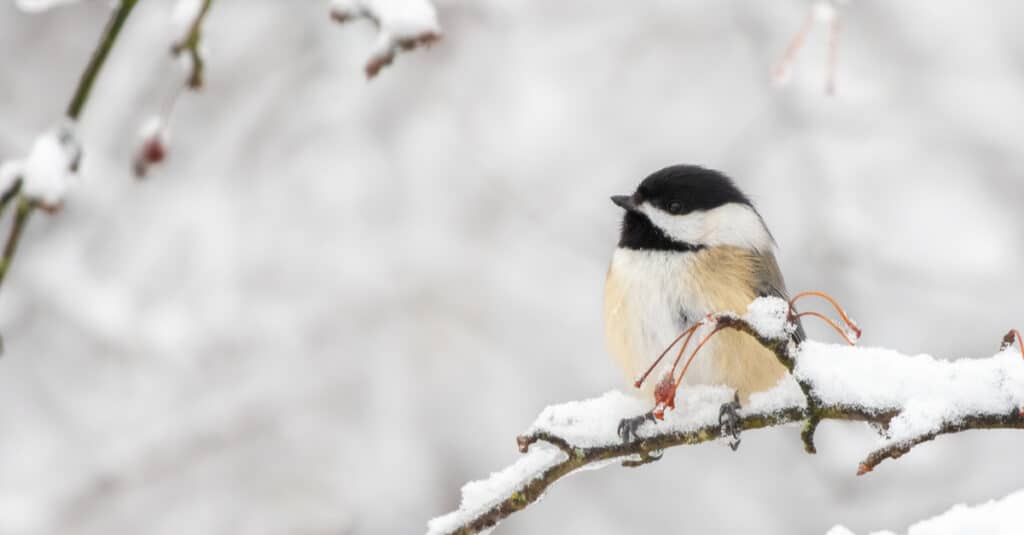
More birdsong from species like this black-capped chickadee is one of the ways nature announces the imminent return of warm weather.
©Mr.Coffee/Shutterstock.com
Frogs Announce Thawing Wetlands
Evening air often carries another clear signal of spring: frog calls rising from ponds and ditches. Species such as spring peepers and wood frogs breed in temporary wetlands formed by snowmelt. These amphibians can survive freezing winter temperatures by producing natural antifreeze compounds in their bodies. When ice thaws and nighttime temperatures rise above freezing, males begin calling to attract females.
Calling patterns depend heavily on temperature and snowpack depth. A mild winter followed by early snowmelt can bring frog choruses weeks ahead of schedule. Researchers have documented earlier calling dates in several regions over recent decades. However, sudden cold snaps can still damage eggs laid too early. Amphibians respond quickly to weather shifts, making their calls one of the most direct biological signals of seasonal change.
Deer Change Coats with the Light
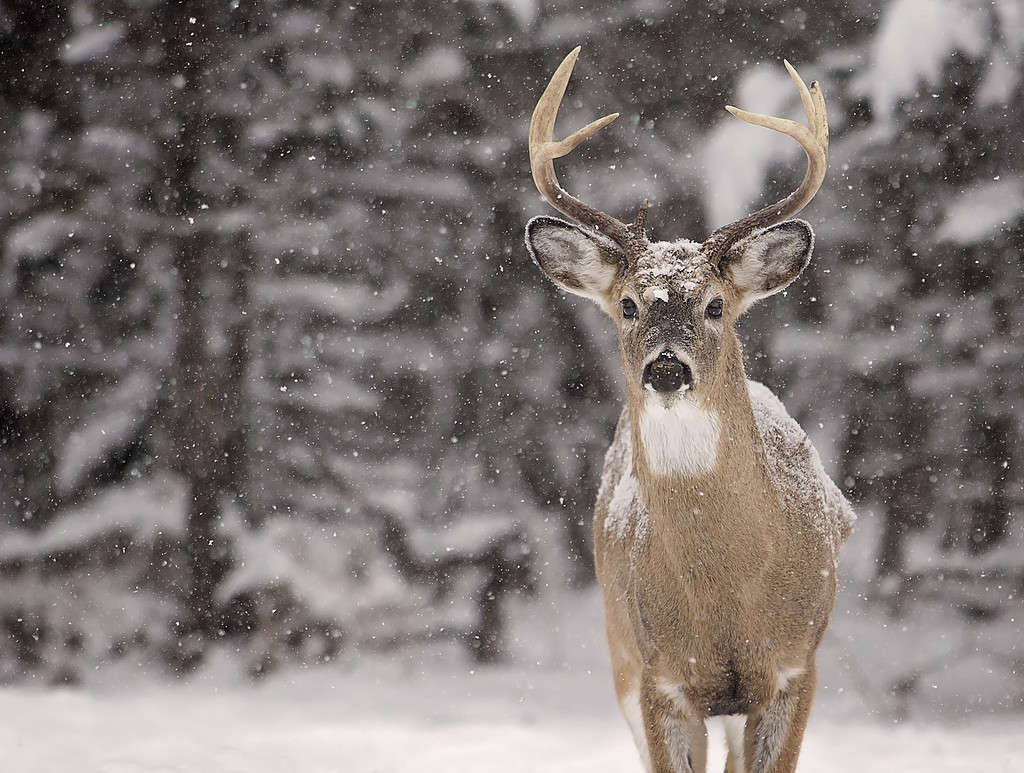
In the winter, white-tailed deer have heavier coats that shed and start looking patchy in the spring.
©Lynn_Bystrom/iStock via Getty Images
White-tailed deer and other temperate mammals grow thick winter coats that insulate them against snow and wind. As days lengthen in late winter, hormonal signals trigger shedding. Deer often appear shaggy during this transition as lighter summer fur replaces heavier hair. Day length, rather than temperature alone, controls this process. Warm weather can speed visible shedding, but light cues drive the internal change.
If warm periods arrive early and are followed by freezing rain or snow, deer may experience stress during this transitional period. They rely on emerging vegetation to regain weight lost during winter. New plant growth must align with their nutritional needs. Shifts in plant timing due to warming trends can influence body condition and reproductive success. Observing coat changes offers another clue that the seasonal cycle is moving forward.
Insects Mark Rising Temperatures
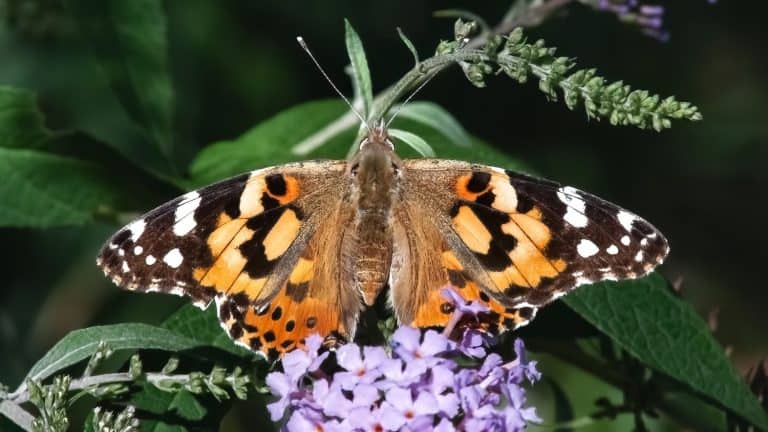
The return of insects provides a visible and sometimes unwelcome sign of spring. Bees, butterflies, beetles, and mosquitoes resume activity as soil and air temperatures climb. Because insects are cold-blooded, their body processes depend directly on environmental warmth. Many overwinter as eggs, larvae, or pupae in soil or leaf litter. When conditions improve, development resumes.
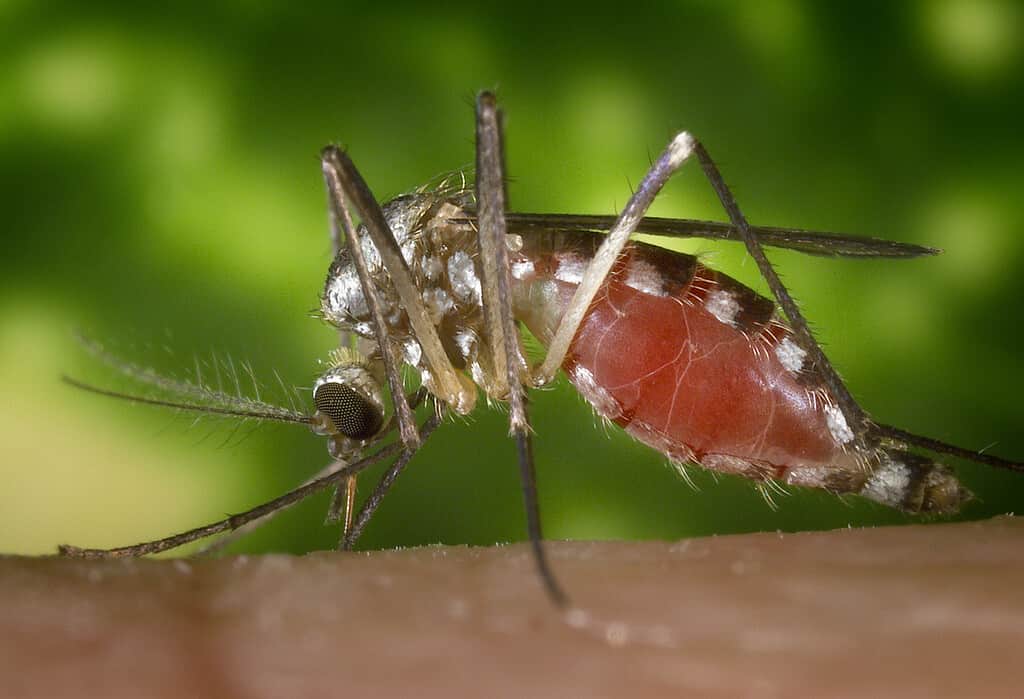
The return of mosquitoes is, for most people, an unwelcome sign of spring.
Warmer springs have led to earlier insect emergence in many regions. In some areas, species that once died back during harsh winters now survive year-round. This change can extend allergy seasons and alter garden ecosystems. Earlier pollinator activity may benefit early-flowering plants. However, mismatched timing between insects and migrating birds can create food shortages. Insect patterns closely reflect subtle shifts in climate, making them strong indicators of seasonal change.
Small Mammals Resume Foraging
Beyond deer and groundhogs, smaller mammals also show clear signs of seasonal change. Squirrels increase daytime activity as food becomes available. Chipmunks leave burrows more often. Raccoons expand their foraging range. Many of these animals do not fully hibernate but instead enter periods of reduced activity called torpor. As daylight increases and temperatures rise, they become more active and begin searching for mates.
Climate shifts can influence the timing of natural food sources such as nuts, seeds, and insects. Urban areas may reduce seasonal pressures by providing steady access to garbage or bird feeders. Still, people often notice subtle differences in the timing of backyard animal appearances.
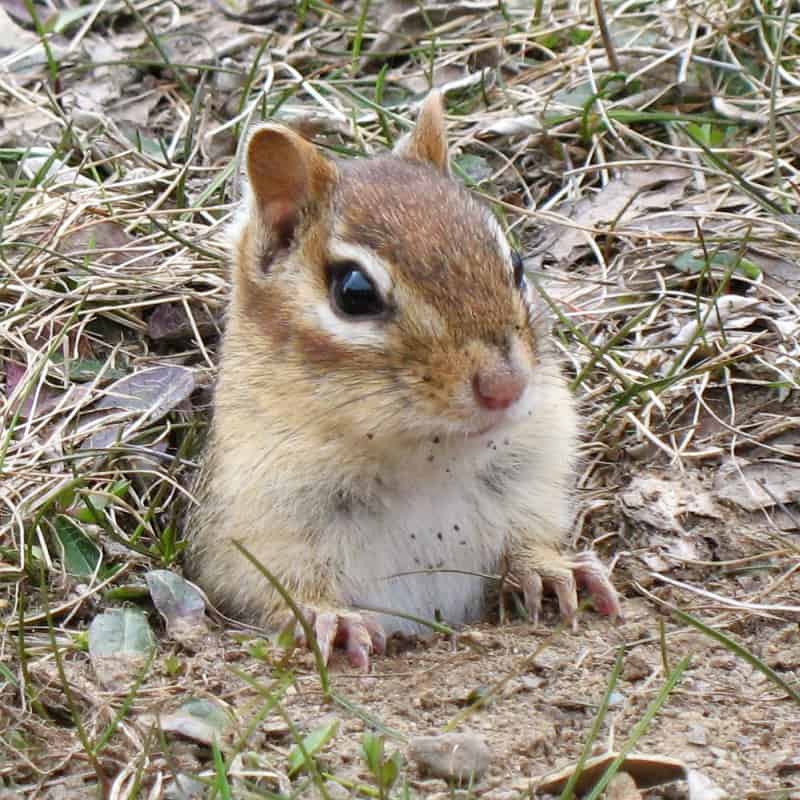
Chipmunks start running around looking for food in the spring.
Migratory Birds Return North
Large-scale migration offers some of the clearest seasonal signals. Geese, cranes, swallows, and warblers travel thousands of miles to reach breeding grounds. Seeing them overhead in long V-shapes gives us the sense that nature is on the move, gearing up for something new. These journeys depend on daylight length, prevailing winds, and food availability along the route. Long-term monitoring shows that many migratory birds now arrive earlier than in past decades.
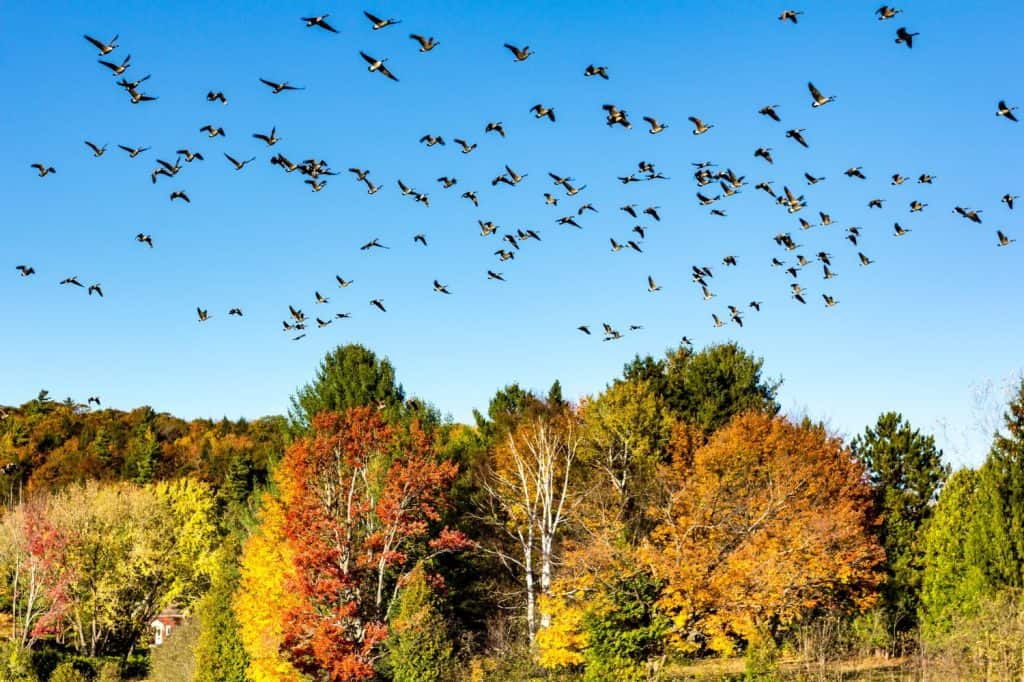
Vast numbers of migrating birds are a thrilling sight in spring.
©Michel Guenette/Shutterstock.com
However, climate effects vary across migration routes. A bird may depart its wintering grounds on schedule but arrive at a northern stopover where insects have already peaked. Such timing gaps can reduce breeding success. Observers often note earlier first sightings of hummingbirds or swallows compared with decades past. These shifts provide visible evidence of changing seasonal rhythms across North America.
The Bats Are Back
Bats offer one of the most overlooked signs of seasonal change. In colder regions of North America, many bat species spend winter in hibernation inside caves, mines, or rock crevices, where temperatures remain stable, and food is absent. During this period, their heart rate and metabolism drop sharply to conserve energy. As spring approaches and nighttime temperatures consistently rise above about 50 degrees Fahrenheit, insects begin to emerge, and bats follow.
The first warm evenings often bring the return of their silent silhouettes sweeping through twilight skies. Species such as little brown bats and big brown bats resume feeding flights soon after sunset, taking advantage of newly active moths, beetles, and mosquitoes. In some areas, maternity colonies form in attics or hollow trees as females prepare to raise pups during the warmer months. Because bats respond directly to insect availability and nighttime temperatures, their reappearance provides a clear ecological signal that spring conditions have stabilized.
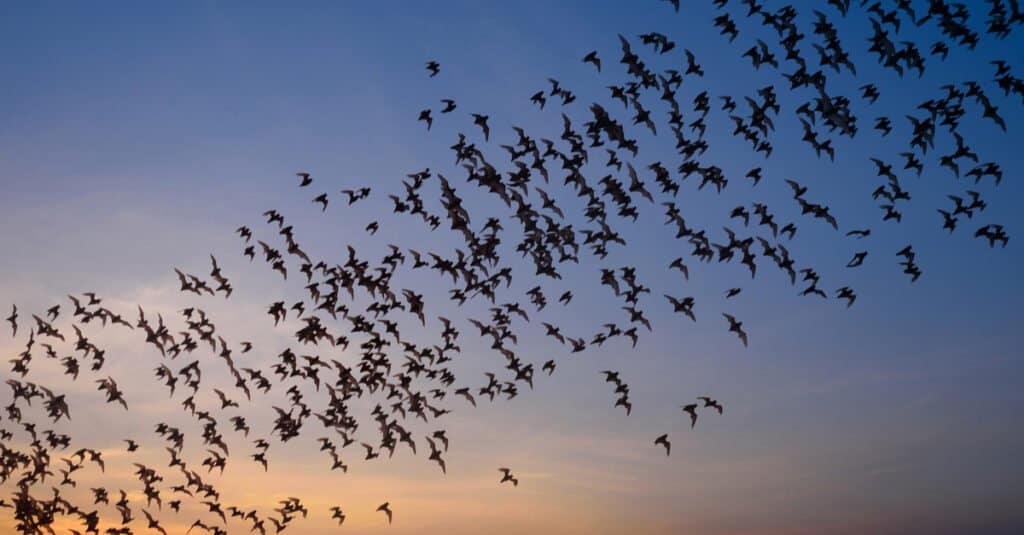
Often overlooked, the return of bats, along with insects, is an important indicator of spring.
©Photoongraphy/Shutterstock.com
Reading the Real Signs of Spring
Traditions like Groundhog Day remain part of cultural history, but wildlife behavior offers clearer insight into seasonal change. Birdsong at dawn, frog calls at dusk, and increased insect activity reveal warming patterns across landscapes. Mammals shedding coats and expanding foraging ranges add further confirmation.
Paying attention to these signals connects people with their local environment. Observing when birds return, when frogs first call, and when insects appear can deepen awareness of shifting climate patterns. Spring arrives not because of a single shadow, but through the combined responses of many species reacting to shared environmental cues.