
Quick Take
- A milder winter sounds like good news for wildlife, yet for Colorado's marmots it turned out to be catastrophic for a reason most people never consider. See how mild winters hurt →
- These rodents can double their body weight in a single summer, yet fat alone isn't enough to keep them alive underground. Something else entirely determines whether they make it to spring. Discover the fat strategy →
- Sixty years of tracking individual marmots revealed that warmer weather both helps and kills them, a contradiction scientists are still working to untangle. Explore 60 years of data →
- To keep this decades-long study alive, researchers turned to a funding strategy so unconventional it made headlines, and it's already working. See the fundraising effort →
Every summer, Alaska’s Fat Bear Week turns the serious business of winter survival into a fun popularity contest. Now, scientists in Colorado are giving another expert winter sleeper its turn to shine.
Meet Fat Marmot Week, a new competition celebrating yellow-bellied marmots as they gain as much weight as possible before heading underground for the winter.
The first-ever event runs August 24 through August 29, 2026, and the rules are simple. Scientists will introduce the public to real marmots living around the Rocky Mountain Biological Laboratory in Gothic, Colorado. Then, people can vote for their favorite round rodent.
It is easy to love marmots just because they are funny, plump animals with big personalities. But the timing of this contest is very serious.
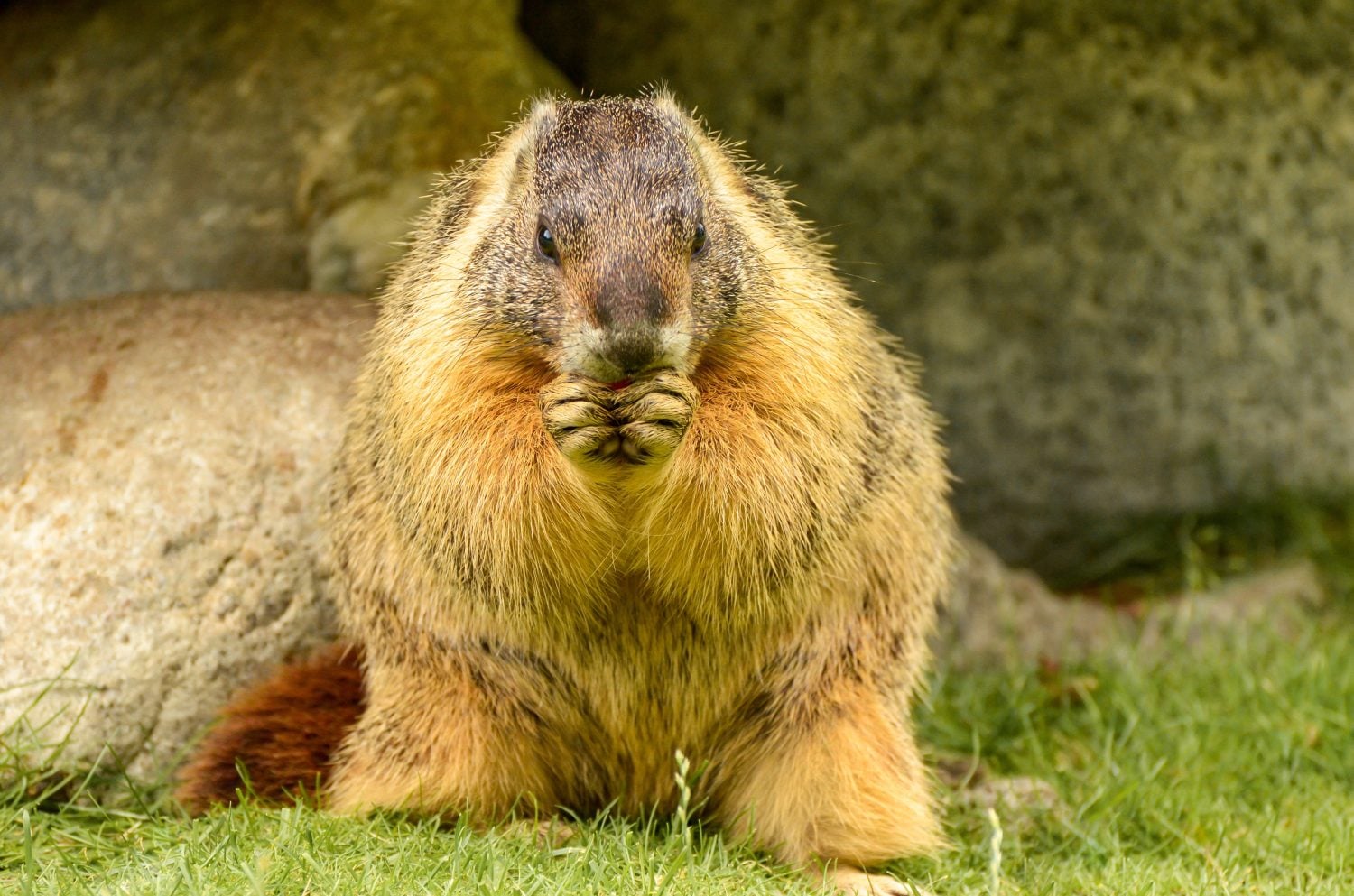
Large adult marmots can weigh between 11-13 lbs before they go into hibernation.
©Gelu Popa/Shutterstock.com
Last winter, researchers watching a local Colorado group started with more than 160 marmots. By spring, only about 60 were still alive. Scientists think the main cause was a lack of deep snow, which left the animals’ underground burrows without the extra warmth they normally rely on.
That makes this year’s group of heavy marmots more than just cute pictures on the internet. For an animal that goes without eating underground for about half its life, having plenty of fat can mean the difference between surviving until spring or dying over the winter.
For Marmots, Getting Fat Is a Survival Strategy
A yellow-bellied marmot in late summer can look completely different from the skinny animal that woke up months earlier. And that dramatic increase in weight is completely necessary.
Marmots spend their short summer feeding on grasses and wild greens to build up massive energy stores. Researchers with the long-running Colorado marmot project say the animals can double their weight over the summer. Large adults can weigh up to 11 to 13 pounds before going to sleep for the winter.
Then, they stop eating entirely.
During winter sleep, a marmot’s body processes drop to an absolute minimum. Its body temperature can fall all the way to 41 degrees Fahrenheit, and it might only take one breath every minute or two. During these deepest periods of rest, past studies from UCLA showed that marmots burn only about a tiny gram of fat per day.
This is why looking at a marmot’s wide middle in August requires a different way of thinking about body fat. A round marmot is round because it’s building its winter fuel supply. Every ounce of stored fat is energy the animal will need months later, when the ground is buried under snow and there is zero food available.
Snow Is Part of a Marmot’s Winter Blanket
Fat alone, however, is not enough to keep them alive. One surprising lesson from this year’s marmot deaths is that a snowy winter actually keeps these underground animals warmer. Snow traps air inside it, making a thick layer of snow a remarkably good blanket. Once enough snow covers the ground over a burrow, it protects the soil underneath from extreme freezing weather outside.
A winter with very little snow leaves sleeping marmots exposed to much colder conditions underground, even if the air outside seems mild.
That appears to be what happened near Gothic. According to researchers interviewed by the Associated Press, light snow and warmer weather left marmot burrows without enough insulation last winter. Lead researcher Daniel Blumstein said the group they monitor dropped from over 160 animals down to roughly 60.
This highlights a key point about climate change that gets missed when people only talk about rising average temperatures. For wildlife, the biggest impacts often come from changes in timing, lighter snowpack, unusual rainfall, and extreme weather events, not just warmer days.
An animal built for a predictable seasonal schedule does not automatically benefit from a milder winter. What truly matters is whether the whole natural environment stays on the timeline the animal relies on.
Scientists Have Been Watching These Marmots Since 1962
Yellow-bellied marmots at the Rocky Mountain Biological Laboratory have been studied continuously since 1962. This makes it one of the longest running studies of individually tracked wild mammals in the world. And having decades of data is incredibly valuable.
Field workers regularly catch, weigh, tag, and watch individual marmots. Over time, they have built a massive collection of info on marmot numbers, behavior, health, and genetics. Because of this, scientists can answer big questions that standard three- or five-year projects could never address, such as what happens when spring arrives earlier than usual? Do marmots gain more weight when plants grow for a longer time? How do droughts or poor snow conditions affect their survival? Do young animals born during tough years face health problems later in life? Scientists can compare a strange year to 60 years of past records to know for sure if a change is meaningful.
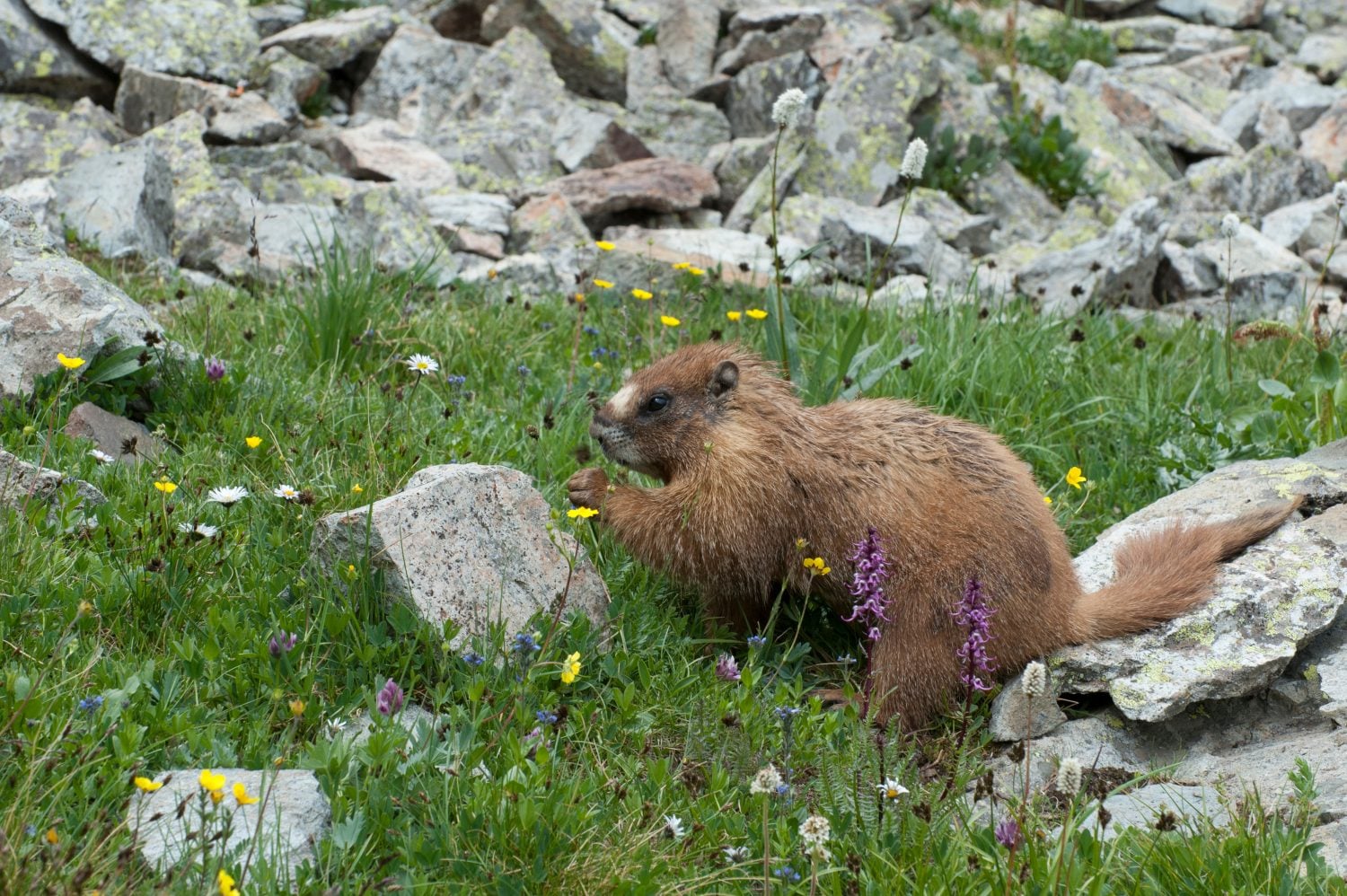
Marmots eat plants, feeding on grasses and wild greens to build up massive energy stores.
©Danita Delimont/Shutterstock.com
This work has already led to surprising discoveries. A major 2010 study showed that earlier springs gave marmots more time to eat. They grew heavier before winter, which helped more of them survive and have babies, causing the population to grow during those years.
That might make it seem like warmer weather is great for marmots.
However, the recent die-off shows why the full picture is more complicated. Climate change can help animals under certain conditions while creating deadly risks under others. A longer summer might give them more time to eat, but a lack of snow deprives them of the essential insulation they need to survive the winter sleep.
Fat Marmot Week Has an Unusually Serious Mission
While Fat Marmot Week was inspired by Fat Bear Week, the Colorado team has another pressing goal: their project needs money.
Cuts to government science funding have put heavy pressure on the long-running study. Blumstein told the Associated Press that his UCLA research department has lost about a third of its graduate student positions. The team needs to secure over $200,000 to cover three years of costs so they can keep working in the field.
Hence, to raise awareness, the researchers turned to creative ideas. Along with Fat Marmot Week, the team started sharing family-friendly research videos on OnlyFans using the joke name “OnlyMarms.” A supporter even created an “OnlyMarms” digital currency where trade fees go directly to the research. The Associated Press reports that the digital currency alone has raised about $100,000.
These unusual methods highlight a real problem for long-term wildlife research. A decades-long study is only useful if data is collected every single year without interruption. Once a gap occurs, scientists cannot go back later to fill in what they missed. A marmot born in 2027 cannot be weighed years after the fact.
Keeping these record-keeping efforts continuous is critical as climate conditions shift beyond anything scientists have seen before.
There Will Actually Be Two Fat Marmot Winners
While Fat Bear Week is for entertainment purposes, Fat Marmot Week adds real science to the vote. Researchers plan to crown two winners: a popular vote champion chosen by the public, and an official weight-gain champion based on real scale measurements taken over the summer.
This dual contest works well because researchers already weigh the local marmots throughout the season. The public might fall in love with a cute, photogenic marmot posing on a rock, while the scale might reveal a different animal gained the most actual weight.
Either way, gaining winter fat is an impressive feat. These animals spend spring and summer eating mountain plants to build energy reserves. Soon, they will head underground, drop their body temperatures to levels that would be fatal to most mammals, and survive for months without a single bite of food. And if all goes well, they emerge into the Colorado spring sunshine much thinner, ready to start the cycle all over again.
Why These Round Rodents Matter Beyond Colorado
Focusing more than 60 years of research on one type of ground squirrel is a powerful study. And researchers aren’t just learning about marmots. They are also tracking how a mammal responds when temperatures, snow, plant growth, predators, and seasonal timing all shift at once. These complex environmental connections cannot be recreated in a laboratory, and they take much longer than a few years to truly understand.
The Colorado marmots have already survived droughts, heavy snow years, early springs, late springs, and major environmental changes. Scientists have direct records of how individual animals handled every single one of those events.
Now, those long-term records are helping scientists understand what happens to mountain animals as the climate changes around them.
So go ahead and vote for the fattest marmot. Enjoy the funny names, the round bellies, and the photos of chunky rodents sitting on rocks like little mountain owners. Just remember that Fat Marmot Week celebrates something much bigger, as each round marmot works against time to survive the winter, backed by six decades of science helping us understand our changing world.