
Quick Take
- The woman never intentionally fed the bear, but her home became its regular dining spot anyway, and the reason is more common than most people realize. See why bears return →
- Why wildlife officials won't just relocate this bear is due to how quickly bears learn. Why relocation fails →
- The woman's injury had nothing to do with a bear attack, and knowing what actually caused it changes everything about how you should respond if one enters your home. How to respond safely →
- Securing your trash most nights but slipping up occasionally is almost as dangerous as never securing it at all, and the math explains why. See the prevention steps →
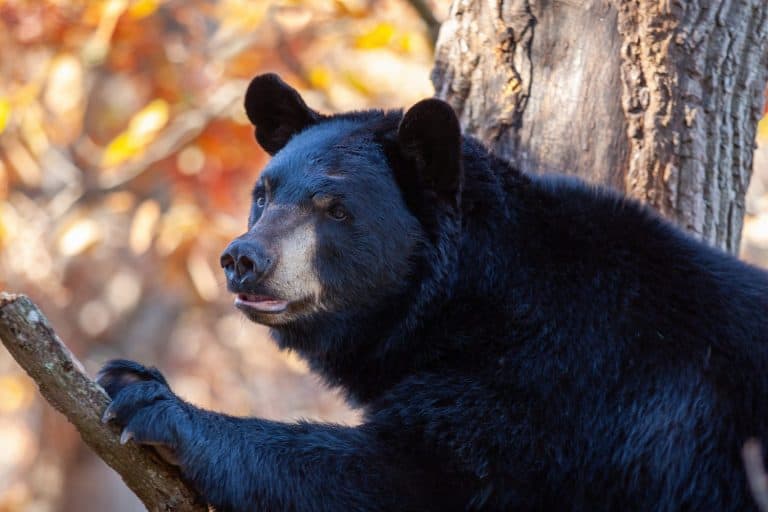
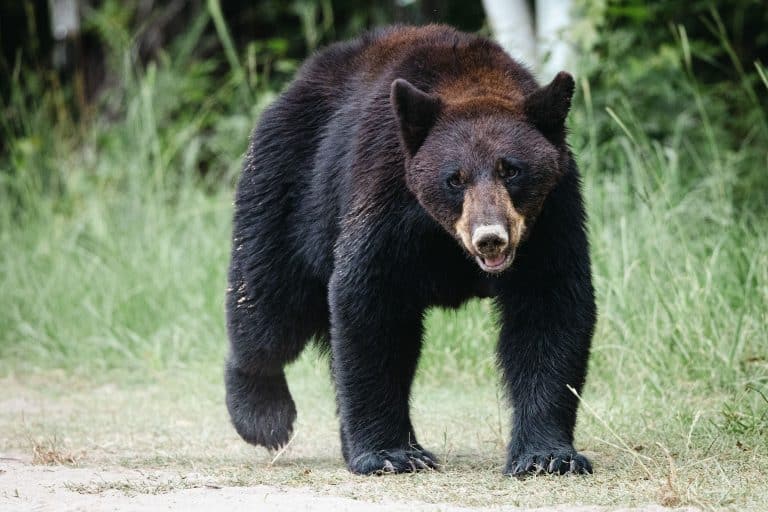
An Asheville woman was hurt Tuesday night when a black bear came into her house. Wildlife officials in North Carolina say this rare, close encounter shows how quickly bears can start seeing homes and neighborhoods as easy places to find a meal.
The woman’s injuries were not life-threatening, and she was hurt while the bear was trying to get out of the house. She was treated at a hospital and sent home.
State wildlife officers plan to track down and humanely put the adult female bear to sleep. They are also looking for her cubs to see if they are old enough to survive in a wild, unpopulated area on their own.
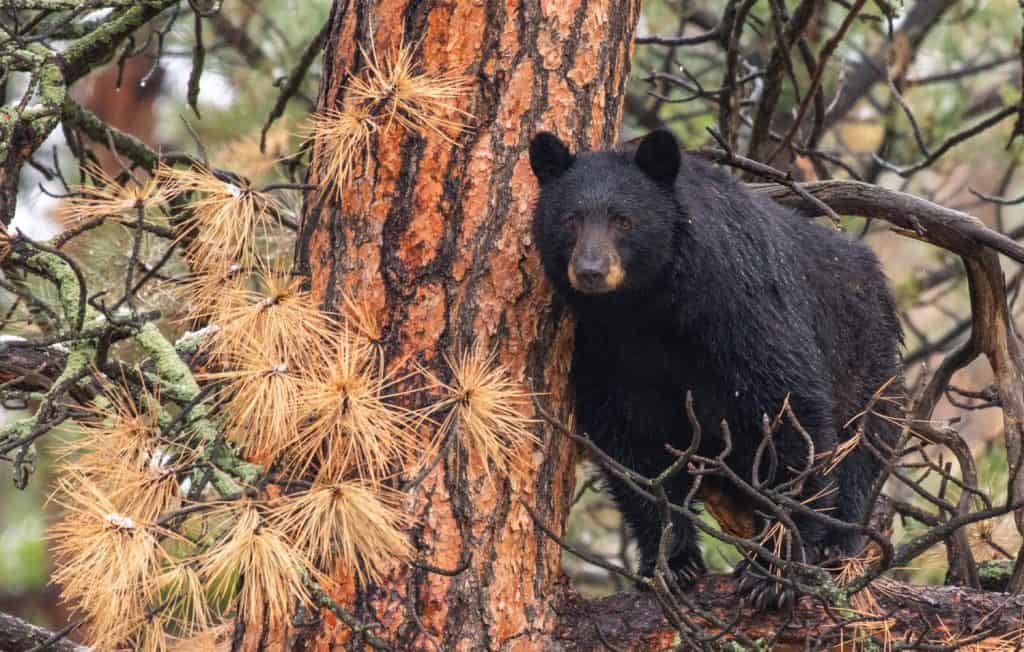
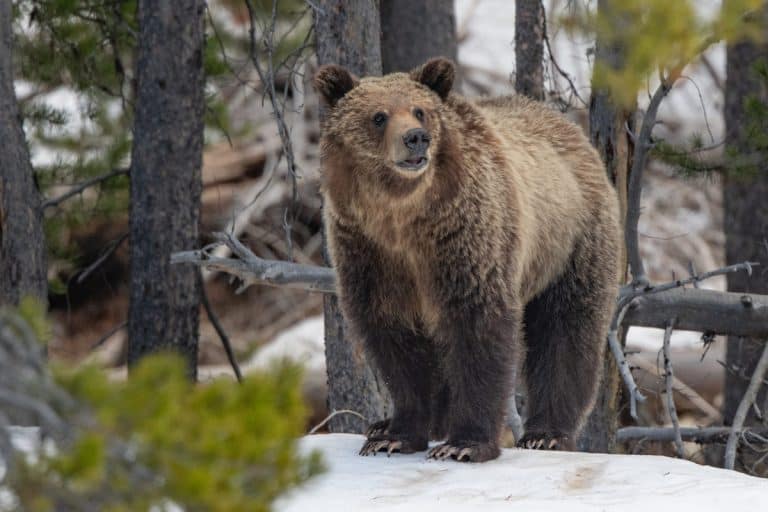
Western North Carolina is home to a large black bear population.
©Kerry Hargrove/Shutterstock.com
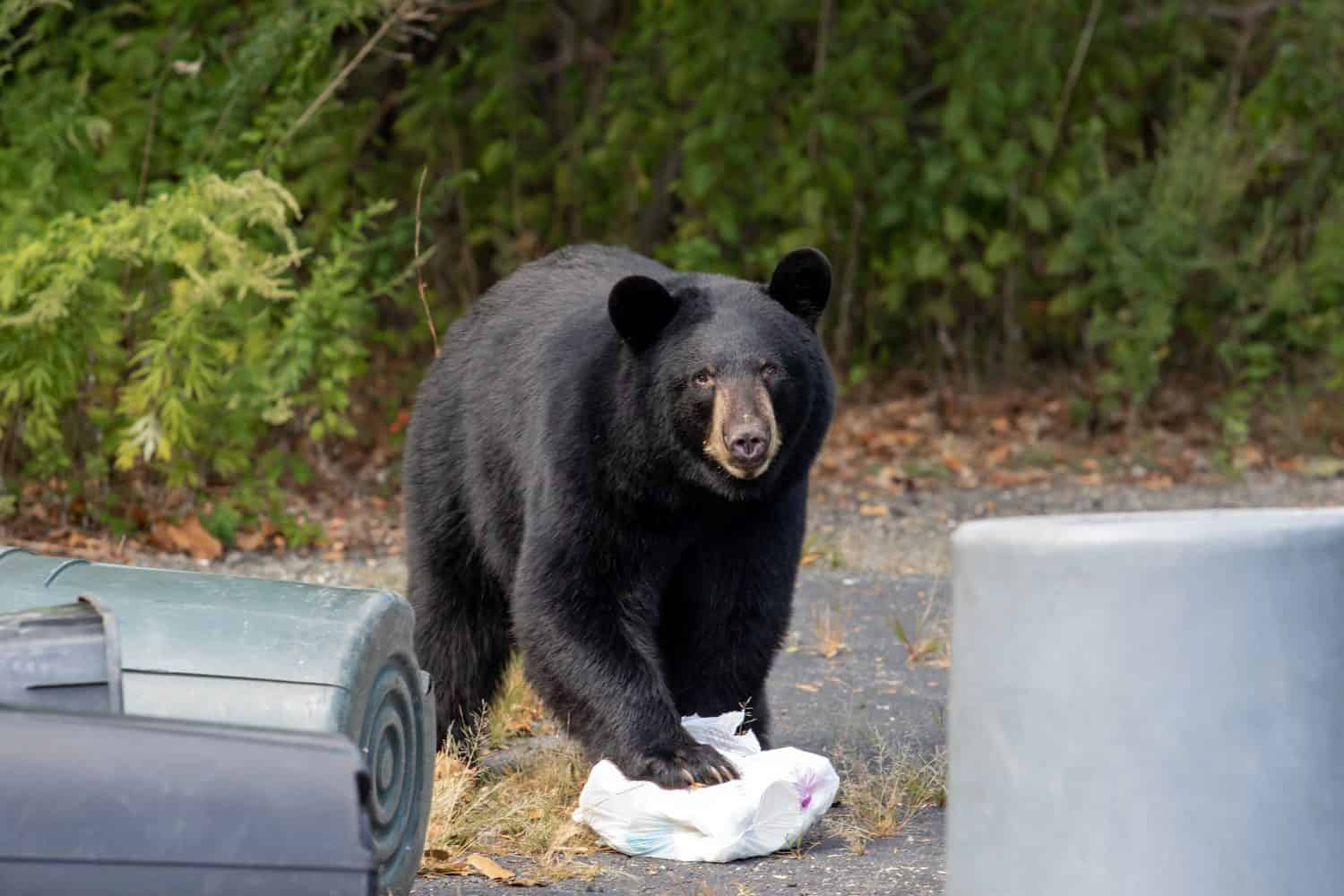
Investigators found evidence that the bear had come inside before and had been getting into pet food through an unlocked door again and again. Trash left unsecured outside was another easy snack. Neighbors also said the bear acted like it was used to people and had learned to look for food near them.
This change in behavior is one of the biggest problems wildlife managers try to stop in areas where bears and people live side by side.
Why a Bear That Finds Food at a House Keeps Coming Back
Black bears adapt easily to new environments, which has helped them survive even as human neighborhoods push into their natural habitats. But that flexibility can also cause trouble.
Bears have learned that where there are people, there is also food. An overflowing trash bin, a pet bowl near the back door, birdseed dropped under a feeder, or any accessible leftovers are all prime indicators.
State bear biologist Jenna Malzahn said investigators found no proof that the woman intentionally fed the bear. Instead, the bear simply got into indoor pet food and outdoor trash over and over again.
While “feeding bears” sounds irresponsible, in reality, many serious problems start with food that people never meant for a bear to eat.
Bears learn very fast and will return to places where they previously found a meal. Over time, some lose their natural fear of humans and become bolder about stepping into built-up neighborhoods to search for food.
Wildlife experts describe these two factors — getting comfortable around people and associating people with food — as why the increase in human/bear interactions are on the rise.
A bear can show one behavior, the other, or both. And when both happen together, it is especially dangerous because the animal loses its urge to stay away from people and gains a strong reason to approach homes.
Why Moving the Bear Isn’t an Easy Fix
When a problem leads to an animal being put down, people naturally wonder why it wasn’t simply relocated. However, moving an adult bear in this type of situation does not fix the problem because it does not erase what the bear has learned. A bear that knows how to search houses, trash cans, and yards for food will likely do the same thing in its new home.
Once bears learn to connect towns and people with an easy meal, changing that habit is extremely hard. Bears that repeatedly get into human food can end up damaging property or becoming a big enough safety risk that wildlife officers have no choice but to put them down.
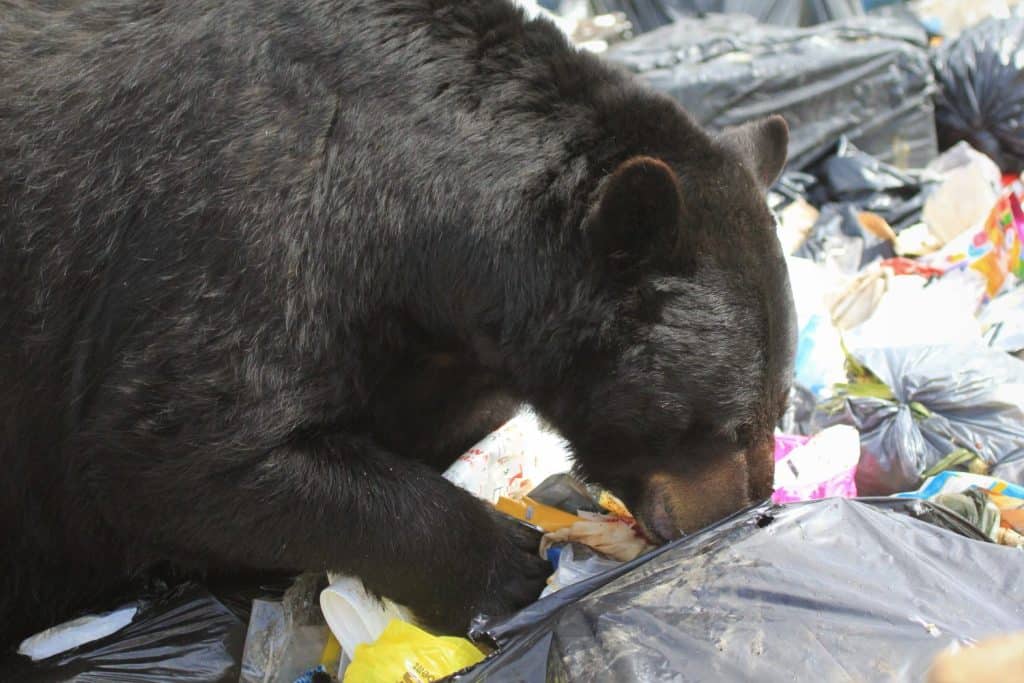
Wildlife experts describe these two factors — getting comfortable around people and associating people with food — as why the increase in human/bear interactions are on the rise.
©Sketchart/Shutterstock.com
This is why wildlife agencies focus heavily on stopping a bear from getting that very first food reward.
A bear passing through a neighborhood is not automatically dangerous. But a bear that keeps finding food there has every reason to come back, and each easy meal reinforces the habit.
How Asheville Manages Human-Bear Conflicts
Seeing bears around town is nothing new in western North Carolina. Asheville and the surrounding mountains are home to a large black bear population living right next to busy residential areas.
After Hurricane Helene struck in late September 2024 and damaged local infrastructure and disrupted trash pickup, wildlife officers saw a spike in bear encounters in the days that followed. Damaged homes, piles of trash, unattended food donations, and spoiled food created an unusually big buffet for local bears. At the time, officials urged residents to keep their doors and windows closed and latched.
That lesson applies all the time, not just during natural disasters. In bear country, a home can easily become part of an animal’s daily food search if doors, windows, or other openings keep leading to something to eat.
What to Do if a Bear Enters Your Home
Finding a bear inside your house is very different from seeing one walk across your yard or a hiking trail. If you happen upon one in your house, the main rule is to not corner it. Stay out of its way, and make sure you are not blocking its path to the door. If the bear will not leave, call local wildlife authorities. If anyone is in immediate danger, call 911 right away.
Approaching, photographing, chasing, or trying to force a bear out of an enclosed room makes the situation more dangerous. A trapped bear feels cornered and has no way to retreat.
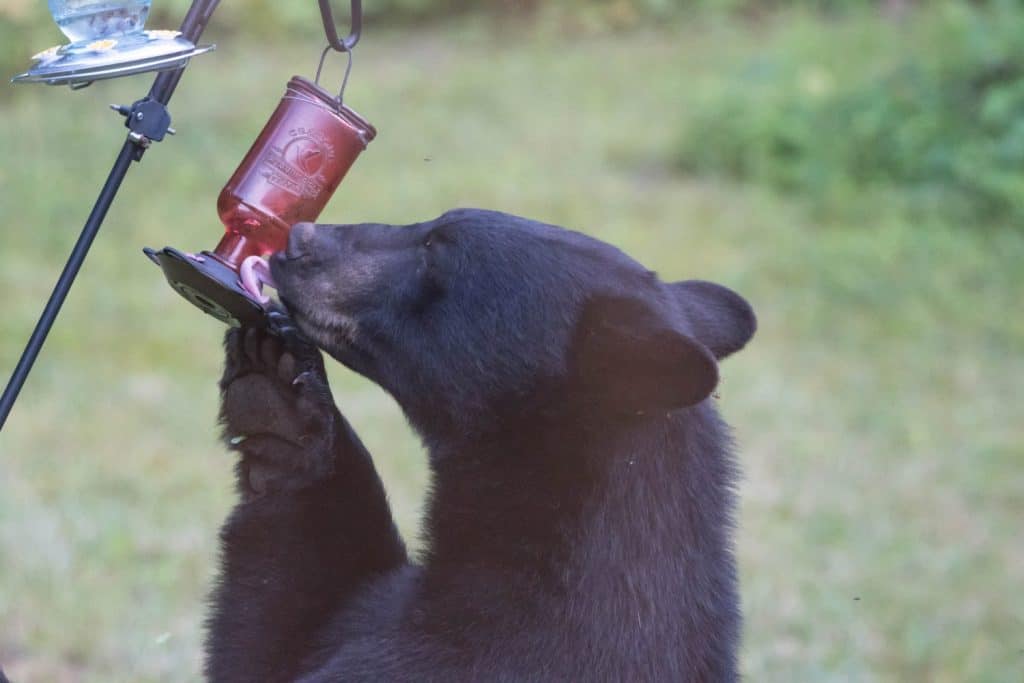
If you happen to discover a bear in your home, stay out of its way, and make sure you are not blocking its path to the door.
©Charles Flachs/Shutterstock.com
The Asheville incident is also a reminder that an injury does not automatically mean a bear came inside to attack someone. Officials confirmed the woman was hurt while the bear was trying to escape.
The Easiest Safety Steps You Can Take
For anyone living in bear country, safety comes down to making your property unappealing to a hungry bear. This means keeping trash cans locked or stored inside, and feed pets indoors. Put them away during seasons when bears are active. Lock doors and windows so bears cannot push them open. Electric fencing or deterrent mats can protect gardens, beehives, and livestock pens. And make sure you clean your barbecue grill thoroughly after each you, and keep it stored.
Consistency is key. Keeping your trash locked up most nights but leaving it out occasionally still gives a bear enough of a reward to keep it coming back. To humans, taking away food sources might look like a list of basic household chores. To wildlife managers, those simple steps keep wild bears from learning that houses are places worth exploring.