
Quick Take
- Bears entering residential areas aren't being reckless. They're responding to a biological demand so extreme it makes their survival entirely dependent on finding enough food before winter. See why bears invade →
- Bringing back normal rainfall sounds like the obvious fix, but wildlife scientists aren't so sure it would actually help in time. Explore the rainfall debate →
- If you ever come face-to-face with a black bear, the instinct most people follow is exactly what experts say not to do. Get the expert advice →
- Colorado's response to the surge goes well beyond telling people to lock their trash, and one program has already put nearly $4 million to work in neighborhoods across the state. See Colorado's full response →
Black bears are part of life for many Colorado residents. After all, many Colorado communities are nestled against natural bear habitats.
For decades, people living in these communities have had black bears show up in yards and dig through garbage cans. But lately, these interactions have increased dramatically. This year has set a record for reported black bear encounters in the state.
What’s causing this increase? Massive drought conditions.
Continue reading
Why Drought Sends Bears to Town
For bears, late summer is the time when they’re eating as much as possible to prepare for their winter hibernation. The process of increased food intake is called “hyperphagia,” and it essentially means the bears are going into eating overdrive.
Bears in this phase consume as many as 20,000 calories each day. That’s the equivalent of eating seven pounds of sunflower seeds, 672 acorns, or 100 donuts. Eating all this food isn’t optional; the bear’s winter survival depends on it.
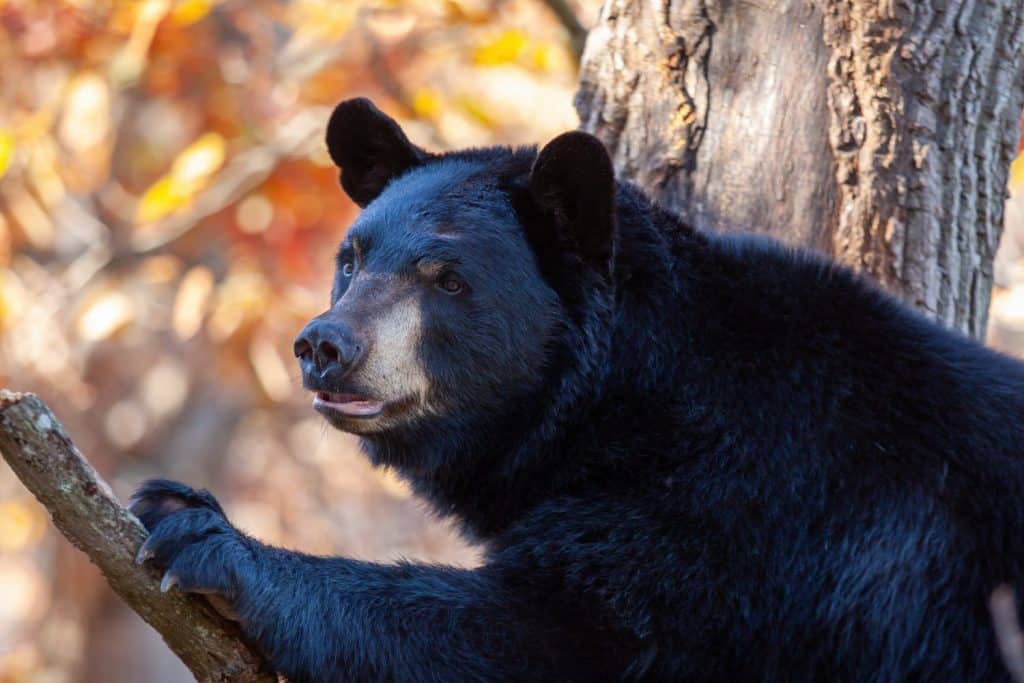
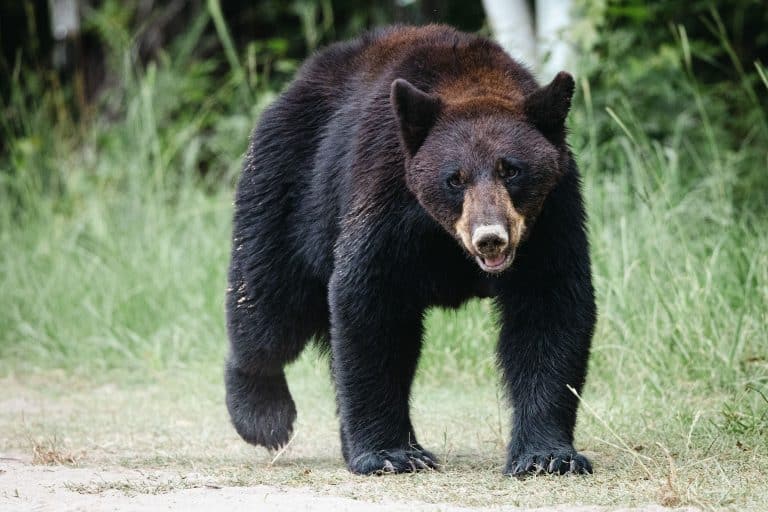
Bears preparing for hibernation eat up to 20,000 calories each day.
©Mark Castiglia/Shutterstock.com
Unfortunately, when drought conditions happen, natural food sources are wiped out. Low snowfall and early snowmelt mean drier conditions throughout the spring and summer. This means that berries, acorns, and grasses—all foods that bears eat in nature—are in short supply.
Bears still need to eat, so they turn to the next-best alternative and head to town for a meal. A significant number of bears are turning to towns for food.
Statewide, bear sightings officially reported to Colorado Parks and Wildlife (CPW) hit more than 6,000 between January and mid-August 2026. This is nearly twice the number of reported sightings from the same timeframe in 2025. Wildlife officials blame serious drought conditions for the increase.
At this pace, 2026 is set to be a record year for bear sightings across Colorado.
How Is the State Responding?
Because it is a widespread problem, CPW initiated a statewide response. It became a member of BearWise, a public education program of the Association of Fish & Wildlife Agencies that helps residents reduce the risk of a bear-human interaction. The program focuses on removing temptation for the bears. The program suggests removing items such as trash, bird feeders, pet food, and grills from areas where bears can easily access them. The goal is to encourage the bears to move back into the forest to search for natural food rather than rely on easy targets in neighborhoods.
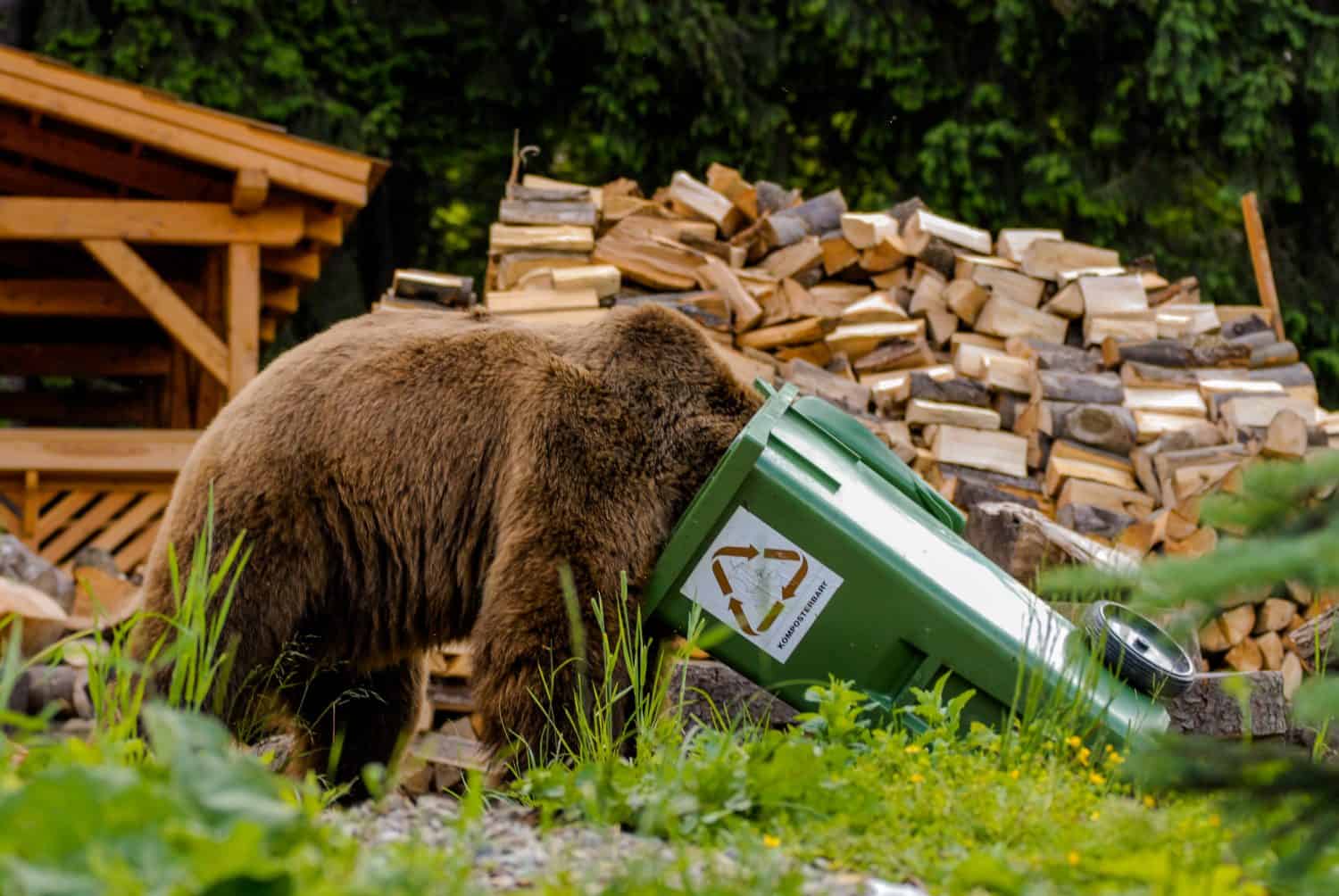
Another initiative is the Human-Bear Conflict Reduction Grant program. With this program, CPW provides money to Colorado communities to pay for things like bear-resistant trash cans, electric fencing for chicken coops and beehives, and efforts that clear fallen fruit before bears find it. In 2025, 22 grants totaling $1 million were awarded. Since the program began, a total of $3.9 million in grant money has been distributed.
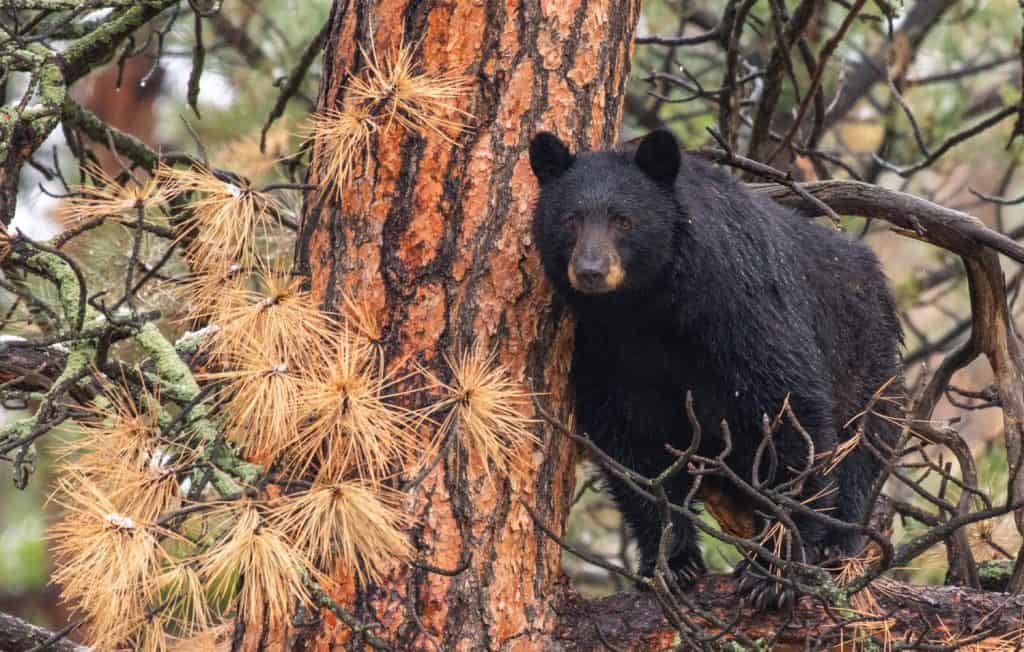
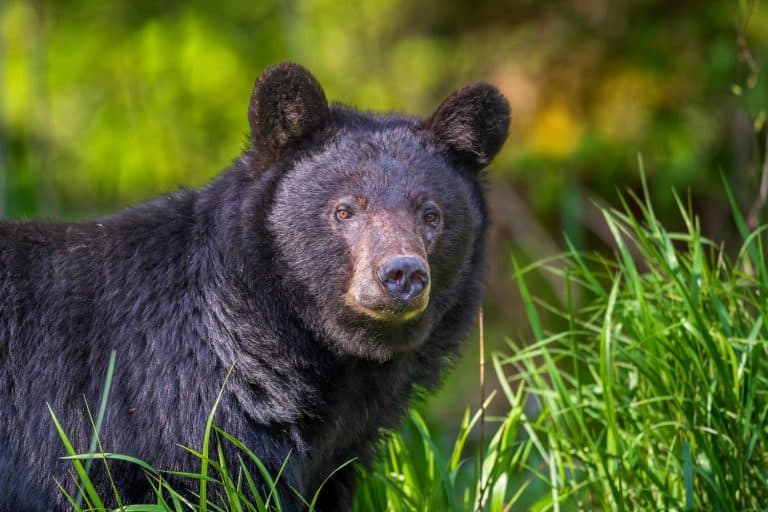
Colorado has several programs in place to reduce bear-human encounters.
©Kerry Hargrove/Shutterstock.com
Finally, CPW encourages residents to report bear sightings as early as possible. This helps wildlife officials intervene before the bear becomes habituated to human interaction. If a bear is allowed to linger too long in residential areas, the animal often cannot simply be relocated back into the wild.
Will More Rain Eliminate the Problem?
If normal rainfall patterns return, drought conditions will ease. However, wildlife officials are unsure if food sources for bears will recover immediately.
They do have some historical data for guidance. In previous years, summer monsoons led to a good fall acorn crop, and bear-human encounters subsequently decreased. For scientists, this indicates that increased rainfall can result in fewer interactions.
However, scientists caution that summer rains may not be sufficient to replenish food supplies in time for the bears’ hyperphagia period. The outcome is uncertain, and the weather is beyond human control.
What scientists do know—and what people can control—is that taking preventive measures, such as securing food, can reduce bear-human interactions.
What to Do If You Encounter a Bear
Encountering a bear can be frightening, regardless of your location. For example, once while getting a morning coffee in a small Colorado town, I saw a large black bear run through the downtown area, coming within feet of me as I left the café. That experience made me realize the importance of being prepared for future bear encounters.
Here’s what you can do to prepare for a black bear encounter. The following advice from CPW applies only to black bears. Grizzly bears require different precautions, but there are no grizzly bear populations in Colorado.
- Stay calm and do not run. Stand still and allow the bear to move away on its own.
- Make yourself known. Speak in a loud, calm voice and make noise—such as shaking your keys or clapping—to avoid surprising the bear.
- Back away slowly, giving the bear an open escape route.
- Carry bear spray and use it only as a last resort. If the bear advances, wait until it is within effective range before deploying the spray as a deterrent.
- If the bear attacks, fight back. Do not play dead.
- Report the encounter to CPW.