A chain reaction that started in spring is what's really pushing record numbers of bears into Western neighborhoods, though most residents haven't connected the dots. See the chain reaction →
Black bears are usually shy around humans, though there is one specific situation this fall that can flip that behavior fast. Understand shifting bear behavior →
Leaving out a handful of everyday backyard items could be all it takes to draw a desperate bear to your home this season. Check your backyard attractants →
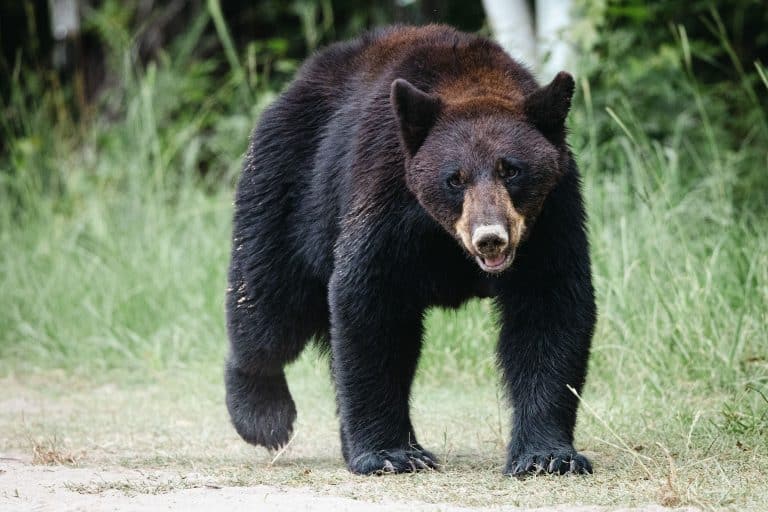
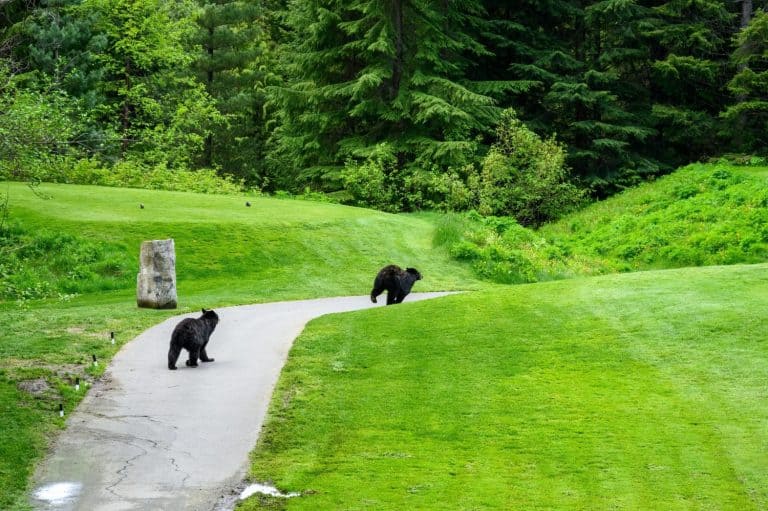
If you live in the Western United States, you’re likely familiar with the ongoing drought affecting the region. Unfortunately, this weather has depleted wild berry and nut supplies, one of the most common food sources for black bears. As a result, record numbers of black bears have been moving into residential areas and mountain towns in search of food. Utah and neighboring states have even reported unprecedented home break-ins with property damage and close encounters.
As the concerning drought and weather persist, black bears might become more desperate in their preparation for hibernation. Here’s what the Utah Division of Wildlife Resources (Utah DWR) is saying about this issue.
What Is Driving the Increase in Bear Activity?
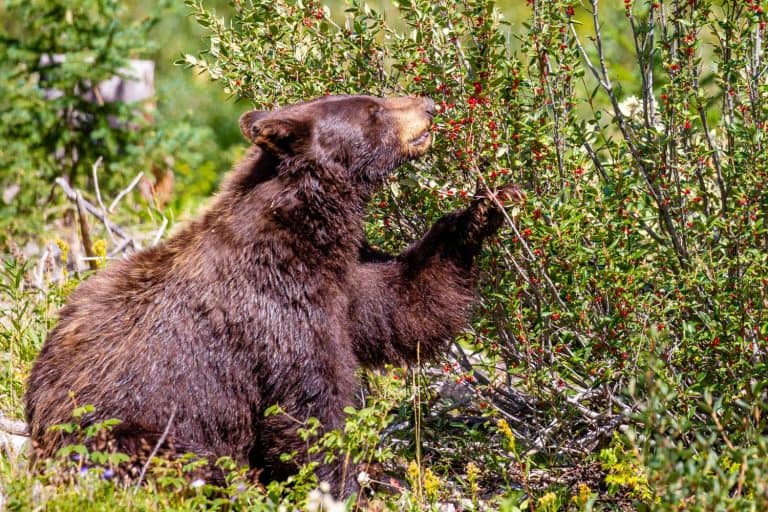
The ongoing drought in the Western U.S. is the most likely cause of increased bear activity. According to a press release by the Utah DWR, the number of bear incidents has doubled from last year. With the back-and-forth between warm weather and severe hard freezes in spring, followed by extreme heat and drought, plants and other root-like vegetation have been greatly impacted. Food sources like berries and acorns are no longer as accessible for the black bears in that region.
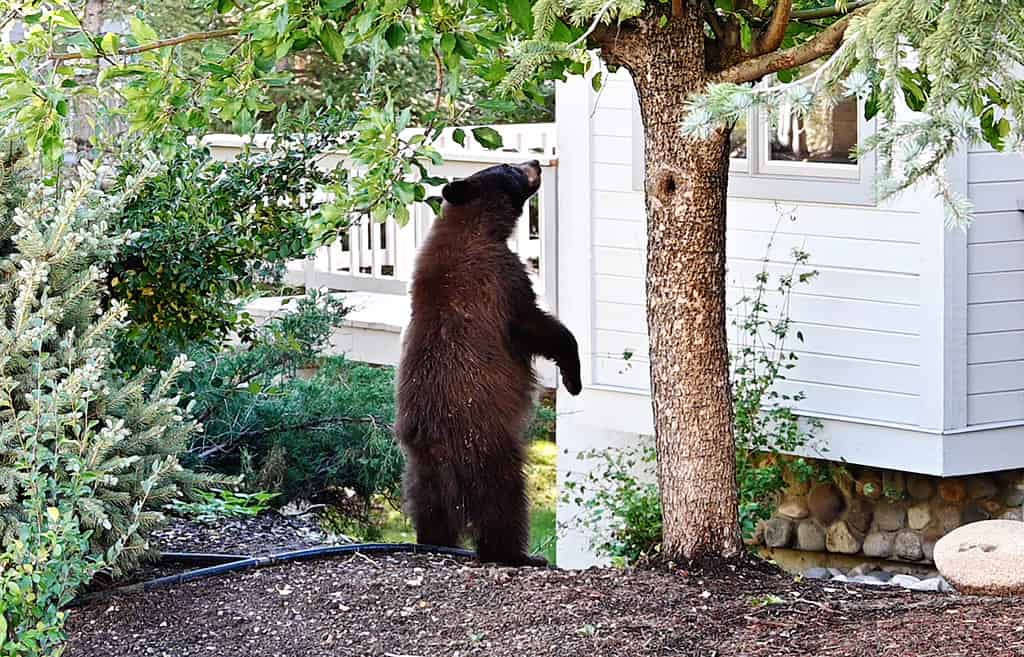
Black bears can break into homes with windows or doors left open, especially in the summer.
The Utah DWR states that these foods make up about 90% of a black bear’s diet. As such, black bears have been forced to seek alternative food sources, often in residential areas. As of August 25, DWR biologists (along with partnering law enforcement agencies) have responded to 168 bear issues (compared to 83 in 2025) statewide. Unfortunately, experts expect this problem to continue as black bears near hibernation.
“Due to those low food sources, our biologists anticipate that bears will continue scavenging in unusual areas for food as they try to fatten up for the winter hibernation period,” says Faith Jolley, spokesperson for the Utah Division of Wildlife Resources. “As a result, we may continue to see conflicts with bears until it snows.”
How to Stay Safe This Bear Season
If you live in or are visiting Utah (or its neighboring states) this autumn, here’s what you should know about bear safety.
Tips for Residents
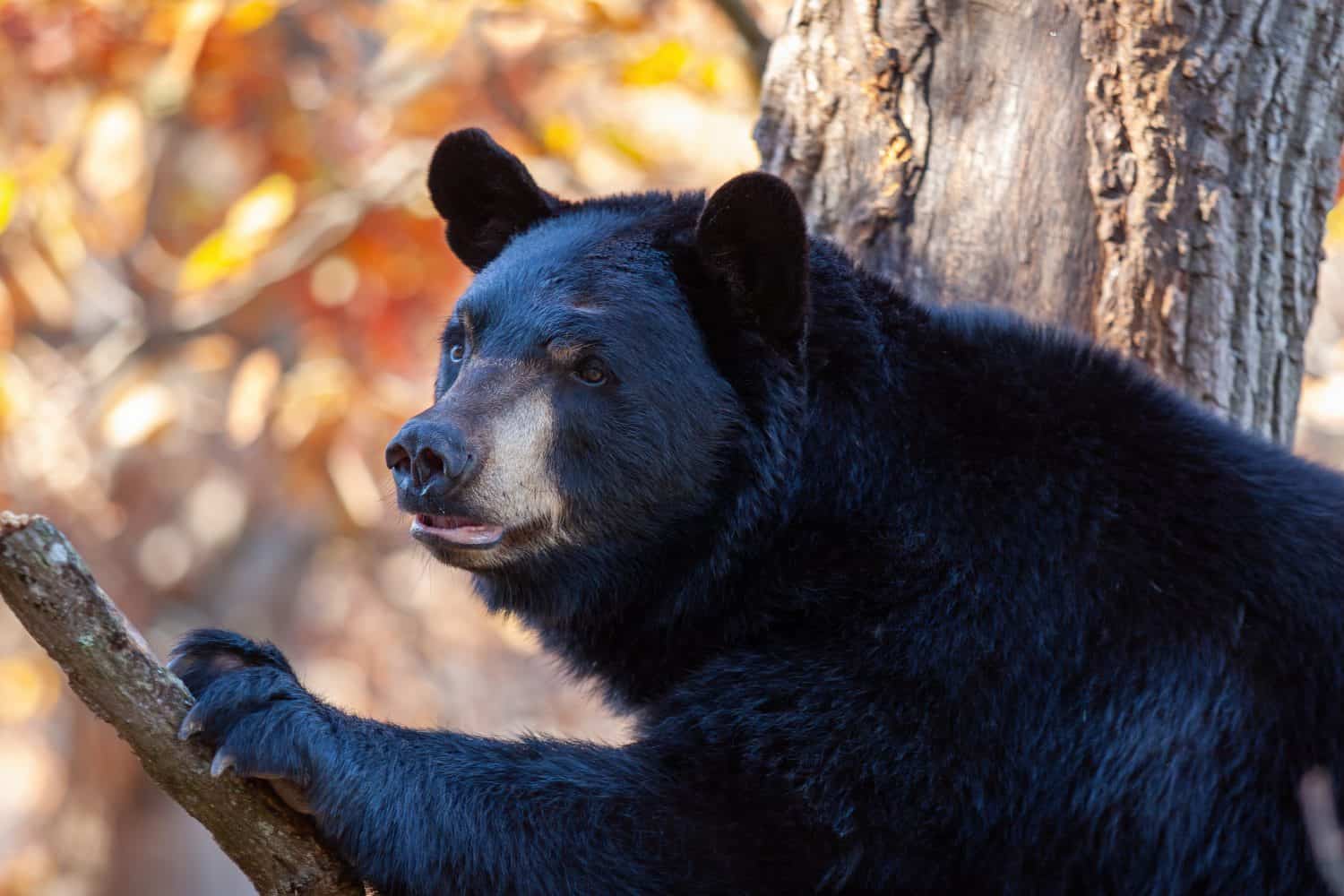
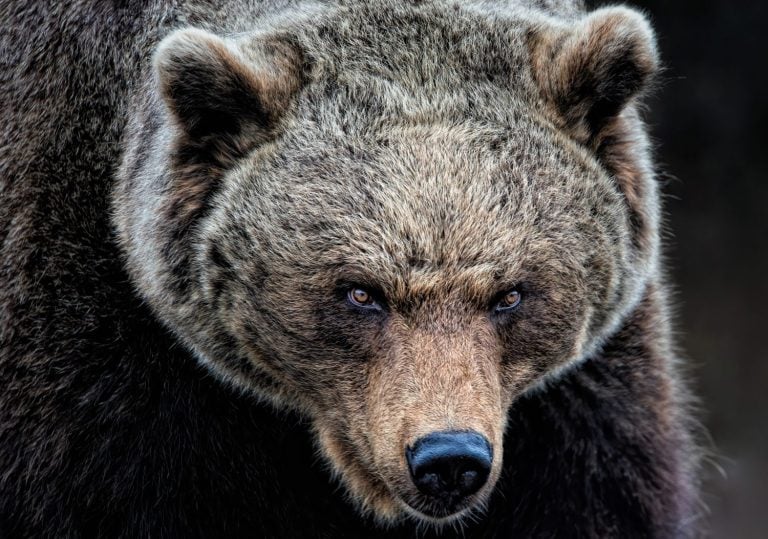
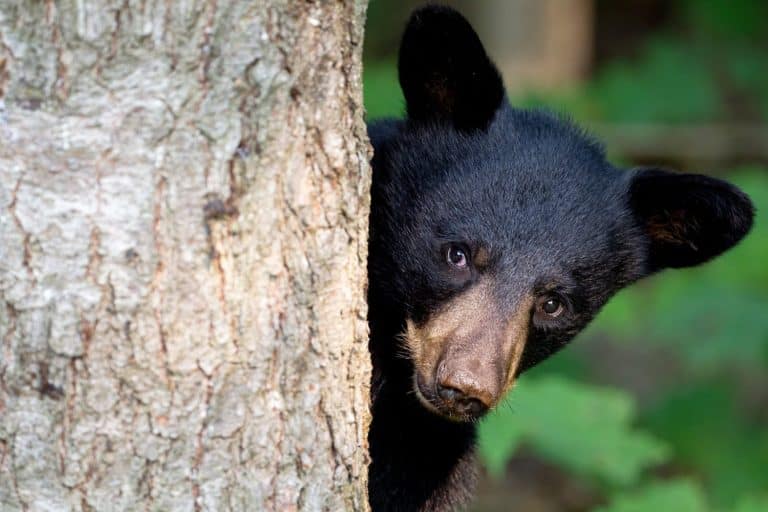
Thankfully, black bears do not generally pose a threat to humans. In fact, they’re often shy and tend to avoid human interaction. But because the bears are desperate for food this season, Utahns might encounter more active black bears than usual. The same can be said for nearby states, like Colorado and New Mexico, both of which have also seen an increase in black bears.
According to DWR Game Mammals Coordinator Chad Wilson in the Utah DWR press release, “A bear may become aggressive toward animals or people it perceives as threatening the area where it found the food.”
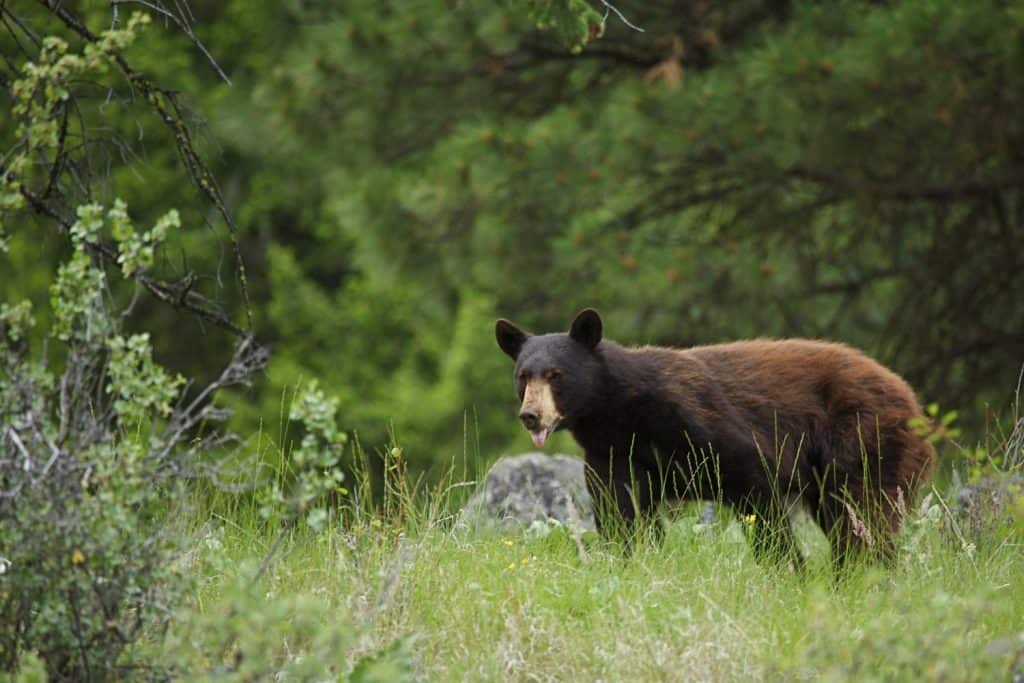
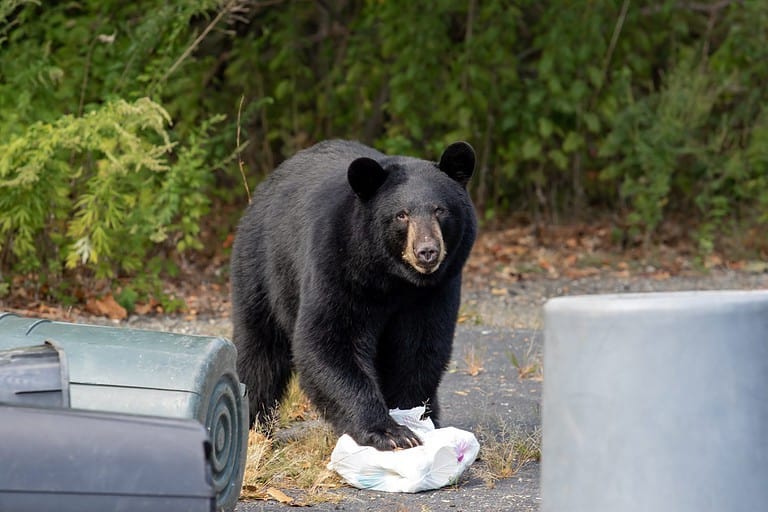
Black bears prefer to inhabit forested areas. However, they often visit urban or suburban environments if food is scarce.
Due to those low food sources, our biologists anticipate that bears will continue scavenging in unusual areas for food as they try to fatten up for the winter hibernation period.
Faith Jolley, spokesperson for the Utah Division of Wildlife Resources
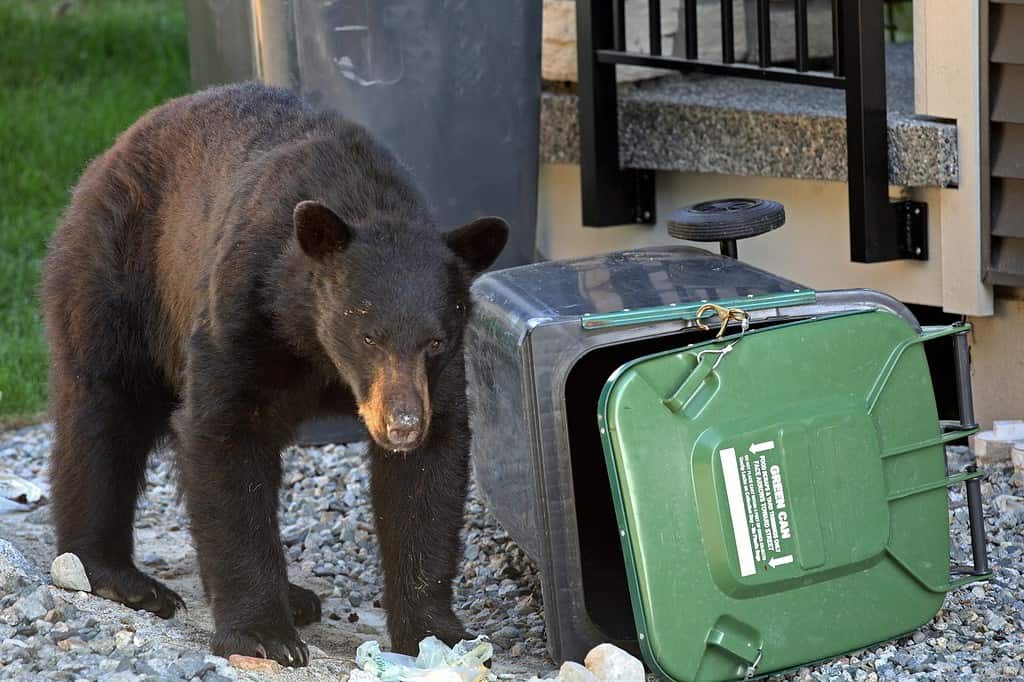
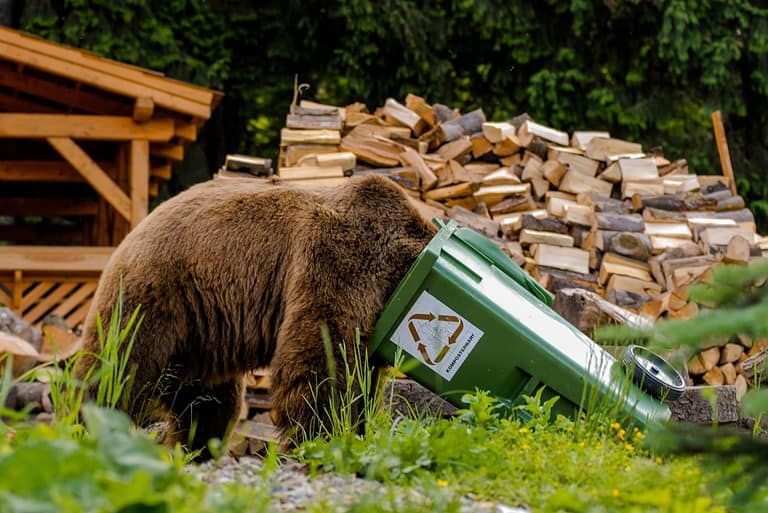
“It is extremely important this year for Utahns to remove items that may attract bears to an area,” Jolley tells A-Z Animals. “In particular, for residents who live in the canyons or foothill areas, we want them to make sure to store their trash in a secure location or bear-proof container. If they don’t have access to a bear-safe garbage can or dumpster, they should make sure to store their garbage can in their garage and put it out for pickup in the morning, rather than the night before.”
The Utah DWR press release recommends securing or cleaning anything in your yard that might attract a black bear. This includes bird feeders, fruit trees, compost piles, beehives, pet food, water bowls, outdoor pets, grills, and garbage cans.
Tips for Campers/Hikers
For campers and hikers, Jolley recommends carrying bear spray whenever possible. You can never be too safe when it comes to a wild animal.
Black bears are often drawn to campsites because of food scraps.
Additionally, Utah DWR recommends bear-proofing your food and supplies by storing all scented items in a locked trailer, trunk, or other areas where the bear cannot smell them. One of the best ways to prevent this uninvited guest is to keep your campsite clean. Ensure you don’t leave food scraps or trash on the ground or out in plain sight, and toss trash in a bear-proof dumpster if possible.
While this goes without saying, you should also avoid feeding a bear. Even if you believe you’re helping the animal, you might actually be setting them up for euthanasia. The less fearful black bears are of humans, the more likely they are to become a public safety concern, which could lead wildlife biologists and conservation officers to have no other choice but to euthanize the animal.
Sammi is a writer at A-Z Animals primarily covering cats, nature, symbolism, and spirituality. Sammi is a published author and has been writing professionally for six+ years. She holds a Bachelor's Degree in Writing Arts and double minors in Journalism and Psychology. A proud New Jersey resident, Sammi loves reading, traveling, and doing yoga with her little black cat, Poe.
Connect:
Thank you for reading! Have some feedback for us?
Contact the AZ Animals editorial team
Thank you for your feedback!
We appreciate your help in improving our content.
Our editorial team will review your suggestions and make any necessary updates.
There was an error submitting your feedback. Please try again.