
Quick Take
- Bed bug bites usually appear as small red bumps; some have a darker center and may form in lines or clusters.
- Bites may not appear immediately; bed bugs inject an anesthetic and anticoagulant, so reactions can take hours or days.
- Bite patterns help distinguish bed bugs from mosquitoes or fleas, with lines or clusters common along exposed skin.
When I was a kid, my parents used to send me off to sleep with an adorable little rhyme: Good night, sleep tight, don’t let the bed bugs bite. Perhaps you’ve heard that rhyme yourself; I believe it’s fairly ubiquitous. As a child, I didn’t even think bed bugs were real; otherwise, this warning might have scared me a lot more than it actually did. Bed bugs? They sounded too cute to be real, like something out of Mother Goose or Dr. Seuss. As I grew into adulthood, I learned that bed bugs are actually very real and there’s nothing cute about them.
I’ve been fortunate never to have suffered an infestation of these critters, but I’ve known people who have, and it sounds like a particular kind of hell I’m not interested in experiencing myself. Like most people, I’ll occasionally wake up with an itchy little bump or (gasp!) bumps that I can’t explain. It could have been caused by a mosquito, a spider, an allergy, a cookie crumb, or a host of other possibilities, but my mind always goes to the same place: That’s it. It’s finally happened. I’ve got bed bugs. And the only way to get rid of them is to burn everything I own and move to Siberia—and even then, they’ll probably still follow me. Forget about monsters under the bed or the boogeyman in the closet; the real stuff of my nightmares is the tiny bed bug. I’m sure I’m not the only one.
But are our fears justified? And if so, what are the telltale signs of bed bugs? And do we really need to burn everything we own and move to Siberia if we have them? Read on to learn the answers to these questions and more.
What a Bed Bug Bite Usually Looks Like
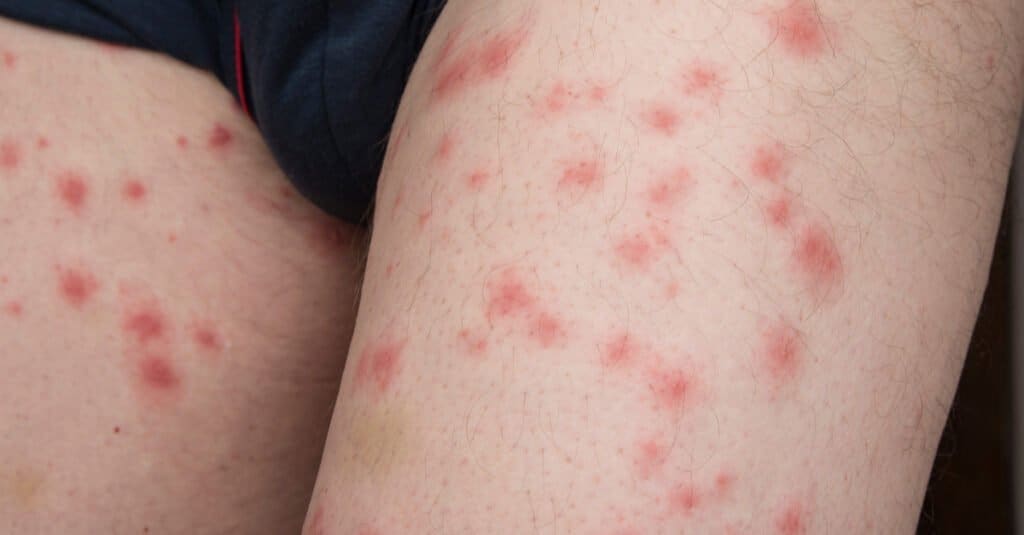
It can take up to several days for one’s body to show symptoms of bed bug bites.
©OttoPles/Shutterstock.com
Things are going to bite you while you sleep. Unsettling as that may be, it’s a fact of life. That being the case, you’ll want to know what to look for before jumping to any conclusions about bed bugs. Bite reactions from bed bugs can vary greatly depending on your skin sensitivity, how many times you’ve been bitten, and how long ago the bites occurred. Here are the typical characteristics:
Small, red or slightly swollen bumps. A bed bug bite may look similar to a pimple, a mosquito bite, or a small itchy bump.
Possible darker center. Some bites show a small dark red dot or bruise in the middle, where the bug punctured the skin.
Raised welts, blisters, or hives. This is more common in individuals with sensitive skin. For people with stronger reactions, the bump might swell more, sometimes forming a blister filled with clear fluid or a larger welt.
No guarantee of visible reaction. Some people don’t react at all. You may show no bite marks or suffer any symptoms even if you’ve been bitten, which is probably preferable overall, but not in the least bit helpful if you’re trying to detect a bed bug problem.
How Bed Bug Bites Differ from Other Insect Bites
It can be tricky to distinguish between different types of insect bites, but there are useful clues:
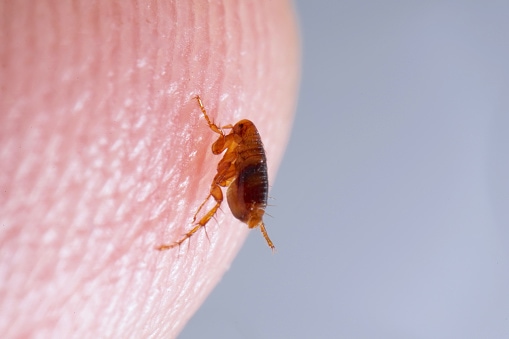
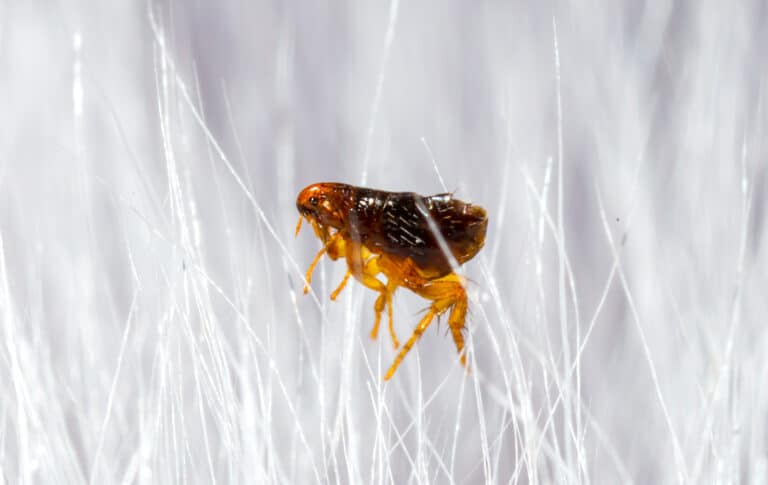
Location on the body: Bed bugs feed on exposed skin while you’re sleeping, so bites often show up on arms, shoulders, neck, and other places that are uncovered at night. By contrast, flea bites often appear on lower legs or ankles (since fleas jump and tend to bite nearer to the floor).
Timing of reaction: With mosquitoes, you often feel the bite or see the bump almost immediately. Conversely, bed bug bites may take hours or even days to become visible. This is because these diabolical bugs inject an anesthetic so you won’t feel the bite and brush the bug away, and also an anticoagulant to stop the blood from clotting too quickly, allowing the bug to continue to feed.
Pattern of bites: This is a biggie. While mosquito bites tend to appear singly and randomly, bed bug bites often appear in a row, a zigzag line, or a cluster. The distinctive “lines and clusters” of bed bug bites trace back to how they feed and move:
- Bed bugs don’t bite once and move on; they probe for a good blood vessel, often biting multiple times before they find one. Each bite can leave a mark.
- As the bug crawls across skin (for instance, traveling along your arm or leg while you sleep), it may feed several times along that pathway, creating a row or zigzag of bites. Some people even refer to this pattern as “breakfast, lunch, and dinner,” implying the bug is fed multiple times during the night.
- Because they target only certain areas—the exposed skin of your arms, shoulders, neck, etc., while you sleep—bites tend to cluster on those areas.
However, it’s important to remember the “typical pattern” doesn’t show up for everyone. Since skin reactions differ so much between individuals, some people may see a clear line or cluster — others might only have a few scattered bites, or even no visible reaction at all. Still, though they’re not a guarantee, these patterns can help distinguish bed bug bites from mosquito, flea, or spider bites.
Why Do I See Bed Bug Bites, But No Bed Bugs?
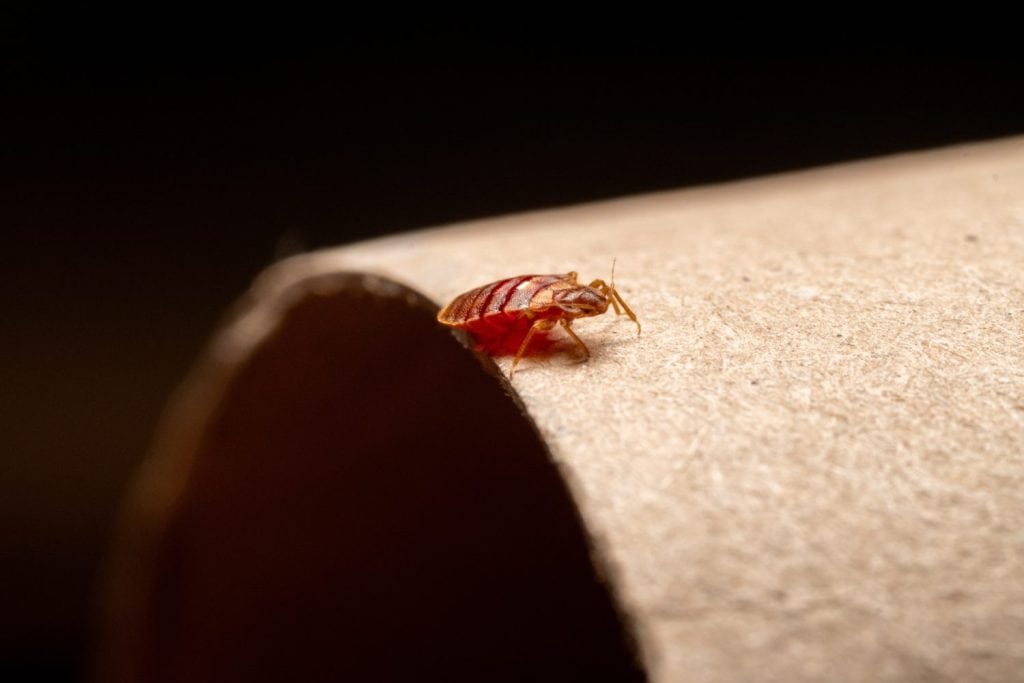
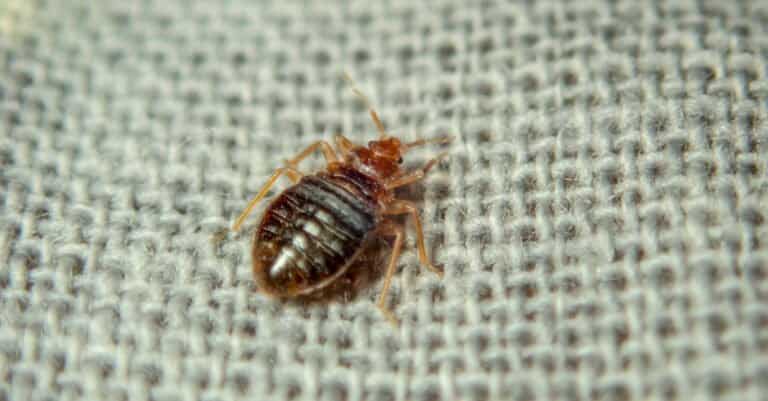
Bed bugs are great at hiding and can be hard to spot if you’re not specifically looking for them.
©Antidote Nuisibles/Shutterstock.com
It might seem odd that you notice bites before seeing any bugs, but it’s actually common. Here’s why:
Bed bugs are nocturnal and sneaky. They feed at night, typically when you’re asleep and still, then retreat to hiding spots like mattress seams, box springs, headboards, or cracks in furniture.
They inject an anesthetic and an anticoagulant. As mentioned above, their bite probably doesn’t sting when it happens. You often don’t feel it at all. Then, hours or days later, your body reacts.
One bug can bite more than once. That’s why you often get a series of bites instead of just one. A single unseen bed bug can leave several visible marks, making it feel like a much larger invasion long before you ever spot an actual insect.
They hide well. Adult bed bugs are small, and young bed bugs are even smaller—sometimes even translucent. So, unless you’re specifically looking for them by checking mattress seams, headboards, couch cushions, or nearby furniture, you might never spot them.
Therefore, bites, not sightings, are frequently the first signal that something is off.
Where Do They Come From?
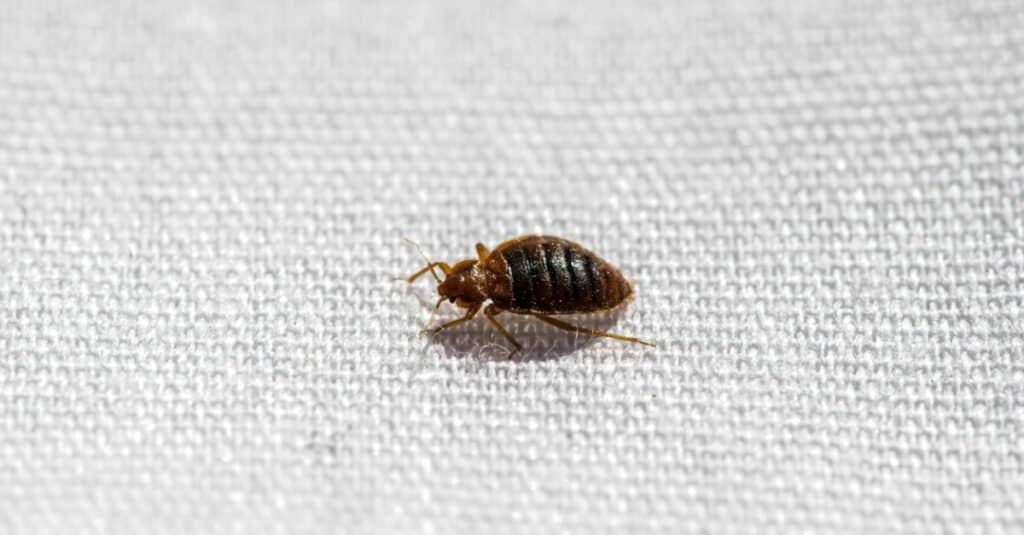
Bed bugs are master “hitchhikers” and can hitch a ride into your home from myriad sources.
©iStock.com/Mainely Photos
Bed bugs are often thought to be a sign of poor cleanliness, but this is a misconception. While clutter can provide more hiding places, a lack of cleanliness does not cause bed bugs. Bed bugs are master hitchhikers and can end up anywhere—even in spotless homes. Here are the most common ways people pick them up:
Travel (the #1 source). Hotels, motels, vacation rentals, hostels, cruise ships—anywhere with frequent turnover of guests. They crawl into luggage, clothing, backpacks, or even the seams of purses.
Used or secondhand furniture. Especially mattresses, couches, recliners, and upholstered chairs. Even clean-looking items can harbor hidden bugs or eggs in seams or joints.
Public transportation. They can occasionally transfer from seats on buses, trains, subways, airplanes, or rideshares.
Shared living spaces. Dorms, apartments, condos, shelters, and hotels have a higher risk because bed bugs can travel between units through wall voids, electrical outlets, and hallways.
Visitors or guests. Anyone staying overnight—or even sitting on furniture—can unknowingly bring a hitchhiker on their bag or clothing.
Workplaces with soft seating. Offices, break rooms, movie theaters, medical waiting rooms, libraries, and lounges sometimes get incidental introductions.
Moving trucks or storage units. A truck used to haul an infested mattress last week may still contain hidden bugs today.
What Should You Do If You Suspect Bed Bugs?
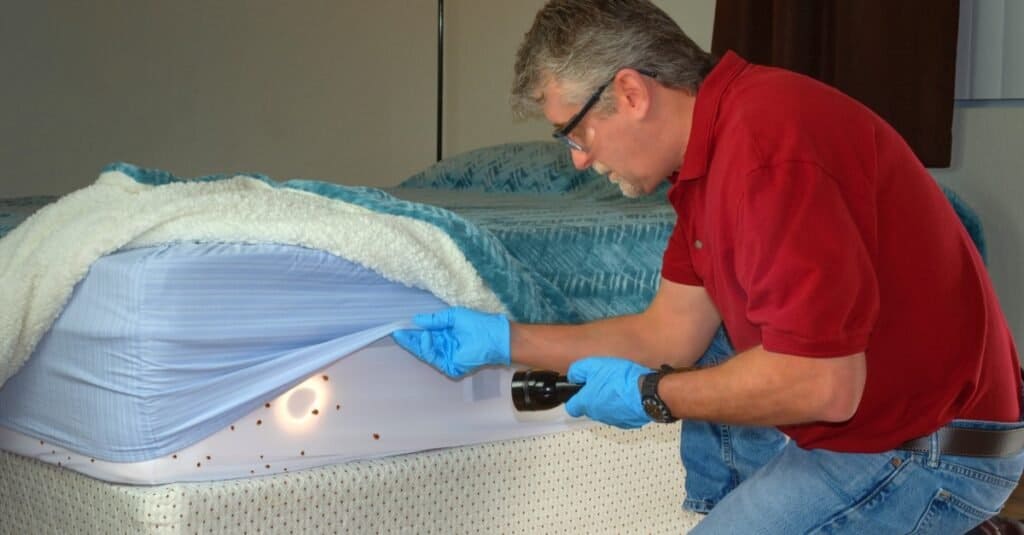
While treating bed bugs yourself is possible, your best bet is probably to hire a professional.
©Michael O'Keene/Shutterstock.com
What should you do if you suspect you have bed bugs? Burn everything you own and move to Siberia! Okay, that might be a bit extreme. If you wake up with suspicious bites, here’s a practical checklist of steps to take:
Don’t panic. But do take it seriously. Many bites are mild and go away on their own.
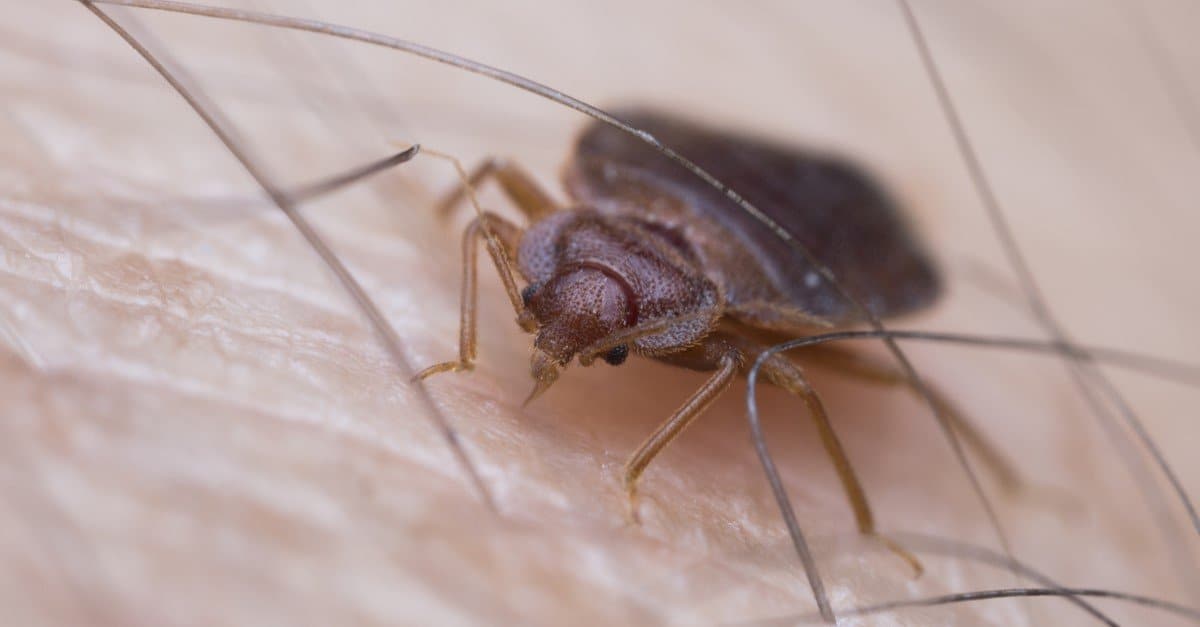
Check your bedding and furniture carefully. Look in mattress seams, box springs, seams of upholstered furniture, headboards, or anywhere bugs might hide. Be on the lookout for: live bugs (apple-seed size, reddish-brown flattened ovals), tiny white eggs or eggshells (pinhead-sized), dark or rust-colored spots (fecal droppings), blood stains from crushed bugs after feeding, shed skins (exoskeletons) from molting nymphs.
Isolate bedding and clothing. Wash sheets, pillowcases, pajamas, and other fabrics in hot water and dry on high heat if possible, since heat helps kill both bugs and eggs. Many pest-control guides recommend laundering bedding and clothing even if you do not see obvious signs of infestation.
De-clutter and vacuum. Clear clutter around your bed and living space. Vacuum thoroughly—particularly mattress seams, cracks, edges, and furniture joints—and promptly dispose of vacuum contents in a sealed bag. This helps reduce hiding spots.
Consider contacting a professional exterminator. Because bed bugs hide well, reproduce rapidly, and can spread to other rooms or adjoining apartments, professional treatment often offers the most effective route to full elimination. Most companies use heat treatments, targeted chemical applications, or a combination of both, depending on the severity and location of the infestation.
Treat bite symptoms, if needed. If bites are itchy or swollen, over-the-counter anti-itch creams or antihistamines may help. However, resist the urge to scratch, as this can break the skin and lead to secondary infections.
Monitor for severe reactions. In rare cases, people may have strong allergic reactions, such as large swellings, hives, or, in extremely rare cases, difficulty breathing. If that happens, seek medical attention.
Don’t beat yourself up. Remember, it’s not your fault. Bed bugs can show up anywhere, even in the cleanest homes.
Unsettling, But Not the End of the World
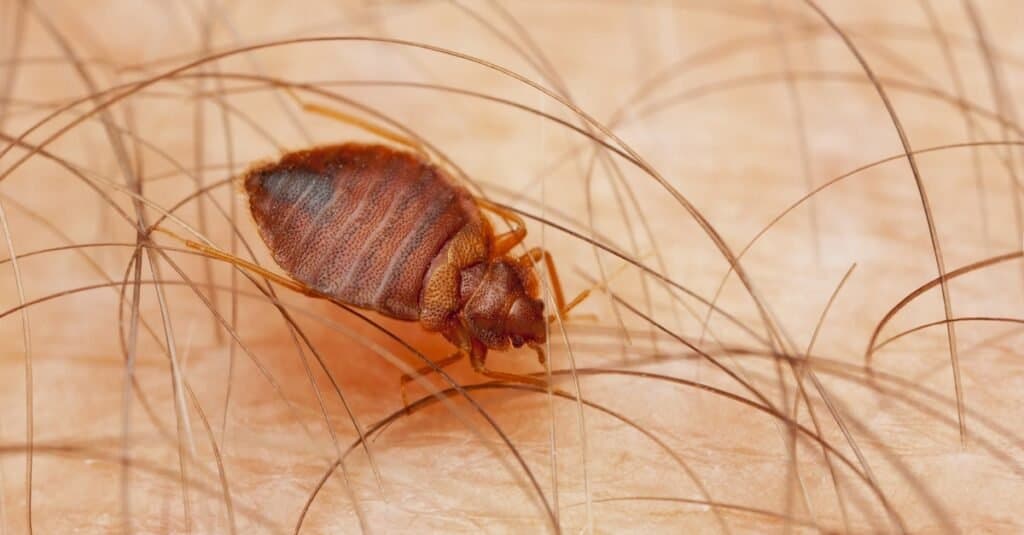
Bed bug infestations can be controlled by a professional.
©Pavel Krasensky/Shutterstock.com
Bed bug bites can be unsettling, itchy, and, to be honest, a little insulting. No one likes waking up to discover that, while they slept, they became someone else’s midnight snack. But knowing what these bites look like, why they show up in those telltale patterns, and how stealthy bed bugs can be goes a long way toward removing some of the mystery and fear from the situation. If you do end up facing the real thing, remember that you don’t need to panic, set your belongings on fire, or relocate to a distant, frozen wilderness. With careful inspection, some strategic cleaning, and, when necessary, help from a professional, bed bugs can be eliminated. Understanding the signs is the first step, and now you’re well ahead of the game. Sleep tight.