
Quick Take
- Precocial animals are born with advanced bodies and can walk minutes after birth.
- Longer gestation yields more developed newborns, enabling quicker standing and walking.
- Predator pressure influences the need of animals to walk soon after birth.
- Wildebeest are some of the quickest to rise and can stand six minutes after birth.
When we think about newborn animals, it’s understandable that we might think of babies that are small and helpless, entirely reliant on their parents for their every need. However, in the wild, there are many babies that don’t have that luxury. Many animals are born with the ability to get up and move within minutes of being born. Their survival depends on this remarkable ability in order to escape from predators. Keep reading to discover why they are able to do this — and to learn exactly which animals have babies that can walk minutes after birth.
Why Some Animals Must Move Immediately After Birth
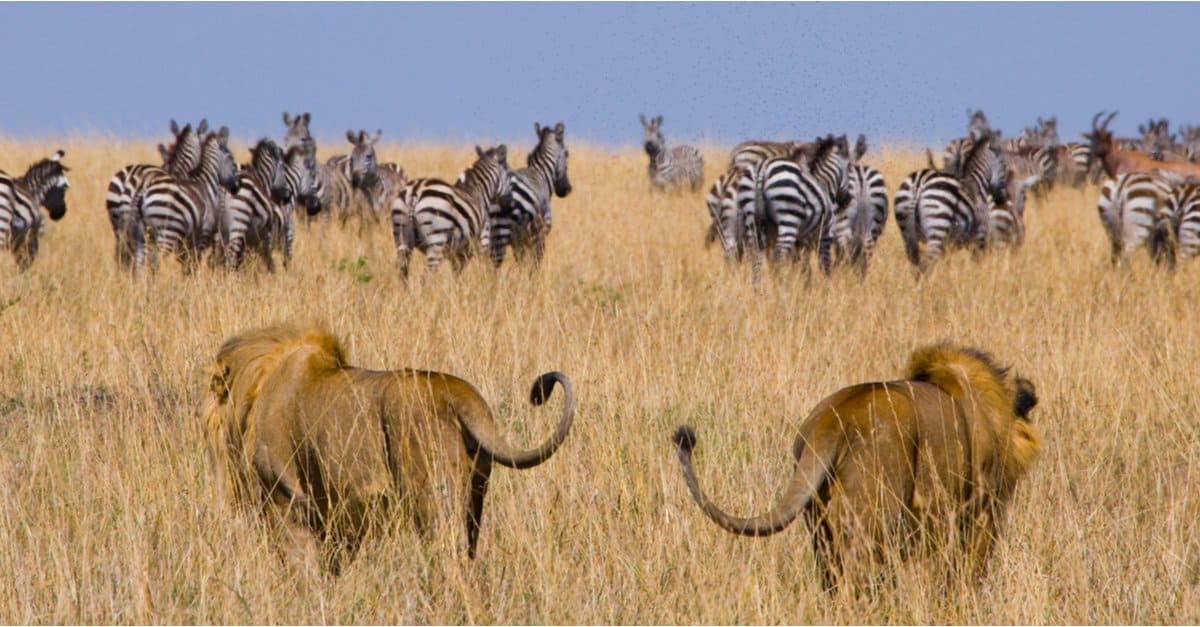
The threat of predators means that young animals must learn to keep up with the herd.
©GUDKOV ANDREY/Shutterstock.com
There are many species of animals whose young are born small and defenseless, taking weeks to become active. In most cases, these animals are concealed in dens and burrows, which offer protection from predators. However, in many parts of the world, particularly in open habitats such as grasslands and savannas, there are animals that must get up and move within minutes of being born in order to survive. These open habitats provide little cover for newborn animals, and they are the perfect place for predators to spot a newly born animal. Animals such as big cats are attracted to the sight and scent of the birth, so a newborn animal and its mother are easy targets for predators if they remain in one spot for a lengthy period.
Many animals that must move immediately after birth are grassland herbivores that live in herds. Herds move almost constantly and don’t typically remain in one place for long, just for a birth. Therefore, newborns run the risk of being left behind and becoming prey if they are not able to get up swiftly and move with the herd.
This unique ability has been shaped by predator pressure over millions of years. Natural selection favored babies with bodies strong enough and an instinct to stand almost immediately, allowing them to survive.
Why They Can Walk So Quickly
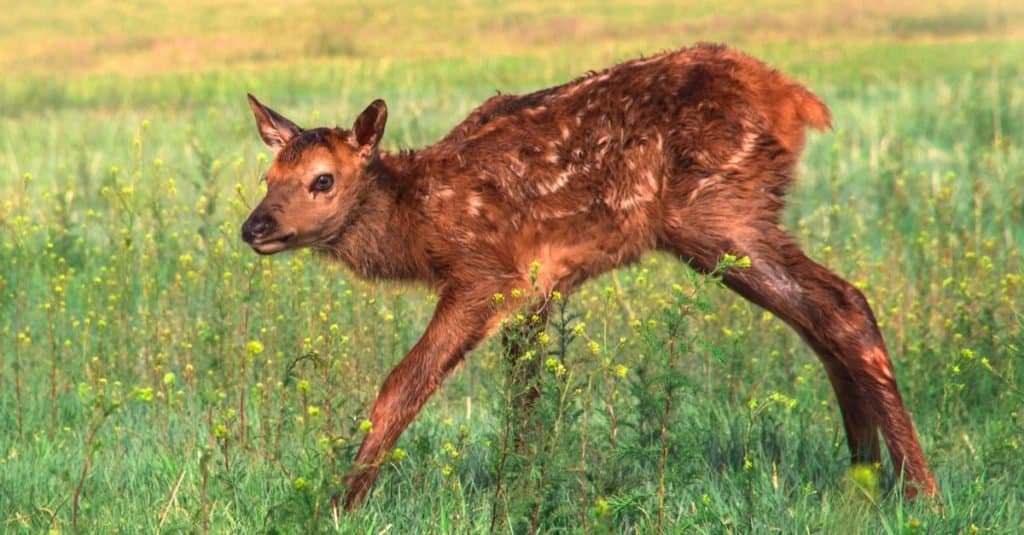
Animals with a longer gestation period are typically more developed when they are born.
©Karlie Butler/Shutterstock.com
This overwhelming threat of predators has led to the evolution of “precocial” animals. However, there are a few key differences that set them apart from altricial animals (those that require significant parental care after birth). Precocial animals are those that are born with advanced bodies and the ability to walk at only a few minutes old. The reason for this advantage is that they spend much longer developing in the womb.
Animals with a much shorter gestation period — including lions, tigers, cheetahs, wolves, and foxes — are born far less developed than those born after a long gestation period. Due to this, they are typically born blind and weak and rely on the protection of a den and their mother in order to survive their first few weeks of life. Marsupials such as kangaroos also take this a step further, as their young are born after an even shorter gestation period and are still in the embryonic stage, requiring months of care in the pouch as they develop.
Animals that spend a long time in the womb are much more physically advanced at birth than those with a short gestation period. They have more developed bones, muscles, and brains. This puts them at a greater advantage, as they are more mature and have strong, well-formed joints that are capable of taking their weight while travelling at speed across uneven terrain.
Which Animals Are Precocial?
The vast majority of precocial animals are prey species due to the need for them to escape predators. Here are a few examples of precocial animals, along with information about how soon after birth they are able to walk.
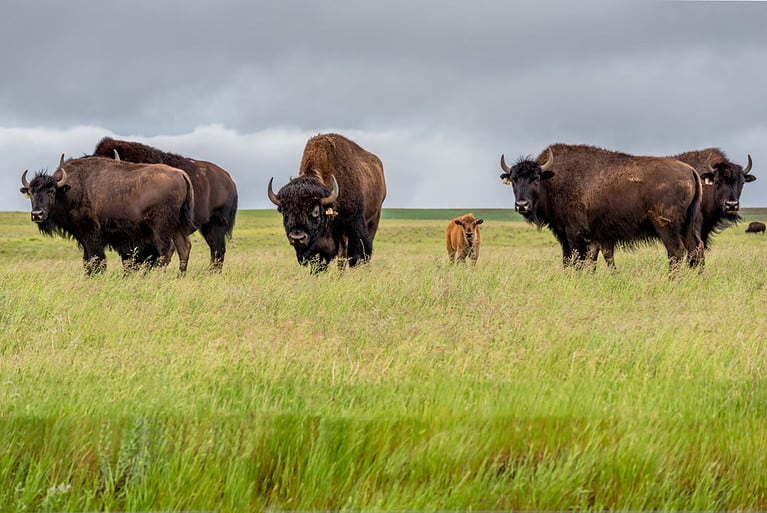
Bison
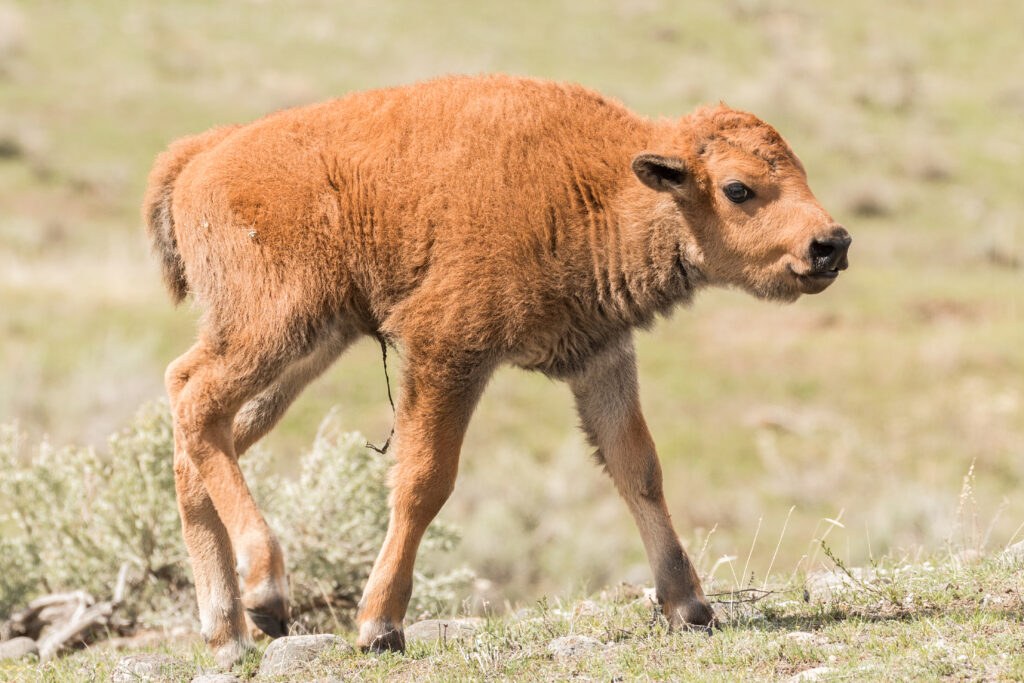
Newborn bison calves weigh 30 to 70 pounds.
©Michelle Holihan/Shutterstock.com
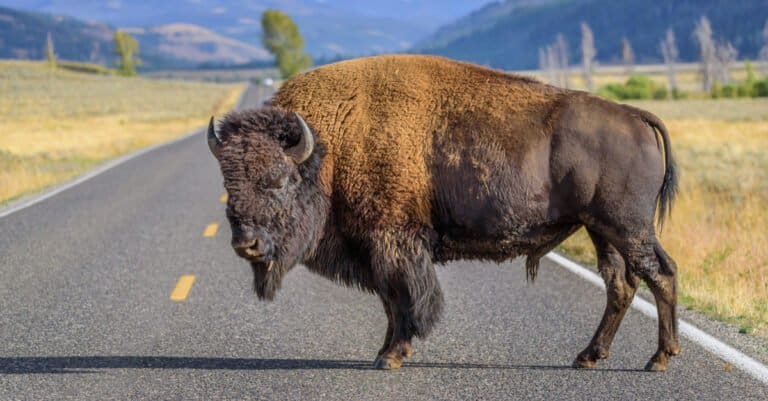
As bison are some of the largest and most powerful animals in the world, it’s not surprising that their calves also fall into the category of being well-developed at birth. Bison calves are born after a gestation period of nine to ten months and can weigh between 30 and 70 pounds. Their legs are sturdy, and they have good coordination and a strong instinct to stay with their mother. They are typically quick to rise to their feet and can stand and walk within 30 minutes of birth. They can also run and keep pace with their mother within just one to two hours.
Camel
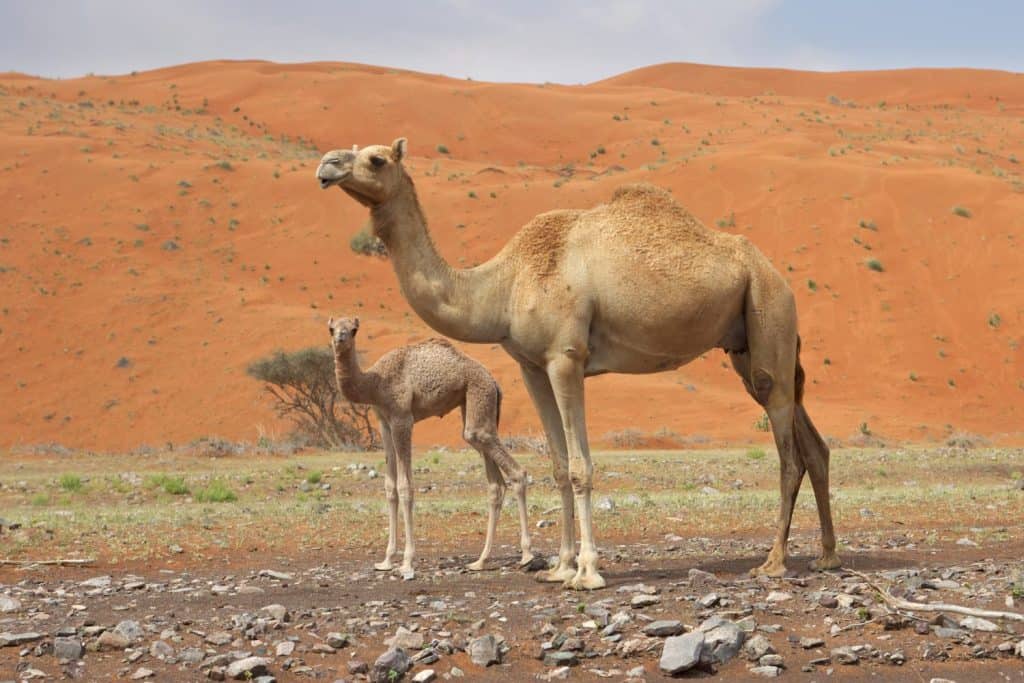
Camel calves can walk 30 minutes after birth.
©David Steele/Shutterstock.com
Born in harsh desert environments, it’s important that camel calves are strong enough to start moving quickly. They are born after a gestation period of approximately 13 months and can stand and walk within 30 minutes to one hour. Camels are born with sturdy legs and a good sense of balance so that they can cope with the uneven terrain and shifting sands of their habitat. However, they don’t rejoin the herd immediately after birth. Instead, the female tends to remain separate with her calf for a few days until they have bonded, although the calf’s ability to run is still vital in case there are any predators lurking nearby.
Giraffe
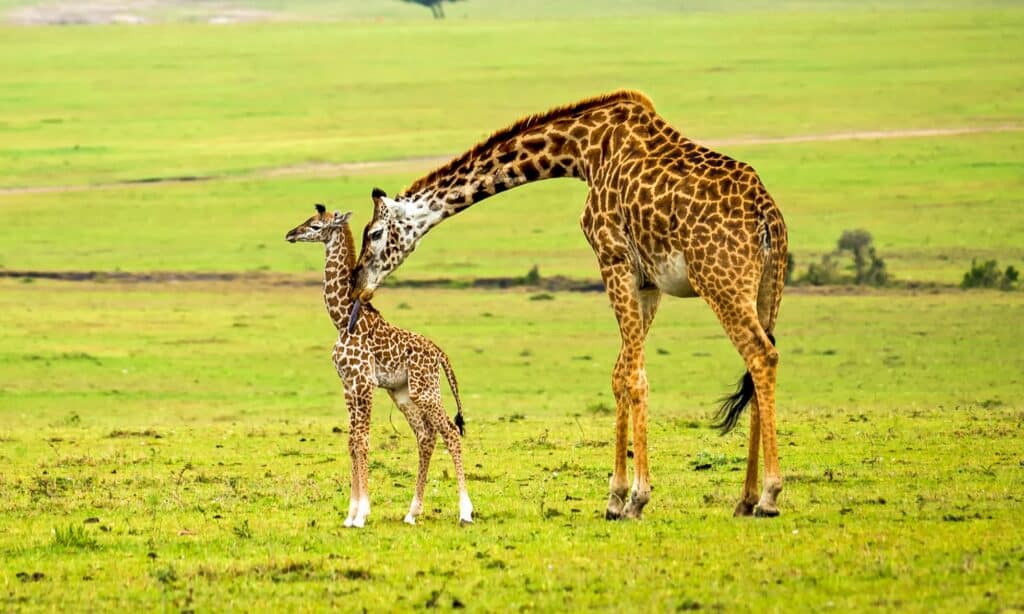
Giraffes can walk within an hour of being born.
©iStock.com/miroslav_1
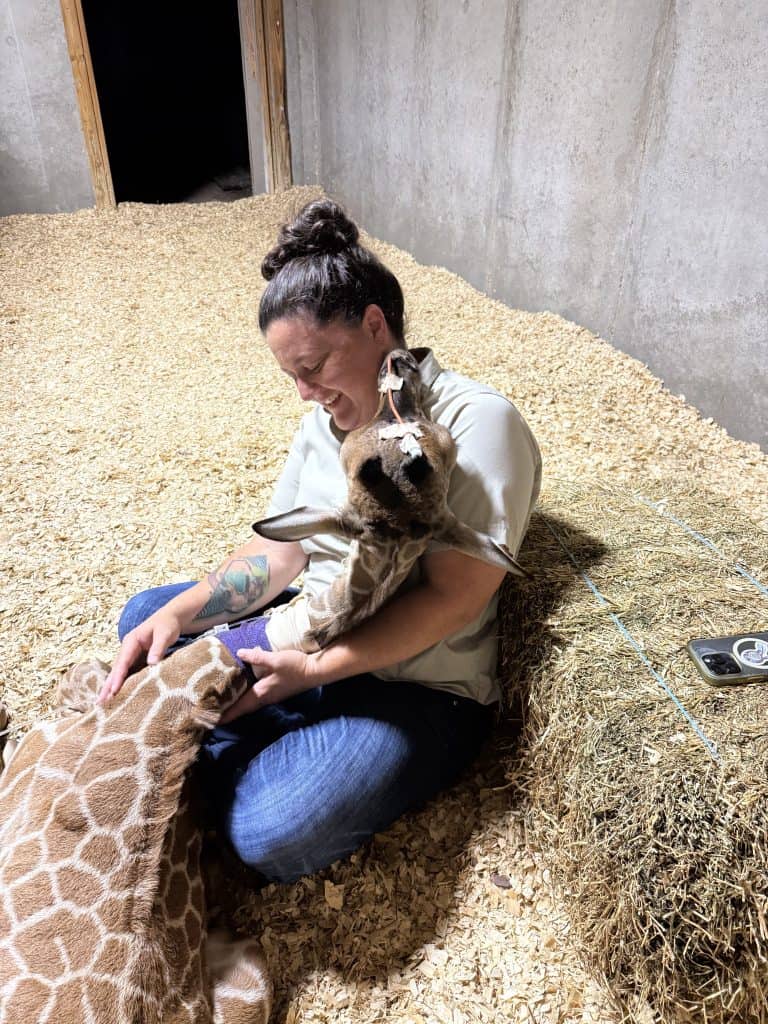
Baby giraffes don’t have the easiest start to their lives. They drop around six feet into the world, as giraffes give birth while standing up, yet must successfully gain control of their long neck and legs in order to quickly rise to their feet. Giraffes are approximately six feet tall when they are born, yet they are standing within 30 minutes and are walking within an hour. Despite their length, their legs are strong and well-developed after a 15-month gestation period, and they are soon able to keep up with their mother and the rest of the herd.
Horses
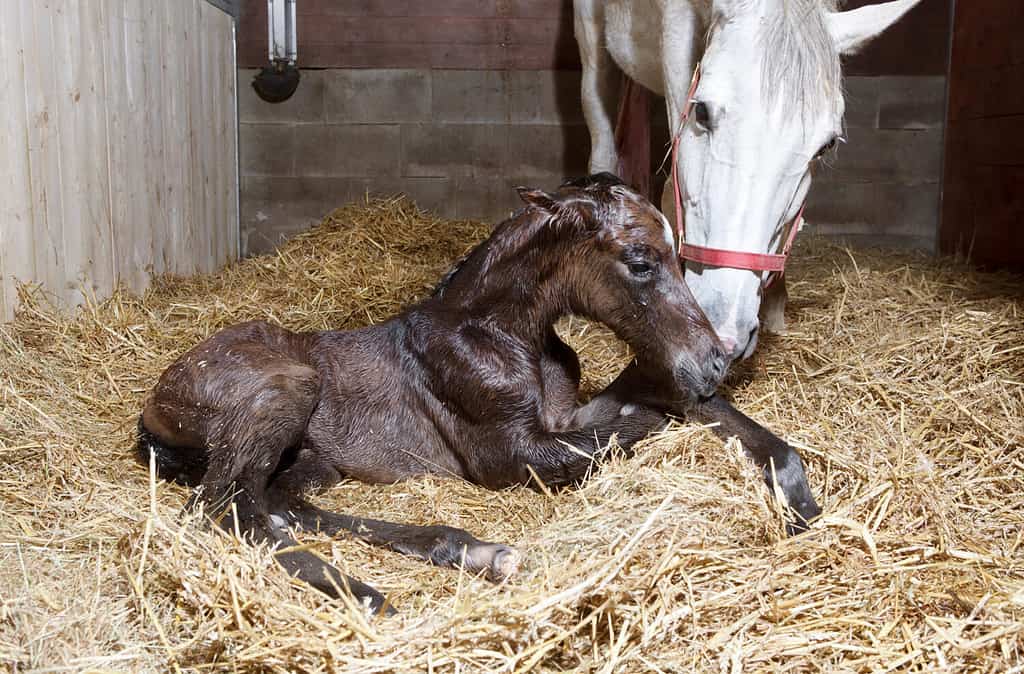
Newborn foals can take up to one hour to stand and walk.
©pfluegler-photo/Shutterstock.com
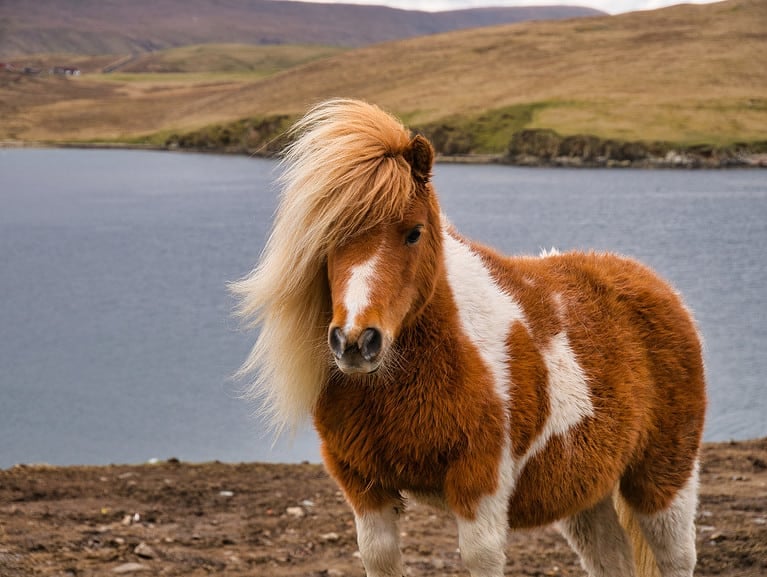
Although domesticated horses don’t face the same predator pressure that their wild counterparts do, both are typically able to rise and walk within one hour of birth. Foals are born after an 11-month gestation period, but are often unsteady on their legs at first, and it can take several failed attempts before they are strong enough to stand. However, once up, they are quick to nurse, with their mother’s colostrum helping them to gain enough strength to walk.
Impala
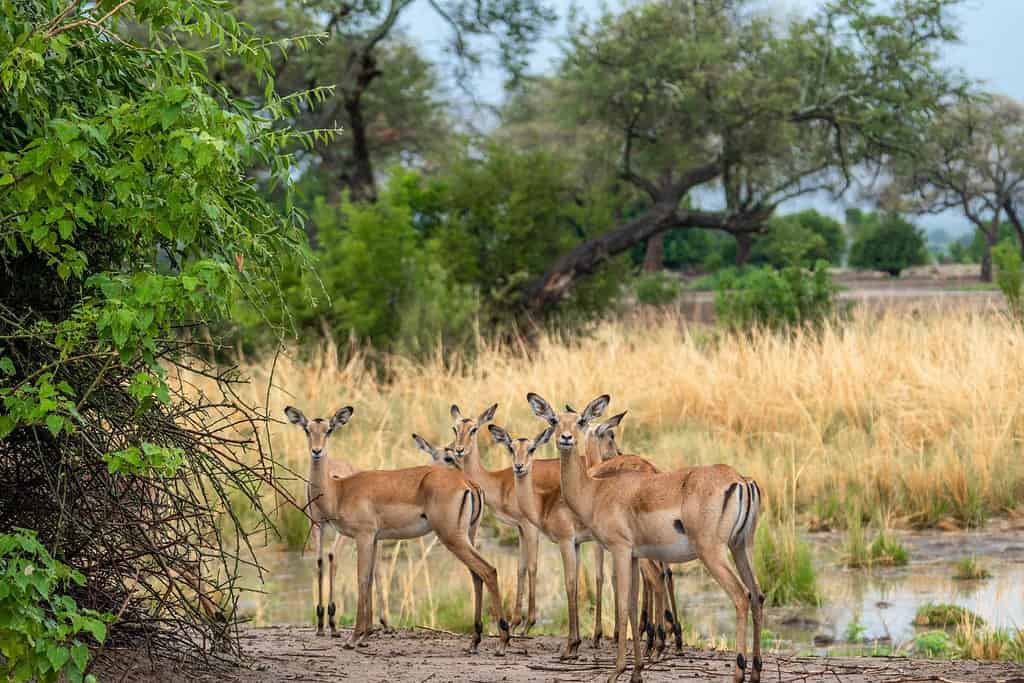
An impala can stand just ten minutes after birth.
©Blue wonders/Shutterstock.com
Also quick to rise to their feet are impala. Impalas are born after a six- to seven-month gestation period and can rise and walk within 10 minutes of birth. They can also attempt to run within 25 minutes. Although they are herd animals, the female typically isolates herself and her young for a few days to a few weeks while the baby gains its strength and bonds. After this period, they typically rejoin the herd, when the young impala must be able to run to survive.
Wildebeest
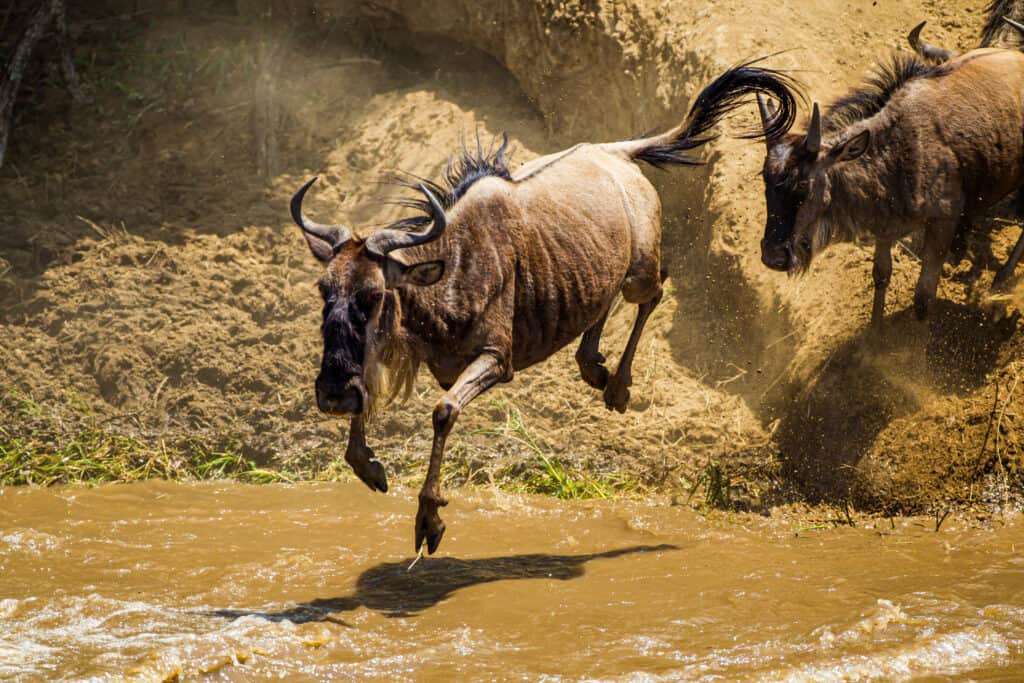
Blue wildebeest can stand just six minutes after being born.
©iStock.com/Wayne Marinovich
Given their lives on the harsh African plains, it’s unsurprising that wildebeest fall into the category of being a precocial species. However, they actually have a reputation for being some of the quickest to rise and move, particularly blue wildebeest. Wildebeest weigh approximately 40 to 49 pounds at birth and are already well-developed. They are able to stand just six minutes after being born and can walk shortly after. They are able to run within a couple of hours of birth and are able to keep up with the rest of the herd within a day.
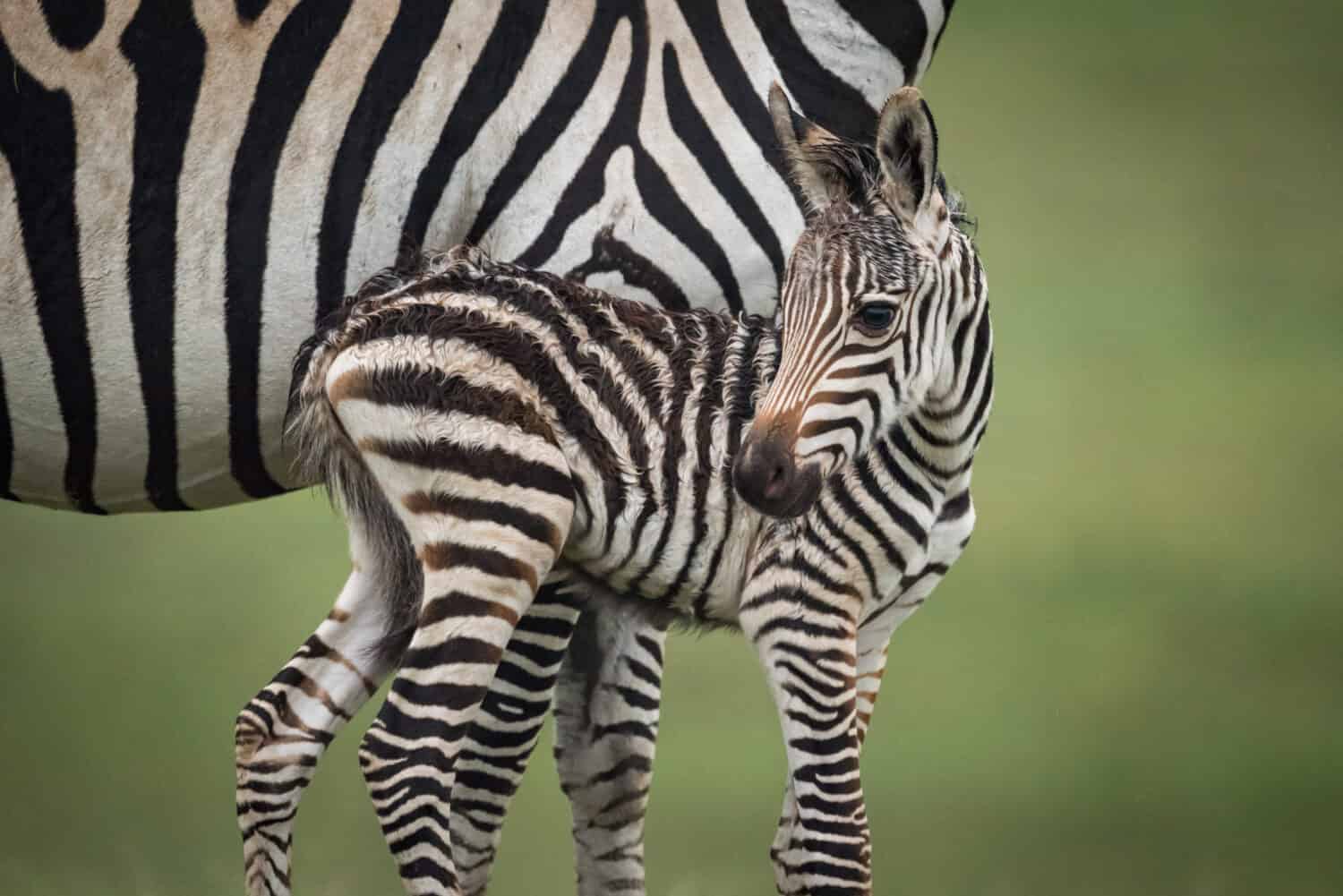
Zebra
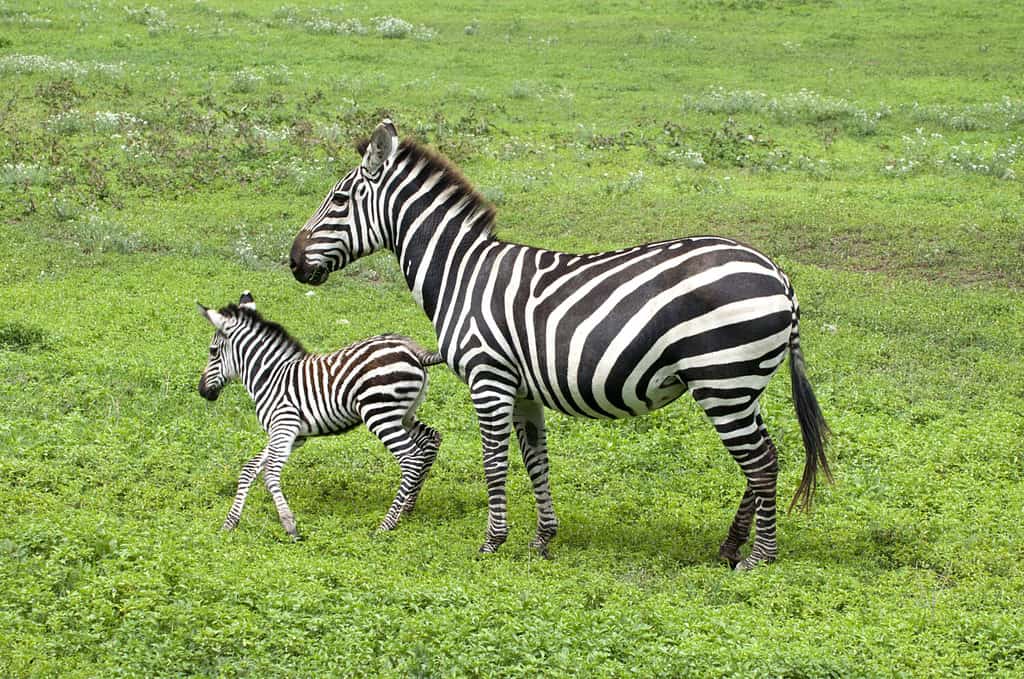
Zebra foals are able to walk within 30 minutes of birth.
©Zachary Zirlin/Shutterstock.com
Most zebra foals are able to rise within 10 to 20 minutes of birth. They are able to walk with increasing steadiness after 30 minutes and can typically trot shortly after. The female typically gives birth away from the herd to allow the foal to bond fully with her, but within a day or two, the foal is fully capable of running with the herd as they move in search of food and water.