
Quick Take
- Feeding wildlife disrupts health and behavior, increasing disease risk and causing animals to crowd yards and lose fear of humans.
- Habitual feeding can lead to dangerous encounters, traffic injuries, or lethal outcomes for deer, bears, raccoons, and other wildlife.
- Plant native shrubs, trees, and wildflowers to provide natural food and shelter instead of handouts.
I share so much of my daily life with wild animals, given that I live along the edges of rural Oregon. The deer frequent my half-acre lot, and the squirrels tempt and taunt my dogs. There are more songbirds than I can count as I drink my coffee in the mornings, and falcons even land along my roof for brief rests before flying off. All of these fantastic wildlife species visit me, but I no longer feed any of them. Not anymore, anyway.
For years, I fed wildlife, long before I knew any better. I was much younger and fascinated by animals, by the critters and neighbors I wanted to keep seeing every single day. However, table scraps and dog food I left along my fence line began to cause more harm than good. At the same time, I began reading what wildlife biologists actually say about feeding wild animals, which made me feel even more guilty.
Many wildlife experts agree: feeding wildlife almost always leads to long-term, devastating issues for most species. We may not realize it at first, but feeding animals our snacks has the potential to reshape migration habits, crowd animals into neighborhoods, and even change how diseases move through a local population. This is what I learned and why I don’t feed my local wildlife anymore.
This isn’t about shaming you if you’ve fed wildlife before. But it is important to be aware of the impact on our wild neighbors if they regularly get snacks from our backyards. Here’s the effect we have on wild species when we feed them, and what you should do to truly help them instead.
What Experts Actually Say About Feeding Wildlife
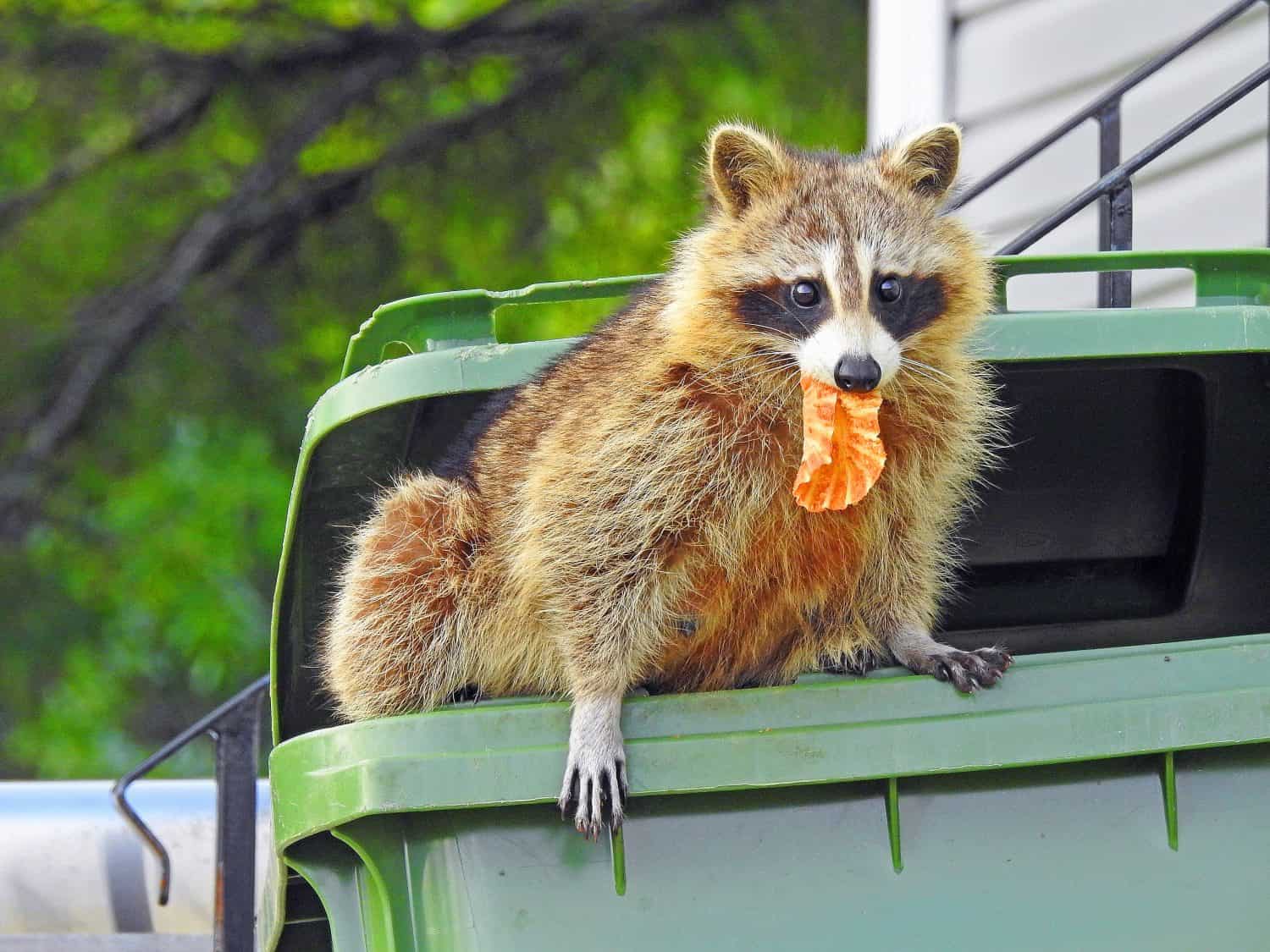
Feeding wildlife can do far more harm than good, according to multiple wildlife expert sources.
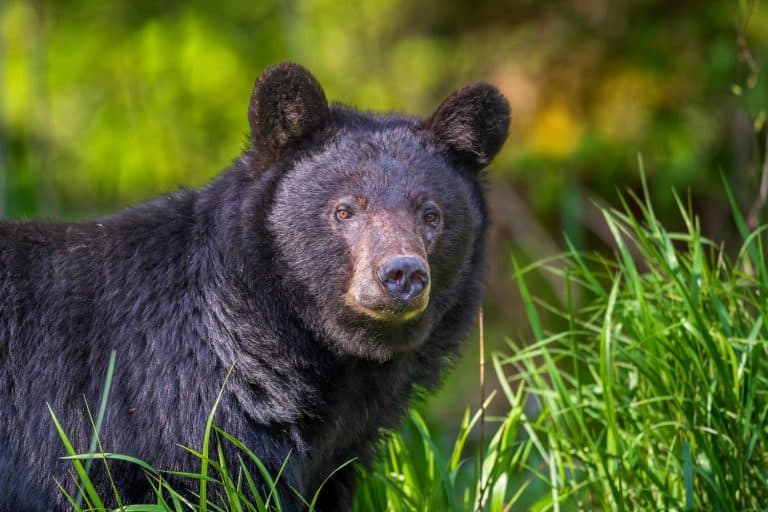
©GenadiyGM/Shutterstock.com
There is plenty of research and expert insight behind why feeding wildlife is harmful, things I hadn’t thought about until I had an abnormal number of raccoons passing through my yard all hours of the night. I took to researching both local and national resources for answers and insight into what damage I might’ve caused.
The U.S. Fish and Wildlife Service states that wild animals across all species have very specific diets and gut bacteria, which is why human food can throw that system off very easily, ultimately harming their health. Additionally, animals that are conditioned to expect handouts have the tendency to approach roads, parking lots, and campsites, places where they’re more likely to be hit by cars or killed as nuisance animals.
The National Park Service even goes as far as calling feeding wildlife an act of cruelty to an extent, because it teaches animals to abandon their natural foraging abilities and rely on food that isn’t healthy for them. Animals that start depending on the food you provide may starve down the line because they’ve unlearned their natural abilities to forage and gather their own sustenance.
But this is only scratching the surface of how wild animal behavior can change if they’re fed by humans. So much about their natural state can be irreparably altered, and faster than we think.
How Feeding Wildlife Changes Animal Behavior
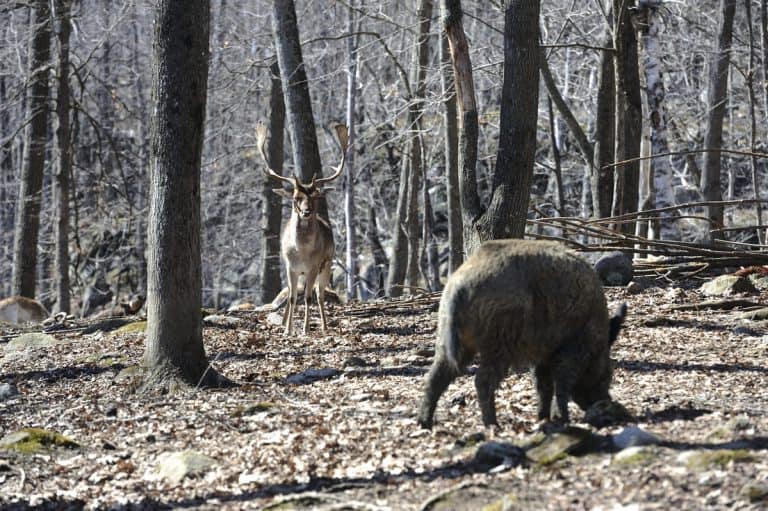
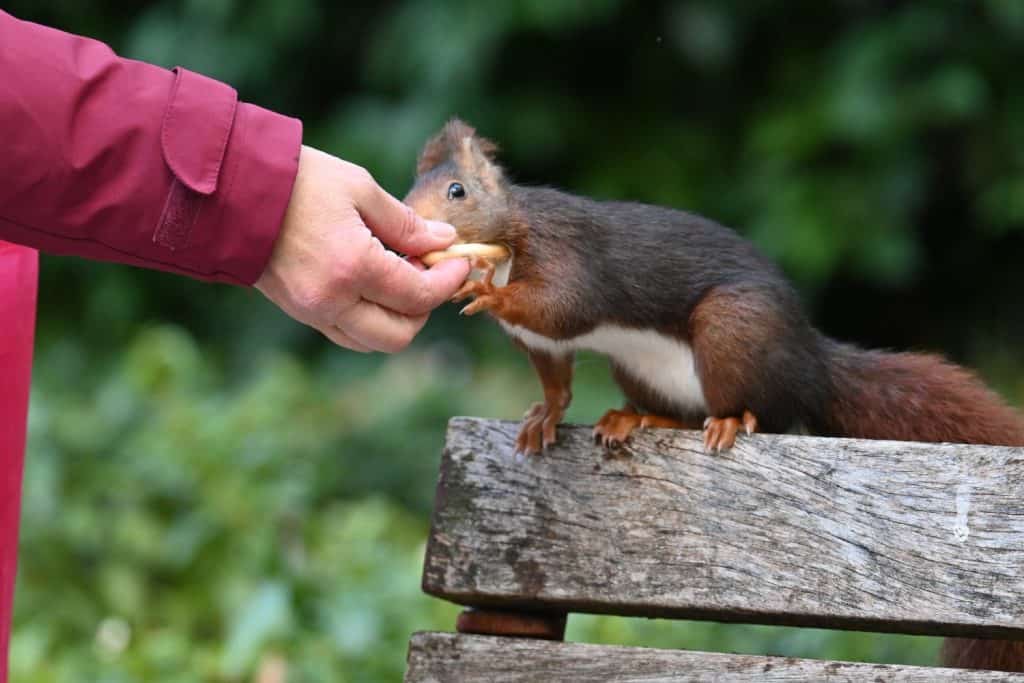
When wildlife learns where food is, they will consistently show up for it.
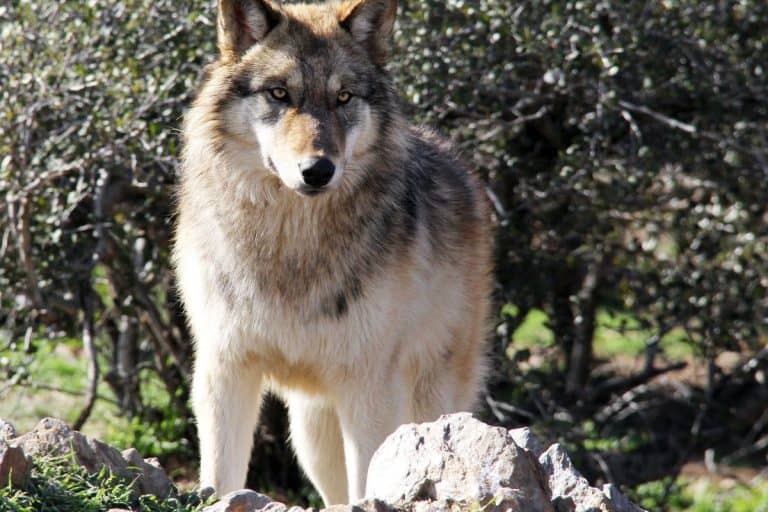
©Amy Lutz/Shutterstock.com
When you provide a reliable food source to wildlife, these animals will ultimately reorganize their daily lives around you and your yard. The New York Department of Environmental Conservation describes several ripple effects of feeding your favorite squirrels or deer: wildlife overabundance, unnatural crowding, and animals lingering in locations where they’d normally avoid people.
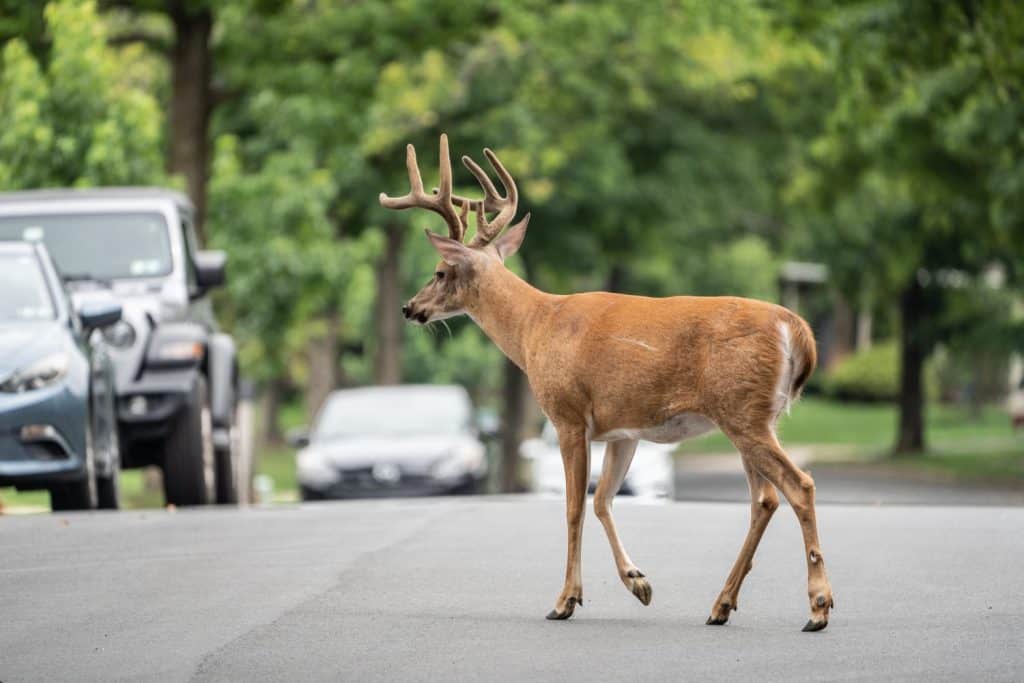
Plus, the worst outcome is soon to follow: habituation, which is the loss of a healthy fear of humans. In North Carolina, the Wildlife Resources Commission recently warned its residents that deer that lose their fear of people can become “dangerously aggressive,” documenting multiple cases in 2025 where human-raised or regularly fed deer attacked people in several counties, with officials warning that habituated deer can become dangerously aggressive.
That same issue shows up around the country, and with plenty of species, such as bears, coyotes, foxes, and even smaller animals like raccoons. No matter the size or type, once an animal repeatedly approaches people expecting food, it’s far more likely to be hit by a car, shot, or legally removed as a threat.
Diseases Connected to Feeding Wild Animals
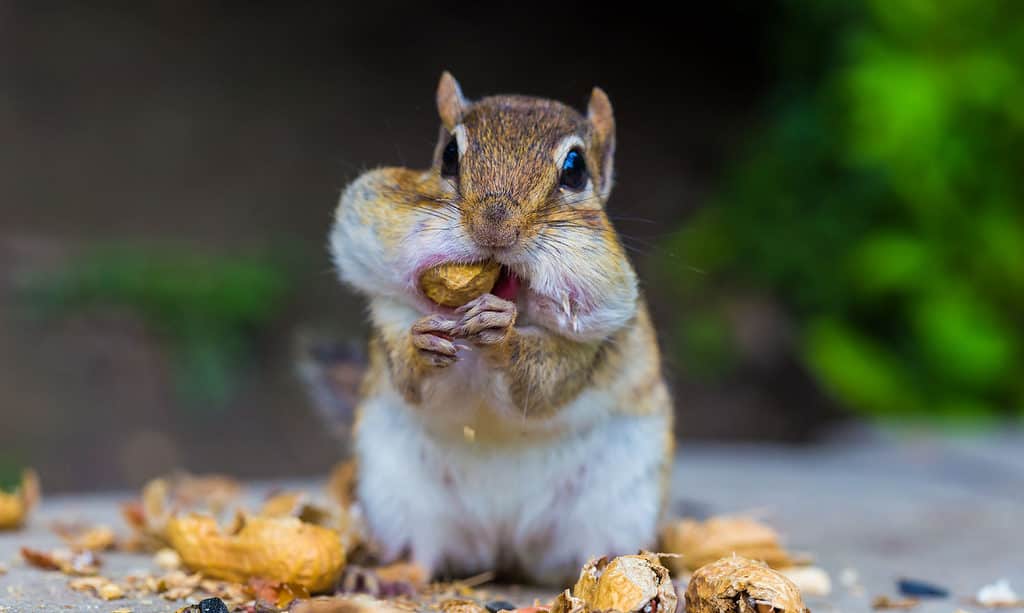
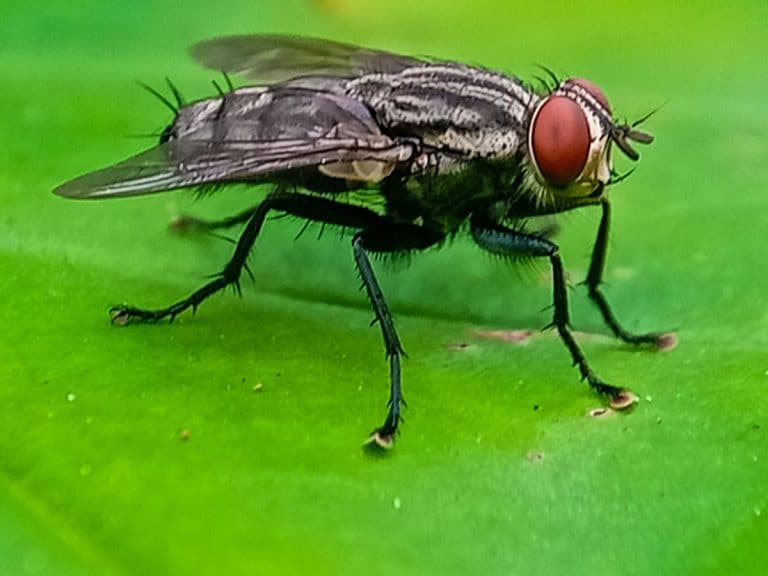
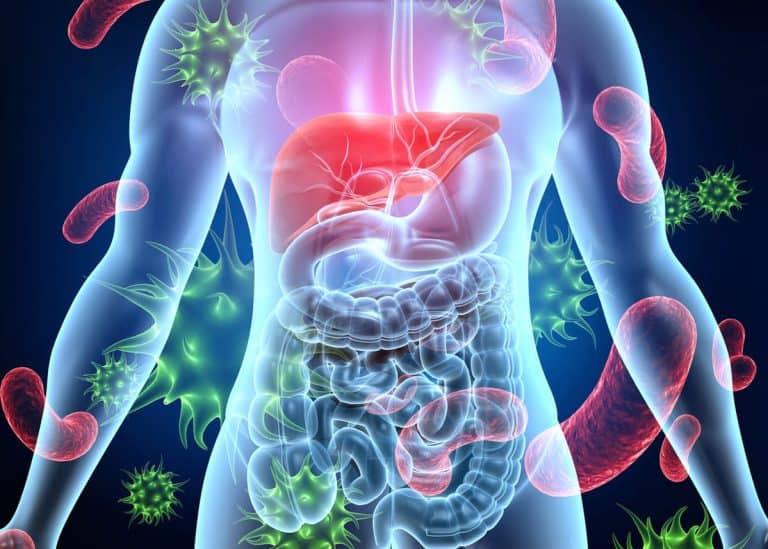
Disease is easily spread in small areas with concentrated wildlife populations.
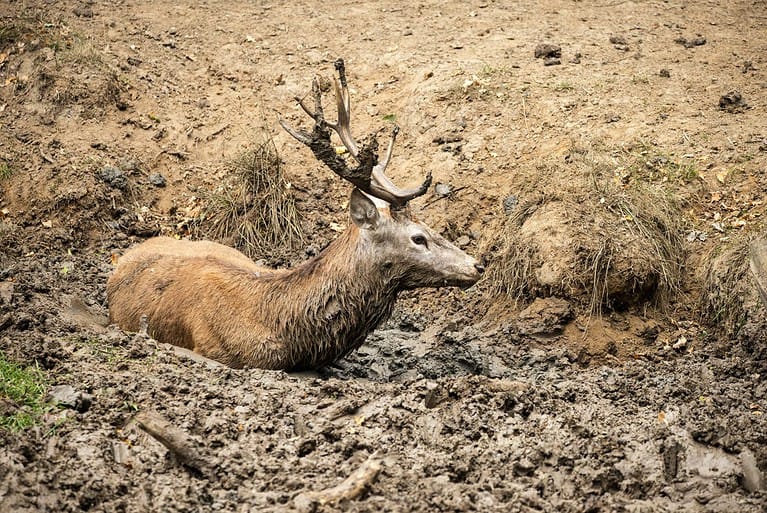
©colacat/Shutterstock.com
One of the facts I learned that worried me most about feeding wildlife surrounds disease. The University of Georgia analyzed data from supplemental feeding of wild animals and found that intentionally fed wildlife tend to have higher rates of infections, especially those spread by close contact. With more animals in a single area, there’s a far greater chance for pathogens to move from one animal to another or even from animals to people.
Another study showed that feeding birds can also cause them harm: when we provide consistent food sources like feeders, some migratory birds actually stop migrating. Plus, the birds that choose to stick around a feeder too long can carry diseases through winter, eventually exposing any returning migrants to infections they might otherwise have escaped.
National Park Rangers routinely warn that feeding chipmunks, jays, or ground squirrels can lead to bites, scratches, and the spread of serious diseases like rabies or plague. They are some of the first to say that animals conditioned to human food can easily become aggressive; feeding wildlife is ultimately dangerous for both the animals and the people offering the food.
Maintaining a Healthy Bird Feeder in Your Backyard
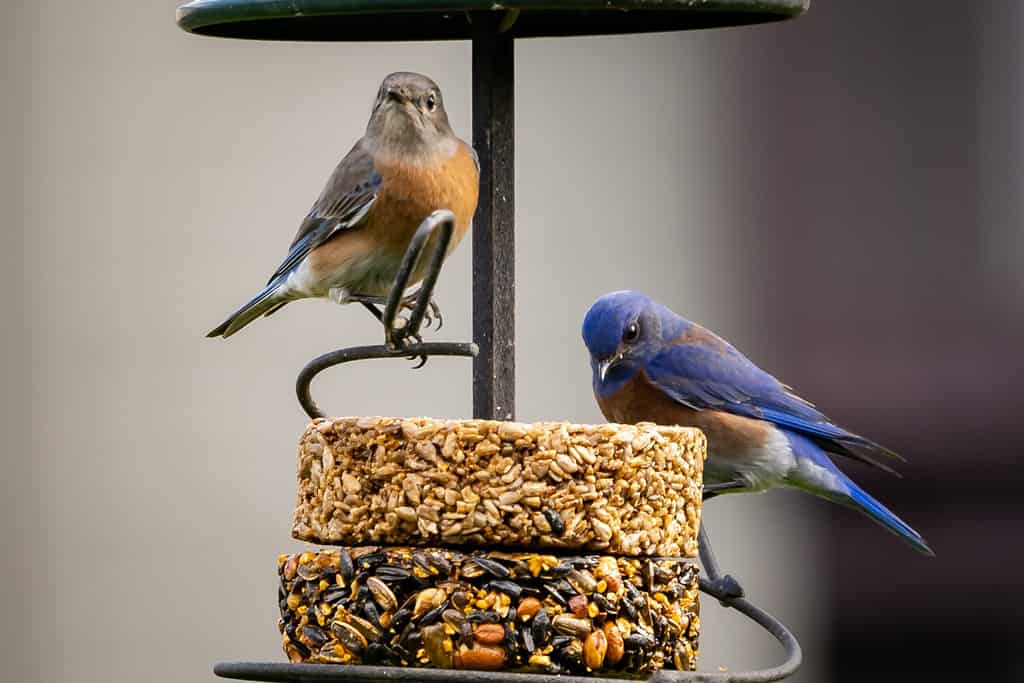
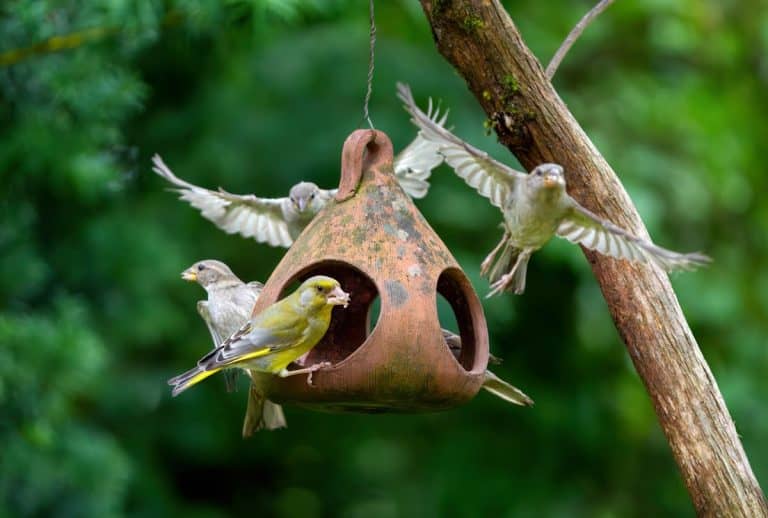
It’s possible to maintain a healthy bird feeder for your backyard birds with these tips.
©d murk photographs/Shutterstock.com
I felt the need to circle back to feeding birds, as this is one of the feeding methods that appears less harmful on the surface. It’s important to note that there are safe ways to keep bird feeders in your backyard, and the safest way is through more controlled bird feeding.
Conservation groups and agencies tend to suggest these tips to anyone hoping to maintain a healthier bird feeder on their property:
- If you use bird feeders, clean them regularly with a dilute bleach solution.
- Don’t overfill feeders and rake up any spilled seed that might attract rodents or raccoons.
- Space multiple feeders apart so birds spread out instead of piling onto one perch.
- Be ready to take feeders down entirely if you see sick or dead birds.
In addition to wildlife advocacy groups, many other departments and statewide agencies are aware of the dangers of feeding wildlife and are working to educate the public. One of the main ways they’re achieving this? Through legal means and consequences.
Laws Associated With Feeding Wild Animals
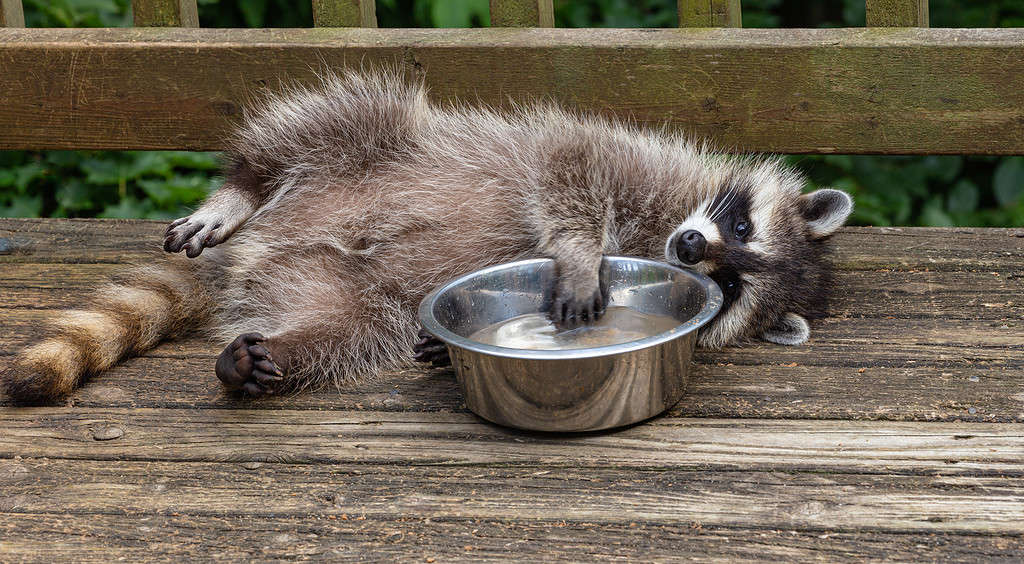
Multiple states actually have laws or rules against feeding wildlife, particularly during certain times of the year.
©Anne Wright Dobbelsteyn/iStock via Getty Images
Several states and many local jurisdictions have laws or ordinances against feeding wild animals, something I didn’t realize until long after I had stopped feeding my neighborhood deer.
In Washington, just next door to my home state, a new statewide rule makes it unlawful to feed deer, elk, and moose, or to put out any feed that causes these animals to gather, largely to slow the spread of chronic wasting disease and reduce collisions and poaching around feeding sites.
In my home state of Oregon, meanwhile, state and local agencies warn residents against leaving out food or water for wildlife, especially during heat waves and droughts, because it pulls wildlife into yards, increases disease risks, and may attract predators. While fire seasons can be a different story, the more I learned about the potential harm I was causing, the less I wanted to continue. In fact, I decided to pursue much healthier and sustainable ways to help out my local wildlife.
Better Ways to Help Wildlife Without Feeding Them
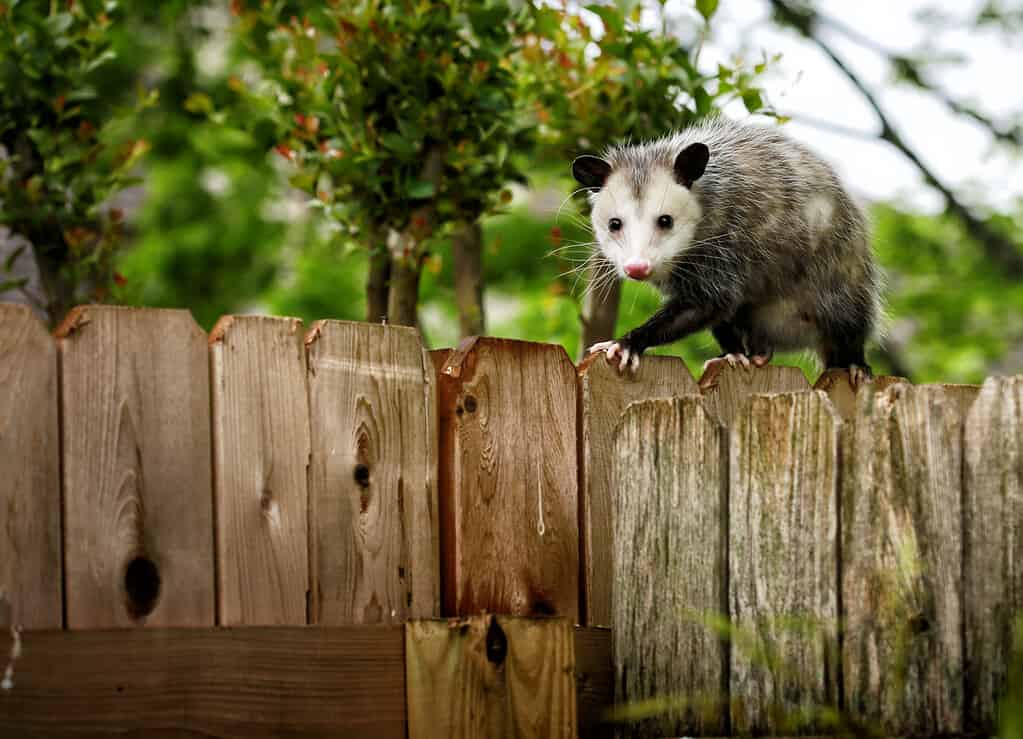
Keeping wildlife out of your trash can be a great first step to helping them rather than harming them in the long run.
©galinast/iStock via Getty Images
There’s no reason to stop caring about wild animals, but you just have to change how you show it if you’ve been feeding them consistently. If you’d still like to lend a helping hand, here are alternatives I’ve explored based on recommendations from my research:
1. Build a familiar habitat.
Planting native shrubs, trees, and wildflowers that offer natural food and shelter can be one of the best things for the wildlife in your area. Native plants provide the insects, berries, seeds, and cover animals evolved with, and they don’t force animals to crowd into one spot, limiting disease while still keeping your furry friends around.
2. Protect them from trash.
Always secure your garbage, compost, and pet food if it’s kept outside. Many wild animals aren’t getting food directly from our hands; instead, they’re rummaging through open cans and dumpsters late at night. Keep them out of your bins, and they’ll be healthier for it.
3. Keep pets in check.
Dogs and outdoor cats frequently stress or potentially kill wildlife, especially young animals learning to fly or feed for the first time. Keeping pets away from young wildlife is one of the best ways to help them survive, and your pets can also get hurt if they engage with larger animals, such as bucks or coyotes.
4. Call the professionals if necessary.
If you see an injured or orphaned animal, call your state wildlife agency instead of trying to help it yourself. It’s important to note that many animals that seem abandoned are actually fine and may be harmed if you intervene, so professionals can help you identify the difference.
Leaving Food Out For Wildlife: What I Learned
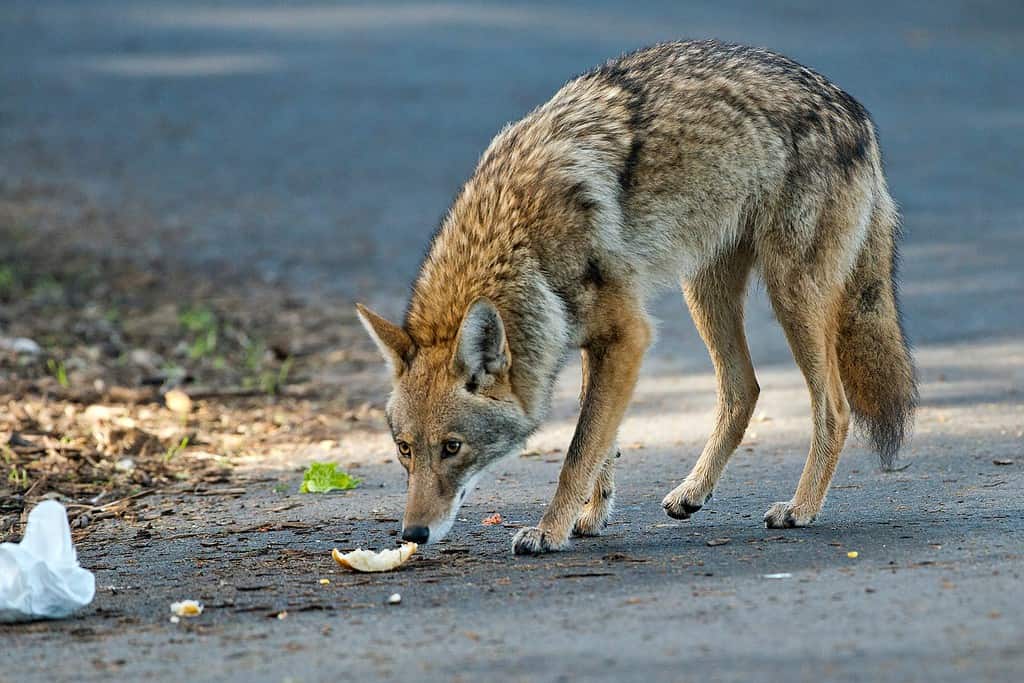
No longer feeding wild animals means they become wild again, and what a beautiful thing that is to see.
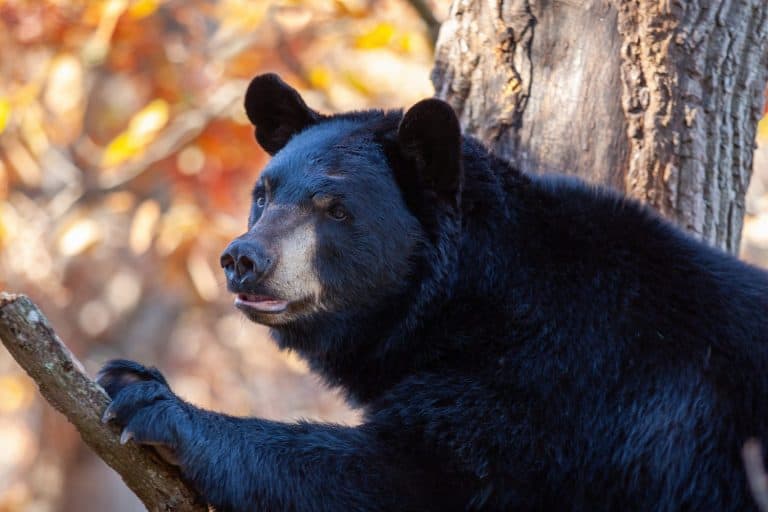
©Matt Knoth/Shutterstock.com
I learned so much about feeding my wild neighbors, and much of it made me feel ashamed of my behavior. It took me a long time to realize how I could actually help the cute critters I shared my yard with every day, and that my way of helping wasn’t truly beneficial to them in the long run.
For me, the turning point was realizing that my version of help was really for myself—it made me feel better, but it didn’t help the animals. Once I let go of that bad habit, I’ve had fewer close-up encounters on my porch, which has been an adjustment. I had grown so used to seeing the deer up close and the songbirds first thing in the morning.
But it’s also meant I get to observe wildlife behaving like wildlife again, in their beautiful and guarded ways. And that, in the end, might be the most loving solution we can offer them, especially as our developed neighborhoods continue to encroach on their natural habitats.