
Quick Take
- The itch from a mosquito bite isn't actually caused by the mosquito itself. Your own body is the one responsible, and its motive is stranger than you'd expect. See your body's role →
- The chemical difference between insect saliva and venom is what separates a day of itching from hours of burning pain, yet most people have no idea which creatures inject which. Explore the chemical differences →
- Scratching a bug bite feels like a reflex, but your immune system is triggering that urge for a calculated reason that has nothing to do with relief. How histamine drives the itch →
- Spider bites follow completely different immune rules than insect stings, and for some species the reaction is only just beginning when others have already healed. Spider-specific immune reactions →
Most people know that mosquito bites itch, while bee stings burn. But why is this the case? The answer lies not only in what is injected into the body, but also in how it is injected and how the body responds to each substance.
What Individual Bites and Stings Feel Like
Bites and stings are not one and the same. The mechanism of defense is obviously different, with one being fangs and the other being a stinger, but the effects of the bite and sting also vary.
Itching and pain can range from subtle to quite intense depending on which creature attacked. Consequently, a mosquito bite will feel different from a bee sting, and both will feel nothing like a venomous spider bite. In many cases, it is the body’s response to the attack that signals which insect or arachnid was responsible for the welt left behind.
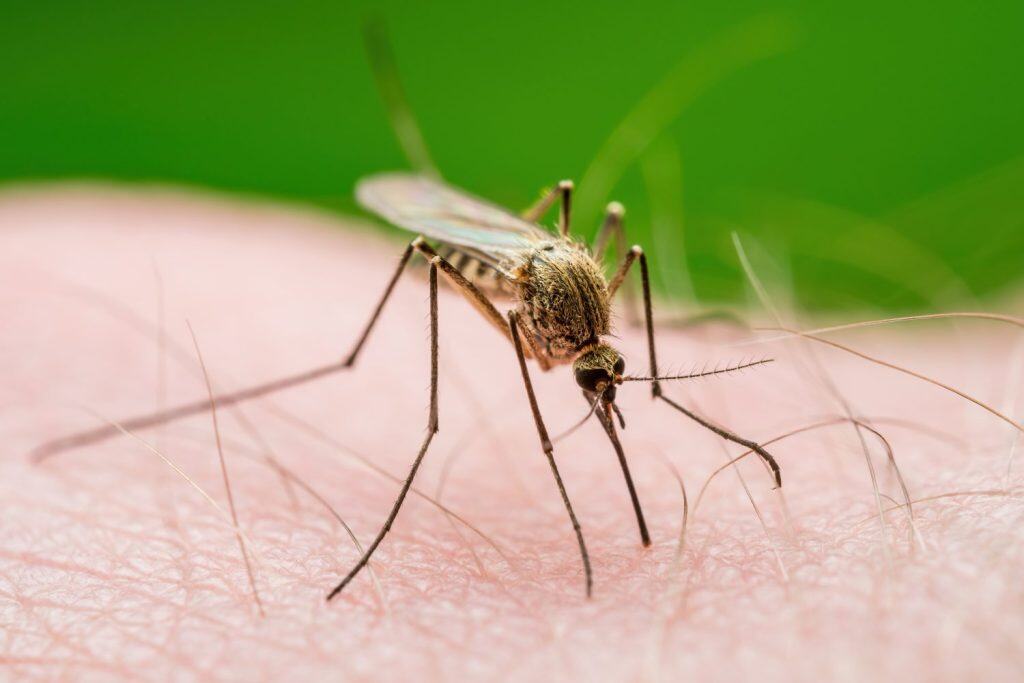
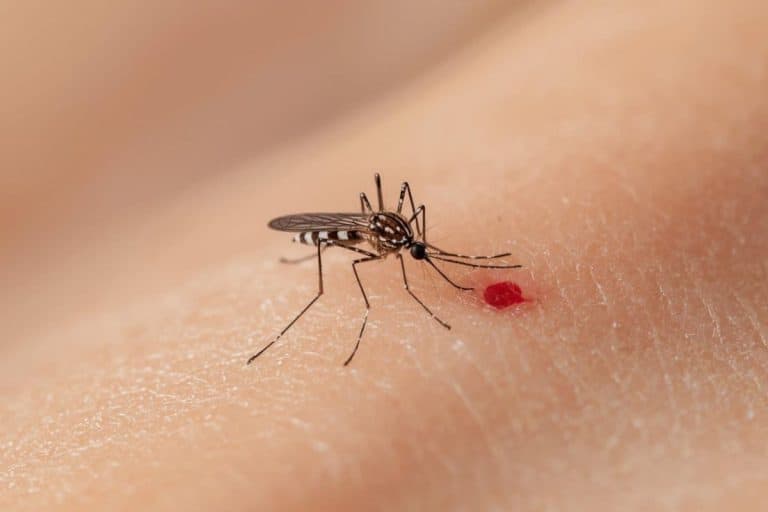
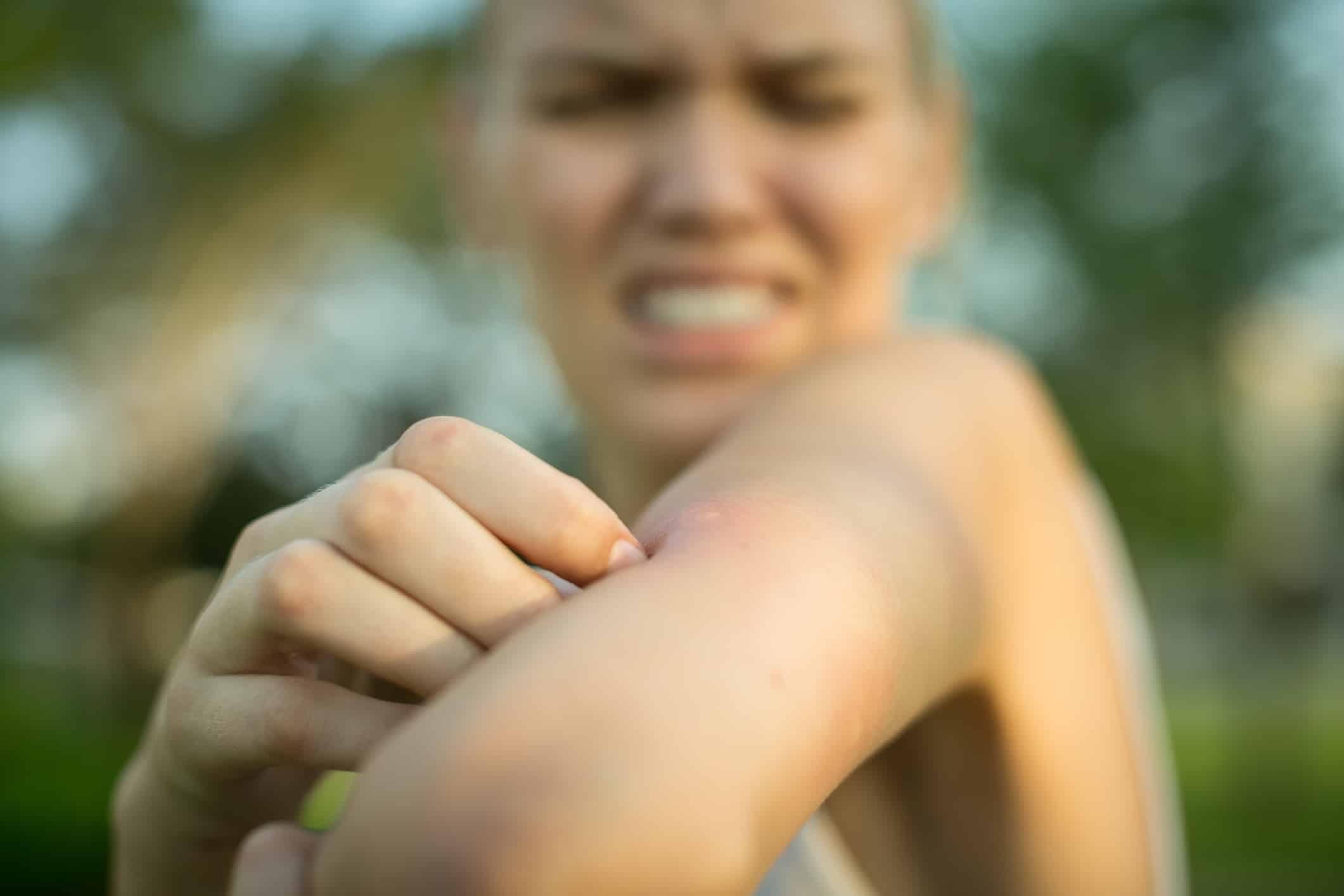
Mosquito bites cause a brief pricking sensation that results in itchy, red bumps.
©nechaevkon/Shutterstock.com
Individual insect and arachnid bites and stings have the following symptoms:
- Mosquito: Mosquito bites cause a brief pricking sensation as the mosquito’s proboscis or beak pierces the skin. The bite leaves behind a red, itchy bump that lasts a day or two.
- Horsefly: Horsefly bites cut through the skin, causing immediate, burning pain. The area bitten will form a raised red bump or even a bruise and be tender for several days.
- Hornet: Hornet stings cause immediate pain, followed by a throbbing or burning sensation. Itching and swelling at the sting site will occur and can last for a few hours to a few days.
- Flea: Flea bites cause a stinging sensation followed by severe itching. After the bite, small red bumps appear that can become infected if scratched.
- Bed bug: Bed bug bites tend not to be felt initially. Red bumps can take hours to days to appear, creating intense itching for some.
- Fire ant: Fire ants both bite and sting. However, the sting delivers a burning, sharp pain that can last up to several minutes at each sting site. Within an hour, a red bump will appear at the sting site and turn into itchy blisters that can last for over a week.
- Honeybee: Honeybee stings cause immediate, intense burning pain. The sting site becomes swollen, warm, and red, with a burning sensation that can last for hours.
- Common house spider: House spider bites do not create any sort of intense pain. Instead, there is a slight pinch that is followed by a small red bump that can be itchy or tender to the touch for up to a few days.
- Black widow spider: A black widow bite causes a sharp stinging or mild burning sensation. Swelling and redness at the bite site occur, followed by radiating pain to the muscles, chest, back, and abdomen. The height of pain may begin to lessen around 12 hours after the bite. Medical care is recommended, despite most black widow bites not being fatal.
Bites and stings can be both defensive and predatory. While most of these creatures do not cause life-threatening symptoms, each will leave its signature mark after attacking.
What Causes the Itching and Pain in Bites and Stings?
The reason an itching or burning sensation is felt after being bitten or stung by an insect or arachnid has to do with the substance injected into the body. Each causes the body to react differently because of the components of the fluid.

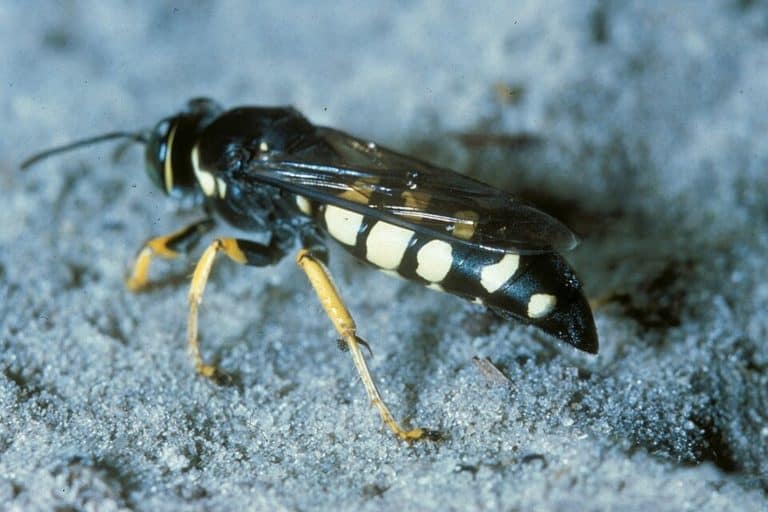
Fire ants inject venom and formic acid into the body when they sting.
©Dafi Yasin Addafi/Shutterstock.com
The main substances injected into the body by insects and arachnids include:
| Insect / Spider | Substance Injected | Components of the Substance |
| Mosquito | Saliva | Anticoagulants, vasodilators, immunomodulators, enzymes, and bioactive compounds |
| Horsefly | Saliva | Enzymes, anticoagulants, and other bioactive compounds |
| Hornet | Venom | Acetylcholine, phospholipase A, hyaluronidase, and mastoparan peptides |
| Flea | Saliva | Anticoagulants, vasodilators, histamine-like substances, and tissue softeners |
| Bed bug | Saliva | Nitrophorins, anticoagulants, anesthetics, and histamine-binding proteins |
| Fire ant | Venom and formic acid | Piperidine alkaloids and water-soluble proteins |
| Honeybee | Venom | Melittin, phospholipase A2, apamin, adolapin, enzymes, histamine, dopamine, and water |
| Common house spider | Venom | Proteins, peptides, and neurotoxins |
| Black widow | Venom | Neurotoxic proteins and latrotoxins |
Each of these substances causes a mild or aggressive reaction from the body. This is because the goal of injecting venom or saliva is to incapacitate or feed upon an animal without their knowledge. It is also to defend against predators attacking.
Immune Responses Resulting from Insect Bites and Stings
Those who have been both bitten and stung recognize that the body has different reactions to the inflicted pain. Venom and saliva contain very different compounds that result in responses ranging from mild to intense. Additionally, the method with which the substances are injected can also lead to different outcomes for the body.
When it comes to insect bites and stings, the body recognizes the proteins injected as foreign antigens. As a result, resident mast cells, which are the first line of defense, release histamine, leukotrienes, and other enzymes to elicit a response. Histamine causes itching and swelling by bringing more blood flow to the site. This helps combat and heal the bite site.
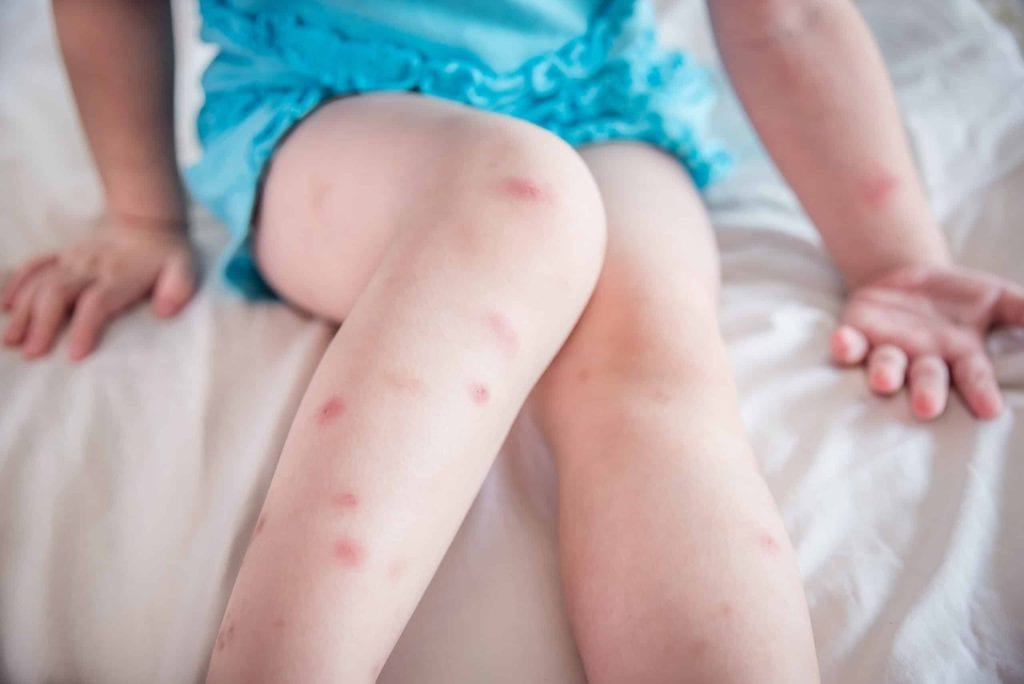
Histamine, leukotrienes, and other enzymes are released into the body when insects sting or bite.
©all_about_people/Shutterstock.com
Additionally, the leukotrienes increase the inflammation and itching. This may seem strange, but it is the body’s way of signaling to the brain that there may be a foreign object at the bite site, and by triggering the need to scratch, the goal is to remove anything that does not belong in the body.
Of course, the immune system can go overboard with its response. When this occurs, people experience everything from hives and breathing problems to anaphylaxis. Those who are allergic to bites or stings from a particular insect or spider should carry an EpiPen if recommended and seek medical assistance immediately after an attack.
Immune Response to Spider Bites Will Vary Based on the Species
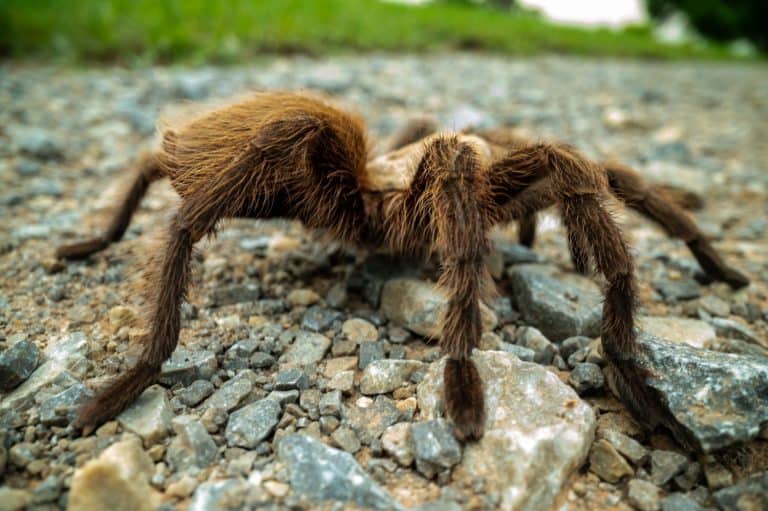
Those who are bitten by a spider can have different immune responses. Each spider species has its own venom composition, which can cause anything from an annoying itch to a life-threatening situation.
As with insect bites and stings, the body reacts by activating mast cells. Consequently, there will be swelling, redness, and pain at the bite site. Unlike insect bites and stings, spider venom continues to be activated, resulting in an increased immune response for weeks in some cases.
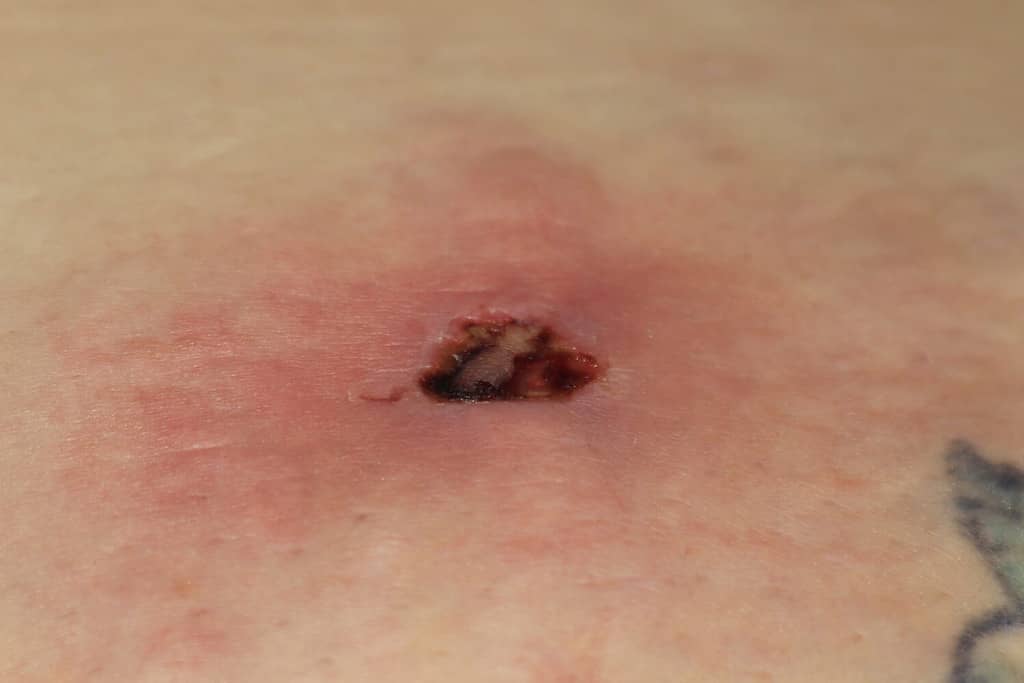
Brown recluse spiders can cause necrosis despite the body creating an immune response.
©Robert D Brozek/Shutterstock.com
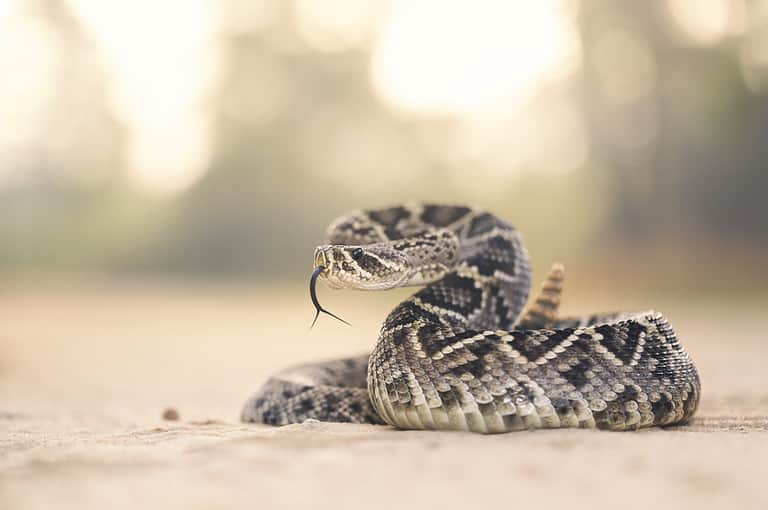
If bitten by a venomous spider, such as a black widow or brown recluse, there are other responses that will be elicited as a result of the components of the venom. Black widow venom will cause neurotoxic effects on the body, such as muscle cramps, overall body pain, cardiac complications, and more. Brown recluse spiders have venom that can destroy tissue and cause necrosis. In the case of bites from these spiders and other venomous species, medical attention is recommended immediately to stop the damage the venom causes and prevent death.
The human body can mount incredible immune responses to bites and stings. While some are more uncomfortable than others, in most instances, the bumps, itching, and pain are signs that the body is in good working order and is doing its best to rid itself of foreign bodies that cause harm.