
Quick Take
- North Atlantic right whales need to have 50 births per year to increase their population, a number that is mathematically impossible for the current population.
- In 2026, the North Atlantic right whales have had 15 calves to date.
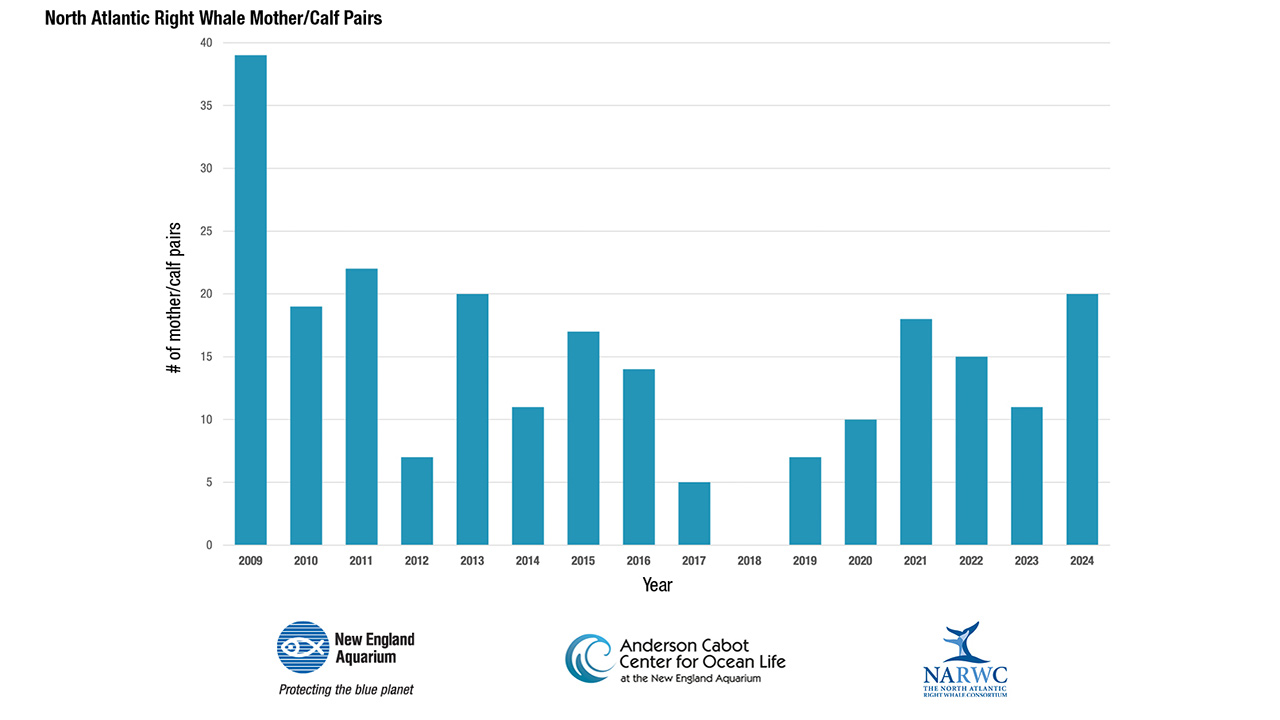
- A “successful” calving season for North Atlantic right whales is having 20 calves, which was last successfully done in 2024.
- A 10-year calving gap has emerged, making it even more difficult for North Atlantic right whales to meet their calving goals.
North Atlantic right whales are at a breaking point. Because of this, 2026 is a “make-or-break” year for the whales. With fewer calves being born each calving season, and many not surviving to reproductive age, the future of the North Atlantic right whales is uncertain. Unfortunately, if conditions do not improve and the population does not grow soon, North Atlantic right whales will go extinct.
Why Is 2026 An Important Year for North Atlantic Right Whales?
North Atlantic right whales are considered one of the most endangered whales in the world. With a total of 384 whales left in the wild after they were nearly hunted to extinction in the early 1900s, and those whales now facing other threats in the ocean despite being protected, each whale is vital to the survival of the species.
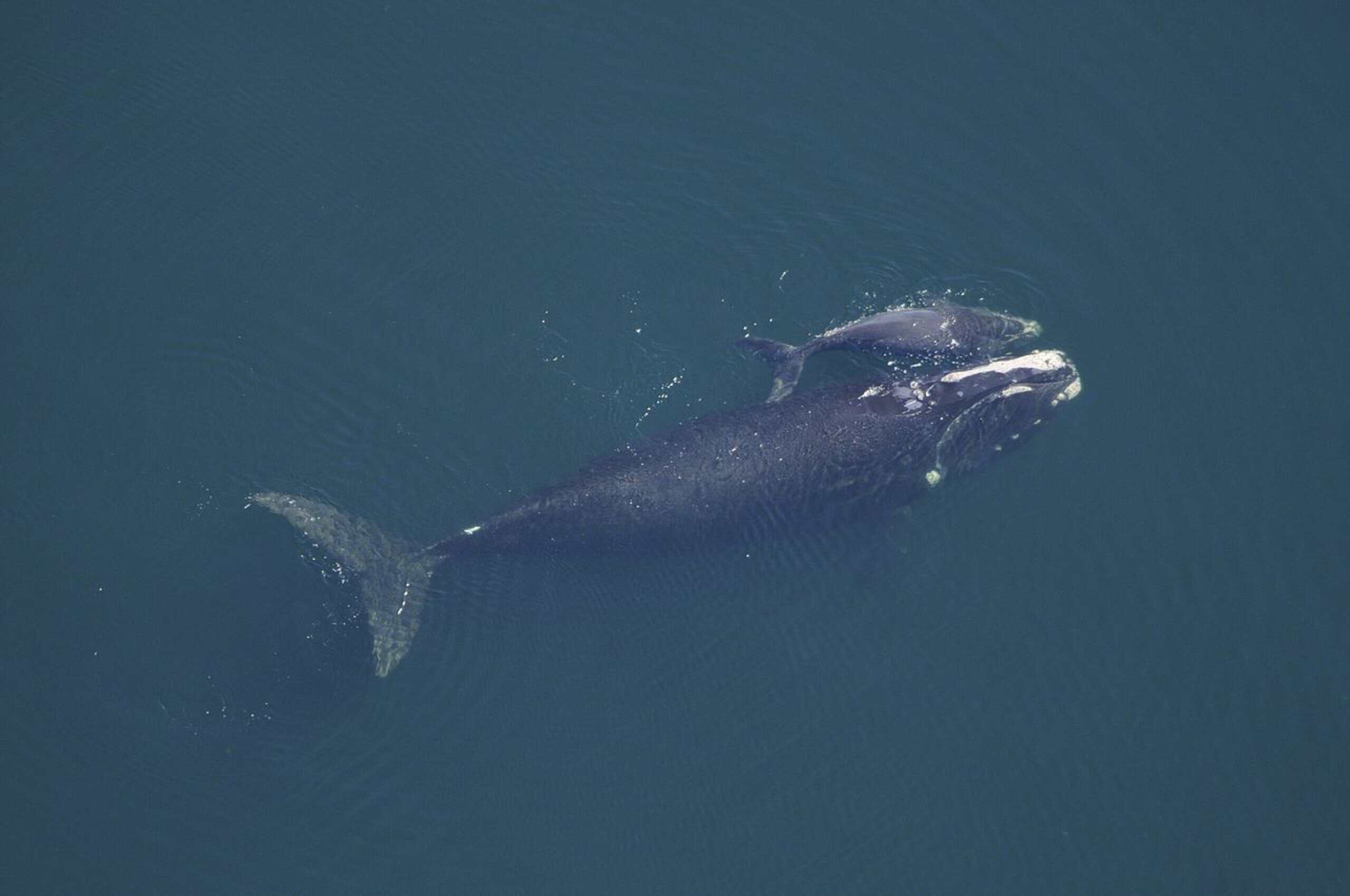
North Atlantic right whales are facing a massive population decline if more calves are not born this year and in future years.
© – Original
Each calving year is important for North Atlantic right whales as each new calf brings not only new life but the potential to carry the whales into the next generation. This year is more important than most, however. As the whales have been experiencing an “Unusual Mortality Event” since 2017, 20% of the population has been “sick, injured, or killed” in less than a decade. When whales are injured or killed by boat strikes or entanglement in fishing gear, they are unable to reproduce.
Additionally, the interval between calvings has increased from no more than four years to as much as 10 years. Consequently, significantly fewer calves are being born to females in their reproductive prime. This means that 2026 must be a successful calving season, and the calves born must also survive into 2027.
How Many Births Per Year Is Considered a Successful Calving Season?
For a calving season to be considered a successful one, there is a certain number of calves that need to be born and make it to the migration season. While the birth of any North Atlantic right whale calf is a reason to celebrate, if the necessary thresholds are not met, the overall population declines. By definition, a successful calving season requires 20 new calves. The last time this occurred was in 2024. Unfortunately, of those 20, five perished.
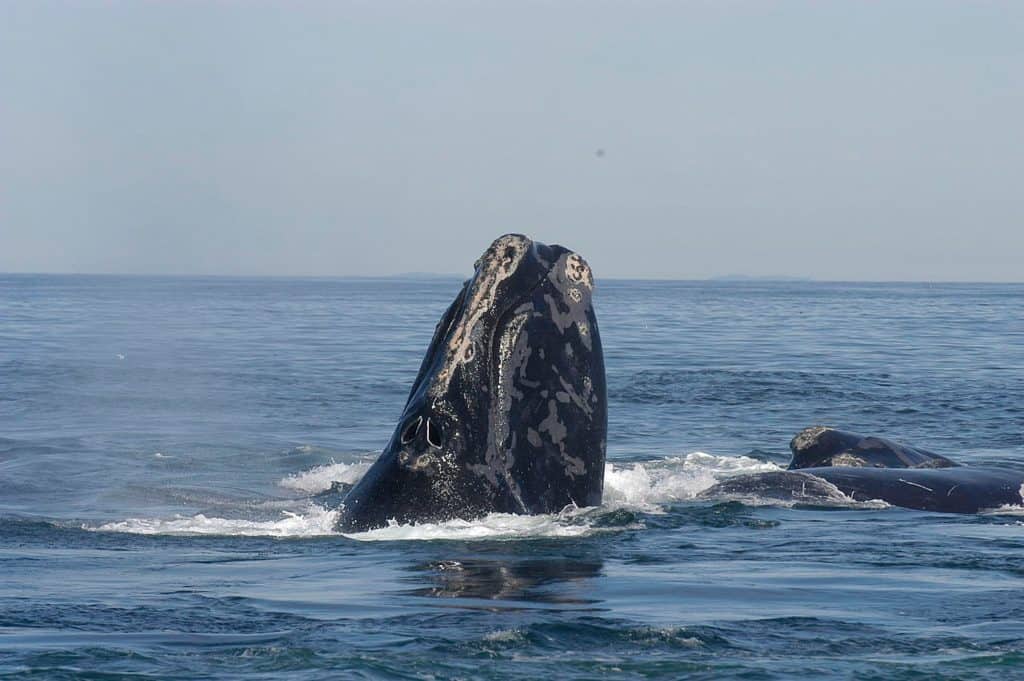
North Atlantic right whales need to have 20 calves during calving season to have a successful year.
© – Original
Other calving years have been far less successful. In the past decade, the number of calves born to North Atlantic right whales includes:
- 2025: 11
- 2024: 20
- 2023: 12
- 2022: 15
- 2021: 18
- 2020: 10
- 2019: 7
- 2018: 0
- 2017: 5
- 2016: 14
These numbers are far below what is necessary to maintain, let alone increase, the population. In fact, the numbers necessary to increase the population are so high that they are impossible to reach with the current North Atlantic right whale population.
A Successful Calving Season Is Not Enough to Increase the Population
Although the number of calves born this season is encouraging, a single successful season is not enough for the population to recover. Instead, multiple seasons are needed, and far more calves need to be born.
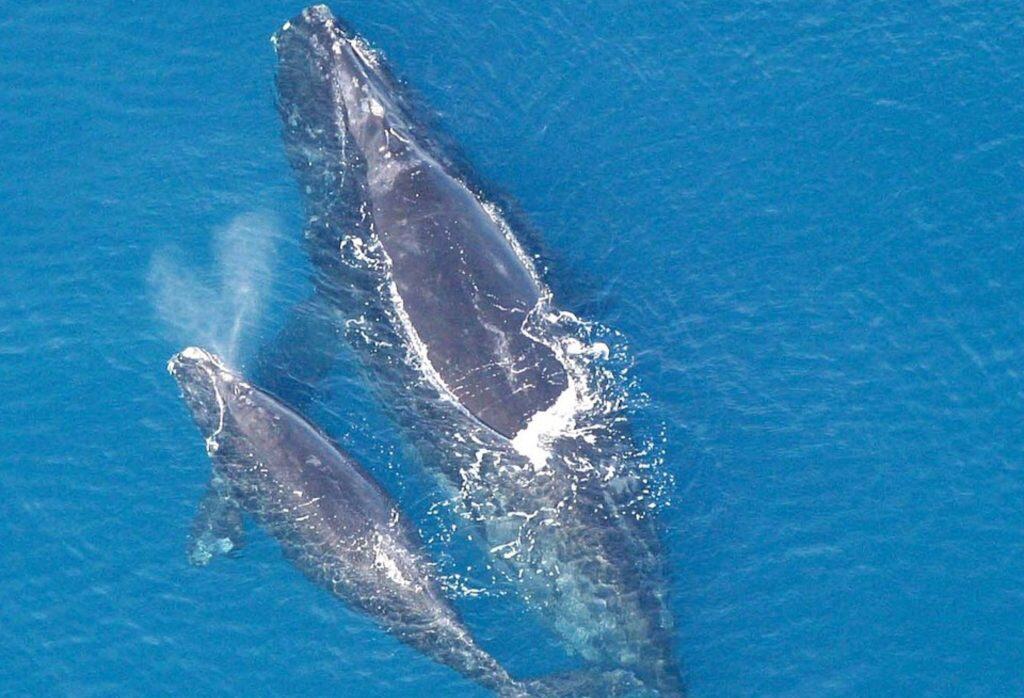
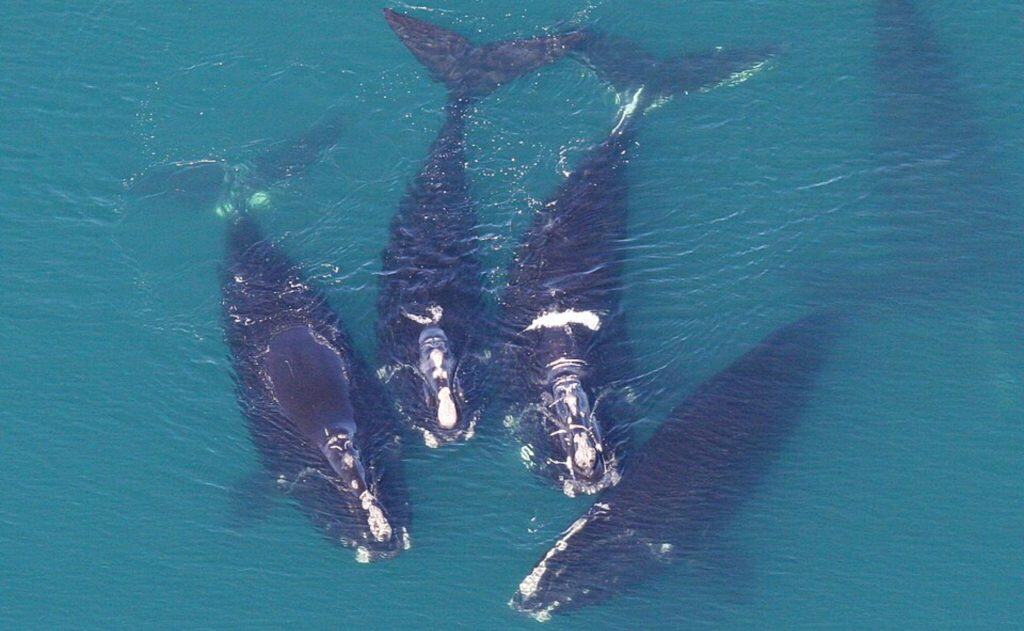
North Atlantic right whales would need to have 50 calves during calving season to increase their population.
© – Original
Experts say that for North Atlantic right whales to recover, there would need to be several consecutive years with exceptionally high numbers of births. This is not the number that designates a successful birthing season. Instead, 50 calves would need to be born each year to stop the population decline observed over the last decade.
Given that there are only 70 known reproductive females, it is impossible to reach this number of calves per year. Therefore, the only way the North Atlantic right whales can be saved is to put a stop to the factors that kill them.
What Causes North Atlantic Right Whale Deaths?
North Atlantic right whales have been protected under the U.S. Endangered Species Act and the Marine Mammal Protection Act since 1970. Despite these protections, North Atlantic right whales continue to lose their lives each year due to various perils.
There are two main reasons that the North Atlantic right whales perish each year. Those reasons include:
- Vessel strikes
- Entanglement in fishing line
Vessel strikes occur during the calving season, as the whales swim slowly near the surface. Because of their dark coloration, they are hard to see. By the time they are noticed (if they are noticed) by the captain of the ship, there is no time to slow down. This is why, since 2008, there has been a speed limit in place to keep vessels longer than 65 feet from exceeding 10 knots in regions where North Atlantic right whales are known to swim with their calves, feed, and migrate.
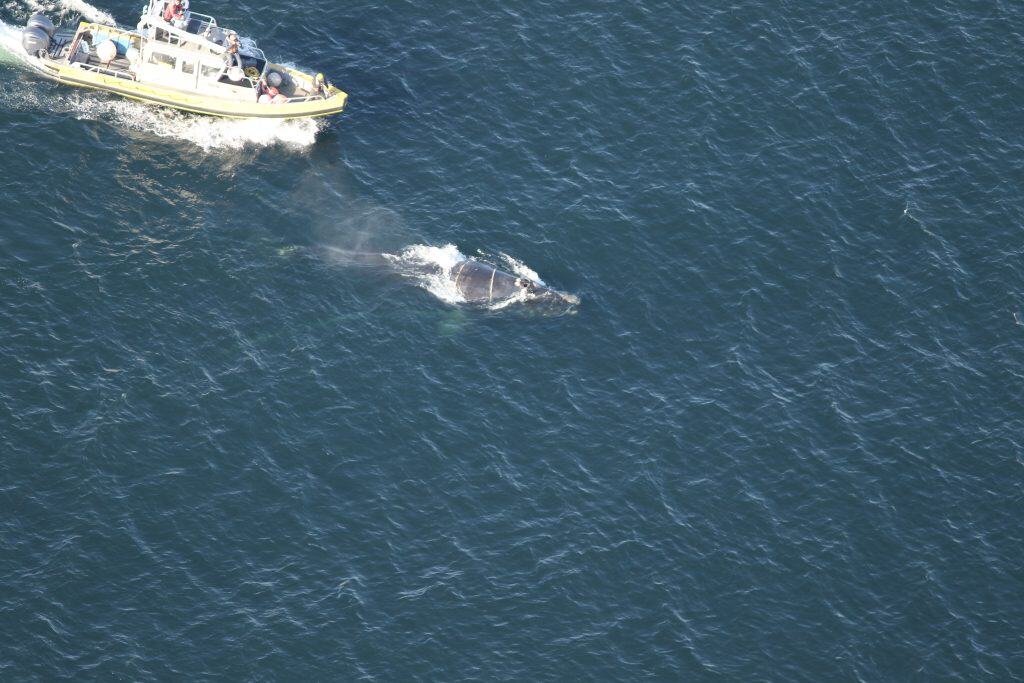
North Atlantic right whales are entangled in fishing gear each year, resulting in injuries or deaths.
©The Center for Coastal Studies (NOAA Permit #24539) – Original
Unfortunately, vessel strikes still occur. If the strike does not kill the whale instantly, it may suffer a slow, painful death or become unable to give birth for several seasons. Even more common than vessel strikes is entanglement in fishing line. Every year, North Atlantic right whales are seen entangled in fishing line, with a report 85% of all right whales have been entangled at some point in their lives.
If they do not perish from the entanglement, the fishing line can cause severe damage to the whale’s skin. In some tragic cases, the fishing line has been so tight that it has caused amputations. If North Atlantic right whales cannot shed the fishing line, its weight can drag them down, forcing them to expend so much energy to stay afloat that they eventually die from exhaustion.
North Atlantic Right Whale Births This Season
After a few unproductive calving seasons in the last decade, the 2025 to 2026 season is looking up. With 15 calves being identified so far this season, there is cautious optimism for the North Atlantic right whales. The North Atlantic right whale births this season to date include:
| Calf | Mother | Date First Spotted |
| #2503 | Boomerang | January 1, 2026 |
| #3010 | Binary | December 27, 2025 |
| #1612 | Juno | December 27, 2025 |
| #1620 | Mantis | December 26, 2025 |
| #3390 | Uca | December 23, 2025 |
| #3780 | Bermuda | December 23, 2025 |
| #2642 | Echo | December 21, 2025 |
| #2614 | Tripelago | December 20, 2025 |
| #3101 | Harmonia | December 17, 2025 |
| #3157 | Cascade | December 16, 2025 |
| #3720 | Squilla | December 11, 2025 |
| #3860 | Bocce | December 10, 2025 |
| #3760 | Callosity Back | December 4, 2025 |
| #3520 | Millipede | December 3, 2025 |
| #3904 | Champagne | November 28, 2025 |
With calving season not ending until mid-April, there is still plenty more potential for calves to be born. The hope is that with more North Atlantic right whales in the ocean, there will be fewer deaths. The goal is to end this season on a positive note, with 384 whales (or more) before they begin their spring and summer migration.
What Can People Do to Help Save North Atlantic Right Whales?
Currently, there are approximately 70 female North Atlantic right whales of reproductive age. Given that these females have calves every seven to 10 years rather than every three to four, the whales’ recovery will be slow. Because of this, the North Atlantic right whales need all the help they can get to increase their population.
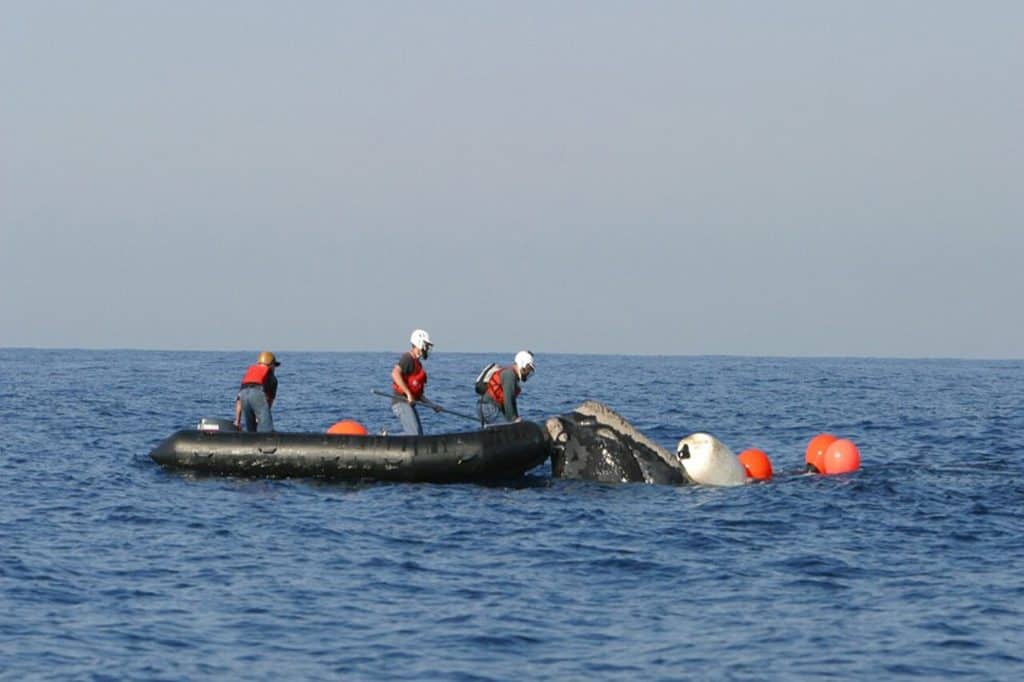
People can help the North Atlantic right whales by supporting organizations like NOAA that help to remove fishing gear from the whales.
© – Original
The ways people can help save the North Atlantic right whales include:
- Slow boats down significantly when boating in waters where whales are known to feed, calve, or migrate
- Report loose fishing gear and line in the ocean to keep whales from getting entangled
- Support organizations like IFAW, Oceana, and WDC that monitor the whales and save them from entanglements when possible
- Be the educational voice among friends, family, and community members about the plight of the North Atlantic right whales and why they need protection
- Donate to organizations trying to save the whales
This may not seem like much, but the more people who help prevent these whales from going extinct, the better their chances of survival, even with the odds stacked against them.