
Quick Take
- Cold stunning used to be a rare event, so what has changed to make rescue teams brace for it every single year? See why it happens annually →
- Warming a hypothermic sea turtle too fast can be just as dangerous as leaving it in the cold. The treatment protocol explains why. Explore the gradual warming process →
- Before any turtle earns its release, it has to pass a test that goes far beyond a clean bill of health. See the release criteria →
- Of the 40 turtles pulled from Cape Cod, not all made it back to the ocean on the same day, and one may never return. See which turtles were released →
After spending the winter recovering, a group of rehabilitated sea turtles recently experienced a happy home-going as they were returned to the sea. These sea turtles are getting a second chance at life after experiencing a cold-stunning event that is becoming far too common.
Sea Turtles Released After Being Treated for Cold Stunning
A group of sea turtles has been returned to the sea after being rescued from a cold-stunning event. They were the last of a group to be rescued from the ocean six months ago, in varying states of distress.
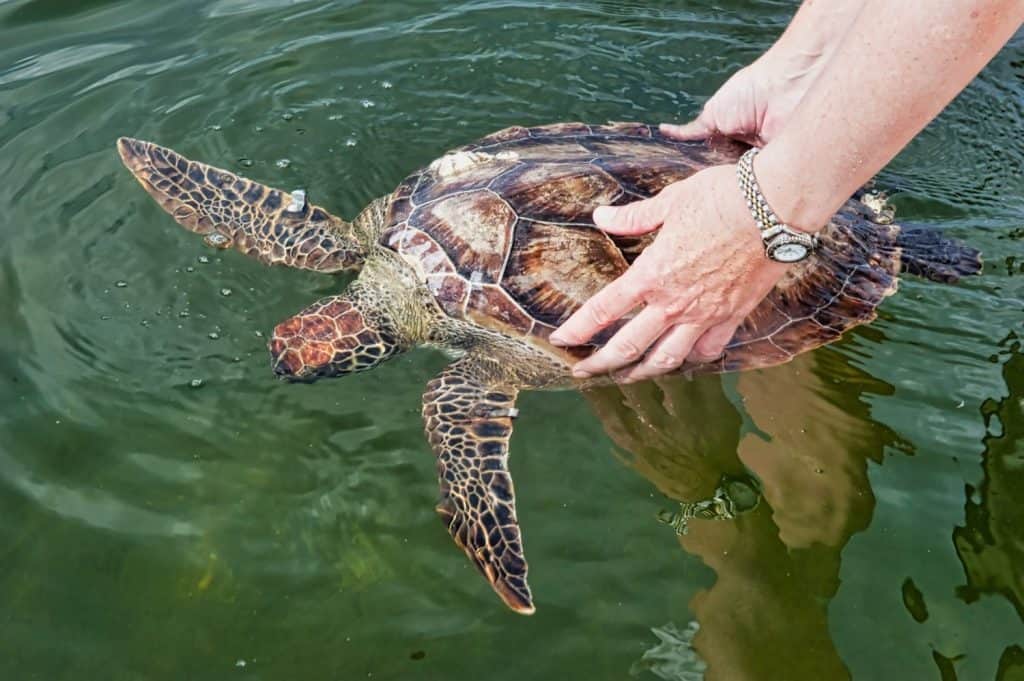
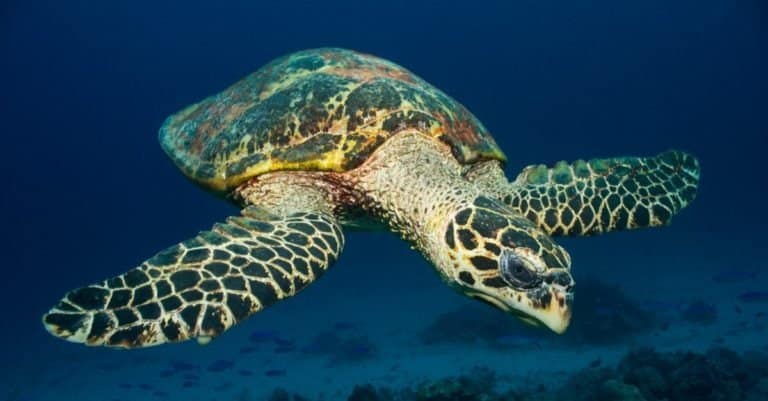
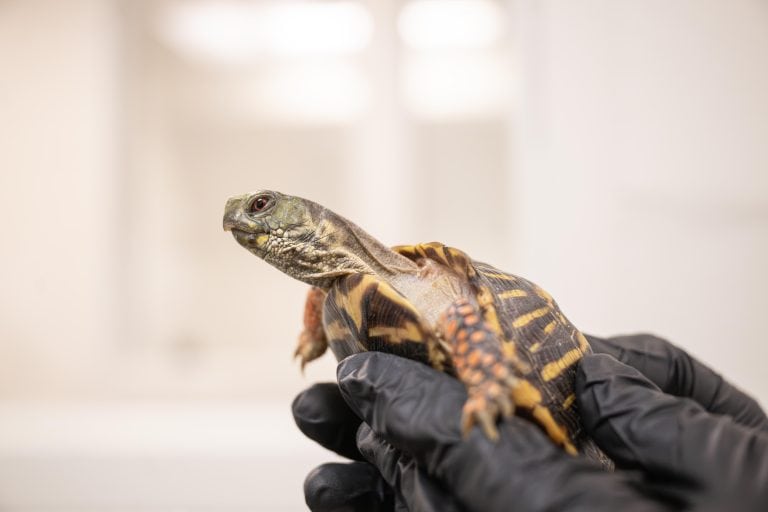
Sea turtles were released back into the Atlantic Ocean on Thursday after recovering from cold stunning.
©BEST-BACKGROUNDS/Shutterstock.com
On June 17, 2026, nine sea turtles were released into the Atlantic off the coast of Ocean City, Maryland. These turtles were part of a group of 40 rescued off the coast of Cape Cod in December 2025 and sent to the National Aquarium for care. Hundreds more were sent to other rehabilitation facilities for treatment.
Of the 40 rescued, 39 survived treatment. In April, 29 sea turtles were deemed healthy enough to be released off the coast of Oak Island, North Carolina. One will remain in long-term care as it continues to recover from cold-stunning.
What Is Cold Stunning?
Cold-stunning is no longer an occasional phenomenon for sea turtles. It happens annually along the coast of the United States, particularly along the Atlantic and Gulf coasts. Just how many sea turtles are affected depends on the severity of the cold-stunning.
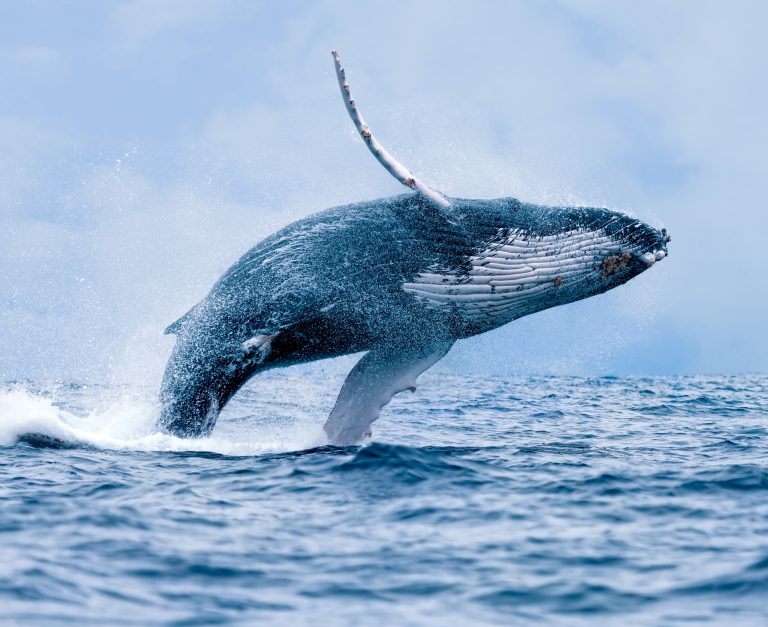
Sea turtles experience cold stunning when ocean temperatures dip below 50°F. At this temperature, sea turtles’ metabolisms decrease dramatically because they cannot regulate their body temperature. They may float to the surface of the water and become targets for boats or predators, or sink to the bottom of the ocean and drown.
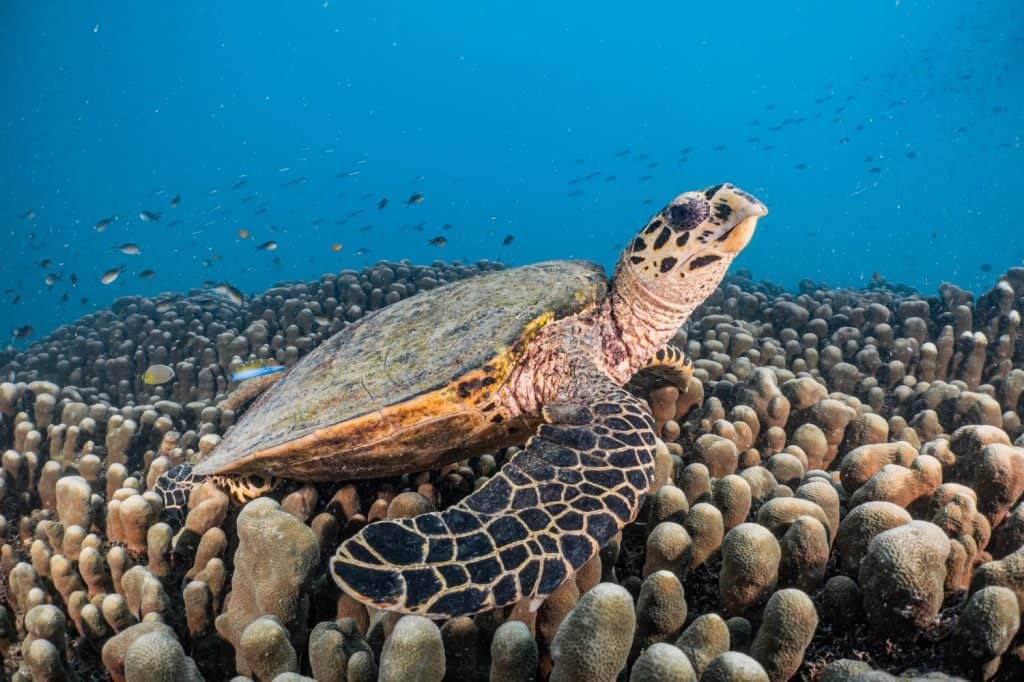
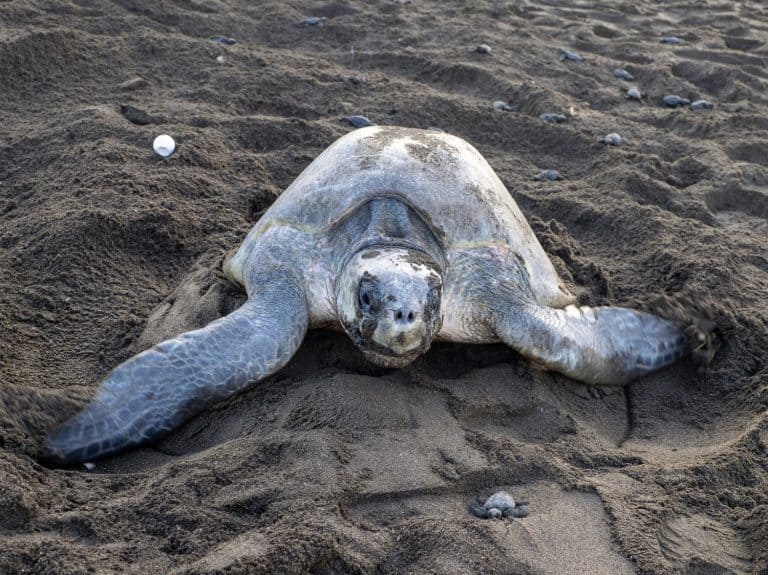
Sea turtles can become so lethargic during cold-stunning that they sink to the bottom of the ocean and drown.
©Kitjapat Film/Shutterstock.com
Typically, cold-stunning occurs when atmospheric temperatures drop. This is why most sea turtles are rescued between late fall and early winter, before they have had an opportunity to move to more temperate waters.
The severity of cold-stunning depends on how long sea turtles remain in cold water. If they are exposed for just a short time, sea turtles can recover on their own. It is when the temperatures drop and do not rise again that sea turtles’ lives are in danger.
Cold Stunning Treatments
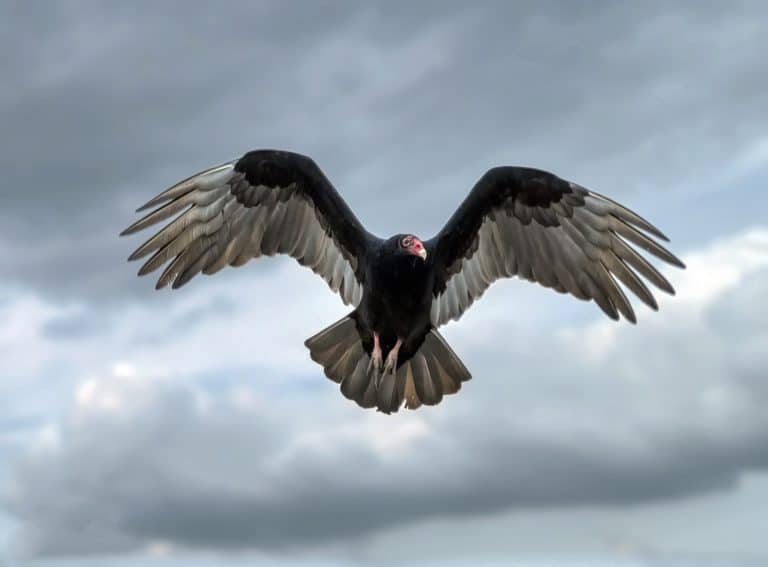
Once sea turtles are rescued from the ocean or shoreline after experiencing a cold-stunning event, treatment must begin immediately. This gives the turtles the best chance of survival. However, healing the sea turtles is not a fast process. Treatment must be done slowly.
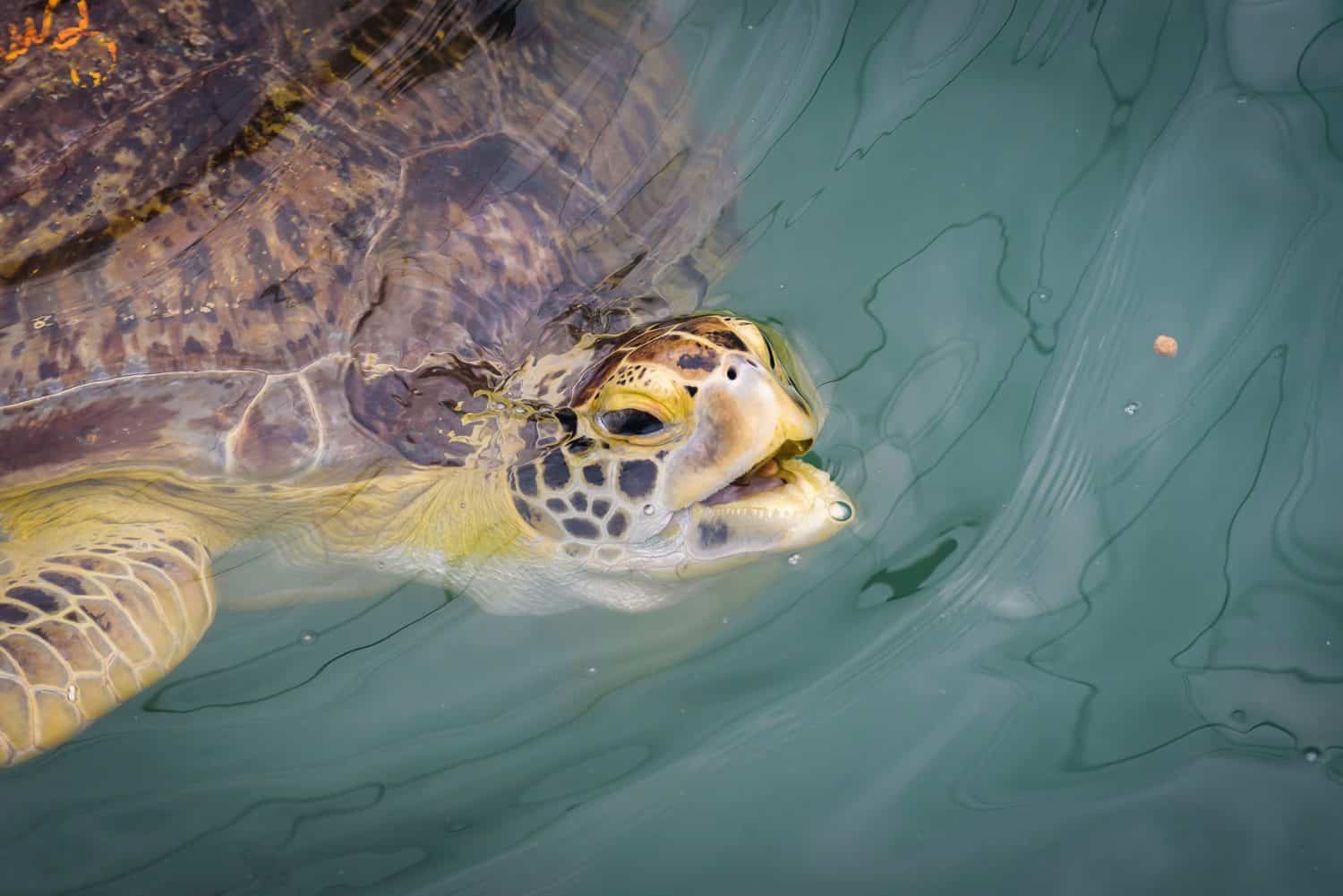
Sea turtles will undergo weeks to months of treatment before being returned to the ocean after cold stunning.
©Roberto La Rosa/Shutterstock.com
Treatments used for sea turtles rescued from a cold-stunning event include:
- Sea turtles will be gradually warmed in heated tanks or rooms to keep them from going into hypothermic shock
- Sea turtles will undergo a veterinary check to determine if any injuries or illnesses are present
- Fluids and antibiotics will be administered
- Food is given slowly at first, until the sea turtles’ metabolisms increase and return to their normal state.
The timeframe for recovery depends on how long the sea turtle was in the cold ocean water and what injuries it sustained. Recovery can take a few weeks to several months. Some may even spend an entire season being rehabilitated if it is determined that their chances of survival are slim, given their health at the time when other sea turtles are returned to the sea.
How Experts Knew Sea Turtles Were Ready to Return to the Sea
As sea turtles that have experienced cold-stunning begin to rebuild their strength, experts closely monitor them. Those that prove to be in good health will be returned to the ocean. Sea turtles that still need recovery time will not be released until they have a clean bill of health.
Before a sea turtle is medically cleared to return to the ocean, it must prove that it has regained its strength and is capable of surviving in the ocean on its own. This includes the ability to swim long distances and hunt.
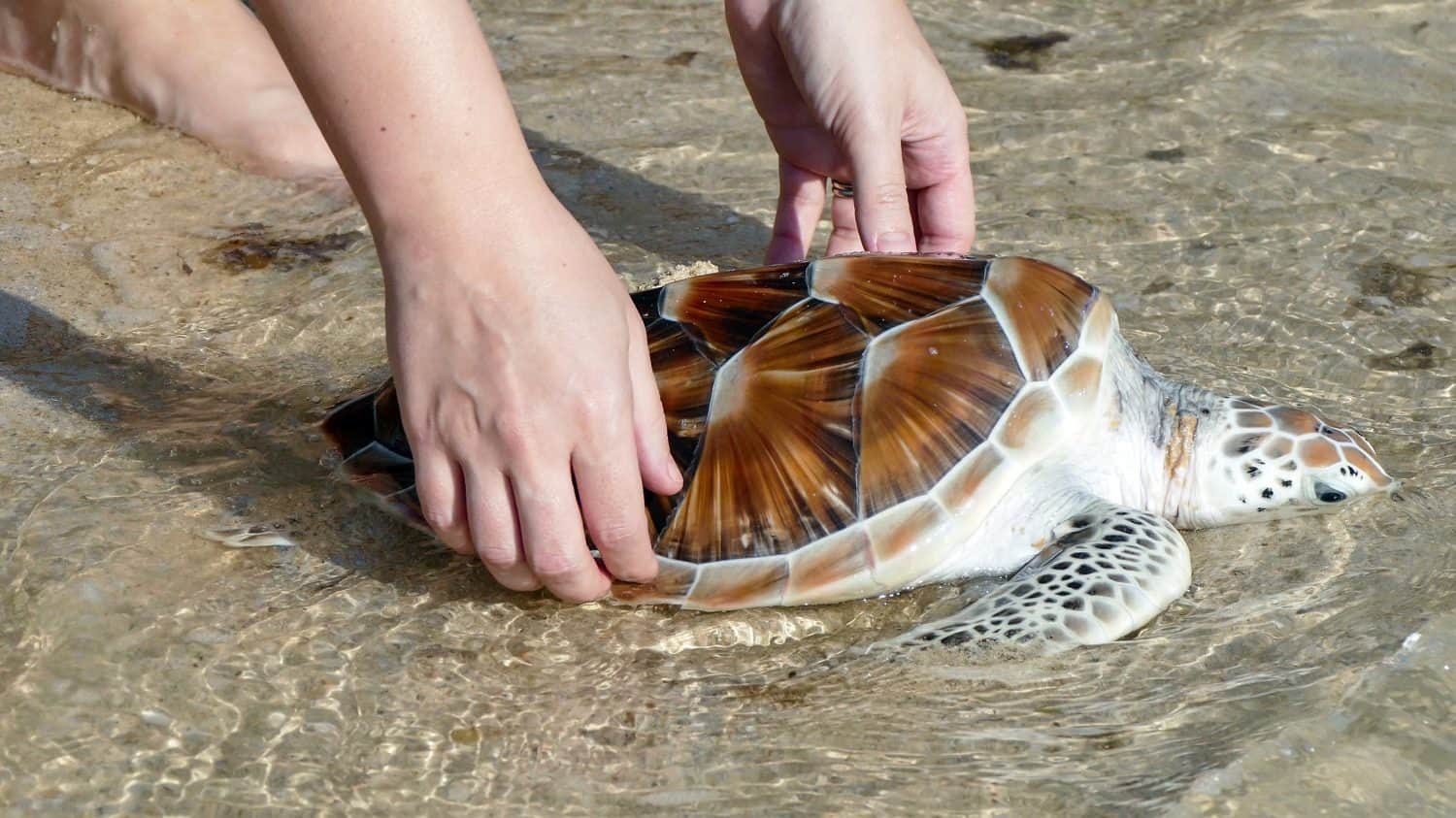
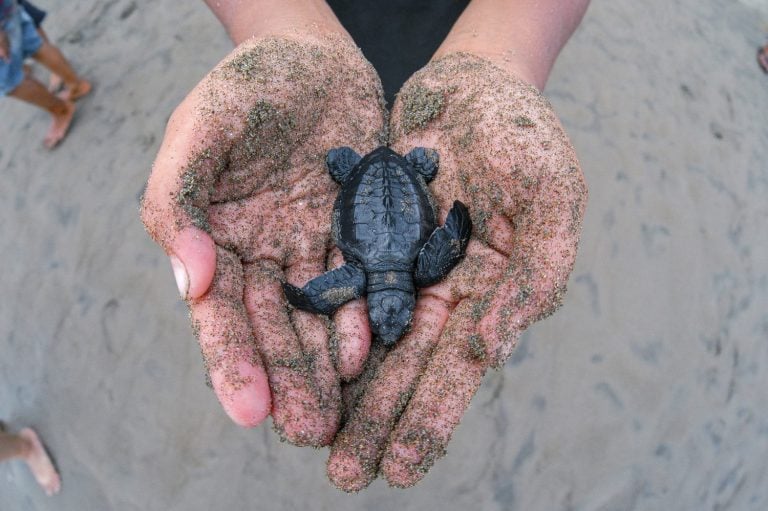
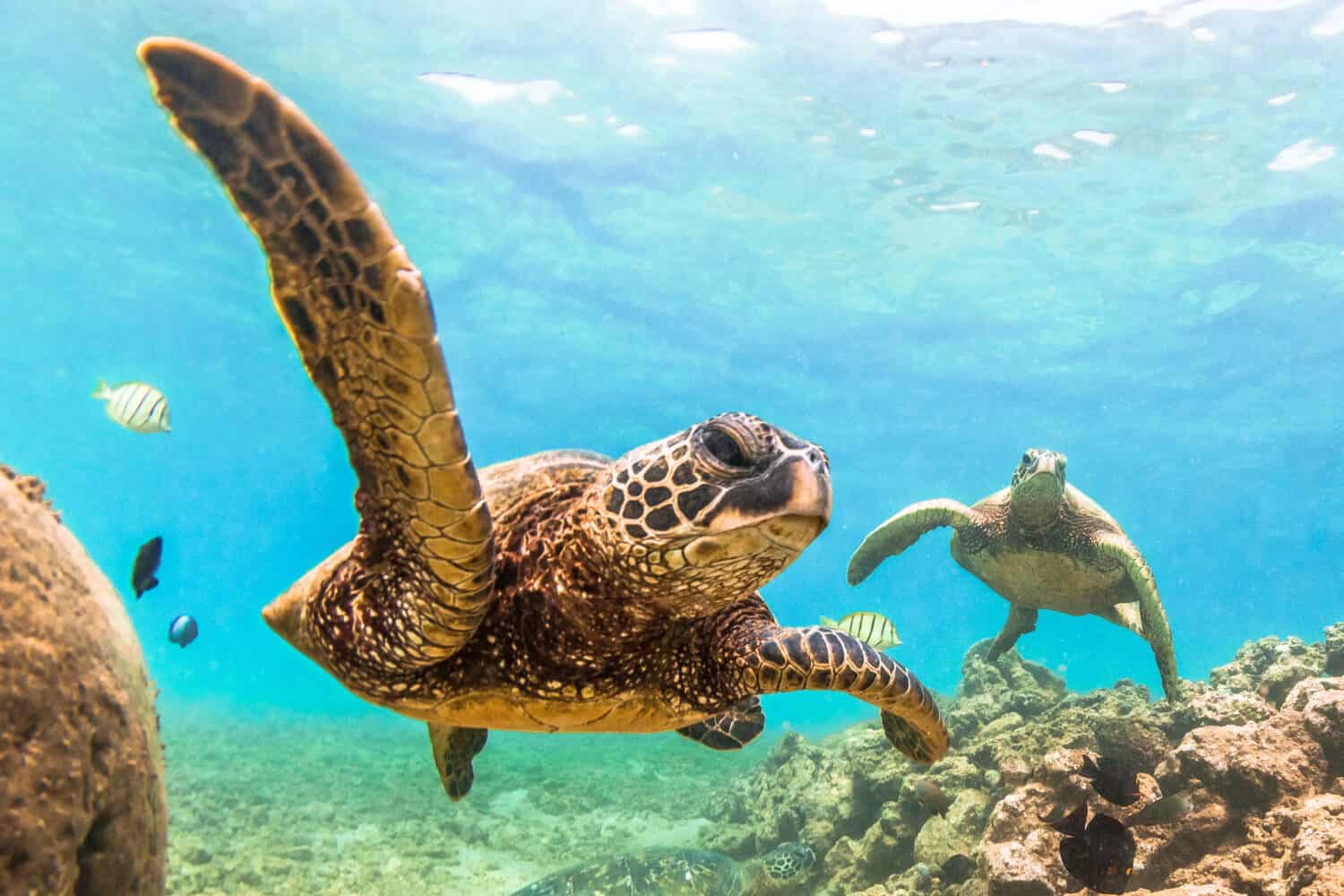
Sea turtles will only be released after cold stunning when water temperatures are warm enough, and they are deemed healthy enough to survive on their own.
©wonderisland/Shutterstock.com
Additionally, ocean temperature must be appropriate for sea turtles to be released. This is why sea turtles are typically released from late spring to early summer. The threshold of 50°F or higher is met for the turtles, and the chances of them enduring another cold stunning event are unlikely.
It can be a long process to get sea turtles healthy after they experience cold stunning. But with time and patience, sea turtles—like the ones recently released into the Atlantic Ocean off the coast of Maryland—can return to the ocean and resume the lives they were so close to losing just months before.