
Quick Take
- Raw beef can make your whole family sick, with your dog's mouth serving as the unexpected delivery mechanism. See the infection risks →
- Most people assume raw bones are a safe, natural dental fix for dogs, but the reality is far more alarming. Check the bone dangers →
- Your dog can seem perfectly fine after eating raw beef and still put everyone in the house at risk. Understand hidden bacterial risks →
- There's a specific threshold for how much beef a dog can safely eat, and most well-meaning owners quietly cross it. See the safe serving limit →
As raw pet diets become more popular, the debate is also growing. Although some professionals advocate for a raw diet, either in part or in whole, scientific evidence suggests there are more risks than benefits. Feeding raw beef to dogs is risky because it can make them sick. While some raw foods can benefit dogs, there are safer ways to provide these benefits. Both the Food and Drug Administration (FDA) and the American Veterinary Medical Association (AVMA) advise against feeding your dog raw meat. Continue reading to learn more about the risks and benefits of feeding raw beef to your dog.
Can Dogs Get Sick From Eating Raw Beef?
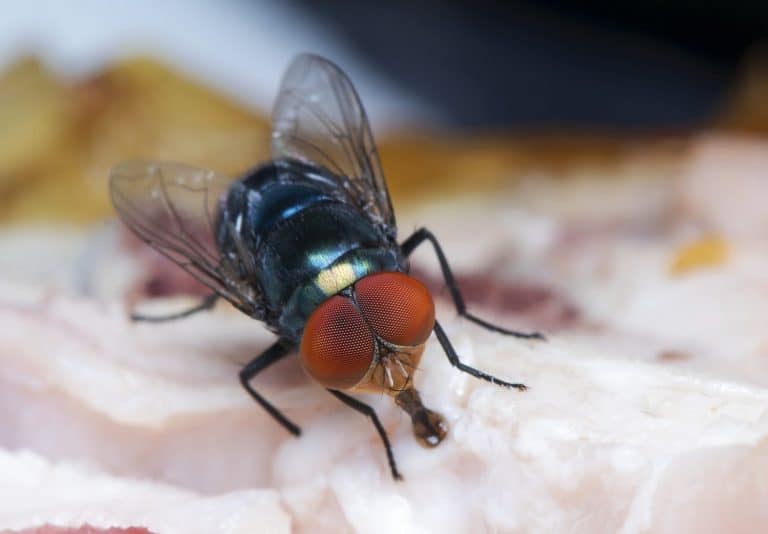
Dogs can get sick from eating raw beef. Not only can your dog get sick from eating raw beef, but the rest of your family can as well. Raw beef carries harmful bacteria like Salmonella, listeria, and E. coli.
It’s important to handle raw meat safely by cleaning and disinfecting every surface it touches, including your hands, countertops, your dog’s dishes, your clothes if you spill, and the floor if your dog is a messy eater.
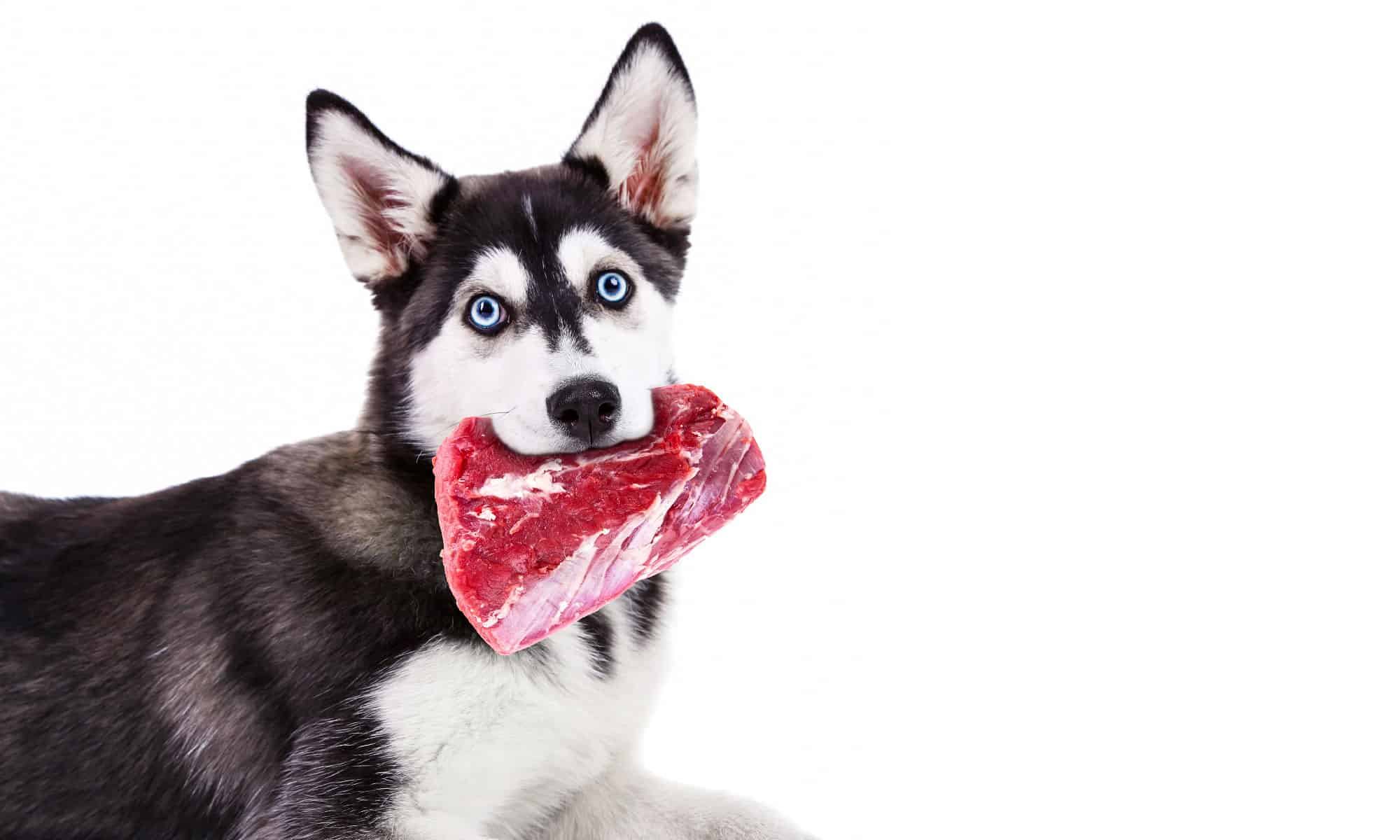
Raw diets for dogs can be beneficial, but they should not include raw beef.
©Inna Vlasova/Shutterstock.com
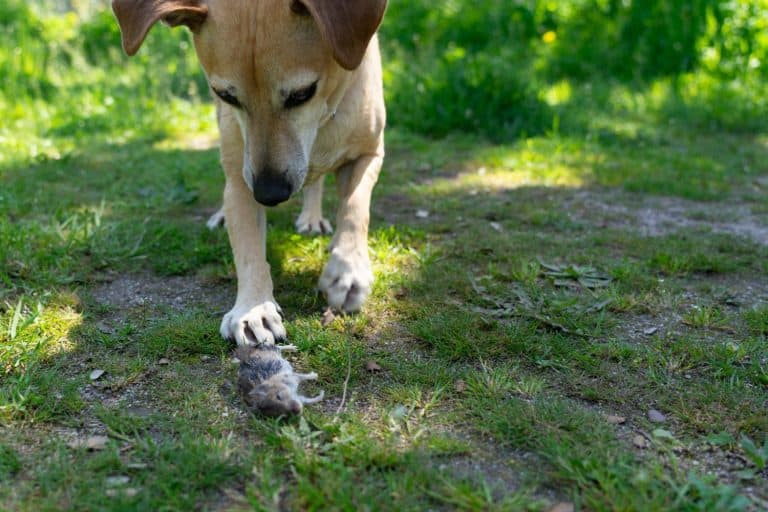
The FDA warns that dogs fed raw meat can shed harmful bacteria like Salmonella and Listeria, which can pose a risk to people and other pets in the household. People and other pets in the household could become sick if your dog grooms them or gives them kisses, especially if they lick near your mouth right after eating.
Dogs on a fully raw or home-cooked diet often develop nutritional deficiencies because their food may not contain all the necessary nutrients. It is important that your dog’s food is formulated by a certified veterinary nutritionist.
Is it Better to Give Dogs Cooked Beef?
It’s always better to give your dog cooked meat. It provides the same health benefits as raw meat without the risk of anyone getting sick.
Make sure to cook the beef you feed your dog thoroughly, just like you would for yourself. However, unlike when cooking for yourself, beef fed to dogs shouldn’t include any additives such as spices, salt, seasonings, butter, or oils.
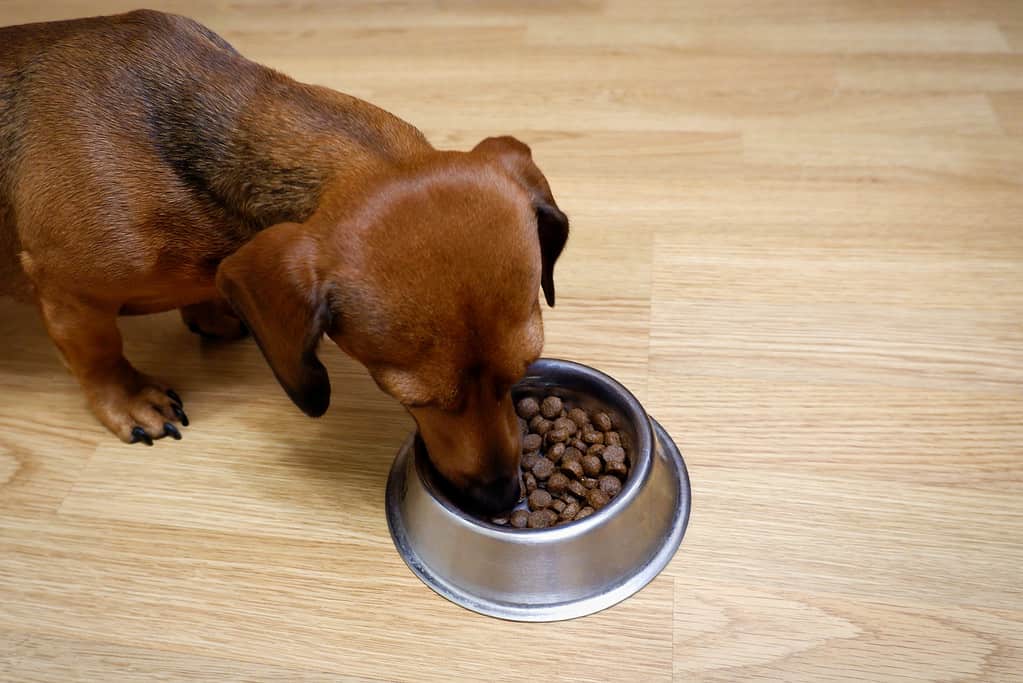
The majority of your dog’s diet should come from a trusted commercial source.
©Dmitry Andreev/iStock via Getty Images
Low-fat, cooked beef is the best option for your dog. Unseasoned cooked beef is often a component of a bland diet for dogs with stomach issues or pancreatitis.
Unless your veterinarian instructs you otherwise, beef should only be fed to your dog as a treat. It can be used as a fun training reward or to top your dog’s kibble. Treats should always make up less than 10% of your dog’s diet.
Feeding more than this can cause your dog to become overweight or malnourished. Malnourishment can occur if your dog isn’t getting enough high-quality dog food and is instead given scraps or home-cooked meals as a partial or full replacement.
Can Dogs Eat Raw Beef Fat or Bones?
Dogs should not eat raw or cooked beef fat or bones.
Beef fat and other fatty foods can cause stomach issues, including pancreatitis. Pancreatitis in dogs is when the pancreas becomes inflamed, causing symptoms such as intense abdominal pain, loss of appetite, vomiting, diarrhea, and increased thirst.
Pancreatitis can be life-threatening, especially when left untreated.
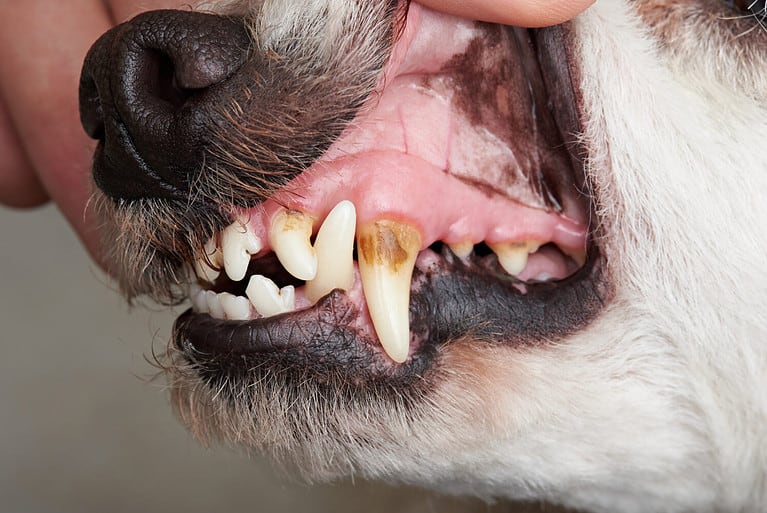
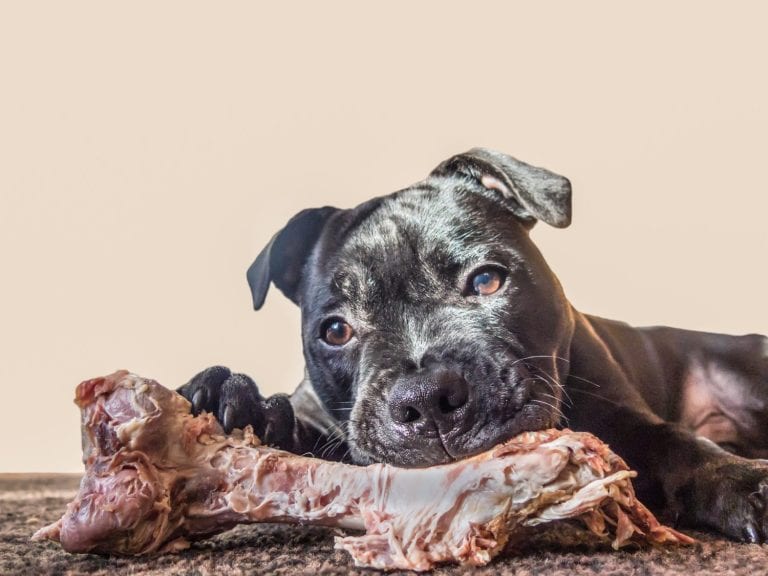
When it comes to bones, some people argue that raw beef bones are healthy for dogs’ teeth and joints. However, they can also cause illness for your dog and the rest of the household, just like raw meat.
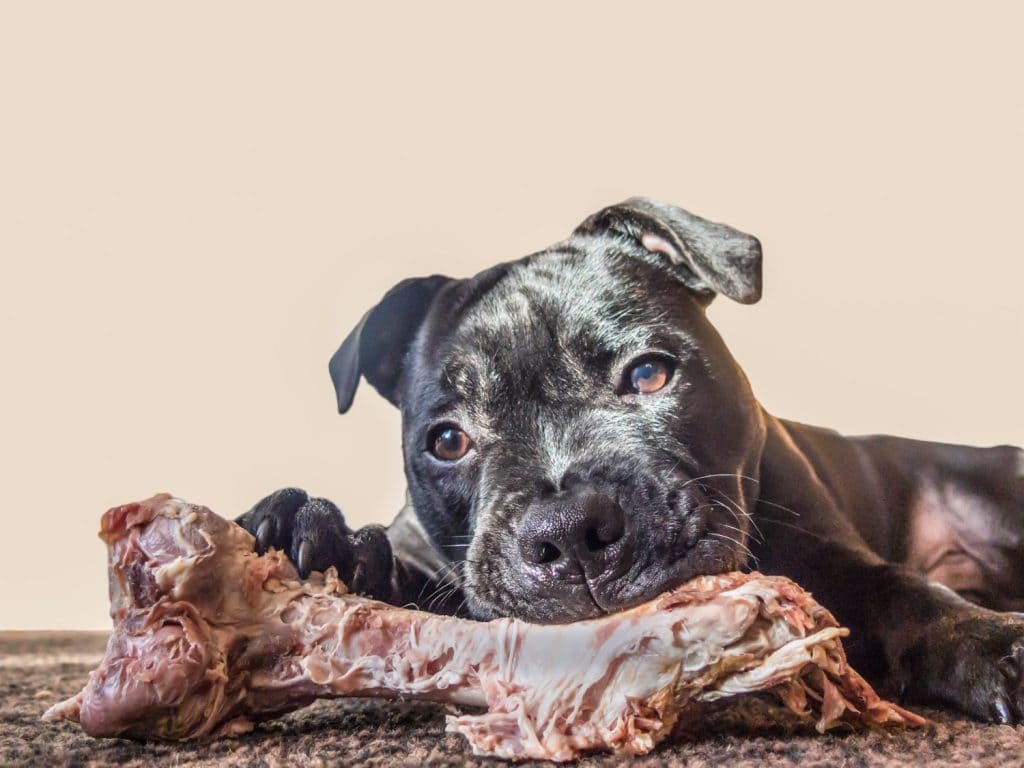
Uncooked beef bones can carry the same germs as raw beef.
©Christine Bird/Shutterstock.com
Unlike raw meat, bones may be carried around your home and touch many surfaces, increasing the risk of contamination for humans or other pets.
Instead, alternatives like brushing your dog’s teeth with dog toothpaste (human toothpaste is toxic!), feeding them veterinary oral health council-approved dental treats, and taking your dog to the vet for dental cleaning are better.
Never feed your dog cooked bones, as they become brittle and can splinter in the digestive tract, causing tears or ruptures
What to do if Your Dog Eats Raw Beef
If your dog gets sick after consuming raw beef, call your veterinarian immediately.
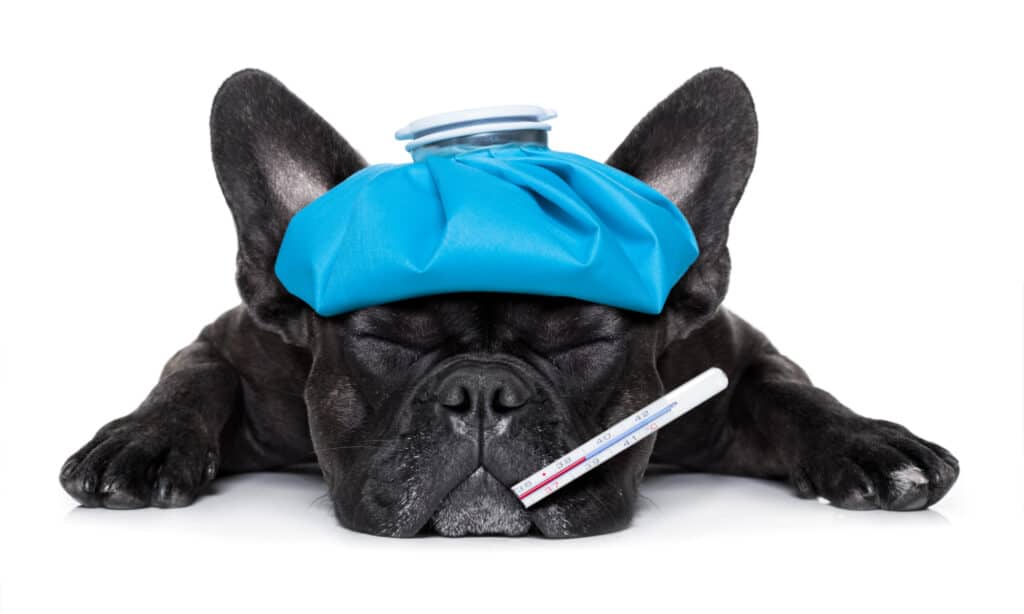
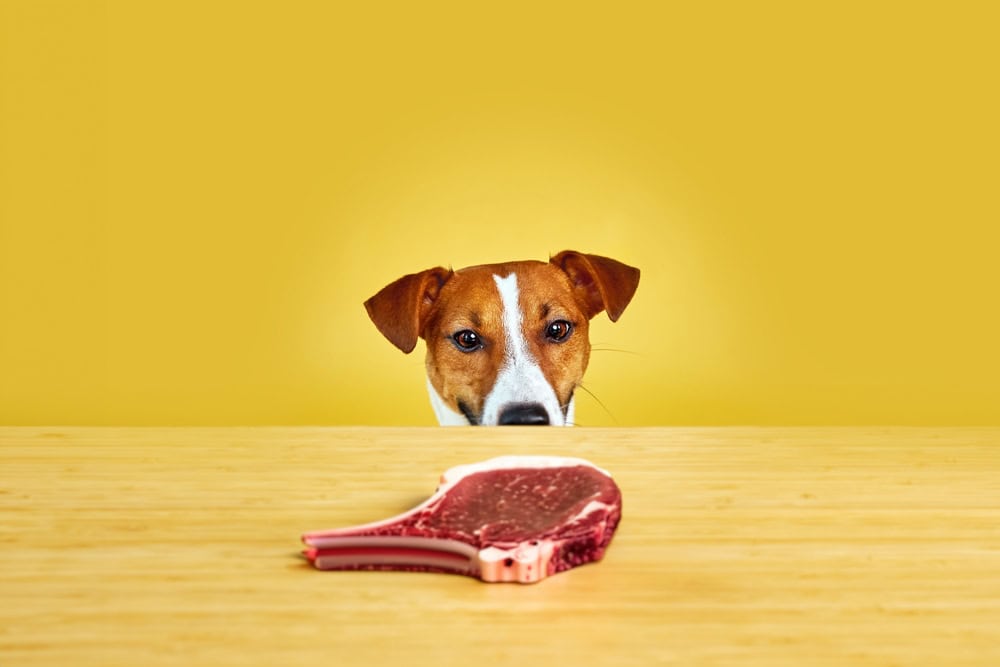
Raw beef can make dogs very sick.
©Javier Brosch/Shutterstock.com
If your dog eats raw beef, monitor them for symptoms of Salmonella, Listeria, and E. coli infection.
Symptoms of Salmonella include:
- Fever
- Vomiting
- Diarrhea
- Loss of appetite
- Abdominal pain
Listeria symptoms may include:
- Fever
- Vomiting
- Diarrhea
- Tiredness
- Weakness
- Muscle soreness
- Neck stiffness
- Incoordination
- Skin infection
Symptoms of E. coli infection in dogs include:
- Low temperature or hypothermia
- Vomiting
- Diarrhea
- Tiredness
- Weakness
- Loss of appetite
- Dehydration
- Rapid heart rate
- Blue gums, lips, ears, nostrils, and anus
Dogs can also become carriers of these bacteria without getting sick themselves. Call your veterinarian immediately if your dog becomes sick after eating raw beef.