
Quick Take
- Honey bees physically cannot pollinate some of the most common crops in your grocery store. A different bee species does something honey bees are simply incapable of. See buzz pollination explained →
- Declining bee populations are already linked to hundreds of thousands of human deaths each year, through a chain of causes that most people never connect. Explore the death toll data →
- Between 20% and 45% of native bee species will only collect pollen from a single plant type, and that extreme pickiness has consequences. See why specialist bees matter →
- Bee conservation has long been treated as an environmental issue, yet the evidence reframes it as something that hits much closer to home. Discover the public health case →
When most people think of bees, they picture honey bees buzzing around a hive. But honey bees are just a small part of a much larger story. Worldwide, there are more than 20,000 known bee species, including bumble bees, mason bees, squash bees, and thousands of other wild pollinators. In the United States alone, roughly 4,000 native bee species help support ecosystems and agriculture. Many are so small and inconspicuous that most people never notice them, and scientists have yet to officially name and describe about 10% of native U.S. bee species.
These thousands of bee species do far more than just make honey. They help pollinate many of the foods humans rely on every day, making bee diversity one of the hidden foundations for human health and global food security.
Why Honey Bees Can’t Do It Alone
While managed honey bees are important for agriculture, they cannot replace the specialized roles of many other native bee species. Different bee species have evolved unique traits that make them exceptionally good at pollinating specific plants.
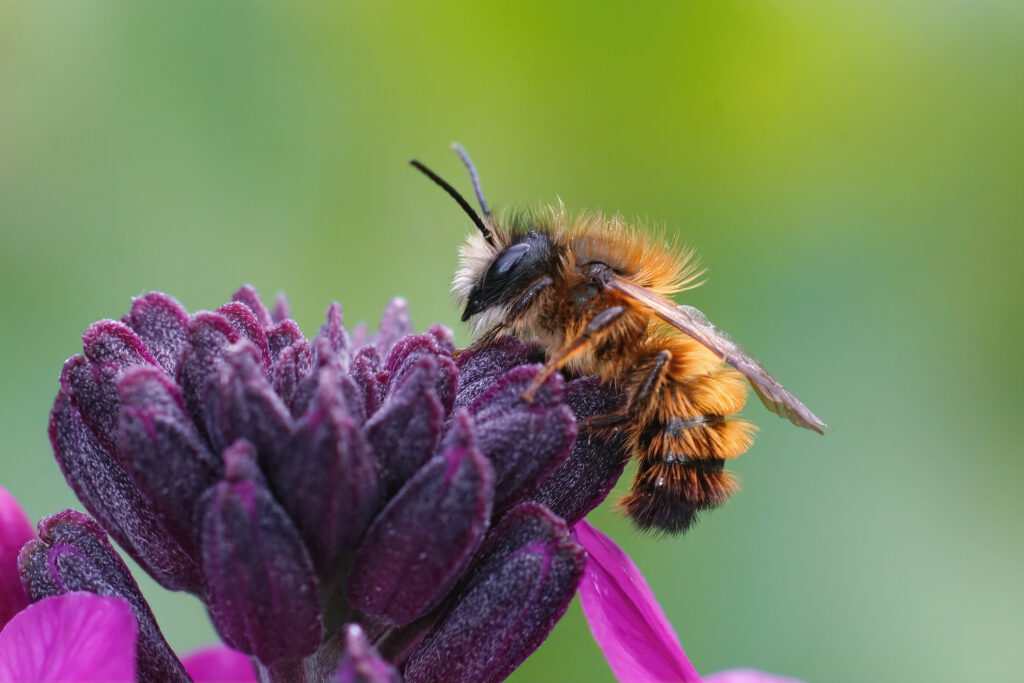
Mason bees are some of spring’s most powerful pollinators.
©Wirestock Creators/Shutterstock.com
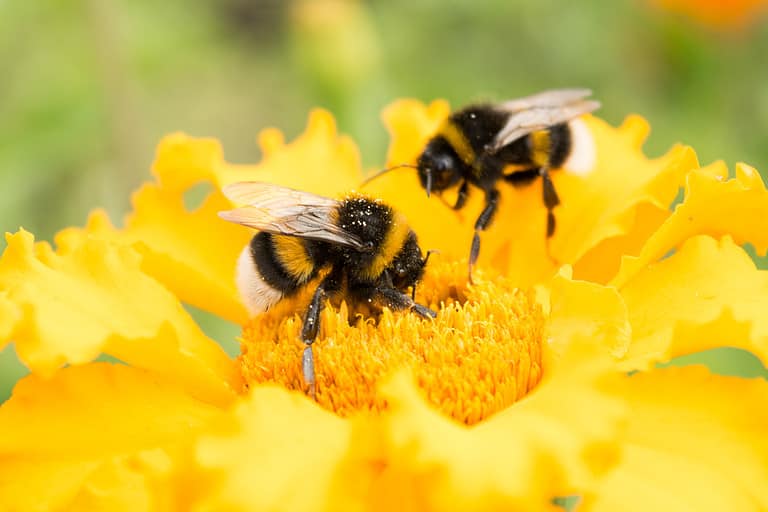
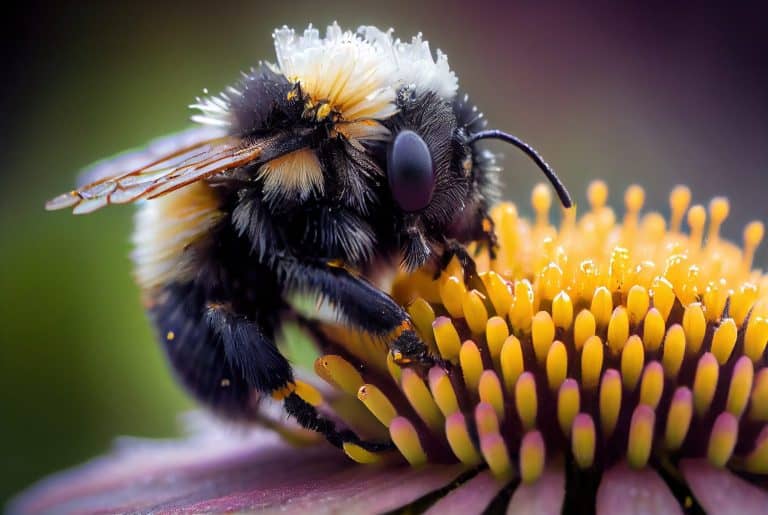
Bumble bees, for example, perform a behavior called ‘buzz pollination.’ They vibrate their bodies at a specific frequency to shake loose pollen trapped inside flowers. Crops like tomatoes, blueberries, and eggplants depend on this technique. Honey bees cannot perform buzz pollination, making bumble bees essential for growing these foods.
Other bees are even more specialized. Between 20% and 45% of native U.S. bee species are pollen specialists, meaning they rely on pollen from just one specific plant type to feed their young. In many cases, the relationship is mutual: the bee depends on the plant, and the plant depends on the bee.
This pollinator diversity acts as a safety net for plant growth. Having many different bee species with different specialties ensures that plants can still reproduce successfully, even if bad weather or environmental changes limit one specific type of bee.
Why Are Bees So Important to Human Health?
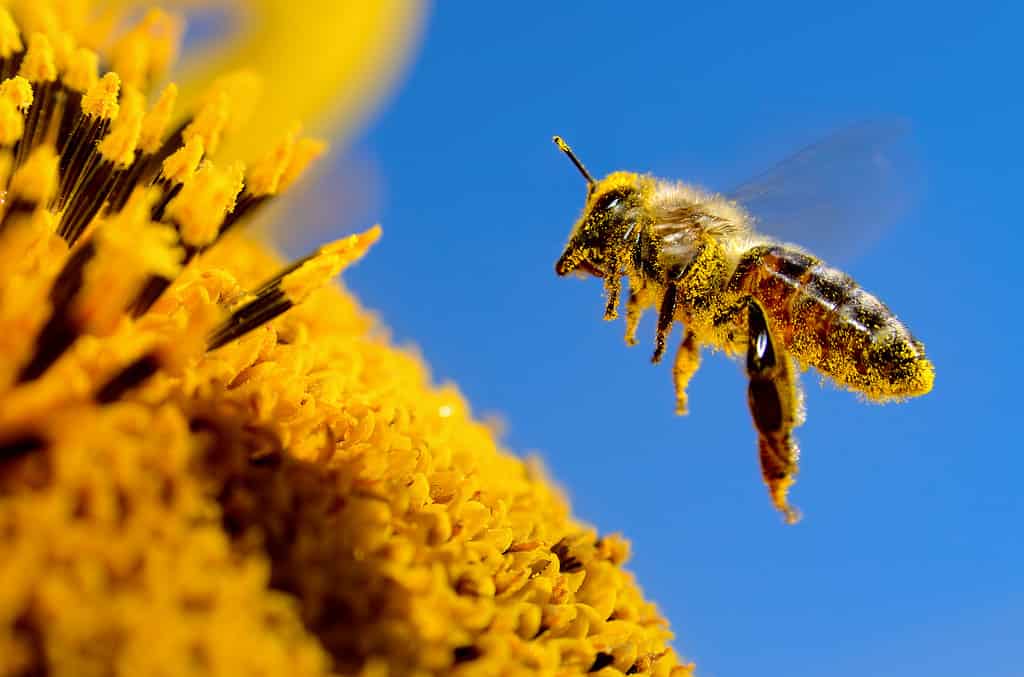
One in every three bites of food we eat is the result of nature’s pollinators.
©Alexandrum79/iStock via Getty Images
The importance of bee diversity extends far beyond gardens and wildflowers — it directly impacts what we eat and how long we live.
Animal pollinators — primarily bees — are responsible for roughly one out of every three bites of food humans consume. Unlike staple grains (like wheat or rice), bee-pollinated crops include nutrient-rich fruits, vegetables, nuts, and seeds. These crops provide essential vitamins, minerals, antioxidants, and other nutrients that support long-term health. Pollinators are responsible for up to 40 percent of the world’s supply of critical nutrients, including iron, calcium, zinc, and folate. When pollinator populations decline, the availability of these healthy foods can drop too.
Research suggests that this is already happening. A 2022 Harvard study estimated that reduced pollination has contributed to a three to five percent decline in global fruit, vegetable, and nut production. While that may not sound like a lot at first, the study found that these losses are linked to approximately 427,000 excess deaths worldwide each year from conditions such as heart disease, stroke, diabetes, and certain cancers. In some countries, losing pollinators could put up to 56 percent of people at risk of malnutrition, especially due to vitamin A deficiencies.
In other words, the decline of bee populations and species diversity is not just affecting ecosystems — it is also affecting human diets and health.
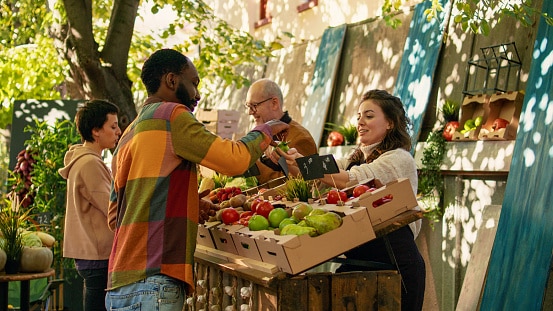
Pollination is a key component of healthy crops and food.
©Dragos Condrea/iStock via Getty Images
A Growing Crisis for Bee Diversity
Unfortunately, many bee species across the globe are facing serious, widespread challenges. An analysis of museum records and citizen science data found that between 2006 and 2015, roughly 25 percent fewer bee species were recorded globally. In North America, more than 22 percent of native pollinator species are at risk of extinction. One in four bumblebee species is imperiled.
But why are bees disappearing at such a rapid rate? The crisis is driven by a combination of human and environmental pressures, with habitat loss being one of the biggest drivers of these declines. Urban development and intensive agriculture reduce the wildflower-rich habitats many native bees need to survive. Pesticides, air pollution, climate disruption, and other environmental pressures further weaken bee populations.
The loss of these insects creates a dangerous chain reaction. As specialized pollinators disappear, plants struggle to reproduce, crop yields decrease, and the nutrient-rich foods humans rely on become much less available.
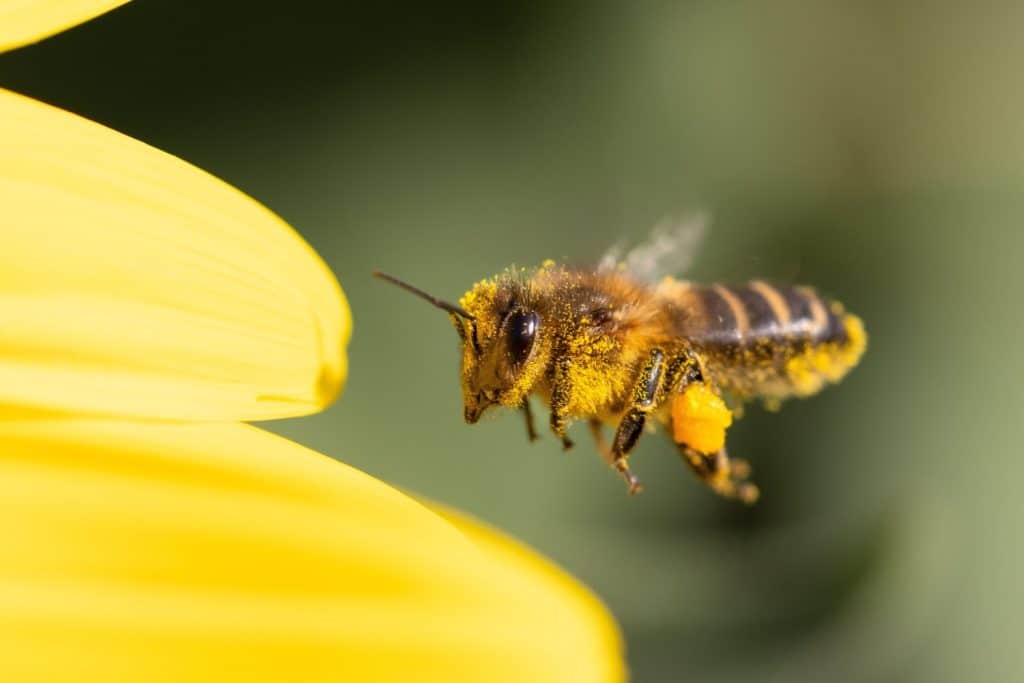
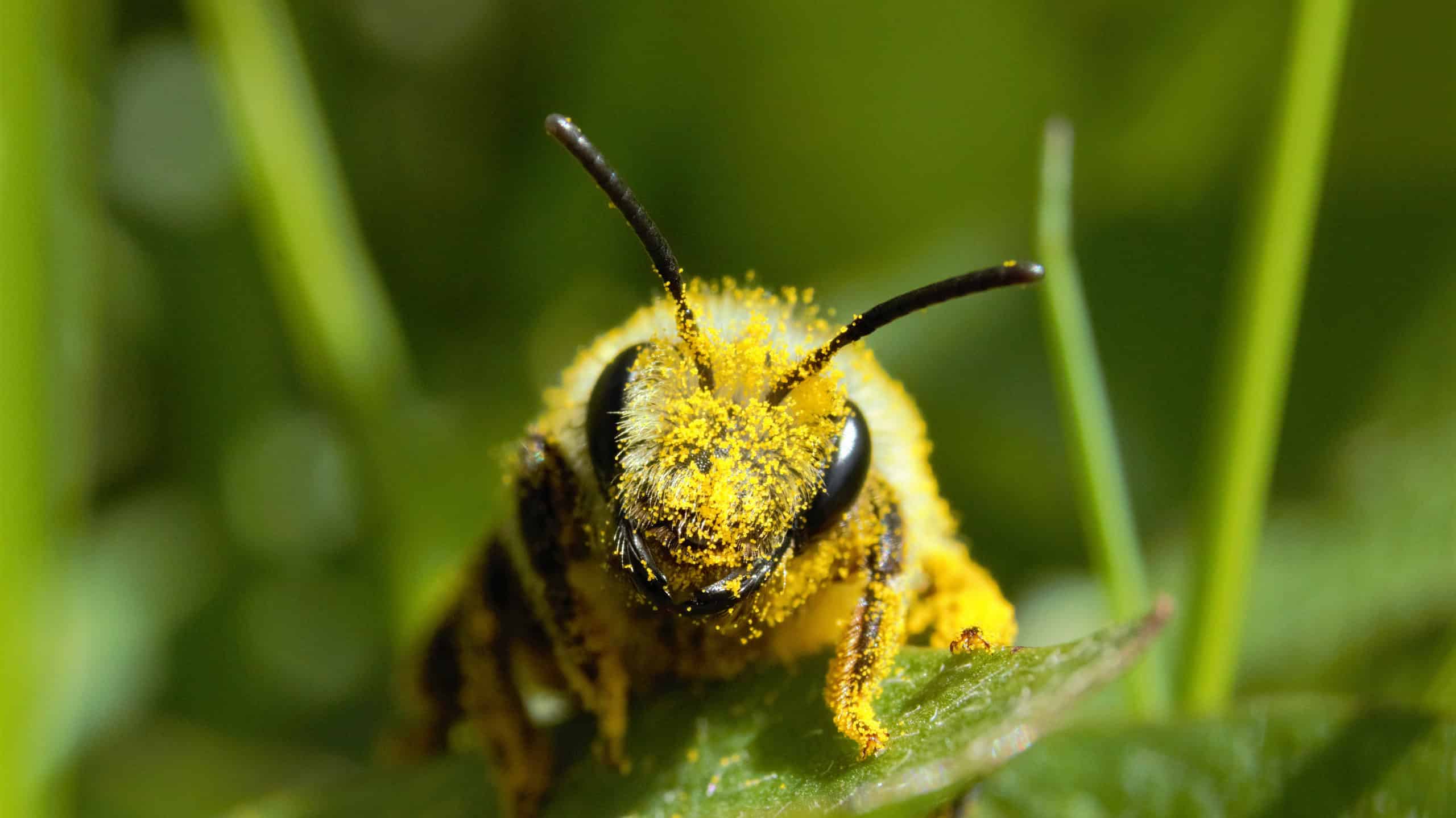
Pollen sticks to the tiny hairs covering a bee’s body and travels from flower to flower with the insect.
©Chedko/Shutterstock.com
More Than an Environmental Issue
For decades, bee conservation has been framed solely as an environmental issue. However, the evidence shows that it is also a major public health issue. The global food system relies on a diverse community of pollinators — not just honey bees. Bumble bees, mason bees, squash bees, and thousands of lesser-known species also help produce many of the foods that keep humans healthy.
As bee diversity declines, the consequences stretch far beyond fields and gardens. They directly affect grocery stores, dinner tables, and human health. Protecting pollinators is not simply about preventing extinctions. It is about safeguarding the quality, availability, and nutritional value of the foods people depend on every single day.
The Specialized Pollinators We Can’t Live Without
For many people, the word “bee” only brings to mind the honey bee. But the reality is far more complex and vital to our health and survival. More than 20,000 different bee species support global ecosystems, agriculture, and our global food supply. Many of these wild species perform unique, specialized pollination tasks that honey bees simply cannot replace.
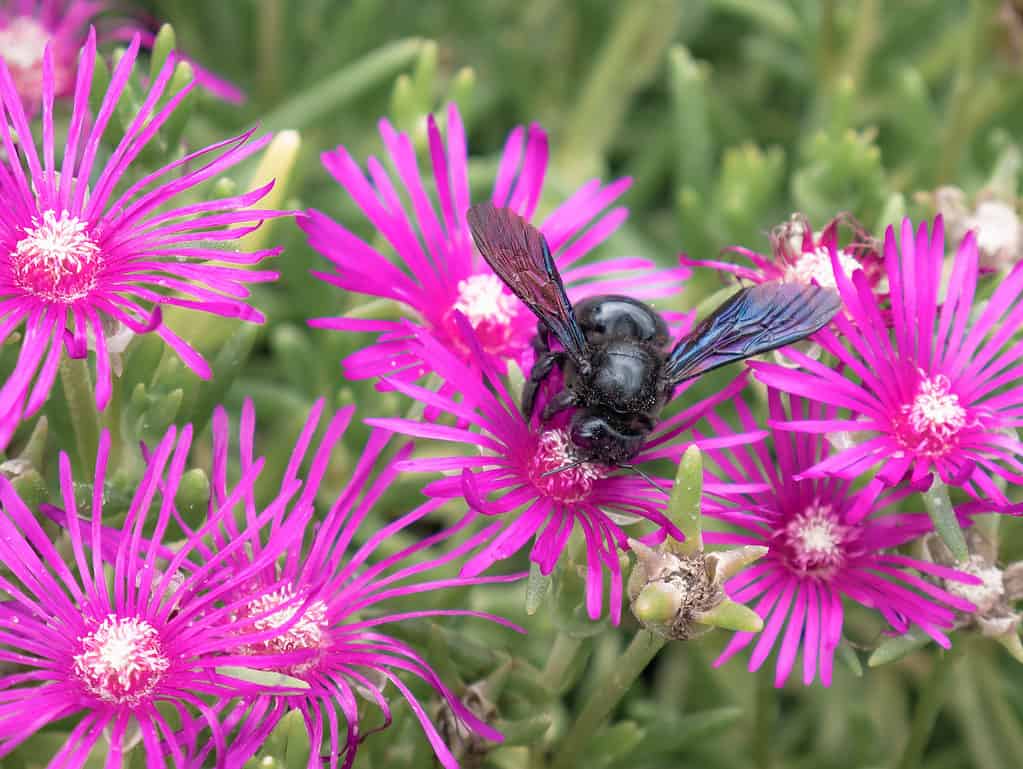
Carpenter bees are crucial pollinators and can tolerate cooler temperatures.
©iStock.com/Dudbrain
This diversity isn’t just about protecting wildlife. Bees are directly responsible for the fruits, vegetables, nuts, and seeds that make up a healthy diet. When bee populations decline, the ripple effects travel straight from farms and forests to our grocery stores, dinner tables, and overall public health.
Protecting bee diversity is about much more than conserving insects. It is about safeguarding the plants that sustain ecosystems, the crops that feed billions of people, and the very foundation of human health.