
Quick Take
- Hydroids look exactly like underwater plants, but what they actually are changes everything about how they survive. Discover what hydroids are →
- Some crabs actively go looking for hitchhikers to put on their shells, and the reason turns out to be surprisingly strategic. See the crab relationship →
- The same weapon hydroids use to hunt also makes them one of the ocean's most unexpected bodyguards. Explore their hunting defense →
- Each tiny polyp in a hydroid colony has one job, and that division of labor is the secret behind how these animals conquered nearly every ocean on Earth. How polyp colonies work →
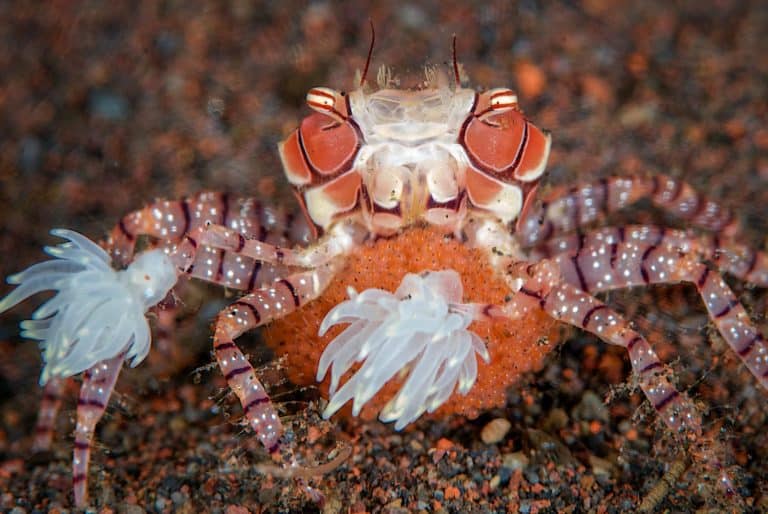
The ocean is full of small creatures that you might not have heard of before. One example is the hydroid, a fuzzy animal that resembles a plant. While small, they grow in massive colonies and can even attach themselves to other animals. This Instagram post by @mattrockhold shows a hydroid living on a crab.
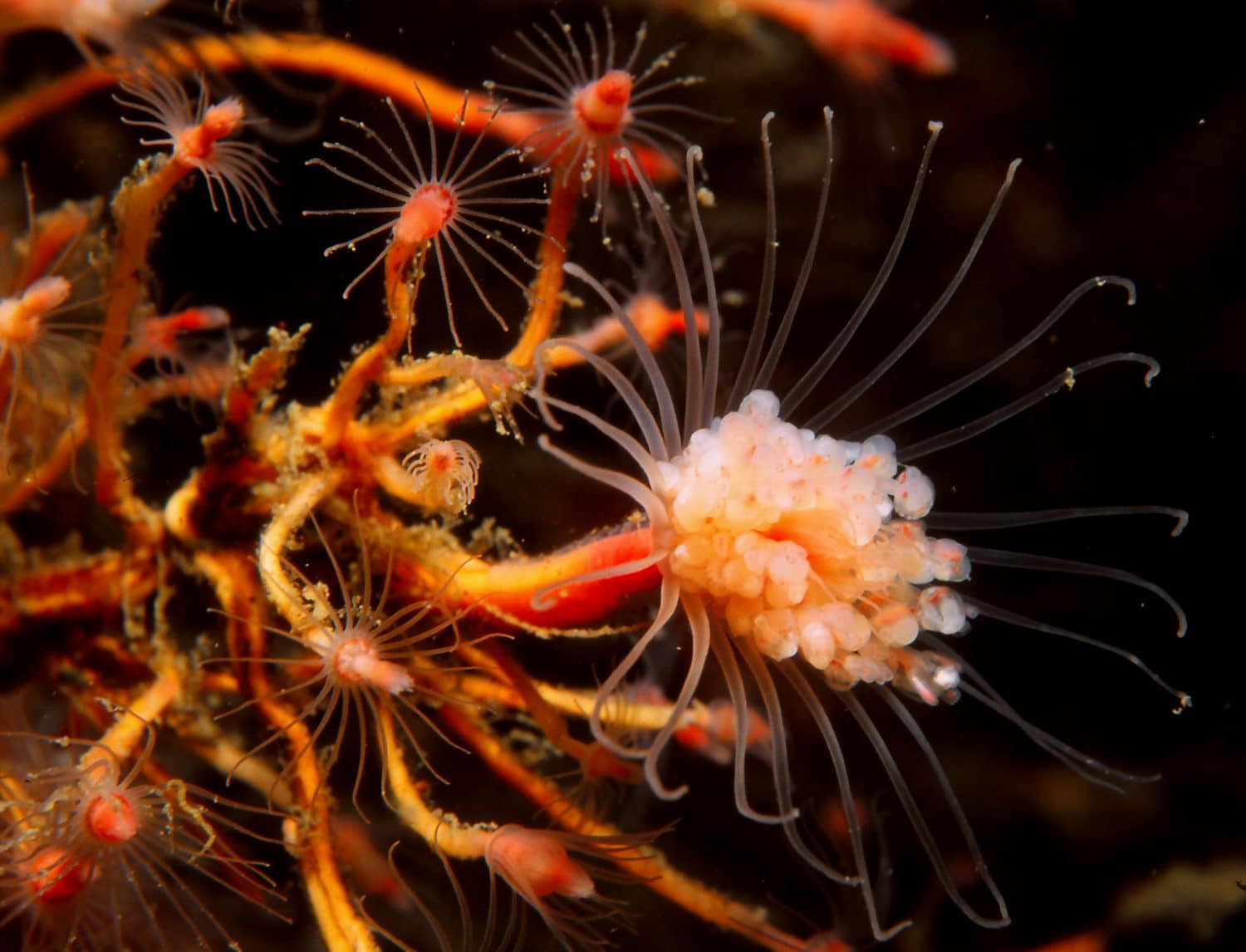
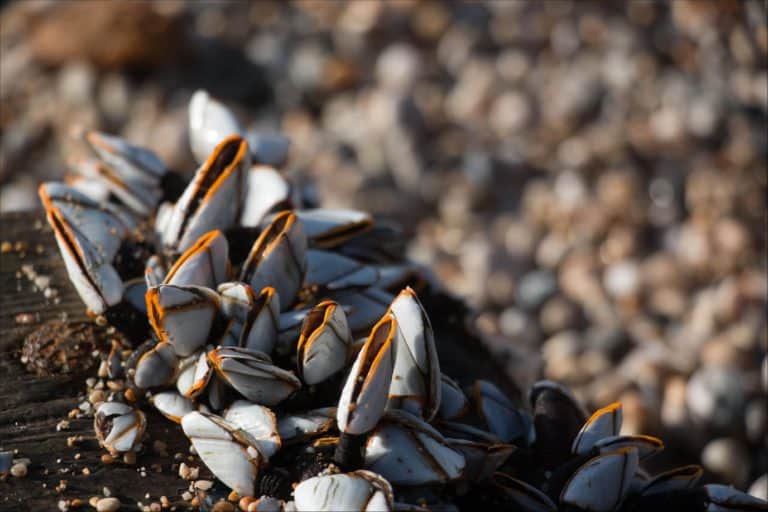
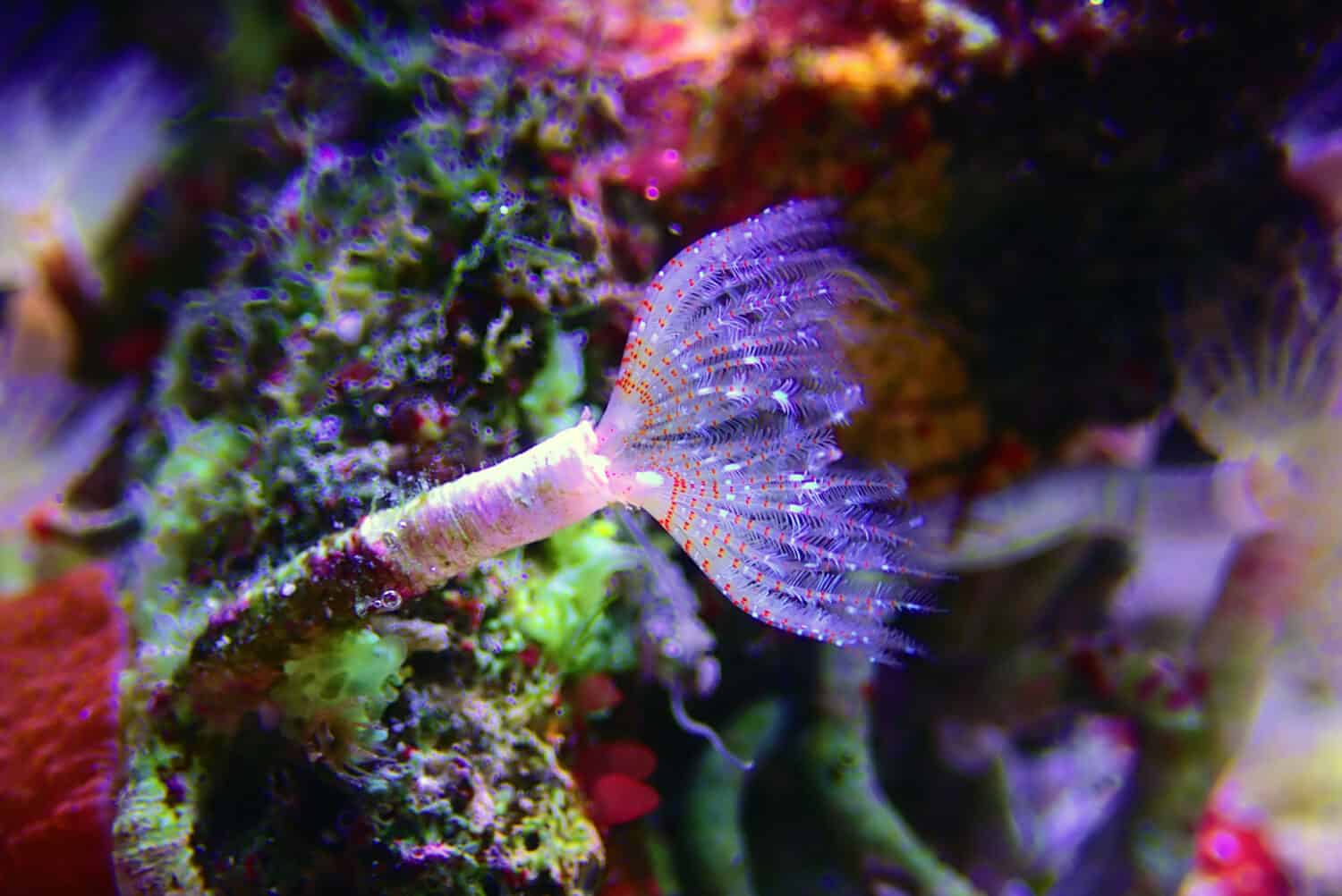
Hydroids consist of thousands of small polyps that are each connected by tissue.
©valda butterworth/Shutterstock.com
About Hydroids
While hydroids may look like fuzzy seaweed or a type of moss, they are actually colonies of genetically identical animals known as polyps. Each polyp is connected to the other by living tissue that shares nutrients throughout the colony. However, each polyp has its own special job, such as feeding, reproduction, defense, or growth. Hydroids exist in practically every major ocean and live on reefs, seagrass beds, ships, and docks and piers. They even thrive across different depths, with some in shallow pools and others thousands of feet deep.
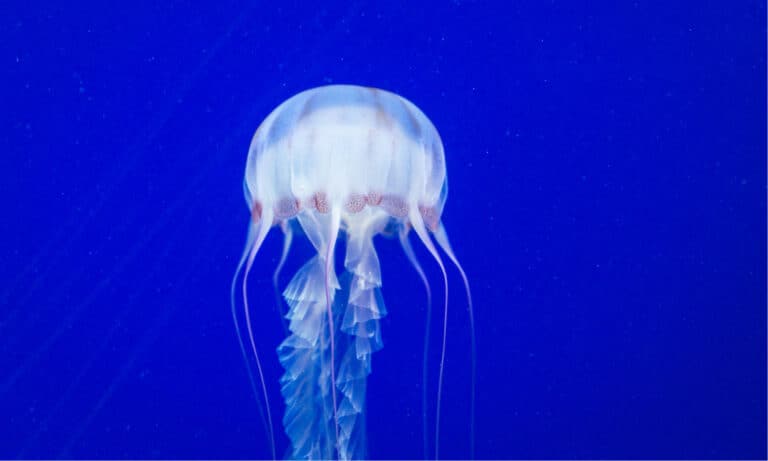
These tiny creatures have remarkable hunting strategies. Using nematocysts, or venomous barb-like structures similar to jellyfish, they sting zooplankton and fish larvae to feed. While many small hydroids cause only mild reactions in humans, some species can deliver a noticeable sting, resulting in red, burning, itchy bumps that may persist for up to two weeks, and certain hydroids such as fireweed are known to cause severe burning pain. So why do they attach themselves to other animals like crabs?
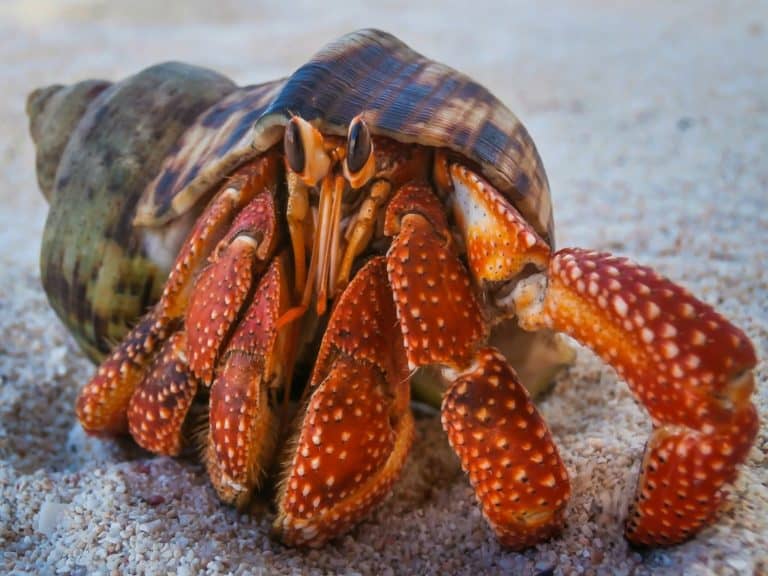
Hydroids grow on practically any hard, underwater surface. This includes lobsters, turtles, coral reefs, crabs, boats, and fishing gear. Crabs just happen to be one of the best hosts for hydroids. Rather than connect to a stationary home like coral reefs and wait for food to float by, hydroids can gain better access to food by attaching to constantly moving crabs. While the hydroids benefit, crabs do as well. Hydroids’ nematocysts act as a defense against predators trying to eat the crabs. Because of this, crabs may purposefully look for hydroids as a natural armor. Hydroids are among the most fascinating creatures in the ocean.