
Quick Take
- Platypuses seal their eyes and ears for every single hunt, yet still strike with pinpoint accuracy. How? See how blind hunting works →
- A nerve inside the platypus bill creates a processing bottleneck, yet the animal hunts as if it doesn't exist. Explore the nerve bottleneck →
- Electroreception exists in sharks and electric eels, so what makes it so bizarre for a mammal to have it? Discover mammal electroreception →
- The platypus bill's sensor count turns out to be no accident. There is a precise threshold required just to detect prey at all. Check the sensor count details →
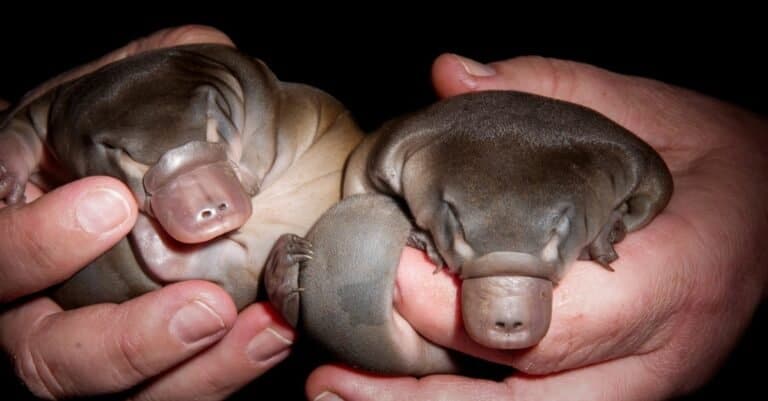
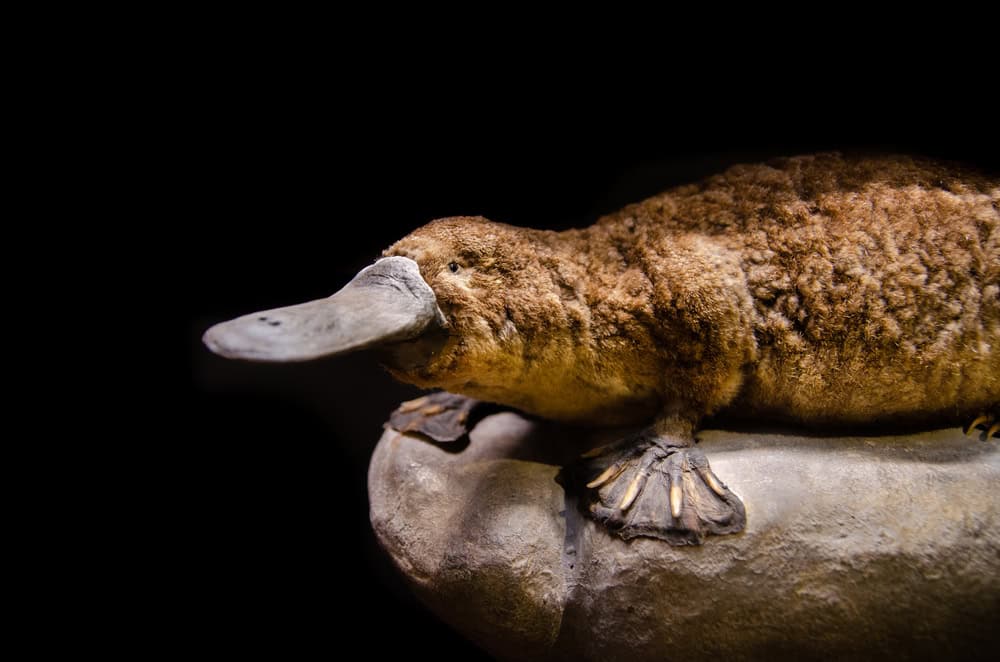
While we all know platypuses exist, most of us have never seen one in real life. Many people don’t realize their duck-like bills are a soft and leathery organ! Platypuses use their bills for many reasons, including hunting in the dark. This YouTube Short by @SanDiegoZoo shows a video of a platypus using its bill to navigate while swimming.

Because the muddy waters platypus hunt in are difficult to see in, they sense electrical signals from small prey instead to hunt.
©Martin Pelanek/Shutterstock.com
About the Platypus Bill
A platypus’s bill is much more complex than you might imagine. This sensory organ is soft and leathery, and full of thousands of receptors that they use to hunt. With a total of roughly 100,000 electroreceptors and mechanoreceptors combined, it acts like a radar dish for finding prey. When platypuses dive underwater, they almost always close their eyes and are unable to hear. They can stay submerged for up to around two minutes at a time. The sensitivity of their bill is their primary means of locating food. As underwater prey moves around, each muscle contraction creates a small electrical signal. The receptors in the bill pick up on even the smallest of signals, telling the platypus where its prey is hiding.
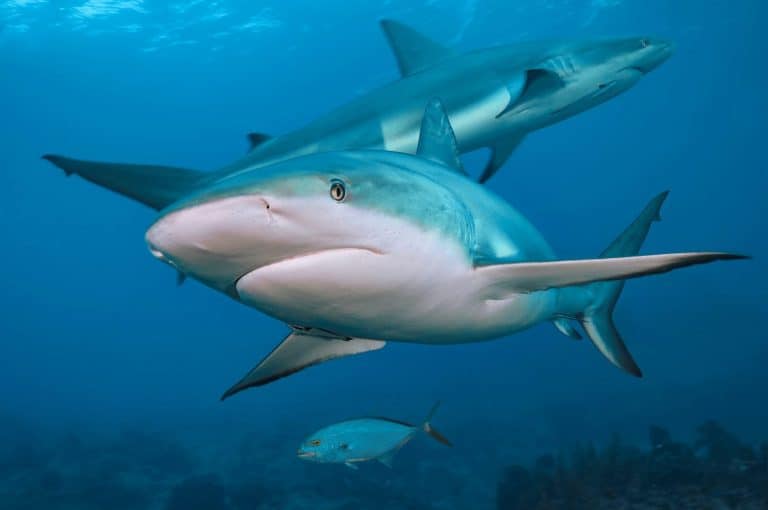
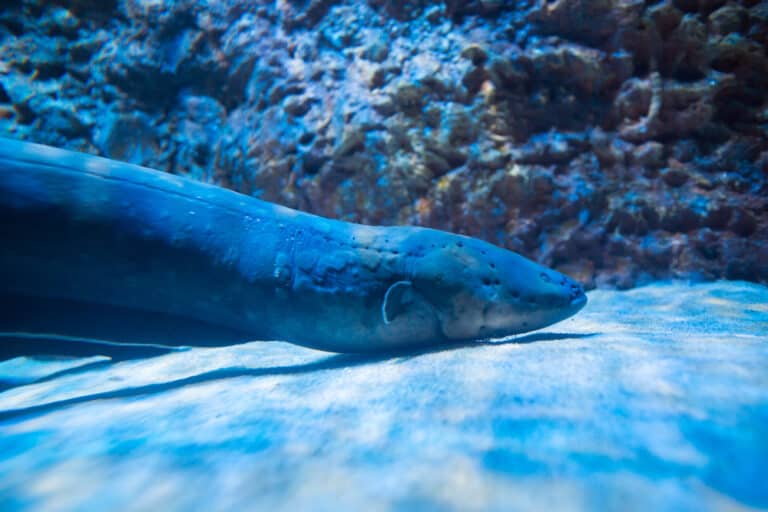
Similar to using a metal detector, they swish their bills from side to side to pick up on any electrical signals nearby. The process paints a 3D picture of their environment. This style of hunting is known as electroreception, and it’s pretty rare among vertebrates. Other common animals that use this method include sharks, rays, electric eels, catfish, and sturgeon that are able to detect prey under sand. Platypuses are unique, as they are one of the very few mammals that have this ability. Electroreception is perfect for their environments. Since platypus often swim in muddy and murky waters, sensing prey through electrical signals rather than sight offers far more advantages.