
Quick Take
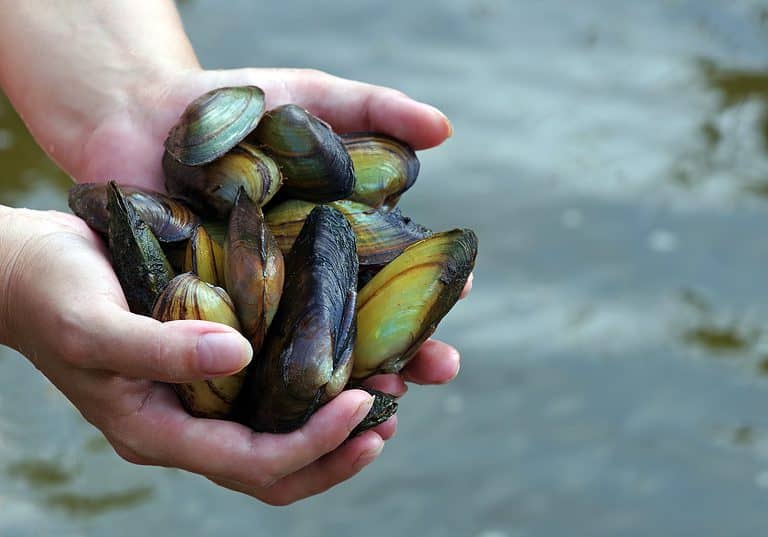
- One of these invertebrates has outlasted nearly every mass extinction on Earth, surviving unchanged for hundreds of millions of years. Ancient survivors unchanged →
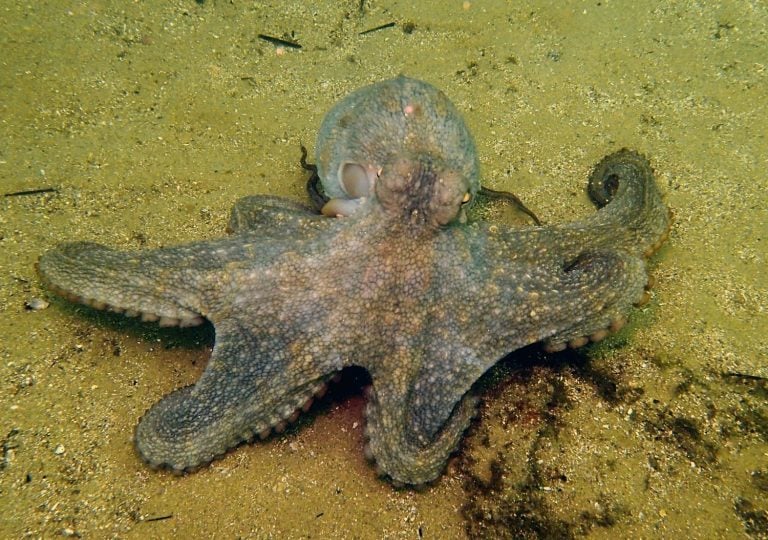
- At least one animal here routinely escapes sealed tanks, solves puzzles, and outwits researchers, all while lacking a single bone in its body. Octopus intelligence and escapes →
- Some of the planet's most complex ecosystems are built entirely by animals that, technically, have no bones at all. Reef ecosystems built by boneless animals →
Though the idea of roaming around boneless is foreign to us as humans, it is actually the state of the vast majority of life on our planet. Known broadly as invertebrates, these animals thrive without a single bone in their bodies. They have evolved remarkable ways to move, hunt, and survive without a rigid skeleton. In lieu of bones, these species rely on soft tissues, hydrostatic pressure, or external structures for support. Others are incredibly strong and efficient in their environments. Their designs and abilities challenge the idea that a skeleton is necessary for complexity.
These boneless animals are especially amazing due to the immense variety of forms and skills they display. Some can regenerate lost limbs, others can camouflage instantly, and many have survived for millions of years with little change. Creatures like the earthworm quietly transform soil ecosystems, while sea slugs reveal surprising intelligence and vibrant colors. Without bones to constrain them, some of these creatures have astonishing flexibility, moving in ways that seem almost unreal. Let’s take a look at these most incredible boneless animals.
1. Snails and Slugs
©Artush/iStock via Getty Images
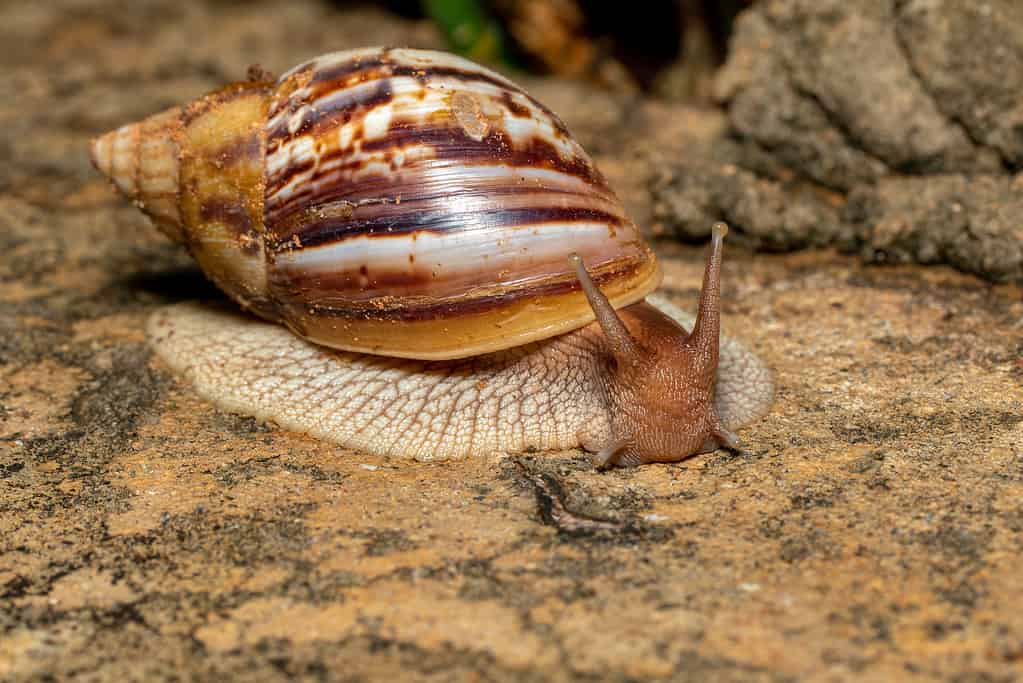
Collectively known as gastropods, snails and slugs make up tens of thousands of species (often estimated at over 60,000–80,000), making them one of the largest groups of mollusks. They live in nearly every corner of the Earth in habitats ranging from the ocean’s depths to terrestrial environments.
Their taxonomic name, “Gastropoda,” comes from Greek, meaning “stomach foot.” The odd name refers to the fact that anatomically, these animals’ internal organs rest above their large, muscular “foot,” which they use for movement. While snails generally have an external shell, slugs lack them entirely. This group also include semi-slugs, which are only able to partially retreat into shells.
2. Insects

©nnorozoff/iStock via Getty Images
The largest group of invertebrates are the insects, which consist of more than one million known species, with estimates of several million total species. While these animals technically have an external skeleton made of chitin, they lack conventional internal bones.
These animals have bodies divided into three segments: a head, thorax, and abdomen. Other unique traits include three pairs of legs, compound eyes, and antennae. Most insects also undergo metamorphosis, which can be complete (four stages) or incomplete (three stages).
3. Bivalves (Clams, Oysters, Etc.)
©iStock.com/mccluremr
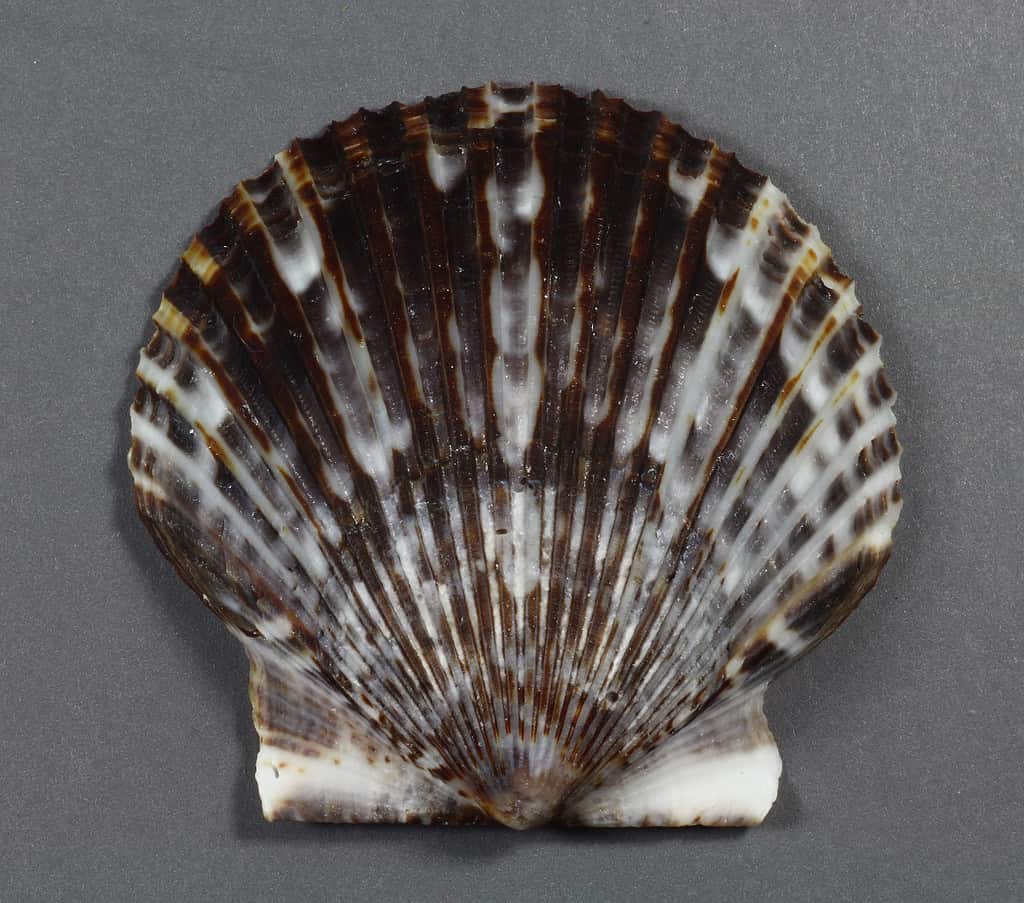
Collectively, the bivalves are a large group of animals consisting of clams, oysters, mussels, scallops, cockles, and several other families. These animals’ most prominent feature is their hard, hinged shell, which protects their soft body. Around 15,000–20,000 species of bivalves exist worldwide.
The anatomy of a bivalve is unusual, as they lack heads and, of course, internal bones. Their shells are typically made of calcium carbonate and create a safe haven from predators and environmental conditions. While some bivalves attach themselves to surfaces, others burrow into sand or sediment. A unique few, such as scallops, can swim by rapidly opening and closing their shells!
4. Arachnids (Spiders, Scorpions, Ticks, Etc.)
©Milan Zygmunt/Shutterstock.com
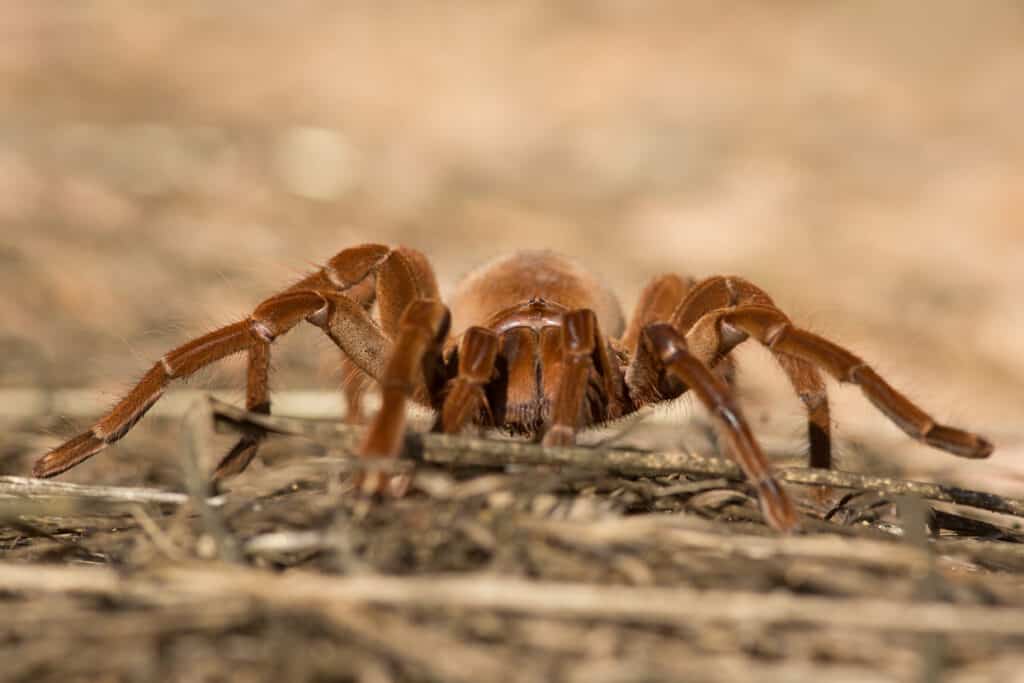
The next group of animals without bones are arachnids, which include spiders, scorpions, ticks, and mites. Although they resemble insects, they differ significantly in anatomy.
Rather than having three body segments, arachnids have two main parts: a cephalothorax and an abdomen. They also have four pairs of legs instead of three. Additionally, arachnids do not undergo complete metamorphosis and generally resemble smaller versions of their adult form directly after hatching.
5. Corals
©Jesus Cobaleda/Shutterstock.com
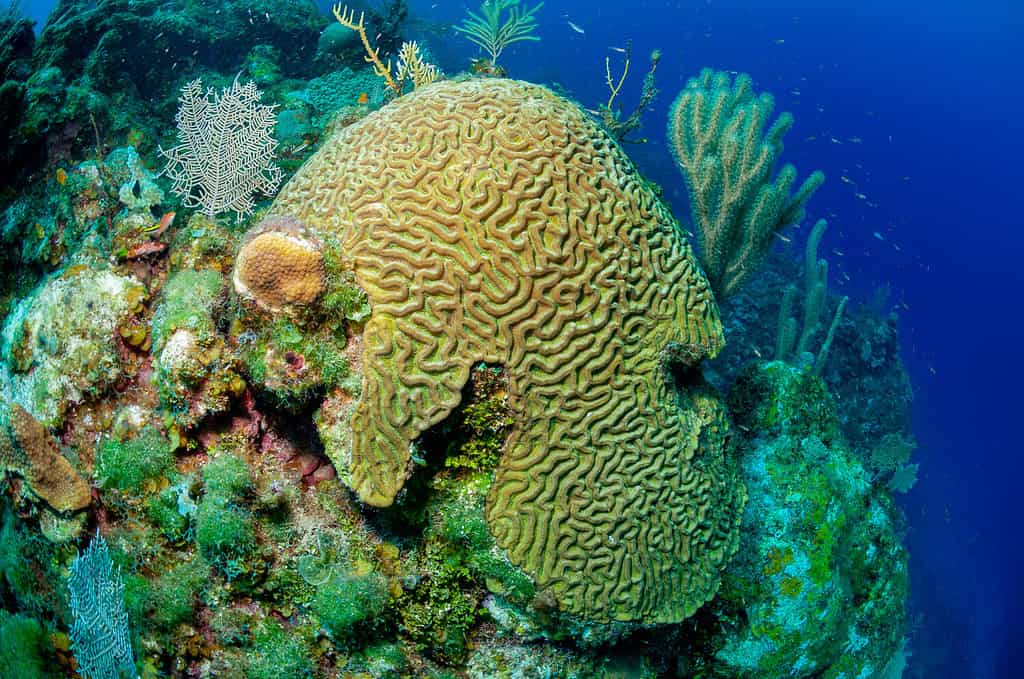
Corals consist of thousands of species within the phylum Cnidaria and include both hard and soft organisms. As adults, they attach themselves to the ocean floor, while their larval forms are free-swimming. They range in size from tiny individual polyps to massive reef-creating colonies.
Corals are diverse in color and structure; they form beautiful complex ecosystems called coral reefs. Although they lack bones, many species produce calcium carbonate skeletons that act as the foundation of large reefs. Interestingly, they are closely related to jellyfish and sea anemones.
6. Crustaceans
©Jesus Cobaleda/Shutterstock.com
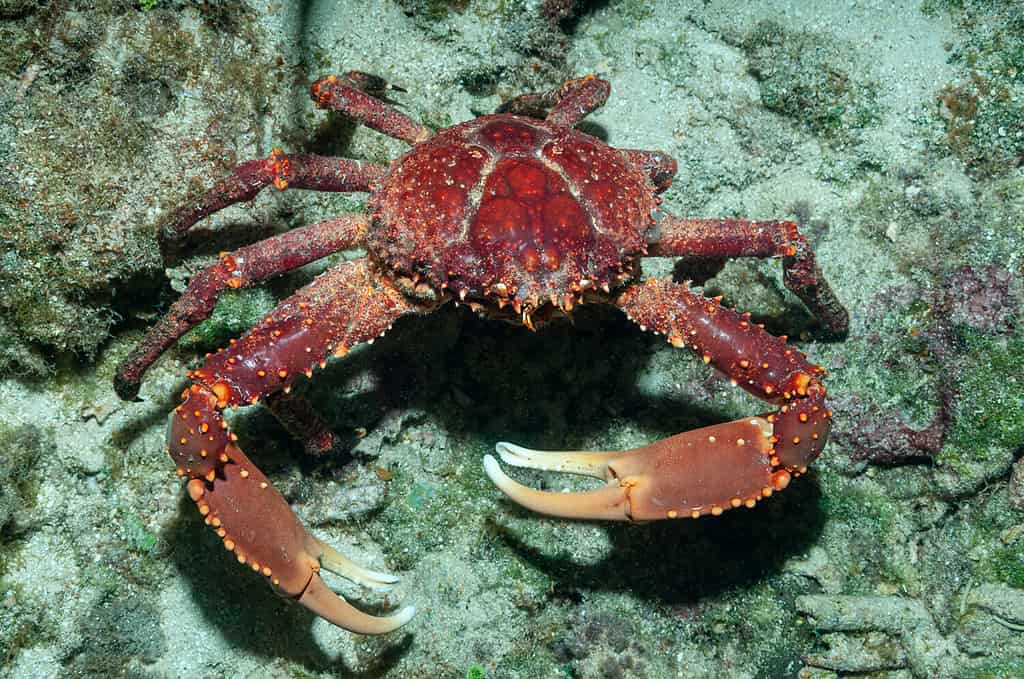
Crustaceans comprise a large group of more than 70,000 described species. They include crabs, lobsters, shrimp, and barnacles. While lacking any internal bones, they do possess hard exoskeletons, in addition to jointed limbs and segmented bodies.
While we assume crustaceans to be aquatic (most are), some, like woodlice, live on land. Many species are important to human diets, while others play major ecological roles or thrive as parasites.
7. Worms
©Nick N A/Shutterstock.com
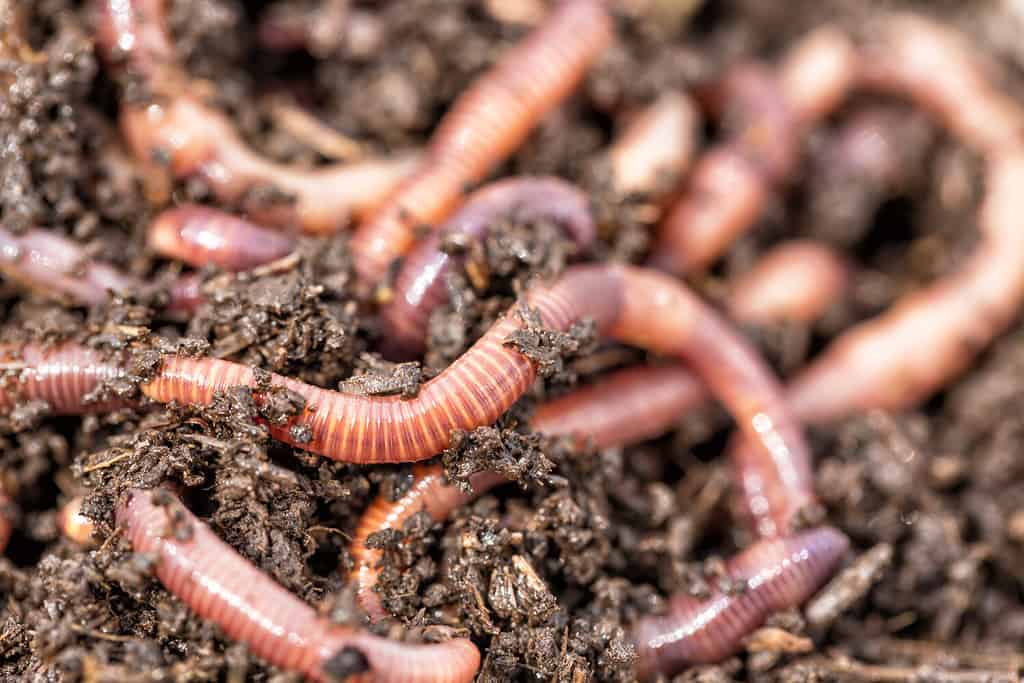
One of the most diverse groups of animals with no bones is the worms, which include many unrelated groups like annelids, nematodes, and flatworms. Their diversity makes them difficult to classify but also highlights their adaptability. They can be aquatic or land-based, parasitic or independent, and range in size from too-tiny-to-see-with-the-naked-eye to several feet long. These flexible little guys are greatly important to soil health.
8. Nautilus
©Profberger at English Wikipedia, CC BY-SA 3.0 <http://creativecommons.org/licenses/by-sa/3.0/>, via Wikimedia Commons - Original / License
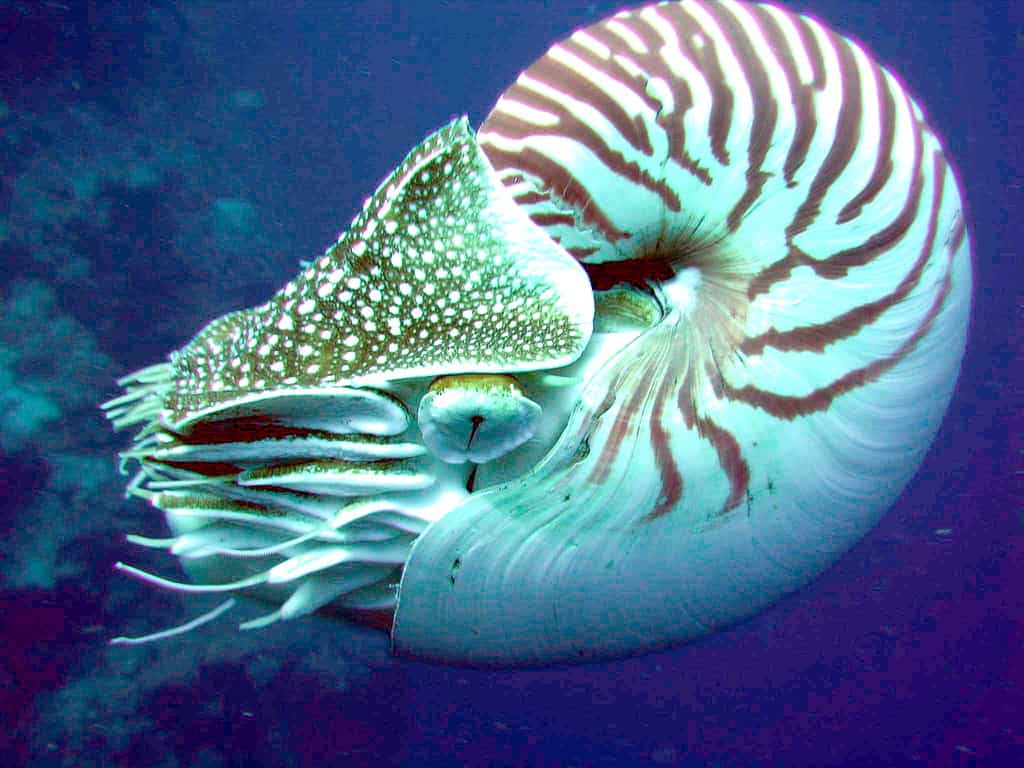
The nautilus is a cephalopod with only a handful of living species (likely 6–9). These ancient animals have existed for hundreds of millions of years. Unlike octopuses and squids, nautiluses have a hard external shell divided into chambers. The animal itself lives in the largest chamber and regulates buoyancy by adjusting gas and fluid within the remaining chambers. Amazing, they move using jet propulsion!
9. Octopuses and Squids

©Henner Damke/Shutterstock.com
Octopuses and squids are part of the cephalopod subclass Coleoidea and include around 800–900 species. Unlike nautiluses, they lack external shells, though some species have internal support structures. Examples of these include the gladius in squids and the reduced internal shell in cuttlefish. Octopuses are especially notable for their high intelligence, problem-solving skills, and being masters of camouflage.
10. Horseshoe Crabs
©SandraG/Shutterstock.com
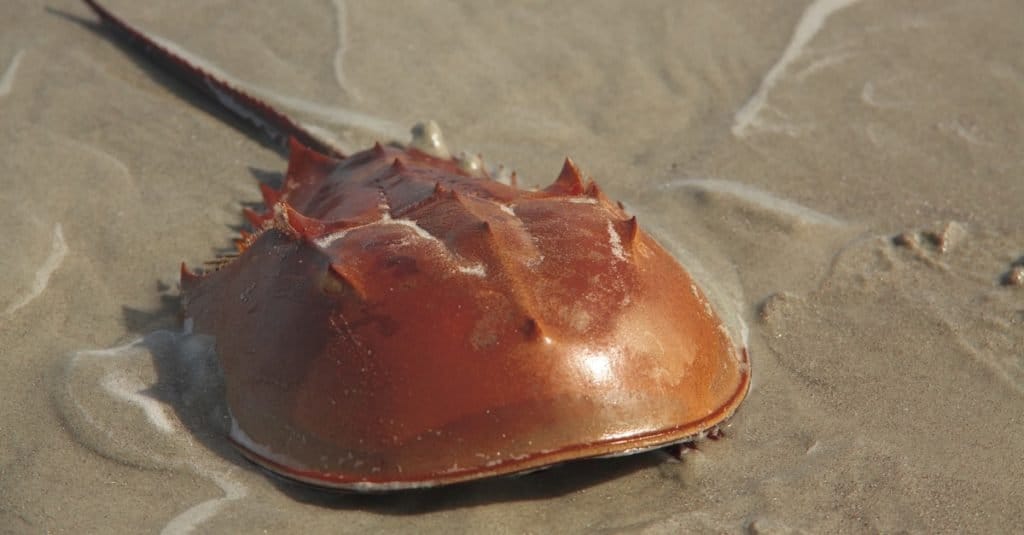
Horseshoe crabs are a small group of ancient marine animals. Many assume these animals are crustaceans, which they strongly resemble. However, they are more closely related to arachnids. Their bodies are protected by a hard exoskeleton. These animals have existed for over 400 million years, making them one of the oldest surviving lineages. Their blue blood is also important in medical testing.
11. Jellyfish
©Digitalphaser/Shutterstock.com
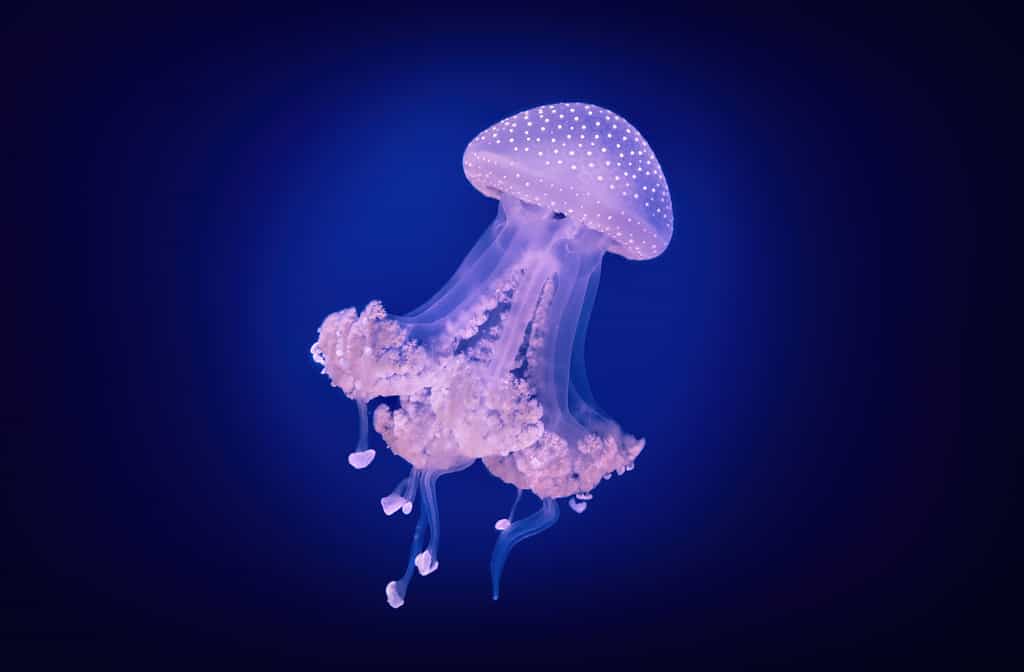
Jellyfish are perhaps the most well-known aquatic invertebrates. With soft, gelatinous bodies and trailing tentacles, these little stingers float through the sea, often scaring beach goers. There are thousands of species, though exact numbers vary depending on classification.
They move by contracting their bell-shaped bodies, while their notorious stinging ability is due to specialized cells called cnidocytes, which they use for defense and capturing prey (and occasionally disrupting your summer vacation). Their life cycle includes both polyp and medusa stages, and some species can reproduce both sexually and asexually.