
Quick Take
- Capturing and collaring one of fewer than 50 remaining Sierra Nevada red foxes is a critical conservation milestone for biologists.
- Sierra Nevada red foxes were nearly hunted to extinction after less than a century of being trapped for their soft, thick fur.
- The Sierra Nevada red fox was thought to be extinct in the southern Sierra until 2010.
- Biologists collared a Sierra Nevada red fox to learn more about habitat use, behavior, and breeding patterns.
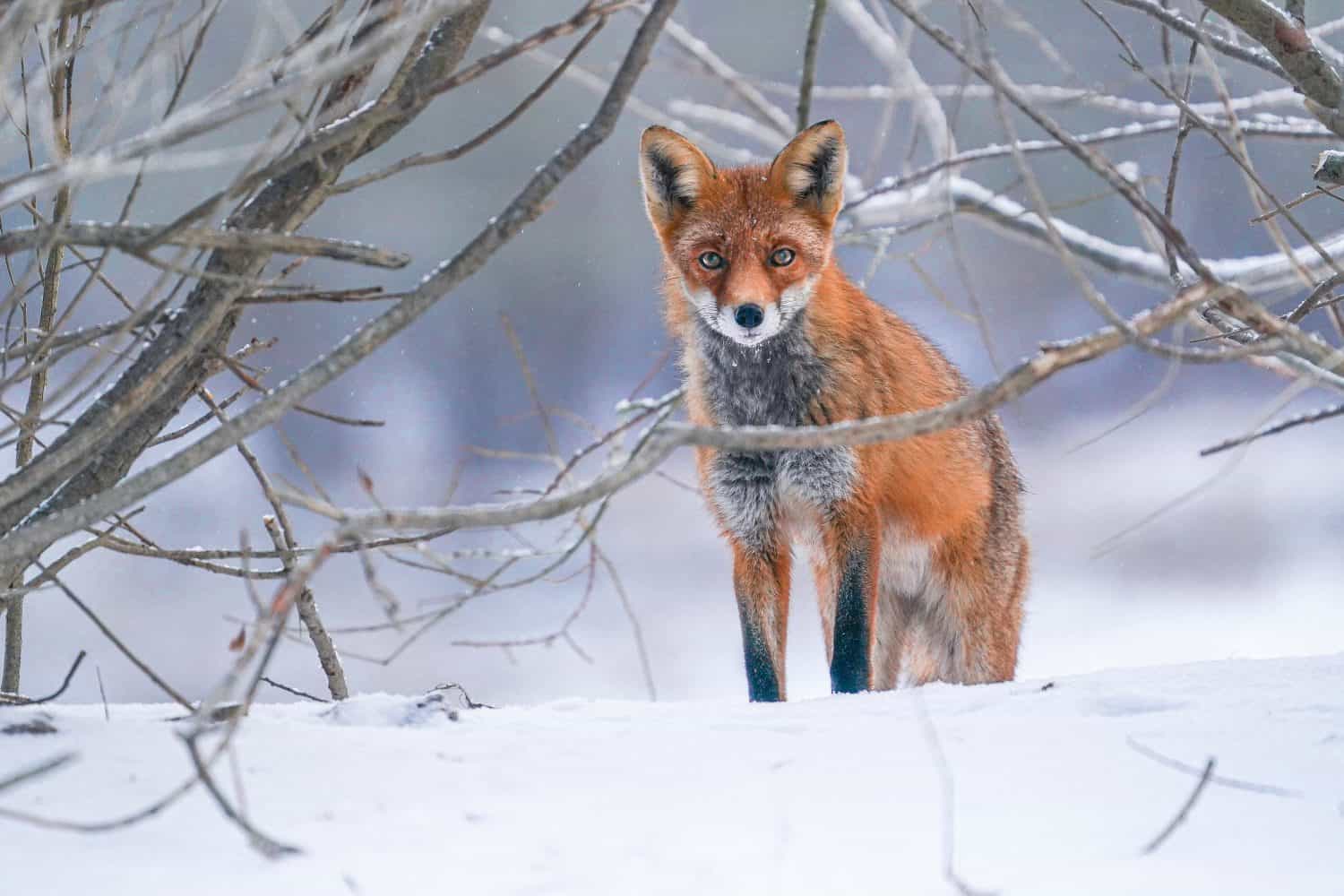
One of the most elusive mammals in the southern Sierra is primed to share secrets about its species. A rare “ghost fox” of the Sierra was recently captured by biologists. After evading capture for a decade, a Sierra Nevada red fox was finally collared and released. This will help biologists better understand the small predator and develop tailored conservation efforts that may help save the species from extinction.
A Decade of Chasing the Sierra Nevada Red Fox
After years of unsuccessful attempts, biologists have finally succeeded: a Sierra Nevada red fox was captured and collared, marking the culmination of a decade-long project. It was believed for decades that the Sierra Nevada red fox was extinct in the Southern Sierra Nevada. In 2010, a camera trap caught one on video, proving there was at least one living in the region. Biologists sprang into action to discover all there was to know about the secretive little fox.
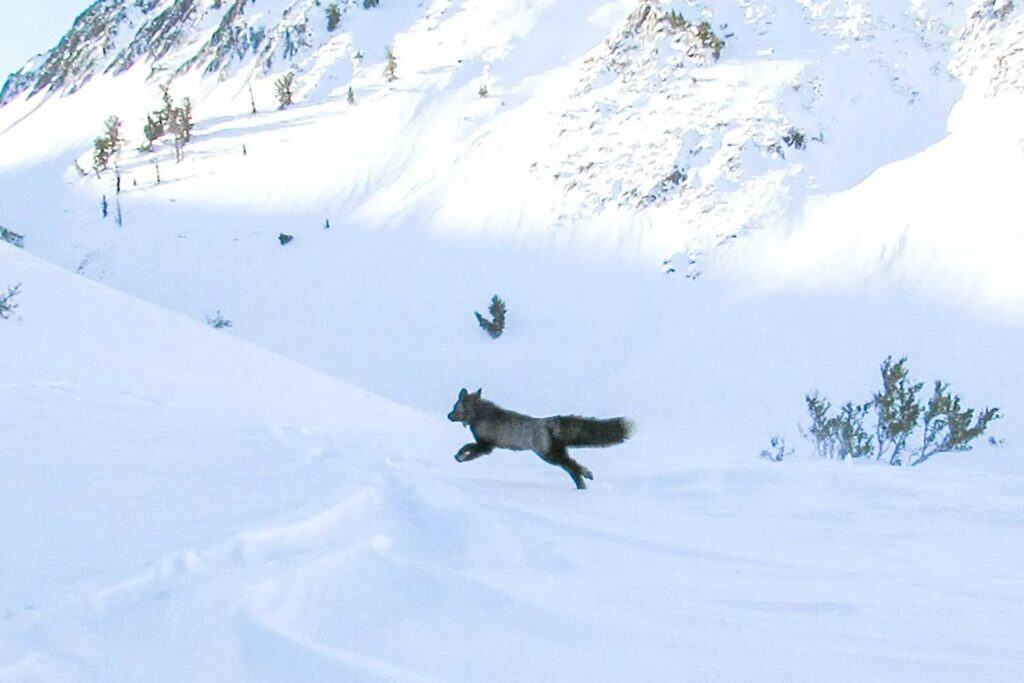
The Sierra Nevada red fox was caught and collared for the first time in the southern Sierras.
© – Original
Biologists set traps in the region to capture a fox for collaring. However, Sierra Nevada red foxes are very wary of humans, making them extremely difficult to catch. As a result, biologists worked for over a decade without success until January 2026, when a Sierra Nevada red fox was caught near Mammoth Lakes. According to California Department of Fish and Wildlife Environmental Scientist Julia Lawson, the fox was fitted with a collar and then released so it could transmit information back to biologists.
“This represents the culmination of 10 years of remote camera and scat surveys,” Lawson explains in a press release, “to determine the range of the fox in the southern Sierra, and three years of intensive trapping efforts.”
While this is the first time a Sierra Nevada red fox has been successfully collared in the Southern Sierra Nevada, others have been collared elsewhere. For example, Sierra Nevada red foxes were collared in 2018 near Lassen Peak. The information obtained about reproductive behavior and habitat use has been important for the conservation of the species. The hope is that this fox will provide further insight to help protect the Sierra Nevada red foxes, whose populations are exceedingly small.
Why GPS Collaring Is Essential for Species Recovery
Wild animals are collared for a variety of reasons. It can be used to track the animals, understand why conflicts with humans arise, and even how they utilize their habitats. The information gained is used to conserve species, specifically those at risk, in hopes that the species can recover rather than go extinct regionally or altogether.
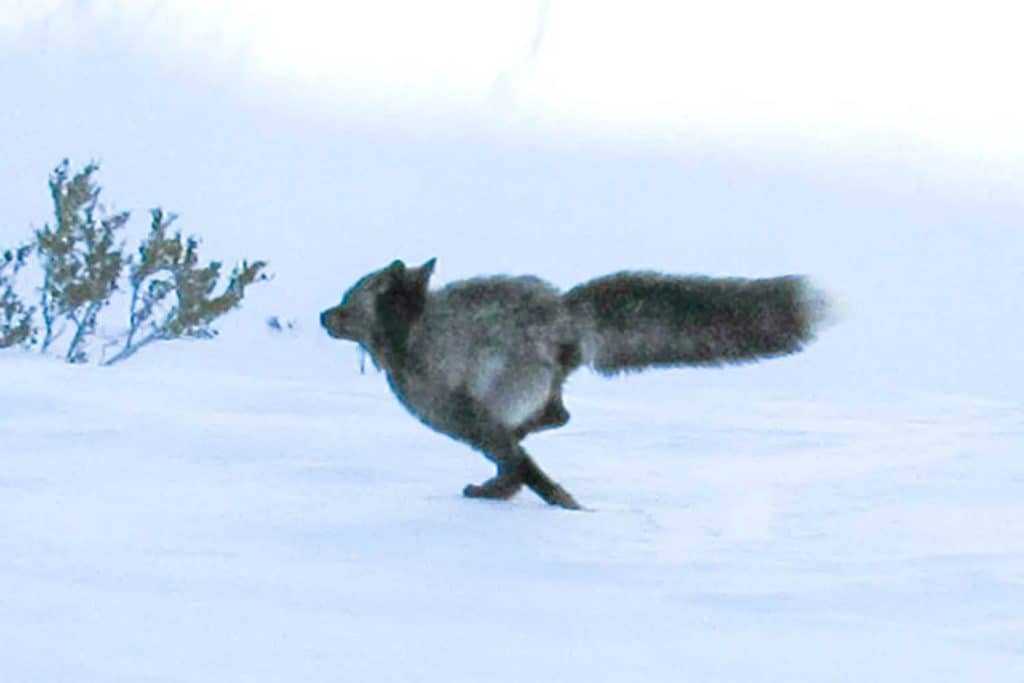
Little is known about the Sierra Nevada red foxes. The hope is that collaring will provide greater insight into the species and how to better help conserve it.
© – Original
These reasons collectively explain why the Sierra Nevada red fox was tracked and collared. In addition to aiding conservation, little is known about these foxes. Consequently, collaring also provides insight into their daily lives. Understanding how far Sierra Nevada red foxes travel enables biologists to better meet their needs and, according to Lawson, helps support the long-term restoration of the species.
“Everyone on the team was thrilled to see our hard work pay off,” Lawson says in the press release. “Our goal is to use what we learn from this collared animal to work toward recovering the population in the long term.”
Given how rare Sierra Nevada red foxes are, it is uncertain when another will be collared. This makes the data from this single fox especially important for the survival of its species.
The Sierra Nevada Red Fox’s Long Lineage
Like many animals that once thrived in California, Sierra Nevada red foxes were once abundant. Their lineage can be traced back tens of thousands of years, when the temperatures were significantly cooler. As Earth’s climate became more temperate, Sierra Nevada red foxes retreated to higher elevations where it remained cold. Although their habitats shrank somewhat, there was still enough territory for the foxes to roam, which kept populations stable, though at low densities.
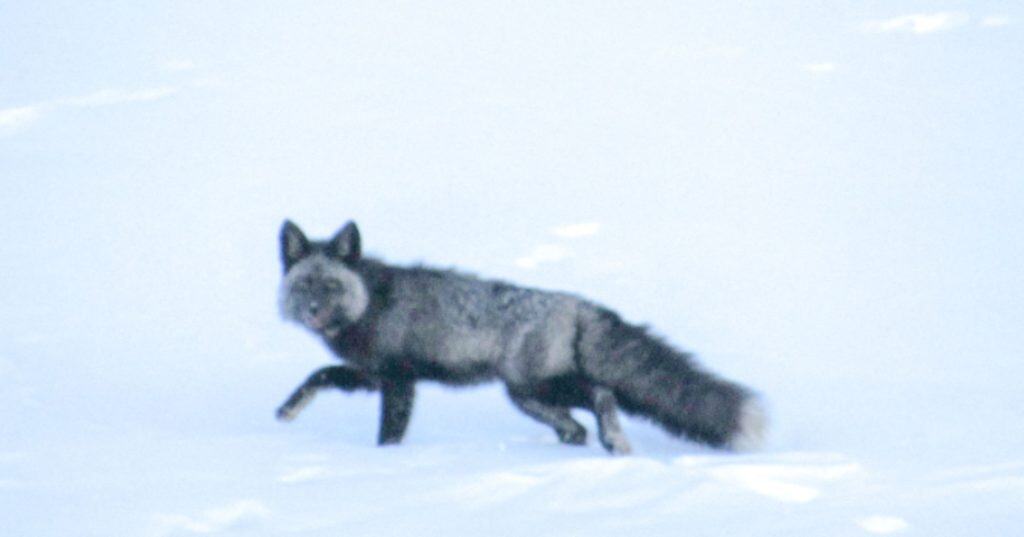
The Sierra Nevada red fox was nearly hunted to extinction because of its soft, thick coat.
© – Original
It was not until Europeans arrived in California in the 1840s that the population began to decline. Fur traders began to trap the Sierra Nevada red fox for their fur. Their fur was considered to be of much higher quality than that of other foxes due to its softness. Consequently, the foxes were hunted to near extinction within less than a century.
Sierra Nevada red foxes are isolated from other red fox populations by their alpine habitats. While this prevented the species from comingling, it was also a key factor in the demise of the foxes. With no other foxes to mate with, the population continued to decline until only small groups remained, totaling about 20 individuals in all. This made the Sierra Nevada red fox one of the rarest foxes in California.
The Sierra Nevada Red Fox Is an Endangered Species
Sierra Nevada red foxes were once abundant in California. These small foxes have genetic roots reaching back to the last Ice Age. However, because of their soft, thick fur—which helps them survive in the coldest alpine conditions—they were targeted by the fur trade and nearly eradicated from California decades ago.
In 1916, it was believed that the Sierra Nevada red fox had gone extinct in Yosemite National Park. By the 1940s, an estimated 20 individual foxes remained in their historic range near Mount Lassen. Essentially, even though trapping and killing foxes became illegal in 1974 and the species was categorized as threatened in 1980, it appeared that the future of the Sierra Nevada red fox would not be long-lived.
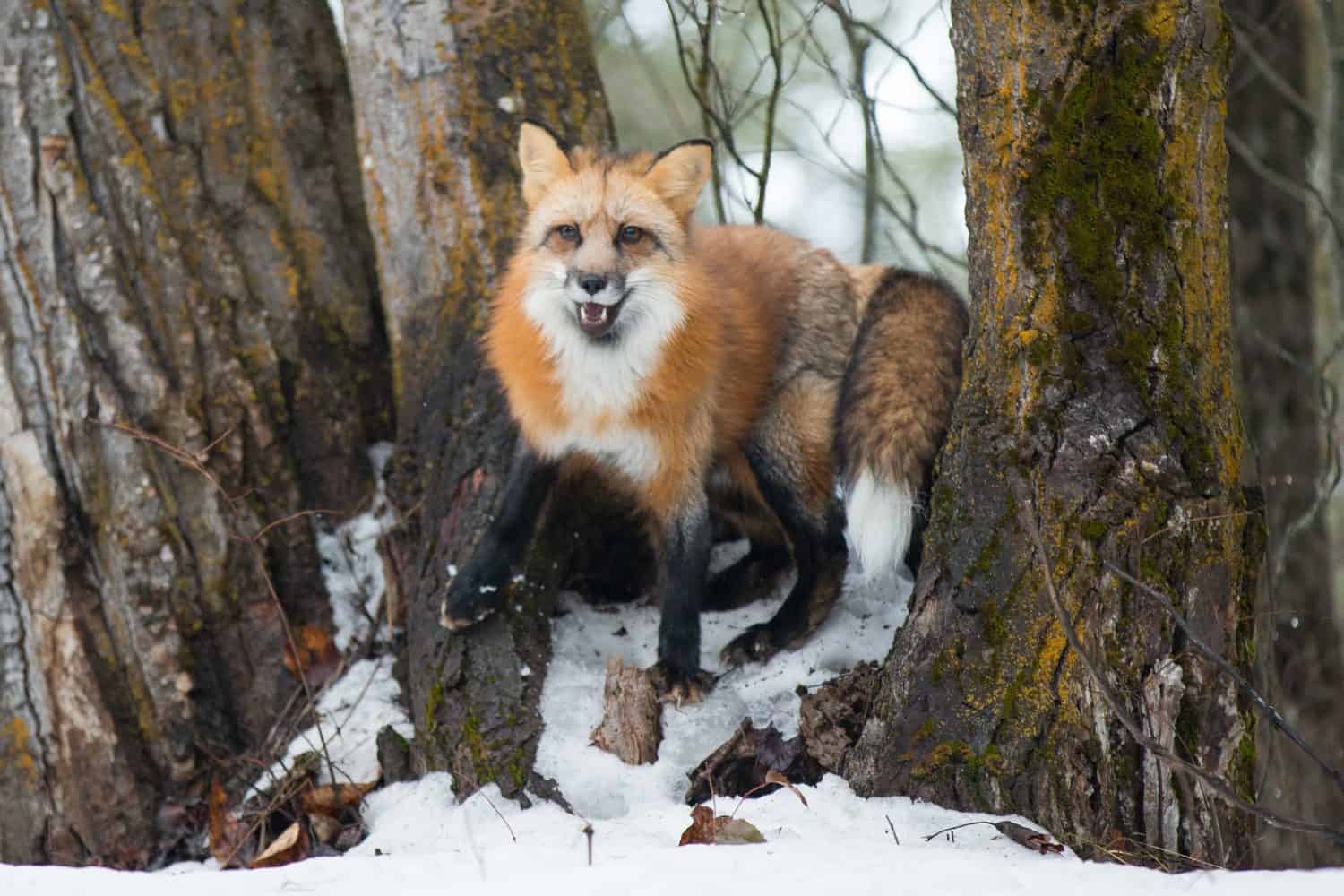
Sierra Nevada red foxes, similar to this red fox, were thought to be extinct in the southern Sierra for decades before being rediscovered in 2010.
©Warren Metcalf/Shutterstock.com
It was not until 2010 that there was a glimmer of hope for the species. A camera trap caught one near the Sonora Pass. While the fox appeared to be a Sierra Nevada red fox, biologists did not confirm its identity until they compared bite marks with a 1926 museum specimen, confirming the species’ return to regions where it was thought extinct.
Despite this discovery, it took another decade for the species to be classified as federally endangered. While the population is no longer as low as 20 individuals, it is not much higher today. Fewer than 40 individuals are believed to remain in the wild. Given the threats they face today, it is unclear whether Sierra Nevada red foxes will be able to survive and recover their population.
What Threats Do Sierra Nevada Red Foxes Face Today?
The Sierra Nevada red fox was listed as endangered under the Endangered Species Act in 2021. Despite this protection, the Sierra Nevada red fox remains at risk of extinction. This is due to the threats these small canines face in the high alpine regions of their mountain habitat.
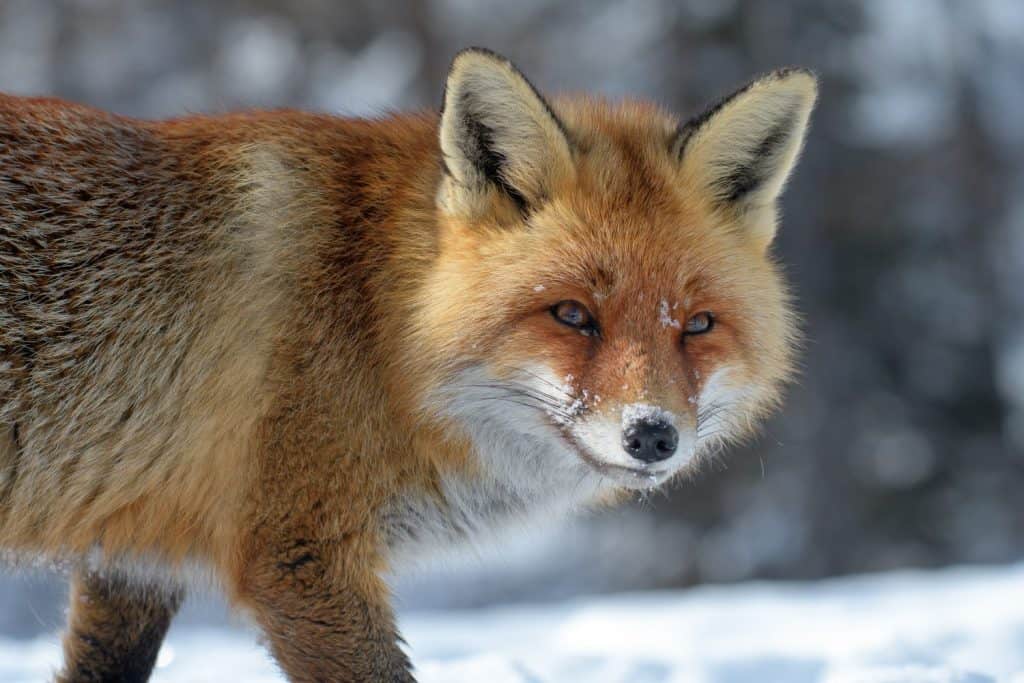
Sierra Nevada red foxes, like this red fox, are threatened by habitat loss, small populations, climate change, and other factors.
©Michele Aldeghi/Shutterstock.com
While more Sierra Nevada red foxes have been spotted over the past decade, the threats that have plagued them in recent decades have not changed. The threats that the Sierra Nevada red foxes face include:
- Small population size leading to inbreeding and a decrease in genetic diversity
- Habitat loss
- Climate change is melting snowpack, allowing other predators to move into the foxes’ territory and compete for prey
- Hybridization with non-native red foxes has left fewer genetically pure Sierra Nevada red foxes
Now that biologists have successfully collared a Sierra Nevada red fox, previously unknown data may finally be obtained. The more information gleaned, the better biologists can protect this species of red fox, which has so few left. The hope is that it is not too late to help the Sierra Nevada red fox before this shy species truly goes extinct, as was once believed to have happened decades ago.