
Quick Take
- The Belly-Up pose is tied to the loudest snoring, signaling deep relaxation and heat regulation in comfy environments.
- A sudden shift away from the Belly-Up pose can signal stiffness, back pain, or age-related changes, calling for veterinary check.
- The Sphinx or Lion Pose is an alert stance rather than true sleep, and if it’s the dog’s sole resting posture, it may reflect stress or environmental discomfort.
- Read on to discover the 2 sleep surfaces trick that often unlocks deeper rest.
A dog’s sleeping posture is one of the easiest ways to gauge how safe a dog feels, no matter how comical or odd it may appear to our human eyes. However, it isn’t always clear what these sleeping positions indicate, especially when it comes to Fido’s feelings. Additionally, the same position can mean different things depending on context and health.
What does your dog’s sleeping position say about them, and when is there cause for concern? While most sleeping poses are based on personal preference, some may indicate health issues, especially if there are abrupt changes to their typical routine. How can you determine when a call to your vet is a good idea?
With so many factors and potential anxieties to consider, we reached out to dog trainer and behavioralist Teagan Coleman of NLR Explore Dog Training for answers. Let’s break down each and every common sleeping position dogs tend to take and learn what they might mean. If your dog sleeps in a position that isn’t listed, hopefully you can glean some insights from these postures regardless!
Let’s catch some Z’s with these pups now!

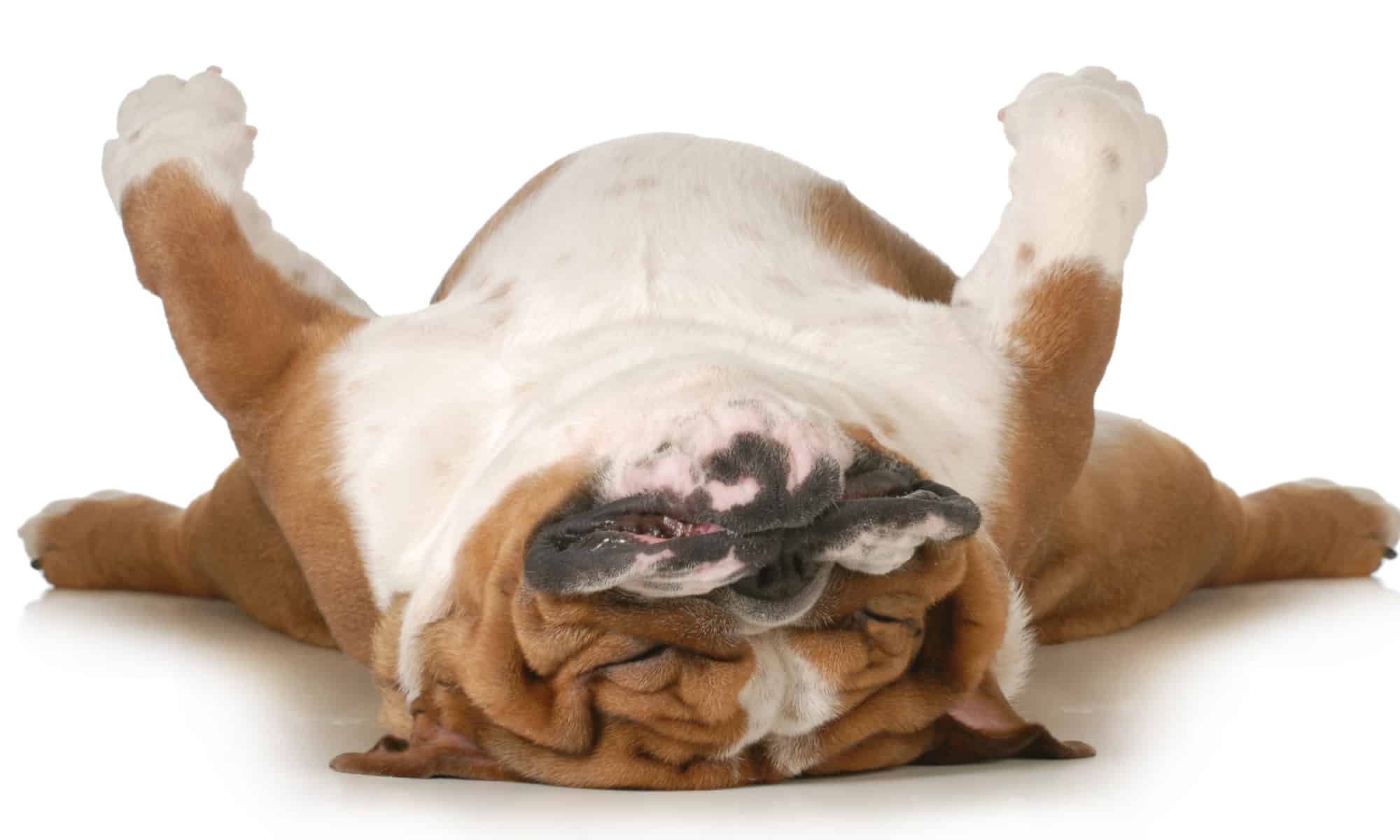
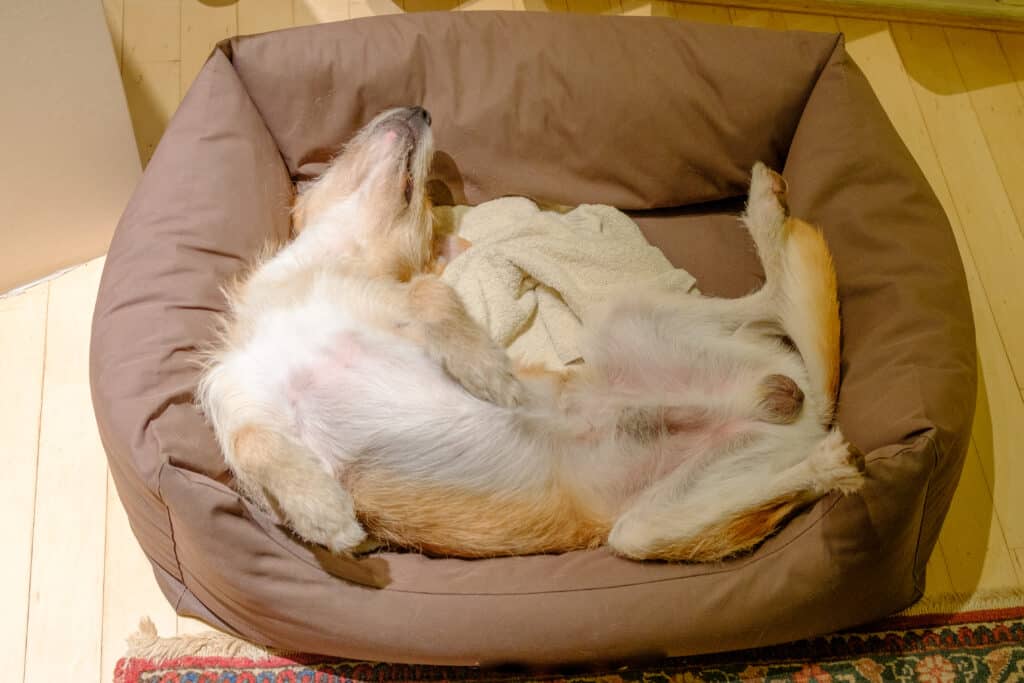
Belly-Up
This is the classic paws-in-the-air, belly-exposed position, one you’ve likely seen your dog take from time to time.
Dogs that sleep on their backs are more likely to snore, and it tends to indicate extreme trust or comfort.
©Sandor Gora/Shutterstock.com
This position may suggest the following traits:
- High comfort and trust, because the belly is a vulnerable area
- A dog who is truly relaxed and in deep sleep, not just lightly dozing
- Cooling off, since dogs can release heat through their paw pads and the thinner fur of their bellies
Most experts, including Coleman, connect belly-up sleeping with relaxation and temperature regulation in comfortable environments. “My pit bulls love sleeping belly-up, especially in warmer months, because of how hot they can get. This is also the position they snore the loudest, much like humans.”
If a dog used to sleep belly-up and suddenly stops, it may be time to pay attention to them. Health concerns may be accompanying them; anything from stiffness, back discomfort, inner ear shifts, or age-related changes may be making that posture less comfortable.
Side Sleeping
Side sleeping usually looks like a dog flopped on one hip with legs extended. If a dog isn’t completely comfortable enough to take on a belly-up position, this is the most common way dogs sleep.
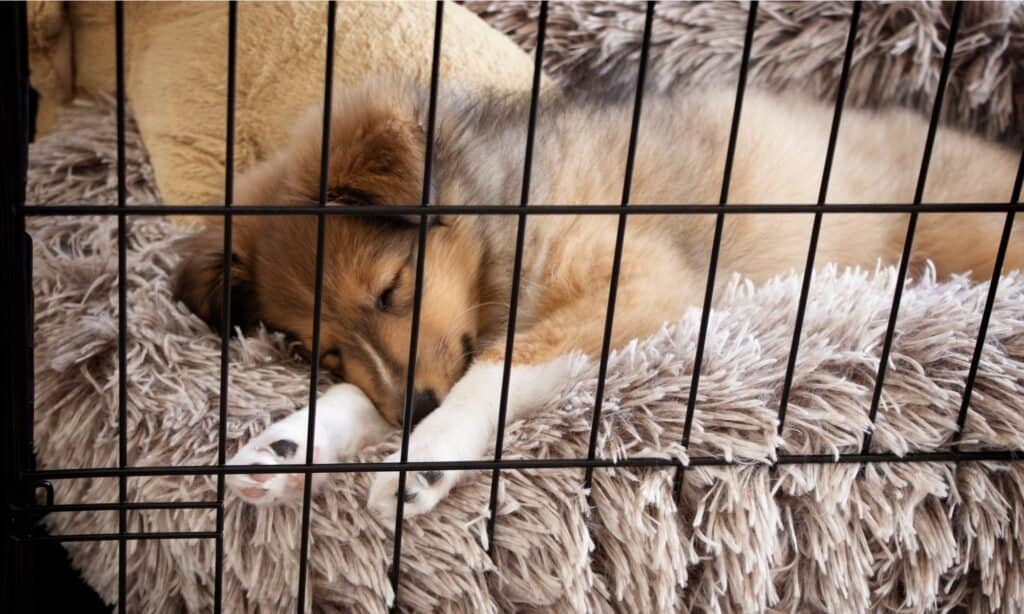
Side sleeping is fairly common, especially if a dog isn’t comfortable showing their belly.
©iStock.com/11Audrey11
This sleeping position typically indicates:
- A calm dog who feels safe enough to fall into deeper rest, but not so trusting as to expose their belly
- A fuller sleep compared to positions that keep limbs tucked under the body
Side sleeping is a position linked to comfort and deeper sleep, even though it doesn’t involve a belly-up pose. Coleman notes that side sleeping is important to watch for in older dogs. “Older dogs may favor one side of their bodies if they’re guarding a sore shoulder or hip, so definitely pay attention if they refuse to sleep on one side versus another.”
Curled Up
A tight donut or crescent shape with the nose near the tail is common in cats, but dogs sleep in this pose plenty, too.
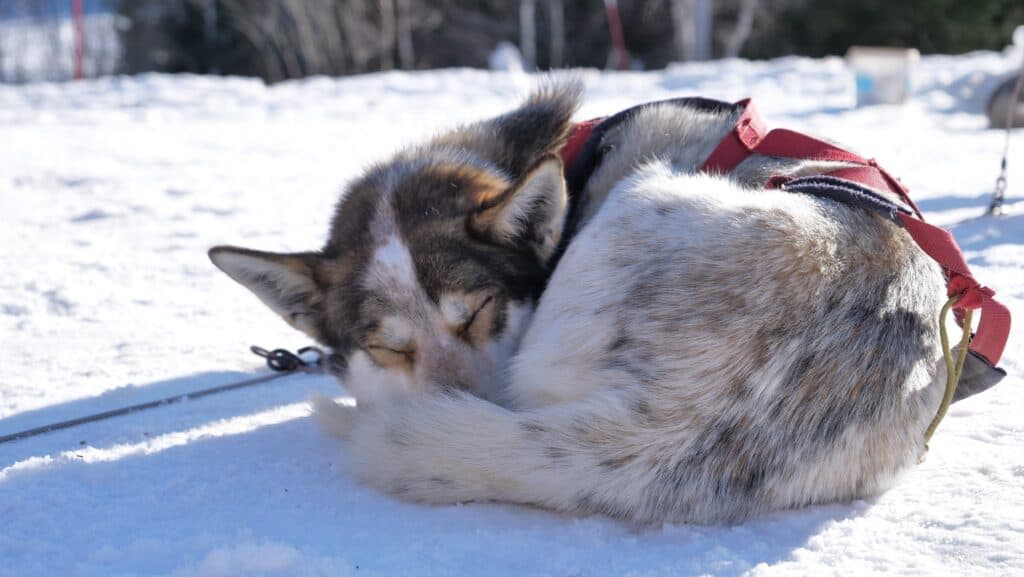
Many dogs curl up while sleeping in order to stay warm, but some may just prefer tucking in.
©SYLVAIN FELTEN/Shutterstock.com
If your dog sleeps like this, it may indicate the following:
- Warmth-seeking, as a compact shape conserves body heat
- Light sleep or mild caution, especially if they’re in a new environment
- A dog who naturally prefers tucking in, even when perfectly content; small dogs prefer this more often than not
When dogs are in unfamiliar settings, curling up may be their preferred pose. It allows them more comfort and the ability to pop up if need be. Plus, temperature control is easier in this pose. Coleman states, “Smaller dogs tend to curl up, especially chihuahuas and other dogs with less fur. It’s just their way of keeping warm.”
If your dog adopts a tighter curl than normal, it can be a subtle discomfort signal, especially in dogs with joint pain. Their stress may also be higher, so keep a watchful eye on them if you’re concerned.
Older dogs may favor one side of their bodies if they’re guarding a sore shoulder or hip, so definitely pay attention if they refuse to sleep on one side versus another.
Teagan Coleman of NLR Explore Dog Training
Sphinx or Lion Pose
This pose is interesting, looking like a dog lying on their chest with their head up or resting on their paws, often with the back legs tucked beneath their tummy.
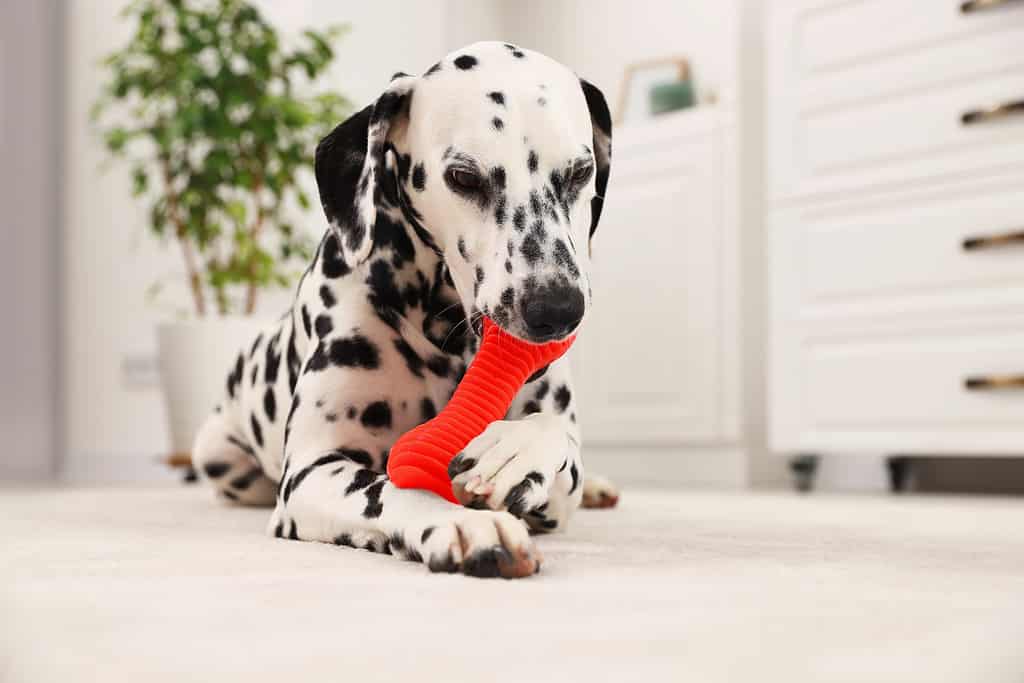
The sphinx pose is often associated with rest rather than sleep.
©Liudmila Chernetska/iStock via Getty Images
This pose isn’t often associated with full sleep, typically indicating:
- Resting rather than deep sleep
- A dog who is comfortable enough to settle, but still aware of its surroundings
- A dog who expects activity soon, such as walk time, dinner time, visitors, or play dates
“This pose is much more alert, and I see it in a lot of herding or watchful type dog breeds,” Coleman notes, “It’s a regal pose, but it isn’t one most dogs will sleep in.”
While elegant, this isn’t the best sleeping pose for pups. If this becomes the only way a dog sleeps and the dog rarely looks fully relaxed, it can reflect stress or discomfort in a home environment, especially if recent changes have occurred.
Superman or Sploot
Known affectionately as splooting, the Superman sleeping pose is unique. It involves a dog with their belly down, front legs forward, and back legs stretched behind, often in a frog-like position. “Splooting shows up a lot in puppies and high-energy dogs, and for good reason.” Coleman reports.

Pet dogs love to sploot in order to cool off or stretch their limbs, and many younger dogs do it after the zoomies.
©yhelfman/Shutterstock.com
According to Coleman, the Superman sleeping pose is often connected to:
- A quick crash nap between activities
- Cooling off on a hard floor
- A dog who wants to be able to stand up instantly, for whatever reason
Splooting is especially common in younger dogs and often linked to cooling and even flexibility, as if they are stretching their back legs. However, some dogs avoid this pose if their hips or knees are sore, so a change here can sometimes indicate orthopedic comfort. It’s also a pose dogs can grow out of, so a vet may be your best bet for diagnosis.
Cuddling, Back to Back, or Sleeping On a Person
Some pups are Velcro dogs, sleeping pressed against a person, another dog, or found snuggling in someone’s lap, depending on their size.
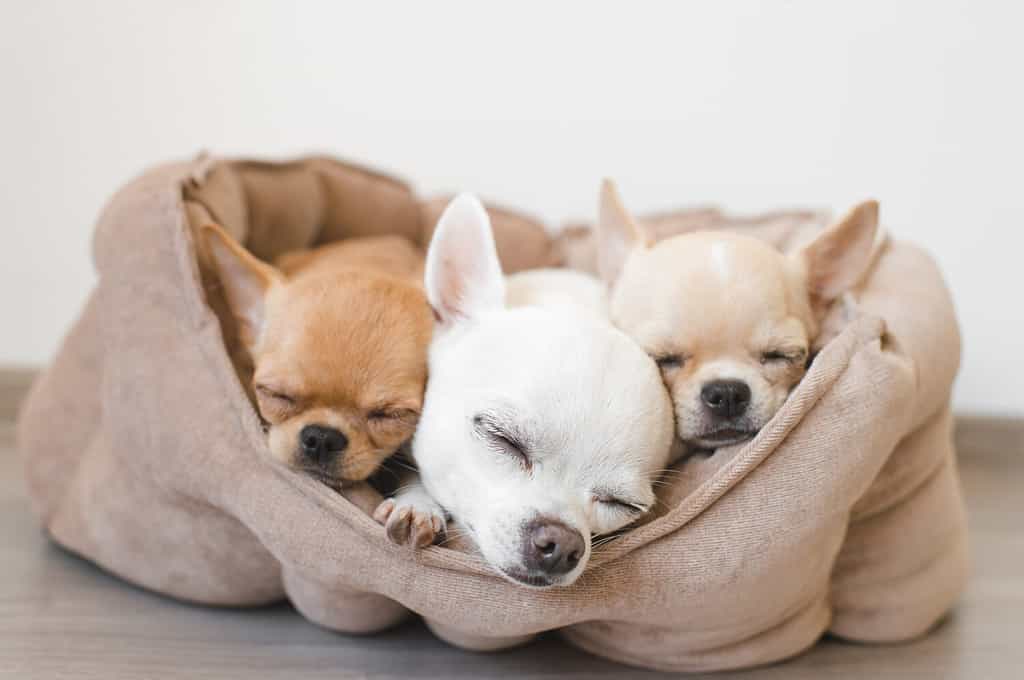
Small dog breeds tend to seek out warmth while sleeping, which may mean cuddling up with other dogs or humans habitually.
©Benevolente82/Shutterstock.com
Dogs who prefer to sleep in a cuddly pose may be:
- Social bonding, given the comfort with proximity to other dogs or humans
- Warmth-seeking, especially in colder rooms
- Routine or habitual sleeping spot
Coleman notes this about especially cuddly dogs: “Cuddling can be affectionate, which is wonderful, but it can also be a learned habit, as your dog may be choosing the softest surface in the house. Don’t let them take advantage of you, as they can get fussy or clingy whenever you’re unavailable at nap time.”
Head Propped Up
Some dogs prefer sleeping like humans do, with their head elevated on a pillow, couch arm, pile of blankets, or bed edge.
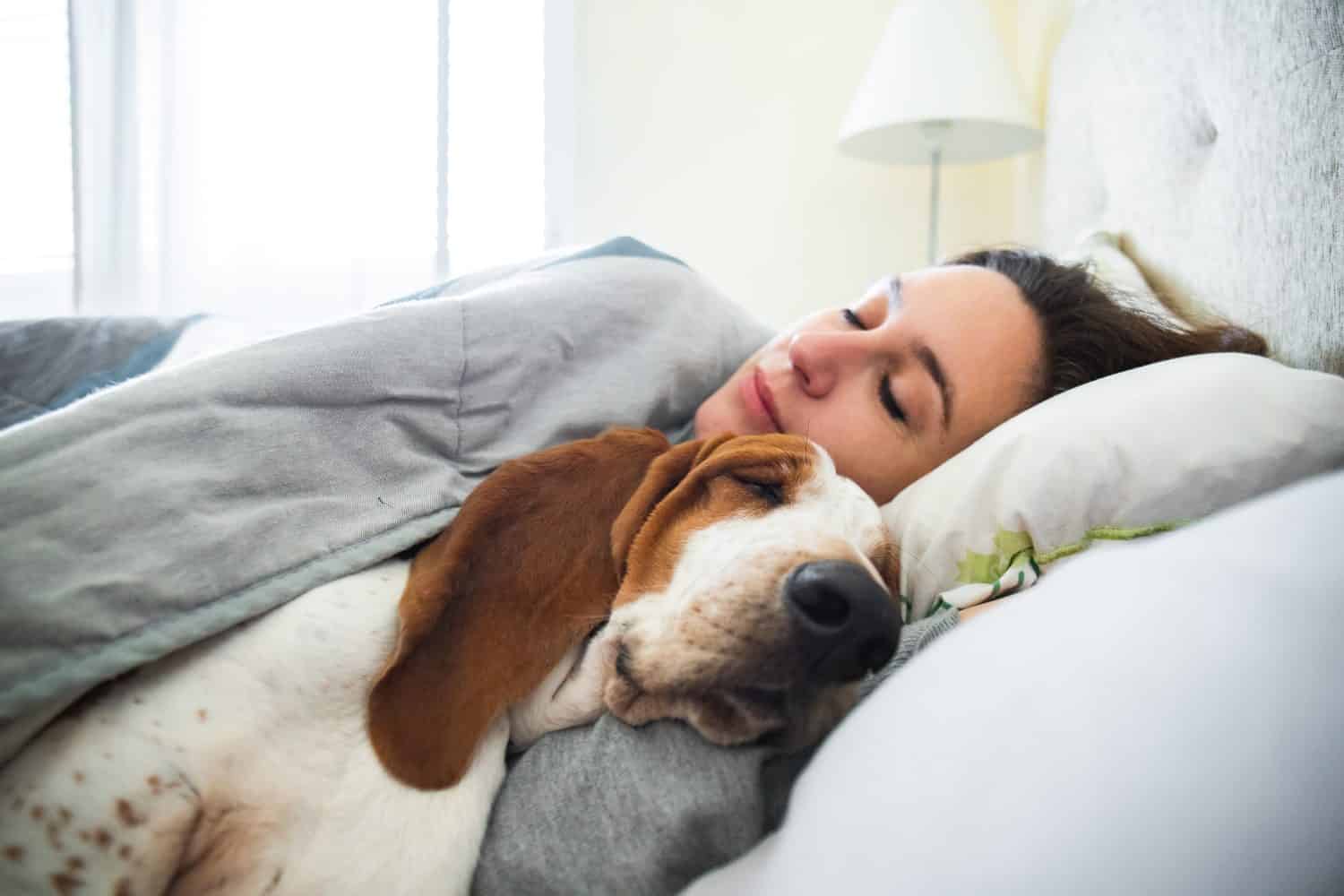
While some dogs prefer to use pillows to sleep, there may be some health concerns hiding behind this sleeping position.
©Daniel Myjones/Shutterstock.com
Dogs who tend to sleep like people do so for:
- Comfort preference
- Better airflow if the room is warm
However, this position can be medically concerning, especially if it’s a recent shift from your pup’s typical sleeping style. If head-elevated sleeping appears suddenly alongside faster breathing, coughing, restlessness, or a reluctance to lie flat, it’s worth calling a veterinarian. Respiratory issues are sometimes solved by this pose, so call your vet if you’re concerned.
Sleeping Beneath Things or in Hidden Spots
Some dogs choose tucked-away spots for nap time, such as under a table, behind a couch, under chairs, or even in a closet.
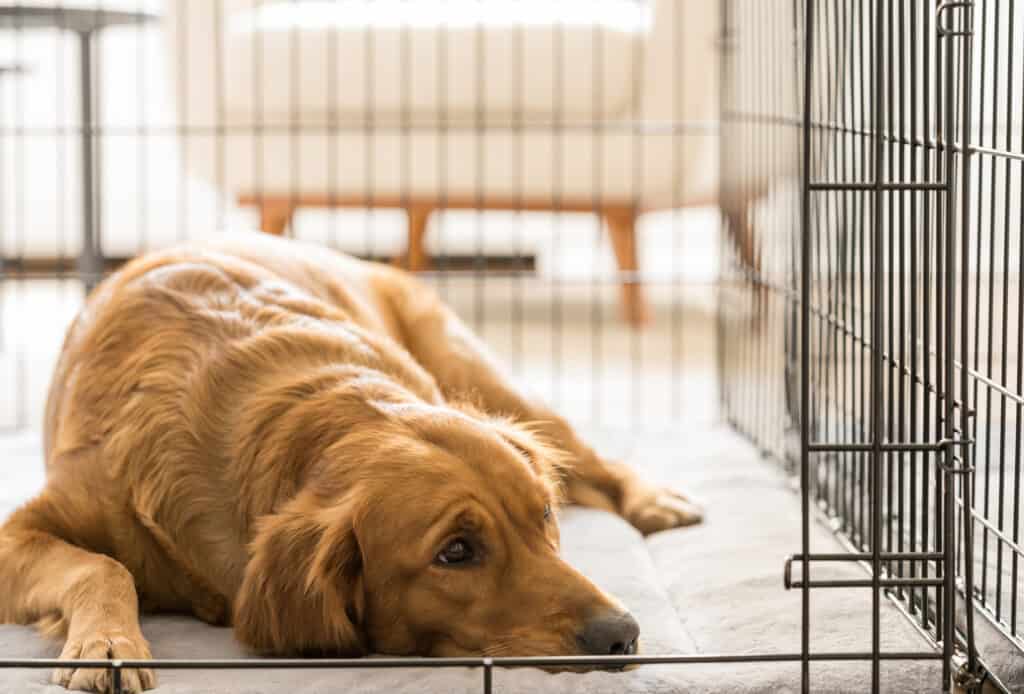
Some dogs prefer to sleep beneath surfaces or in hidden areas, mainly to feel safe and decompress.
©iStock.com/Christine McCann
Reasons for this sleeping pose may include:
- The dog wants an enclosed, quieter place to decompress
- Noise sensitivity affects them
- A preference for den-like sleeping
Coleman states that, “Sleeping in a crate that’s properly sized and enclosed can help dogs feel more comfortable, given that it’s rooted in their genetics. But a dog who suddenly starts hiding to sleep may be stressed, unwell, depressed, or trying to avoid interaction, so keep this in mind if you’ve had any recent changes at home.”
How to Read Sleep Positions Without Overthinking Them
Sleep posture becomes most useful when looking for patterns in your dog’s typical routine. “Remember: dogs are absolute creatures of habit. When things change, it’s valid to pay attention.” Coleman notes.
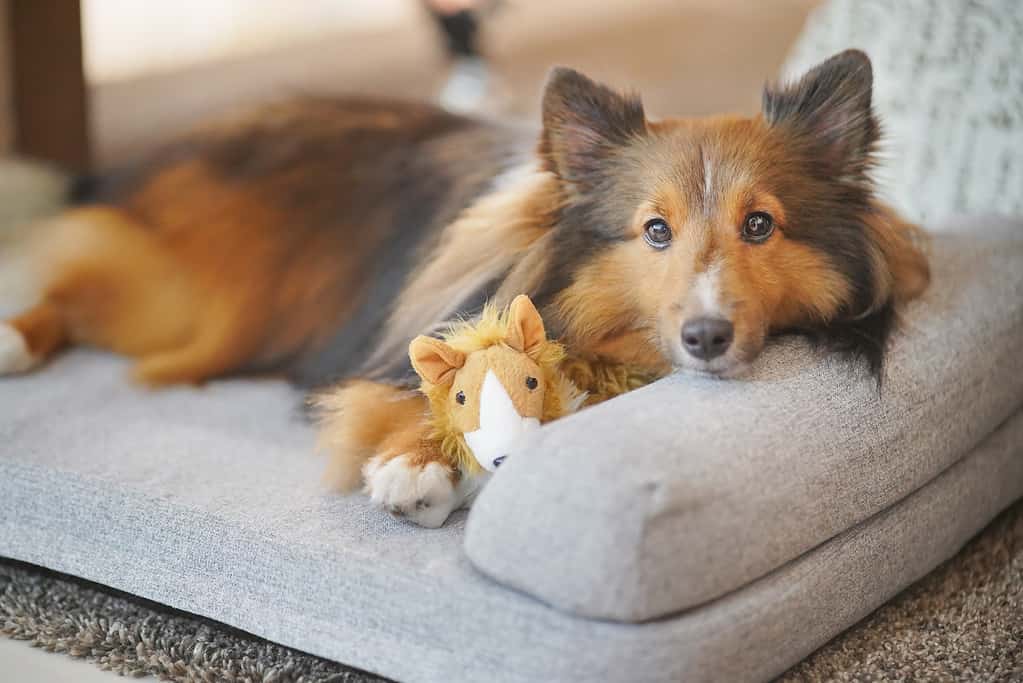
Change in sleeping position can be an indicator of health shifts in your dog, or them reacting to a change in your environment.
©Jiras Pipatwasin/iStock via Getty Images
You can better read your dog’s sleeping positions using the following methods:
- Which positions show up when the house is calm
- What changes when it’s hot or cold
- Whether the dog looks loose and comfortable versus tense and guarded
- Whether there’s a sudden change that lines up with a new stressor or physical issue
Coleman offers some simple upgrades that helps many dogs get a good night’s sleep.
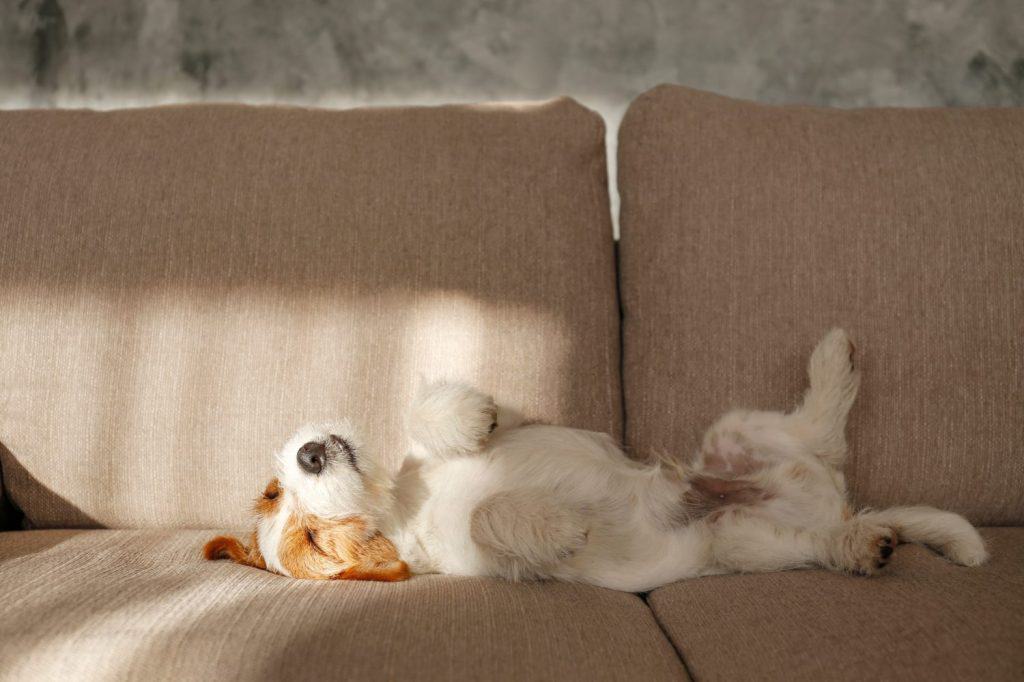
Giving your dog multiple sleeping options, especially in quiet locales, can help them sleep more soundly and comfortably.
©evrymmnt/Shutterstock.com
“Offer your dog two sleep surfaces: one that’s plush and cozy, and one that’s flatter and cooler. Just like people, dogs have their preferences. I also always recommend crate training or a covered bed area, because this allows them to know that a space is made just for them. Finally, any dog wants to sleep someplace quiet. Make sure their sleep spot is away from too much noise or traffic in the home. They’re just like us and want a good night’s sleep!”