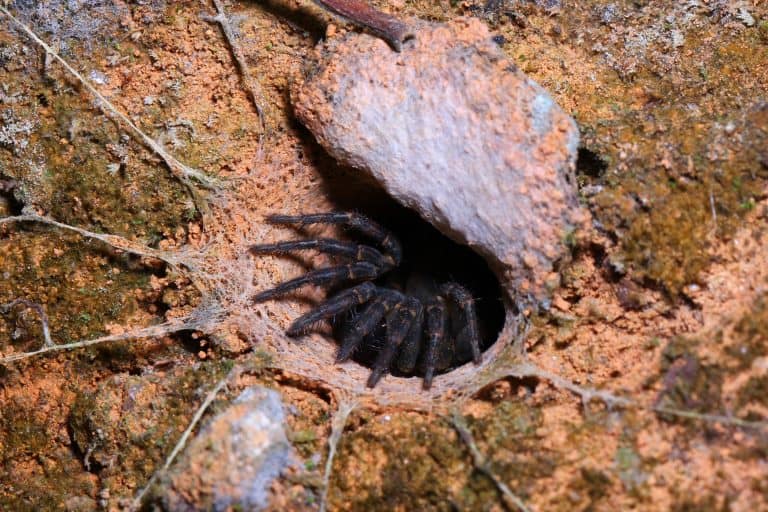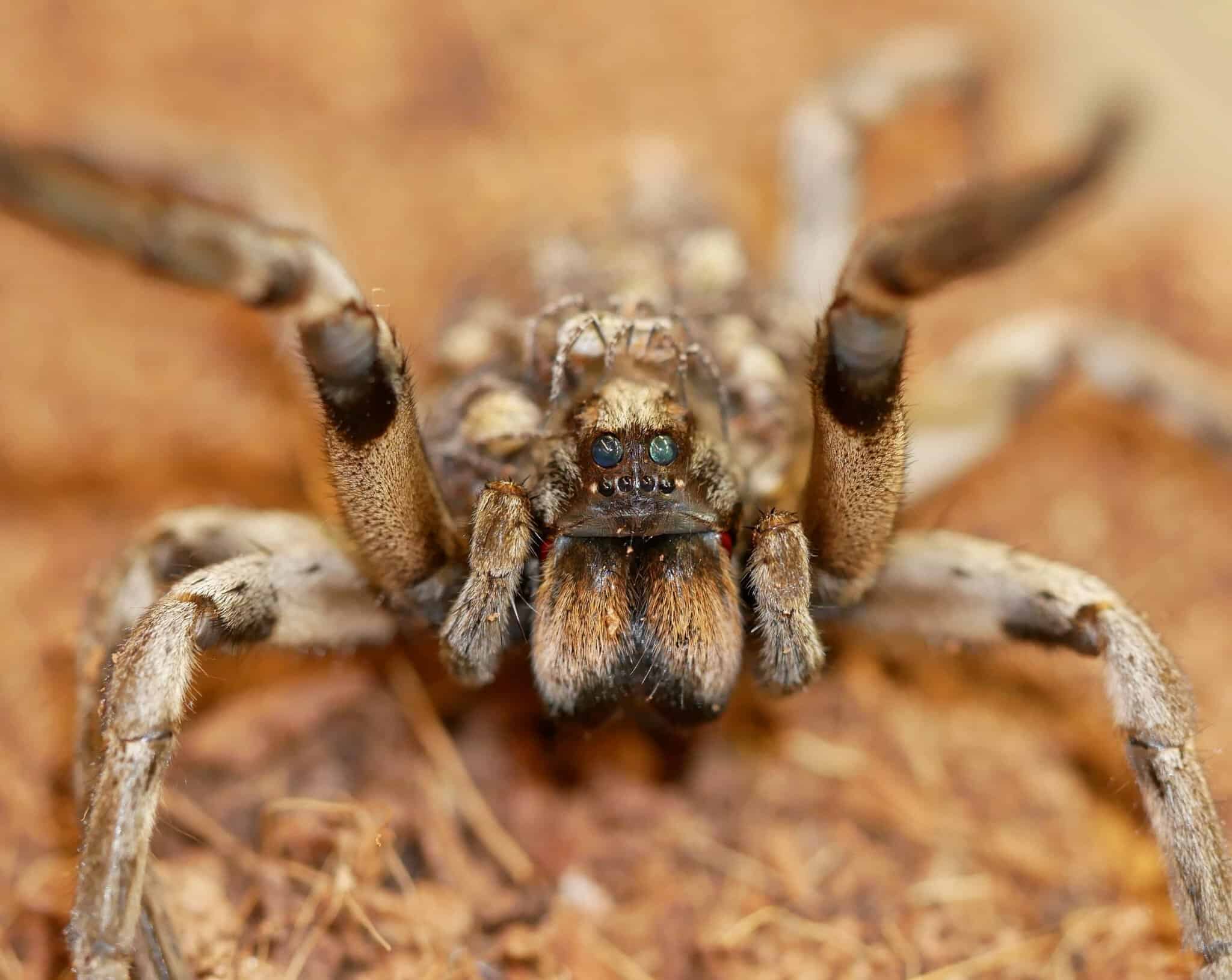

For many people, spiders are a minor nuisance, but for others, they’re a full-blown nightmare. While spiders can be found in every U.S. state, their numbers, size, and visibility vary widely depending on factors like climate, geography, and local ecosystems. Warm temperatures, high humidity, and abundant insects create ideal conditions for spiders to thrive, making some states far more challenging for arachnophobic residents.
This article highlights 10 states you may want to avoid if you don’t like these notorious, eight-legged creatures. From regions known for large, intimidating species to places where venomous spiders are prevalent, these states tend to test non-spider-loving locals. If you prefer your home and surroundings as spider-free as possible, knowing where they flourish can make all the difference.
Arizona
©Theodore P. Webb/Shutterstock.com
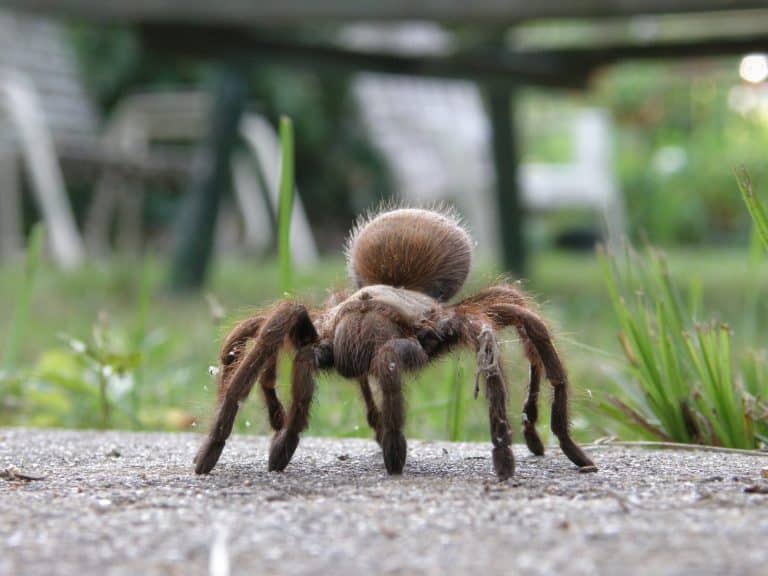
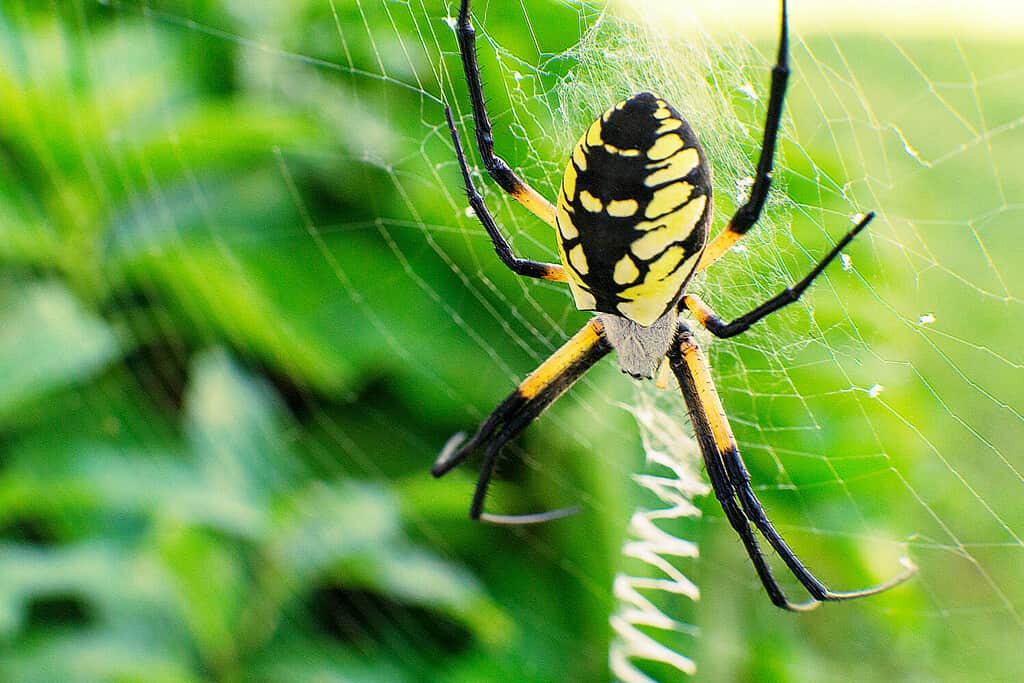
Desert species, including tarantulas, are common and highly visible during mating seasons.
Most common:
- Wolf spiders
- Jumping spiders
- Crab spiders (often found on flowers)
Notable / state-associated:
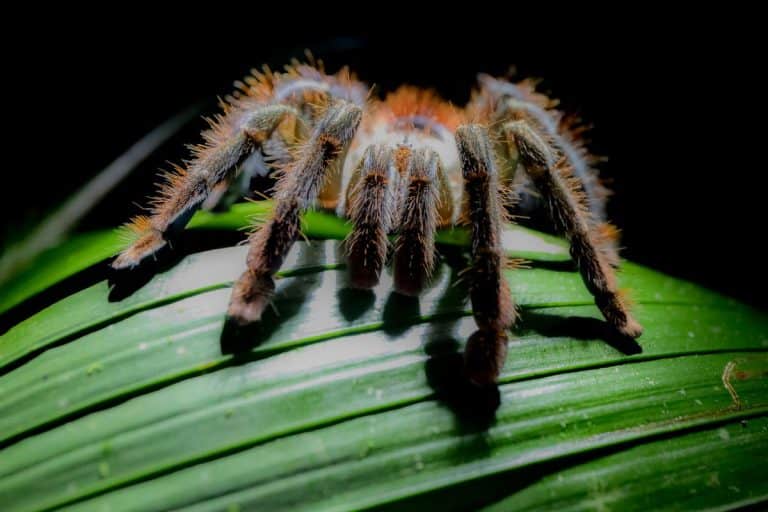
- Desert tarantulas (highly visible during seasonal migrations)
California
©Nick626/Shutterstock.com
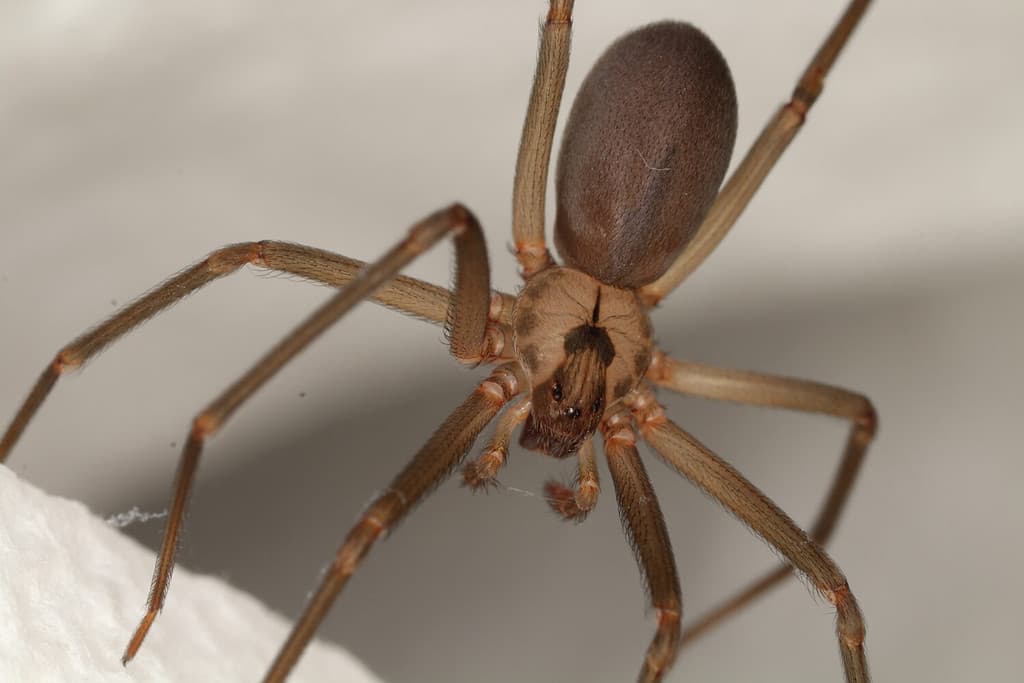
Massive size, diverse climates, and mild winters allow spiders to thrive nearly everywhere.
Most common:
- Jumping spiders
- Cellar spiders
- Wolf spiders
Notable / state-associated:
- California tarantula (frequently seen during fall mating season)
Florida
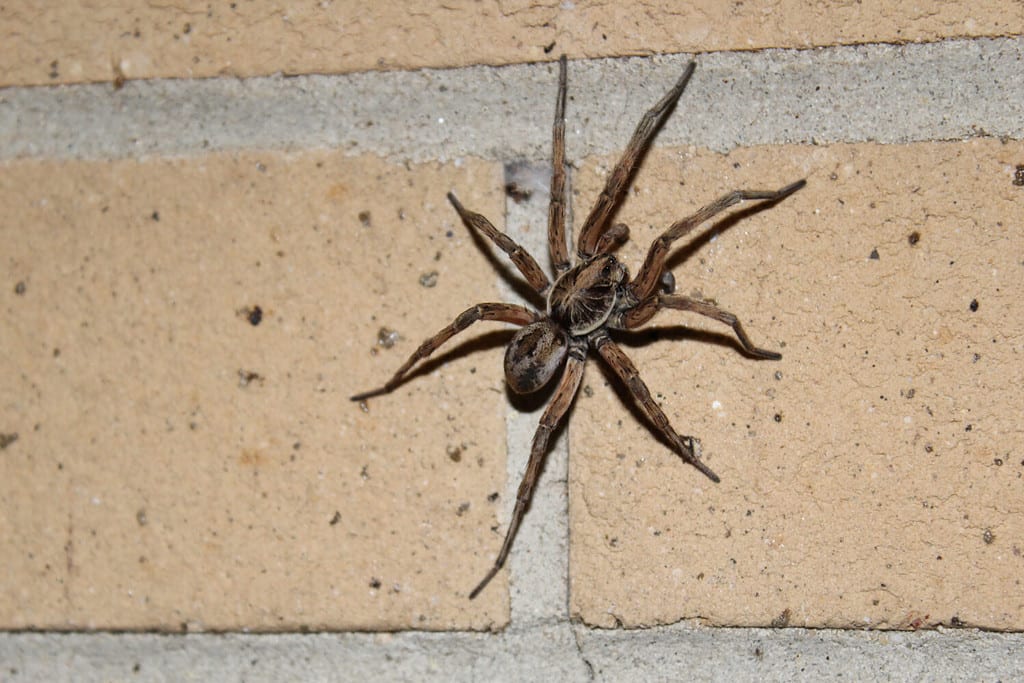
©Clayton Nichols/Shutterstock.com
Heat, humidity, and year-round insects make Florida one of the most spider-friendly states in the country.
Most common:
- Jumping spiders
- Cellar spiders (daddy longlegs) – extremely common indoors
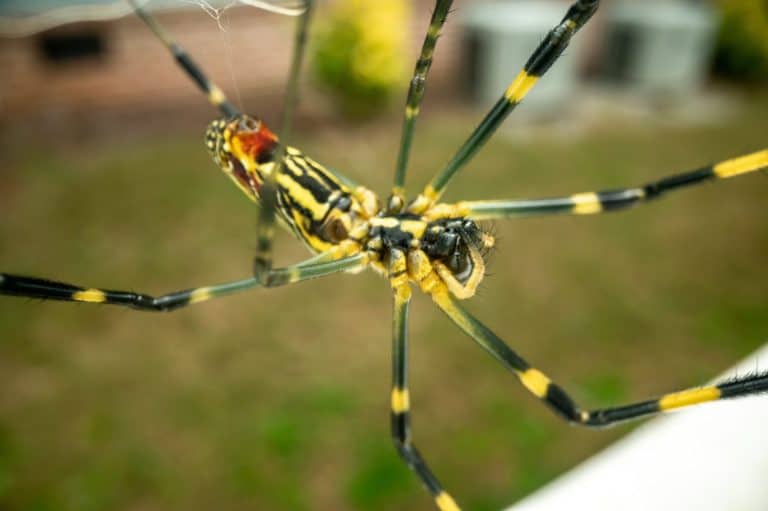
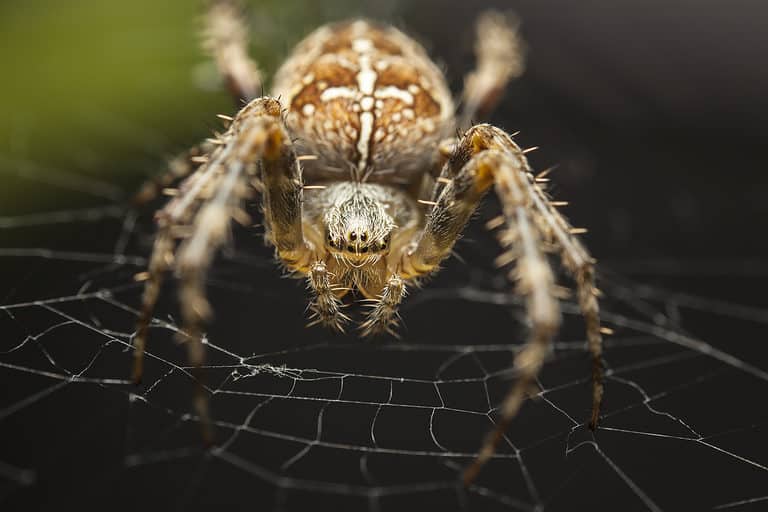
- Orb-weavers – especially garden and golden silk species
Notable / state-associated:
- Huntsman spiders (very large, common in southern Florida)
- Golden silk orb-weaver (often mistaken for dangerous spiders)
Georgia
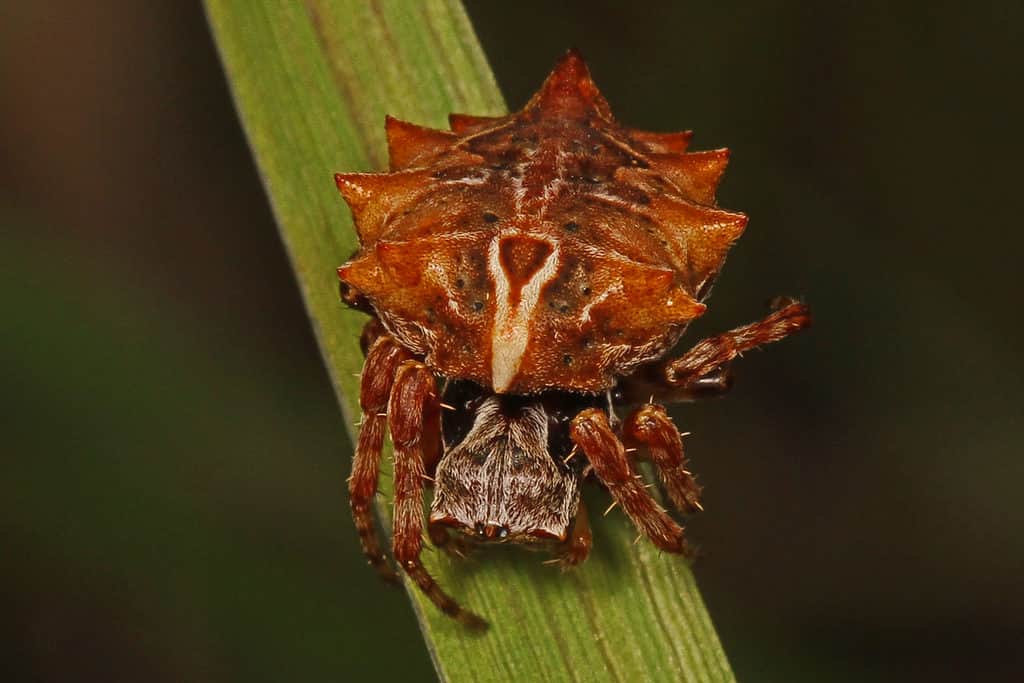
©Judy Gallagher, CC BY 2.0 <https://creativecommons.org/licenses/by/2.0>, via Wikimedia Commons - Original / License
High humidity and dense vegetation support large outdoor and indoor spider populations.
Most common:
- Orb-weavers
- Wolf spiders
- Cellar spiders
Notable / state-associated:
- Large garden orb-weavers commonly build massive webs around homes
Louisiana
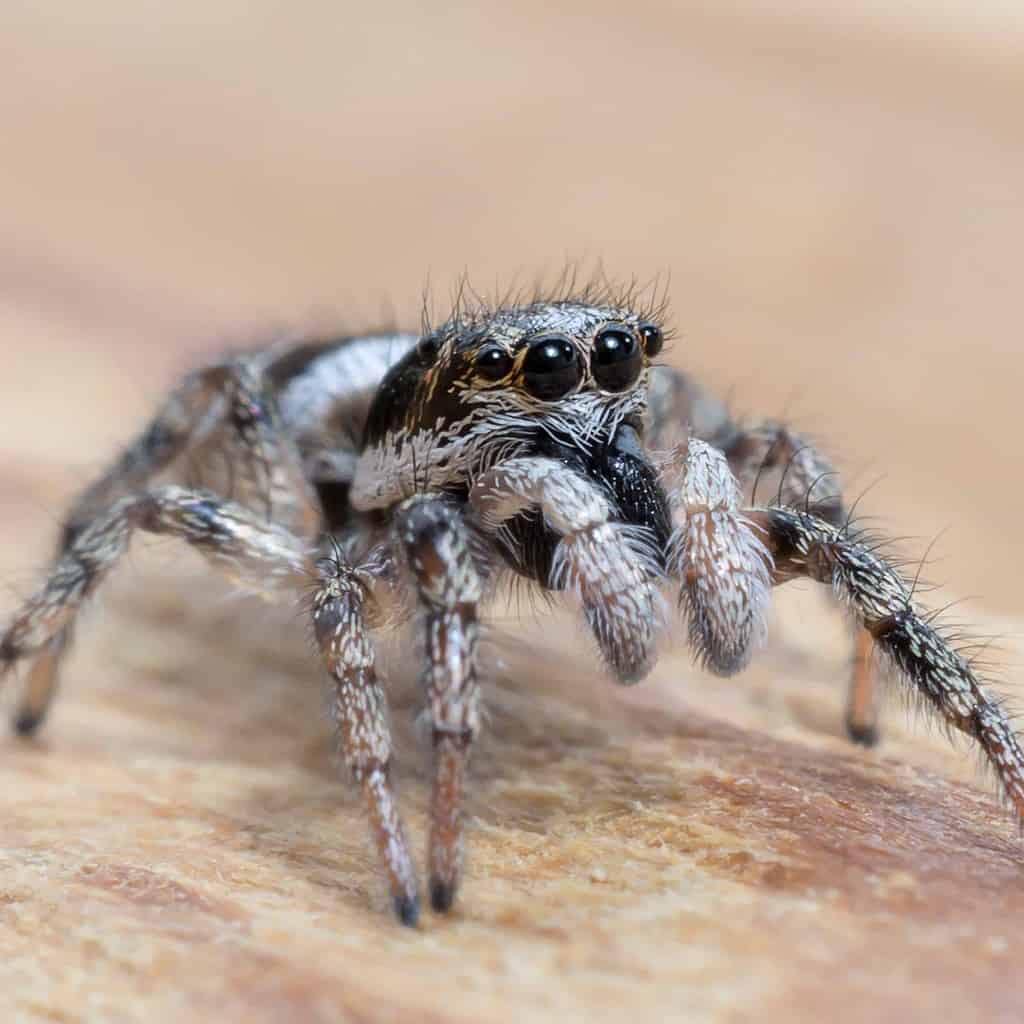
©Photographer: Rabanser/Shutterstock.com
Wetlands and warm temperatures create ideal breeding conditions for spiders.
Most common:
- Wolf spiders
- Orb-weavers
- Jumping spiders
Notable / state-associated:
- Abundant fishing spiders near swamps and waterways
North Carolina
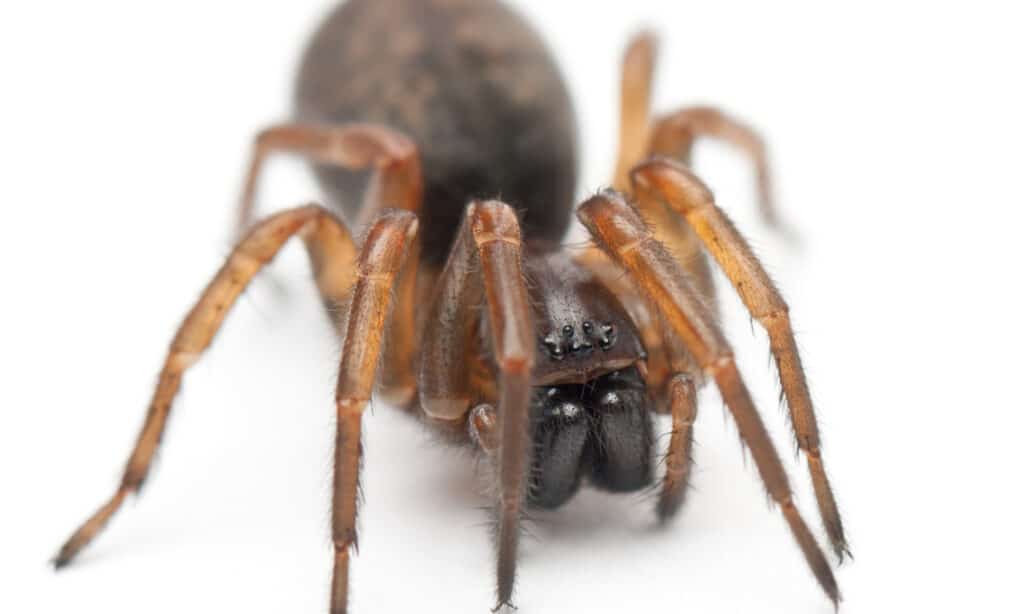
©Eric Isselee/Shutterstock.com
A mix of coastal, forest, and urban habitats leads to high spider diversity.
Most common:
- Wolf spiders
- Jumping spiders
- Orb-weavers
Notable / state-associated:
- Dense orb-weaver populations in wooded and coastal regions
Oklahoma
©iStock.com/NikonShutterman
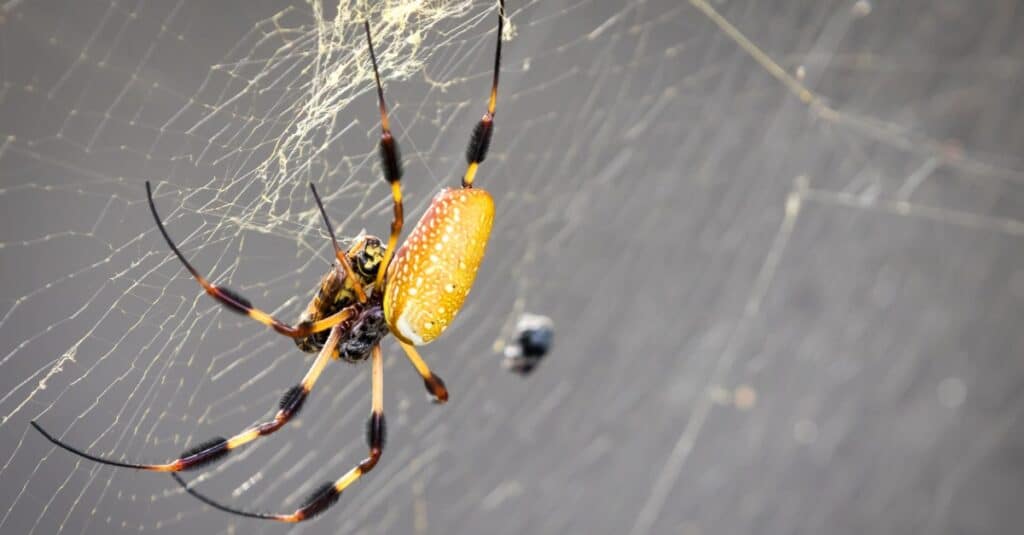
Grasslands and warm conditions contribute to frequent spider encounters.
Most common:
- Wolf spiders
- Jumping spiders
- Grass spiders (funnel-web builders in lawns)
Notable / state-associated:
- High diversity of prairie-dwelling wolf spiders
South Carolina
©iStock.com/ViniSouza128
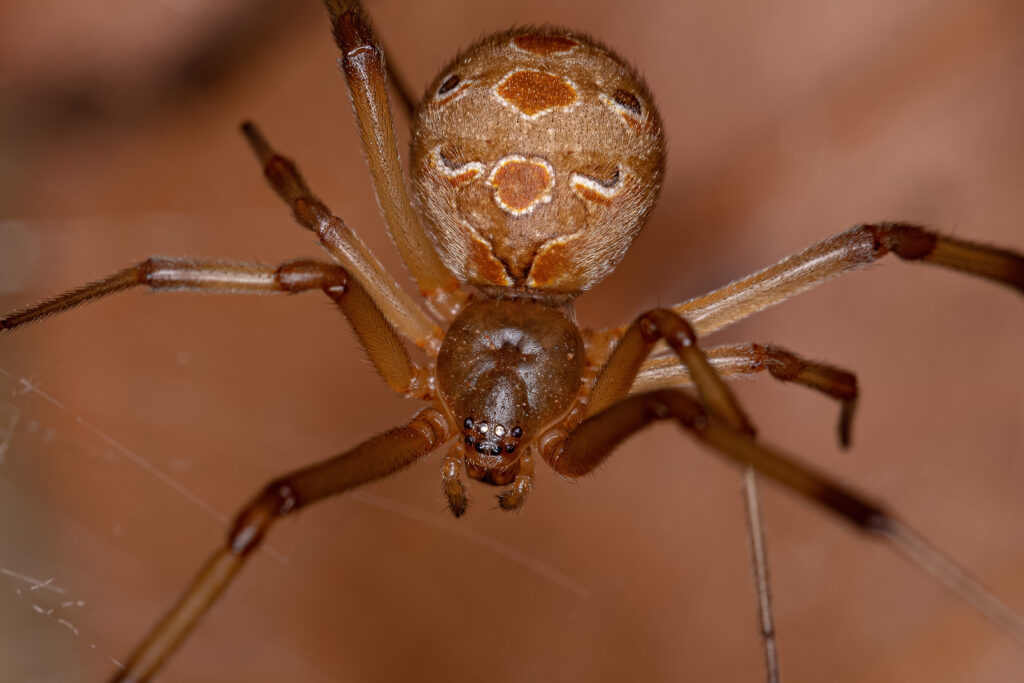
Long summers and mild winters mean spiders remain active most of the year.
Most common:
- Wolf spiders
- Orb-weavers
- Cellar spiders
Notable / state-associated:
- Large banana spiders (golden silk orb-weavers) common in coastal areas
Tennessee
©Shelly Jefferson Morton/Shutterstock.com
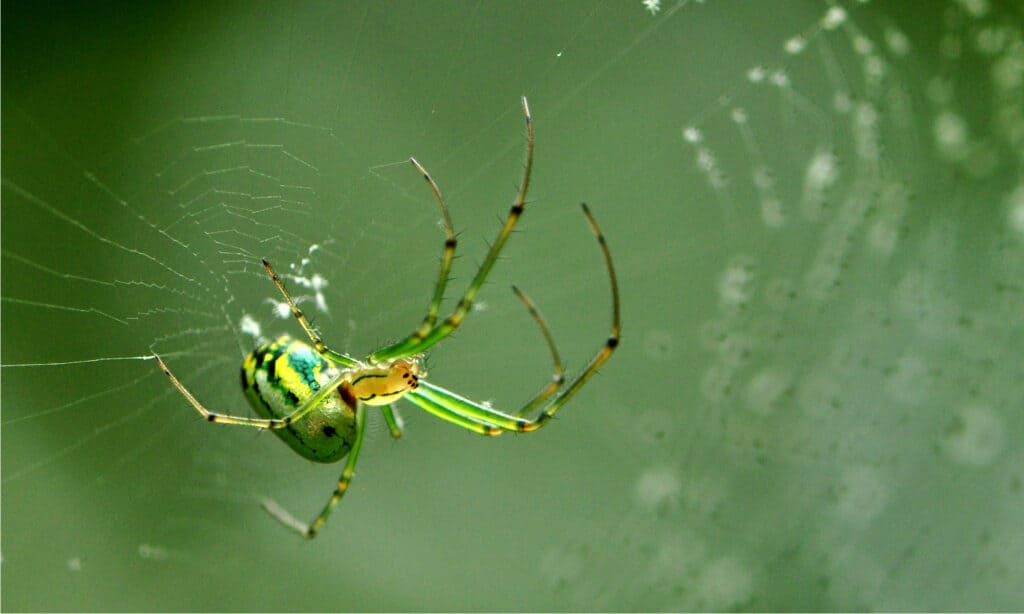
Wooded areas and humid summers support large populations, especially around homes.
Most common:
- Wolf spiders
- Jumping spiders
- Orb-weavers
Notable / state-associated:
- Funnel weavers frequently mistaken for more dangerous species
Texas
©iStock.com/Shravan Sundaram Photography
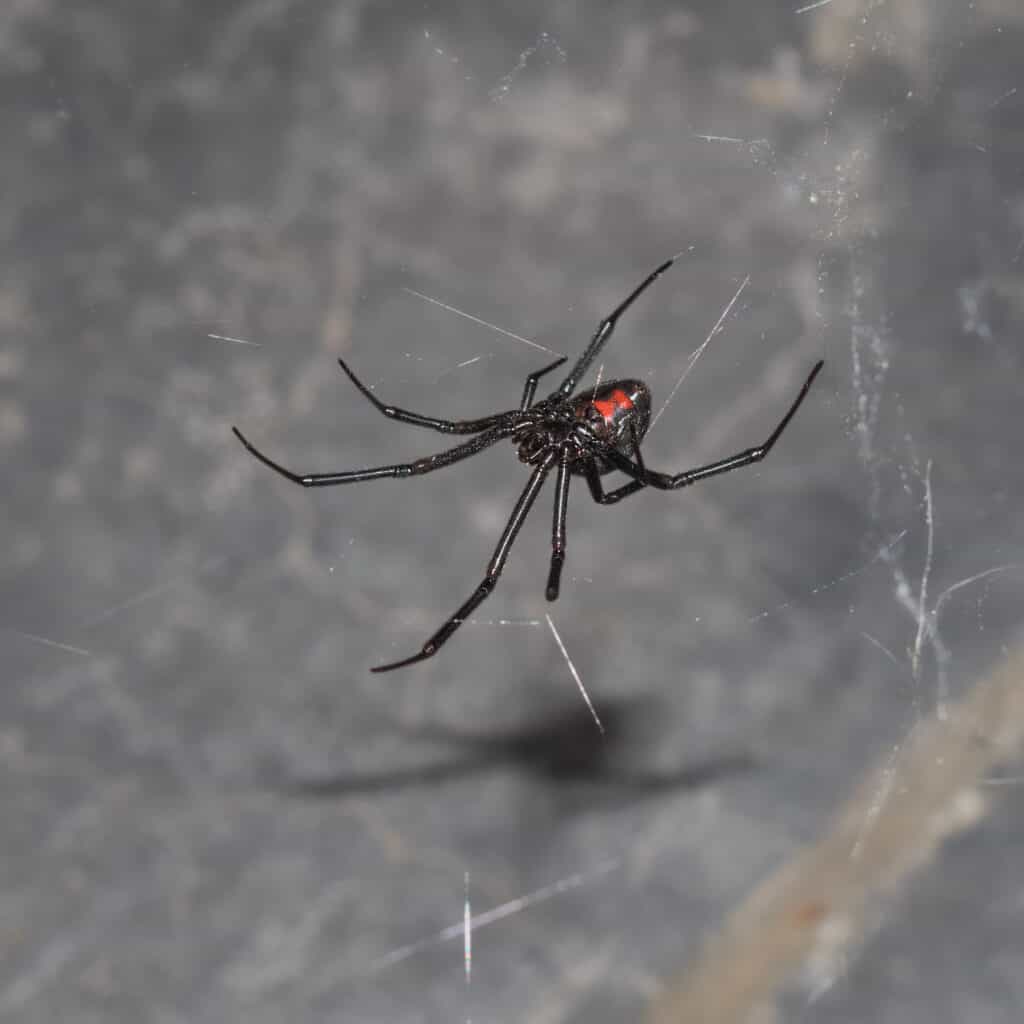
Warm weather, varied ecosystems, and large rural areas support hundreds of spider species, including some very large ones.
Most common:
- Wolf spiders – large, fast, ground-dwelling hunters
- Jumping spiders – small, active, and often found on walls and windows
- Orb-weavers – outdoor web builders seen in yards and near lights
Notable / state-associated:
- Texas brown tarantula (common in central and western regions)