
Quick Take
- Snakes share their sleep schedule with some of the laziest mammals on earth, and the comparison turns out to be more accurate than you would expect. See how rest aids survival →
- A snake's brain can block out bright light and still fall asleep, all without ever closing its eyes. See how snakes block light →
- Eating a single meal can force a snake into a days-long sleep-like state, and skipping that retreat could prove fatal. Explore post-meal sleep states →
- Certain snakes gather by the thousands in one place each year, though not to hunt or mate. Discover seasonal snake gatherings →
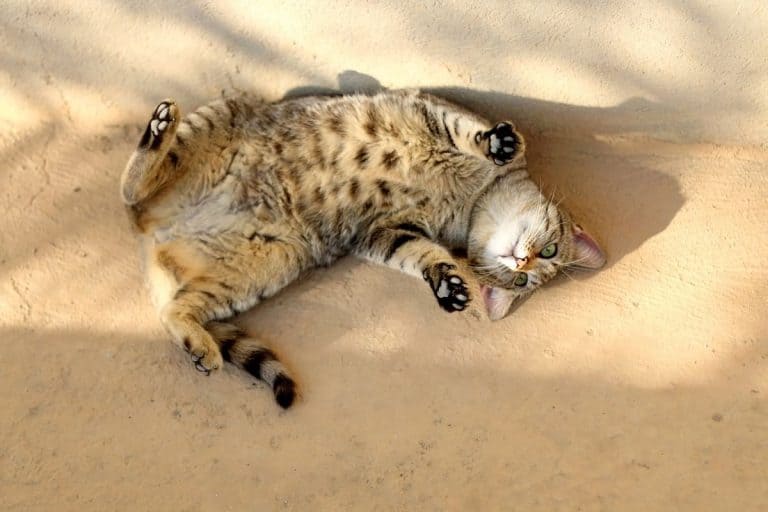
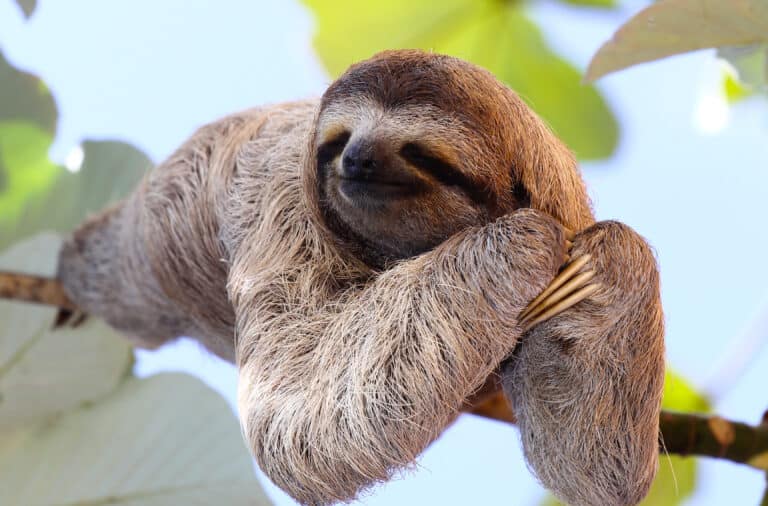
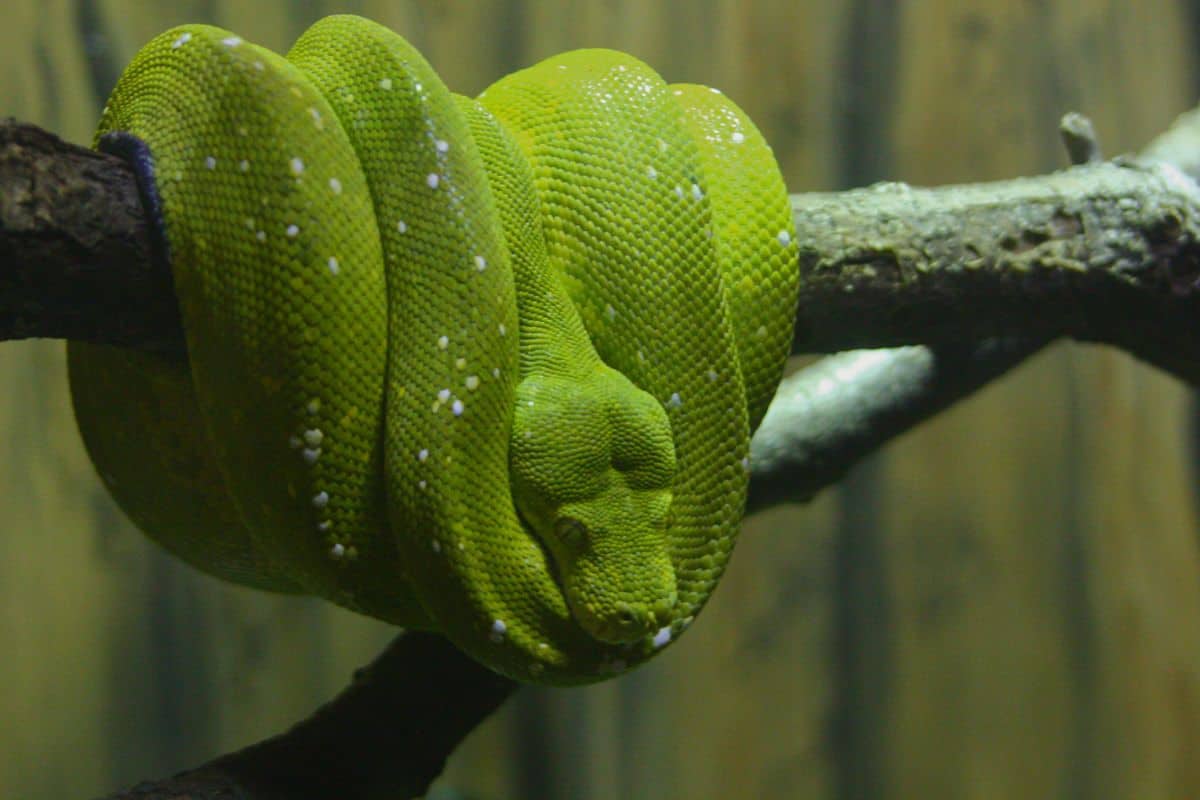
The image of a tireless snake, always poised to strike, hardly matches reality. Instead, these elusive reptiles spend the vast majority of their lives at rest. Most snakes sleep or remain in a deep torpor for as many as 16 to 20 hours each day, placing them among nature’s heaviest sleepers. That leaves only a handful of hours for any real activity, a schedule rivaling some famously lazy mammals such as lions, armadillos, or koalas.
Sleep: More Than Just Rest
For snakes, sleep isn’t just a luxury, it’s the strategy that helps them survive. As ectothermic animals, snakes rely on external heat sources to regulate their body temperature. This dependence pushes them into slow, energy-saving lifestyles. Instead of moving endlessly through their environments, many choose to rest as much as possible, only springing to action when necessary. The desert taipan, for example, usually lies motionless beneath rocks to preserve the precious nutrients gleaned from its rare meals.
Unlike mammalian predators that cover vast distances chasing prey, most snakes are ambush hunters. A timber rattlesnake can lie in wait for days, barely stirring. It won’t break its restful routine until something edible comes within striking distance, making the balance of energy spent and calories gained more favorable than the hunting strategies of many warm-blooded carnivores.
Digestion and Shedding: Times of Deep Retreat
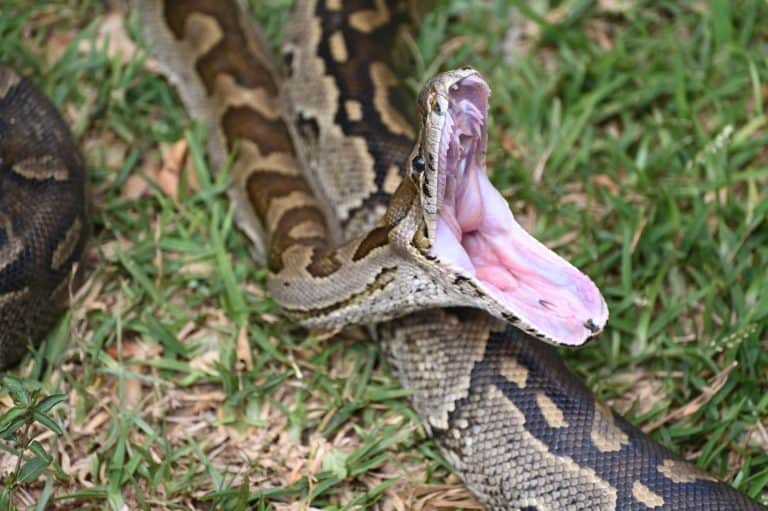
When snakes eat, their bodies face a significant task. Swallowing prey whole, and sometimes prey nearly as large as themselves, demands an extraordinary digestive effort. After consuming a large rodent, for instance, a giant anaconda’s metabolism jumps, causing organs like the heart and liver to double in size. During this intense period, which can stretch on for days, the snake often isolates itself and appears to slip into a sleep-like state. Any unnecessary movement at this time could waste vital energy needed to break down bones and tissues.
Molting, or shedding skin, is another process that pushes snakes into a period of withdrawal. Before discarding their outer layer, snakes secrete a lymphatic fluid between the old and new skin, which temporarily clouds their vision and turns their eyes a milky blue, a striking effect in species like the black rat snake. Vulnerable and nearly blind, such snakes minimize risk by retreating to secluded spots, sleeping until it’s safe to emerge with renewed skin.
When and How Do Snakes Sleep?
The daily rhythm of a snake is shaped by a blend of biology and environment. Species, hunting habits, habitat, and even season all play a role. Diurnal snakes, like the European grass snake, heat up in the morning and hunt by daylight. At dusk, they slip under stones or logs to sleep till morning. Nocturnal species, including the western diamondback rattlesnake and Seba’s python, do the opposite: hiding in the shade all day, they hunt only after sunset, using specialized heat-sensing pits to track prey in darkness.
In regions with cold winters, snakes face another challenge. Autumn’s arrival brings temperatures that stop snakes from moving or digesting, risking putrefaction of any undigested meals. The solution: a state of winter lethargy akin to hibernation. Garter snakes in Canada dramatically demonstrate this behavior, gathering by the thousands in underground dens. There, in a near-death slumber, they sleep side by side for months, only stirring with the return of spring warmth.
Sleeping with Eyes Wide Open
How can a snake sleep without eyelids to block out the world? Humans use closed eyes as a barrier against light and threats. But snakes lack eyelids, instead, a transparent scale forms a permanent protective lens over their eyes. Yet even in full daylight, a snake can rest undisturbed. Scientists studying royal pythons noticed the animals emit brainwaves characteristic of sleep even while intense lights illuminated their enclosures. The eyes register the incoming light, but the brain ignores the signal, allowing the snake to rest in a state of peaceful detachment.
The sleeping habits of snakes offer a glimpse into the diverse adaptations animals reach in response to their environments. Far from ceaseless predators, snakes are masters of restraint, living much of life in stillness, demonstrating a different kind of power found in patience and conservation.