
Quick Take
- Individual North Carolina citizens were responsible for spearheading efforts to have specific animals recognized as official state symbols
- North Carolina recognizes two mammals, the Eastern gray squirrel as the state mammal, and the opossum as the official state marsupial.
- The wild Spanish mustang is the state’s official horse, although it is not native to North Carolina.
North Carolina possesses immense biodiversity due to its diverse topography, ranging from high-altitude Appalachian spruce-fir forests and piedmont to delta plains and coastal marshes. The state’s wide-ranging environments provide habitats for an array of wildlife, including fish, birds, mammals, reptiles, insects, and amphibians. Legislators in the Tar Heel State have designated over a dozen different animals as official state symbols. Continue reading to learn more about the animals they have chosen and why they are important to North Carolina.
State Bird: Northern Cardinal
The Northern cardinal (Cardinalis cardinalis) is the official state bird of North Carolina. Recognized in 1943, the Northern cardinal has the distinction of being North Carolina’s first official animal symbol.
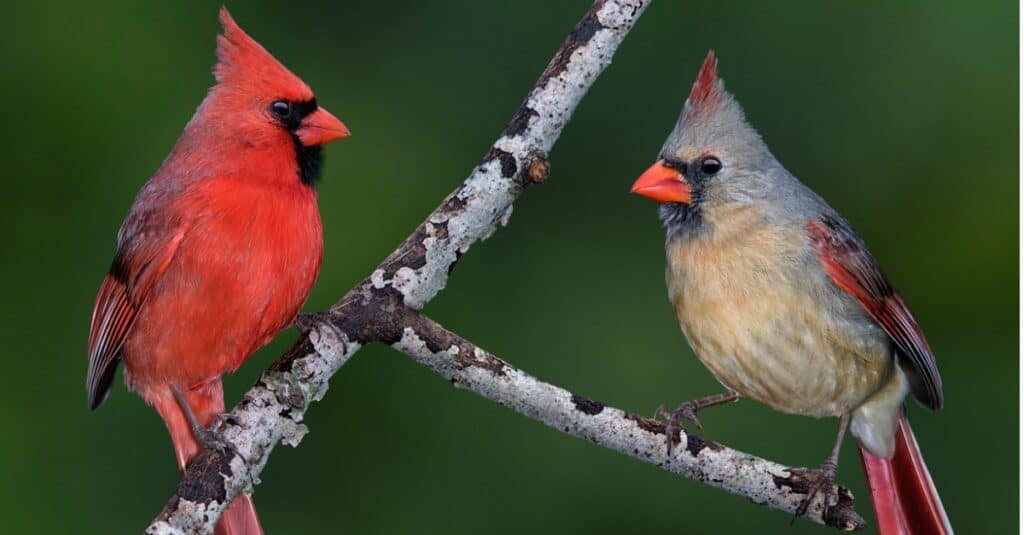
Male northern cardinals are vibrant red, while females are reddish-brown.
©Cathy Keifer/Shutterstock.com
It was chosen following a campaign by the North Carolina Bird Club, receiving 5,000 votes, which was the highest number among several candidates. Legislators then made the designation official, noting the bird’s value in keeping the state’s farms and gardens free from weeds and insects.
Northern Cardinals live in North Carolina year-round. The males are vibrant red, while the females are reddish brown. Both feature the same prominent crest, heavy bill, and dark black mask.
State Mammal: Eastern Gray Squirrel
The state mammal and the official state animal symbol of North Carolina is the Eastern gray squirrel (Sciurus carolinensis). Representative Basil Barr of Ashe County introduced the original bill in the North Carolina House. Rep. Barr surveyed schoolchildren in the state, and they chose the Eastern gray squirrel as North Carolina’s official mammal.
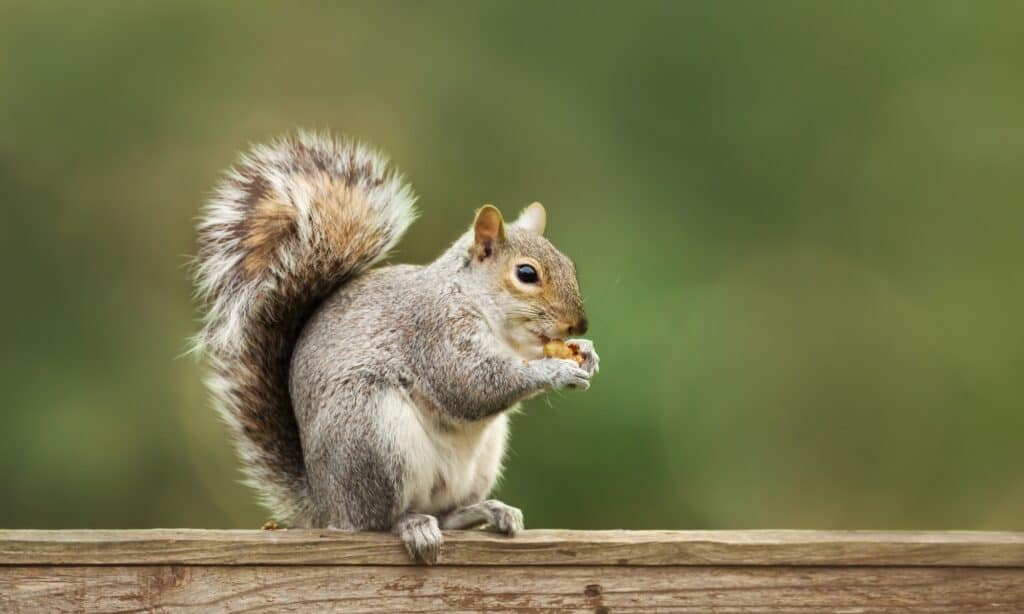
The Eastern gray squirrel is found in every county in North Carolina.
©iStock.com/Dgwildlife
In the bill, Rep. Barr called the Eastern gray squirrel “courageous and thrifty.” The bill was passed, and the declaration became official on June 30, 1969.
State Saltwater Fish: Channel Bass
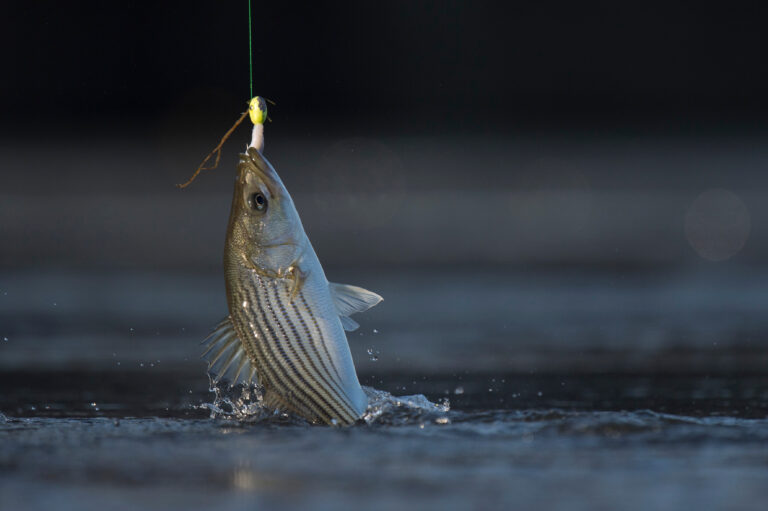
The channel bass (Sciaenops ocellatus), which has several names, including red drum, spottail bass, and puppy drum, became the state saltwater fish of North Carolina in 1971.
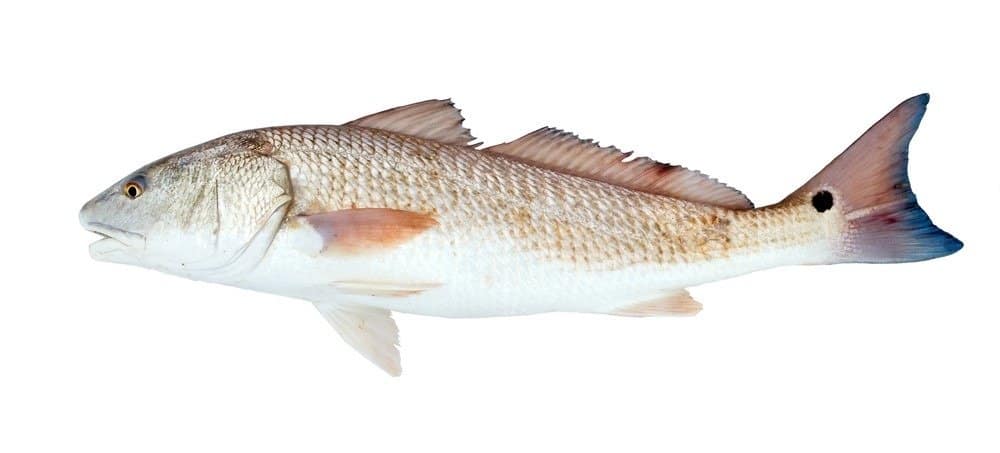
The channel bass is a premier game fish in North Carolina.
©IrinaK/Shutterstock.com
These fish are prevalent in the coastal waters of North Carolina and are a popular target for saltwater anglers. The channel bass grows to an average size of 20-30 pounds, although it’s not uncommon for them to exceed 50 pounds. In fact, the world record channel bass was caught in North Carolina waters. David Deuel landed a monster 94-pound, 2-ounce channel bass off of Hatteras Island on November 7, 1984.
State Insect: Honey Bee
The Western honey bee (Apis mellifera) was named the official state insect of North Carolina on March 5, 1973. These bees are crucial pollinators of cash crops in the state, such as fruits, vegetables, alfalfa, and cotton.
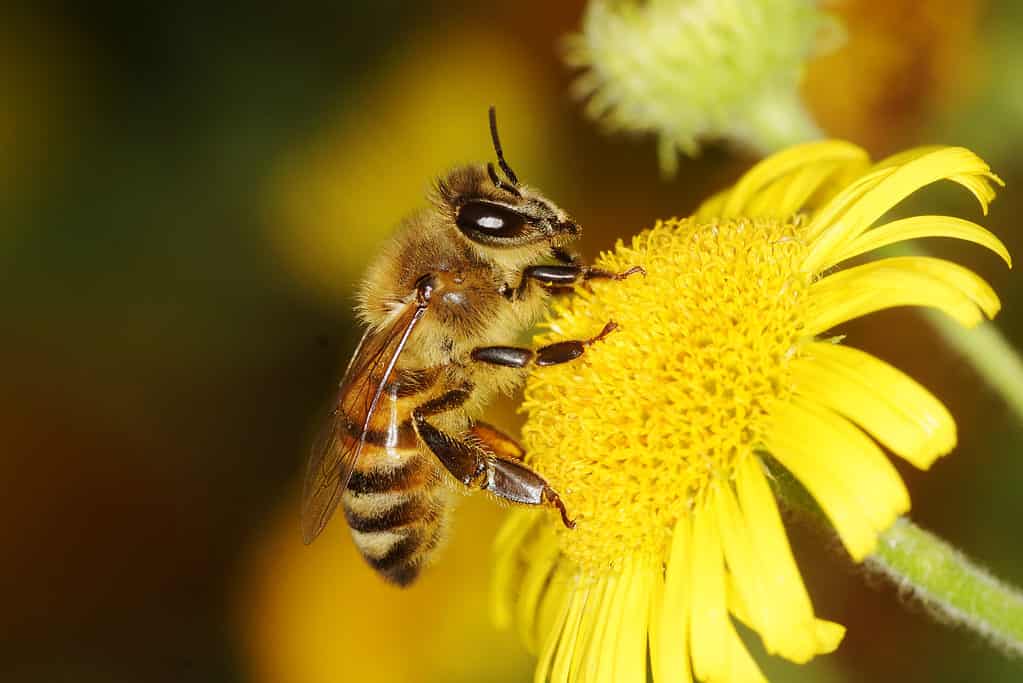
Honeybees are crucial pollinators.
©Maciej Olszewski/Shutterstock.com
Honey bee populations have faced significant challenges in recent years due to disease, habitat loss, and pesticide exposure, but recent conservation efforts in North Carolina have helped stabilize or increase local bee numbers. Other efforts have also been made in the state to protect the honey bee as well as to promote beekeeping, such as the North Carolina Bee and Honey Act of 1977.
State Reptile: Eastern Box Turtle
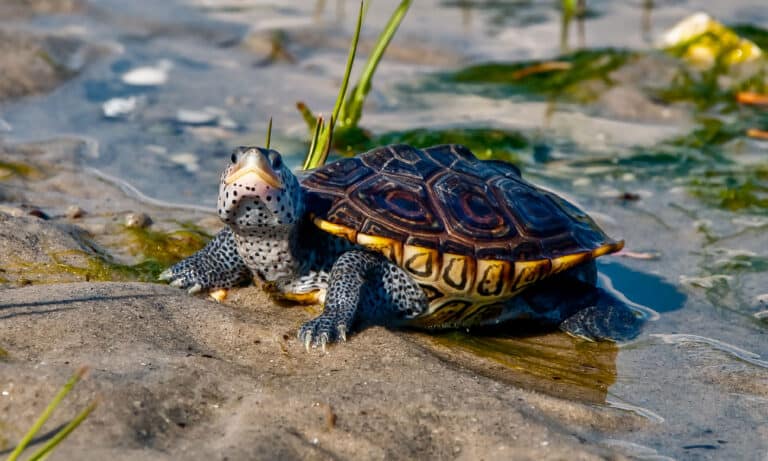
The Eastern box turtle (Terrapene carolina carolina) can be found in every part of North Carolina except the Outer Banks. It is the only terrestrial turtle found in North Carolina. As such, it was honored as the official reptile of the state in 1979.
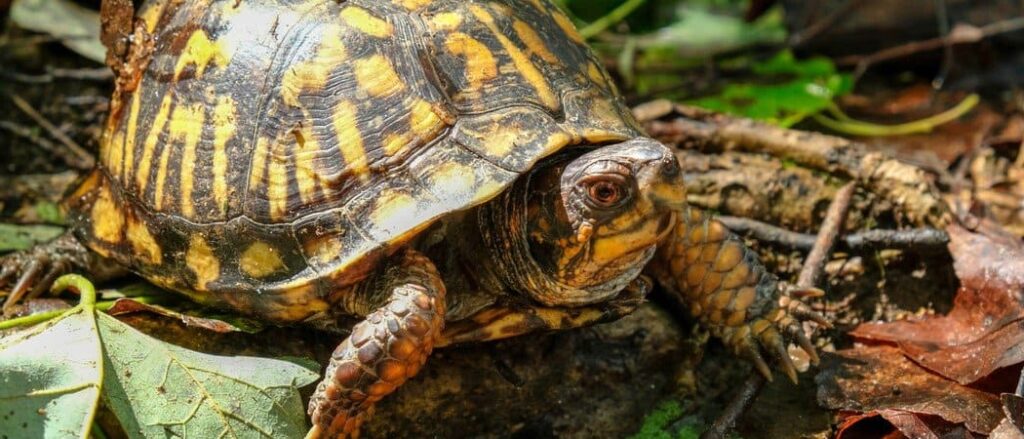
This Eastern box turtle is munching on a muscadine grape in Yates Mill County Park in Raleigh, North Carolina.
©samray/Shutterstock.com
The eastern box turtle’s name comes from its range within the eastern U.S. and its ability to completely “box up” within its shell if it senses danger. The name does not mean it is wise to box up the turtle and take it home as a pet! The turtle numbers are declining, and removing a turtle from the wild only exacerbates the problem.
The Eastern box turtle is classified as Vulnerable globally and is listed as a priority species in the North Carolina Wildlife Action Plan
State Dog: Plott Hound
The Plott Hound is a large scent hound that was bred in North Carolina by George (Johannes) Plott. He brought five Hanover hounds from his home in Germany. The Hanover hound was bred for boar hunting. The breed was refined in North Carolina’s Plott Balsam mountains (also named for the Plott family) to hunt bears and other big game.
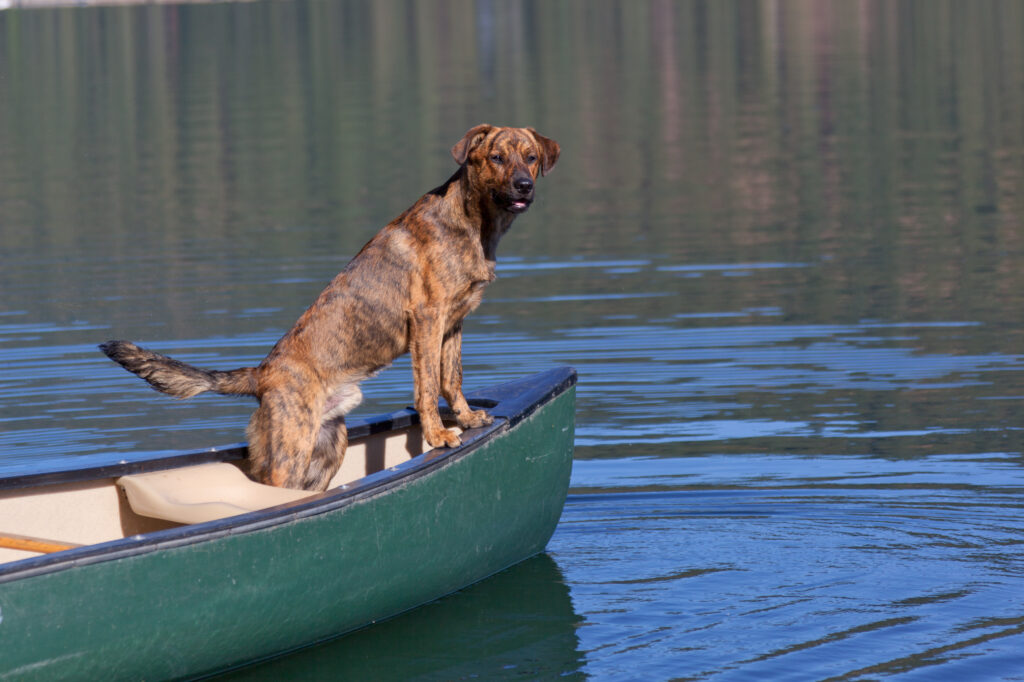
The Plott hound is always up for an adventure.
©Will Hughes/Shutterstock.com
The Plott hound is an athletic breed that weighs 50-60 pounds and stands between 20 and 25 inches tall at the shoulder for males, while females typically measure 20 to 23 inches when fully grown.
State Freshwater Fish: Southern Appalachian Brook Trout
The official freshwater fish of North Carolina is the only native freshwater trout in the state: the southern Appalachian brook trout (Salvelinus fontinalis). The full name is a bit of a mouthful, though, so you are likely to hear anglers refer to them as brookies, specks, or speckles because of their speckled appearance.
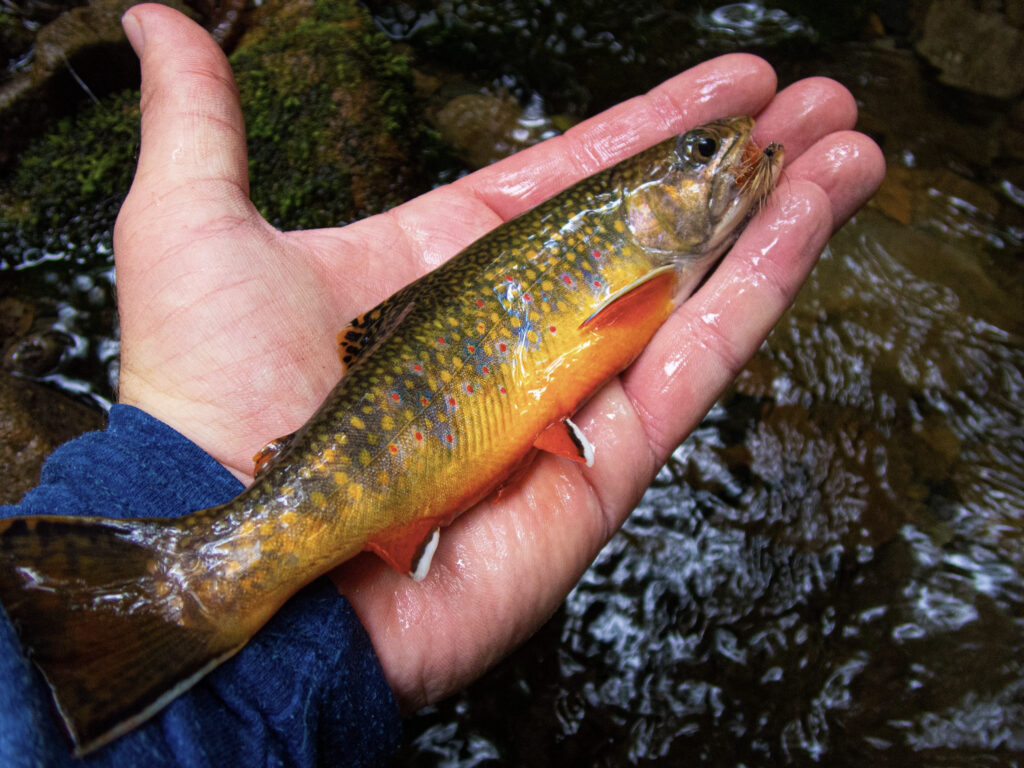
You can find the Southern Appalachian brook trout in fisheries throughout North Carolina.
©iStock.com/Devin Davenport
In the official legislation recognizing the brook trout as North Carolina’s official freshwater fish, lawmakers noted the species’ widespread presence in the state’s mountain streams. The legislation also noted the beautiful, wild range where the fish is found and how this trout is interwoven with the culture of Western North Carolina.
State Horse: Colonial Spanish Mustang
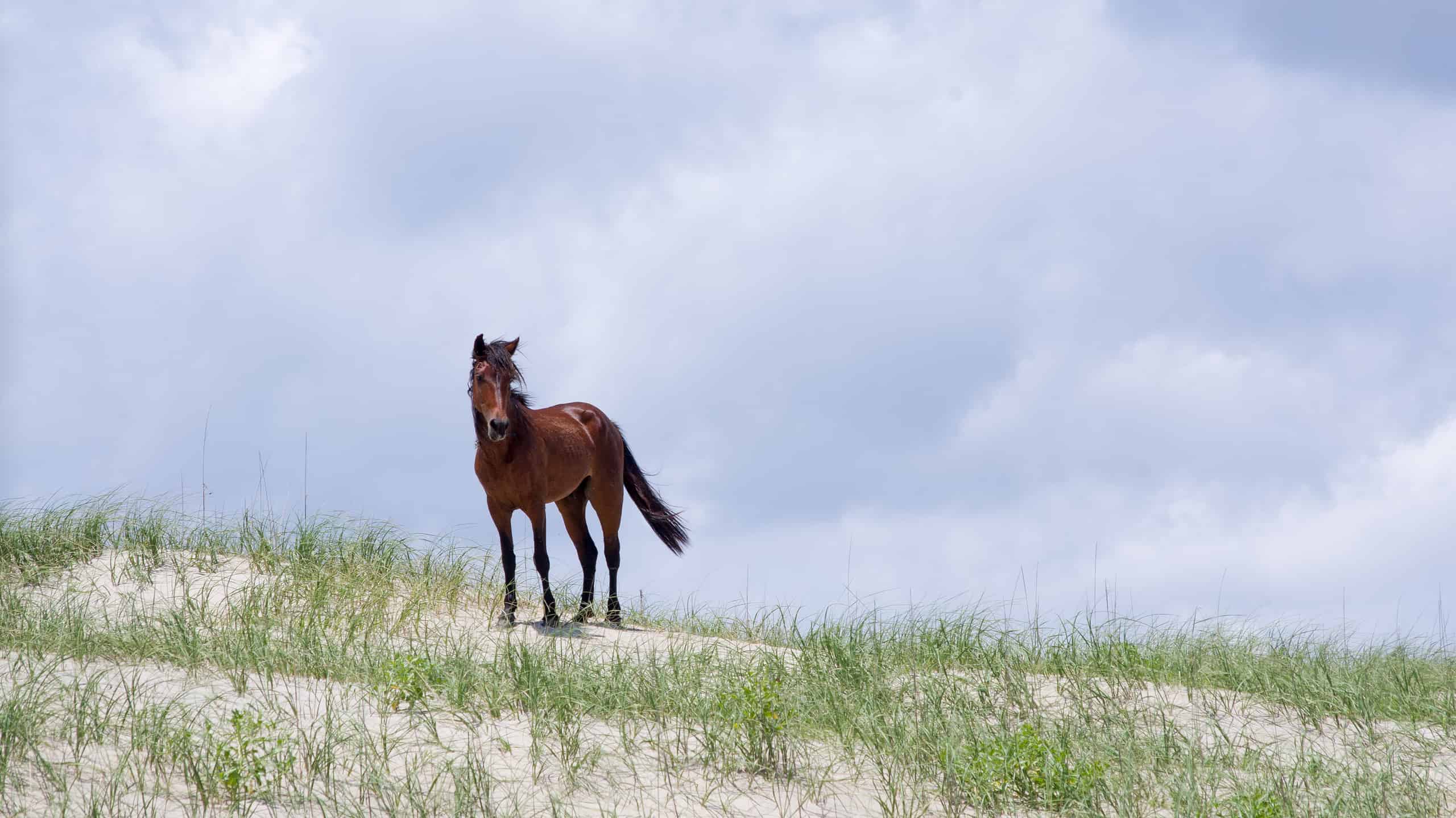
After numerous requests from the Corolla Wild Horse Fund and a group of persistent students from Shawboro Elementary School in Currituck County, the North Carolina General Assembly named the Colonial Spanish mustang (Equus ferus caballus) the official state horse on June 3, 2010.
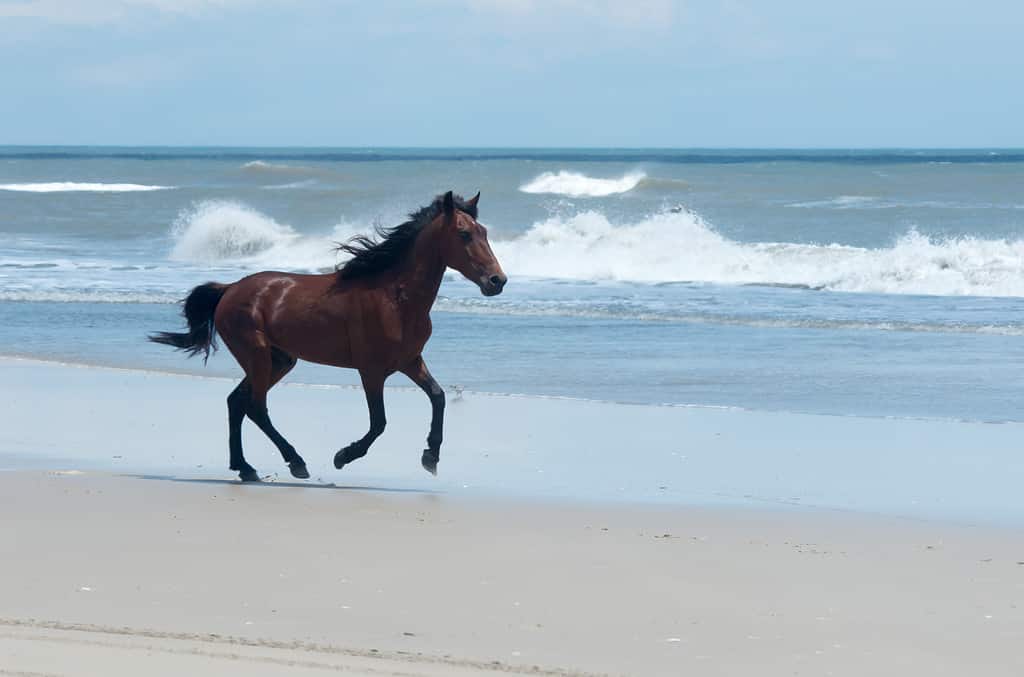
A wild mustang is seen running on a beach at the Outer Banks of North Carolina.
©BHamms/Shutterstock.com
The wild mustangs that roam the beaches of North Carolina are believed to be descendants of Spanish Mustangs brought by explorers in the 1500s. They most likely arrived via 16th-century Spanish shipwrecks, when they either swam ashore or were abandoned on the barrier islands by explorers.
The Spanish mustang is considered a critically endangered heritage breed by conservation organizations such as The Livestock Conservancy.
State Butterfly: Eastern Tiger Swallowtail
One North Carolina citizen, Frances Parnell of Wilmington, launched the movement to give the Eastern Tiger Swallowtail (Papilio glaucus) official state status. Various garden clubs in the state got behind it. The movement received a big boost when the North Carolina Wildlife Federation endorsed it. The payoff came when the Eastern Tiger Swallowtail received its designation as North Carolina’s state butterfly on June 15, 2012.
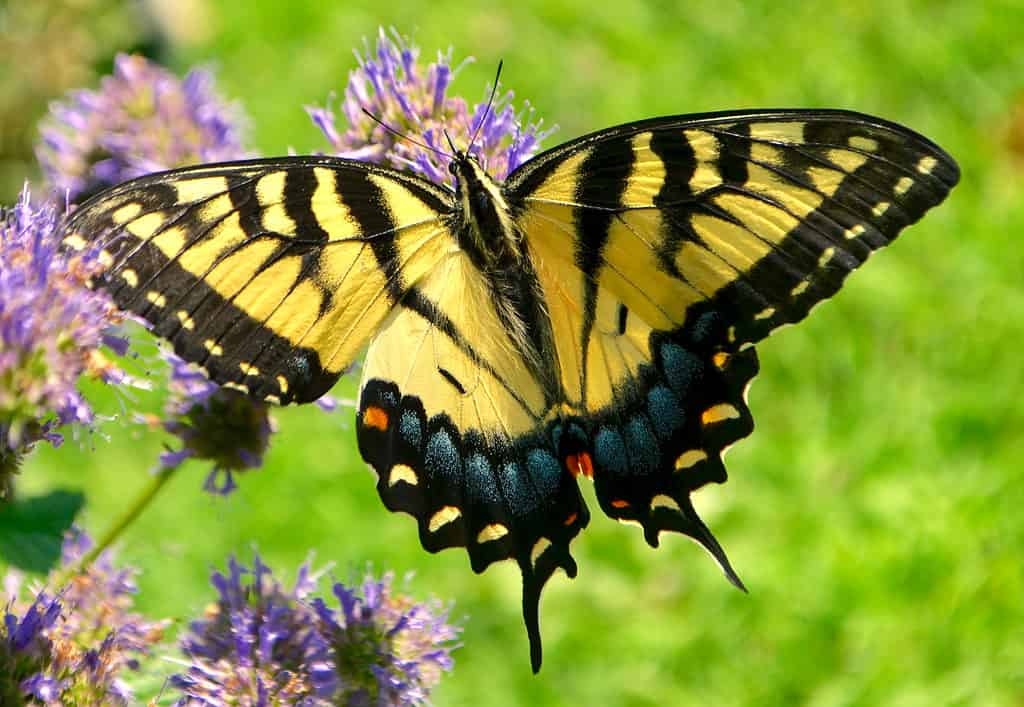
The Eastern Tiger Swallowtail is one of North America’s largest butterflies.
©Maria T Hoffman/Shutterstock.com
The Eastern Tiger Swallowtail was selected because it can be found in all of North Carolina’s 100 counties. The butterfly is instantly recognizable with its black and yellow striped pattern and distinctive tails on the hind wings. It is also one of the largest butterflies in North America, with a wingspan of up to six inches.
State Frog: Pine Barrens Treefrog
The official frog of North Carolina is the Pine Barrens Treefrog (Hyla andersonii).
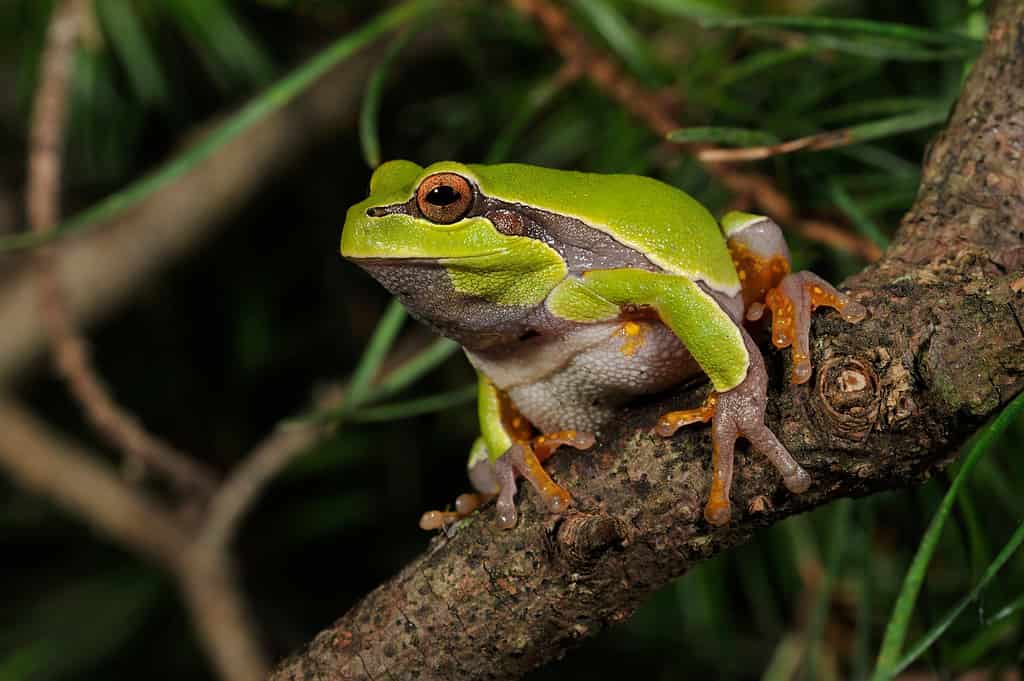
The Pine Barren treefrog is green with hues of lavender, white, and orange.
©Breck P. Kent/Shutterstock.com
The frog is green with a white-bordered lavender stripe down the sides of its body. There is also bright orange coloration on the underside of its legs.
The Pine Barren treefrog lives in the south-central part of North Carolina. It dwells in pine forests and sandhills. You can spot it rarely for a couple of reasons. First of all, it is nocturnal. Secondly, the population is declining due to the destruction of its habitat.
Rachel Hopkins, a teenager from Raleigh, spurred the movement to give the treefrog its official state designation to raise awareness of the importance of amphibian conservation. State lawmakers heard her voice and enacted the legislation in 2013.
State Marsupial: Virginia Opossum
North Carolina technically has two state mammals. Besides the Eastern gray squirrel, the official state marsupial, the Virginia opossum (Didelphis virginiana) is also a mammal.
North Carolina lawmakers conveyed the designation of the opossum as the state’s official marsupial in 2013. This opossum is the only native marsupial in the United States.
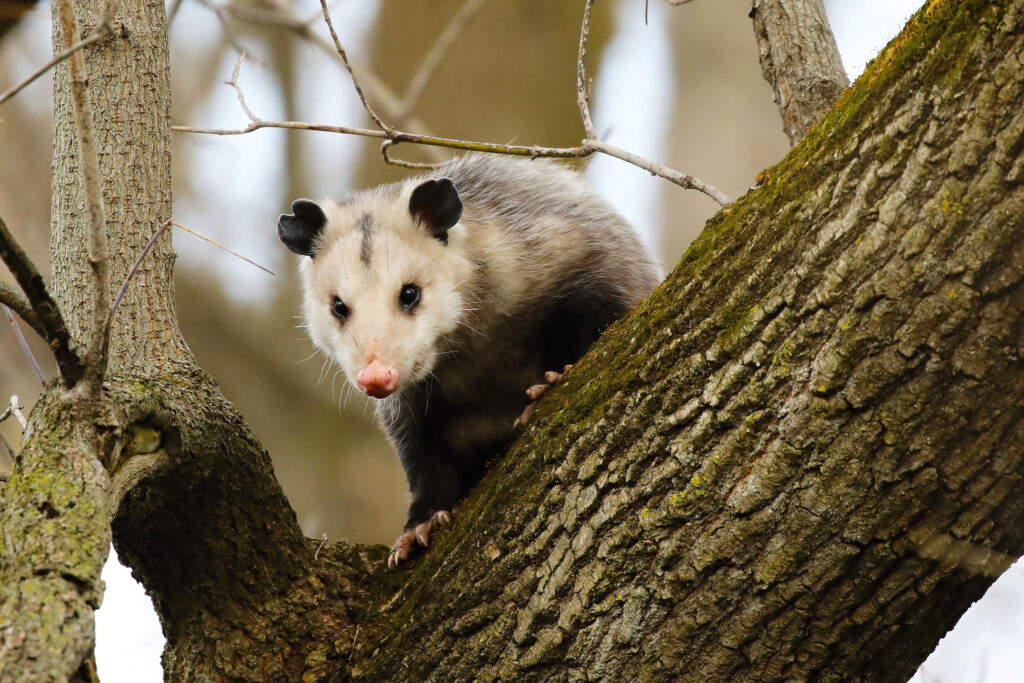
The Virginia opossum is the only native marsupial in the U.S.
©Karel Bock/Shutterstock.com
Although opossums have a reputation for carrying rabies, their body temperature is too low for the rabies virus to thrive and replicate. This makes them very unlikely to carry or transmit the disease compared to other common wild mammals.
In reality, opossums are regarded as highly beneficial, known for controlling tick populations and also eating cockroaches, rodents, snails, and venomous snakes.
State Salamander: Marbled Salamander
Rachel Hopkins, who was the driving force for the recognition of the Pine Barren treefrog, also advocated for the recognition of the marbled salamander (Ambystoma opacum) as North Carolina’s state salamander. The salamander received its official status from the state legislature in 2013.
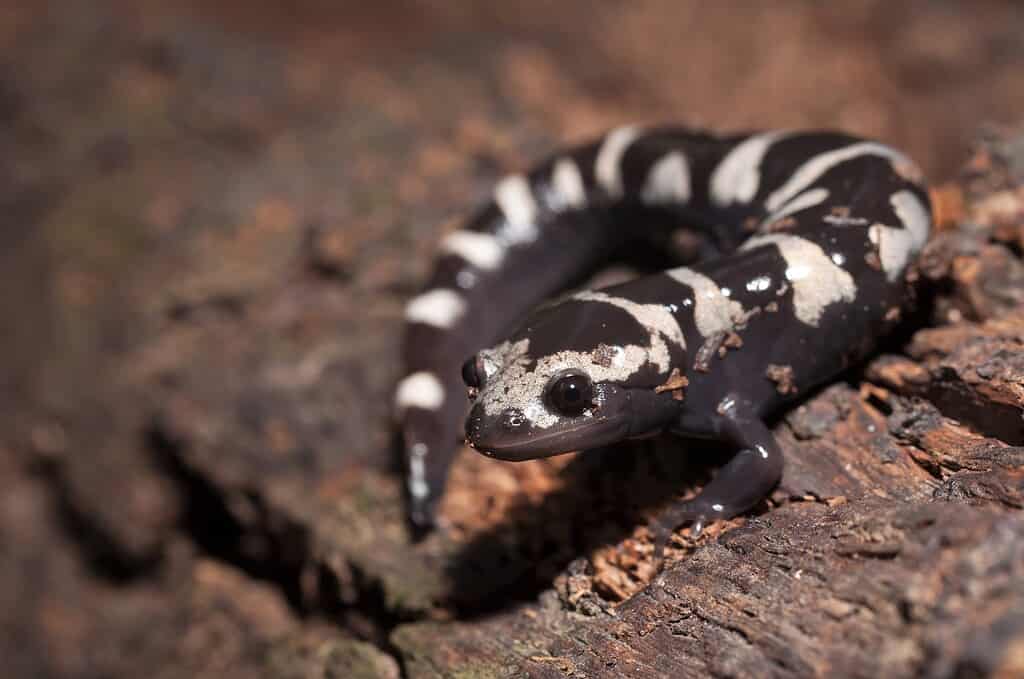
The marbled salamander only grows to around four inches long at maturity.
©Mike Wilhelm/Shutterstock.com
The marbled salamander is dark black with light brown or gray marbling. It is a small salamander, only growing to around four inches long at maturity. You can spot it in the Great Smoky Mountains National Park, dubbed the Salamander Capital of the World. A new salamander species, the Cherokee Black-bellied Salamander (Desmognathus gvnigeusgwotli), was discovered in the park in 2022.’
State Fossil: Megalodon Tooth
The state fossil of North Carolina recognizes an animal that hunted the waters of North Carolina long before human inhabitants arrived: the megalodon (Otodus megalodon)
Megalodon teeth are one of the more common fossil on some of North Carolina’s beaches, which led North Carolina legislators to designate the megalodon tooth as the state’s official fossil in 2013.
The megalodon was the largest shark to ever live. Estimates suggest the shark measured up to 50 feet long and weighed 100,000 pounds! That is roughly more than 100 times the body mass of a modern great white shark. It is impossible to be precise regarding these measurements, though. Sharks have cartilaginous skeletons. With no bones to fossilize, the only fossil record we have of the megalodon is its teeth.
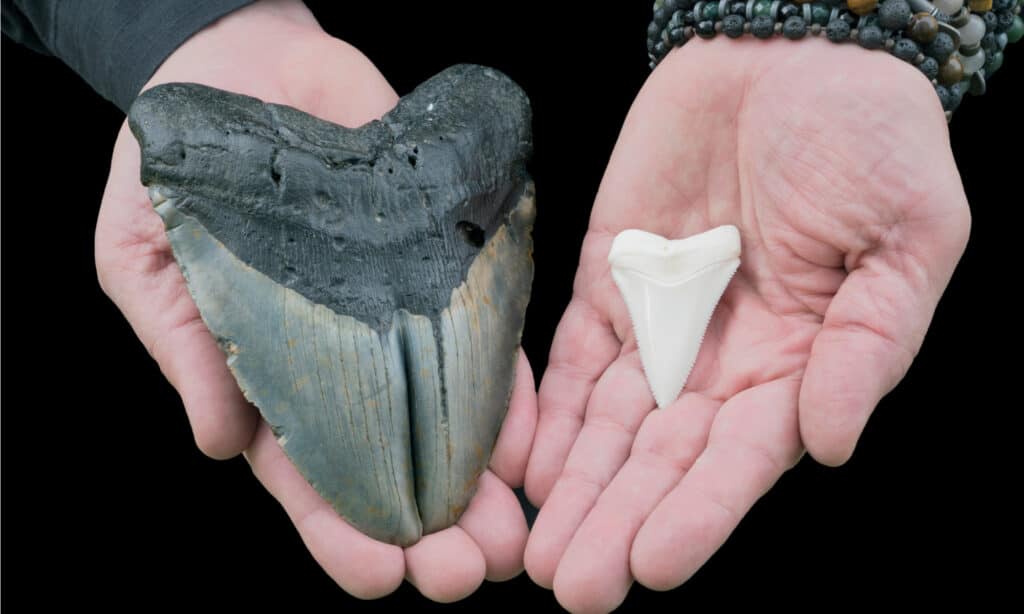
A fossilized megalodon tooth is far larger than the tooth of a great white shark.
©Mark_Kostich/Shutterstock.com
Megalodon teeth average from three to five inches long, but teeth measuring up to seven inches have been found, including a 7.25 megalodon tooth found in neighboring South Carolina. That’s over three inches bigger than modern shark teeth.
Megalodon teeth have been found on every continent on Earth except Antarctica. This sea monster that stalked oceans all over the globe is quite possibly the fiercest apex predator the world has ever known.